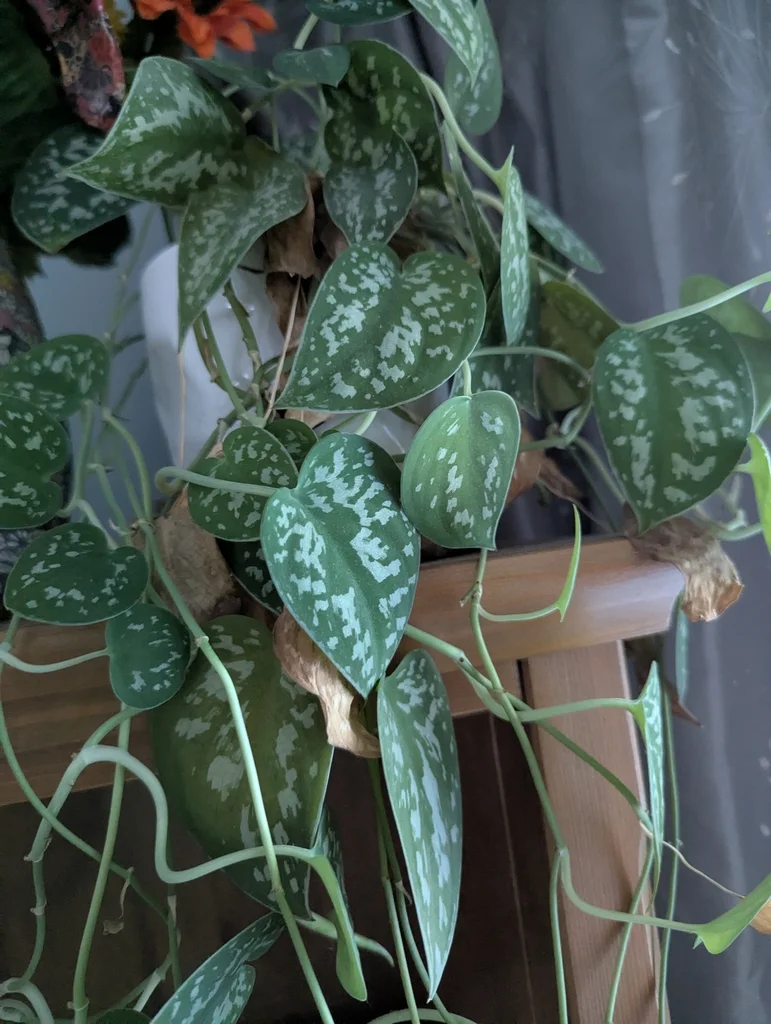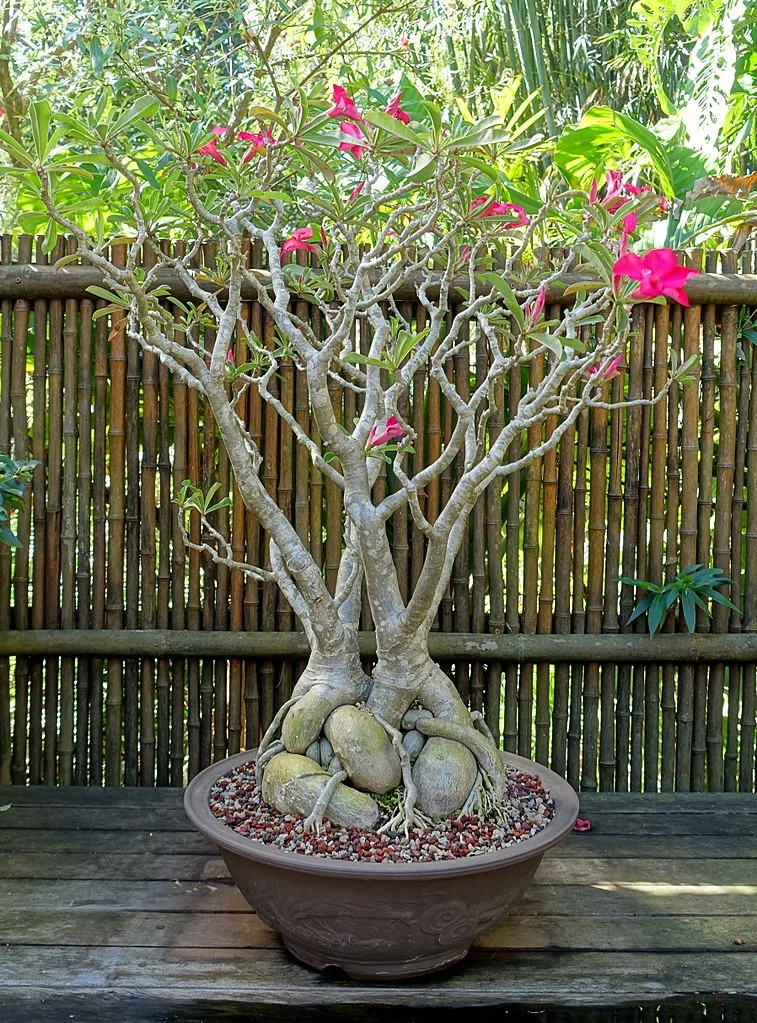
Each plant stays on your list for up to 180 days from the day you save it. Return using the same browser and device to see it again. Clearing browser data or using private browsing may remove it sooner. The list does not sync between devices.
Saving a plant asks this browser to remember its plant ID and save date. We don’t receive your list or send it to Analytics. You can remove a plant or clear the whole list whenever you like, and saving works whether you accept or reject Analytics. Saved-plants privacy details.
Some saved plants include an optional Amazon shopping link. Opening it takes you to Amazon under its own privacy practices. We do not send your saved list to Amazon. About retailer links.
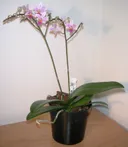
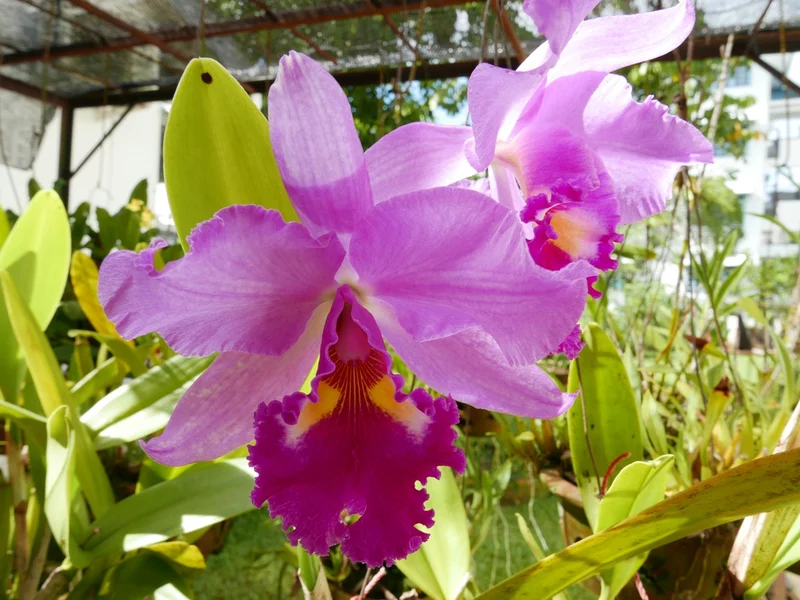
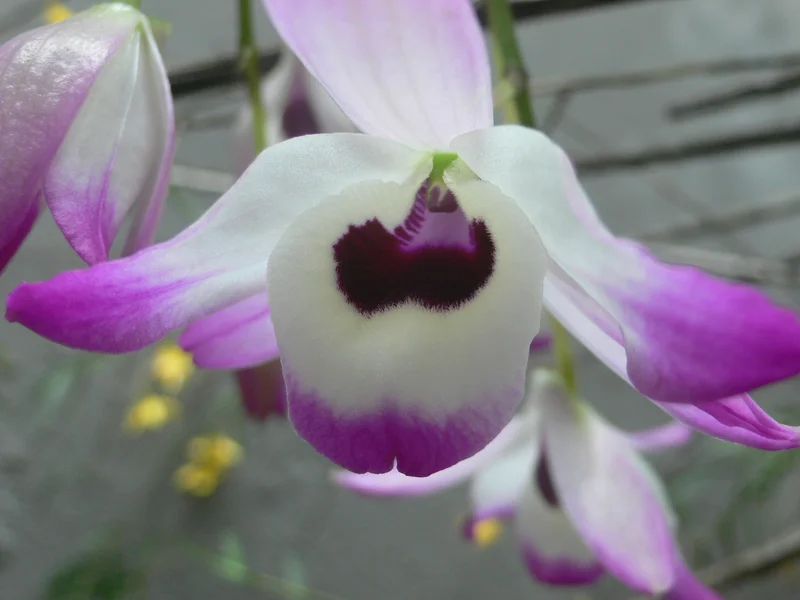
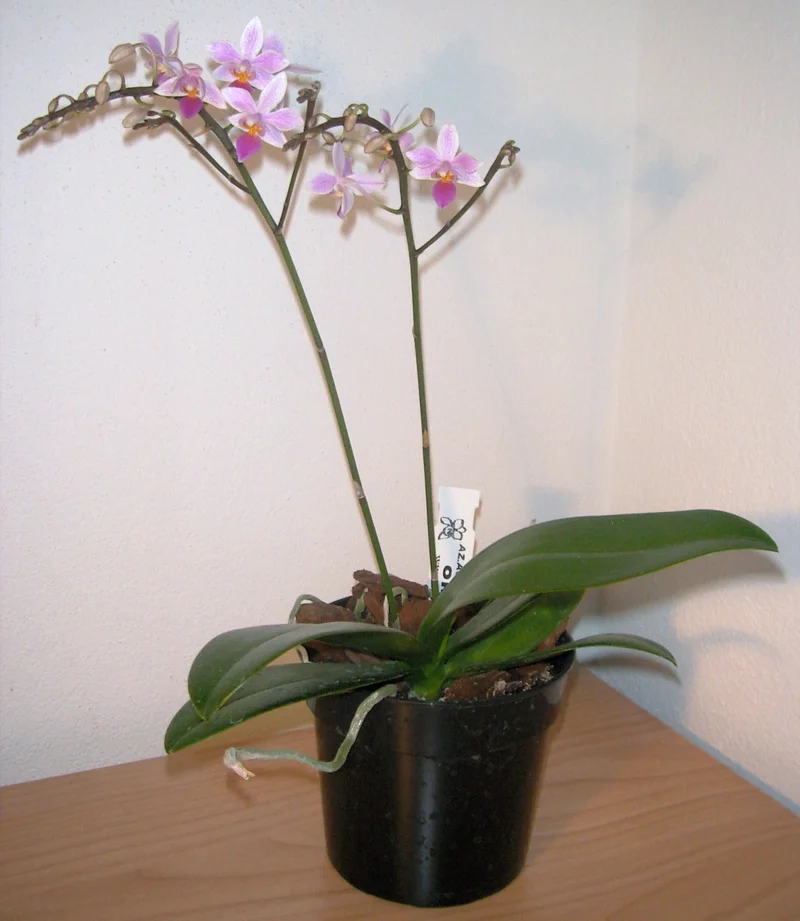
Phalaenopsis equestris, one example within the moth-orchid group.Photo: RobertoMMi
Moth orchids identified as Phalaenopsis. This guide does not cover every orchid or hybrids involving other genera. A photograph alone cannot establish plant identity.
Bright indirect light or Some direct sun Growing range: 59–75°F
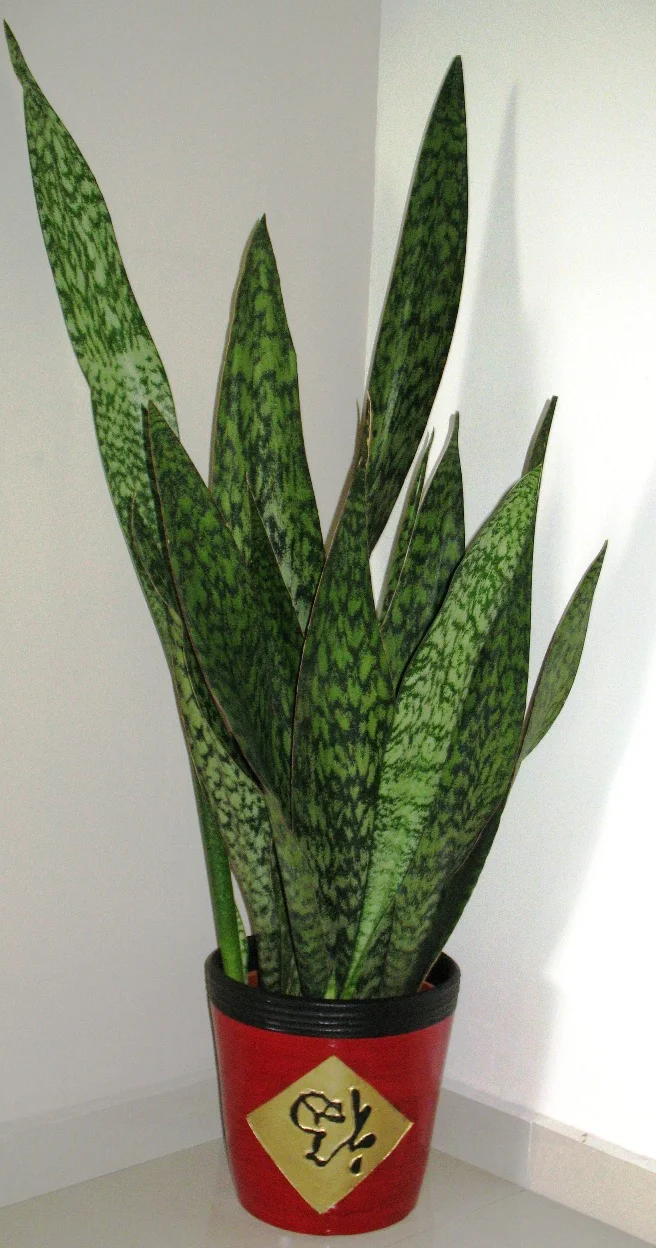
This guide covers Dracaena trifasciata, also known by the scientific name Sansevieria trifasciata. It does not assess every Dracaena species or every plant sold under the name snake plant.
Resized for display. Full photograph retained; no background or botanical edits.
This displayed image is shared under the same CC BY-SA 4.0 license.
Conflicting guidance — use caution. Cat safety is unresolved. This purchase link is not a cat-safe recommendation. Prevent your cat from accessing this plant. Explore non-toxic plants. Read the evidence.
We may earn a commission when you buy through this link.
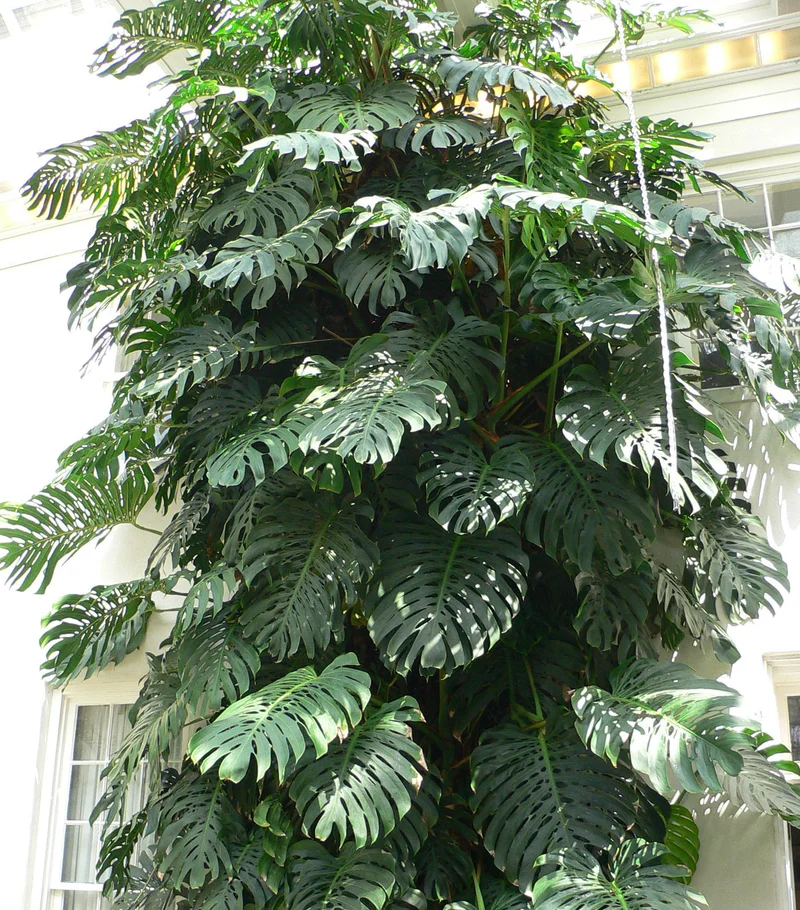
A mature Monstera deliciosa climbing in a conservatory.Photo: Raul654i
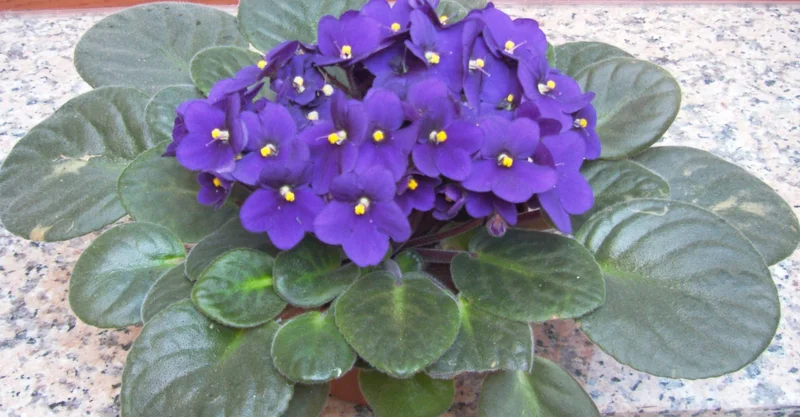
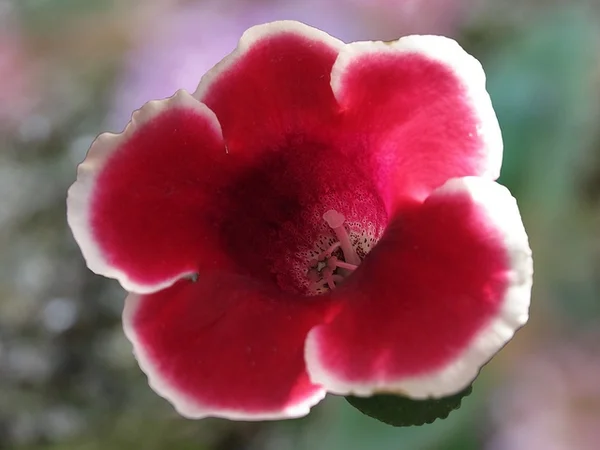
This guide covers Streptocarpus ionanthus, formerly Saintpaulia ionantha. The cat assessment uses the ASPCA’s broader Saintpaulia group listing and the documented placement of this species within that group. It does not assess all Streptocarpus species or unidentified interspecific hybrids.
Medium indirect light Temperature range not yet established
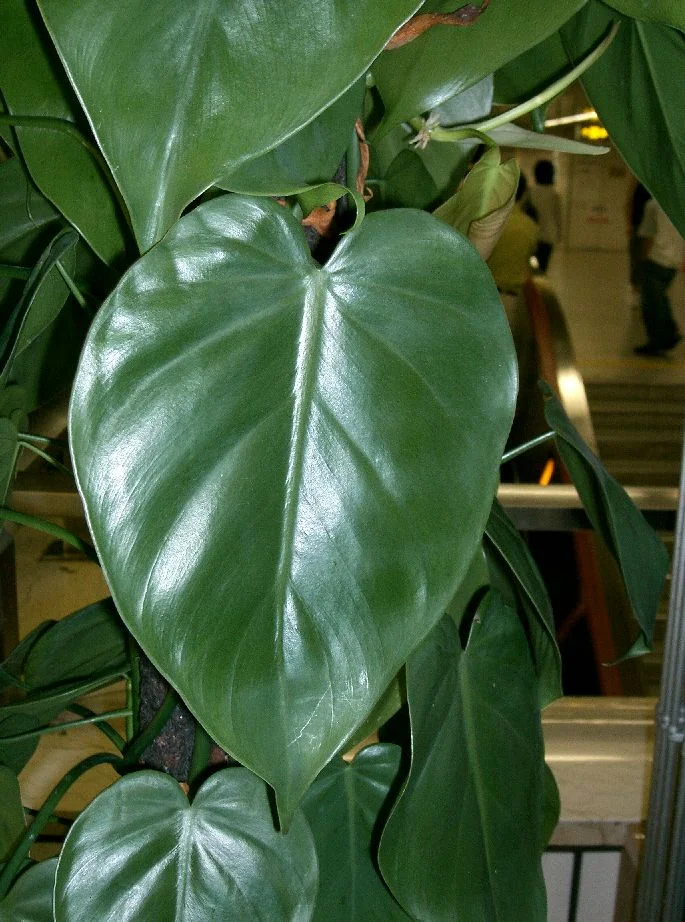
This guide covers Philodendron hederaceum only. A shared common name or similar appearance does not establish that another plant has the same assessment.
Light varies by type Temperature range not yet established
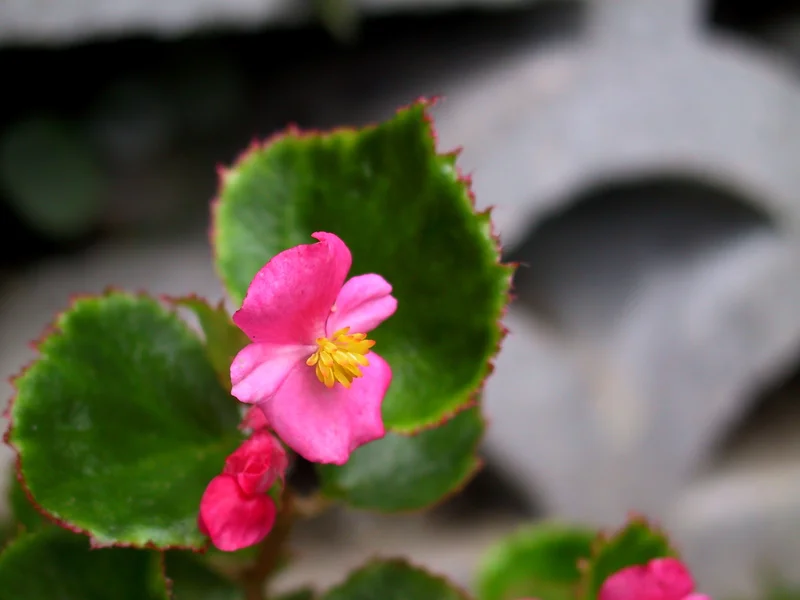
This is a genus-level guide to Begonia spp., the group named in the cat-safety source. It does not assign a separate risk level to each species or cultivar. The source’s kidney-failure statement about grazing animals is not applied to cats here.
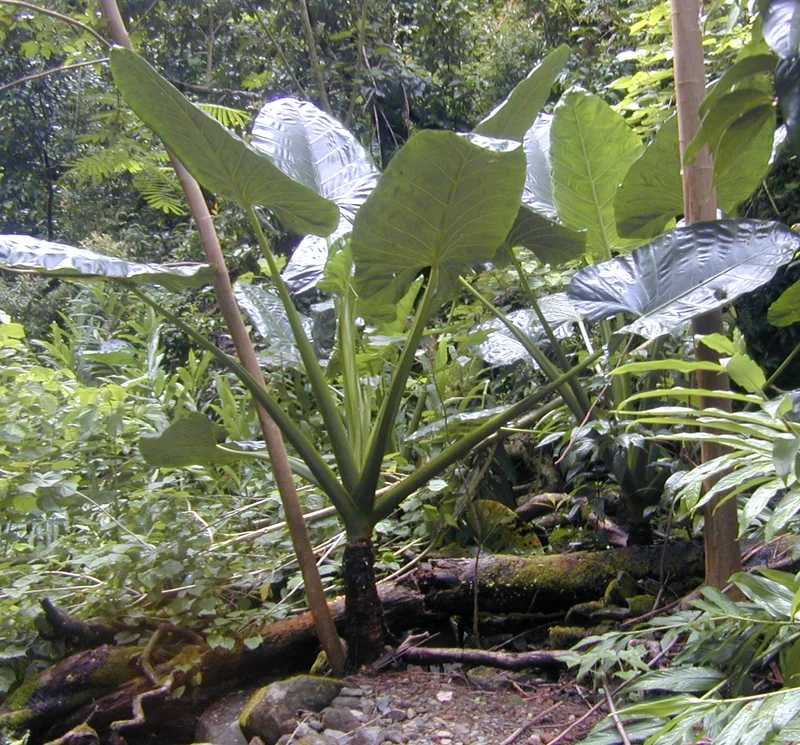
Alocasia macrorrhizos in the wild, one example within the Alocasia group. Surrounding plants are not covered by this guide.Photo: Eric Guinther (Marshman)i
This is a genus-level guide to Alocasia spp., the group named in the cat-safety source. It does not identify an individual species or cultivar. The common name elephant ear can refer to other plants and is not enough to establish identity.
Resized for display. Full photograph retained; no background or botanical edits.
This displayed image is shared under the same CC BY-SA 2.0 license.
Conflicting guidance — use caution. Cat safety is unresolved. This purchase link is not a cat-safe recommendation. Prevent your cat from accessing this plant. Explore non-toxic plants. Read the evidence.
We may earn a commission when you buy through this link.
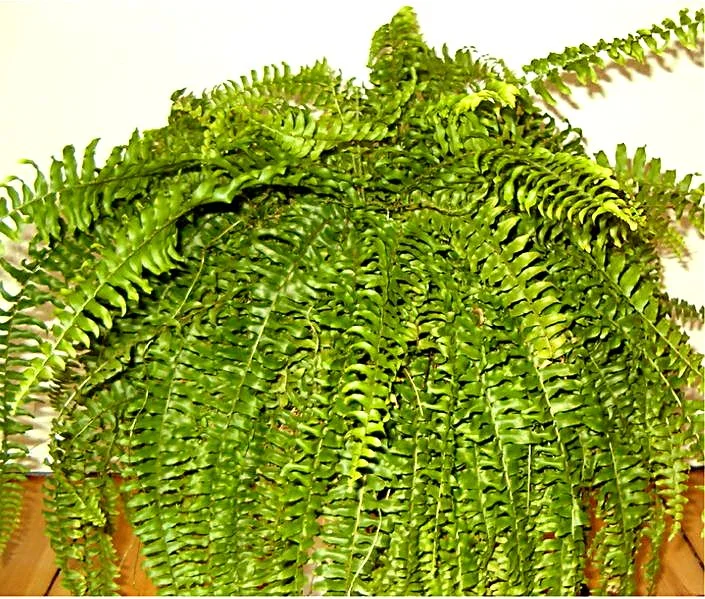
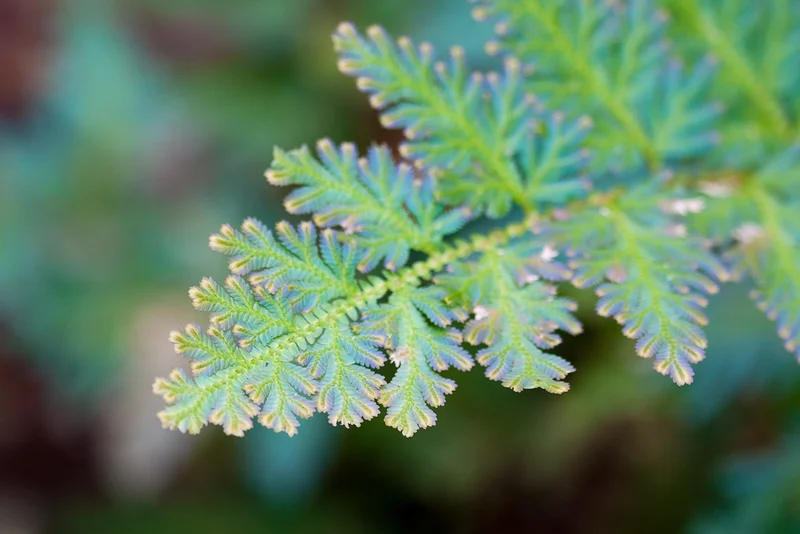
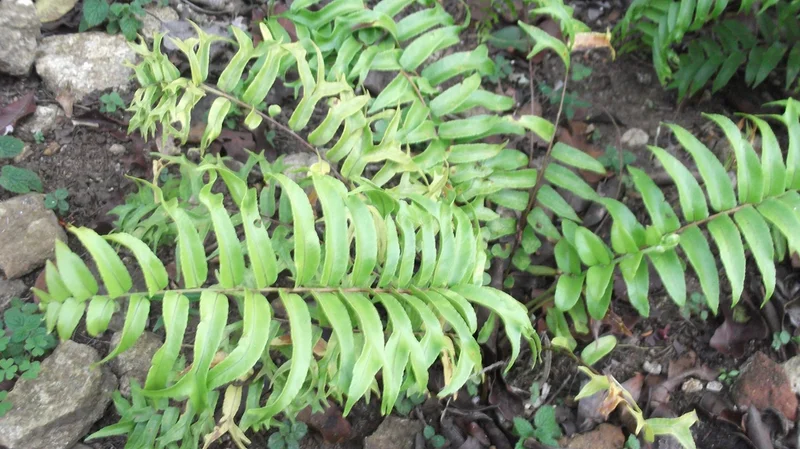
This guide covers Nephrolepis exaltata. Its source uses the common name Feather Palm but gives this exact fern species. It does not cover every plant sold as a fern.
Bright indirect light Temperature range not yet established
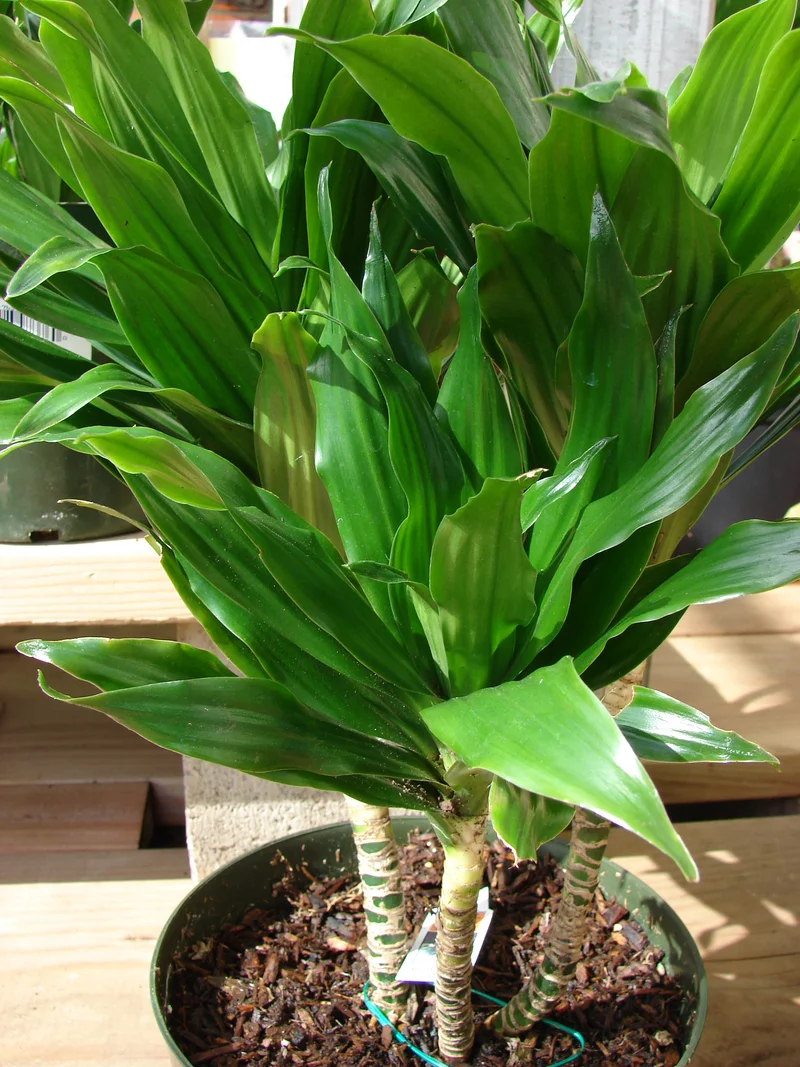
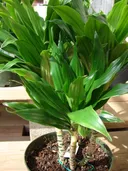
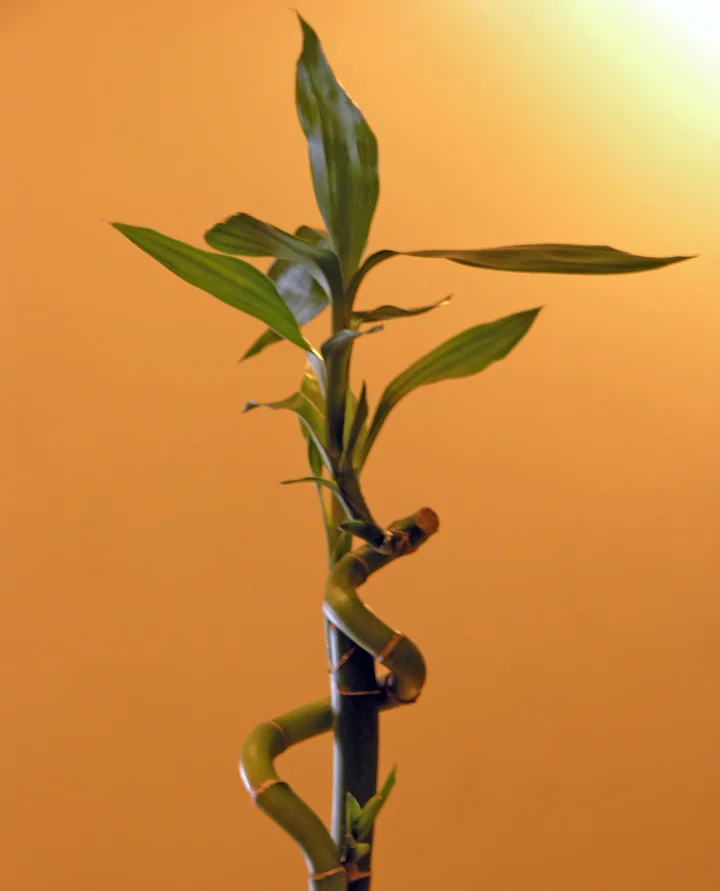
This guide covers Dracaena sanderiana within the assessed Dracaena genus. It does not cover true bamboo. Current Kew taxonomy accepts this species; older alternate taxonomies must not silently change its identity.
Medium indirect light Temperature range not yet established
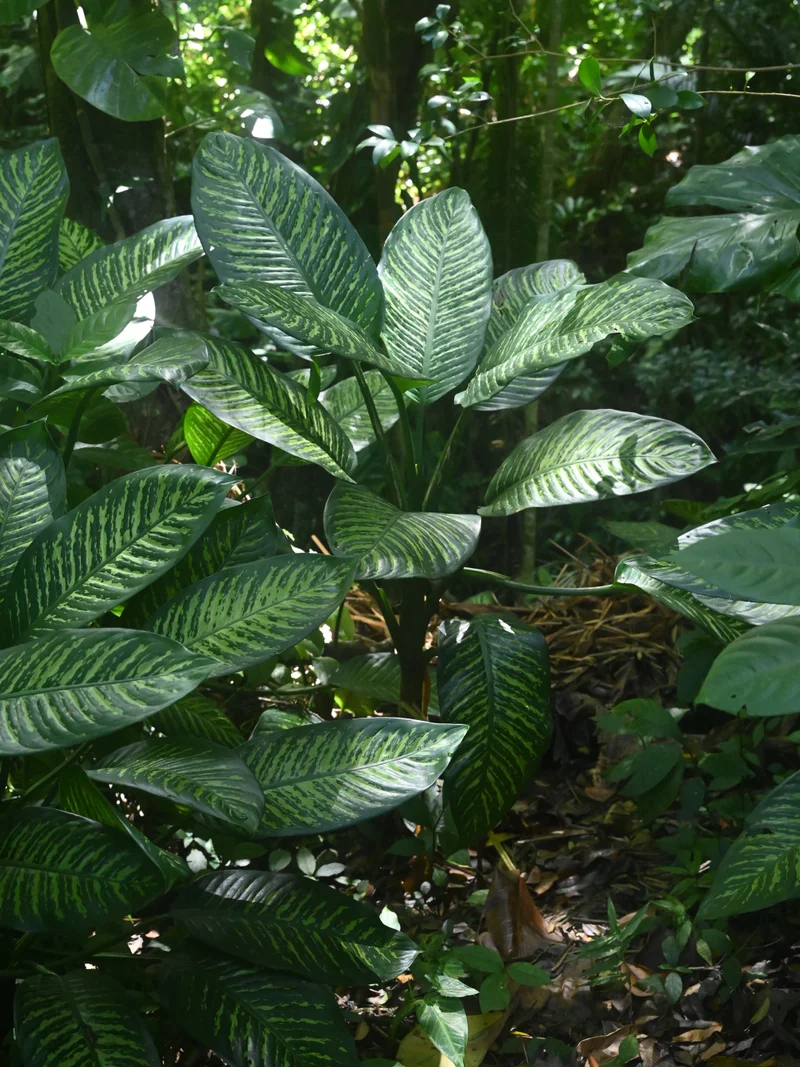
This guide covers Dieffenbachia seguine using the assessed Dieffenbachia genus and documented species membership. Unidentified plants with a similar common name need their own identification.
Resized for display. Full photograph retained; no background or botanical edits.
This displayed image is shared under the same CC BY-SA 3.0 license.
Conflicting guidance — use caution. Cat safety is unresolved. This purchase link is not a cat-safe recommendation. Prevent your cat from accessing this plant. Explore non-toxic plants. Read the evidence.
We may earn a commission when you buy through this link.
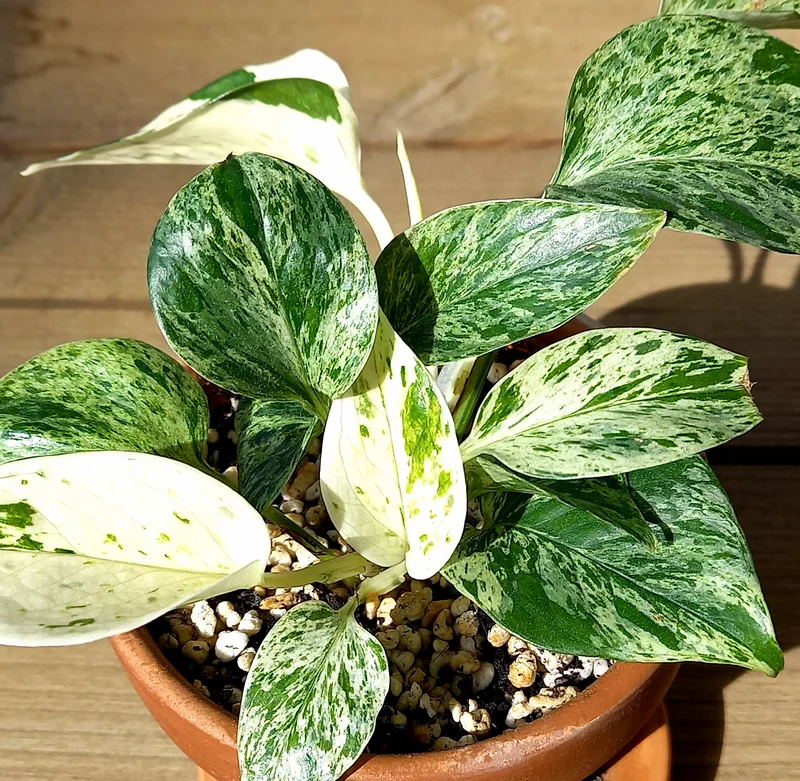
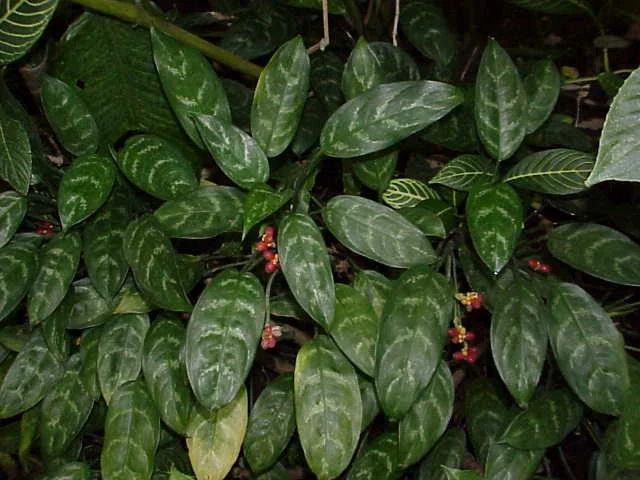
This guide covers Aglaonema commutatum using the assessed Aglaonema genus and documented species membership. It does not equate this species with Aglaonema modestum or unidentified hybrids.
Bright indirect light or Some direct sun Temperature range not yet established
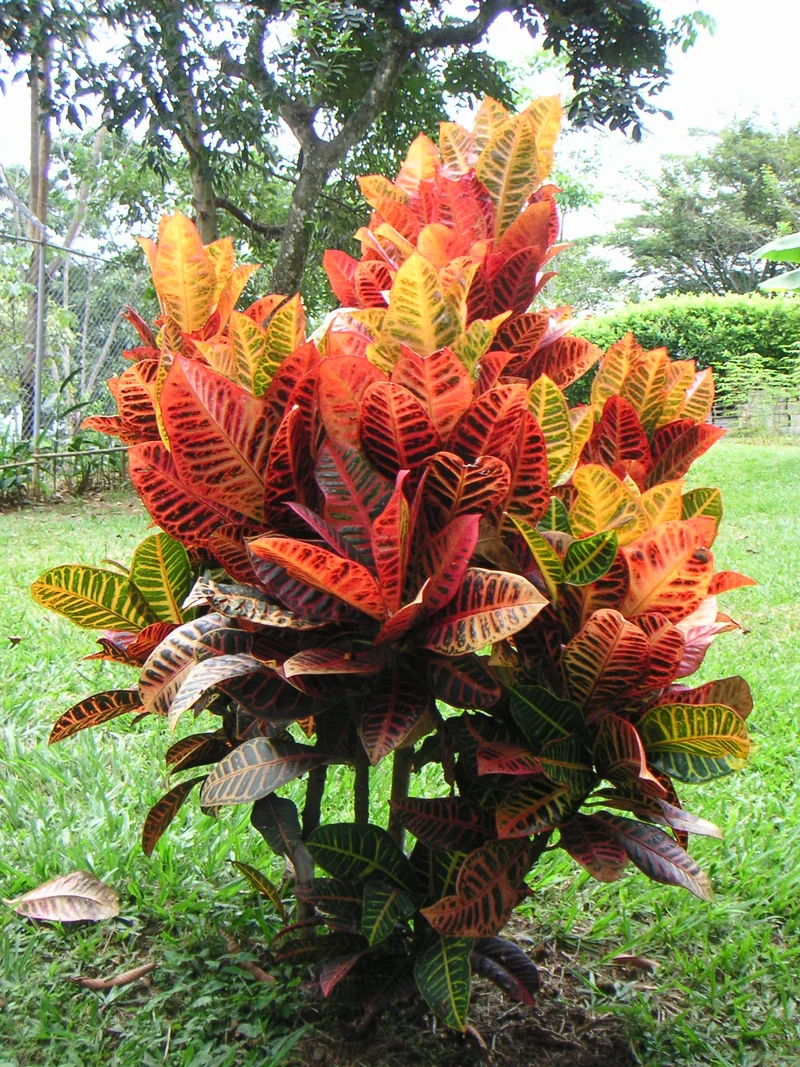
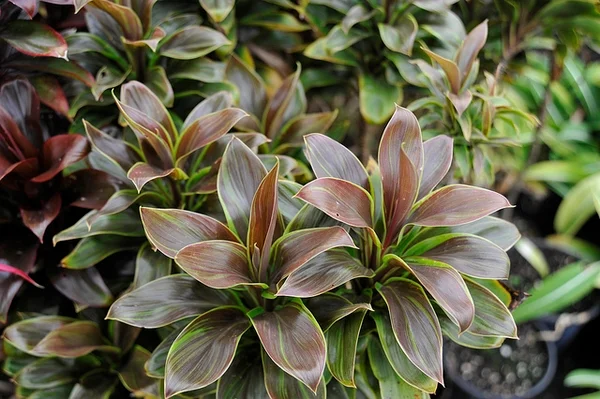
This guide covers Codiaeum variegatum (garden croton), not every plant in the separate Croton genus. The poison-centre pet assessment is applied to cats; no species-specific severity tier is inferred.
Bright indirect light Temperature range not yet established
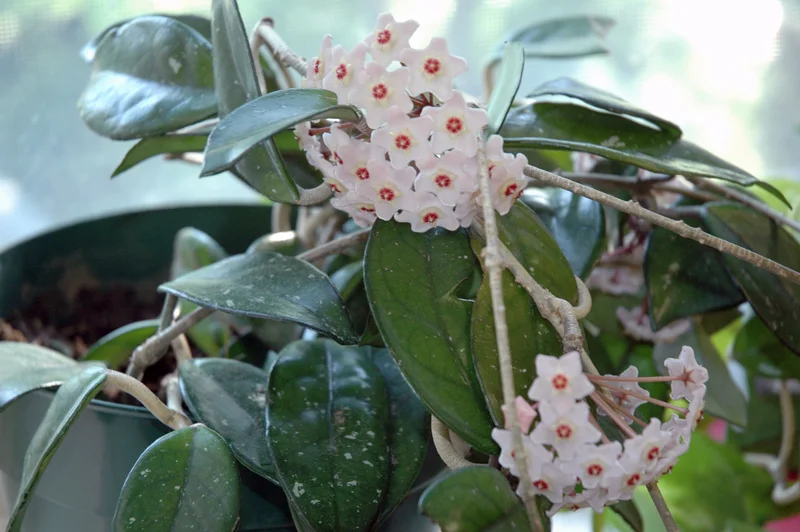
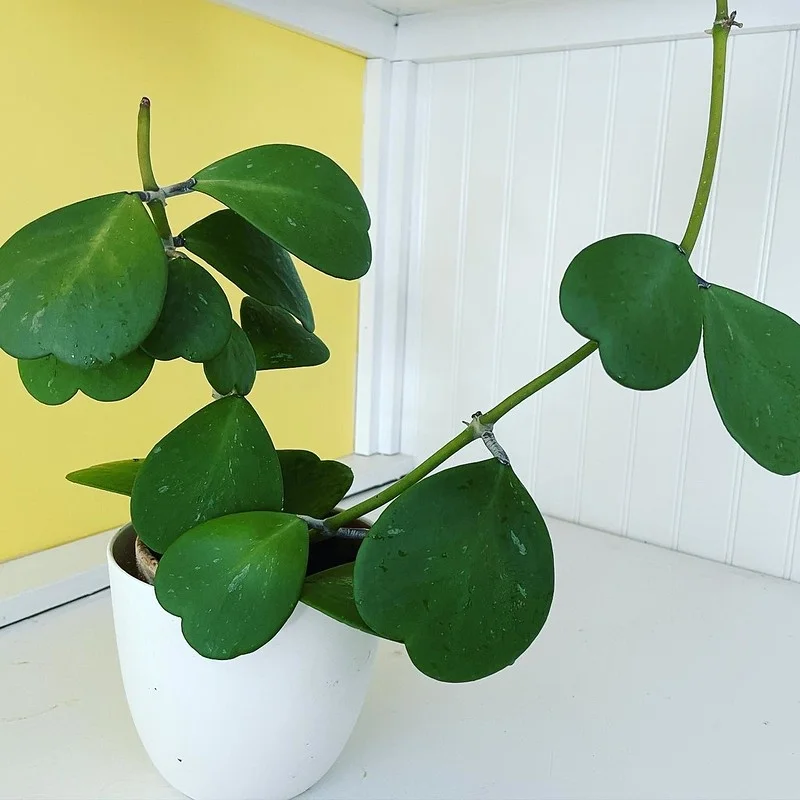
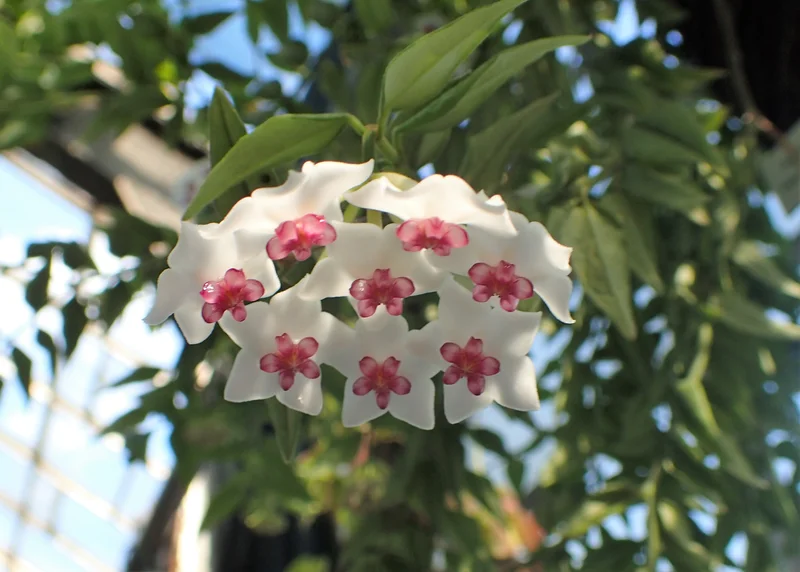
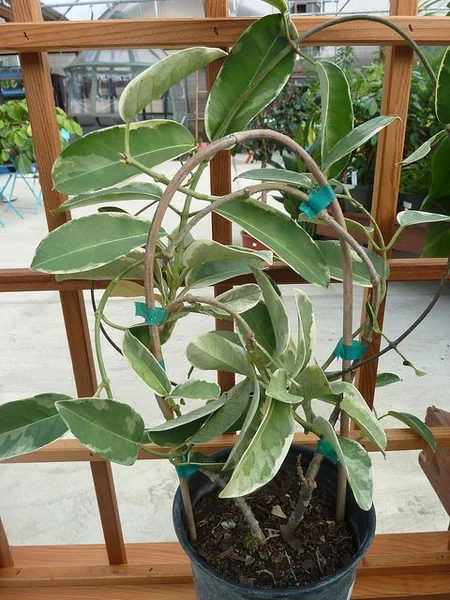
This guide covers Hoya carnosa. The source explicitly names the species, without restricting its assessment to a named cultivar. Other Hoya species and unidentified hybrids are outside this guide.
Bright indirect light Temperature range not yet established
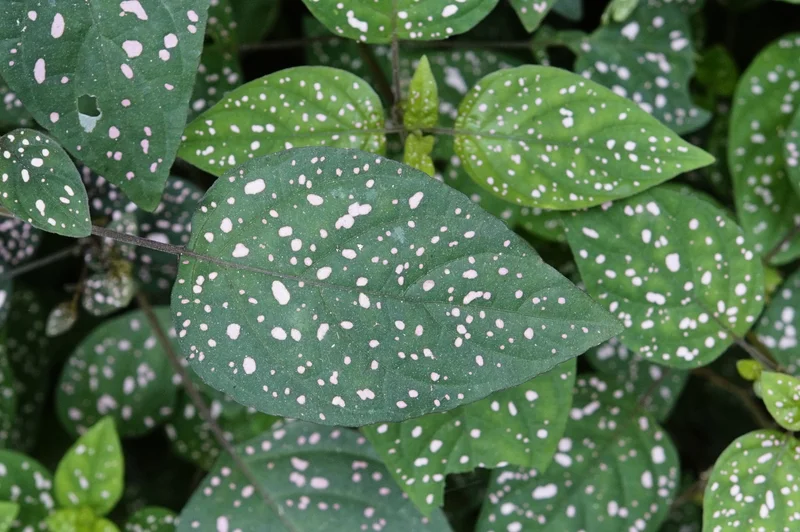
This guide covers Hypoestes phyllostachya only. A shared common name or similar appearance does not establish that another plant has the same assessment.
Medium indirect light or Bright indirect light Temperature range not yet established
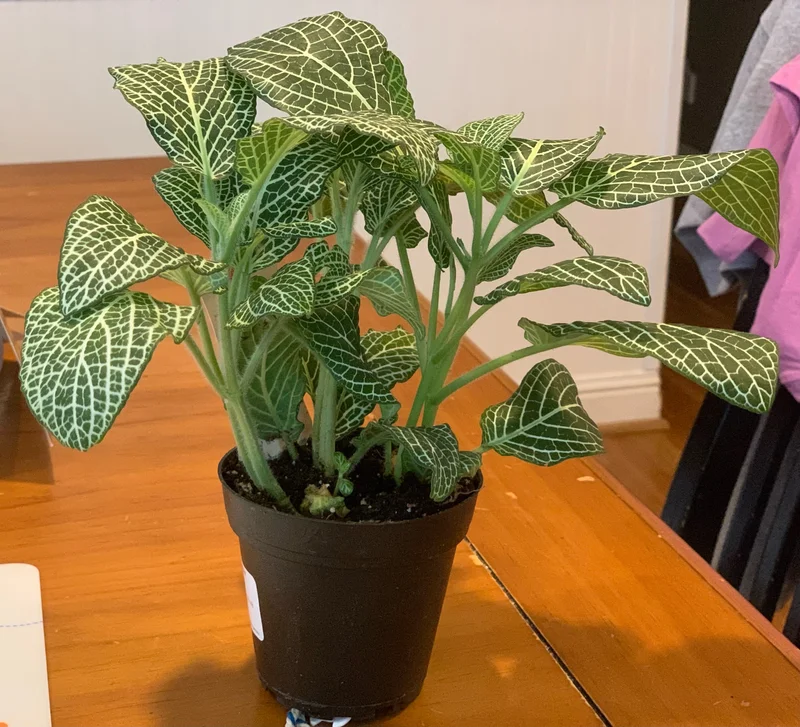
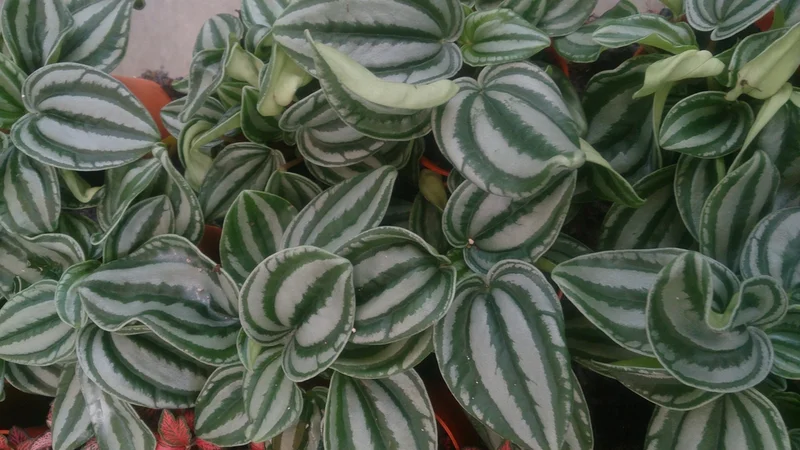
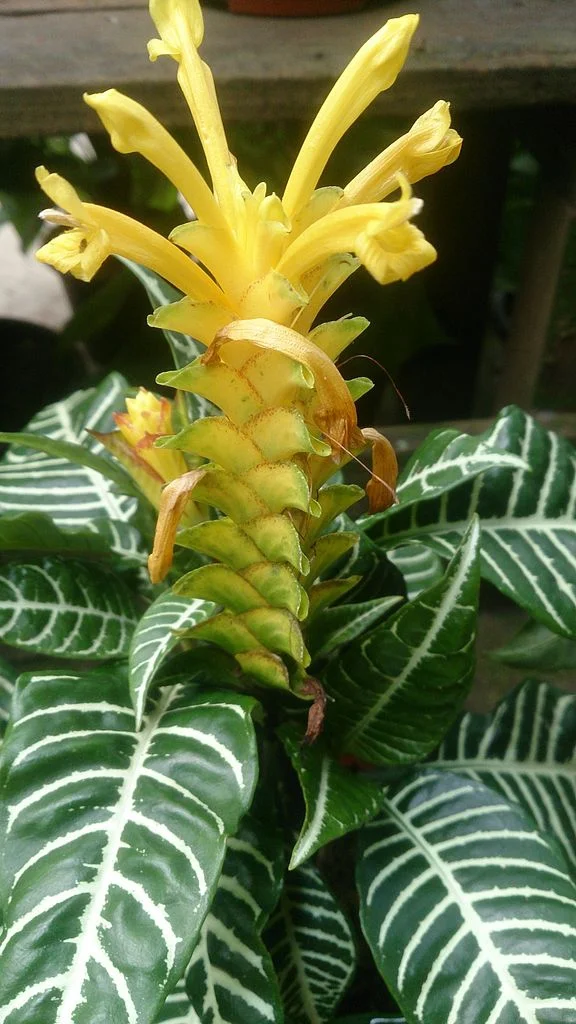
This guide covers Fittonia albivenis, including the scientific synonym Fittonia verschaffeltii used in the cat-safety reference. Other plants sold as nerve plants or mosaic plants need their own identification.
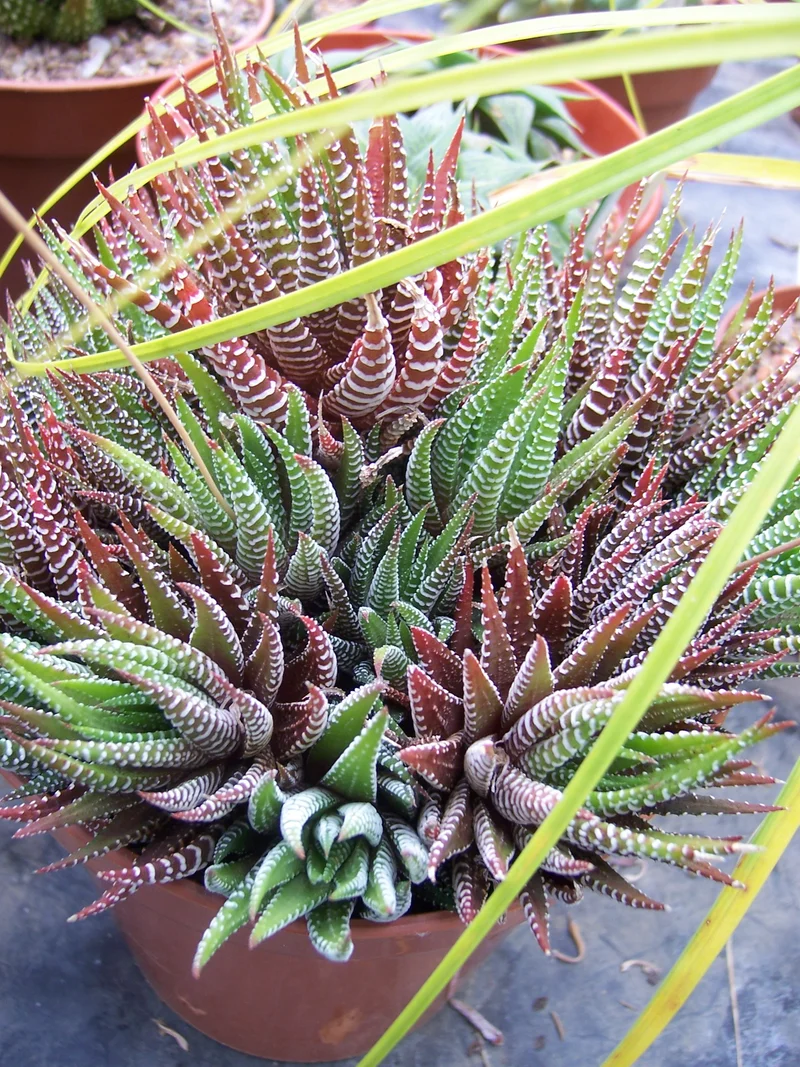
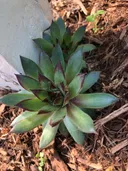
This guide covers Haworthiopsis attenuata, formerly named Haworthia attenuata. The safety evidence is a genus-level assessment applied to this documented member, not a cat-specific experiment on this species. It does not identify Haworthiopsis fasciata, unrelated zebra plants or unidentified hybrids.
Bright indirect light Temperature range not yet established
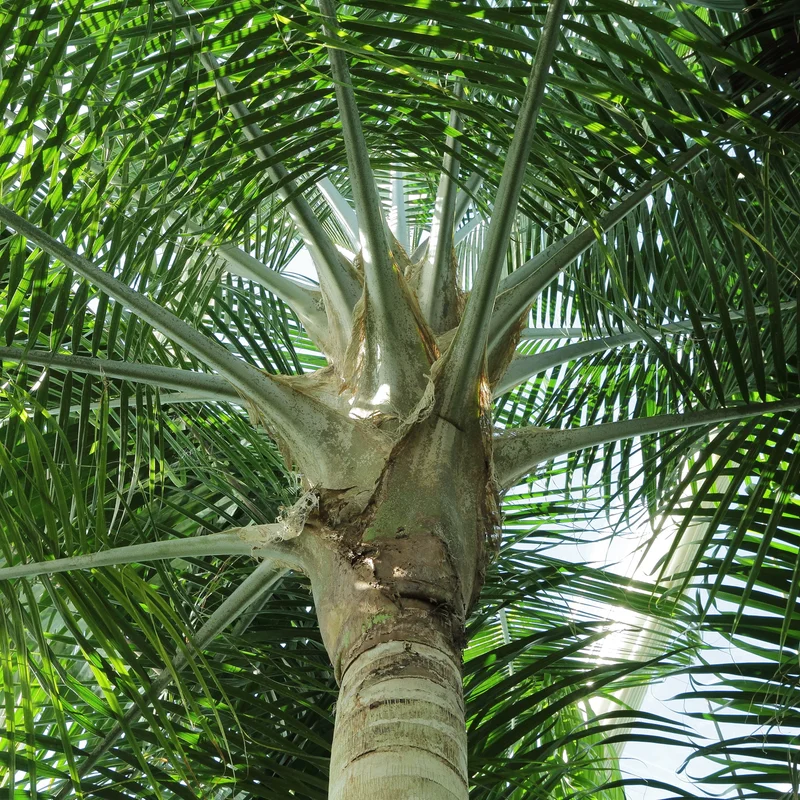
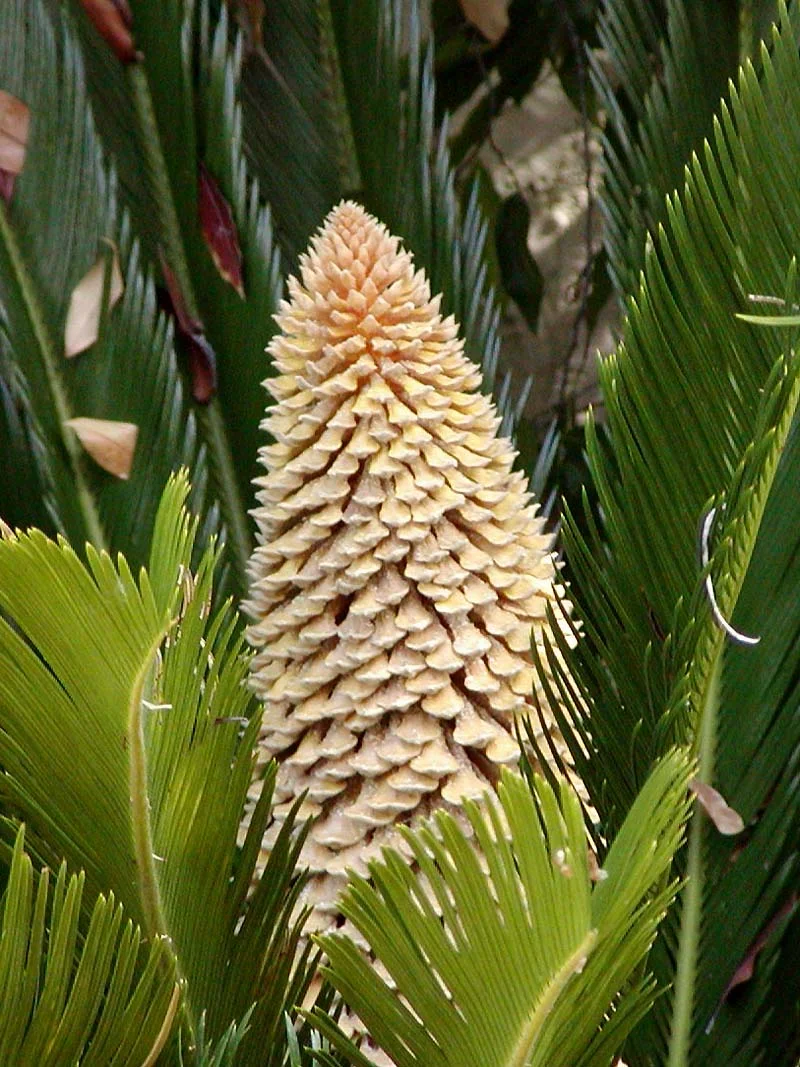
This guide covers Cycas revoluta. It does not assess all plants called palms. The high-toxicity classification is supported by poison-control warnings of potentially fatal effects; no numerical risk or survival estimate is assigned.
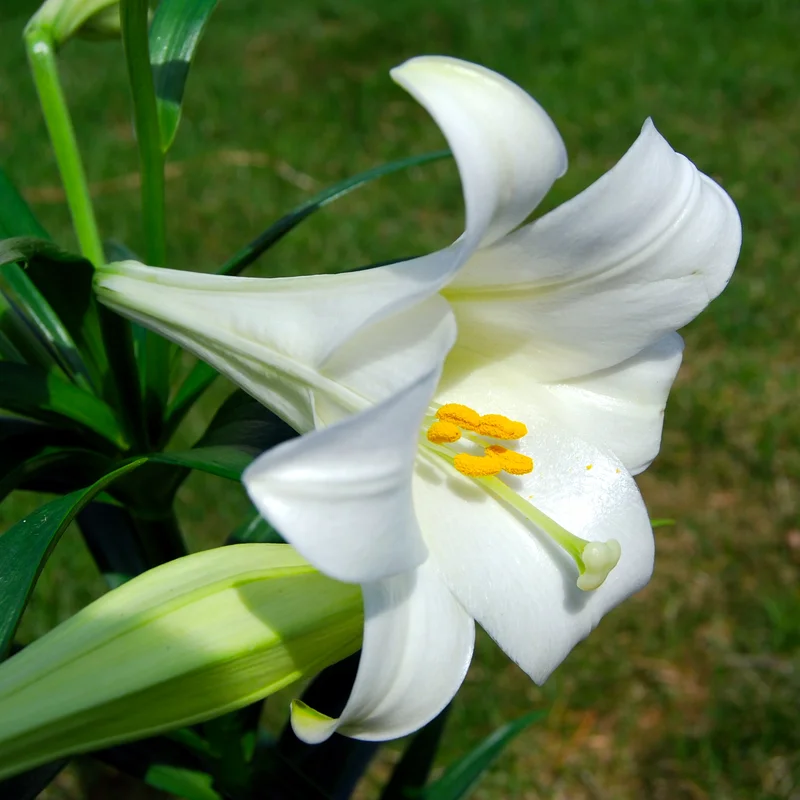
This guide covers Lilium longiflorum, the Easter lily explicitly named in FDA guidance about dangerous lilies and cats. The name lily is shared by different plants and does not establish that they have the same effects.
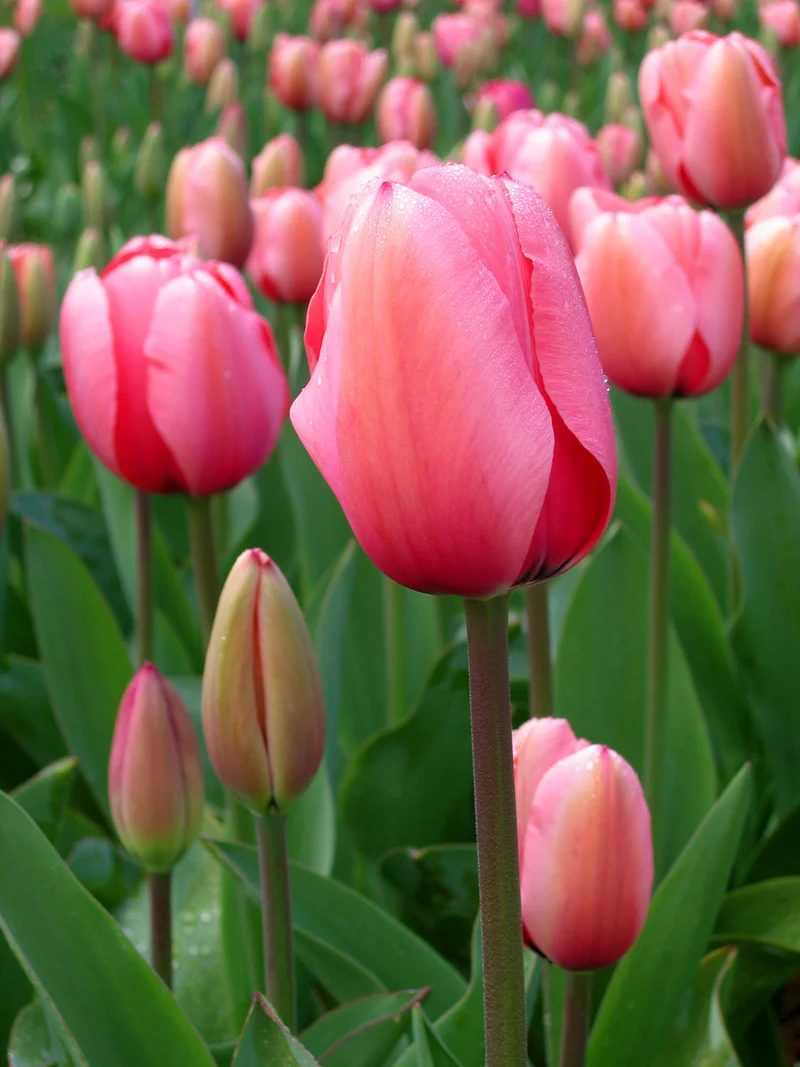
This is a genus-level guide to Tulipa spp., the group named in the cat-safety source. The assessment concerns the whole plant, including the bulbs, and does not provide a separate rating for individual species or cultivars.
Sunny position Temperature range not yet established
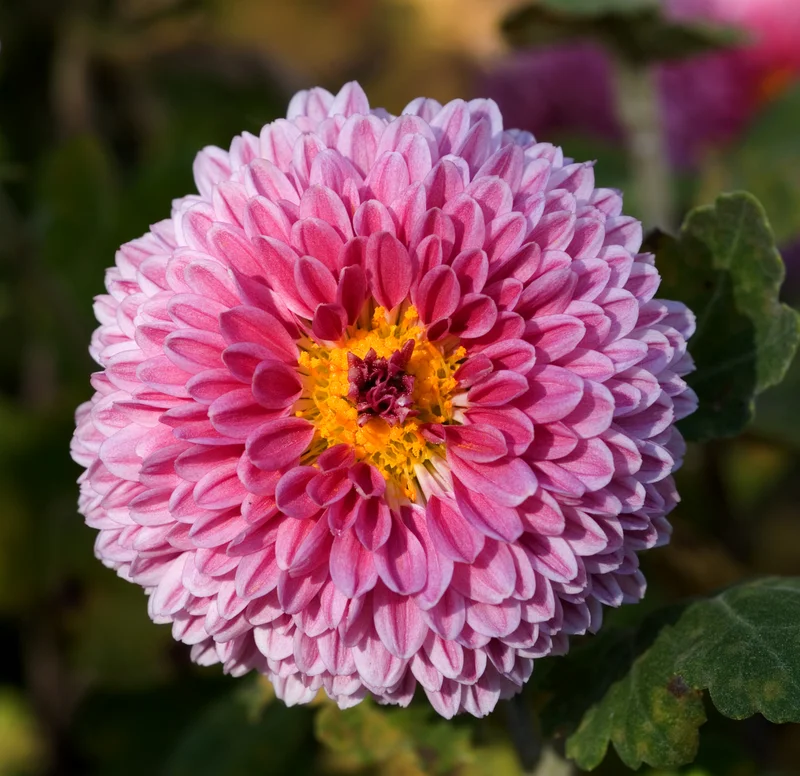
This page concerns the cultivated florist's chrysanthemum, Chrysanthemum × morifolium. Sources use historical hybrid names; those literal names and their scope must remain visible. It does not cover all chrysanthemums.
Original downloaded image retained without botanical edits. Display resizing only.
Conflicting guidance — use caution. Cat safety is unresolved. This purchase link is not a cat-safe recommendation. Prevent your cat from accessing this plant. Explore non-toxic plants. Read the evidence.
We may earn a commission when you buy through this link.
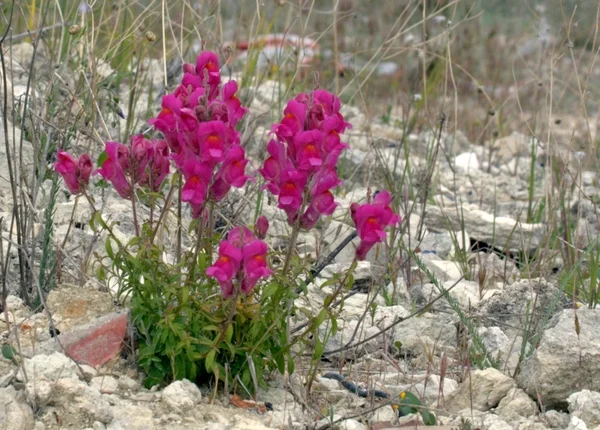
Source-identified Antirrhinum majus. Background plants, if present, are not covered by this guide.Photo: Manuali
Sunny position or Some direct sun Temperature range not yet established
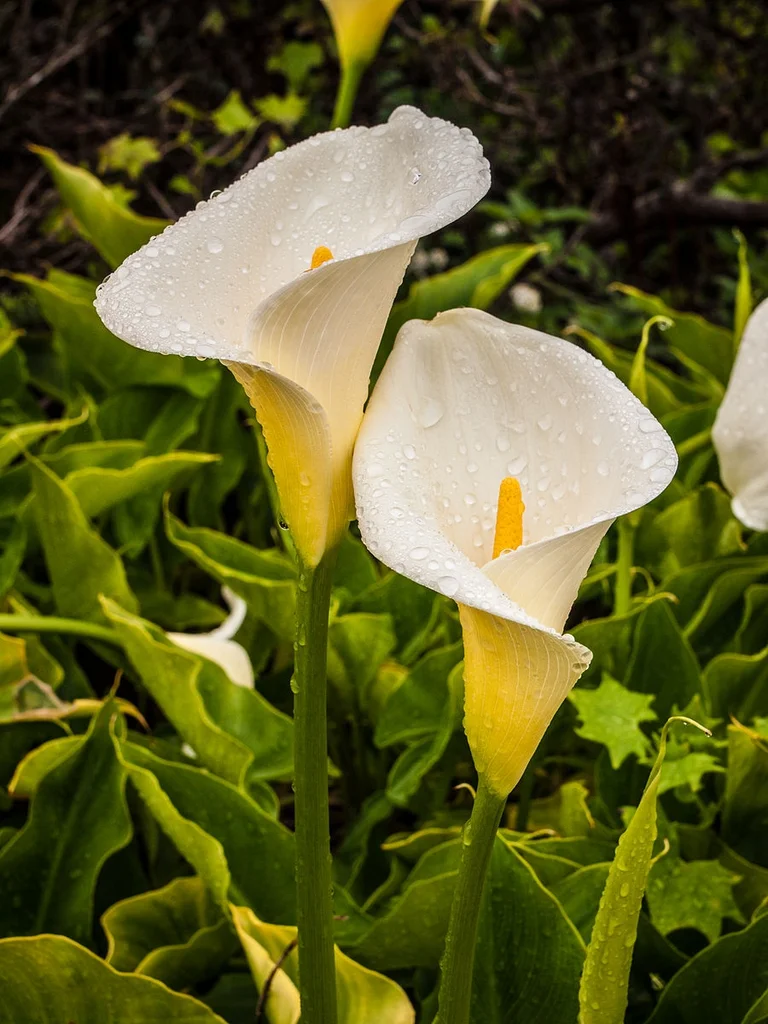
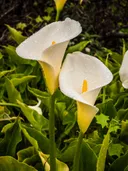
Zantedeschia aethiopica only. Calla lilies differ from true Lilium lilies; the mouth-irritation assessment must not be substituted for true-lily kidney-risk advice.
Sunny position Temperature range not yet established
Rosa species and garden roses only. Desert rose, Christmas rose and rose of Sharon are different plants. Mixed bouquets need every ingredient identified.
Sunny position or Some direct sun Temperature range not yet established
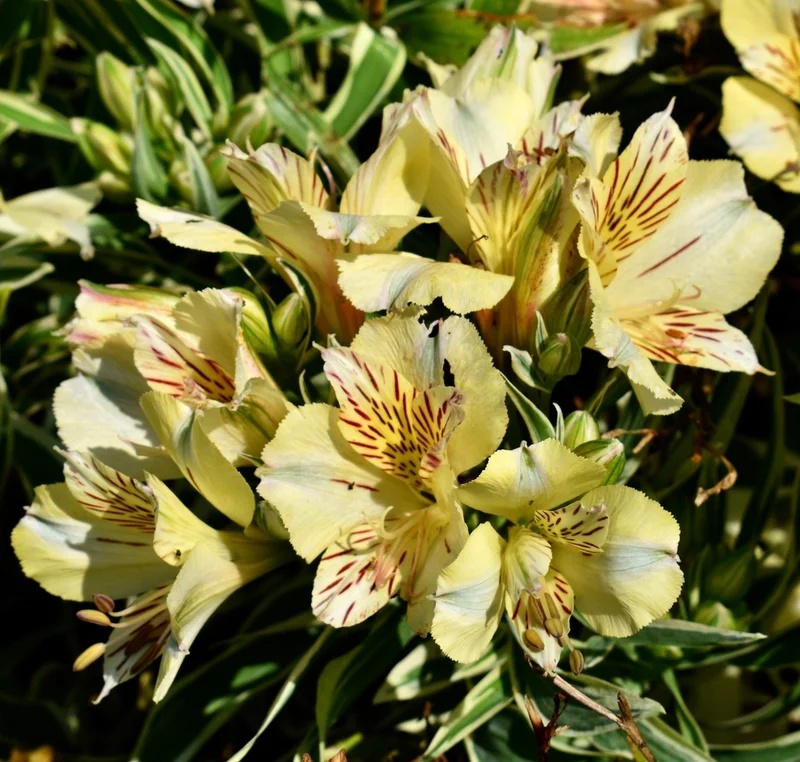
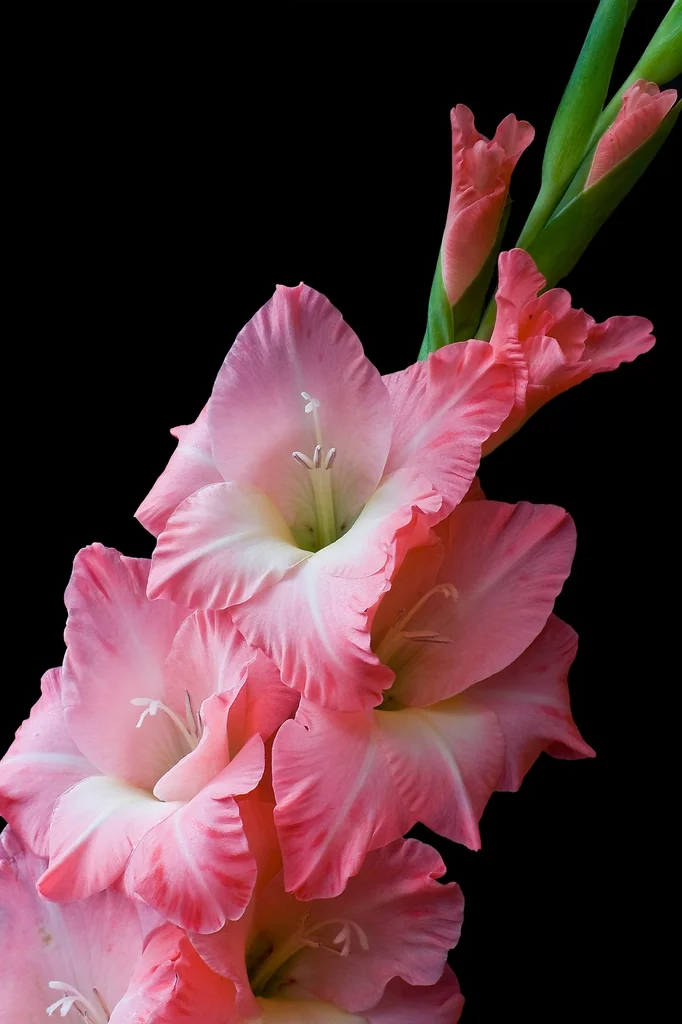
Alstroemeria species and garden cultivars only. These are different from true lilies and daylilies; an unidentified lily exposure needs prompt veterinary advice.
Sunny position or Some direct sun Temperature range not yet established
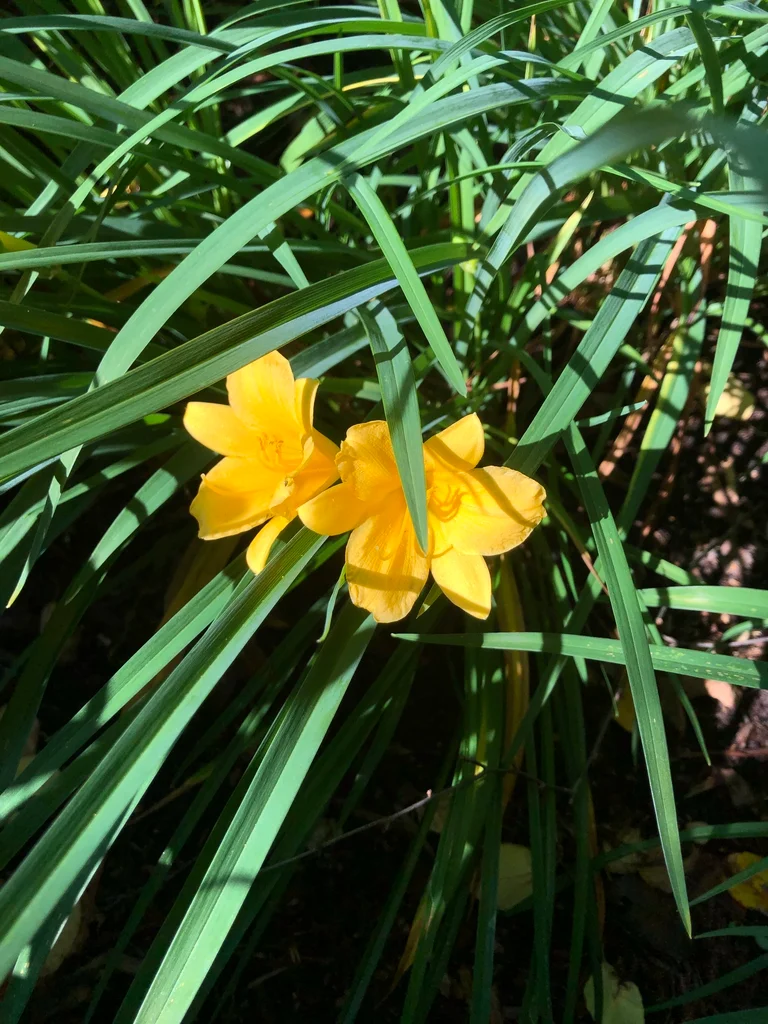
Hemerocallis species and garden daylilies. They are botanically different from Lilium but also pose a serious kidney risk. Peace, calla and Peruvian lilies need their own guides.
Sunny position or Some direct sun Temperature range not yet established
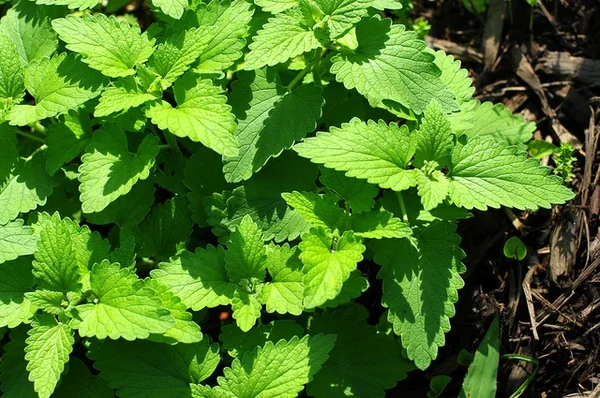
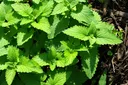
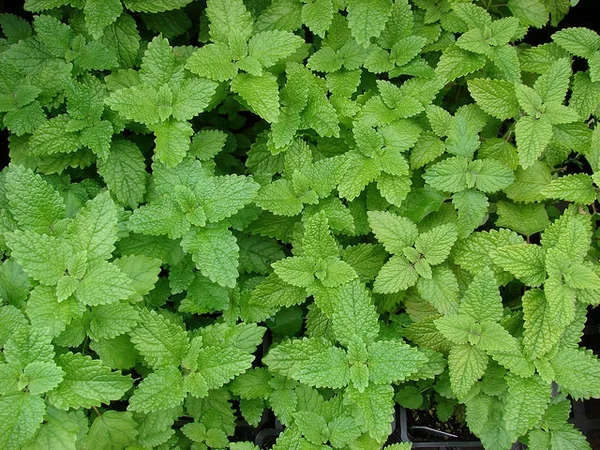
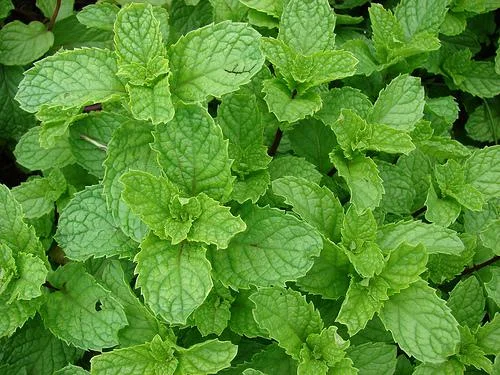
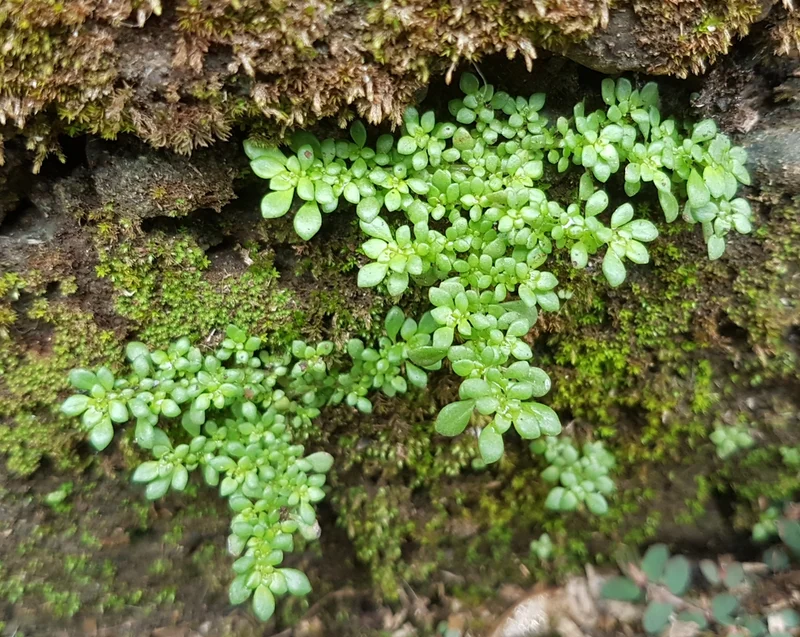
Nepeta cataria only. Garden mints in Mentha, ornamental catmint hybrids, extracts and concentrated oils are outside this guide. No dosing or feeding advice is proposed.
Resized and converted to WebP for display; botanical details unchanged.
Conflicting guidance — use caution. Cat safety is unresolved. This purchase link is not a cat-safe recommendation. Prevent your cat from accessing this plant. Explore non-toxic plants. Read the evidence.
We may earn a commission when you buy through this link.
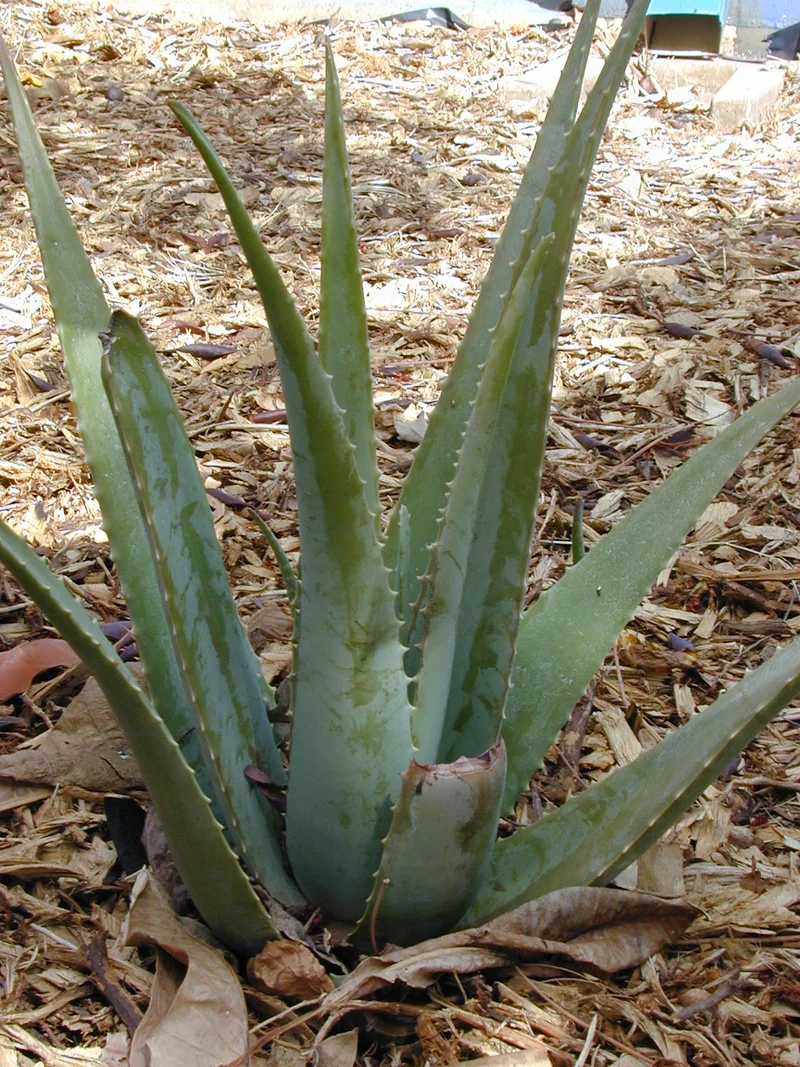
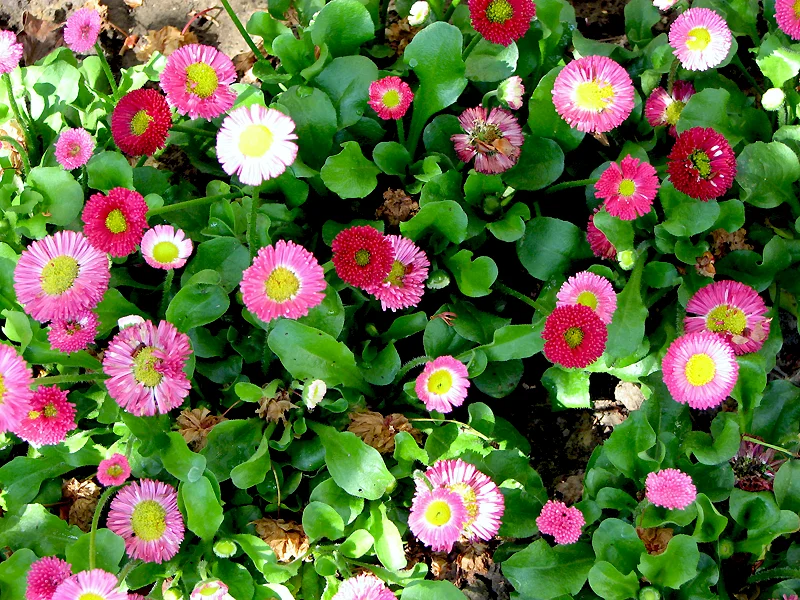
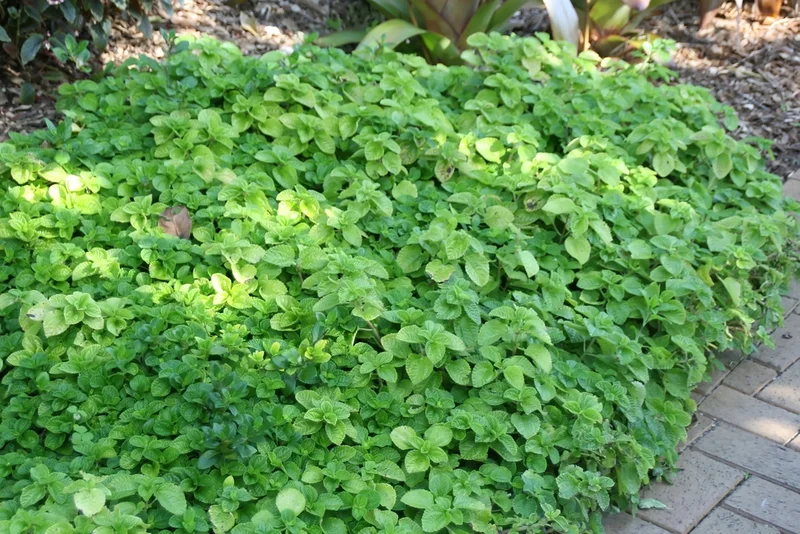
Resized and converted to WebP for display; botanical details unchanged.
Conflicting guidance — use caution. Cat safety is unresolved. This purchase link is not a cat-safe recommendation. Prevent your cat from accessing this plant. Explore non-toxic plants. Read the evidence.
We may earn a commission when you buy through this link.
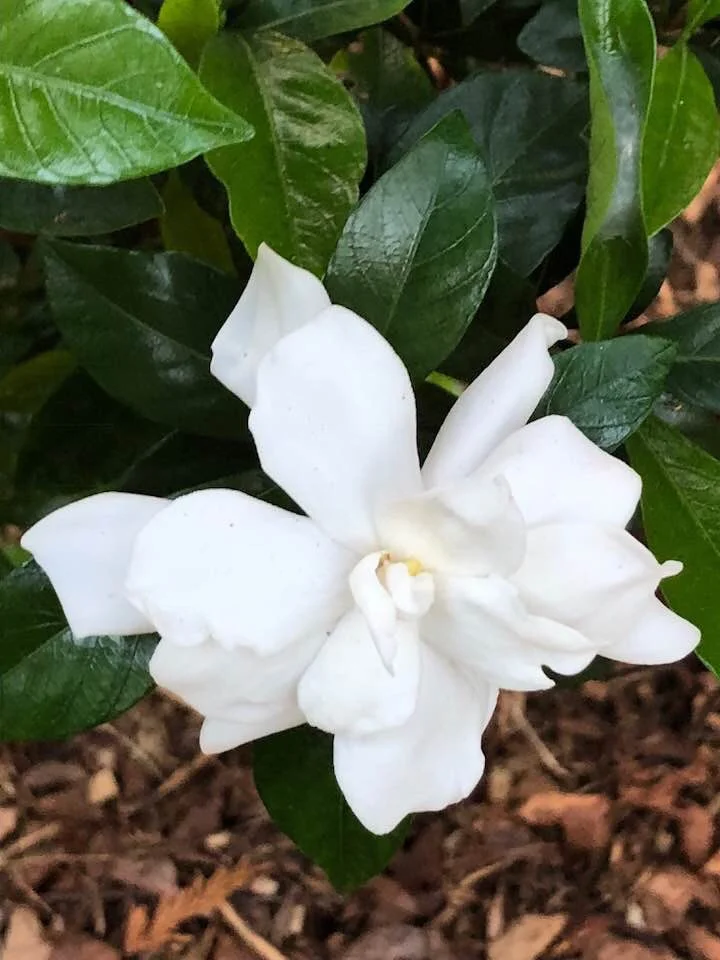
Resized and converted to WebP for display; botanical details unchanged.
Conflicting guidance — use caution. Cat safety is unresolved. This purchase link is not a cat-safe recommendation. Prevent your cat from accessing this plant. Explore non-toxic plants. Read the evidence.
We may earn a commission when you buy through this link.
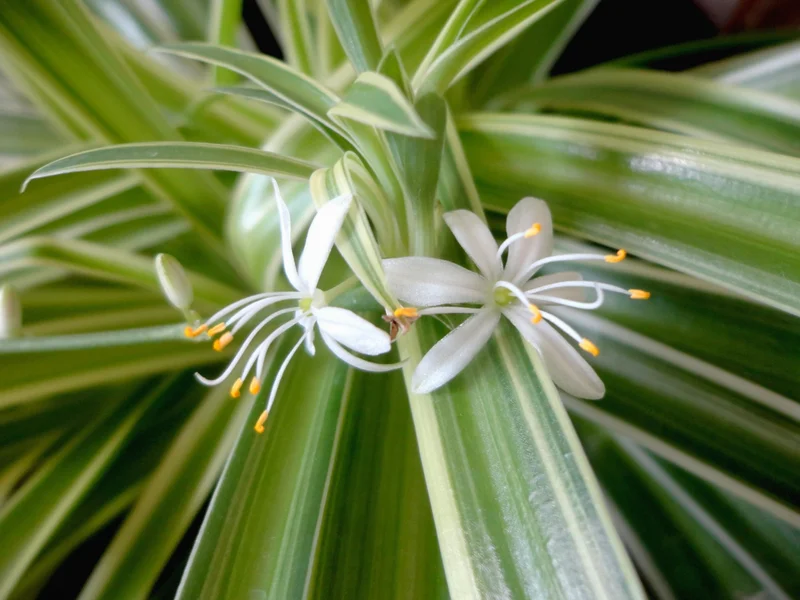
Resized and converted to WebP for display; botanical details unchanged.
This displayed image is shared under the same CC BY-SA 2.0 license.
Conflicting guidance — use caution. Cat safety is unresolved. This purchase link is not a cat-safe recommendation. Prevent your cat from accessing this plant. Explore non-toxic plants. Read the evidence.
We may earn a commission when you buy through this link.
Resized and converted to WebP for display; botanical details unchanged.
This displayed image is shared under the same CC BY-SA 2.0 license.
Conflicting guidance — use caution. Cat safety is unresolved. This purchase link is not a cat-safe recommendation. Prevent your cat from accessing this plant. Explore non-toxic plants. Read the evidence.
We may earn a commission when you buy through this link.
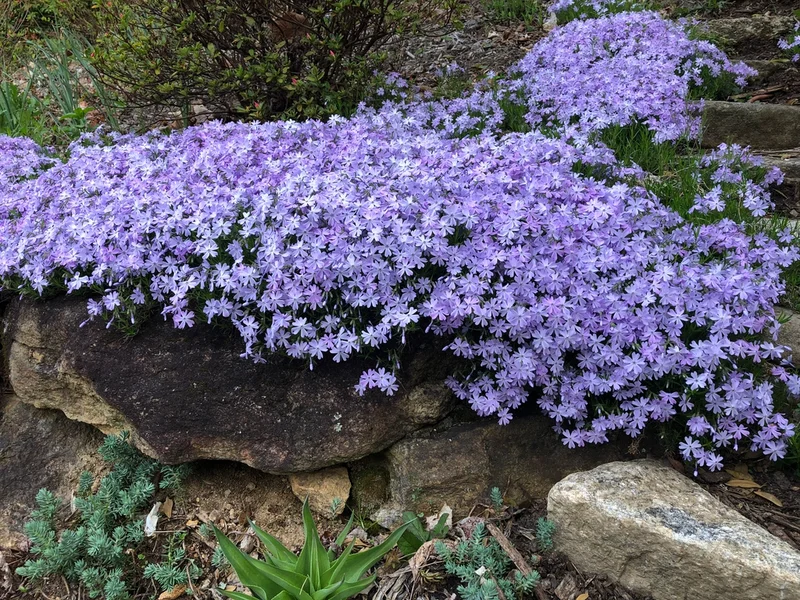
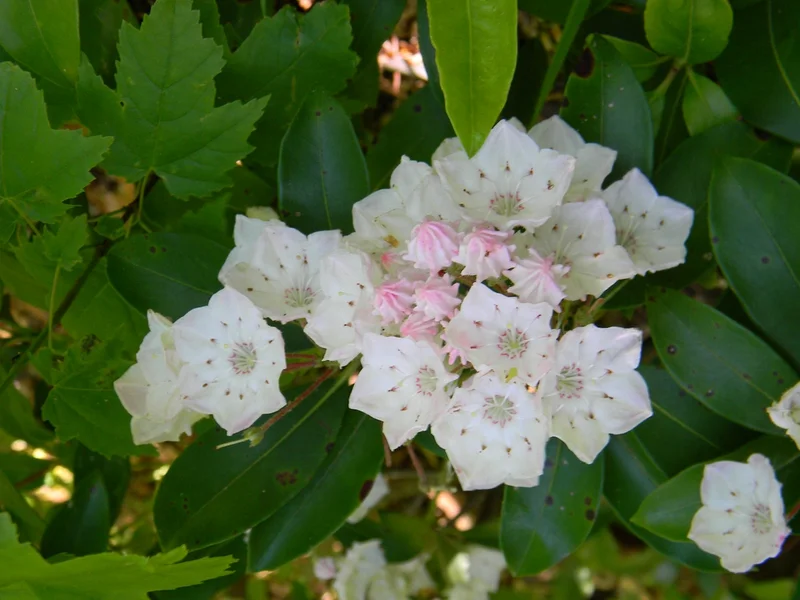
Full Form (Haywood County,NC)-Mid SummerPhoto: Marcia Boylei
Resized and converted to WebP for display; botanical details unchanged.
Safety not confirmed — use caution. Cat safety is unresolved. This purchase link is not a cat-safe recommendation. Prevent your cat from accessing this plant. Explore non-toxic plants. Read the evidence.
We may earn a commission when you buy through this link.
Resized and converted to WebP for display; botanical details unchanged.
Safety not confirmed — use caution. Cat safety is unresolved. This purchase link is not a cat-safe recommendation. Prevent your cat from accessing this plant. Explore non-toxic plants. Read the evidence.
We may earn a commission when you buy through this link.
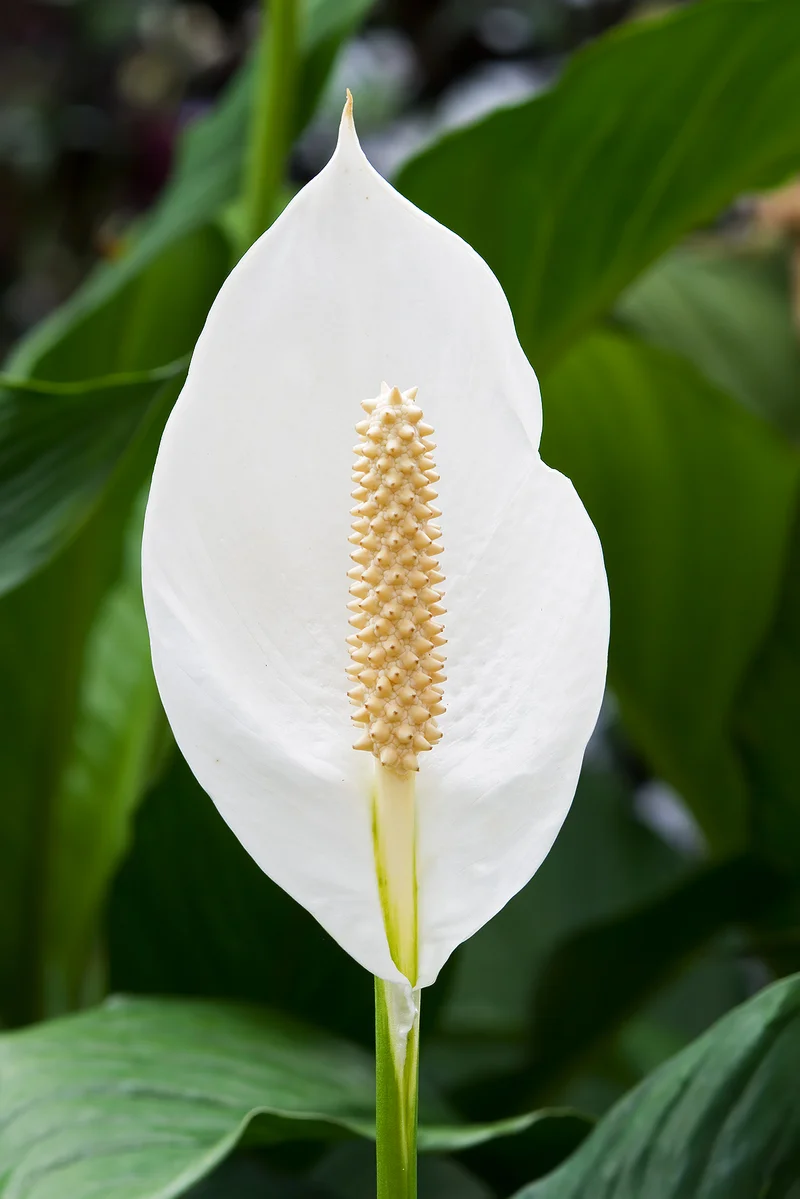
Resized and converted to WebP for display; botanical details unchanged.
This displayed image is shared under the same CC BY-SA 2.0 license.
Conflicting guidance — use caution. Cat safety is unresolved. This purchase link is not a cat-safe recommendation. Prevent your cat from accessing this plant. Explore non-toxic plants. Read the evidence.
We may earn a commission when you buy through this link.
Resized and converted to WebP for display; botanical details unchanged.
Conflicting guidance — use caution. Cat safety is unresolved. This purchase link is not a cat-safe recommendation. Prevent your cat from accessing this plant. Explore non-toxic plants. Read the evidence.
We may earn a commission when you buy through this link.
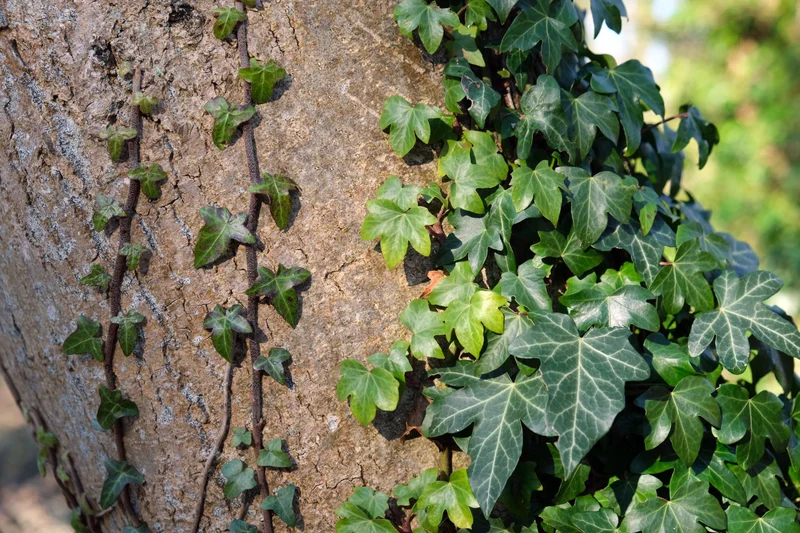
Resized and converted to WebP for display; botanical details unchanged.
Conflicting guidance — use caution. Cat safety is unresolved. This purchase link is not a cat-safe recommendation. Prevent your cat from accessing this plant. Explore non-toxic plants. Read the evidence.
We may earn a commission when you buy through this link.
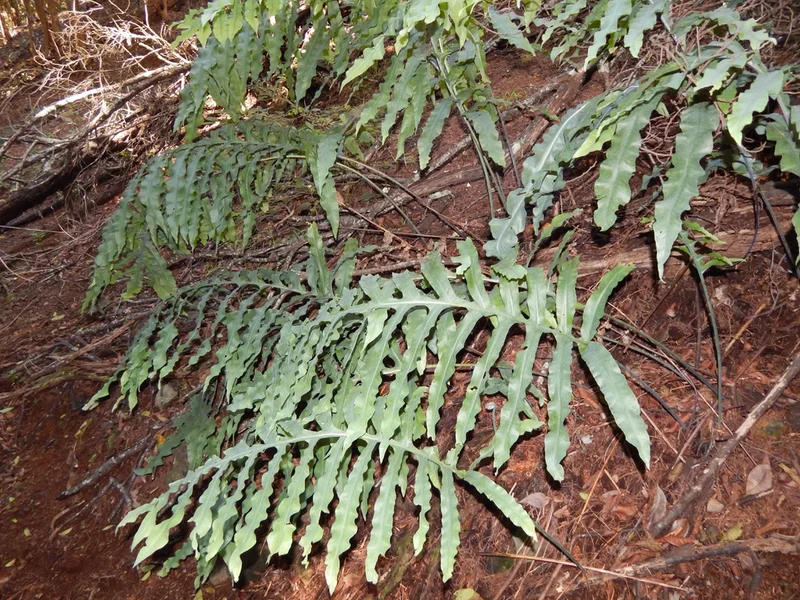
Resized and converted to WebP for display; botanical details unchanged.
This displayed image is shared under the same CC BY-SA 3.0 license.
Conflicting guidance — use caution. Cat safety is unresolved. This purchase link is not a cat-safe recommendation. Prevent your cat from accessing this plant. Explore non-toxic plants. Read the evidence.
We may earn a commission when you buy through this link.
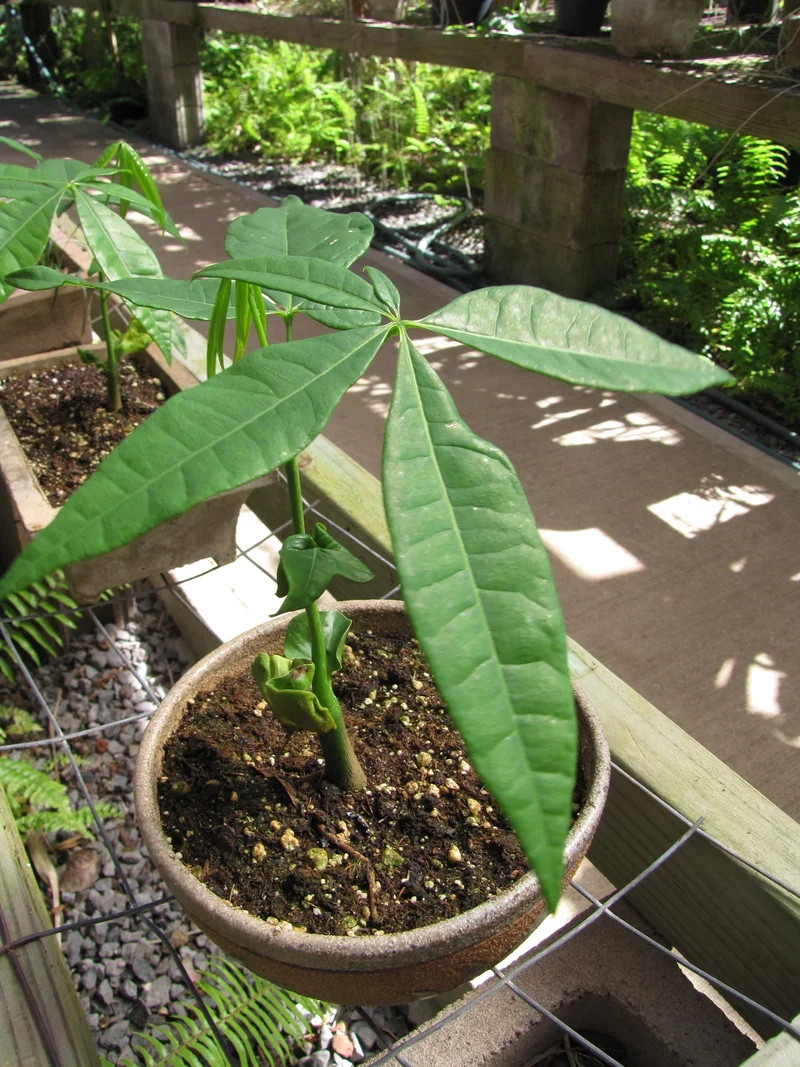
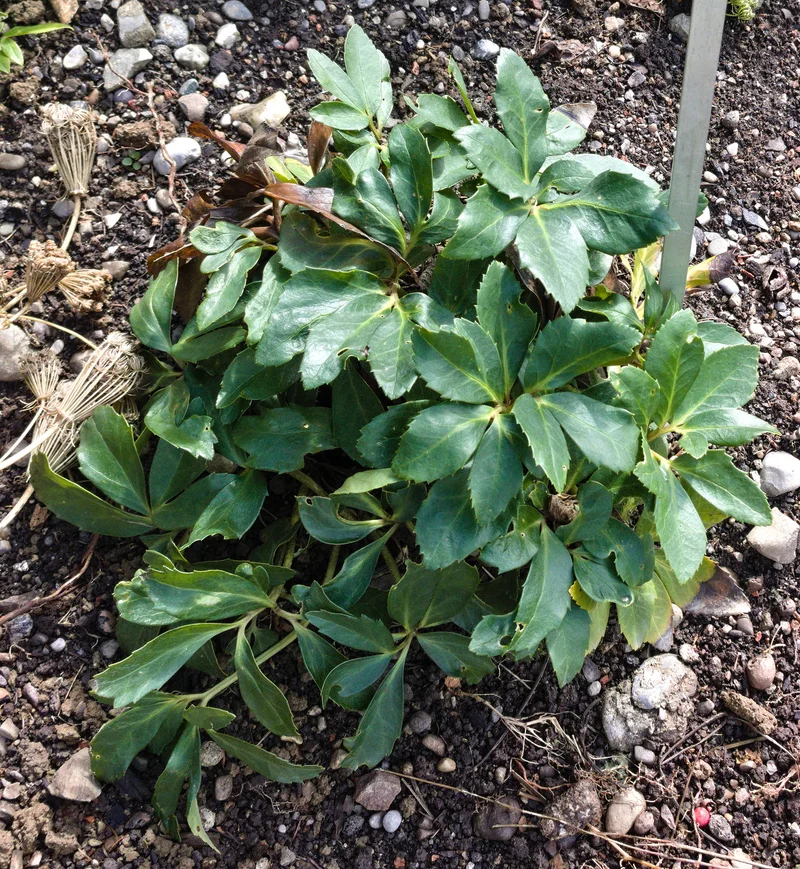
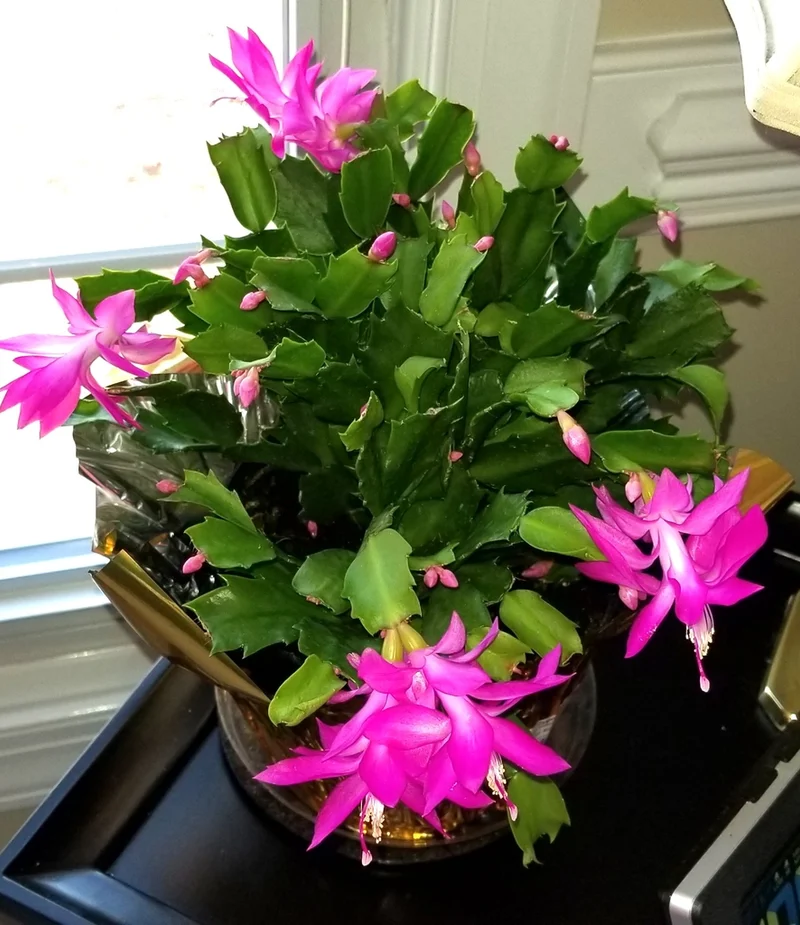
Original photograph unchanged; proportionally resized for review and display.
Toxic to cats. Keep away from cats. We do not recommend this plant for a home where cats could reach it. Explore non-toxic plants.
We may earn a commission when you buy through this link.
A little help making this site better.
Allowing optional Analytics helps us understand what you find most useful and improve the site over time. Your plant guides, search and saved plants work whichever option you choose.
Choose whether to allow Analytics. Opening this panel does not change your choice.
Provided by Google Analytics (Google). Cookies help measure visits, popular guides and clicks on retailer links. Google receives page-visit, browser/device and retailer-click information, including plant and product IDs. Advertising features are off. We do not send your search text or saved-plant list.
Analytics cookie details
_ga
Distinguishes browsers when counting visitors. Up to 180 days after acceptance.
_ga_JJ9KJ1M1QB
Maintains information about a visit. Up to 180 days after acceptance.
We remember your acceptance or rejection so you do not have to choose on every page. This is browser storage, not a tracking cookie.
Privacy-choice storage details
psfc.analytics-consent.v1 · Provided by this site. Your choice is honored for up to 180 days. Expired choices are ignored; the stored entry may remain until replaced or browser data is cleared.
Saved plants Only when you save
Choosing “Save plant” remembers that plant in this browser. Your list stays on this device and works even when Analytics is off. Manage or clear saved plants.
Saved-plant storage details
psfc.plant-shortlist.v1 · Provided by this site. Stores plant IDs and save dates, with each plant kept for up to 180 days. Expired entries are ignored and removed on the next list update or when you clear the list or browser data. This is browser storage, not a cookie.
Choose “Save preferences” to apply the Analytics setting. You can change it anytime through “Cookie preferences” in the footer. Turning Analytics off removes its cookies and may reload this page. It does not erase information already collected or your saved plants. Full Privacy policy.