Plant guide
Crown of thorns
Euphorbia milii
Crown of thorns is toxic to cats. Its sap can irritate the mouth, skin and eyes, and its thorns add a physical hazard. Choose another plant for spaces your cat can reach.
What this guide covers: Euphorbia milii only. Confirm the botanical label; a photograph cannot identify a visitor’s specimen.
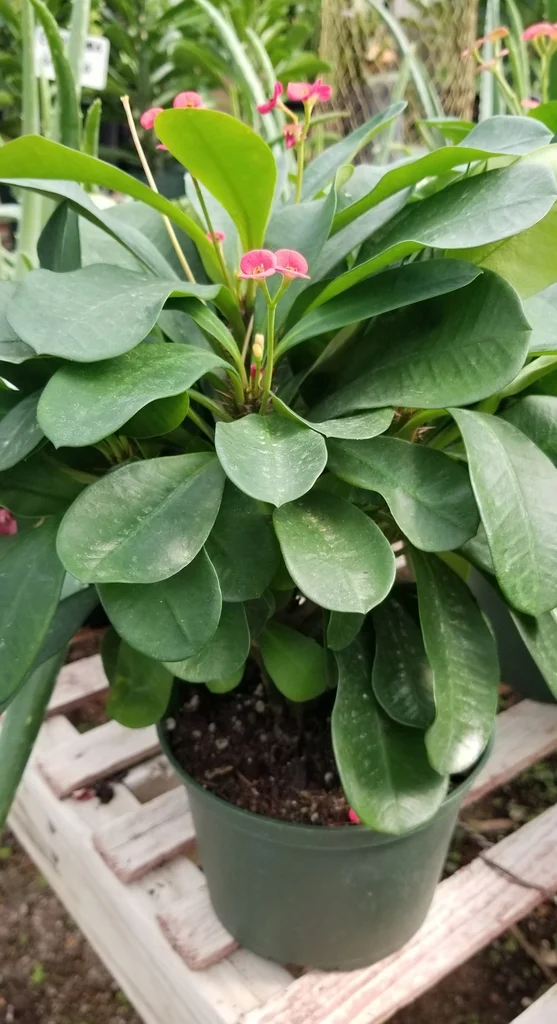
Photo:
Photo details
NC State Extension — Euphorbia milii
By Cindy Christian
License: CC BY 4.0
Original photograph unchanged; proportionally resized for review and display.
Plant shopping
Explore this plant
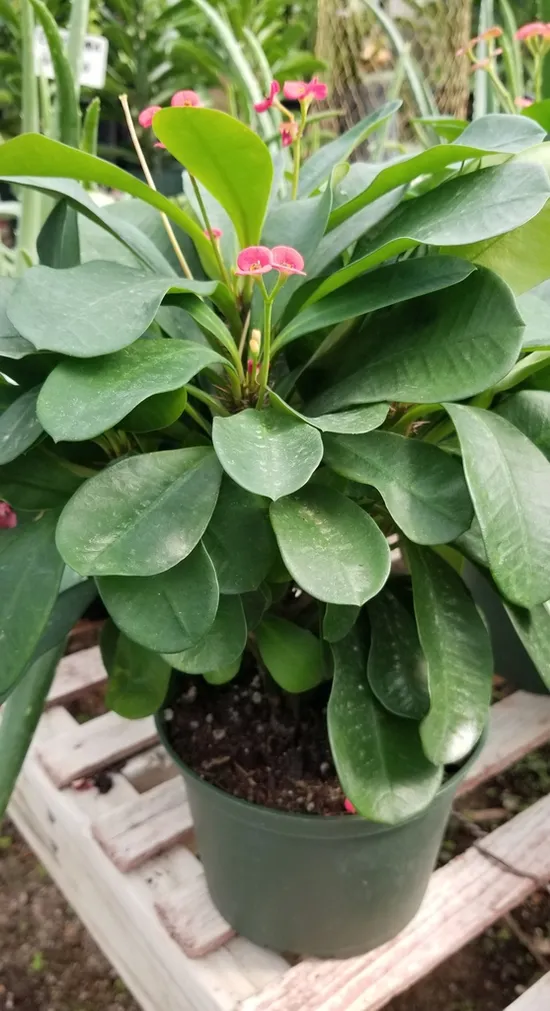
Photo:
Photo details
NC State Extension — Euphorbia milii
By Cindy Christian
License: CC BY 4.0
Original photograph unchanged; proportionally resized for review and display.
Light-pink crown of thorns plant
View on Amazon — light-pink crown of thorns plant; paid link; opens in a new tabPaid link · Opens in a new tab
Keep away from cats. We do not recommend this plant for a home where cats could reach it.
Explore non-toxic plants →A little paw-note: We may earn a commission when you buy through these links. This helps us keep building and helps Nico & Larry sustain their lavish kitty lifestyle.
As an Amazon Associate I earn from qualifying purchases.
Look for Euphorbia milii and check the selected variety. Listings and availability can change.
Plant identity
- Scientific name
- Euphorbia milii
- Scope
- Species
- Family
- Not recorded
- Also known as
- No reviewed aliases available
Find the right spot
How to grow this plant
Euphorbia milii only; the care categories summarize the cited growing guidance.
- Light
- Sunny position
Use a sunny indoor position; shade from intense midday sun may help outdoors.
- Watering
- Let the mix dry
Allow the soil to dry between waterings and avoid cold, wet conditions.
- Temperature
- Temperature range not yet established
A preferred numerical growing range was not established in the reviewed source.
- Potting
- Use a soil-based mix with excellent drainage.
- Through the year
- Some leaf drop can accompany winter rest; wear gloves and protect your eyes when handling its sap.
Growing-guide sources
- Euphorbia milii identity and growing guidance ↗NC State Extension · Accessed 2026-10-17
Exact named plant; outdoor and seasonal conditions retain their original context. Temperature coverage records that this review did not establish a preferred numerical growing range; it does not supply one.
Growing advice reviewed 2026-10-17. Plant safety is assessed separately.
Reviewed safety information
- Toxic principle
- Not recorded in the reviewed evidence
- Reported signs
- Not recorded in the reviewed evidence
- Severity
- Severity not established
Missing information is unknown. It should not be interpreted as an absence of risk.
Safe alternatives
No verified alternative recommendations are available for this guide.
Sources & review
- Crown of thorns cat/pet safety reference ↗Pet Poison Helpline · Accessed
Listed by the source as Euphorbia Milii. Pet Poison Helpline explicitly names Euphorbia milii and describes toxicity to pets, including oral, digestive, skin and eye irritation. The guide applies that pet-toxicology guidance to cats; it does not claim a species-specific cat clinical trial. Thorns are an additional physical hazard.
- Crown of thorns cat/pet safety reference ↗Pet Poison Helpline · Accessed 2026-10-17
- Euphorbia milii botanical identity ↗NC State Extension · Accessed 2026-10-17
Pet Poison Helpline explicitly names Euphorbia milii and describes toxicity to pets, including oral, digestive, skin and eye irritation. The guide applies that pet-toxicology guidance to cats; it does not claim a species-specific cat clinical trial. Thorns are an additional physical hazard.
- Crown of thorns: supporting reference ↗NC State Extension · Accessed 2026-10-17
Safety last reviewed .