Plant guide
Fiddle Leaf Fig
Ficus lyrata
Fiddle leaf fig is considered toxic to cats. Its sap can irritate the mouth and skin; eating it may cause drooling, vomiting or diarrhea. Contact your veterinarian if your cat has chewed the plant or had contact with its sap.
What this guide covers: This guide covers Ficus lyrata. It does not cover Philodendron bipennifolium, which is also called fiddle leaf.
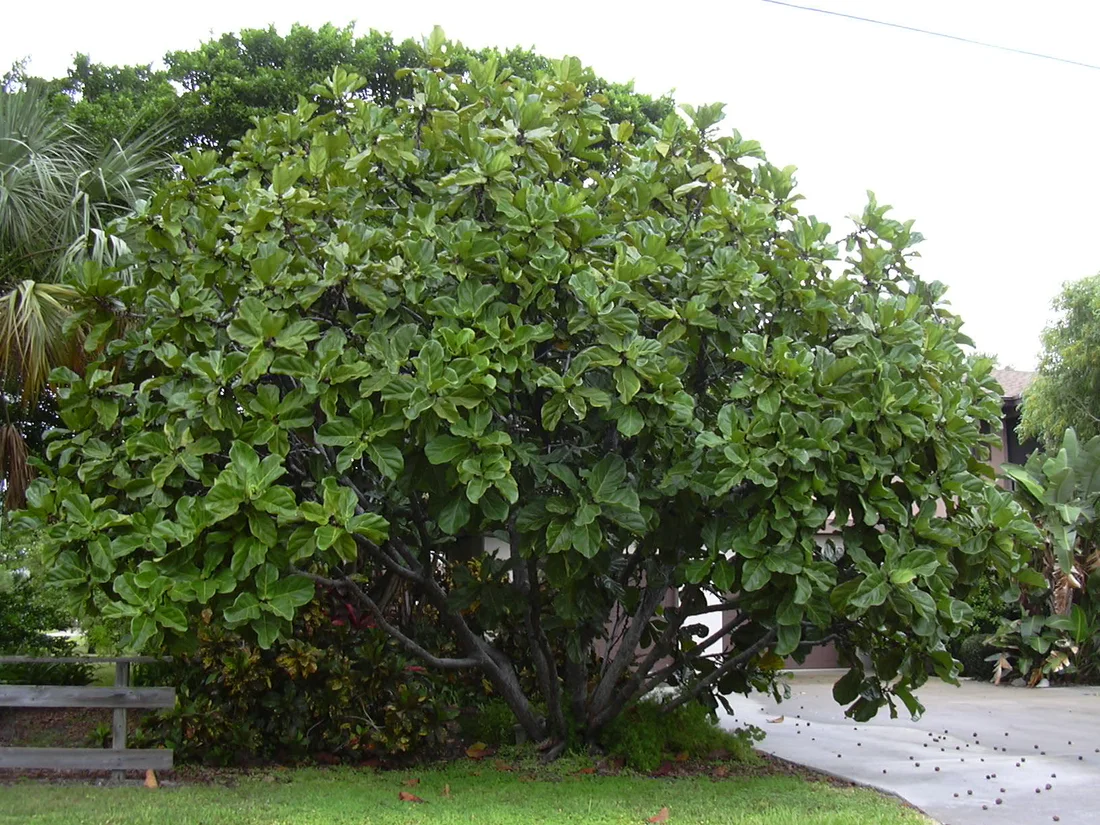
Photo:
Photo details
Starr 031108-0130 Ficus lyrata.jpg
By Forest & Kim Starr

License: CC BY 3.0
Resized and converted to WebP for display; botanical details unchanged.
Plant shopping
Explore this plant
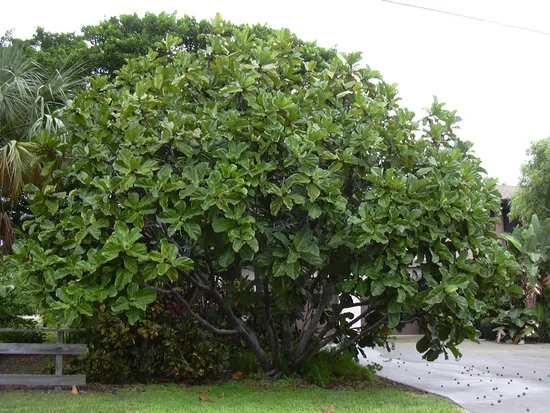
Photo:
Photo details
Starr 031108-0130 Ficus lyrata.jpg
By Forest & Kim Starr
License: CC BY 3.0
Resized and converted to WebP for display; botanical details unchanged.
Fiddle leaf fig
View on Amazon — fiddle leaf fig; paid link; opens in a new tabPaid link · Opens in a new tab
Keep away from cats. We do not recommend this plant for a home where cats could reach it.
Explore non-toxic plants →A little paw-note: We may earn a commission when you buy through these links. This helps us keep building and helps Nico & Larry sustain their lavish kitty lifestyle.
As an Amazon Associate I earn from qualifying purchases.
Look for Ficus lyrata and check the selected variety. Listings and availability can change.
Plant identity
- Scientific name
- Ficus lyrata
- Scope
- Species
- Family
- Moraceae
- Also known as
- Banjo Fig, Ficus pandurata
Find the right spot
How to grow this plant
Container growing guidance for Ficus lyrata.
- Light
- Bright indirect light
Give bright, indirect light and protect the leaves from strong afternoon sun.
- Watering
- Keep evenly moist
Keep the mix moist with good drainage, avoiding waterlogging. Both excessive wetness and drying can cause leaf drop, so check the mix rather than assuming fallen leaves mean more water is needed.
- Temperature
- Temperature range not yet established
A normal indoor growing range has not been established in this review.
- Humidity
- Typical indoor humidity
Moderate humidity is suitable.
- Potting
- Use a loamy, well-drained potting mix.
- Through the year
- Keep its location and temperature reasonably stable rather than moving it frequently. Avoid the direct airflow from heating and air-conditioning vents.
Growing-guide sources
- ficus lyrata - Extension Gardener Plant Toolbox ↗NC State Extension · Accessed 2026-11-01
Care guidance for the named taxon; indoor recommendations take precedence over outdoor hardiness information.
Growing advice reviewed 2026-11-01. Plant safety is assessed separately.
Reviewed safety information
- Toxic principle
- Not recorded in the reviewed evidence
- Reported signs
- Mouth irritation; Drooling; Vomiting; Diarrhea; Skin irritation
- Severity
- Severity not established
Missing information is unknown. It should not be interpreted as an absence of risk.
Safe alternatives
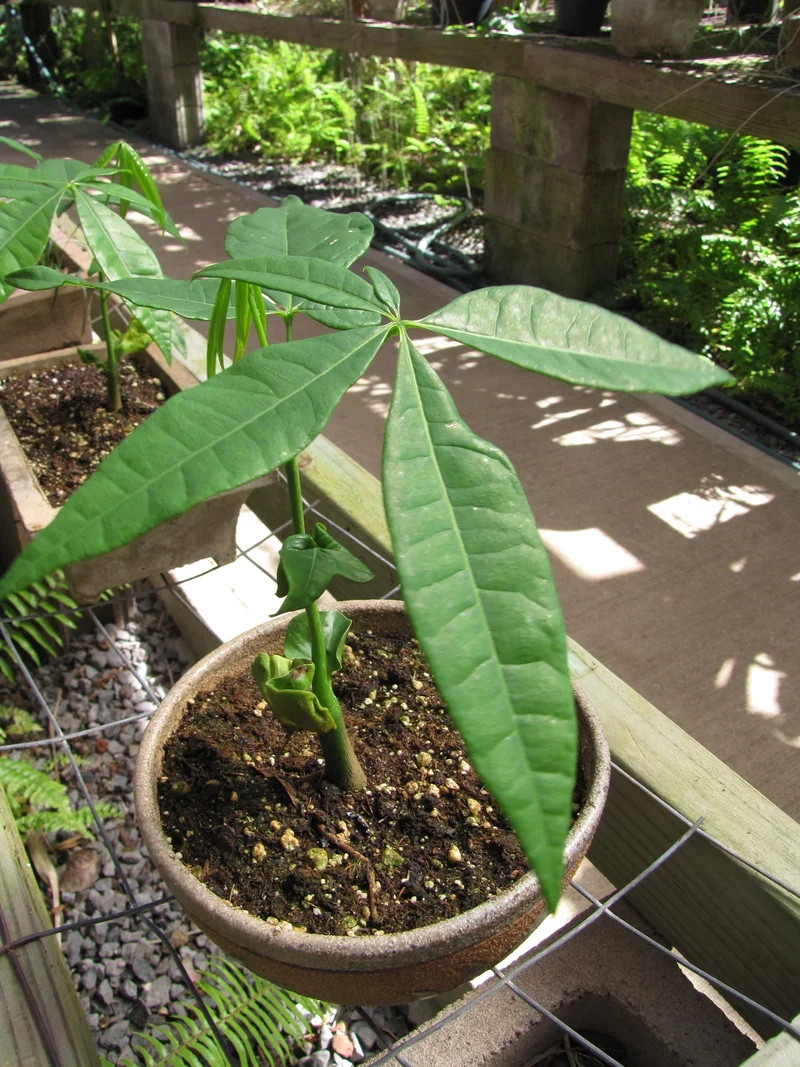
Photo:
Photo details
Starr-110124-0259-Pachira aquatica-in pot-Sacred Garden of Maliko-Maui (24777316240).jpg
By Forest & Kim Starr

License: CC BY 3.0 us
Resized and converted to WebP for display; botanical details unchanged.
Money Tree
Pachira aquatica
Bright indirect light
Growing range: 65–75°F
This guide covers Pachira aquatica only. A shared common name or similar appearance does not establish that another plant has the same assessment.
For a larger indoor statement plant, consider Pachira aquatica. Its leaf shape and care needs differ from fiddle-leaf fig.
Sources & review
- Ficus poisoning in cats ↗Centre Hospitalier Vétérinaire Frégis · Accessed
Safety last reviewed .