Plant guide
Cat Palm
Chamaedorea cataractarum
We have not confirmed enough authoritative cat-specific evidence to label cat palm non-toxic. Its name does not establish safety for cats, and guidance for other palms should not be substituted. Until the evidence is clearer, we recommend choosing a plant with a reviewed non-toxic assessment.
What this guide covers: This page concerns Chamaedorea cataractarum. It does not inherit a safety classification from the common word palm or from Chamaedorea elegans.
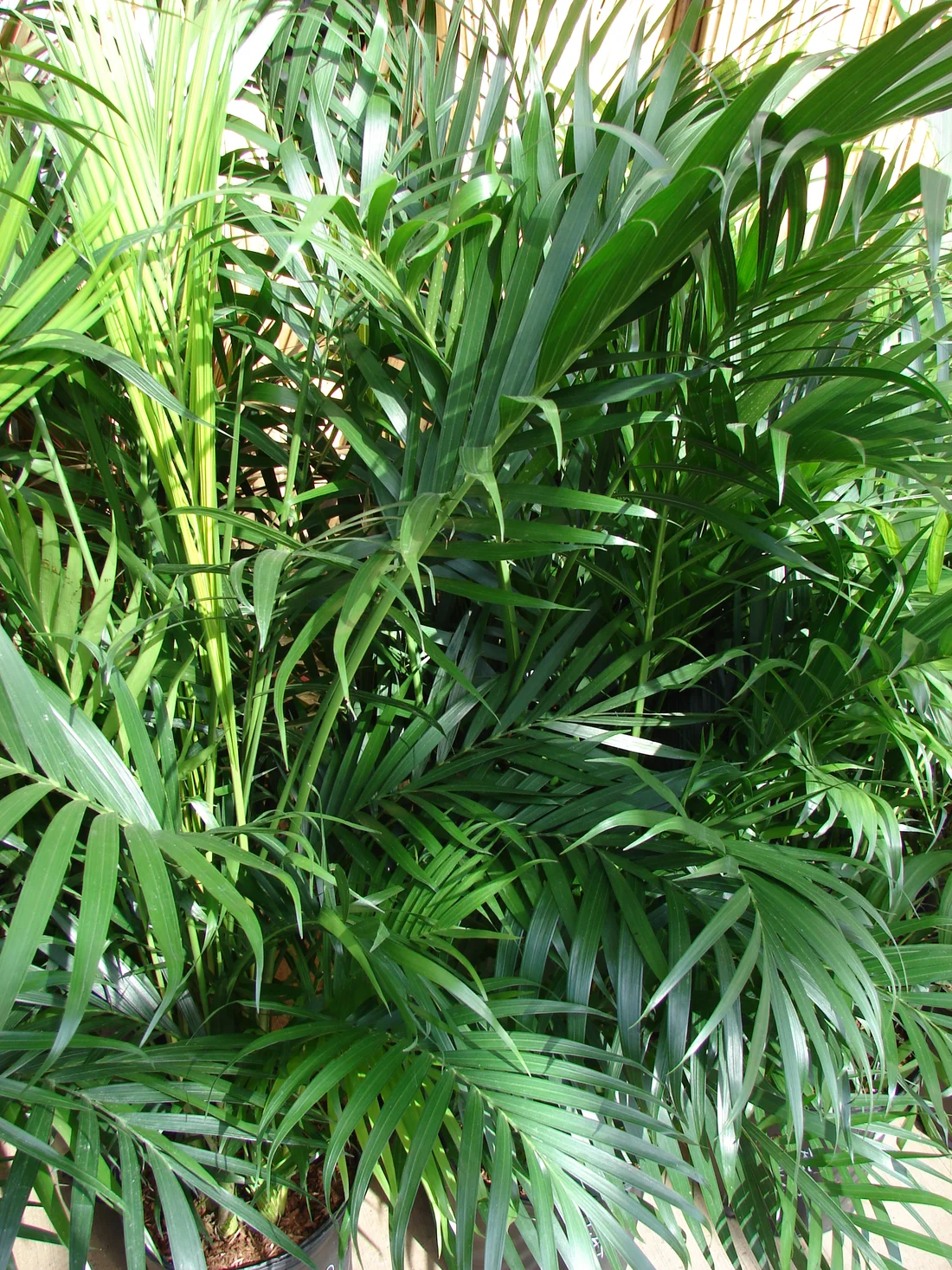
Photo:
Photo details
Starr 080117-2236 Chamaedorea cataractarum.jpg
By Forest & Kim Starr

License: CC BY 3.0
Resized for display. Full photograph retained; no background or botanical edits.
Plant identity
- Scientific name
- Chamaedorea cataractarum
- Scope
- Species
- Family
- Arecaceae
- Also known as
- No reviewed aliases available
Our practical recommendation
Your cat comes first.
Choose a plant with a reviewed non-toxic assessment if you want a clearer choice for your home. Check the botanical label: another palm’s assessment does not establish cat palm’s safety.
Explore reviewed non-toxic plants ↗What we haven’t confirmed
Our review has not located a qualifying veterinary or animal-poison-control assessment for Chamaedorea cataractarum. This is a limit of the evidence we have verified, not proof that the plant is poisonous or that no relevant study exists. UF/IFAS flags irritating fruit in its horticultural reference, but that does not establish a feline poisoning classification. Evidence for parlor palm, Chamaedorea elegans, concerns a different species.
An evidence gap is not proof that a plant is poisonous. It also does not establish that a plant is non-toxic.
Sources & review
Exact species; botanical/fruit context only, not feline safety evidence.
Source scope and date
UF/IFAS · Source name: Chamaedorea cataractarum. Table 1, “Irritating Fruits?” column: Yes. Horticultural handling context, not a feline poisoning assessment.
Accessed .
Evidence checked . The cat-safety classification remains unresolved.
Find the right spot
How to grow this plant
General botanical cultivation guidance for Chamaedorea cataractarum. A precise indoor light, humidity and temperature profile remains unestablished.
- Light
- Varies by type
The botanical source recommends a lightly shaded growing location. An indoor light category is not assigned from this outdoor guidance.
- Watering
- Keep evenly moist
Maintain moist conditions with good drainage.
- Temperature
- Temperature range not yet established
A normal indoor growing range has not been established in this review.
- Potting
- Use organically rich, well-drained soil.
Growing-guide sources
- Chamaedorea cataractarum ↗Singapore National Parks Board · Accessed 2026-10-13
Cultivation guidance is for a lightly shaded, moist location. It is not treated as an indoor temperature study.
Growing advice reviewed 2026-10-14. Plant safety is assessed separately.
Safe alternatives
No verified alternative recommendations are available for this guide.