Plant guide
Alocasia
Alocasia spp.
Alocasia is considered toxic to cats. Chewing the plant can irritate the mouth and cause pain or swelling, drooling, vomiting and difficulty swallowing.
What this guide covers: This is a genus-level guide to Alocasia spp., the group named in the cat-safety source. It does not identify an individual species or cultivar. The common name elephant ear can refer to other plants and is not enough to establish identity.
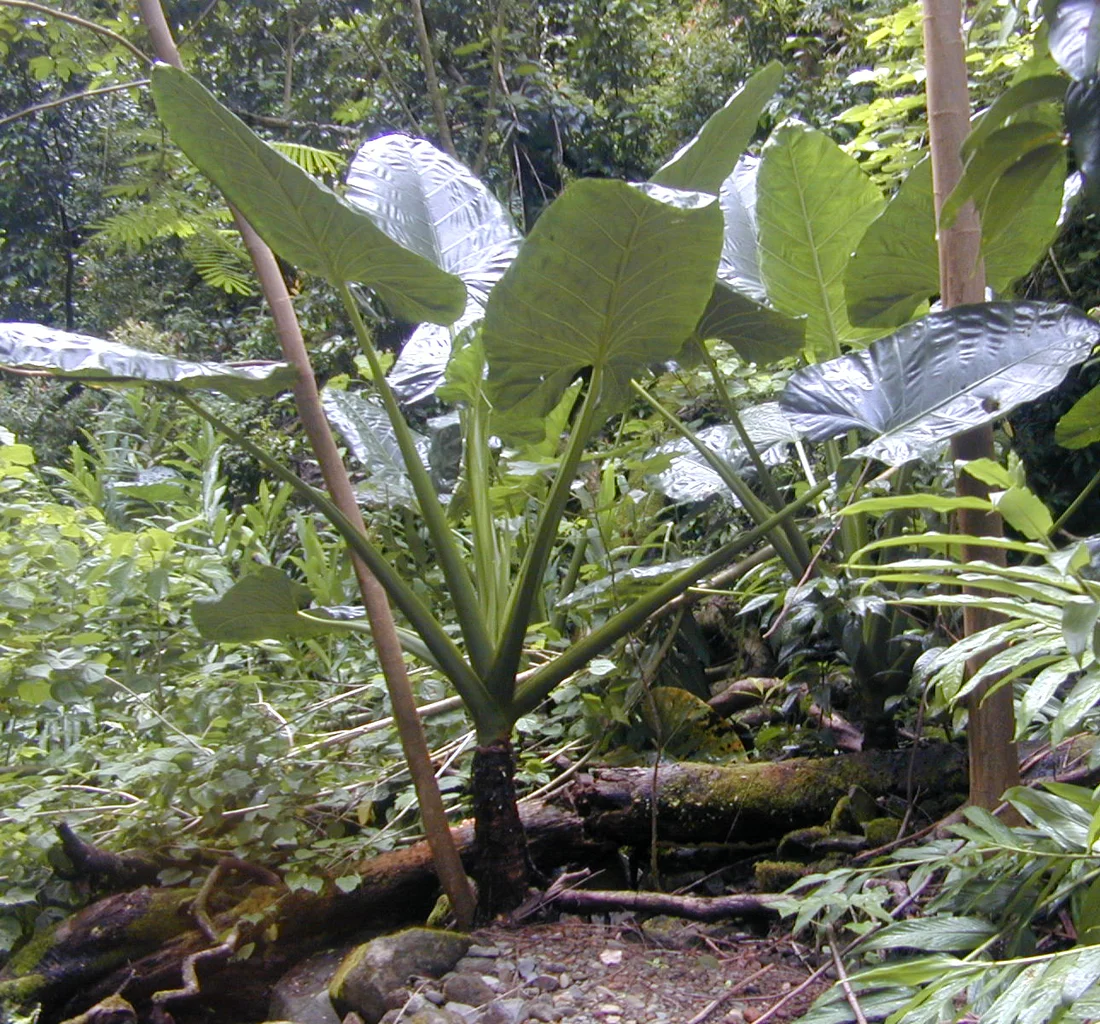
Photo:
Photo details
P Alom D9903.jpg
By Eric Guinther (Marshman)

License: CC BY-SA 3.0
Resized and converted to WebP for display; botanical details unchanged.
This displayed image is shared under the same CC BY-SA 3.0 license.
Plant shopping
Explore this plant
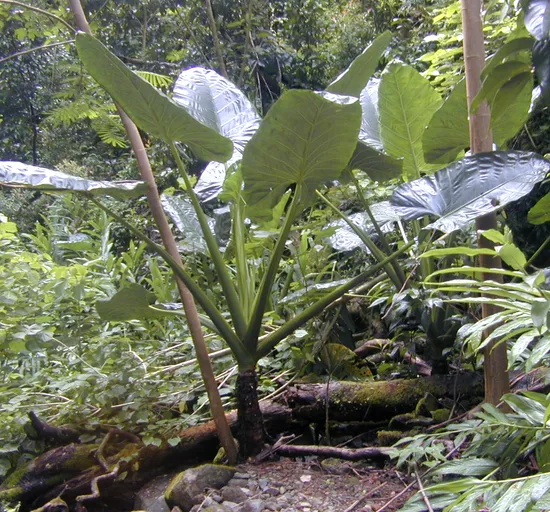
Photo:
Photo details
P Alom D9903.jpg
By Eric Guinther (Marshman)
License: CC BY-SA 3.0
Resized and converted to WebP for display; botanical details unchanged.
This displayed image is shared under the same CC BY-SA 3.0 license.
Alocasia Polly
View on Amazon — Alocasia Polly; paid link; opens in a new tabPaid link · Opens in a new tab
Keep away from cats. We do not recommend this plant for a home where cats could reach it.
Explore non-toxic plants →A little paw-note: We may earn a commission when you buy through these links. This helps us keep building and helps Nico & Larry sustain their lavish kitty lifestyle.
As an Amazon Associate I earn from qualifying purchases.
Look for Alocasia spp. and check the selected variety. Listings and availability can change.
Plant identity
- Scientific name
- Alocasia spp.
- Scope
- Genus-level group
- Family
- Not recorded
- Also known as
- No reviewed aliases available
Find the right spot
How to grow this plant
General guidance for commonly grown indoor Alocasia. Species and cultivars differ, particularly during dormancy.
- Light
- Bright indirect light
Choose bright, indirect light for commonly grown indoor alocasias.
- Watering
- Keep evenly moist
Keep the mix moist during active growth, allowing excess water to drain away.
- Temperature
- Active growth: 61–86°F / 16–30°C
This range describes spring-to-autumn growth. Winter can be cooler and drier, but avoid temperatures below 16°C (61°F).
- Humidity
- Higher humidity
Provide a humid position.
- Potting
- Use a humus-rich, well-drained potting mix.
- Through the year
- Growth can slow or become dormant in winter; reduce watering as demand drops.
Growing-guide sources
- alocasia - Extension Gardener Plant Toolbox ↗NC State Extension · Accessed 2026-10-13
Care guidance for the named taxon; indoor recommendations take precedence over outdoor hardiness information.
- Alocasia plant guide ↗Royal Horticultural Society · Accessed 2026-10-13
Indoor genus-level guidance, with winter dormancy explicitly distinguished.
Growing advice reviewed 2026-10-14. Plant safety is assessed separately.
Reviewed safety information
- Toxic principle
- Insoluble calcium oxalates
- Reported signs
- Mouth pain or swelling; Drooling; Vomiting; Difficulty swallowing
- Severity
- Severity not established
Missing information is unknown. It should not be interpreted as an absence of risk.
Safe alternatives
No verified alternative recommendations are available for this guide.