Plant guide
String of Pearls
Curio rowleyanus
String of pearls (Curio rowleyanus) is considered toxic to cats. Eating it may cause vomiting and lethargy. Contact your veterinarian promptly if your cat may have eaten it.
What this guide covers: This guide covers Curio rowleyanus, also known scientifically as Senecio rowleyanus. Other trailing succulents require their own identification.
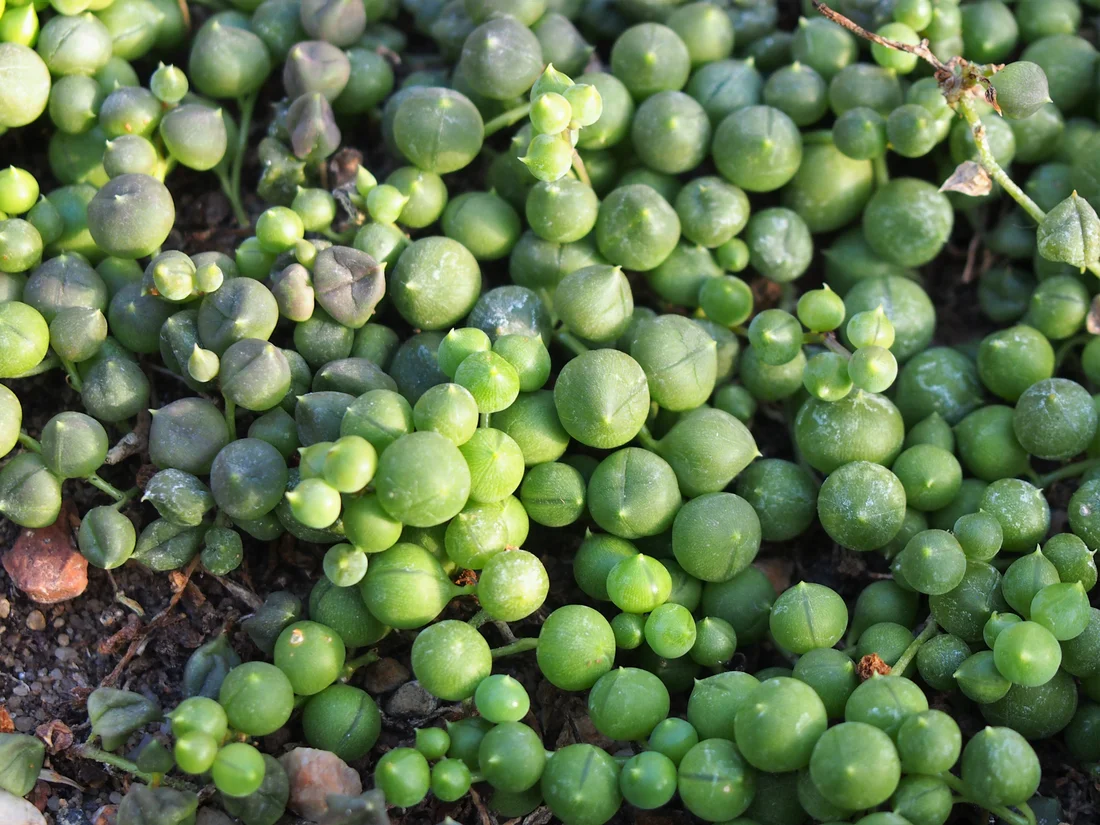
Photo:
Photo details
Curio rowleyanus syn. Senecio rowleyanus 2019-04-14 02.jpg
By Agnieszka Kwiecień, Nova

License: CC BY-SA 4.0
Resized and converted to WebP for display; botanical details unchanged.
This displayed image is shared under the same CC BY-SA 4.0 license.
Plant shopping
Explore this plant
Photo:
Photo details
Curio rowleyanus syn. Senecio rowleyanus 2019-04-14 02.jpg
By Agnieszka Kwiecień, Nova
License: CC BY-SA 4.0
Resized and converted to WebP for display; botanical details unchanged.
This displayed image is shared under the same CC BY-SA 4.0 license.
String of pearls
View on Amazon — string of pearls; paid link; opens in a new tabPaid link · Opens in a new tab
Keep away from cats. We do not recommend this plant for a home where cats could reach it.
Explore non-toxic plants →A little paw-note: We may earn a commission when you buy through these links. This helps us keep building and helps Nico & Larry sustain their lavish kitty lifestyle.
As an Amazon Associate I earn from qualifying purchases.
Look for Curio rowleyanus and check the selected variety. Listings and availability can change.
Plant identity
- Scientific name
- Curio rowleyanus
- Scope
- Species
- Family
- Asteraceae
- Also known as
- No reviewed aliases available
Find the right spot
How to grow this plant
Container growing guidance for Curio rowleyanus.
- Light
- Bright indirect light
Choose bright, indirect light.
- Watering
- Let the mix partly dry
Allow partial drying between waterings; avoid both soggy soil and leaving the mix completely dry.
- Temperature
- Active growth: 70–80°F / 21–27°C
Summer growth is listed at 70-80°F (21-27°C); winter rest at 50-60°F (10-16°C). The filter uses the active growing range.
- Potting
- Use a well-drained cactus mix.
- Through the year
- Provide a cooler winter rest with reduced watering.
Growing-guide sources
- curio rowleyanus - Extension Gardener Plant Toolbox ↗NC State Extension · Accessed 2026-10-13
Care guidance for the named taxon; indoor recommendations take precedence over outdoor hardiness information.
Growing advice reviewed 2026-10-14. Plant safety is assessed separately.
Reviewed safety information
- Toxic principle
- Not recorded in the reviewed evidence
- Reported signs
- Vomiting; Lethargy
- Severity
- Severity not established
Missing information is unknown. It should not be interpreted as an absence of risk.
Safe alternatives
No verified alternative recommendations are available for this guide.
Sources & review
- Are Succulents Safe to Have Around Pets? — string of pearls ↗ASPCA Animal Poison Control Center · Accessed
Listed by the source as senecio rowleyanus. The ASPCA article uses the lower-case historical binomial senecio rowleyanus. Kew lists Senecio rowleyanus as a synonym of Curio rowleyanus. Capitalization does not change that species identity.
- Senecio rowleyanus — synonym of Curio rowleyanus ↗Royal Botanic Gardens, Kew · Accessed 2026-10-12
Safety last reviewed .