Plant guide
Calathea
Goeppertia spp.
Calatheas in the Goeppertia genus are considered non-toxic to cats. Check the scientific name when buying one, because common names can refer to different plants.
Non-toxic does not mean edible. Eating plant material can still upset your cat’s stomach.
What this guide covers: This guide covers Goeppertia species commonly sold as calatheas. It does not cover every plant sold as a prayer plant.
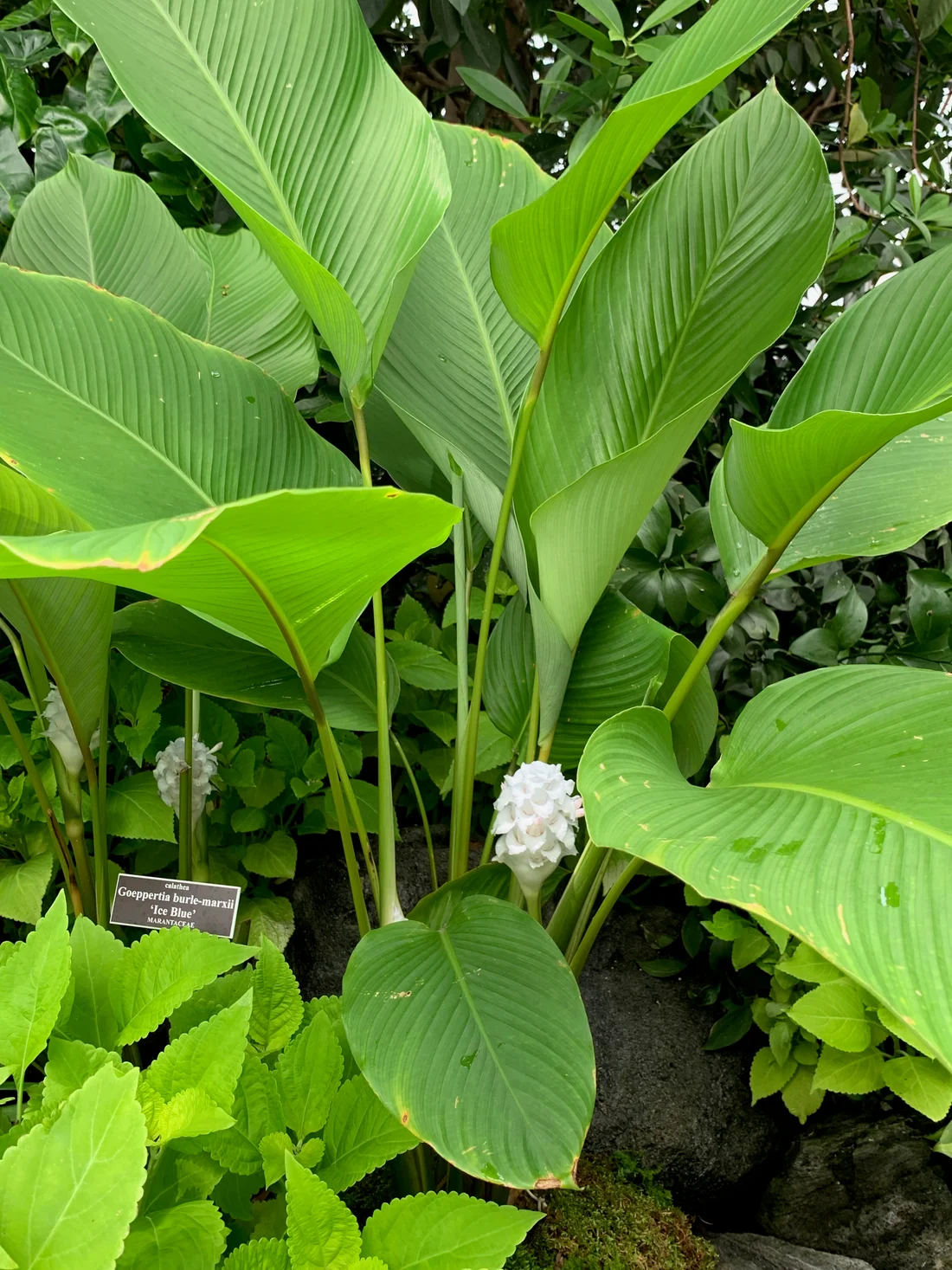
Photo:
Photo details
Goeppertia burle-marxii 'Ice Blue' foliage and inflorescence.jpg
By KATHERINE WAGNER-REISS

License: CC BY-SA 4.0
Resized and converted to WebP for display; botanical details unchanged.
This displayed image is shared under the same CC BY-SA 4.0 license.
Plant shopping
Explore this plant
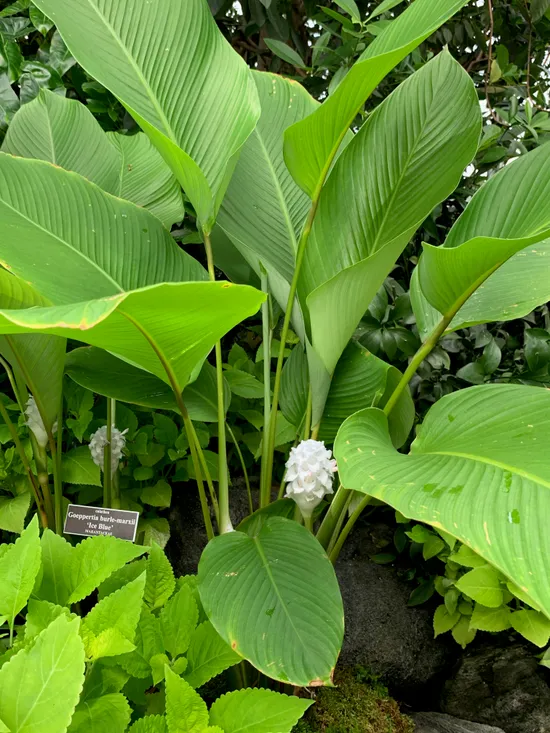
Photo:
Photo details
Goeppertia burle-marxii 'Ice Blue' foliage and inflorescence.jpg
By KATHERINE WAGNER-REISS
License: CC BY-SA 4.0
Resized and converted to WebP for display; botanical details unchanged.
This displayed image is shared under the same CC BY-SA 4.0 license.
Peacock calathea
View on Amazon — peacock calathea; paid link; opens in a new tabPaid link · Opens in a new tab
Non-toxic does not mean edible. Chewing plants can still upset your cat’s stomach.
A little paw-note: We may earn a commission when you buy through these links. This helps us keep building and helps Nico & Larry sustain their lavish kitty lifestyle.
As an Amazon Associate I earn from qualifying purchases.
Look for Goeppertia spp. and check the selected variety. Listings and availability can change.
Plant identity
- Scientific name
- Goeppertia spp.
- Scope
- Genus-level group
- Family
- Marantaceae
- Also known as
- No reviewed aliases available
Find the right spot
How to grow this plant
General guidance for commonly grown Goeppertia foliage plants; species and cultivar needs can vary.
- Light
- Medium indirect light
Use medium, indirect light; some lower light is tolerated. Avoid direct sun.
Tolerates lower light; growth or flowering may be reduced. - Watering
- Keep evenly moist
Keep the mix moist, not soggy. Rainwater or distilled water can help where tap water causes leaf-tip damage.
- Temperature
- Growing range: 65–75°F / 18–24°C
Keep temperatures steady and protect from drafts.
- Humidity
- Higher humidity
Provide high humidity with some air circulation.
- Potting
- Use a rich, well-drained potting mix.
- Through the year
- Repot in spring if needed and feed during active growth. Wipe dust from leaves gently and provide air circulation while maintaining humid conditions.
Growing-guide sources
- goeppertia - Extension Gardener Plant Toolbox ↗NC State Extension · Accessed 2026-11-01
Care guidance for the named taxon; indoor recommendations take precedence over outdoor hardiness information.
Growing advice reviewed 2026-11-01. Plant safety is assessed separately.
Reviewed safety information
- Toxic principle
- Not recorded in the reviewed evidence
- Reported signs
- Not recorded in the reviewed evidence
Missing information is unknown. It should not be interpreted as an absence of risk.
Safe alternatives
No verified alternative recommendations are available for this guide.
Sources & review
- Pet ‘safe’ plants — Version 1, August 2023 ↗Veterinary Poisons Information Service · Accessed
Listed by the source as Goeppertia species. VPIS explicitly names Goeppertia species. The master abbreviation spp. expresses that same group; no safety claim is inferred from the historical Calathea genus.
- Pet ‘safe’ plants — explicit scientific names ↗Veterinary Poisons Information Service · Accessed 2026-10-12
Safety last reviewed .