Plant guide
Pothos
Epipremnum aureum
Pothos is considered toxic to cats. Chewing it can cause a burning or irritated mouth, drooling, vomiting and trouble swallowing. Rare throat swelling can make breathing difficult.
What this guide covers: This guide covers Epipremnum aureum only. A shared common name or similar appearance does not establish that another plant has the same assessment.
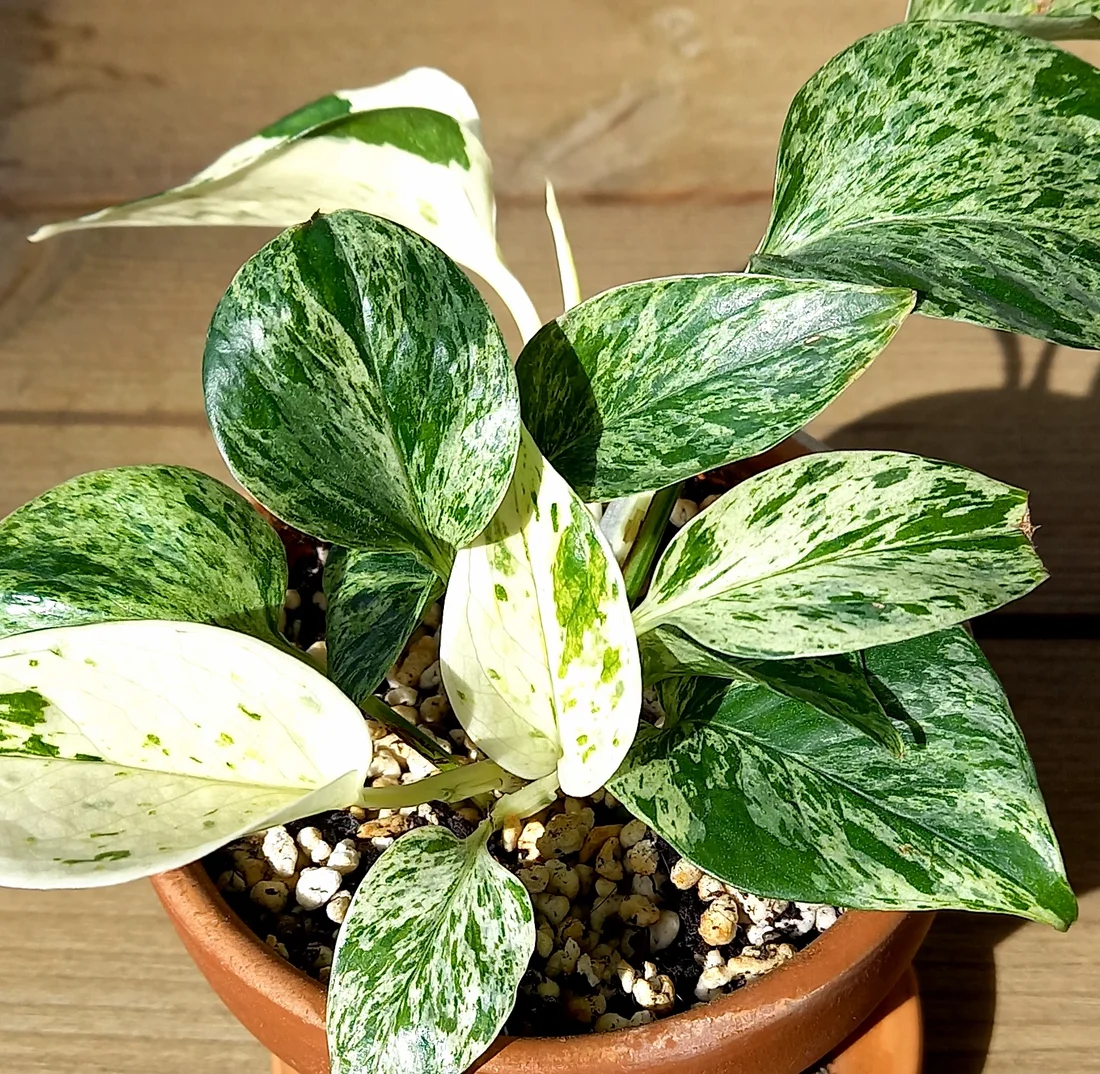
Photo:
Photo details
Epipremnum aureum (Marble Queen) houseplant (cropped).png
By Spnq

License: CC BY-SA 4.0
Source crop by Another Believer. Resized and converted to WebP for display; botanical details unchanged.
This displayed image is shared under the same CC BY-SA 4.0 license.
Plant shopping
Explore this plant
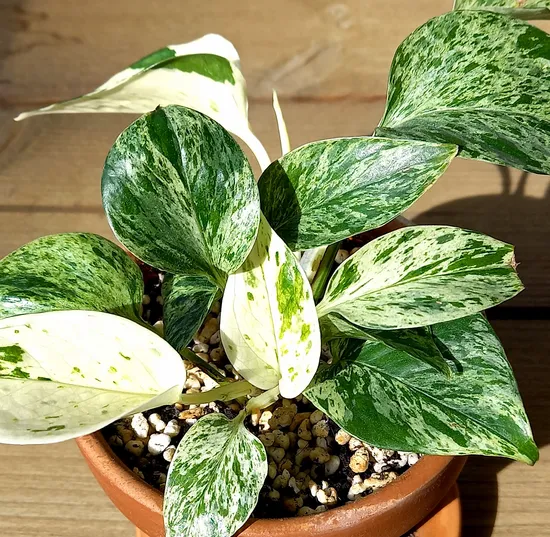
Photo:
Photo details
Epipremnum aureum (Marble Queen) houseplant (cropped).png
By Spnq
License: CC BY-SA 4.0
Source crop by Another Believer. Resized and converted to WebP for display; botanical details unchanged.
This displayed image is shared under the same CC BY-SA 4.0 license.
Golden pothos
View on Amazon — golden pothos; paid link; opens in a new tabPaid link · Opens in a new tab
Keep away from cats. We do not recommend this plant for a home where cats could reach it.
Explore non-toxic plants →A little paw-note: We may earn a commission when you buy through these links. This helps us keep building and helps Nico & Larry sustain their lavish kitty lifestyle.
As an Amazon Associate I earn from qualifying purchases.
Look for Epipremnum aureum and check the selected variety. Listings and availability can change.
Plant identity
- Scientific name
- Epipremnum aureum
- Scope
- Species
- Family
- Not recorded
- Also known as
- Golden Pothos, Devil’s Ivy
Find the right spot
How to grow this plant
Container growing guidance for Epipremnum aureum.
- Light
- Bright indirect light
Use bright, indirect light. Lower light is tolerated, but variegated leaves may lose some contrast.
Tolerates lower light; growth or flowering may be reduced. - Watering
- Let the mix partly dry
Let the surface of the mix dry and the root ball partly dry before watering thoroughly and draining. Do not read “dry between waterings” as a need to leave the whole pot bone-dry.
- Temperature
- Growing range: 70–90°F / 21–32°C
The reported best-growth range is 70–90°F (21–32°C). Pothos tolerates a broader range; these numbers are growing guidance, not survival limits.
- Humidity
- Higher humidity
Benefits from humid air.
- Potting
- Choose a well-drained container mix.
- Through the year
- Trim long stems to encourage a fuller plant. Reduce feeding when growth slows in winter.
Growing-guide sources
- epipremnum aureum - Extension Gardener Plant Toolbox ↗NC State Extension · Accessed 2026-11-01
Care guidance for the named taxon; indoor recommendations take precedence over outdoor hardiness information.
- Pothos, Epipremnum aureum ↗University of Wisconsin–Madison Extension · Accessed 2026-11-01
Indoor growing guidance for the named taxon; outdoor hardiness is not used as an indoor growing range.
Growing advice reviewed 2026-11-01. Plant safety is assessed separately.
Reviewed safety information
- Toxic principle
- Insoluble calcium oxalates
- Reported signs
- Mouth irritation or burning; Drooling; Vomiting; Difficulty swallowing; Breathing difficulty from throat swelling (rare)
- Severity
- Usually causes irritation or stomach upset
Missing information is unknown. It should not be interpreted as an absence of risk.
Safe alternatives
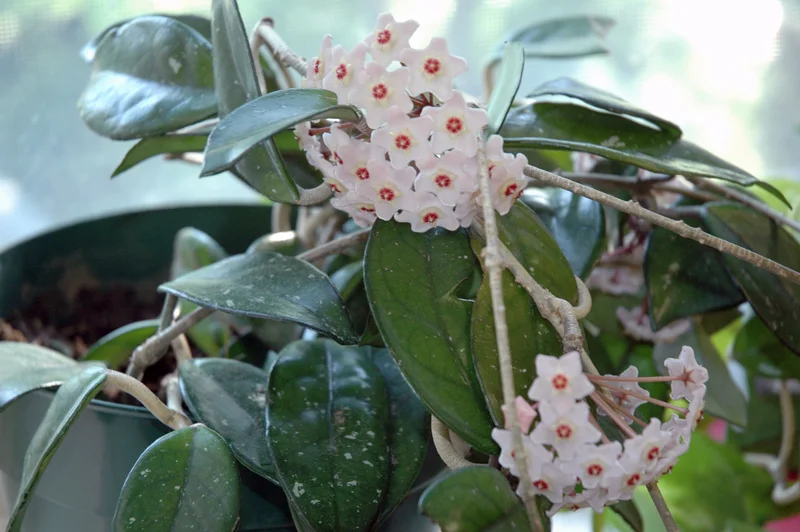
Photo:
Photo details
NKN-2007-06-13 114250 Hoya Carnosa (Yvan Leduc author for Wikipedia).jpg
By Yvan leduc

License: CC BY-SA 3.0
Resized and converted to WebP for display; botanical details unchanged.
This displayed image is shared under the same CC BY-SA 3.0 license.
Hoya
Hoya carnosa
Bright indirect light
Temperature range not yet established
This guide covers Hoya carnosa. The source explicitly names the species, without restricting its assessment to a named cultivar. Other Hoya species and unidentified hybrids are outside this guide.
For trailing greenery, consider Hoya carnosa. It can trail from a hanging container, but needs its own light and watering routine.
Sources & review
- Golden Pothos ↗ASPCA Animal Poison Control · Accessed
- Golden Pothos ↗Pet Poison Helpline · Accessed
- Is That Houseplant Safe for Your Pets? ↗ASPCA Animal Poison Control · Accessed
Safety last reviewed .