Plant guide
Bay laurel
Laurus nobilis
Bay laurel is toxic to cats. Its use as a kitchen herb does not make it cat-safe. Whole leaves also pose a physical hazard if swallowed; seek veterinary advice after suspected ingestion.
What this guide covers: Laurus nobilis only. Confirm the botanical label; a photograph cannot identify a visitor’s specimen.
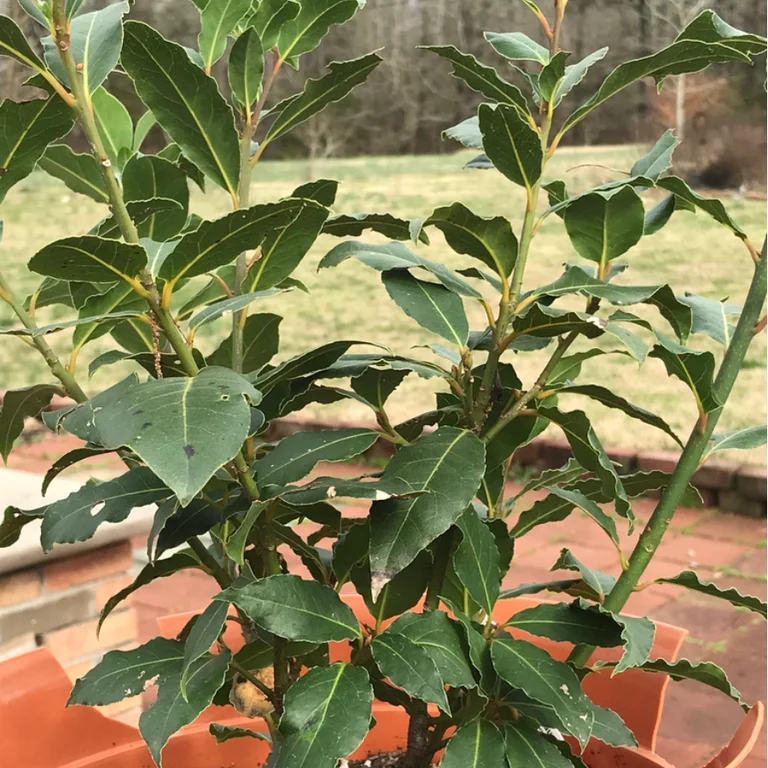
Photo:
Photo details
NC State Extension — Laurus nobilis
By K. Andre
License: CC BY 2.0
Original photograph unchanged; proportionally resized for review and display.
Plant shopping
Explore this plant
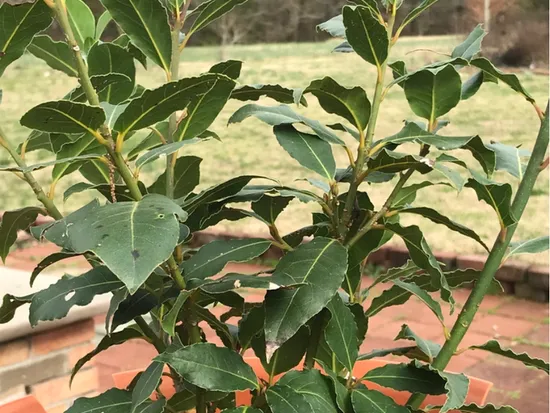
Photo:
Photo details
NC State Extension — Laurus nobilis
By K. Andre
License: CC BY 2.0
Original photograph unchanged; proportionally resized for review and display.
Sweet bay laurel plants — pack of 2
View on Amazon — sweet bay laurel plants — pack of 2; paid link; opens in a new tabPaid link · Opens in a new tab
Keep away from cats. We do not recommend this plant for a home where cats could reach it.
Explore non-toxic plants →A little paw-note: We may earn a commission when you buy through these links. This helps us keep building and helps Nico & Larry sustain their lavish kitty lifestyle.
As an Amazon Associate I earn from qualifying purchases.
Look for Laurus nobilis and check the selected variety. Listings and availability can change.
Plant identity
- Scientific name
- Laurus nobilis
- Scope
- Species
- Family
- Not recorded
- Also known as
- No reviewed aliases available
Find the right spot
How to grow this plant
Laurus nobilis only; the care categories summarize the cited growing guidance.
- Light
- Sunny position or Some direct sun
Choose a sunny or partly shaded, sheltered position.
- Watering
Check container moisture regularly and water when needed; avoid waterlogging, especially in winter.
- Temperature
- Temperature range not yet established
Protect containers from harsh frost and cold winds. A preferred numerical growing range was not established in the reviewed source.
- Potting
- Use a loam-based potting mix with added grit for drainage.
- Through the year
- Trim in spring or summer to control its size; repot container plants as needed.
Growing-guide sources
- Laurus nobilis identity and growing guidance ↗Royal Horticultural Society · Accessed 2026-10-17
Exact named plant; outdoor and seasonal conditions retain their original context.
- Laurus nobilis identity and growing guidance ↗NC State Extension · Accessed 2026-10-17
Exact named plant; outdoor and seasonal conditions retain their original context.
Growing advice reviewed 2026-10-17. Plant safety is assessed separately.
Reviewed safety information
- Toxic principle
- Not recorded in the reviewed evidence
- Reported signs
- Not recorded in the reviewed evidence
- Severity
- Severity not established
Missing information is unknown. It should not be interpreted as an absence of risk.
Safe alternatives
No verified alternative recommendations are available for this guide.
Sources & review
- Bay laurel cat/pet safety reference ↗ASPCA · Accessed
ASPCA explicitly identifies Laurus nobilis as toxic to cats and separately describes risks from whole leaves. NC State and RHS provide care. Human culinary use is not a cat-safety exemption; Kalmia and other laurels remain separate.
- Bay laurel: supporting reference ↗NC State Extension · Accessed 2026-10-17
Safety last reviewed .