Plant guide
Easter cactus
Rhipsalidopsis gaertneri
Easter cactus is non-toxic to cats. Chewing can still upset the stomach, so keep the plant away from persistent nibbling.
Non-toxic does not mean edible. Eating plant material can still upset your cat’s stomach.
What this guide covers: Rhipsalidopsis gaertneri only; distinguish it from Thanksgiving cactus, Christmas cactus and other Easter-cactus hybrids.
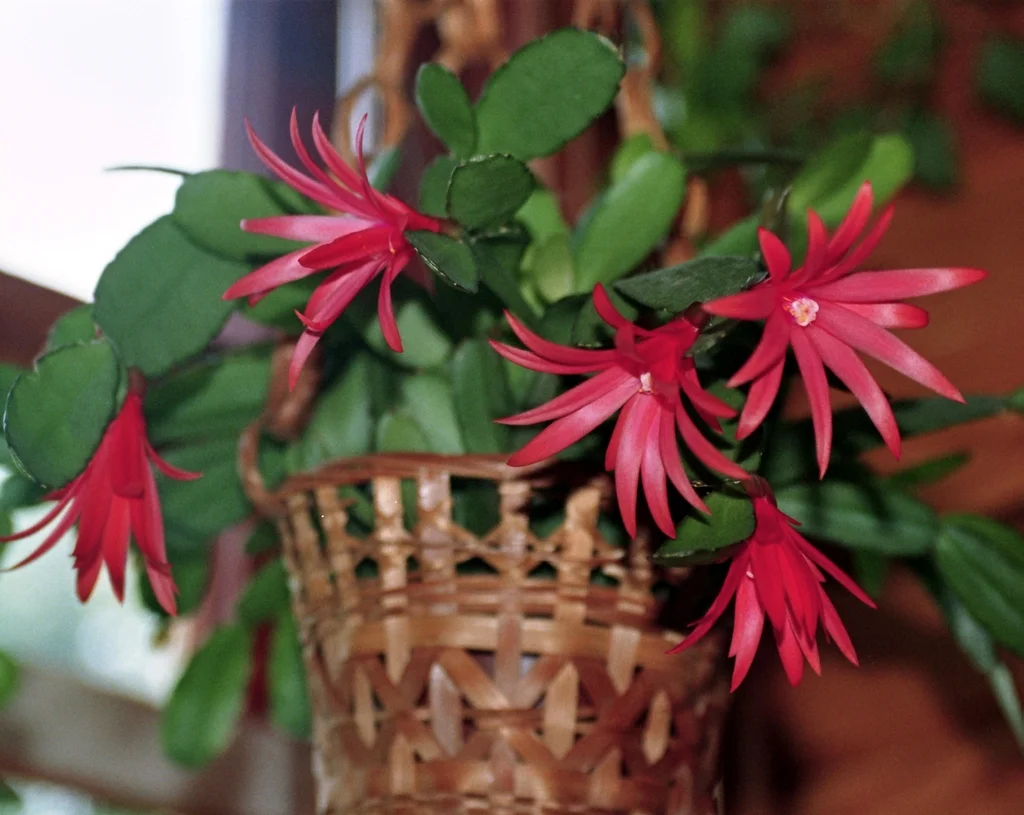
Photo:
Photo details
Rhipsalidopsis gaertneri — Flowers and leaves
By Kor!An (Корзун Андрей)
License: CC BY-SA 3.0
Resized and converted to WebP for display; botanical details unchanged.
This displayed image is shared under the same CC BY-SA 3.0 license.
Plant shopping
Explore this plant
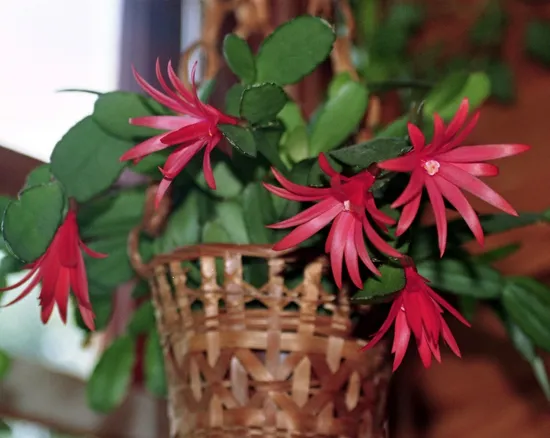
Photo:
Photo details
Rhipsalidopsis gaertneri — Flowers and leaves
By Kor!An (Корзун Андрей)
License: CC BY-SA 3.0
Resized and converted to WebP for display; botanical details unchanged.
This displayed image is shared under the same CC BY-SA 3.0 license.
Red Easter cactus
View on Amazon — red Easter cactus; paid link; opens in a new tabPaid link · Opens in a new tab
Non-toxic does not mean edible. Chewing plants can still upset your cat’s stomach.
A little paw-note: We may earn a commission when you buy through these links. This helps us keep building and helps Nico & Larry sustain their lavish kitty lifestyle.
As an Amazon Associate I earn from qualifying purchases.
Look for Rhipsalidopsis gaertneri and check the selected variety. Listings and availability can change.
Plant identity
- Scientific name
- Rhipsalidopsis gaertneri
- Scope
- Species
- Family
- Not recorded
- Also known as
- No reviewed aliases available
Find the right spot
How to grow this plant
Rhipsalidopsis gaertneri only; distinguish it from Thanksgiving cactus, Christmas cactus and other Easter-cactus hybrids.
- Light
- Bright indirect light
Bright, indirect light; avoid hot direct sun.
- Watering
- Keep evenly moist
Keep lightly moist during growth; reduce watering in winter without letting roots become waterlogged.
- Temperature
- Temperature range not yet established
60-75 F during growth; cooler late-winter conditions are described separately for flowering.
- Humidity
Higher humidity is preferred, with air circulation.
- Potting
- Well-drained cactus potting mix.
- Through the year
- Spring flowering depends on seasonal conditions. Avoid abrupt over- or underwatering.
Growing-guide sources
- Rhipsalidopsis gaertneri ↗NC State Extension · Accessed 2026-10-16
Rhipsalidopsis gaertneri only; distinguish it from Thanksgiving cactus, Christmas cactus and other Easter-cactus hybrids.
Growing advice reviewed 2026-10-16. Plant safety is assessed separately.
Reviewed safety information
- Toxic principle
- Not recorded in the reviewed evidence
- Reported signs
- Not recorded in the reviewed evidence
Missing information is unknown. It should not be interpreted as an absence of risk.
Safe alternatives
No verified alternative recommendations are available for this guide.