Plant guide
Dahlia
Dahlia spp.
Dahlias can cause mild stomach upset or skin irritation in cats. Keep flowers and foliage away from nibbling; veterinary references differ on whether to label the group toxic.
What this guide covers: Dahlia spp. only. Confirm the botanical identity; a photograph alone cannot establish plant identity.
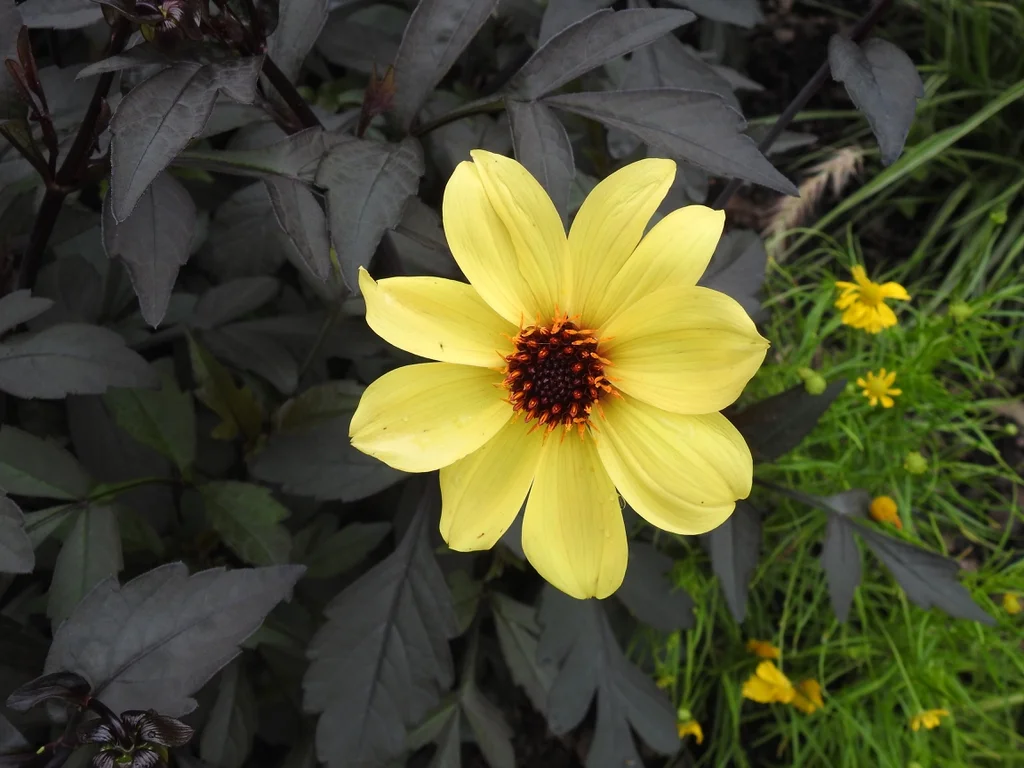
Photo:
Photo details
Dahlia spp. — Dahlia Mystic Illusion 'Knockout' flower
By Kathleen Moore
License: CC BY 2.0
Resized and converted to WebP for display; botanical details unchanged.
Plant shopping
Explore this plant
Photo:
Photo details
Dahlia spp. — Dahlia Mystic Illusion 'Knockout' flower
By Kathleen Moore
License: CC BY 2.0
Resized and converted to WebP for display; botanical details unchanged.
Edinburgh dahlia tuber
View on Amazon — Edinburgh dahlia tuber; paid link; opens in a new tabPaid link · Opens in a new tab
Cat safety is unresolved. This purchase link is not a cat-safe recommendation. Prevent your cat from accessing this plant.
Read the evidence in this guide ↓Explore non-toxic plants →A little paw-note: We may earn a commission when you buy through these links. This helps us keep building and helps Nico & Larry sustain their lavish kitty lifestyle.
As an Amazon Associate I earn from qualifying purchases.
Look for Dahlia spp. and check the selected variety. Listings and availability can change.
Plant identity
- Scientific name
- Dahlia spp.
- Scope
- Genus-level group
- Family
- Not recorded
- Also known as
- No reviewed aliases available
Our practical recommendation
Your cat comes first.
Dahlias can cause mild stomach upset or skin irritation in cats. Keep flowers and foliage away from nibbling; veterinary references differ on whether to label the group toxic.
Explore reviewed non-toxic plants ↗Why the guidance differs
ASPCA covers Dahlia species and reports mild digestive and skin effects; VPIS lists the same genus as pet-safe. Keep the assessment unresolved rather than choosing one label silently.
A disagreement between references does not cancel a toxicity warning. We keep those warnings visible while the assessment remains unresolved.
Sources & review
ASPCA covers Dahlia species and reports mild digestive and skin effects; VPIS lists the same genus as pet-safe. Keep the assessment unresolved rather than choosing one label silently.
Source scope and date
ASPCA · Source name: Dahlia species. Dahlia spp. only. Confirm the botanical identity; a photograph alone cannot establish plant identity.
Accessed .
Includes Dahlia species in its pet-safe plant list.
Source scope and date
Veterinary Poisons Information Service · Source name: Dahlia species. Dahlia spp. only. Confirm the botanical identity; a photograph alone cannot establish plant identity.
Accessed .
Evidence checked . The cat-safety classification remains unresolved.
Find the right spot
How to grow this plant
Dahlia spp. only. Confirm the botanical identity; a photograph alone cannot establish plant identity.
- Light
- Sunny position or Some direct sun
Full sun to partial shade.
- Watering
Keep soil moist and use mulch to conserve moisture.
- Temperature
- Temperature range not yet established
Protect tubers from freezing; storage temperatures are not growing temperatures.
- Humidity
No specific humidity target established.
- Potting
- Fertile, well-drained soil.
- Through the year
- Deadhead regularly and support taller stems. Lift and store tubers in cold climates.
Growing-guide sources
- Dahlia spp. ↗NC State Extension · Accessed 2026-10-16
Dahlia spp. only. Confirm the botanical identity; a photograph alone cannot establish plant identity.
Growing advice reviewed 2026-10-16. Plant safety is assessed separately.
Safe alternatives
No verified alternative recommendations are available for this guide.