Plant guide
Snake Plant
Dracaena trifasciata
Snake plant is considered toxic to cats. Eating it can cause nausea, vomiting, diarrhea or drooling. Dilated pupils and an unsteady walk have also been reported in cats. If your cat may have eaten it, contact your veterinarian or an animal poison-control service promptly.
What this guide covers: This guide covers Dracaena trifasciata, also known by the scientific name Sansevieria trifasciata. It does not assess every Dracaena species or every plant sold under the name snake plant.
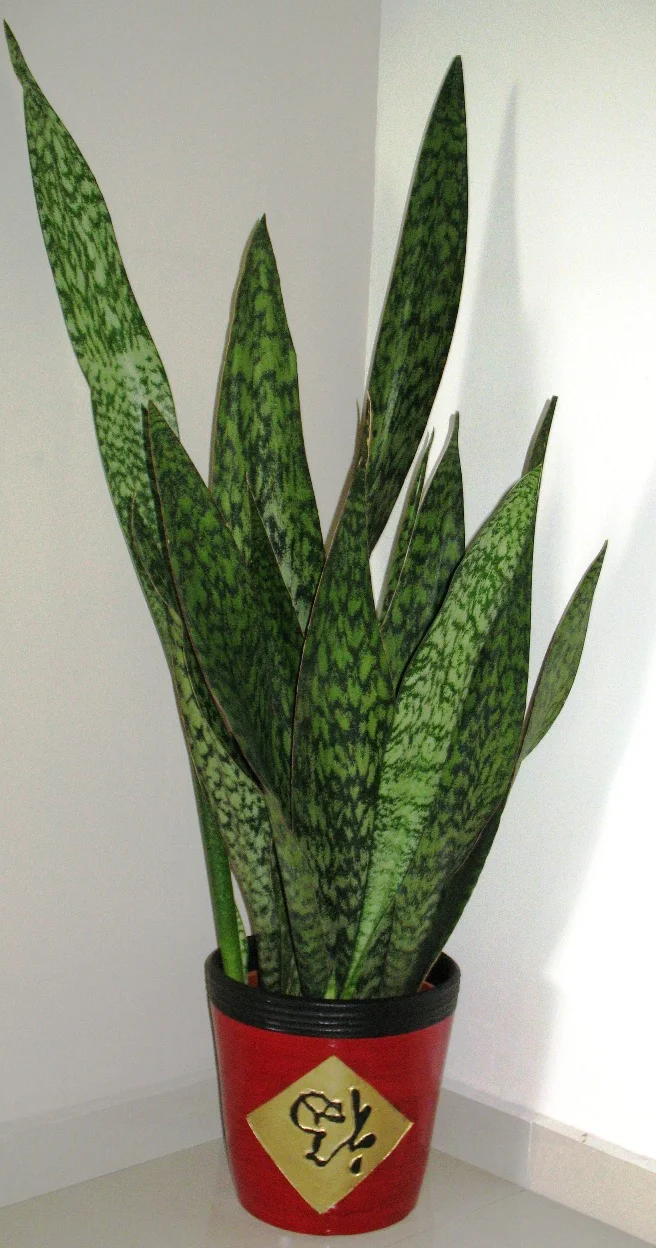
Photo:
Photo details
Sansevieria in pot.jpg
By Mokkie

License: Public domain

Resized and converted to WebP for display; botanical details unchanged.
Plant shopping
Explore this plant
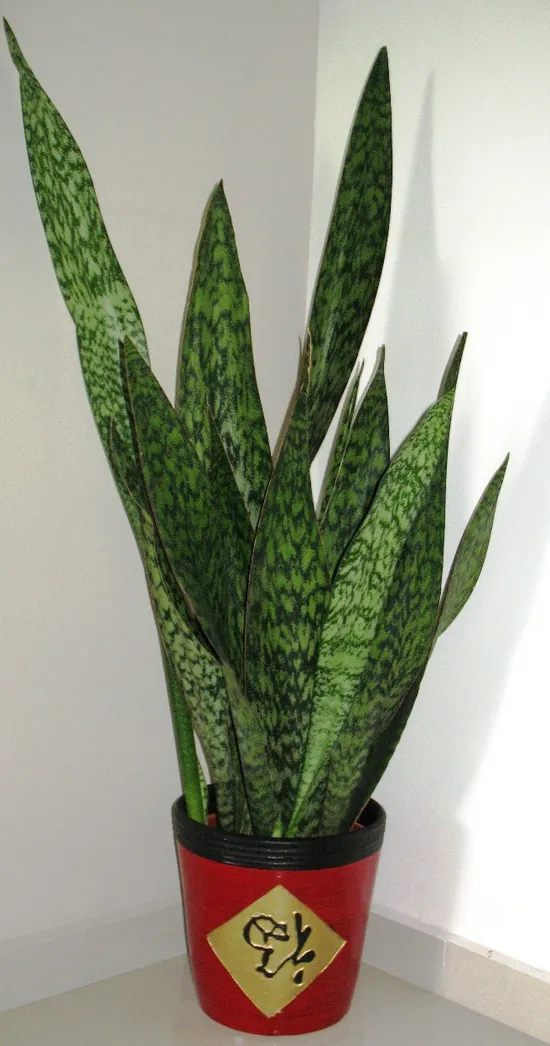
Photo:
Photo details
Sansevieria in pot.jpg
By Mokkie
License: Public domain
Resized and converted to WebP for display; botanical details unchanged.
Snake plant
View on Amazon — snake plant; paid link; opens in a new tabPaid link · Opens in a new tab
Keep away from cats. We do not recommend this plant for a home where cats could reach it.
Explore non-toxic plants →A little paw-note: We may earn a commission when you buy through these links. This helps us keep building and helps Nico & Larry sustain their lavish kitty lifestyle.
As an Amazon Associate I earn from qualifying purchases.
Look for Dracaena trifasciata and check the selected variety. Listings and availability can change.
Plant identity
- Scientific name
- Dracaena trifasciata
- Scope
- Species
- Family
- Asparagaceae
- Also known as
- Sansevieria trifasciata
Find the right spot
How to grow this plant
Container growing guidance for Dracaena trifasciata.
- Light
- Bright indirect light or Some direct sun
Choose bright light with protection from harsh midday sun. Some direct sun is suitable, while much lower light is tolerated with slower growth.
Tolerates lower light; growth or flowering may be reduced. - Watering
- Let the mix dry
Let the potting mix dry between thorough waterings; do not leave the pot standing in water.
- Temperature
- Growing range: 59–75°F / 15–24°C
An indoor growing range of 15–24°C (59–75°F) is recommended; this is not a minimum survival temperature.
- Humidity
- Typical indoor humidity
Handles relatively dry indoor air.
- Potting
- Use a freely draining container mix and a pot with drainage holes. When repotting is needed, choose a pot only slightly larger than the previous one.
- Through the year
- Reduce watering during slower winter growth; check that the mix has dried before watering again.
Growing-guide sources
- dracaena trifasciata - Extension Gardener Plant Toolbox ↗NC State Extension · Accessed 2026-11-01
Care guidance for the named taxon; indoor recommendations take precedence over outdoor hardiness information.
- How to grow sansevierias ↗Royal Horticultural Society · Accessed 2026-11-01
The RHS guide includes Sansevieria trifasciata; NC State maps that historical name to the existing Dracaena trifasciata guide. The 15–24°C recommendation is for indoor cultivation, not a survival limit.
Growing advice reviewed 2026-11-01. Plant safety is assessed separately.
Reviewed safety information
- Toxic principle
- Saponins
- Reported signs
- Nausea; Vomiting; Diarrhea; Drooling; Dilated pupils; Unsteady gait
- Severity
- Severity not established
Missing information is unknown. It should not be interpreted as an absence of risk.
Safe alternatives
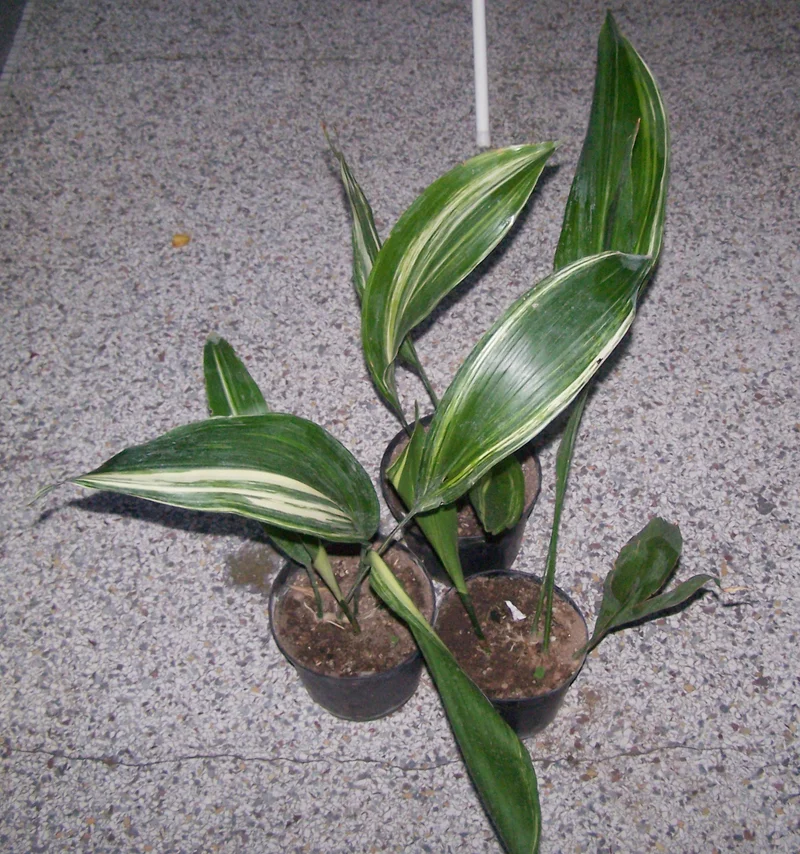
Photo:
Photo details
Aspidistra-elatior-variegata.jpg
By frau-doktor

License: Public domain

Resized and converted to WebP for display; botanical details unchanged.
Cast Iron Plant
Aspidistra elatior
Medium indirect light
Temperature range not yet established
This guide covers Aspidistra elatior only. A shared common name or similar appearance does not establish that another plant has the same assessment.
For upright greenery in a lower-light room, consider cast iron plant. Its broad leaves differ from snake plant’s narrow, stiff leaves; follow its own watering guide.
Sources & review
- Snake Plant ↗ASPCA Poison Control · Accessed
Listed by the source as Sansevieria trifasciata. ITIS lists Sansevieria trifasciata Prain as a synonym of Dracaena trifasciata (Prain) Mabb. The ASPCA source omits authorship; the cat poison entry and the exact-name Pet Poison Helpline entry support this horticultural identity. This does not cover every Dracaena species.
- Sansevieria trifasciata — TSN 43014 ↗Integrated Taxonomic Information System · Accessed 2026-10-12
- Sansevieria ↗Pet Poison Helpline · Accessed
Safety last reviewed .