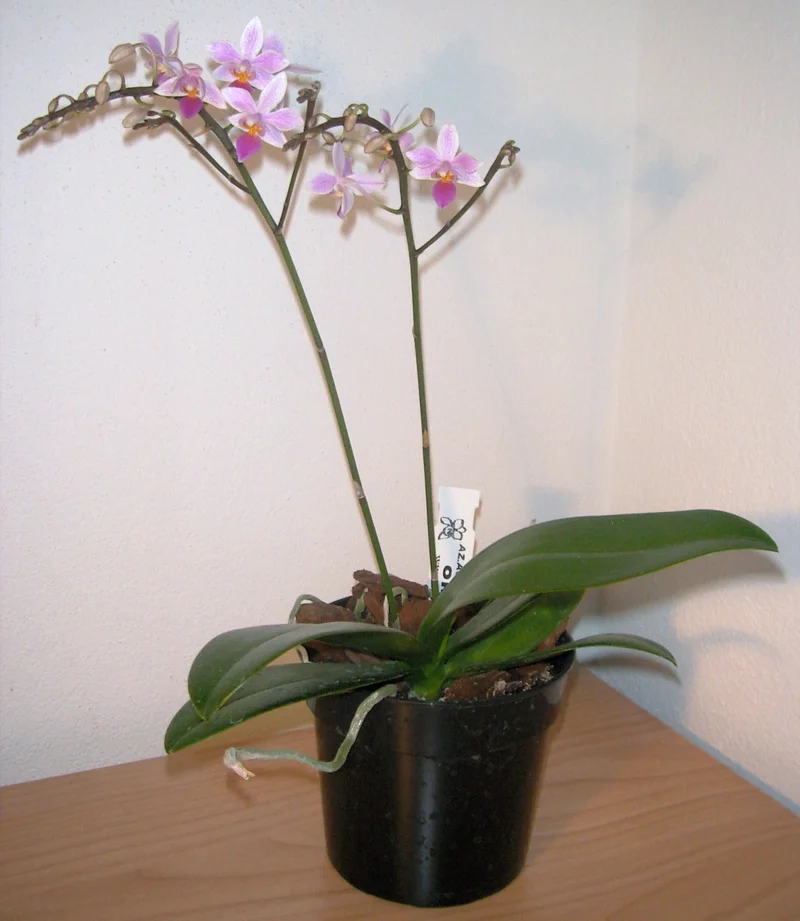
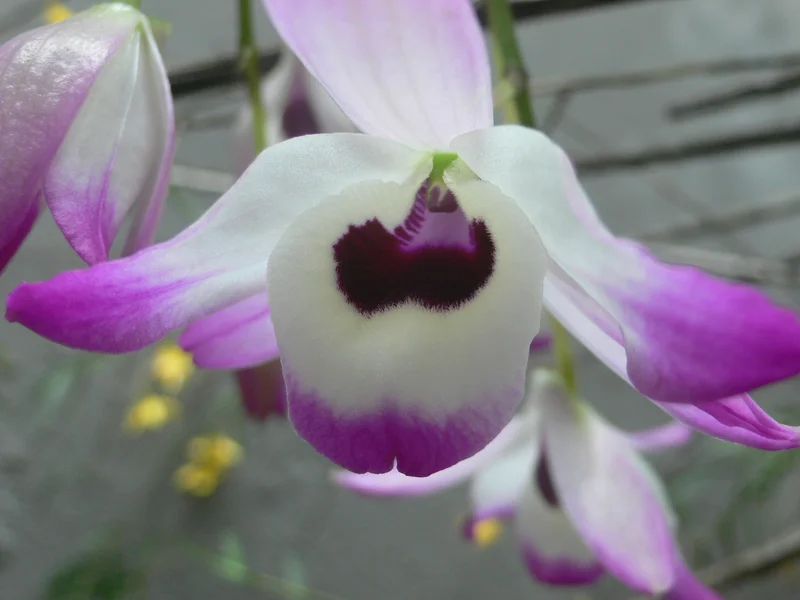
Phalaenopsis equestris, one example within the moth-orchid group. Photo: RobertoMM i Non-toxic to cats Phalaenopsis spp.
Bright indirect light
Moth orchids identified as Phalaenopsis. This guide does not cover every orchid or hybrids involving other genera. A photograph alone cannot establish plant identity.
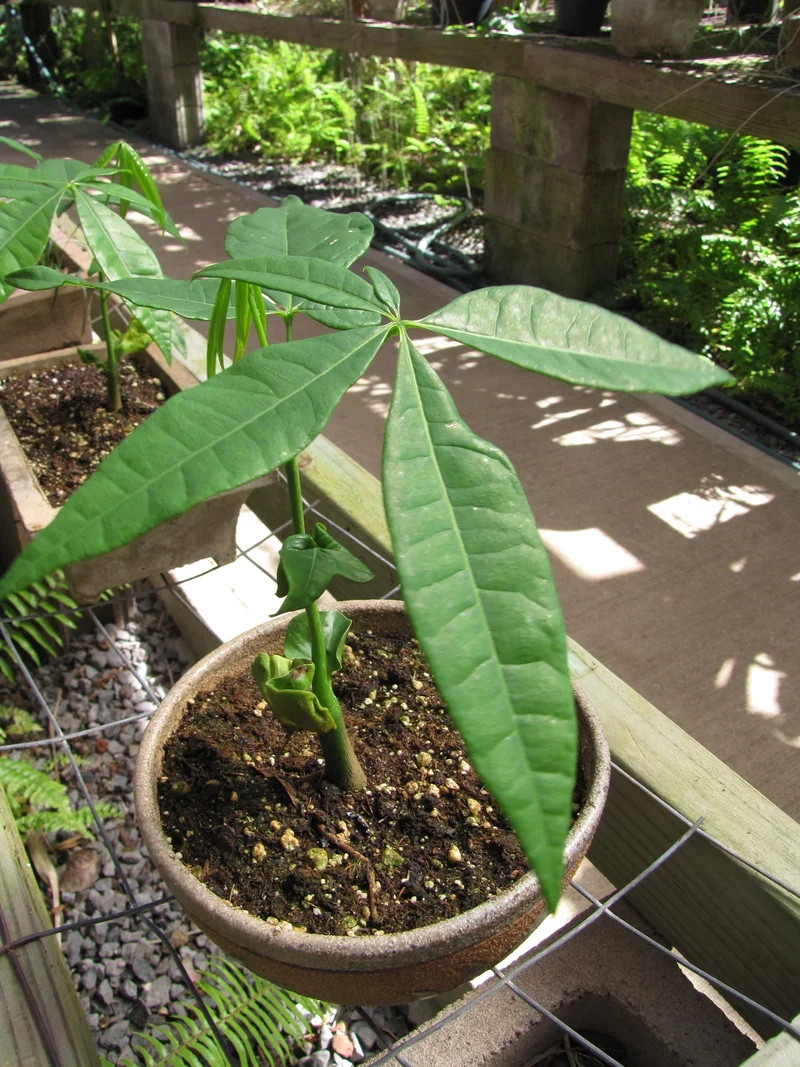
A young potted Pachira aquatica; surrounding plants are not covered by this guide. Photo: Forest & Kim Starr i Non-toxic to cats Pachira aquatica
Bright indirect light
This guide covers Pachira aquatica only. A shared common name or similar appearance does not establish that another plant has the same assessment.
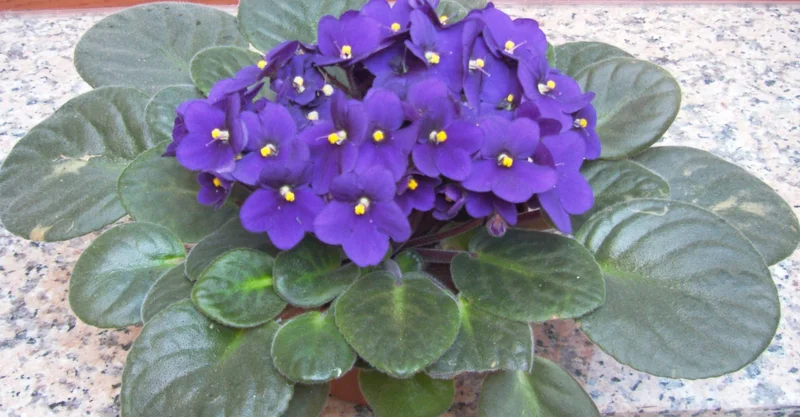
An African violet identified by its source as Saintpaulia ionantha, now Streptocarpus ionanthus. Photo: RobertoMM i Photo details
Saintpaulia ionantha.jpg
License: CC BY-SA 3.0
Resized and converted to WebP for display; botanical details unchanged.
This displayed image is shared under the same CC BY-SA 3.0 license.
Non-toxic to cats Streptocarpus ionanthus
Bright indirect light
This guide covers Streptocarpus ionanthus, formerly Saintpaulia ionantha. The cat assessment uses the ASPCA’s broader Saintpaulia group listing and the documented placement of this species within that group. It does not assess all Streptocarpus species or unidentified interspecific hybrids.
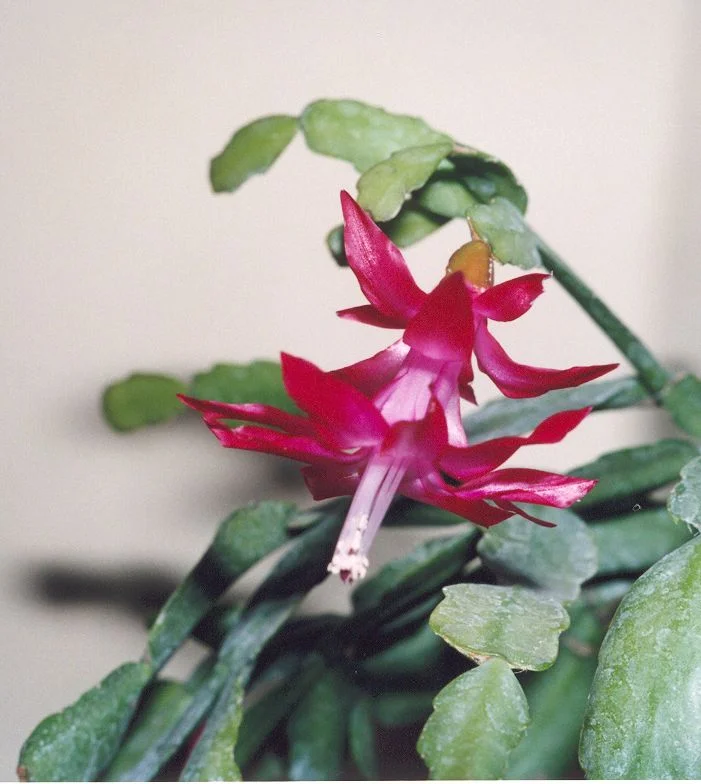
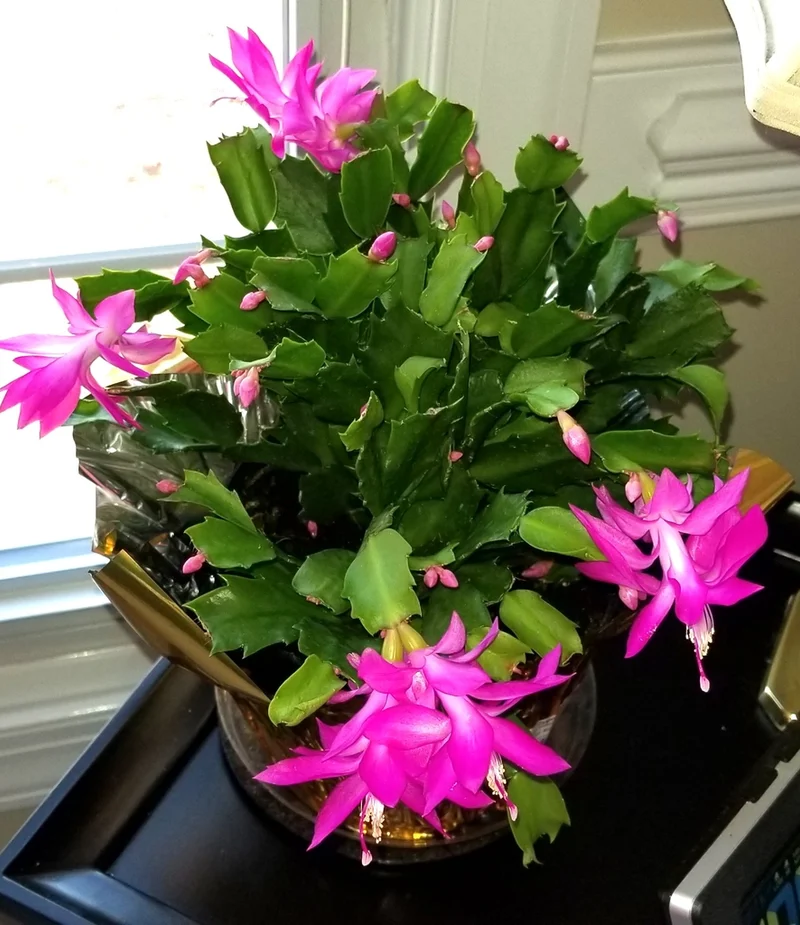
Schlumbergera × buckleyi in flower. Photo: The original uploader was Sadambio at Hungarian Wikipedia. i Photo details
Schlumbergera X buckleyi.jpg
License: CC BY-SA 3.0
Resized and converted to WebP for display; botanical details unchanged.
This displayed image is shared under the same CC BY-SA 3.0 license.
Non-toxic to cats Schlumbergera × buckleyi
Bright indirect light
This guide covers Schlumbergera × buckleyi, the Christmas-cactus hybrid. Other holiday cacti require their own identification.
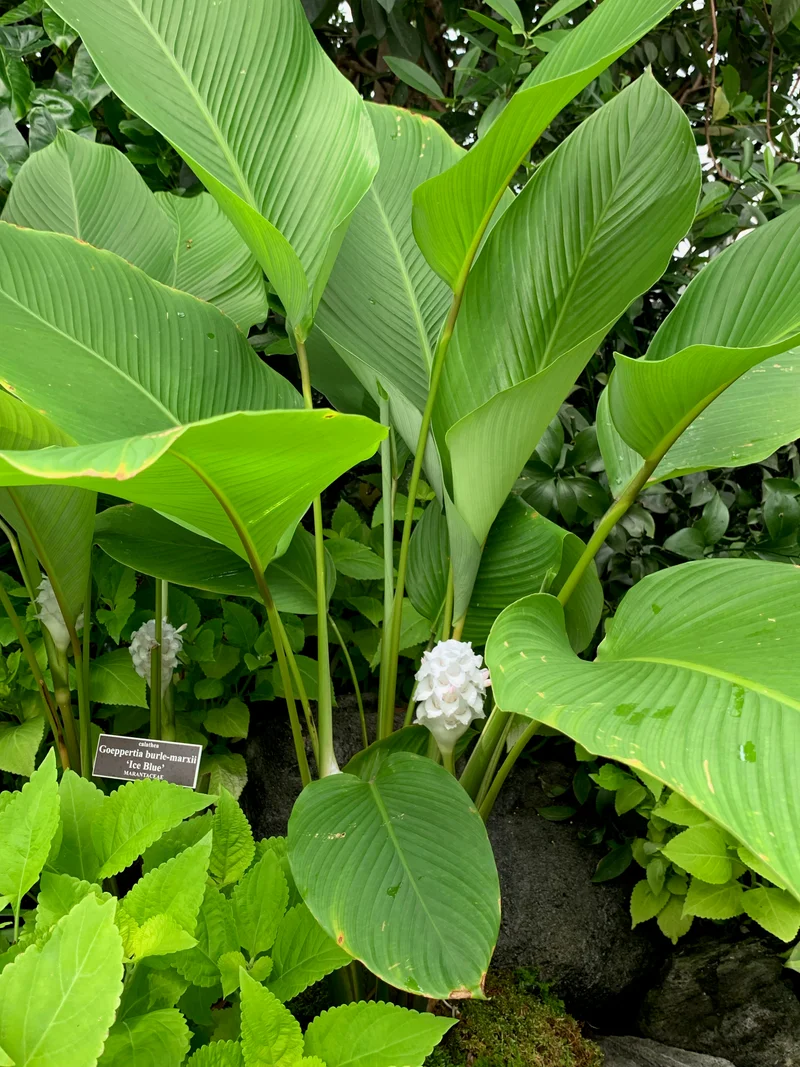
Goeppertia burle-marxii ‘Ice Blue’, illustrating the genus covered by this guide. Photo: KATHERINE WAGNER-REISS i Non-toxic to cats Goeppertia spp.
Medium indirect light
This guide covers Goeppertia species commonly sold as calatheas. It does not cover every plant sold as a prayer plant.
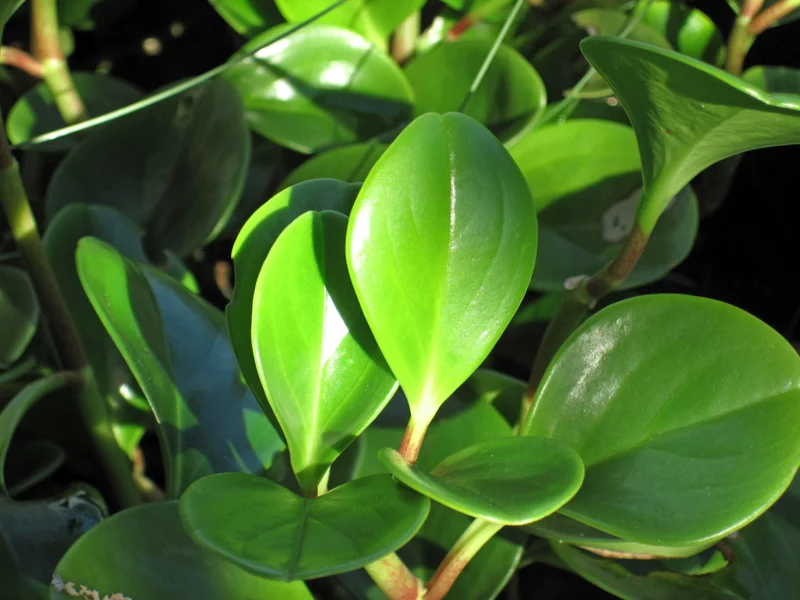
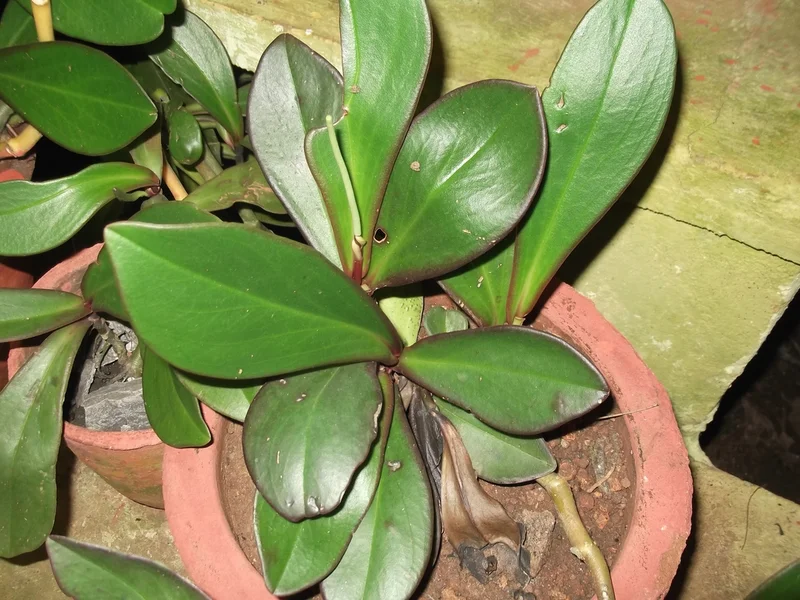
Leaf detail of Peperomia obtusifolia. Photo: James St. John i Non-toxic to cats Peperomia obtusifolia
Bright indirect light
Peperomia obtusifolia only. A plant labelled just rubber plant is not enough to confirm this identity; Ficus plants are outside this guide.
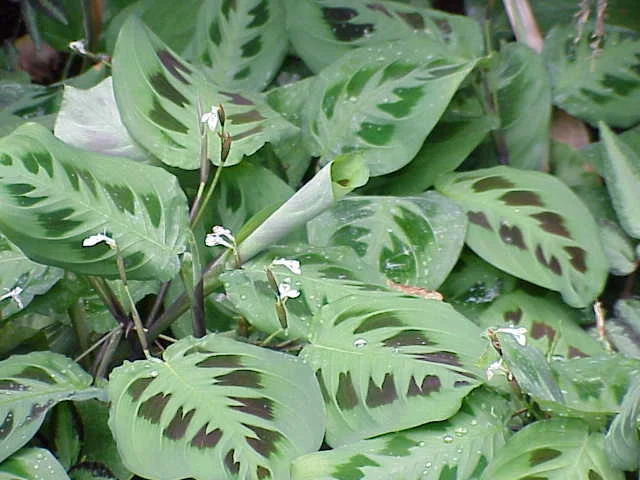
Maranta leuconeura (prayer plant). Photo: Kurt Stüber [1] i Photo details
Maranta leuconeura3.jpg
License: CC BY-SA 3.0
Resized and converted to WebP for display; botanical details unchanged.
This displayed image is shared under the same CC BY-SA 3.0 license.
Non-toxic to cats Maranta leuconeura
Bright indirect light
This guide covers Maranta leuconeura only. The common name prayer plant is also used for other plants.
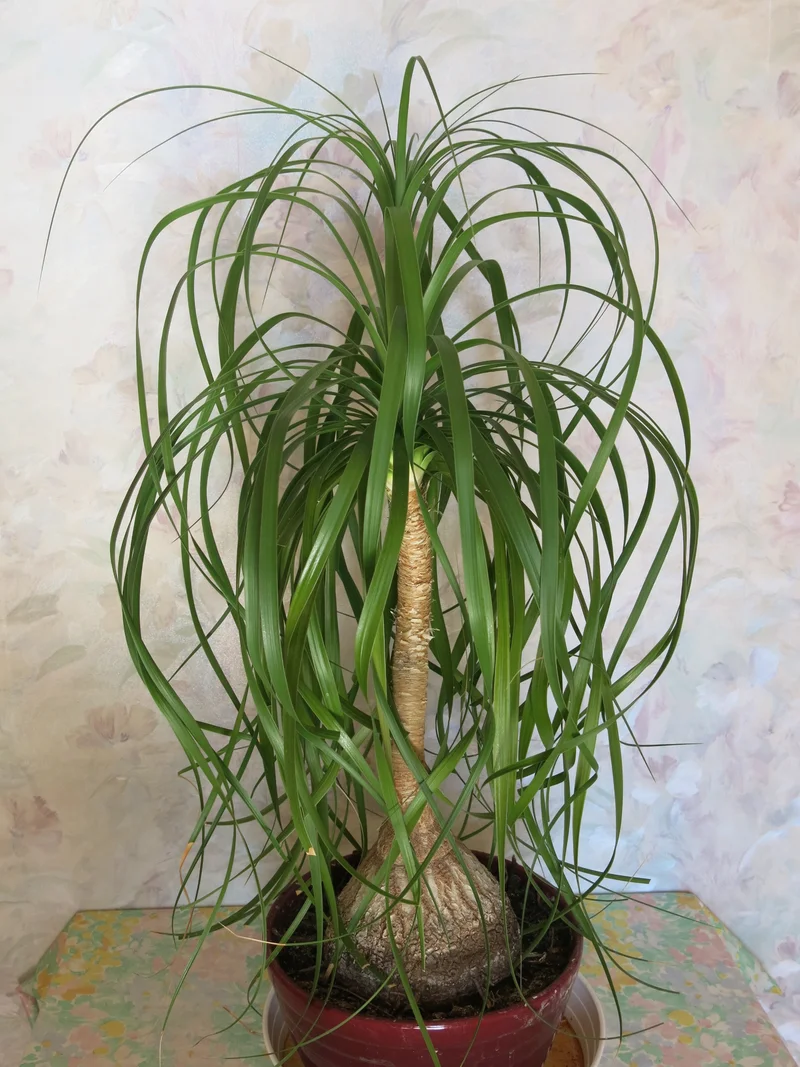
A potted Beaucarnea recurvata. Photo: Tangopaso i Non-toxic to cats Beaucarnea recurvata
Sunny position
This guide covers Beaucarnea recurvata only. A shared common name or similar appearance does not establish that another plant has the same assessment.
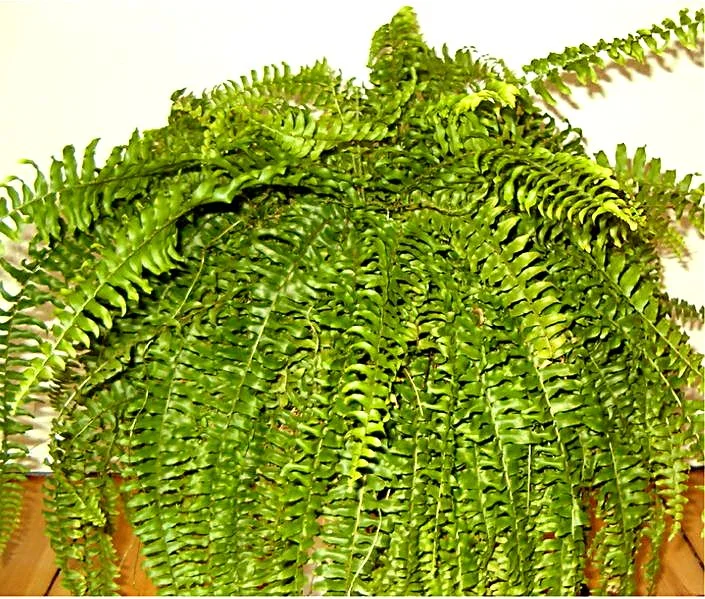
Nephrolepis exaltata (Boston fern). Photo: BotBln i Non-toxic to cats Nephrolepis exaltata
Bright indirect light
This guide covers Nephrolepis exaltata. Its source uses the common name Feather Palm but gives this exact fern species. It does not cover every plant sold as a fern.
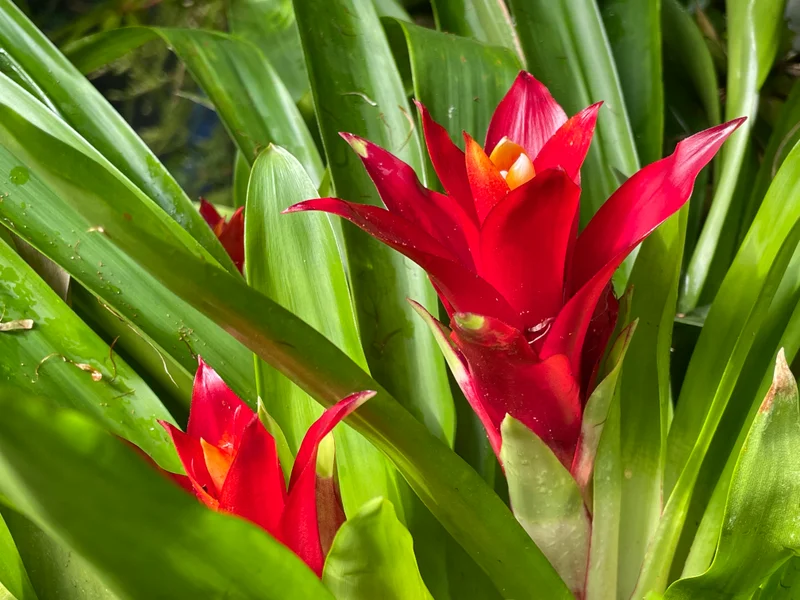
Guzmania lingulata at the University of Zurich botanical garden. Photo: Amada44 i Photo details
Guzmania lingulata 5730.jpg
License: CC BY-SA 3.0
Resized and converted to WebP for display; botanical details unchanged.
This displayed image is shared under the same CC BY-SA 3.0 license.
Non-toxic to cats Guzmania lingulata
Bright indirect light
This guide covers Guzmania lingulata (scarlet star), not the entire bromeliad family or unidentified bromeliad hybrids.
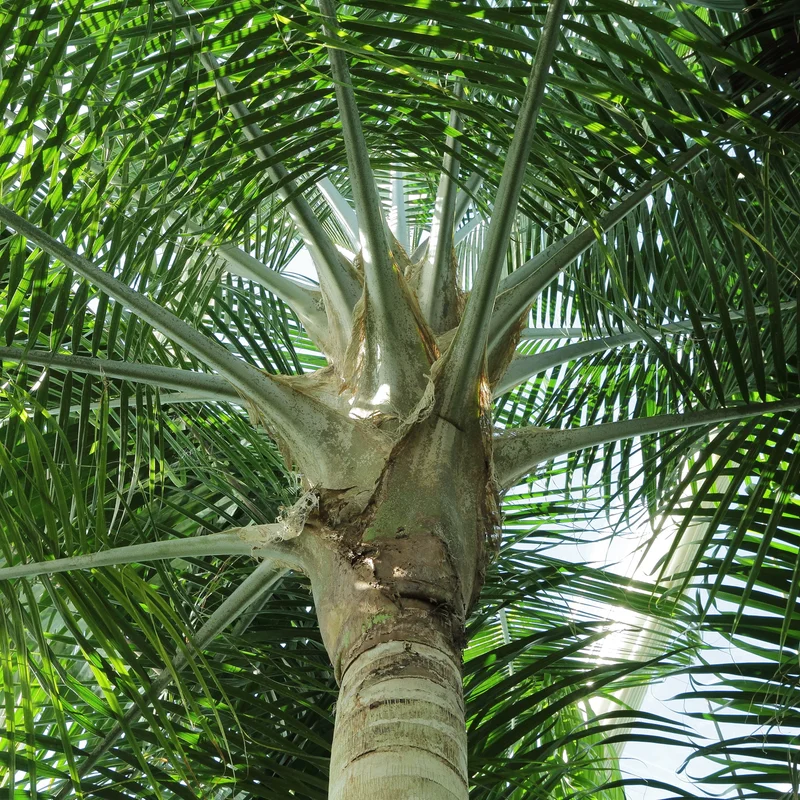
Trunk and crown detail of a mature Ravenea rivularis. Photo: C T Johansson i Photo details
Ravenea rivularis-IMG 0468.jpg
License: CC BY-SA 3.0
Resized and converted to WebP for display; botanical details unchanged.
This displayed image is shared under the same CC BY-SA 3.0 license.
Non-toxic to cats Ravenea rivularis
Bright indirect light
This guide covers Ravenea rivularis only. A shared common name or similar appearance does not establish that another plant has the same assessment.
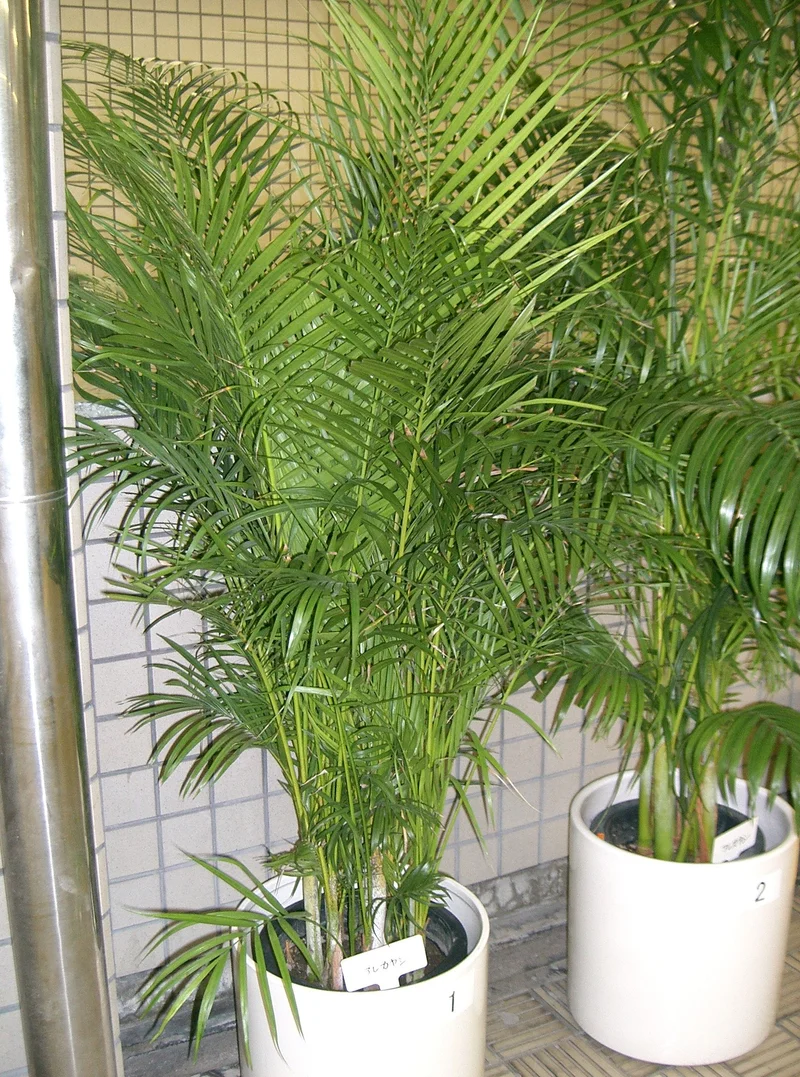
Potted Dypsis lutescens. Photo: KENPEI i Photo details
Dypsis lutescens1.jpg
License: CC BY-SA 3.0
Resized and converted to WebP for display; botanical details unchanged.
This displayed image is shared under the same CC BY-SA 3.0 license.
Non-toxic to cats Dypsis lutescens
Bright indirect light
This guide covers the species recorded as Dypsis lutescens in the safety source. It does not cover other plants sold as palms.
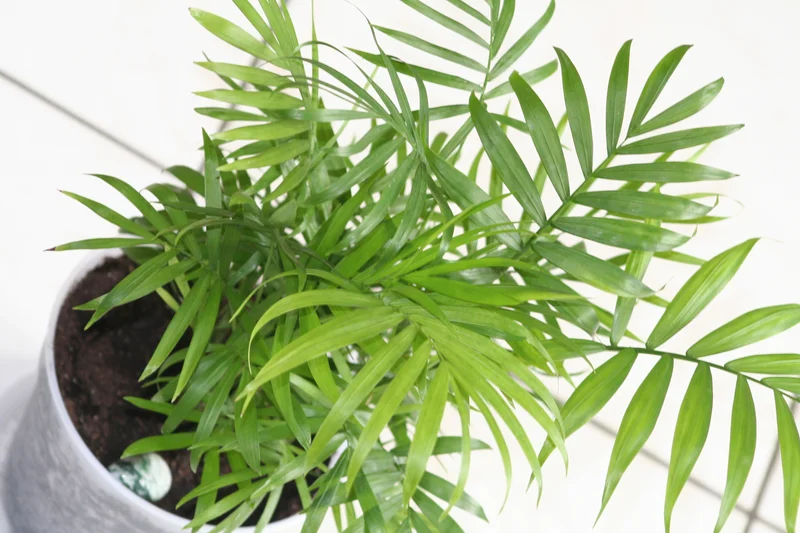
A potted Chamaedorea elegans. Photo: Pluume321 i Photo details
Chamaedorea elegans 01.jpg
License: CC BY-SA 3.0
Resized and converted to WebP for display; botanical details unchanged.
This displayed image is shared under the same CC BY-SA 3.0 license.
Non-toxic to cats Chamaedorea elegans
Bright indirect light
This guide covers Chamaedorea elegans only. A shared common name or similar appearance does not establish that another plant has the same assessment.
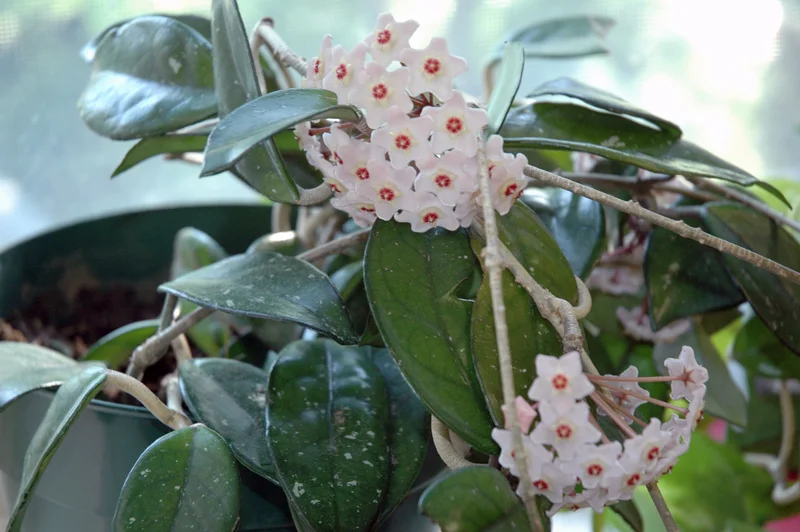
Hoya carnosa in flower. Photo: Yvan leduc i Non-toxic to cats Hoya carnosa
Bright indirect light
This guide covers Hoya carnosa. The source explicitly names the species, without restricting its assessment to a named cultivar. Other Hoya species and unidentified hybrids are outside this guide.
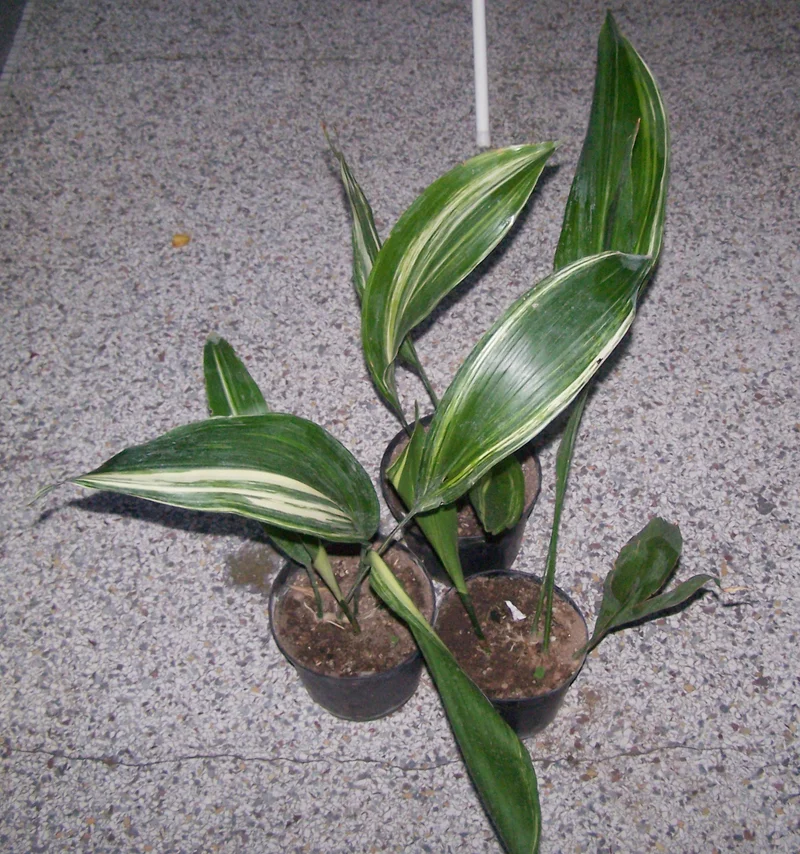
A variegated form of Aspidistra elatior. Photo: frau-doktor i Non-toxic to cats Aspidistra elatior
Medium indirect light
This guide covers Aspidistra elatior only. A shared common name or similar appearance does not establish that another plant has the same assessment.
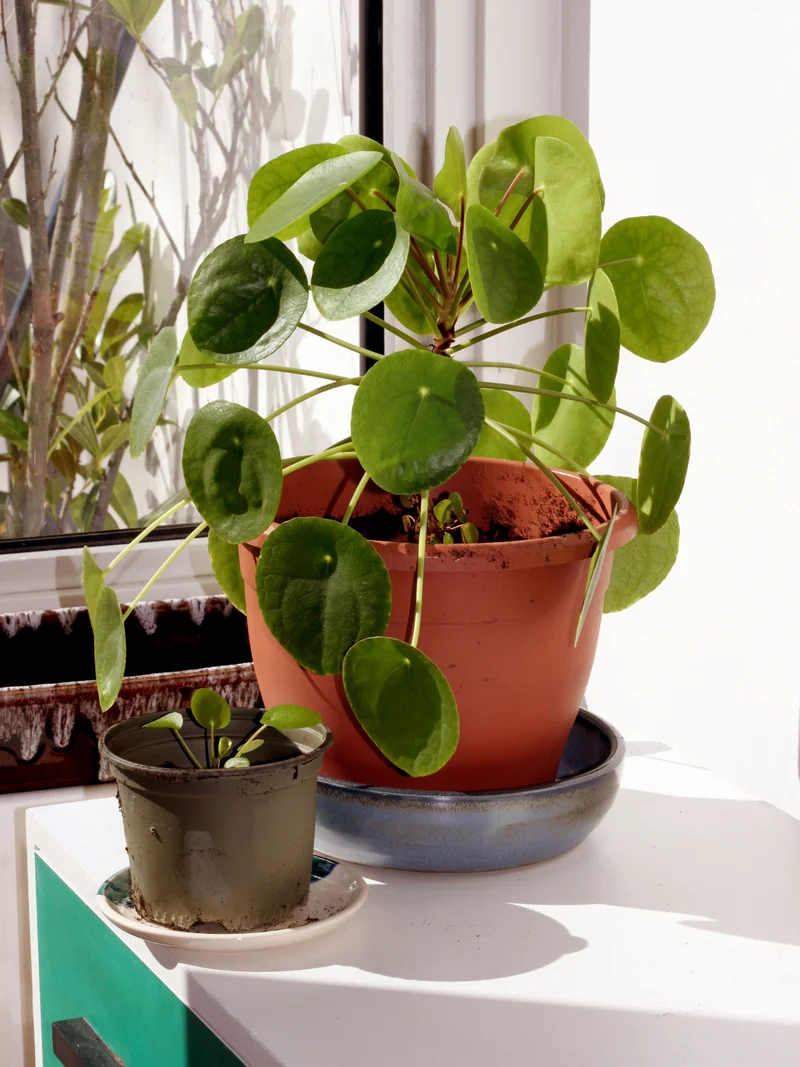
Pilea peperomioides (Chinese money plant). Photo: Husky i Non-toxic to cats Pilea peperomioides
Bright indirect light
This guide covers Pilea peperomioides only. Money plant and money tree are ambiguous common names.
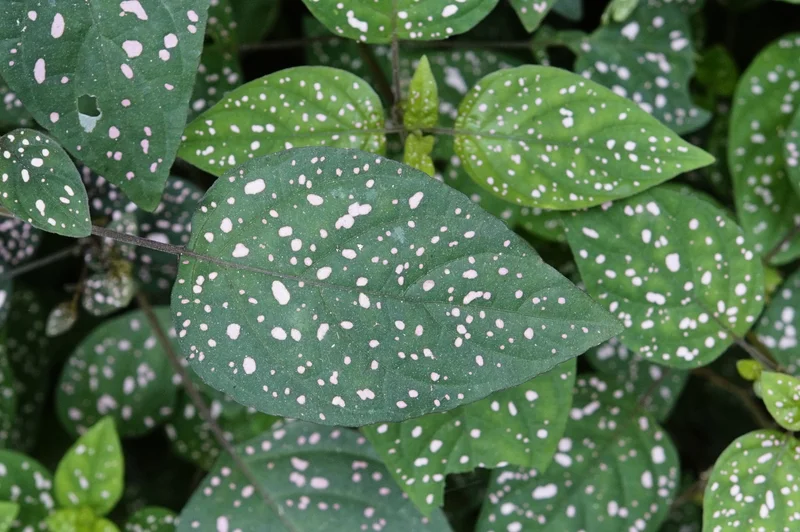
Pink-spotted foliage of Hypoestes phyllostachya. Photo: Vengolis i Non-toxic to cats Hypoestes phyllostachya
Bright indirect light
This guide covers Hypoestes phyllostachya only. A shared common name or similar appearance does not establish that another plant has the same assessment.
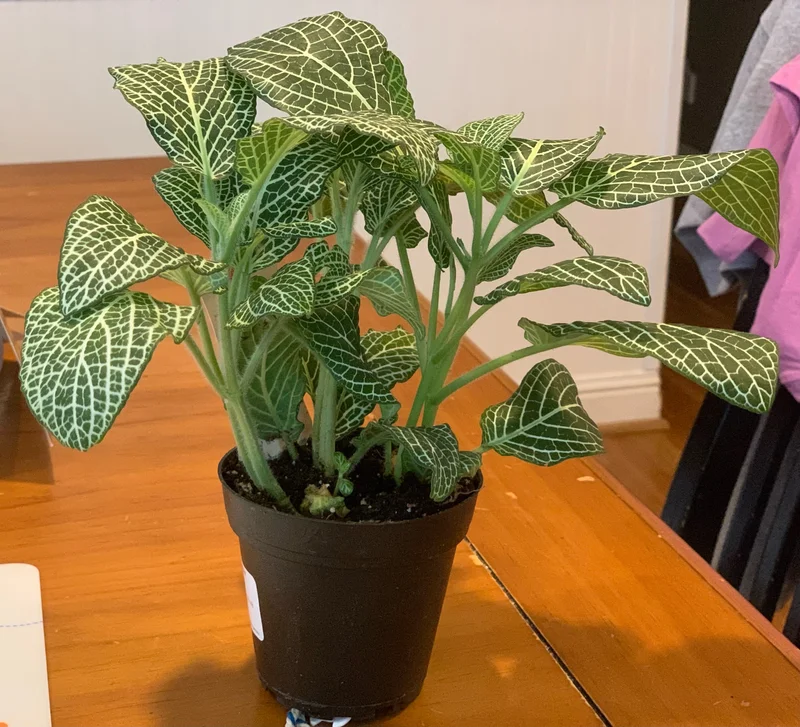
Fittonia albivenis in a pot. Photo: Why can't i get a cow i Photo details
Potted Fittonia albivenis.jpg
License: CC BY-SA 4.0
Resized and converted to WebP for display; botanical details unchanged.
This displayed image is shared under the same CC BY-SA 4.0 license.
Non-toxic to cats Fittonia albivenis
Medium indirect light or Bright indirect light
This guide covers Fittonia albivenis, including the scientific synonym Fittonia verschaffeltii used in the cat-safety reference. Other plants sold as nerve plants or mosaic plants need their own identification.
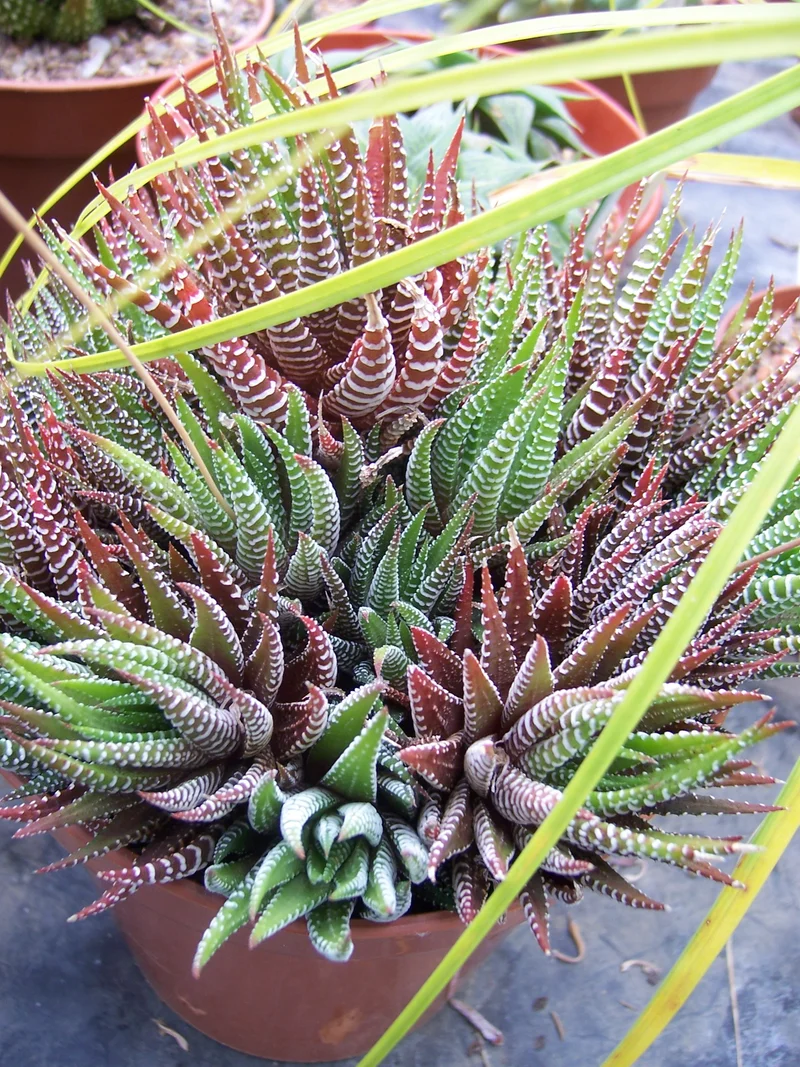
Haworthiopsis attenuata, also recorded under the older name Haworthia attenuata. Photo: stephen boisvert from Chicago, United States i Non-toxic to cats Haworthiopsis attenuata
Bright indirect light
This guide covers Haworthiopsis attenuata, formerly named Haworthia attenuata. The safety evidence is a genus-level assessment applied to this documented member, not a cat-specific experiment on this species. It does not identify Haworthiopsis fasciata, unrelated zebra plants or unidentified hybrids.
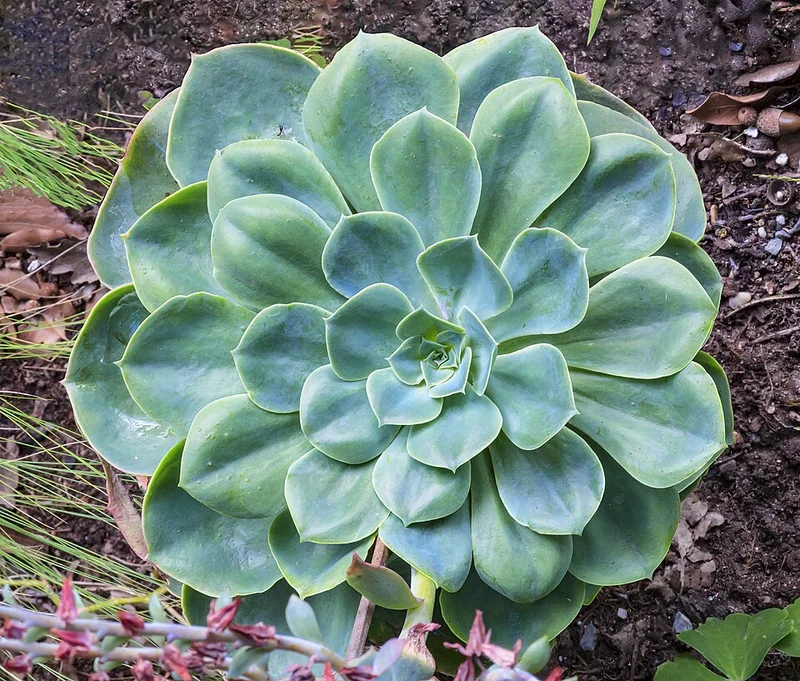
Echeveria secunda, illustrating the genus covered by this guide. Photo: Didier Descouens i Photo details
(MHNT) Echeveria secunda.jpg
License: CC BY-SA 4.0
Resized and converted to WebP for display; botanical details unchanged.
This displayed image is shared under the same CC BY-SA 4.0 license.
Non-toxic to cats Echeveria spp.
Bright indirect light
This guide covers the Echeveria genus. It does not cover all succulents or plants identified only by their rosette shape.
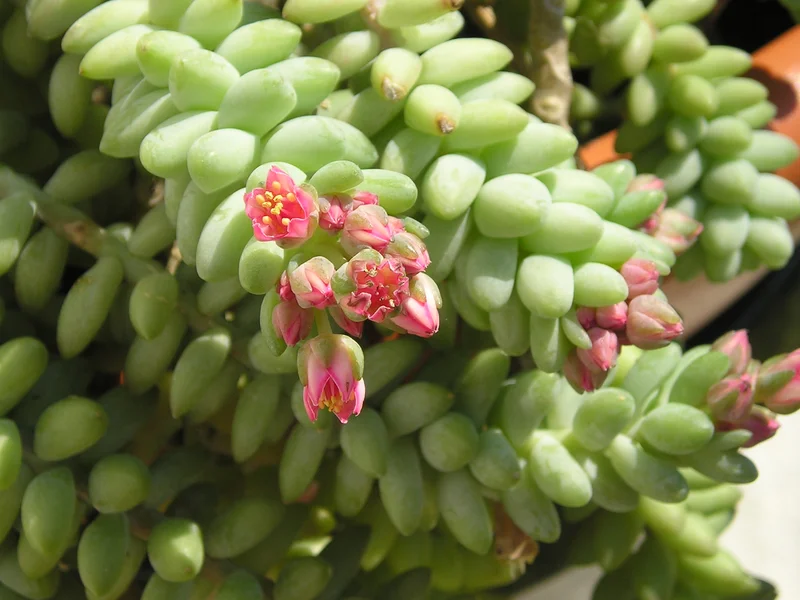
Sedum morganianum in flower. Photo: Morningdew51 at English Wikipedia i Photo details
Donkey's tail in bloom March 06.jpg
License: CC BY-SA 3.0
Resized and converted to WebP for display; botanical details unchanged.
This displayed image is shared under the same CC BY-SA 3.0 license.
Non-toxic to cats Sedum morganianum
Some direct sun
This guide covers Sedum morganianum only. A shared common name or similar appearance does not establish that another plant has the same assessment.
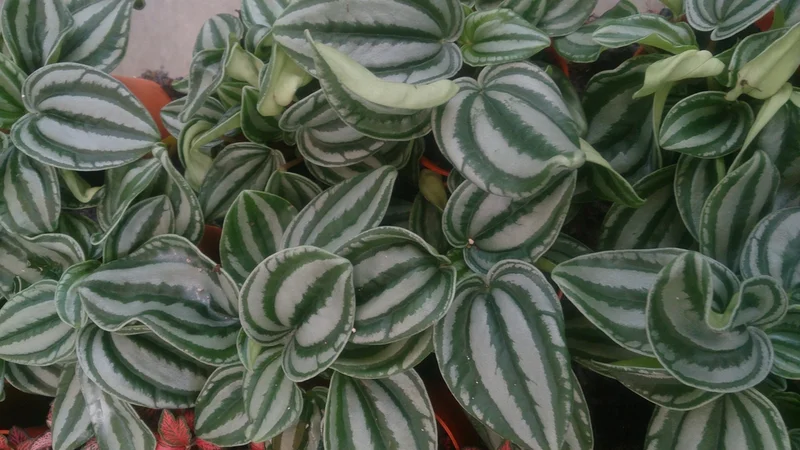
Source-identified Peperomia argyraea. Background plants, if present, are not covered by this guide. Photo: Mokkie i Non-toxic to cats Peperomia argyraea
Bright indirect light
Peperomia argyraea, also known as Peperomia argyreia. This guide does not cover Begonia species or other plants sold as watermelon plant.
Source-identified Pilea involucrata. Background plants, if present, are not covered by this guide. Photo: Abdullhaleems i Non-toxic to cats Pilea involucrata
Bright indirect light
Pilea involucrata only. Other Pilea species and plants sold under the same common name are not covered.
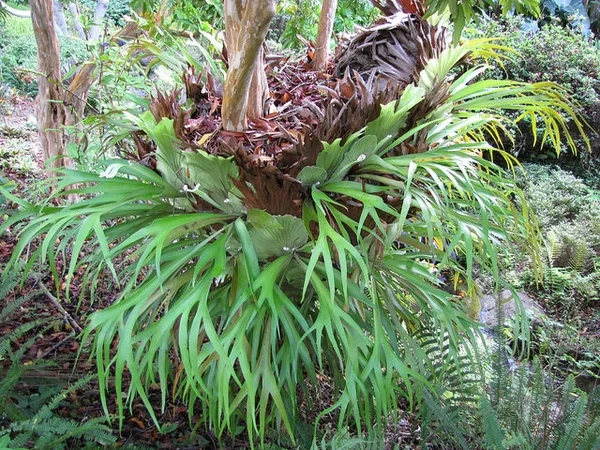
Source-identified Platycerium bifurcatum. Background plants, if present, are not covered by this guide. Photo: Forest and Kim Starr i Non-toxic to cats Platycerium bifurcatum
Bright indirect light
Platycerium bifurcatum only; other staghorn species and hybrids are outside this guide.
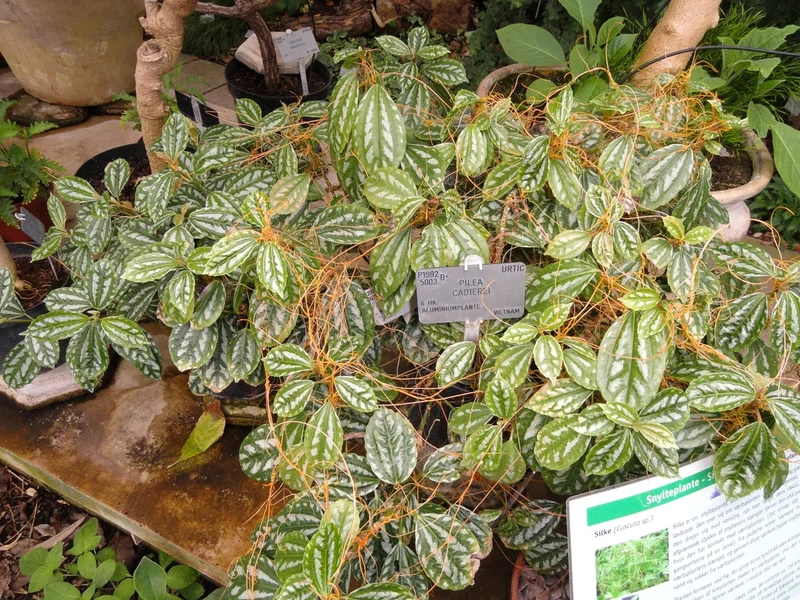
Source-identified Pilea cadierei. Background plants, if present, are not covered by this guide. Photo: Daderot i Non-toxic to cats Pilea cadierei
Bright indirect light
Pilea cadierei only. This guide does not cover watermelon peperomia or other plants with similar common names.
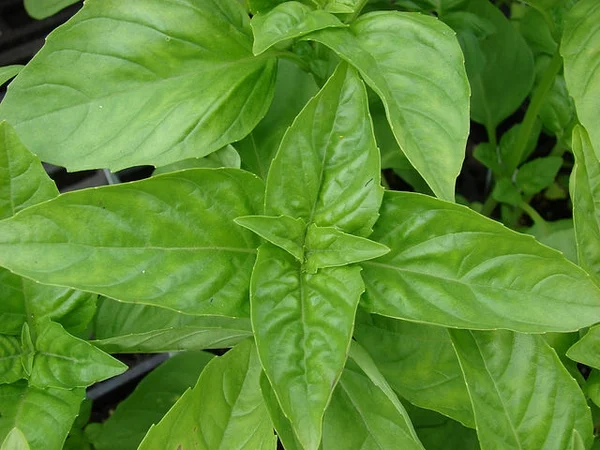
Source-identified Ocimum basilicum. Background plants, if present, are not covered by this guide. Photo: Forest and Kim Starr i Non-toxic to cats Ocimum basilicum
Sunny position
Ocimum basilicum only. Other species called basil, concentrated extracts and prepared foods are outside this guide.
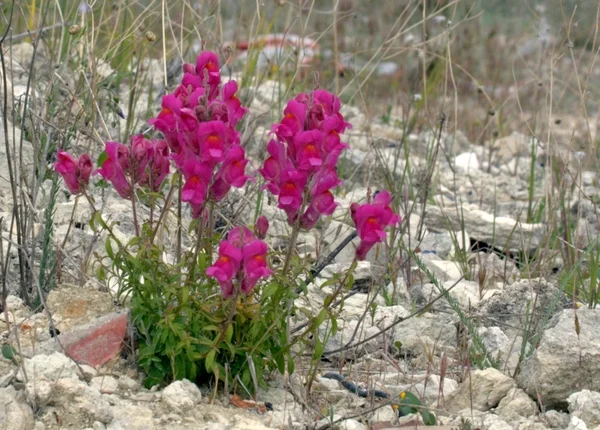
Source-identified Antirrhinum majus. Background plants, if present, are not covered by this guide. Photo: Manual i Non-toxic to cats Antirrhinum majus
Sunny position or Some direct sun
Antirrhinum majus only. Other plants called snapdragon are outside this guide.
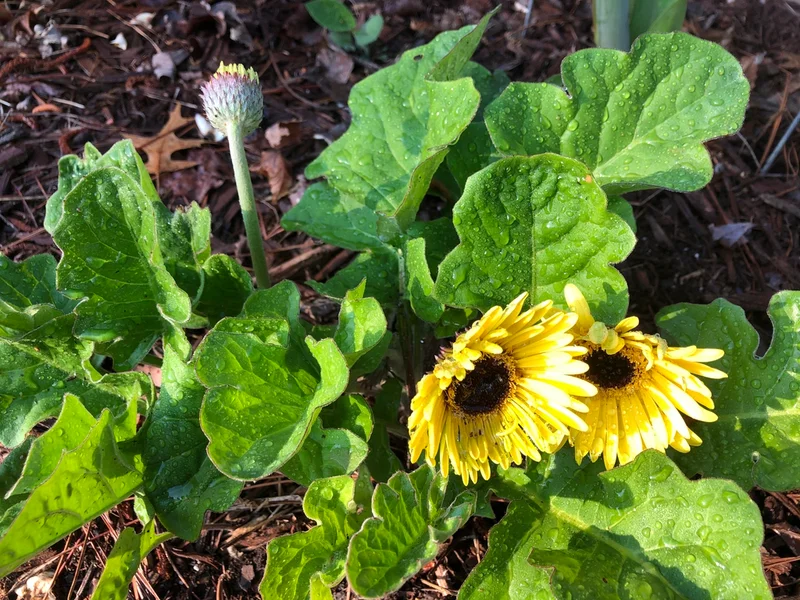
Source-identified Gerbera jamesonii. Background plants, if present, are not covered by this guide. Photo: Jeannette Debs i Non-toxic to cats Gerbera jamesonii
Sunny position
Gerbera jamesonii only. Commercial interspecific Gerbera hybrids and other plants called African daisy are not automatically covered.
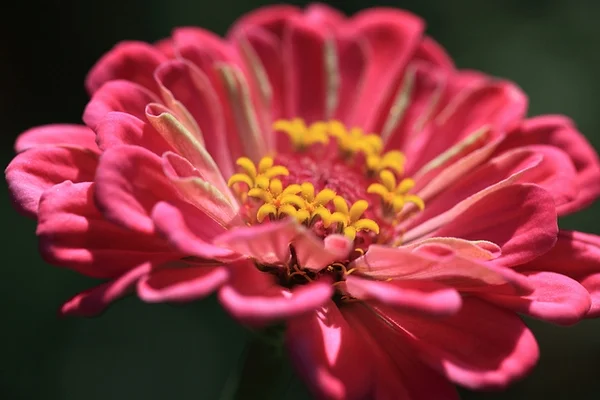
Zinnia elegans Photo: TANAKA Juuyoh i Non-toxic to cats Zinnia elegans
Sunny position
This guide covers Zinnia elegans, not a blanket assessment of mixed bouquets or plants with similar common names.
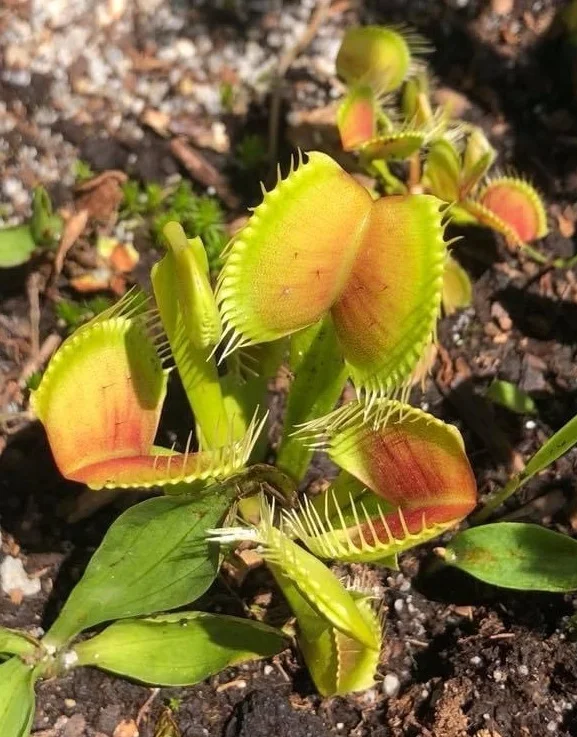
Dionaea muscipula (Wake County, NC) Photo: Cathy Dewitt i Non-toxic to cats Dionaea muscipula
Sunny position or Some direct sun
This guide covers Dionaea muscipula. It is not a safety assessment of all carnivorous plants.
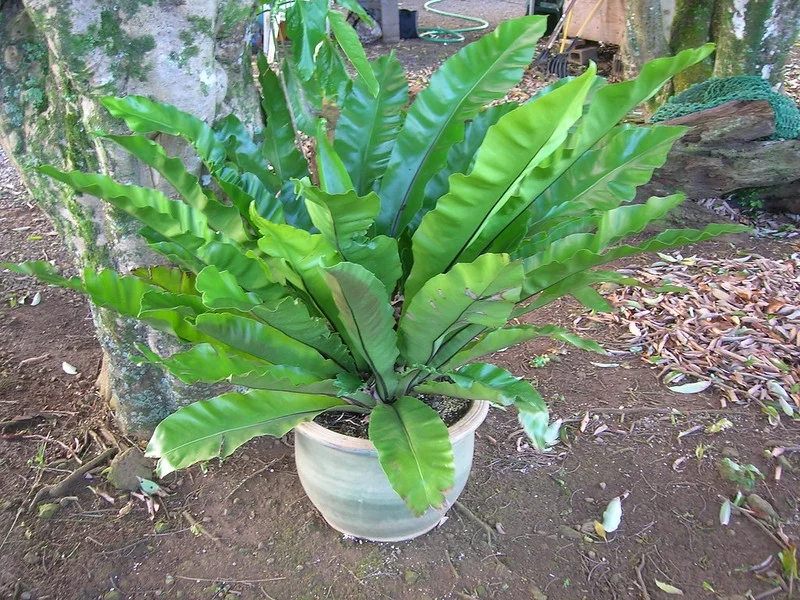
Potted plant. Photo: Forest and Kim Starr i Non-toxic to cats Asplenium nidus
Bright indirect light
Only Asplenium nidus; other ferns sold under this common name need their own identity check.
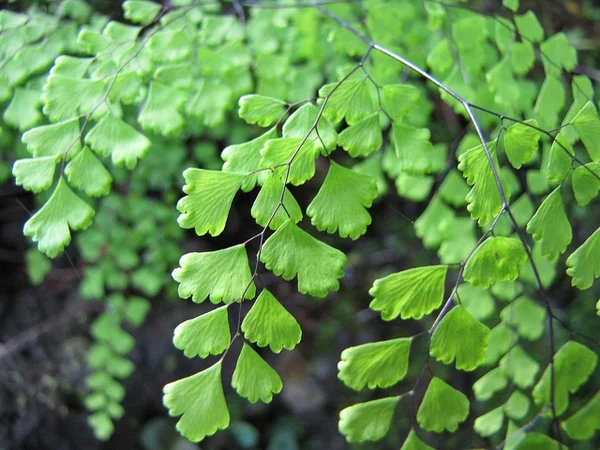
Fronds Photo: Forest and Kim Starr i Non-toxic to cats Adiantum raddianum
Medium indirect light
Adiantum raddianum only; the name maidenhair alone is not enough to identify a plant.
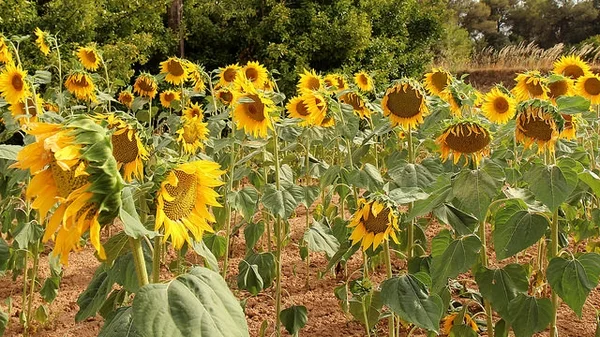
Common sunflower Photo: Albert Torello i Non-toxic to cats Helianthus annuus
Sunny position
Helianthus annuus only; this assessment is not automatically extended to other sunflowers or treated bouquets.
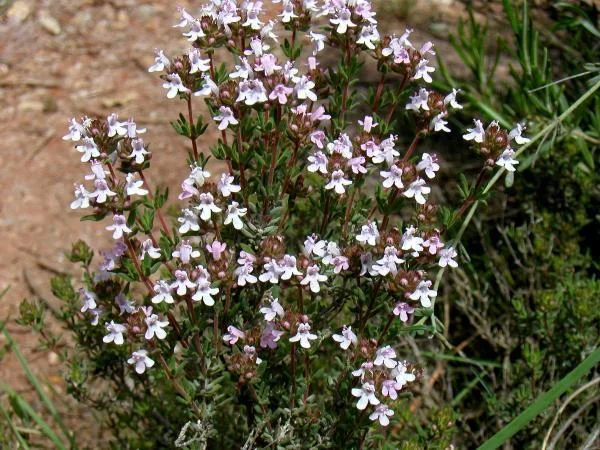
Leaves and flowers Photo: Ferran Turmo Gort i Non-toxic to cats Thymus vulgaris
Sunny position
Thymus vulgaris only; do not treat every plant called thyme as the same species.
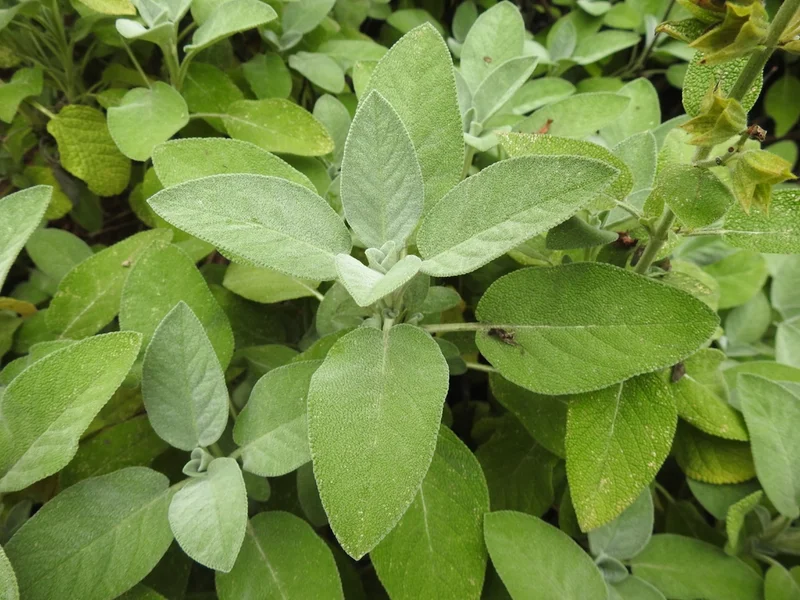
Salvia officinalis Leaves Photo: Kathleen Moore i Non-toxic to cats Salvia officinalis
Sunny position
Salvia officinalis only; Greek sage and unrelated plants with sage in their name are outside scope.
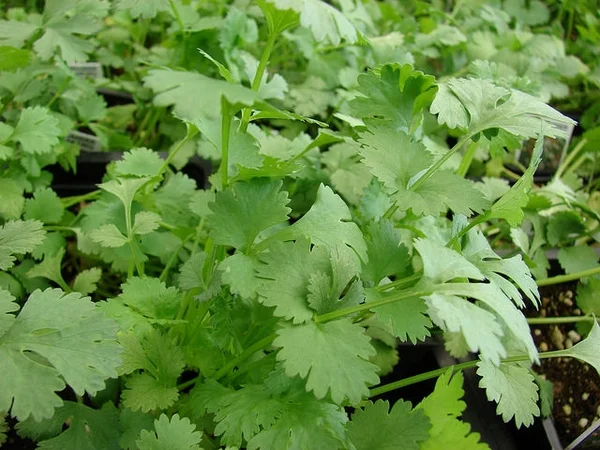
Coriandrum sativum Photo: Forest and Kim Starr i Non-toxic to cats Coriandrum sativum
Sunny position or Some direct sun
Coriandrum sativum, also called coriander; no assessment of seasonings or mixed foods.
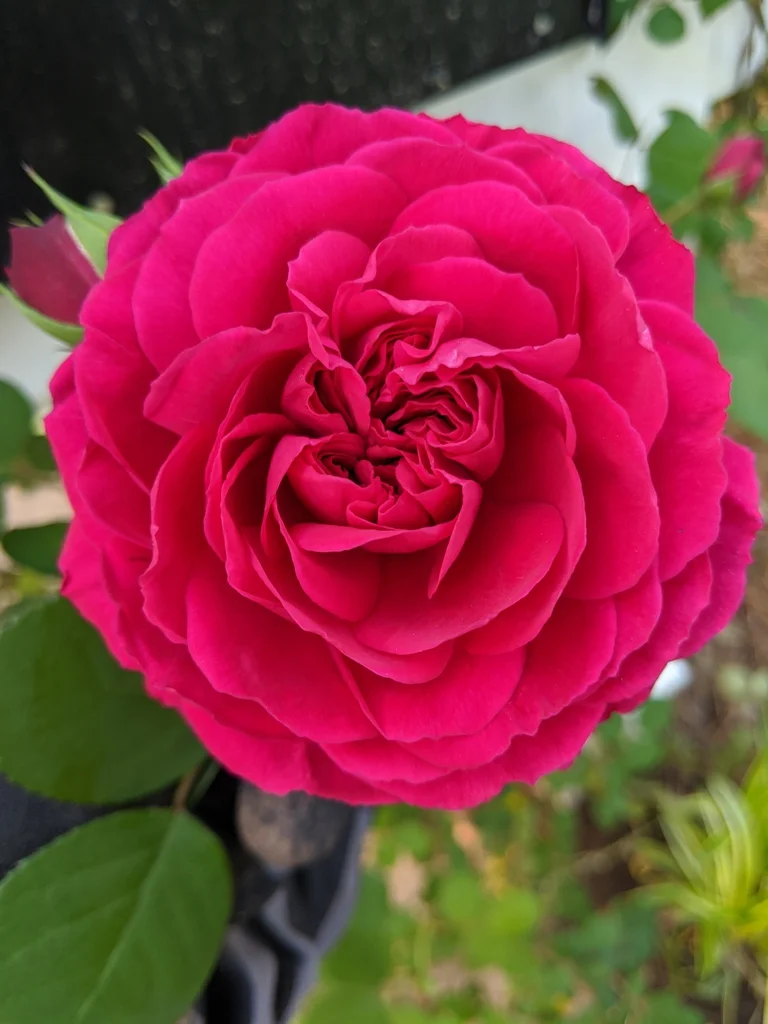
Rosa Tess of the d'Urbervilles. Flower. Cabarrus County, NC. Photo: Hope Duckworth i Non-toxic to cats Rosa spp.
Sunny position
Rosa species and garden roses only. Desert rose, Christmas rose and rose of Sharon are different plants. Mixed bouquets need every ingredient identified.
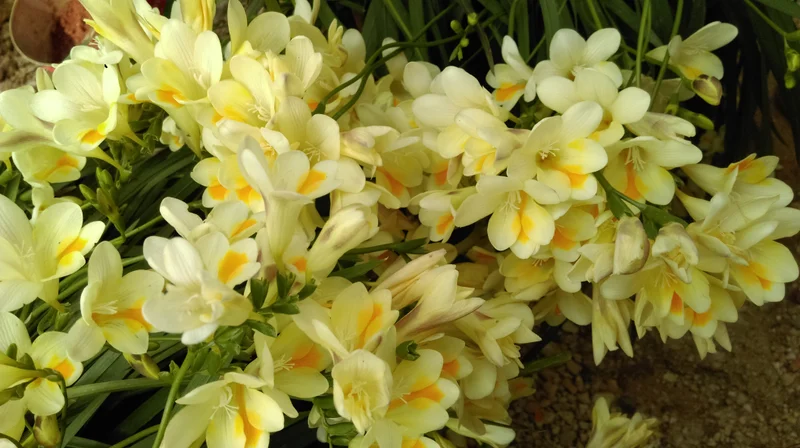
Freesia flowers.jpg Photo: Zaher.Kadour i Non-toxic to cats Freesia spp.
Sunny position or Some direct sun
Freesia species and cultivated freesias; the photo is identified to genus only and does not establish a particular species or cultivar.
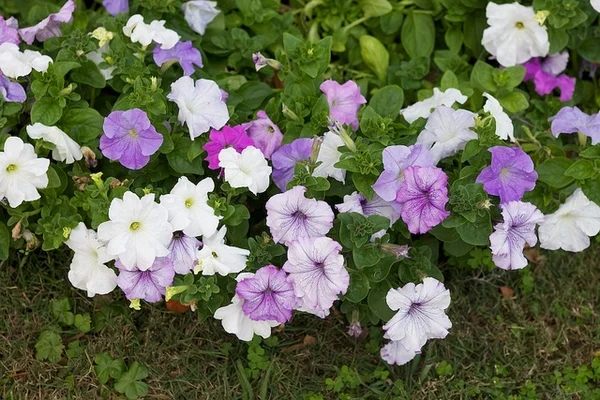
Petunia Aladdin Nautical Hybrid Mix Photo: Malcolm Manners i Non-toxic to cats Petunia spp.
Sunny position or Some direct sun
Petunia species; the pictured garden hybrid is within that genus. Mexican petunia (Ruellia) and Calibrachoa are outside this guide.
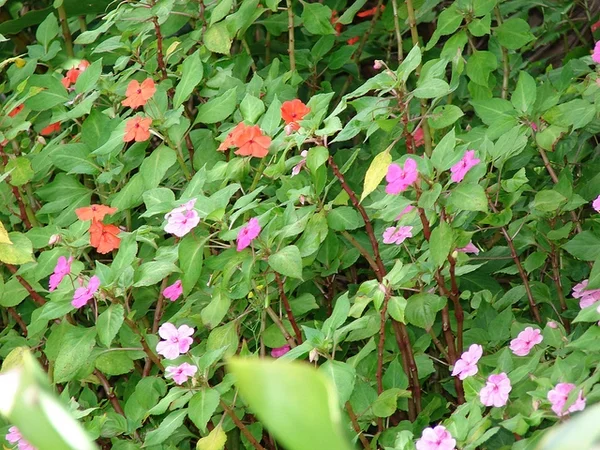
Impatiens mixed planting Photo: Forest and Kim Starr i Non-toxic to cats Impatiens walleriana
Medium indirect light
Impatiens walleriana only. Do not identify an orchid from the safety source common name Lady Slipper.
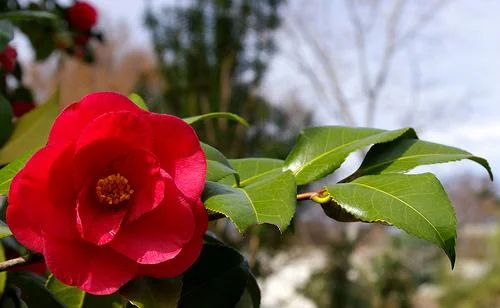
Leaves and flower Photo: Scott Ackerman i Non-toxic to cats Camellia japonica
Medium indirect light
Camellia japonica only; the pictured flowers illustrate this species, not all plants called camellia.
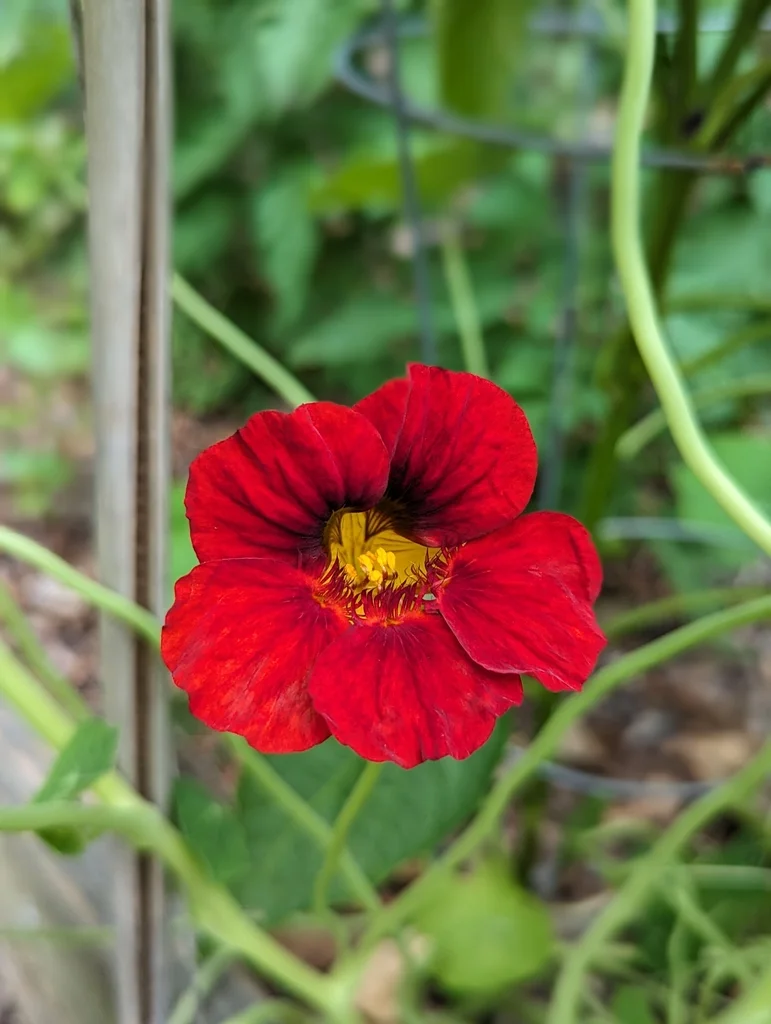
Flower close up Photo: Hope Duckworth i Non-toxic to cats Tropaeolum majus
Sunny position
Tropaeolum majus only, not Nasturtium officinale (watercress). This is not advice to feed flowers or seeds to cats.
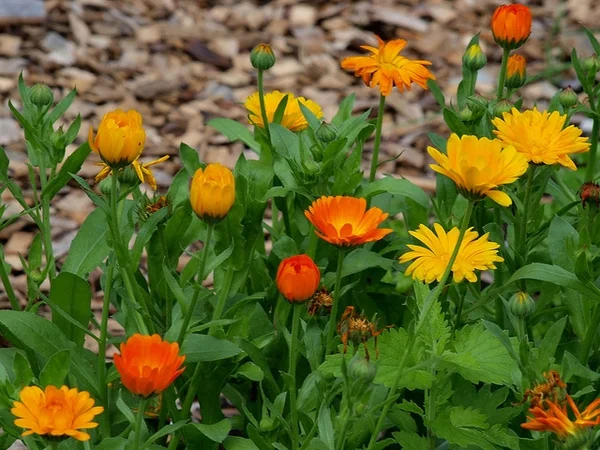
Orange and yellow pot-marigold flowers. Photo: Roberto Verozo i Non-toxic to cats Calendula officinalis
Sunny position
Calendula officinalis only; Tagetes marigolds require their own assessment. No assessment of extracts, remedies or prepared products.
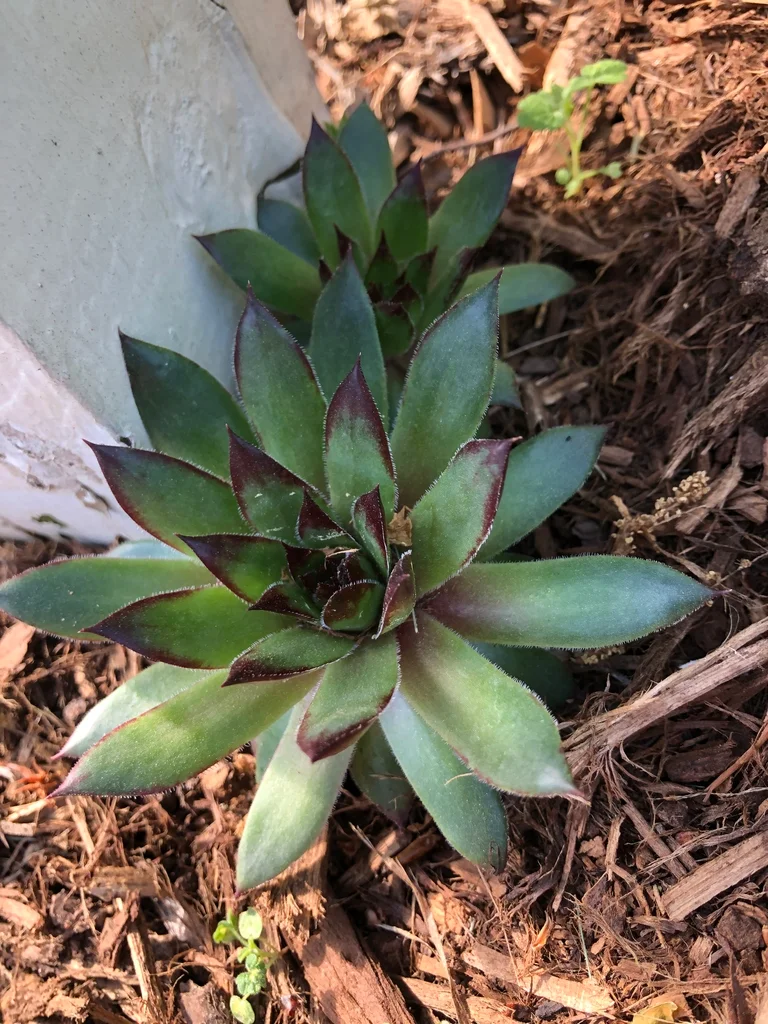
Form (Wake County,NC) Photo: Cathy Dewitt i Non-toxic to cats Sempervivum tectorum
Sunny position
Sempervivum tectorum only; the common name is also applied to other rosette succulents.
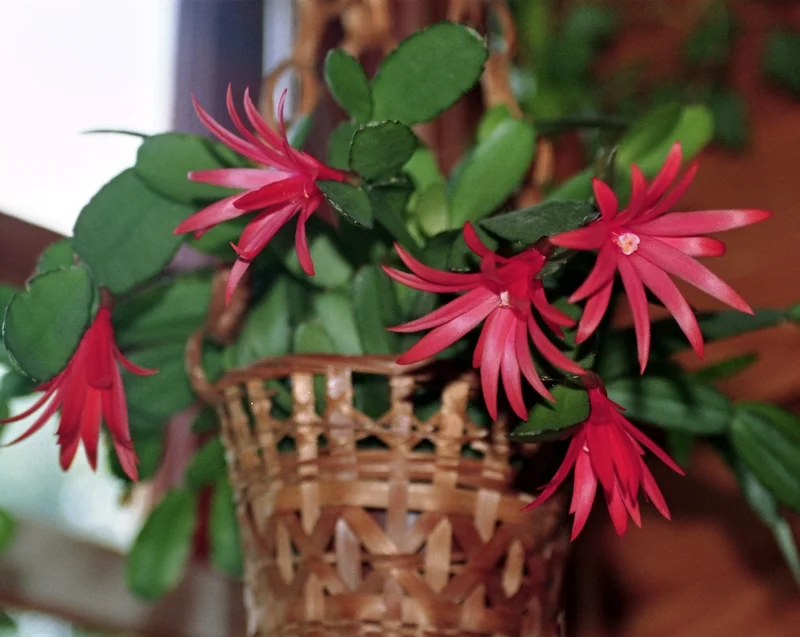
Flowers and leaves Photo: Kor!An (Корзун Андрей) i Non-toxic to cats Rhipsalidopsis gaertneri
Bright indirect light
Rhipsalidopsis gaertneri only; distinguish it from Thanksgiving cactus, Christmas cactus and other Easter-cactus hybrids.
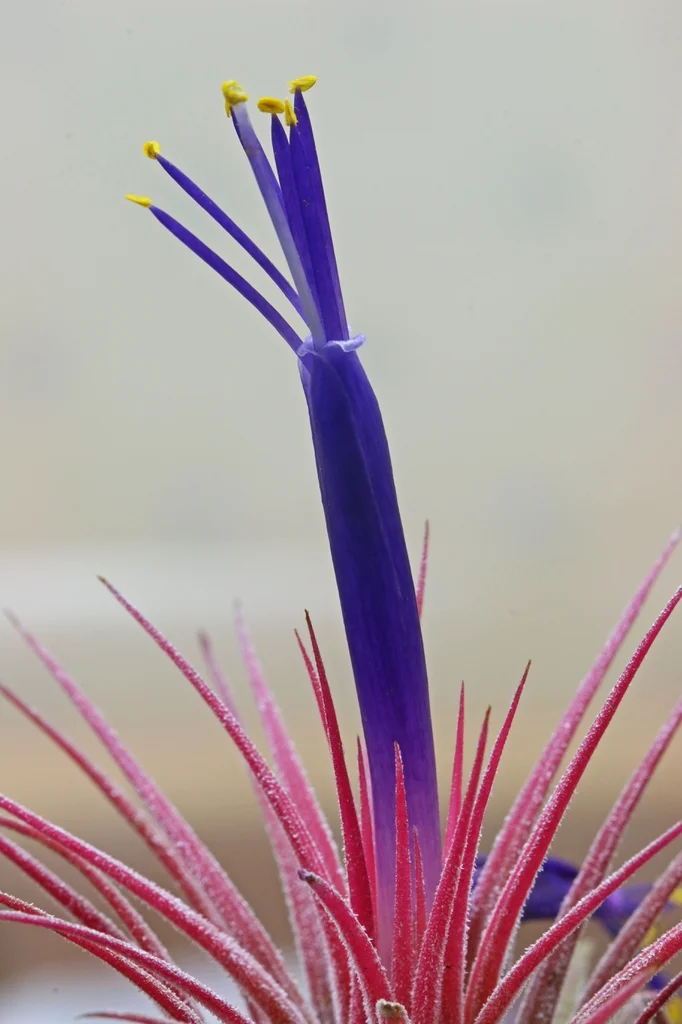
Flowers Photo: Andrey Zharkikh i Non-toxic to cats Tillandsia ionantha
Bright indirect light
Tillandsia ionantha only. Air plant is a shared common name; identify the botanical name before applying this guide.
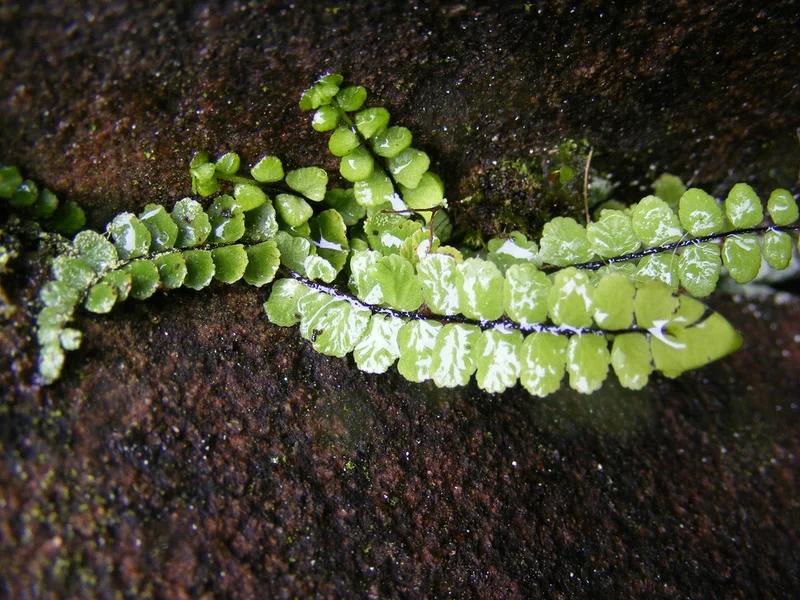
Fronds Photo: Max Blacks i Non-toxic to cats Hemionitis rotundifolia
Medium indirect light
Hemionitis rotundifolia, also known as Pellaea rotundifolia. Lemon button fern and asparagus fern are different plants.
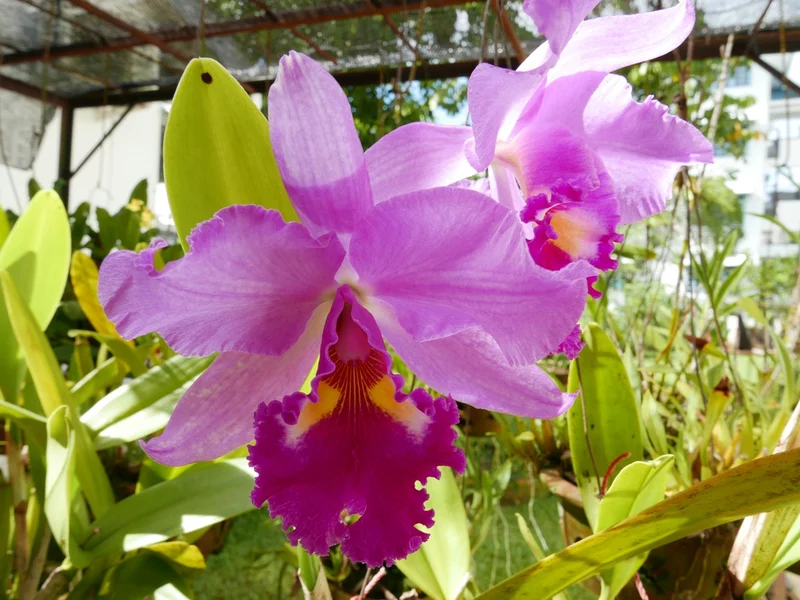
Flower Photo: chipmunk_1 i Photo details
Cattleya labiata — Flower
License: CC BY-SA 2.0
Resized and converted to WebP for display; botanical details unchanged.
This displayed image is shared under the same CC BY-SA 2.0 license.
Non-toxic to cats Cattleya labiata
Bright indirect light
Cattleya labiata only. This assessment does not identify or classify every orchid or intergeneric cattleya hybrid.
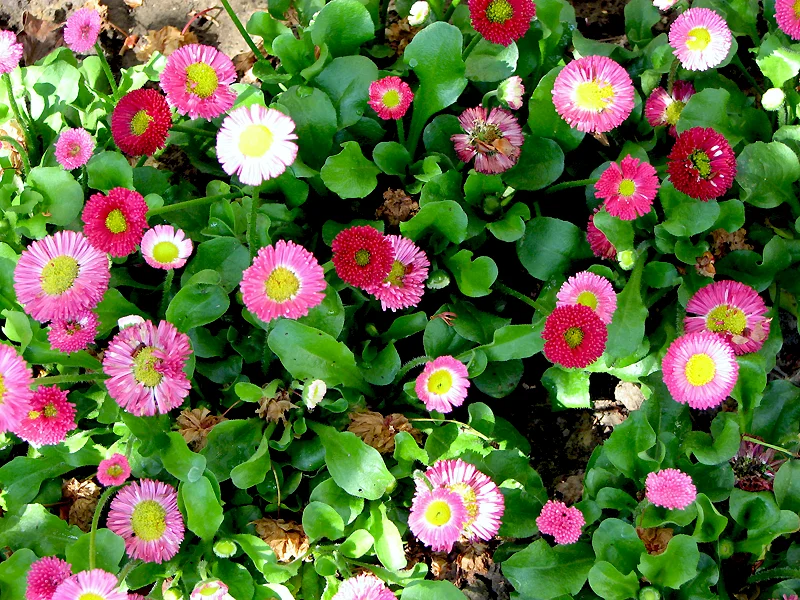
Leaves and pink and red flowers Photo: Morgaine i Non-toxic to cats Bellis perennis
Sunny position or Some direct sun
Bellis perennis only, not Chrysanthemum, Gerbera or ox-eye daisy. This is not advice to feed the plant to cats or use herbal products.
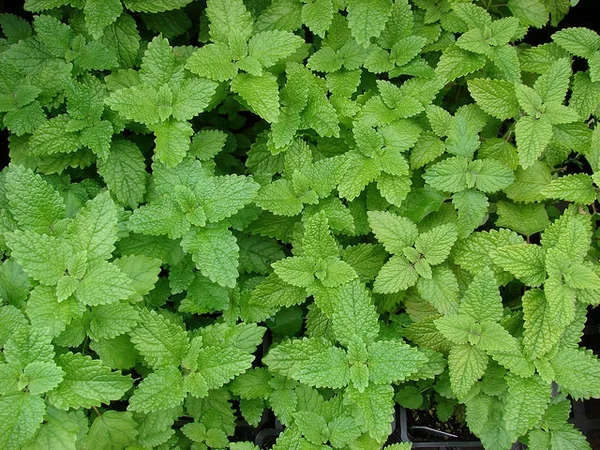
Melissa officinalis Photo: Forest and Kim Starr i Non-toxic to cats Melissa officinalis
Sunny position or Some direct sun
Melissa officinalis only. Confirm the botanical identity; a photograph alone cannot establish plant identity.
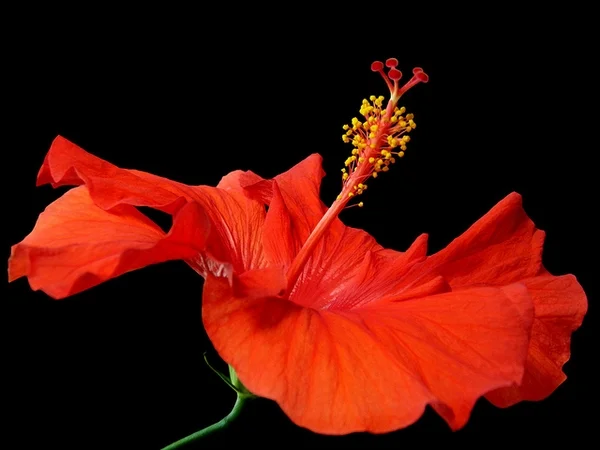
Hibiscus rosa-sinensis Photo: Jack Wolf i Non-toxic to cats Hibiscus rosa-sinensis
Sunny position or Some direct sun
Hibiscus rosa-sinensis only. Confirm the botanical identity; a photograph alone cannot establish plant identity.
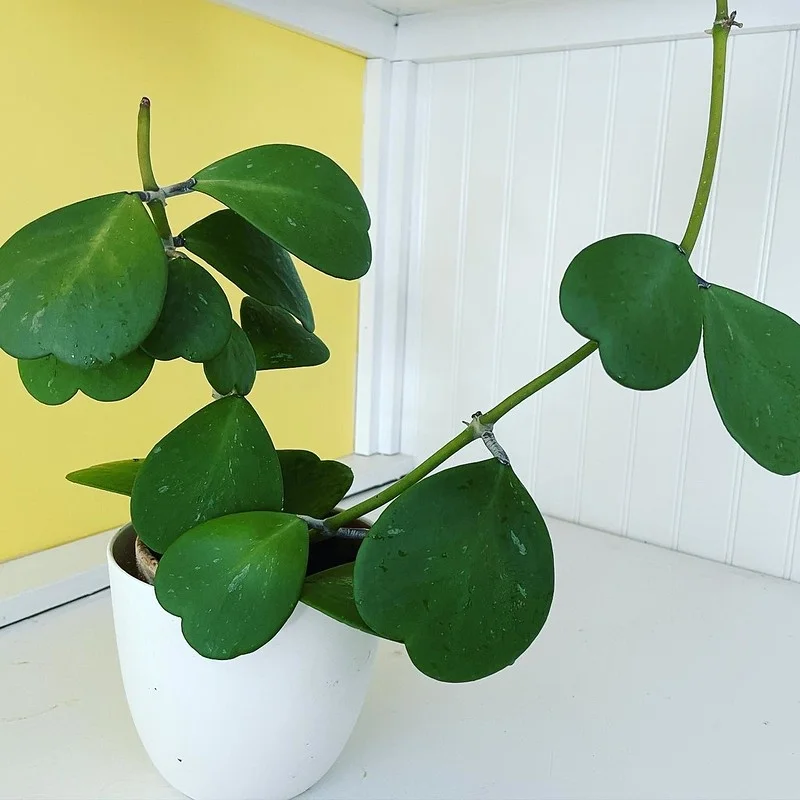
Potted plant. Photo: Kate Ter Haar i Non-toxic to cats Hoya kerrii
Light varies by type
Hoya kerrii only. Check the botanical name; a photograph alone cannot establish identity.
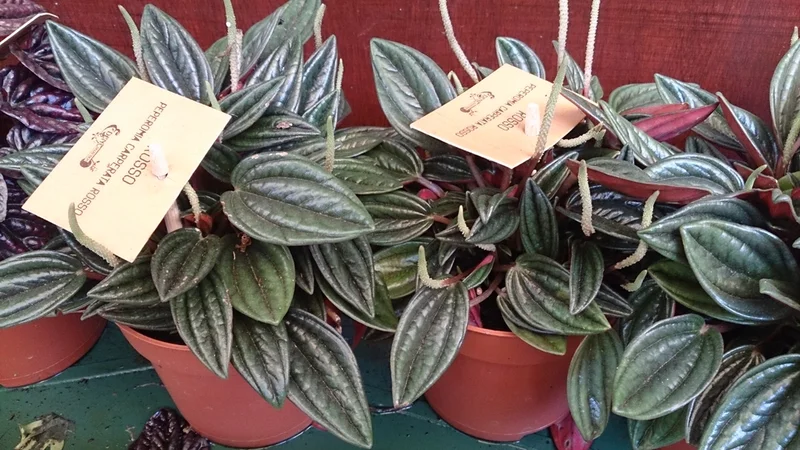
Form Photo: Mokkie i Photo details
Peperomia caperata — Form
License: CC BY-SA 3.0
Resized and converted to WebP for display; botanical details unchanged.
This displayed image is shared under the same CC BY-SA 3.0 license.
Non-toxic to cats Peperomia caperata
Medium indirect light
Peperomia caperata only. Check the botanical name; a photograph alone cannot establish identity.
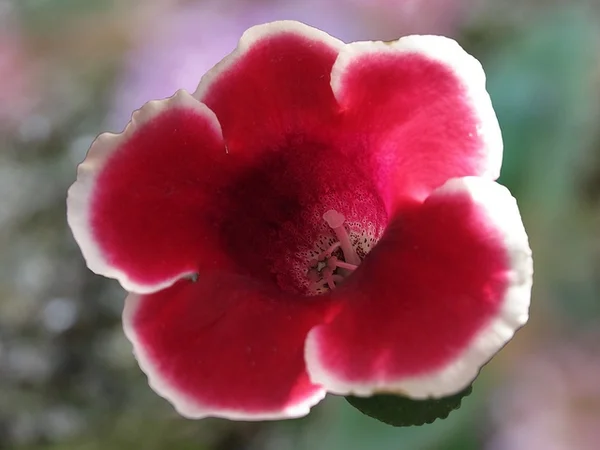
Pink Photo: Jacinta Valero i Photo details
Sinningia speciosa — Pink
License: CC BY-SA 2.0
Resized and converted to WebP for display; botanical details unchanged.
This displayed image is shared under the same CC BY-SA 2.0 license.
Non-toxic to cats Sinningia speciosa
Bright indirect light
Sinningia speciosa only. Check the botanical name; a photograph alone cannot establish identity.
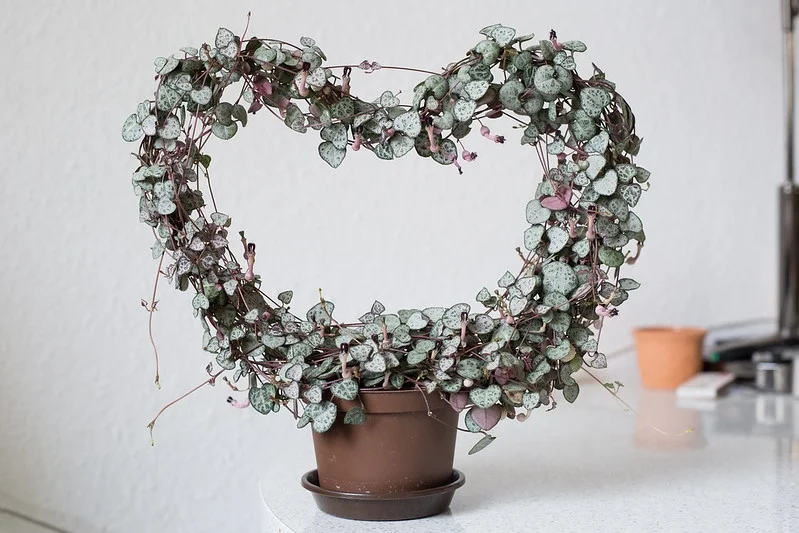
Potted plant. Photo: Maja Dumat i Non-toxic to cats Ceropegia woodii
Bright indirect light
Ceropegia woodii only. Check the botanical name; a photograph alone cannot establish identity.
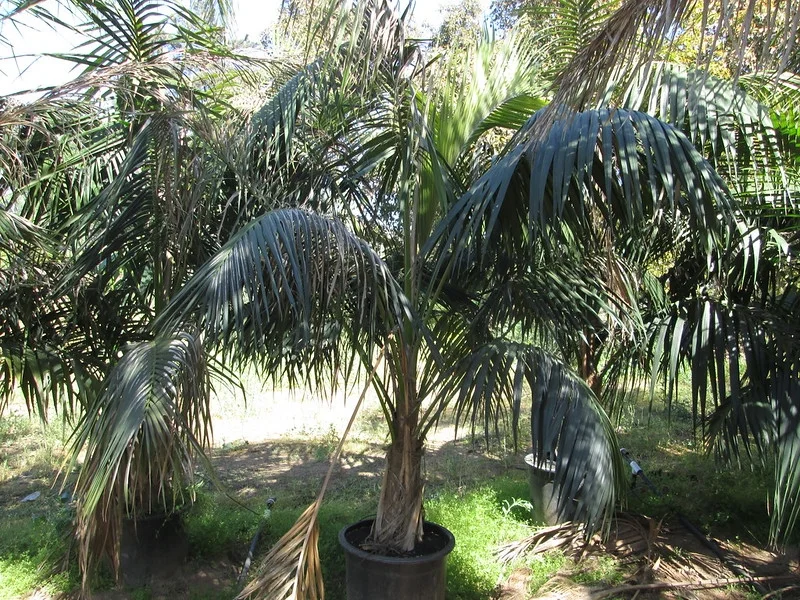
Howea forsteriana. Nursery stock. Photo: East West Trees i Non-toxic to cats Howea forsteriana
Medium indirect light
Howea forsteriana only. Check the botanical name; a photograph alone cannot establish identity.
Fronds Photo: Stan Sheb i Photo details
Cyrtomium falcatum — Fronds
License: CC BY-SA 3.0
Resized and converted to WebP for display; botanical details unchanged.
This displayed image is shared under the same CC BY-SA 3.0 license.
Non-toxic to cats Cyrtomium falcatum
Light varies by type
Cyrtomium falcatum only. Check the botanical name; a photograph alone cannot establish identity.
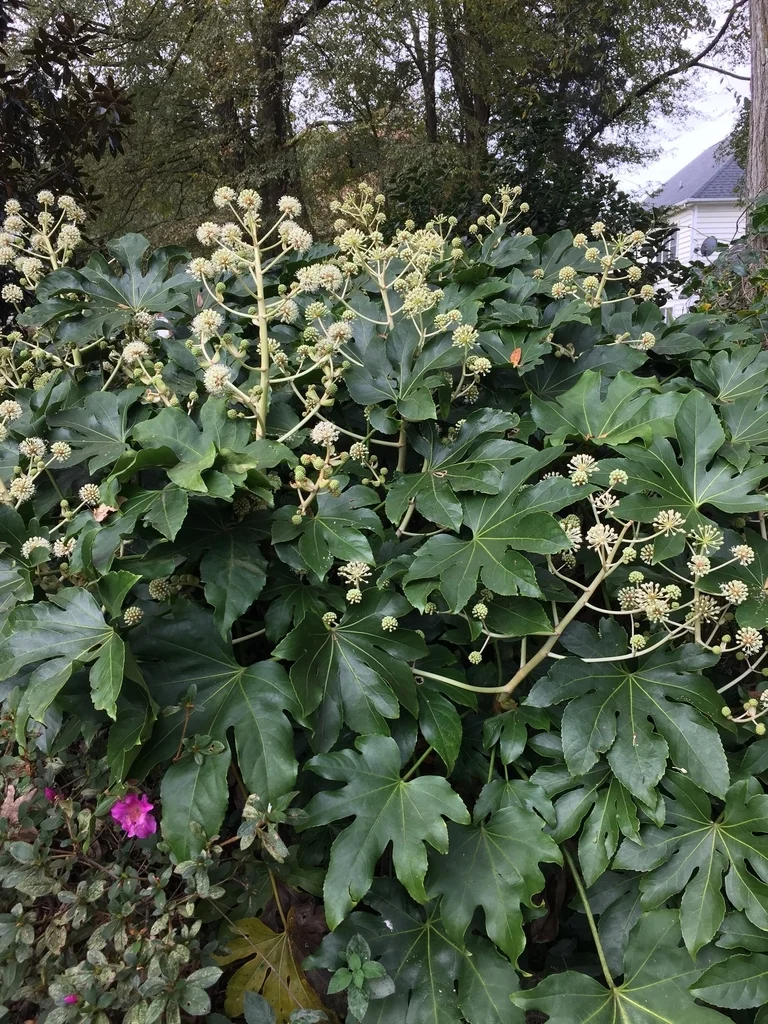
Fatsia japonica (Mecklenburg County, NC)-Fall Photo: Stacy Hodes i Non-toxic to cats Fatsia japonica
Light varies by type
Fatsia japonica only. Check the botanical name; a photograph alone cannot establish identity.
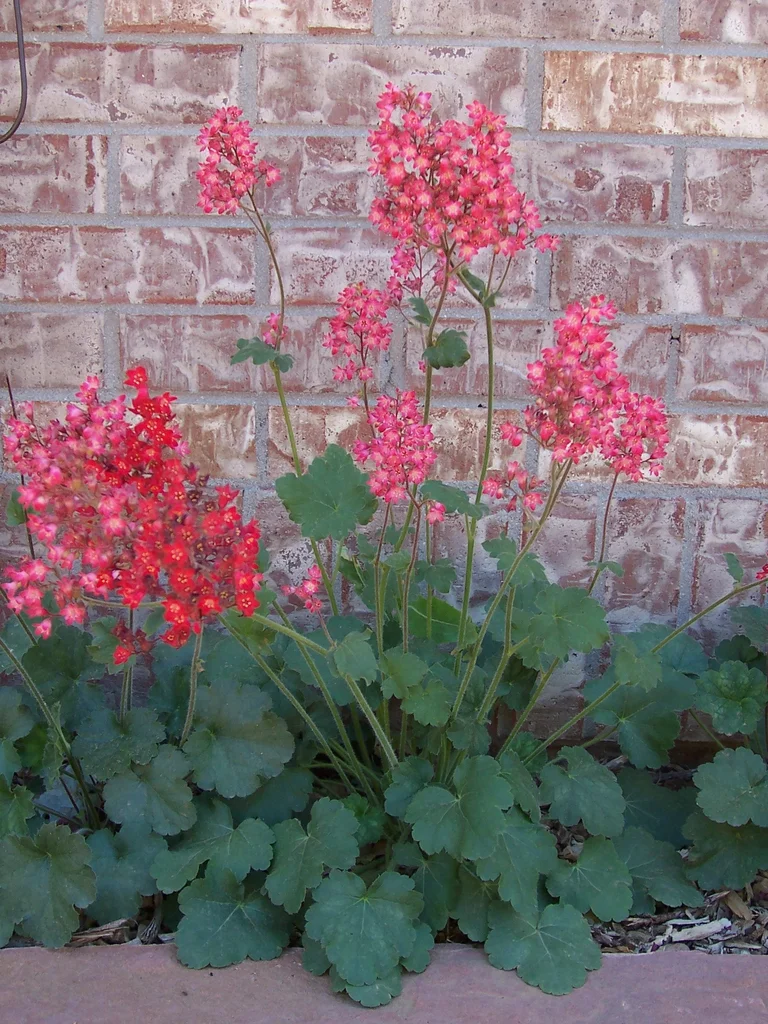
Heuchera sanguinea Photo: Patrick Standish i Non-toxic to cats Heuchera sanguinea
Sunny position or Some direct sun
Heuchera sanguinea only. Check the botanical name; a photograph alone cannot establish identity.
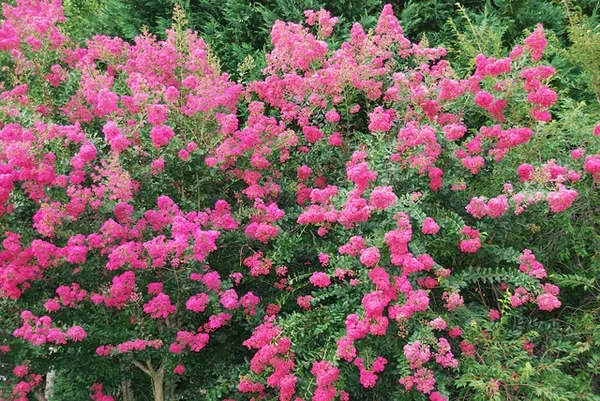
Whole shrub in bloom Photo: Hans Enderle i Non-toxic to cats Lagerstroemia indica
Sunny position
Lagerstroemia indica only. Check the botanical name; a photograph alone cannot establish identity.
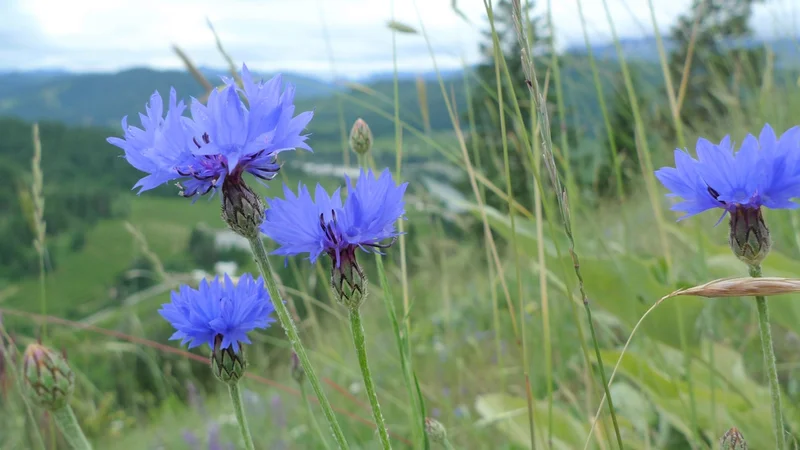
flowers and stems Photo: Thayne Tuason i Non-toxic to cats Centaurea cyanus
Sunny position or Some direct sun
Centaurea cyanus only. Check the botanical name; a photograph alone cannot establish identity.
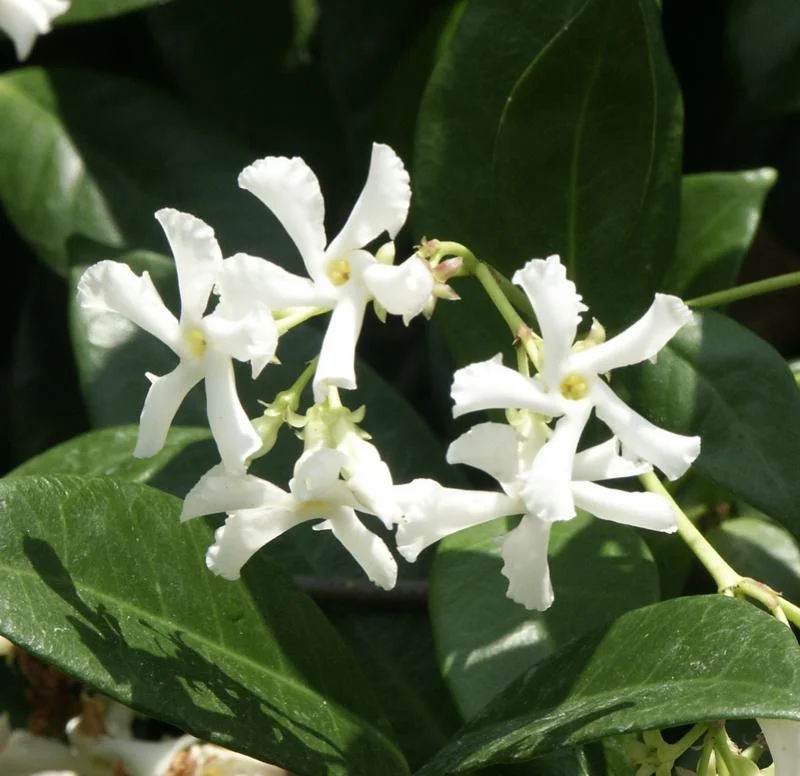
Flower close-up Photo: Scott Zona i Non-toxic to cats Trachelospermum jasminoides
Sunny position or Some direct sun
Trachelospermum jasminoides only. Check the botanical name; a photograph alone cannot establish identity.
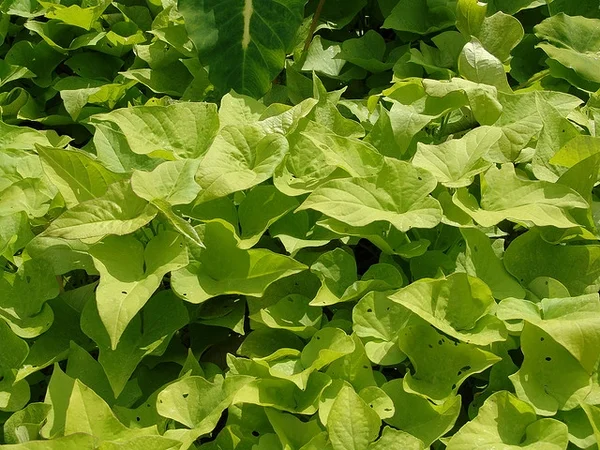
Ipomoea batatas 'Margarita' Photo: Drew Avery i Non-toxic to cats Ipomoea batatas
Sunny position or Some direct sun
Ipomoea batatas only. Check the botanical name; a photograph alone cannot establish identity.
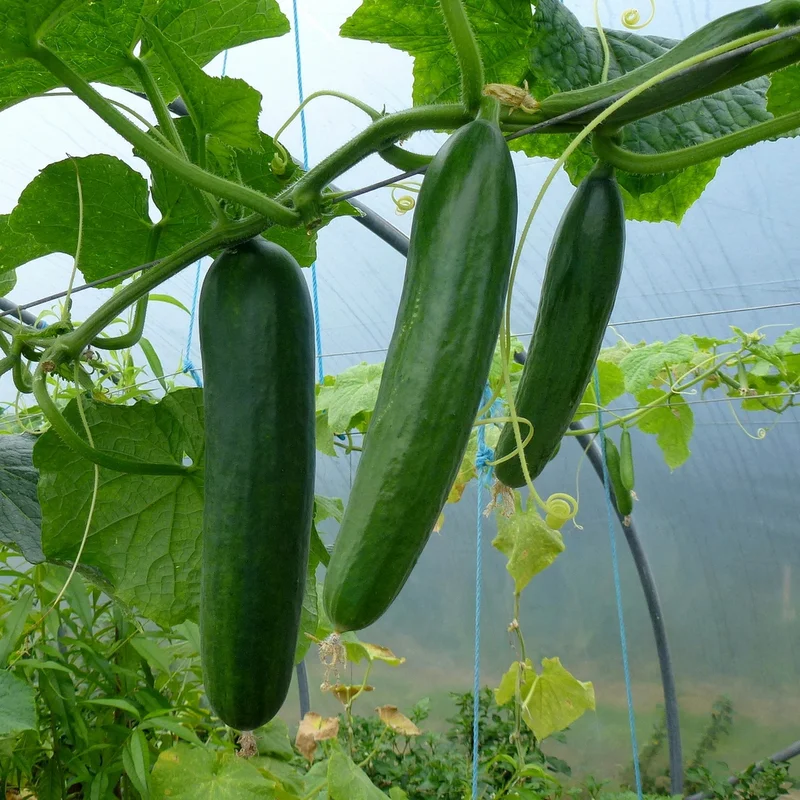
Cucumber fruits on the vine Photo: Jonathan Billinger i Non-toxic to cats Cucumis sativus
Sunny position
Cucumis sativus only. Check the botanical name; a photograph alone cannot establish identity.
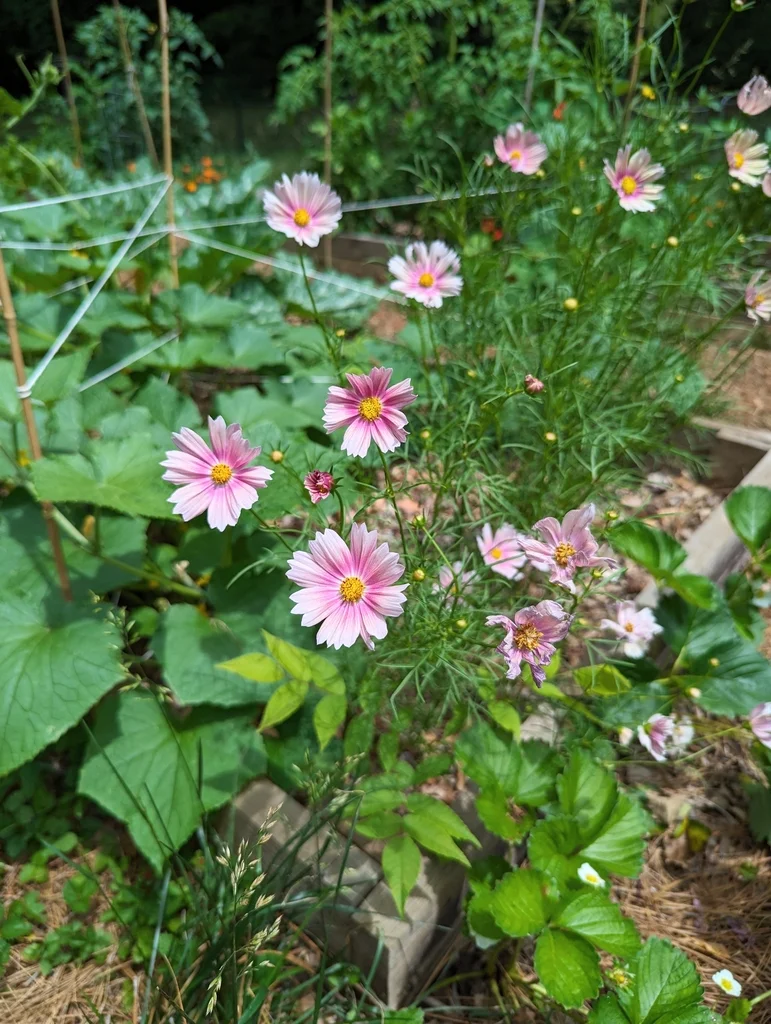
Form in garden Photo: Hope Duckworth i Non-toxic to cats Cosmos bipinnatus
Sunny position
Cosmos bipinnatus only. Check the botanical name; a photograph alone cannot establish identity.
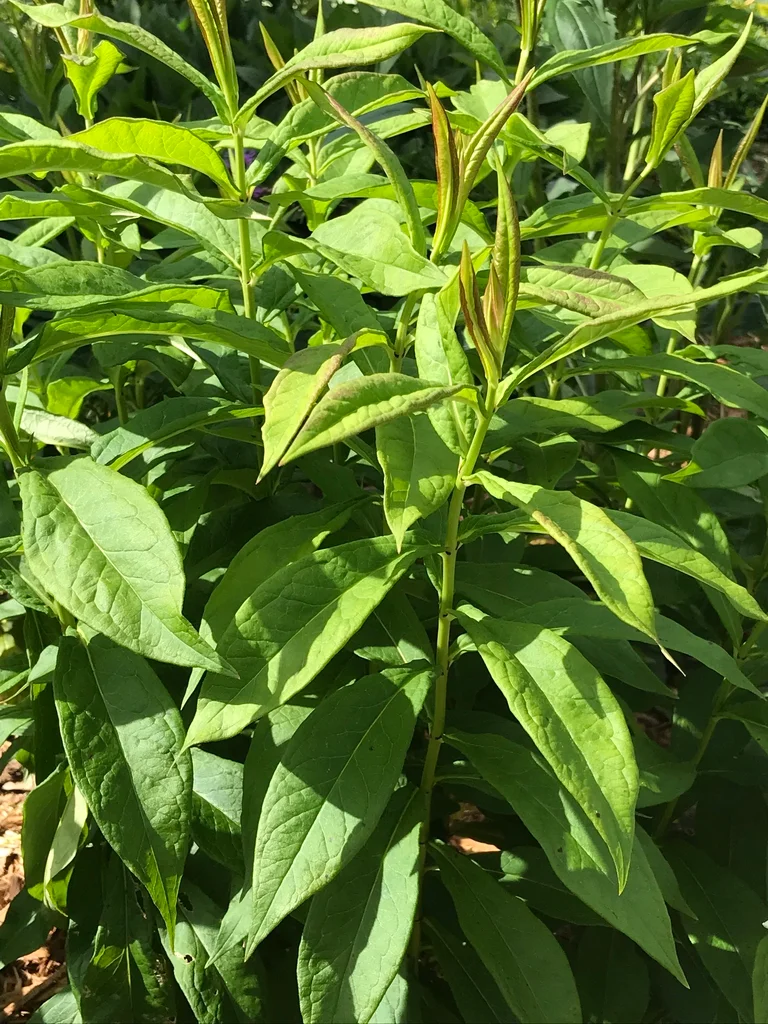
Form Photo: K. Andre i Non-toxic to cats Phlox paniculata
Sunny position or Some direct sun
Phlox paniculata only. Check the botanical name; a photograph alone cannot establish identity.
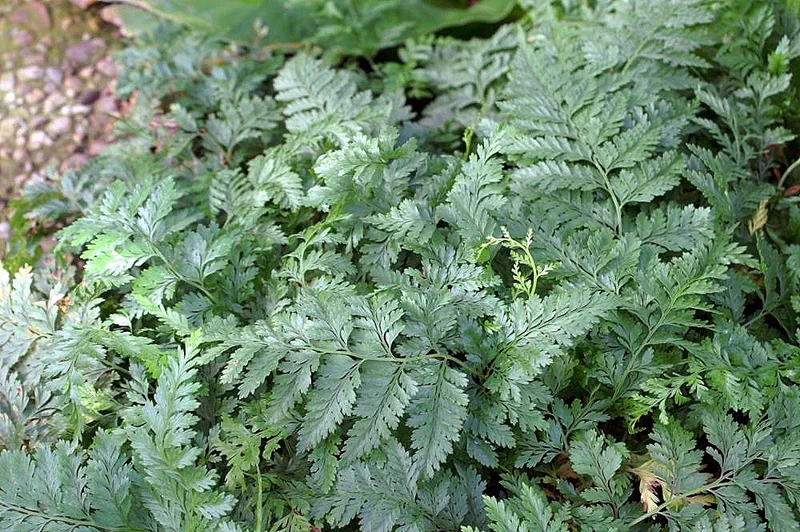
Form Photo: David J. Stang i Photo details
Davallia fejeensis — Form
License: CC BY-SA 4.0
Resized and converted to WebP for display; botanical details unchanged.
This displayed image is shared under the same CC BY-SA 4.0 license.
Non-toxic to cats Davallia fejeensis
Bright indirect light
Davallia fejeensis only. Check the botanical name; a photo cannot establish the identity of your plant.
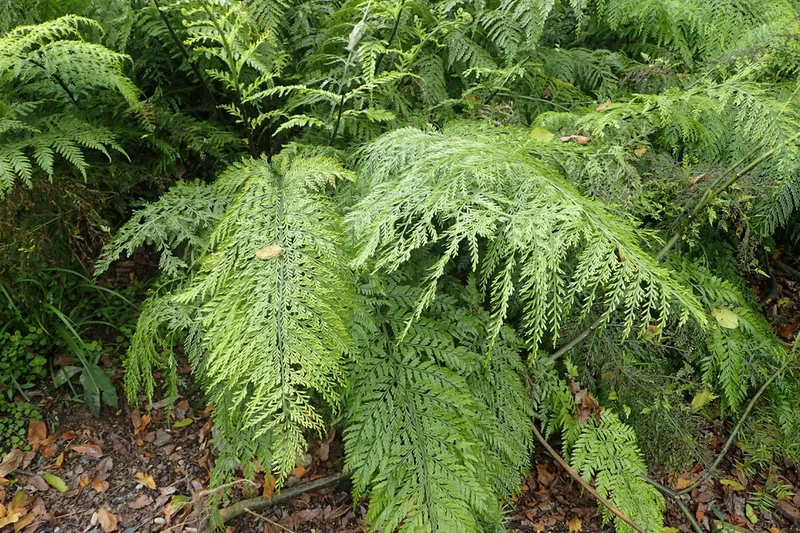
Form Photo: Krzysztof Ziarnek, Kenraiz i Photo details
Asplenium bulbiferum — Form
License: CC BY-SA 4.0
Resized and converted to WebP for display; botanical details unchanged.
This displayed image is shared under the same CC BY-SA 4.0 license.
Non-toxic to cats Asplenium bulbiferum
Light varies by type
Asplenium bulbiferum only. Check the botanical name; a photo cannot establish the identity of your plant.
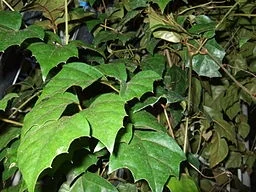
Cissus rhombifolia Photo: Halava i Non-toxic to cats Cissus alata
Bright indirect light
Cissus alata only. Check the botanical name; a photo cannot establish the identity of your plant.
Schlumbergera truncata, Thanksgiving Cactus, houseplant view Photo: Cindy Christian i Non-toxic to cats Schlumbergera truncata
Bright indirect light
Schlumbergera truncata only. Check the botanical name; a photo cannot establish the identity of your plant.
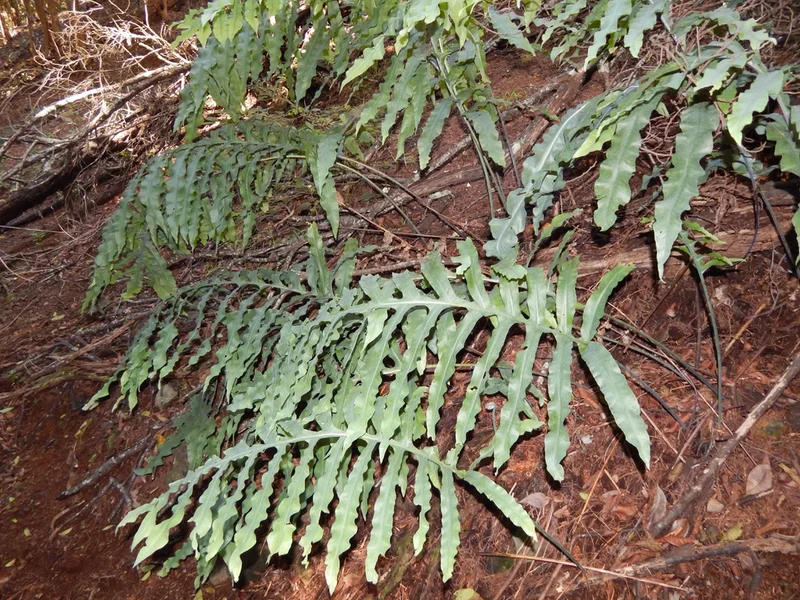
Fronds/Form Photo: Forest Kim Starr i Non-toxic to cats Phlebodium aureum
Some direct sun
Phlebodium aureum only. Check the botanical name; a photo cannot establish the identity of your plant.
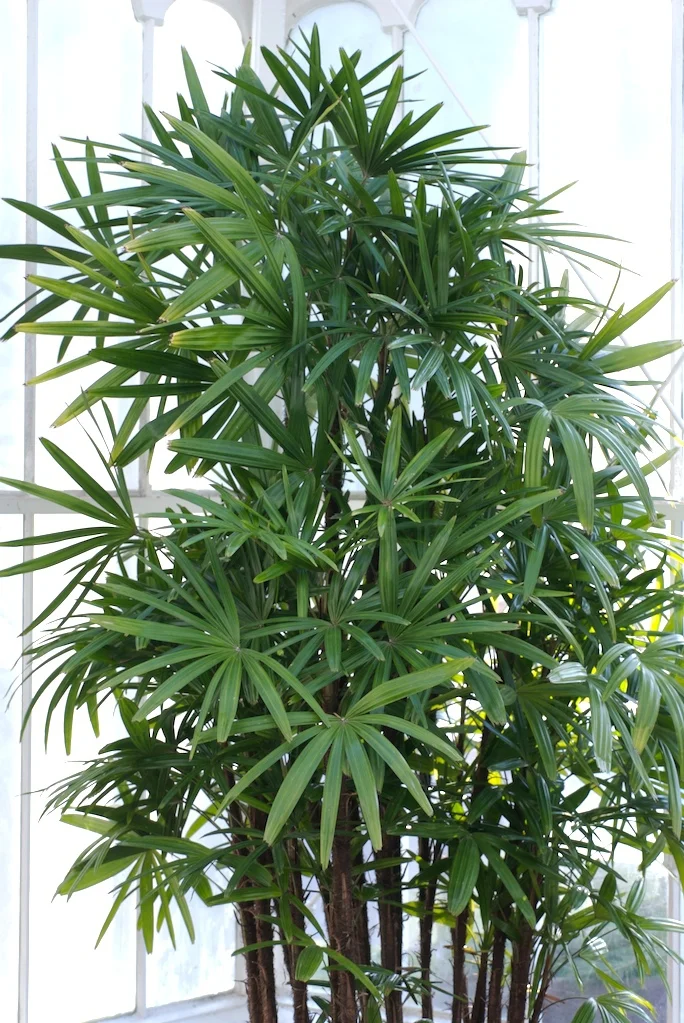
Form Photo: Eric in SF i Photo details
Rhapis excelsa — Form
License: CC BY-SA 4.0
Resized and converted to WebP for display; botanical details unchanged.
This displayed image is shared under the same CC BY-SA 4.0 license.
Non-toxic to cats Rhapis excelsa
Medium indirect light
Rhapis excelsa only. Check the botanical name; a photo cannot establish the identity of your plant.
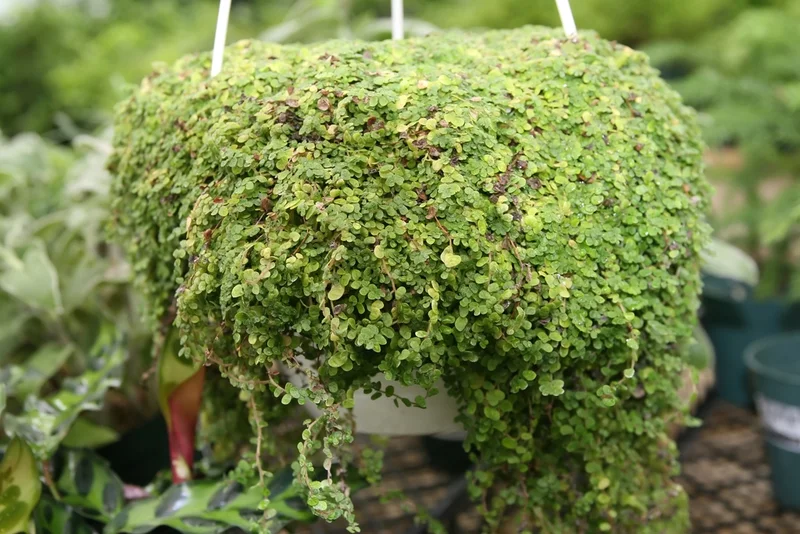
Hanging basket Photo: David J. Stang i Non-toxic to cats Soleirolia soleirolii
Bright indirect light
Soleirolia soleirolii only. Check the botanical name; a photo cannot establish the identity of your plant.
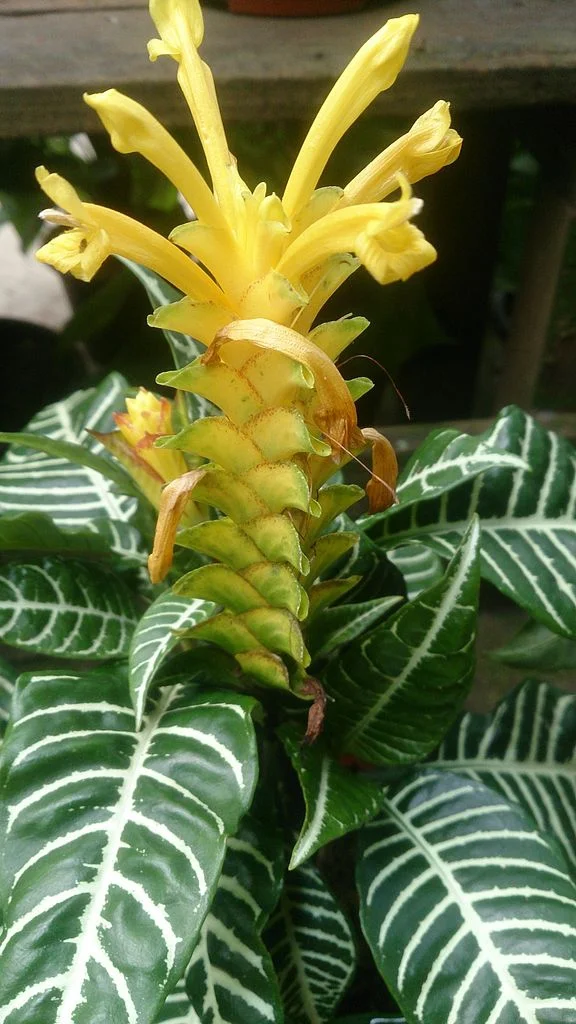
Flowers Photo: Mokkie i Photo details
Aphelandra squarrosa — Flowers
License: CC BY-SA 3.0
Resized and converted to WebP for display; botanical details unchanged.
This displayed image is shared under the same CC BY-SA 3.0 license.
Non-toxic to cats Aphelandra squarrosa
Bright indirect light
Aphelandra squarrosa only. Check the botanical name; a photo cannot establish the identity of your plant.
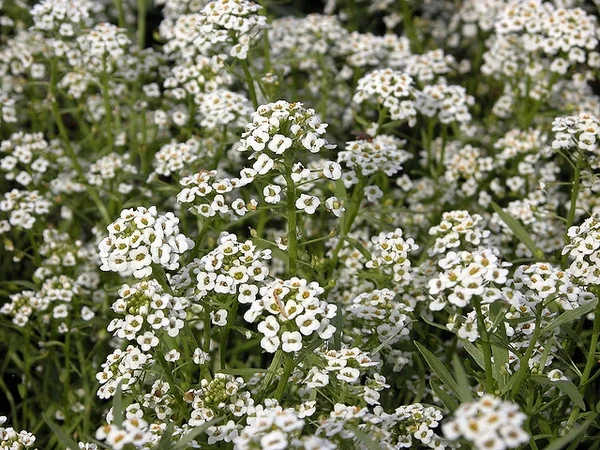
Sweet alyssum (Lobularia maritima), illustrated by the credited source photograph. Photo: Carl Lewis i Non-toxic to cats Lobularia maritima
Sunny position or Some direct sun
Lobularia maritima only. Check the botanical name; a photo cannot establish the identity of your plant.
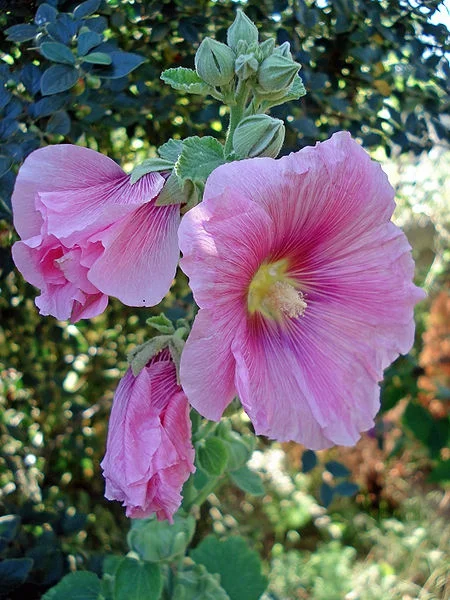
Flowers Photo: k!roman i Photo details
Alcea rosea — Flowers
License: CC BY-SA 3.0
Resized and converted to WebP for display; botanical details unchanged.
This displayed image is shared under the same CC BY-SA 3.0 license.
Non-toxic to cats Alcea rosea
Sunny position or Some direct sun
Alcea rosea only. Check the botanical name; a photo cannot establish the identity of your plant.
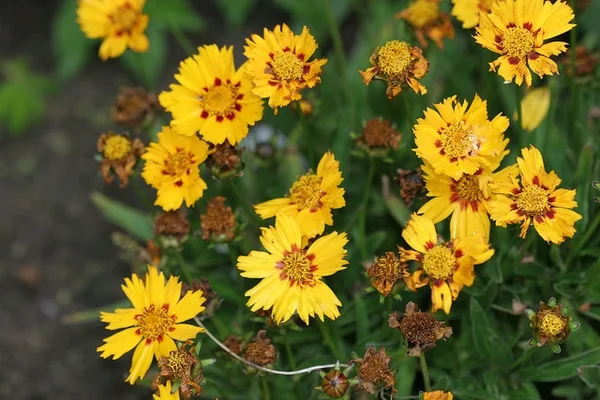
flowers and leaves Photo: Andrey Zharkikh i Non-toxic to cats Coreopsis lanceolata
Sunny position
Coreopsis lanceolata only. Check the botanical name; a photo cannot establish the identity of your plant.
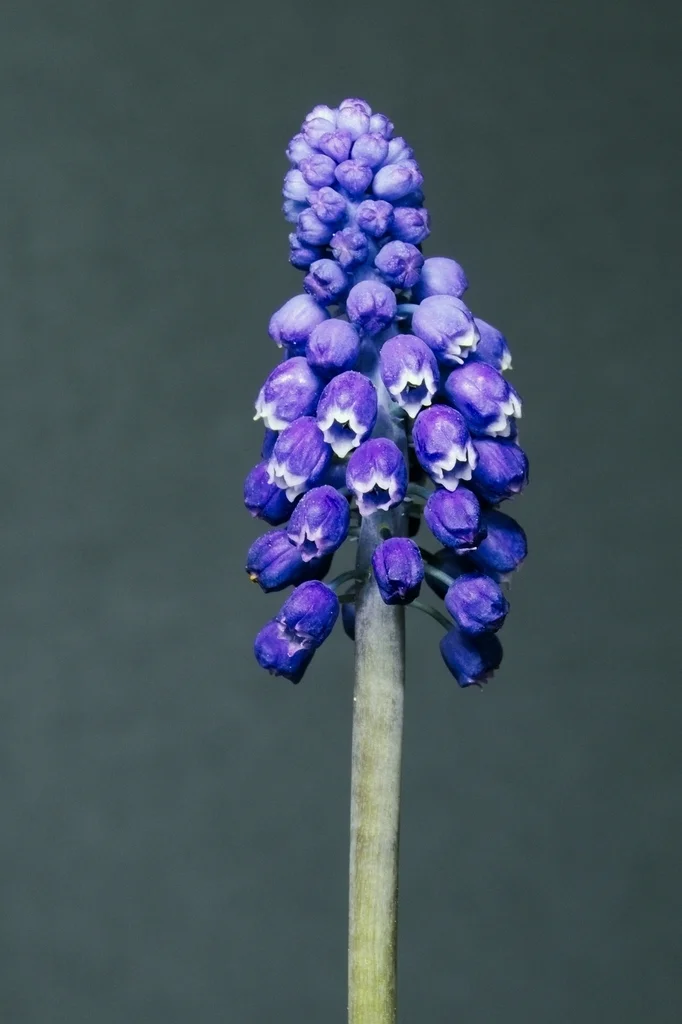
Blue-purple flowers appear in a dense raceme. Photo: Bff i Non-toxic to cats Muscari armeniacum
Sunny position or Some direct sun
Muscari armeniacum only. Check the botanical name; a photo cannot establish the identity of your plant.
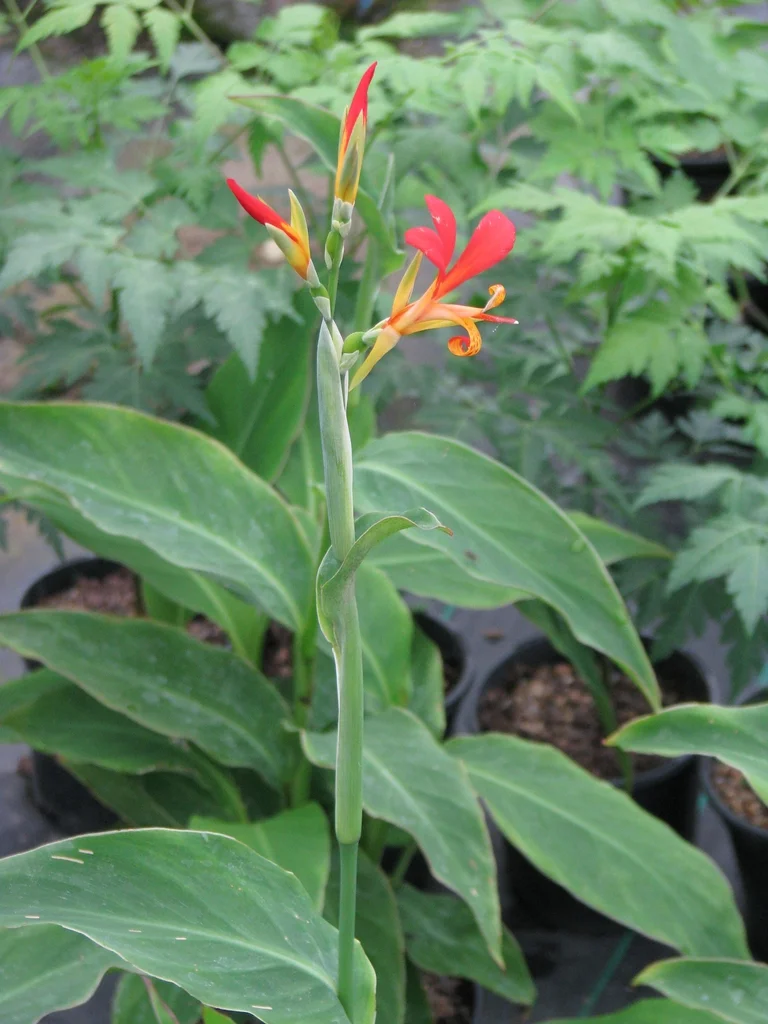
Form Photo: peganum i Photo details
Canna indica — Form
License: CC BY-SA 2.0
Resized and converted to WebP for display; botanical details unchanged.
This displayed image is shared under the same CC BY-SA 2.0 license.
Non-toxic to cats Canna indica
Sunny position
Canna indica only. Check the botanical name; a photo cannot establish the identity of your plant.
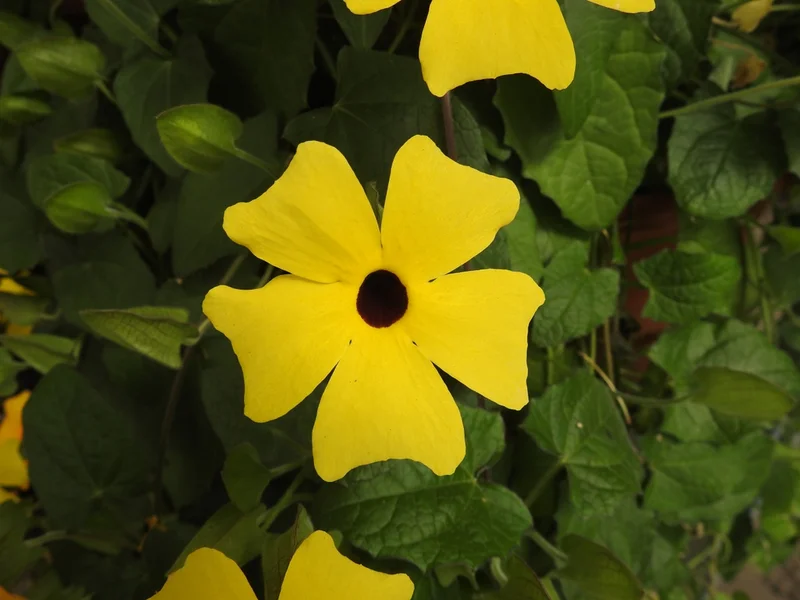
Flower from an unknown yellow cultivar 5 petals dark brown throat. Photo: Kathleen Moore i Non-toxic to cats Thunbergia alata
Sunny position or Some direct sun
Thunbergia alata only. Check the botanical name; a photo cannot establish the identity of your plant.
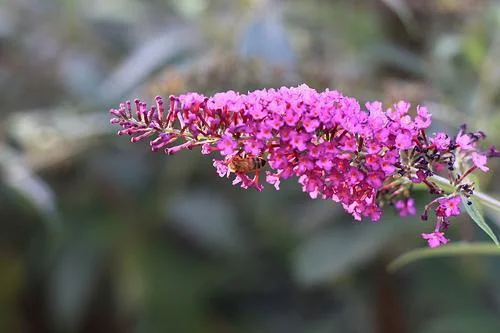
Flower panicle detail Photo: Jim, the Photographer i Non-toxic to cats Buddleja davidii
Sunny position
Buddleja davidii only. Check the botanical name; a photo cannot establish the identity of your plant.
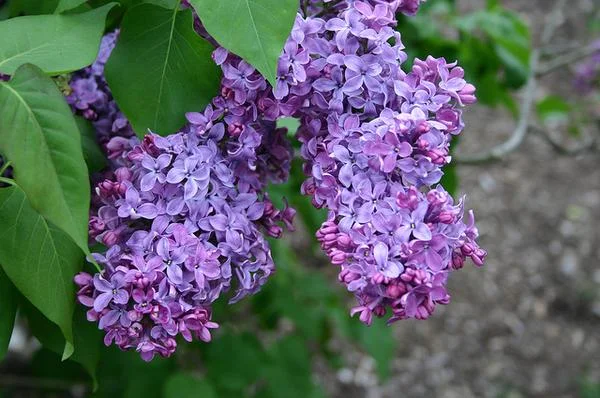
Flowers Photo: Ryan Somma i Non-toxic to cats Syringa vulgaris
Sunny position or Some direct sun
Syringa vulgaris only. Check the botanical name; a photo cannot establish the identity of your plant.
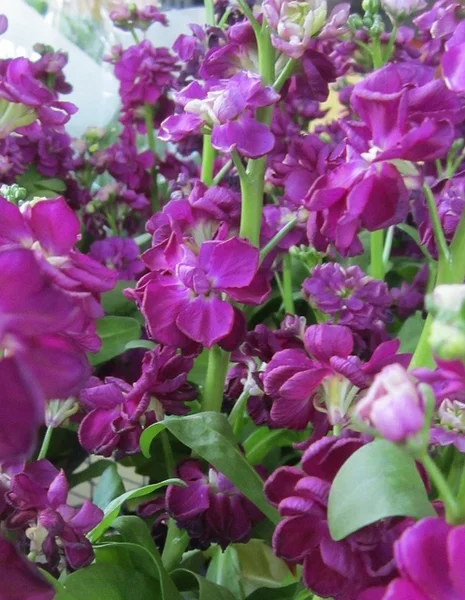
Stock (Matthiola incana), illustrated by the credited source photograph. Photo: Upupa4me i Photo details
Matthiola incana —
License: CC BY-SA 4.0
Resized and converted to WebP for display; botanical details unchanged.
This displayed image is shared under the same CC BY-SA 4.0 license.
Non-toxic to cats Matthiola incana
Sunny position or Some direct sun
Matthiola incana only. Check the botanical name; a photo cannot establish the identity of your plant.
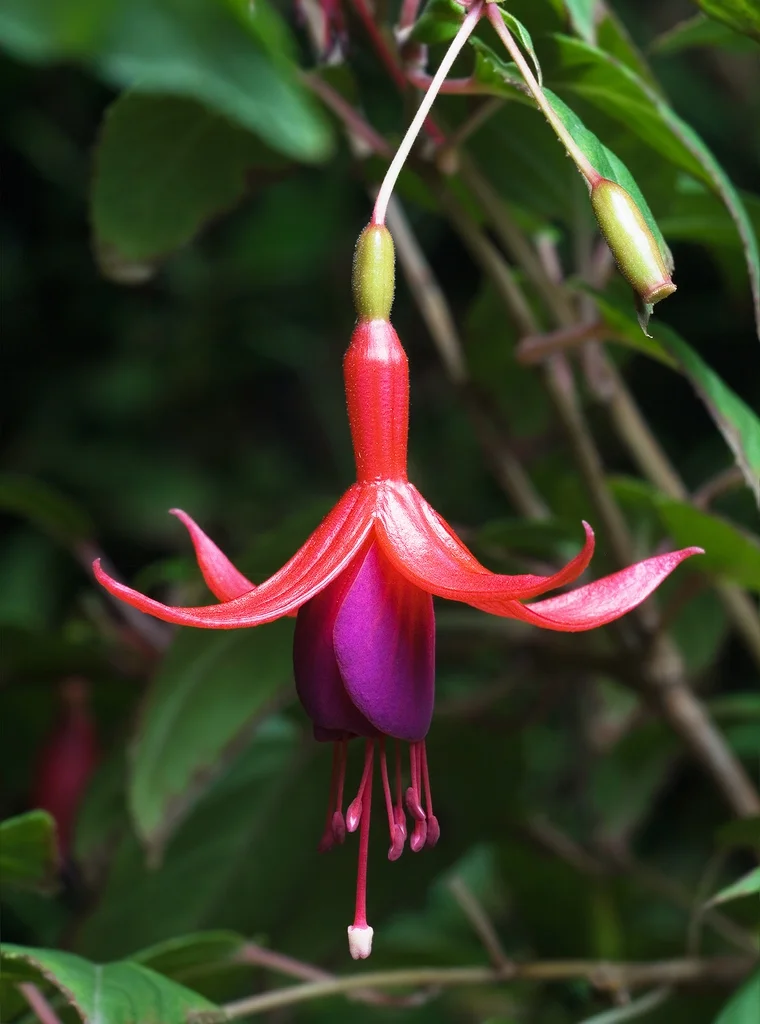
Flowers Photo: JJ Harrison i Photo details
Fuchsia magellanica — Flowers
License: CC BY-SA 3.0
Resized and converted to WebP for display; botanical details unchanged.
This displayed image is shared under the same CC BY-SA 3.0 license.
Non-toxic to cats Fuchsia magellanica
Some direct sun
Fuchsia magellanica only. Check the botanical name; a photo cannot establish the identity of your plant.
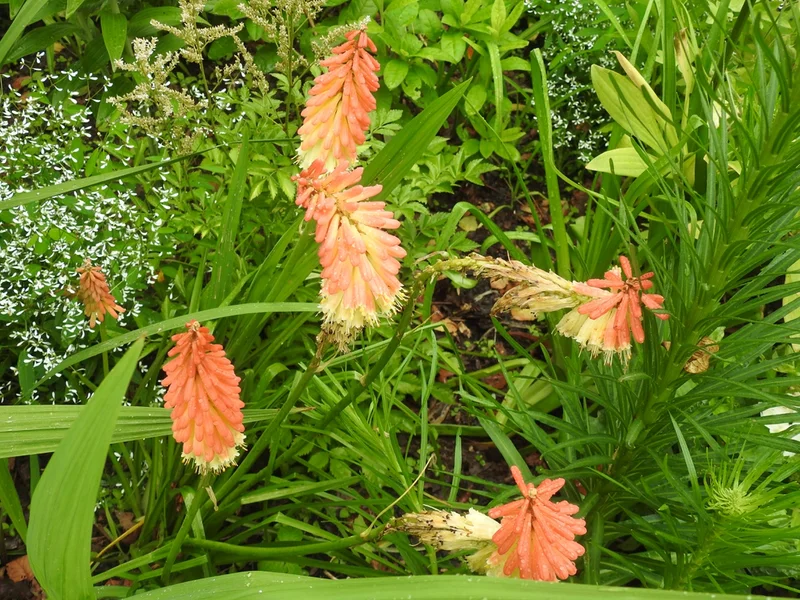
Kniphofia uvaria flowers Photo: Kathleen Moore i Non-toxic to cats Kniphofia uvaria
Sunny position
Kniphofia uvaria only. Check the botanical name; a photo cannot establish the identity of your plant.
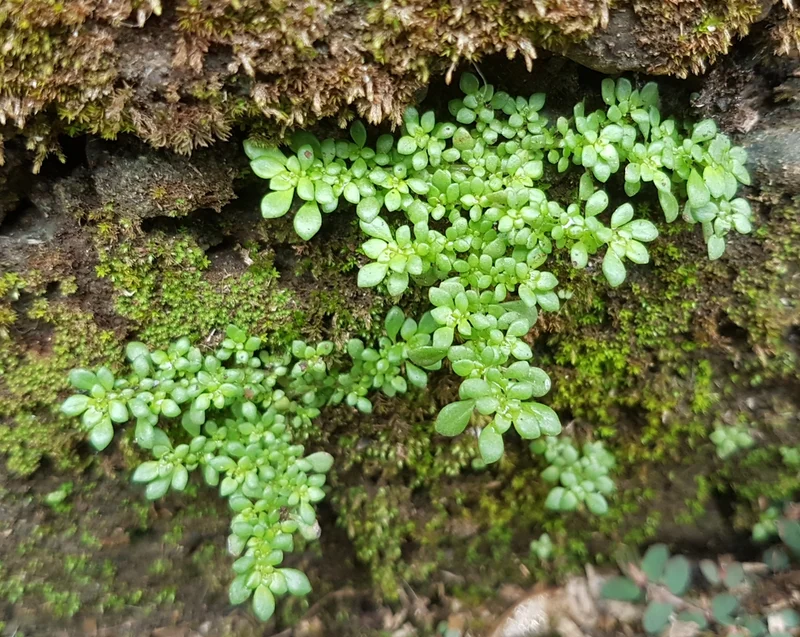
Form Photo: Obsidian Soul i Non-toxic to cats Pilea microphylla
Bright indirect light
Pilea microphylla only. Confirm the botanical label; a photograph cannot identify a visitor’s specimen.
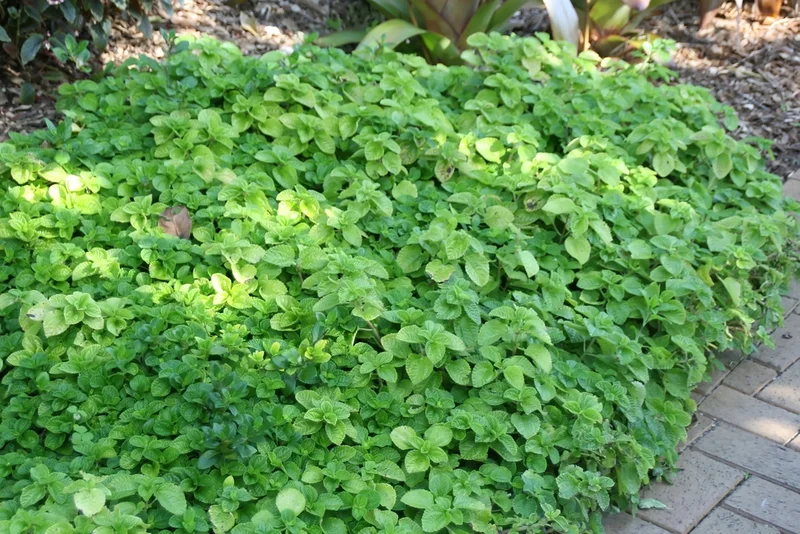
Form Photo: David J.Stang i Non-toxic to cats Pilea nummulariifolia
Medium indirect light
Pilea nummulariifolia only. Confirm the botanical label; a photograph cannot identify a visitor’s specimen.
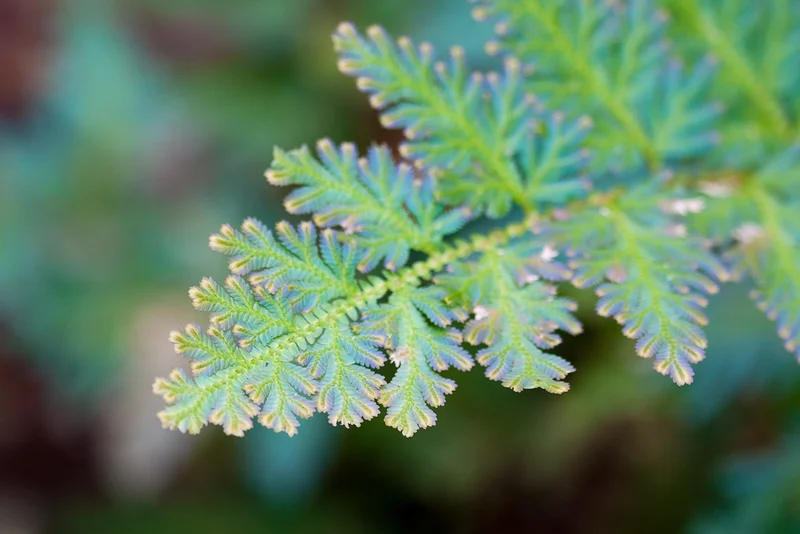
Foliage Photo: Davidyeotb i Non-toxic to cats Selaginella kraussiana
Medium indirect light
Selaginella kraussiana only. Confirm the botanical label; a photograph cannot identify a visitor’s specimen.
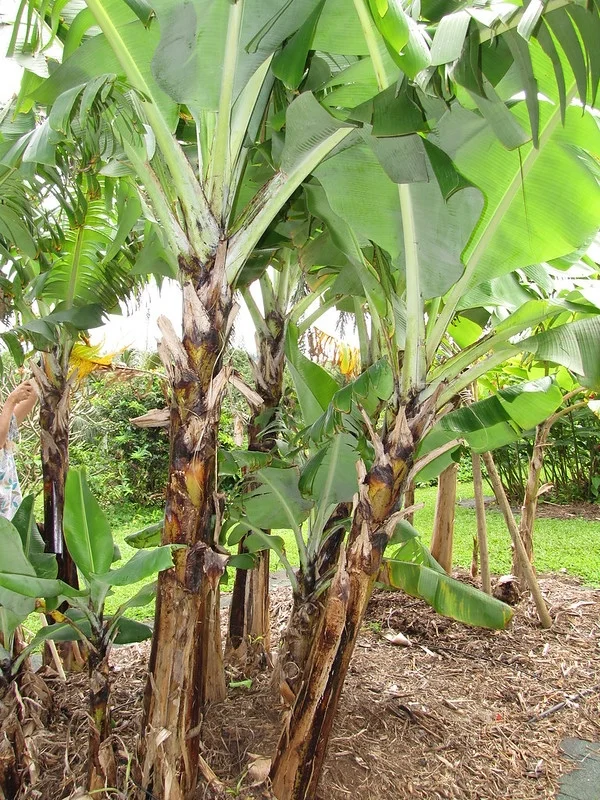
Musa acuminata 'Grand Naine' habit Photo: Forest and Kim Starr i Non-toxic to cats Musa acuminata
Sunny position
Musa acuminata only. Confirm the botanical label; a photograph cannot identify a visitor’s specimen.
Form Photo: Yercaud-elango i Non-toxic to cats Peperomia clusiifolia
Bright indirect light
Peperomia clusiifolia only. Confirm the botanical label; a photograph cannot identify a visitor’s specimen.
Form Photo: Krzysztof Ziarnek, Kenraiz i Non-toxic to cats Peperomia rotundifolia
Bright indirect light
Peperomia rotundifolia only. Confirm the botanical label; a photograph cannot identify a visitor’s specimen.
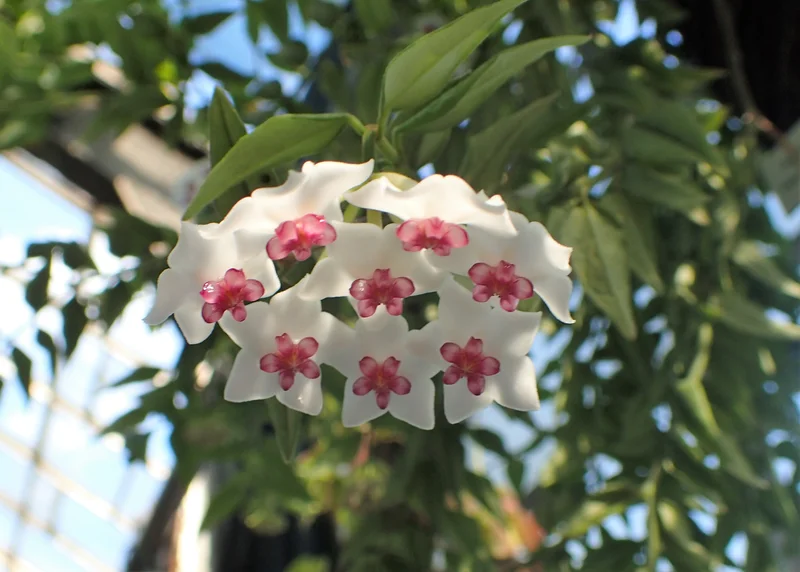
Hoya bella in botanical garden in Kraków Photo: Krzysztof Ziarnek, Kenraiz i Photo details
Wikimedia Commons — Hoya bella
License: CC BY-SA 4.0
Original photograph unchanged; proportionally resized for review and display.
This displayed image is shared under the same CC BY-SA 4.0 license.
Non-toxic to cats Hoya bella
Bright indirect light
Hoya bella only. Confirm the botanical label; a photograph cannot identify a visitor’s specimen.
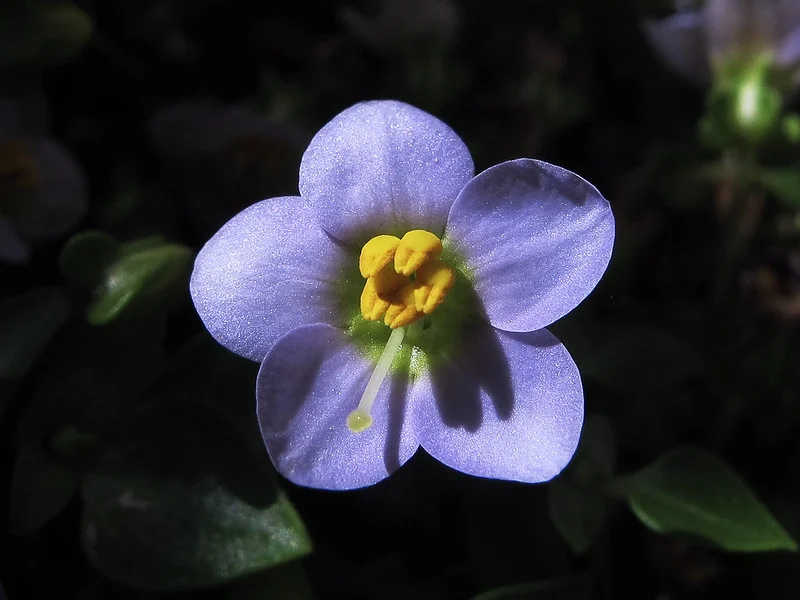
Flower. Photo: Jacinta Lluch Valero i Photo details
NC State Extension — Exacum affine
License: CC BY-SA 2.0
Original photograph unchanged; proportionally resized for review and display.
This displayed image is shared under the same CC BY-SA 2.0 license.
Non-toxic to cats Exacum affine
Medium indirect light
Exacum affine only. Confirm the botanical label; a photograph cannot identify a visitor’s specimen.
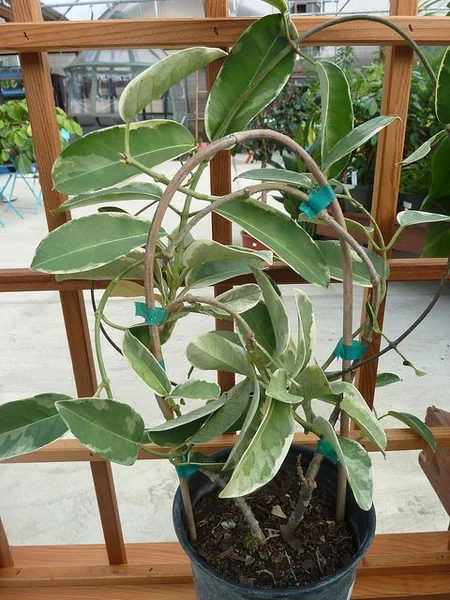
Madagascar jasmine (Stephanotis floribunda), illustrated by the credited photograph. Photo: Kathleen Moore i Non-toxic to cats Stephanotis floribunda
Sunny position
Stephanotis floribunda only. Confirm the botanical label; a photograph cannot identify a visitor’s specimen.
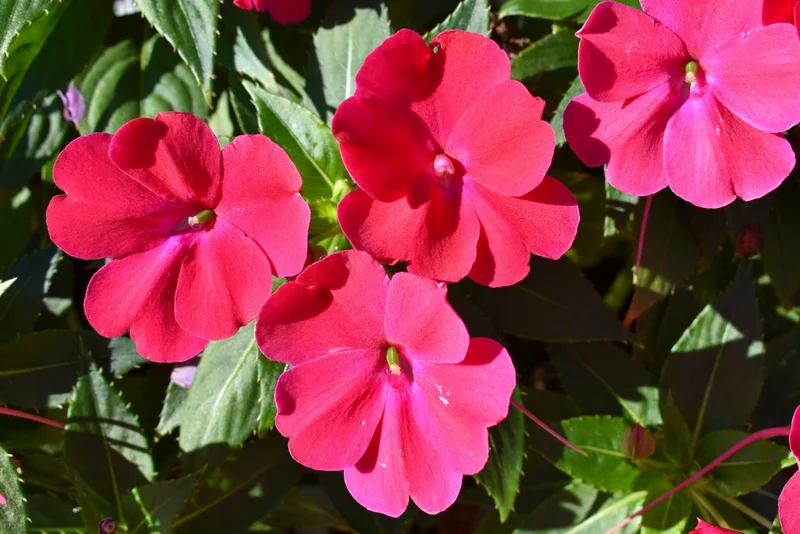
Flowers - Sept. 24 - Moore Co., NC Photo: Cathy DeWitt i Non-toxic to cats Impatiens hawkeri
Some direct sun
Impatiens hawkeri only. Confirm the botanical label; a photograph cannot identify a visitor’s specimen.
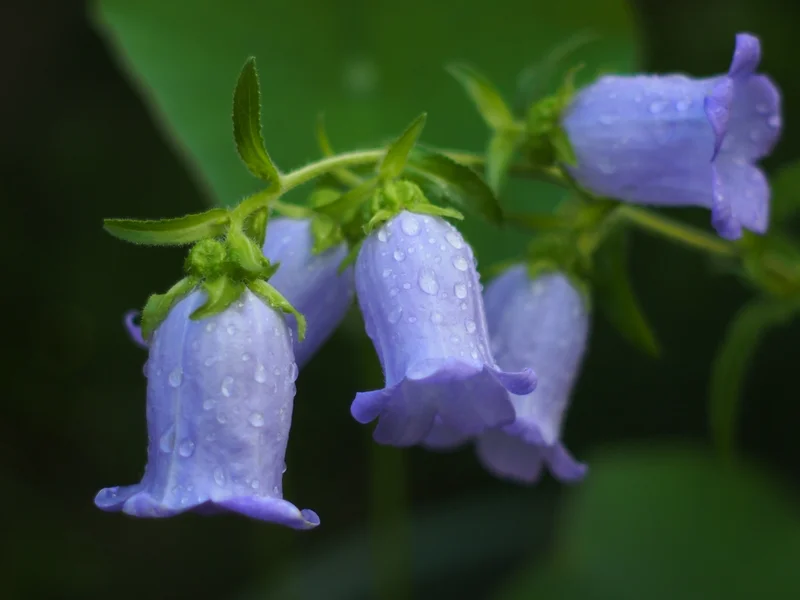
Flowers Photo: M's photography i Non-toxic to cats Campanula medium
Sunny position or Some direct sun
Campanula medium only. Confirm the botanical label; a photograph cannot identify a visitor’s specimen.
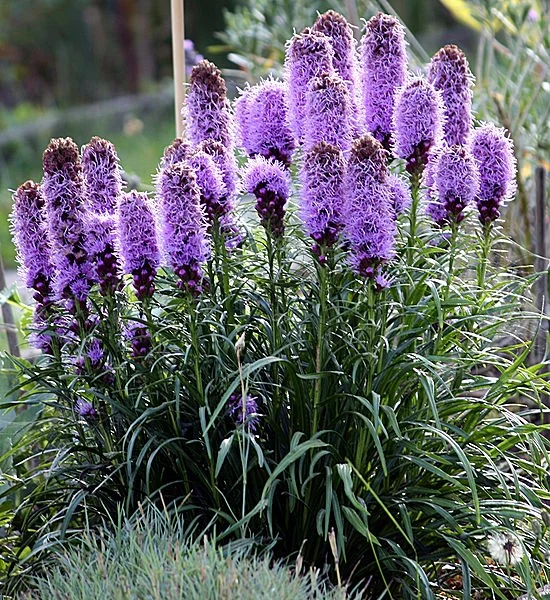
Form Photo: Hedwig Storch i Non-toxic to cats Liatris spicata
Sunny position or Some direct sun
Liatris spicata only. Confirm the botanical label; a photograph cannot identify a visitor’s specimen.
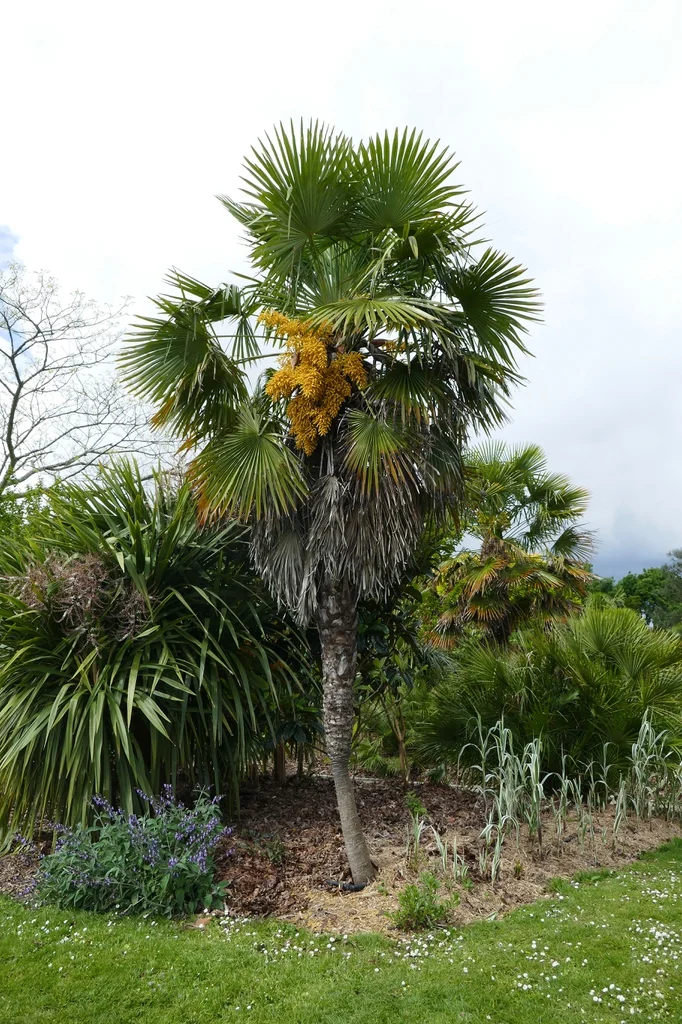
Full form Photo: Ji-Elle i Non-toxic to cats Trachycarpus fortunei
Sunny position or Some direct sun
Trachycarpus fortunei only. Confirm the botanical label; a photograph cannot identify a visitor’s specimen.
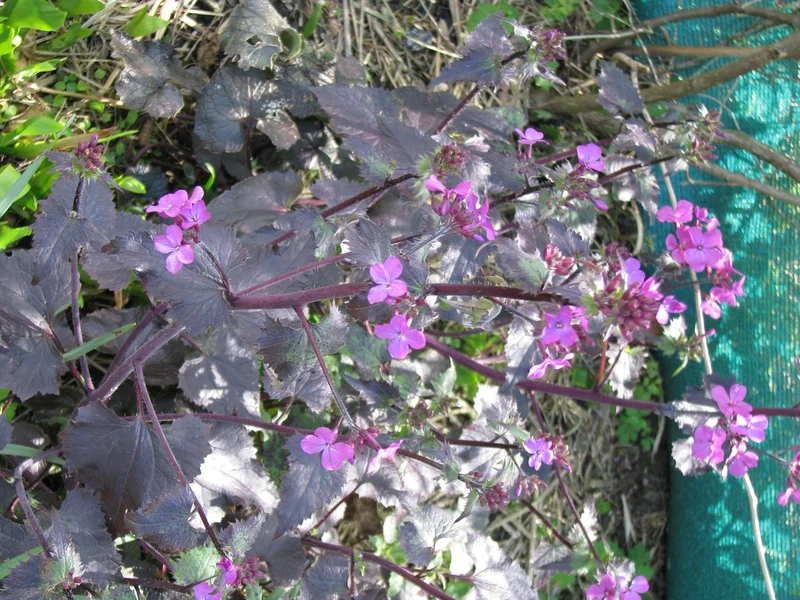
Form Photo: peganum i Non-toxic to cats Lunaria annua
Some direct sun
Lunaria annua only. Confirm the botanical label; a photograph cannot identify a visitor’s specimen.
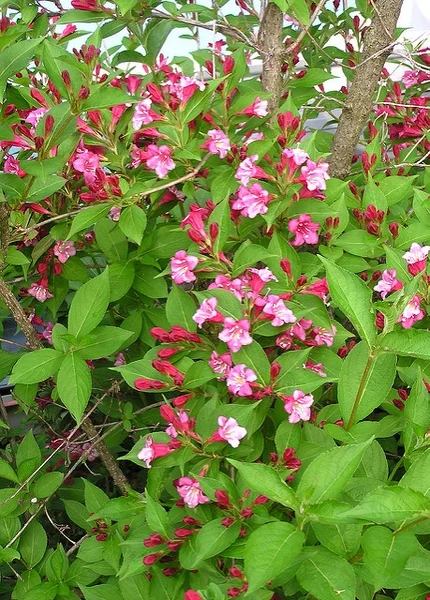
Flower and leaf detail Photo: Normanack i Non-toxic to cats Weigela florida
Sunny position
Weigela florida only. Confirm the botanical label; a photograph cannot identify a visitor’s specimen.
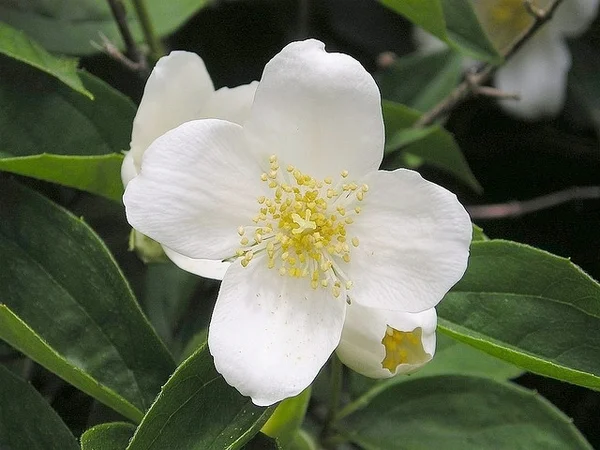
Philadelphus coronarius Photo: Maja Dumat i Non-toxic to cats Philadelphus coronarius
Sunny position or Some direct sun
Philadelphus coronarius only. Confirm the botanical label; a photograph cannot identify a visitor’s specimen.
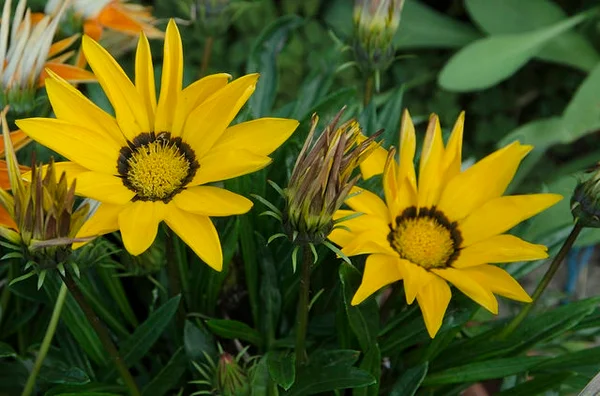
Flowers Photo: Waldemar Jan i Non-toxic to cats Gazania rigens
Sunny position
Gazania rigens only. Confirm the botanical label; a photograph cannot identify a visitor’s specimen.
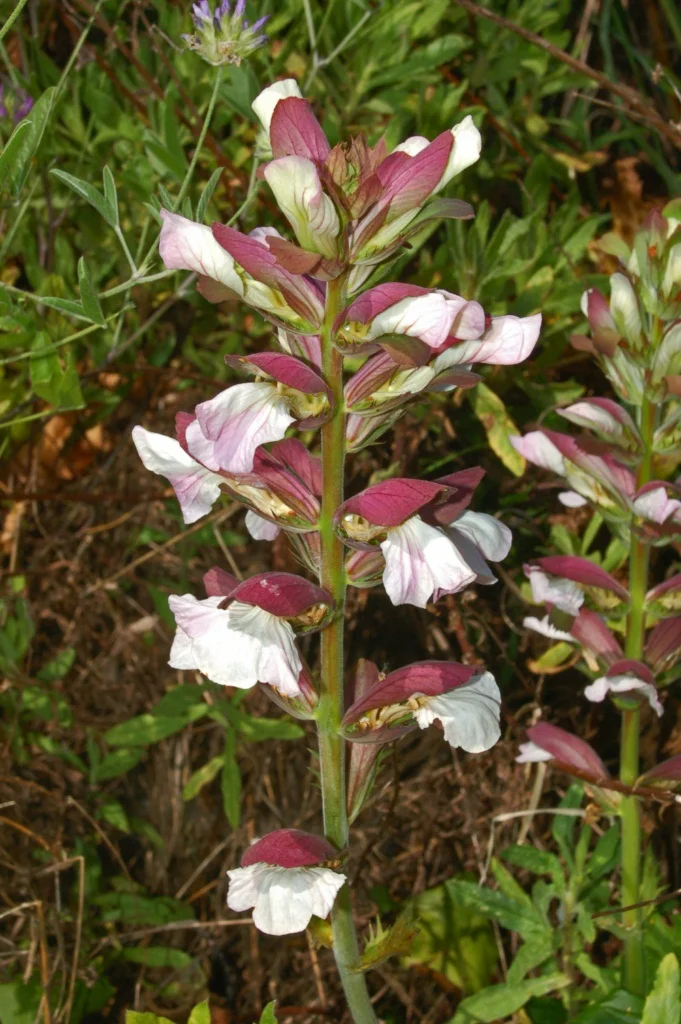
Acanthus mollis Photo: Hectonichus i Non-toxic to cats Acanthus mollis
Sunny position or Some direct sun
Acanthus mollis only. Confirm the botanical label; a photograph cannot identify a visitor’s specimen.
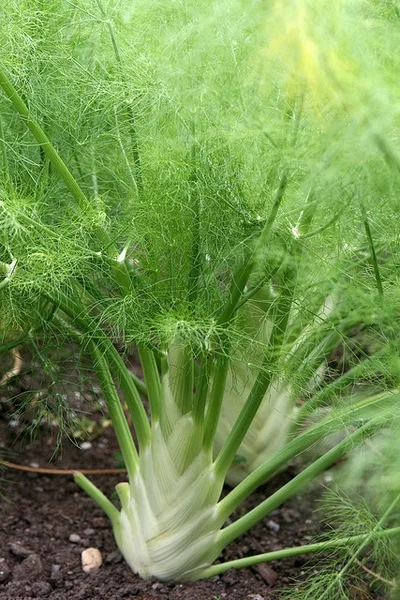
Foeniculum vulgare Photo: Quinn Dombrowski i Non-toxic to cats Foeniculum vulgare
Sunny position
Foeniculum vulgare only. Confirm the botanical label; a photograph cannot identify a visitor’s specimen.
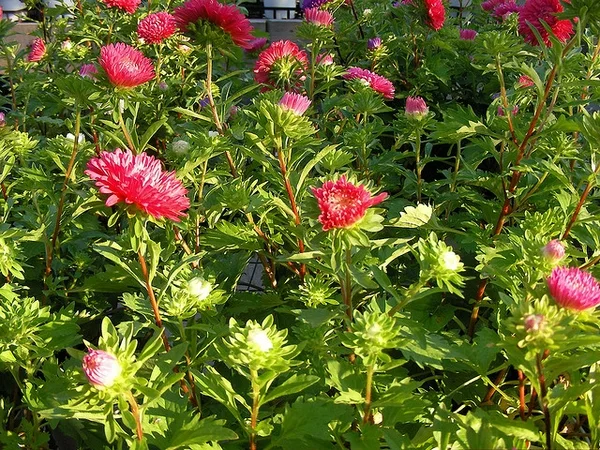
China aster (Callistephus chinensis), illustrated by the credited photograph. Photo: Carl Lewis i Non-toxic to cats Callistephus chinensis
Sunny position or Some direct sun
Callistephus chinensis only. Confirm the botanical label; a photograph cannot identify a visitor’s specimen.
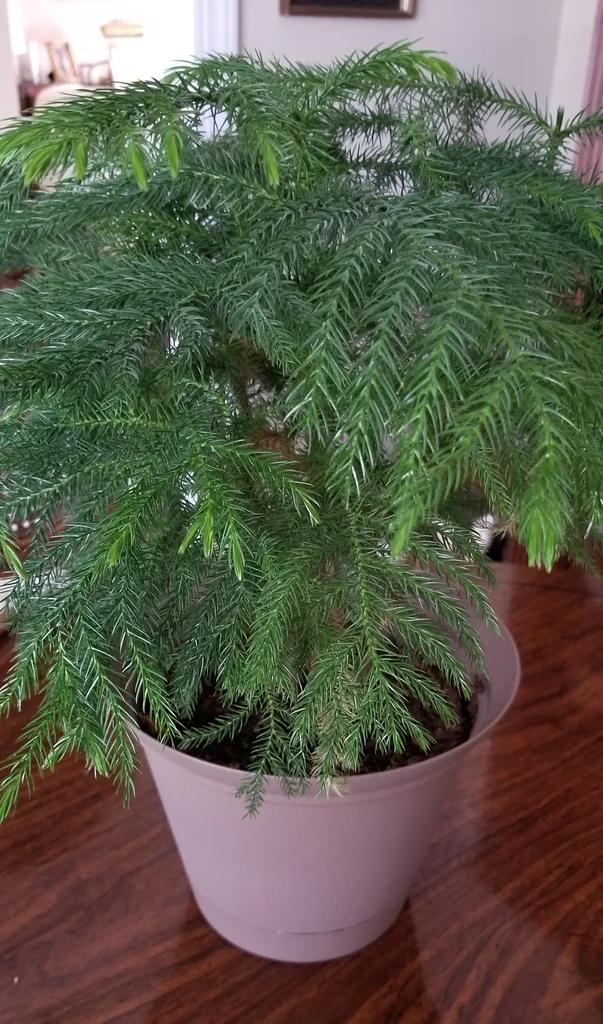
Araucaria heterophylla, Norfolk Island Pine, houseplant view Photo: Cindy Christian i Non-toxic to cats Araucaria heterophylla
Sunny position
Araucaria heterophylla only. Confirm the botanical label; a photograph cannot identify a visitor’s specimen.
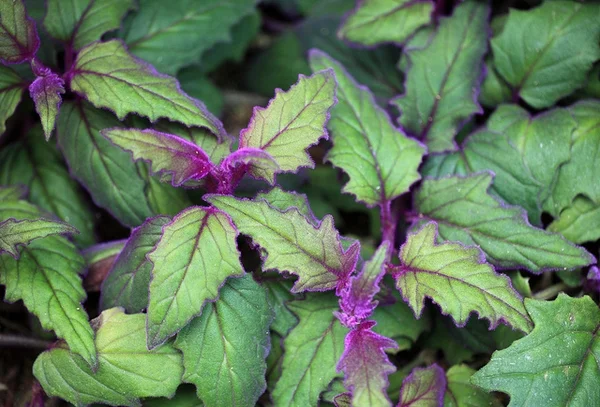
Gynura aurantiaca — source-identified plant photograph. Photo: Tanaka Juuyoh i Non-toxic to cats Gynura aurantiaca
Bright indirect light
Gynura aurantiaca only. Confirm the botanical label; a photograph cannot identify a visitor’s specimen.
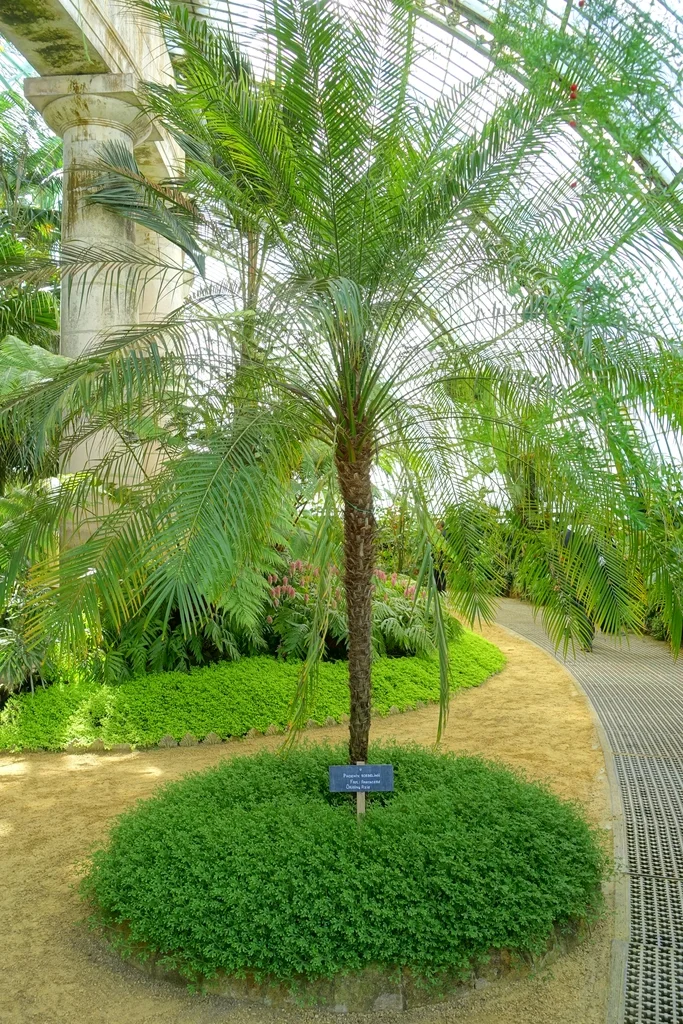
Phoenix roebelenii — source-identified plant photograph. Photo: Daderot i Non-toxic to cats Phoenix roebelenii
Medium indirect light or Bright indirect light
Phoenix roebelenii only. Confirm the botanical label; a photograph cannot identify a visitor’s specimen.
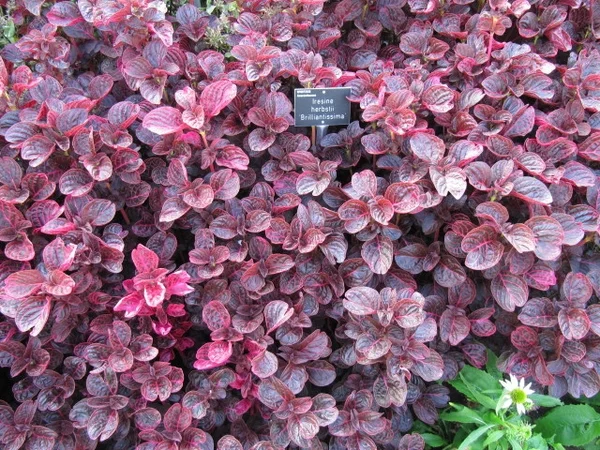
Iresine herbstii — source-identified plant photograph. Photo: Leonora (Ellie) Enking i Non-toxic to cats Iresine herbstii
Sunny position
Iresine herbstii only. Confirm the botanical label; a photograph cannot identify a visitor’s specimen.
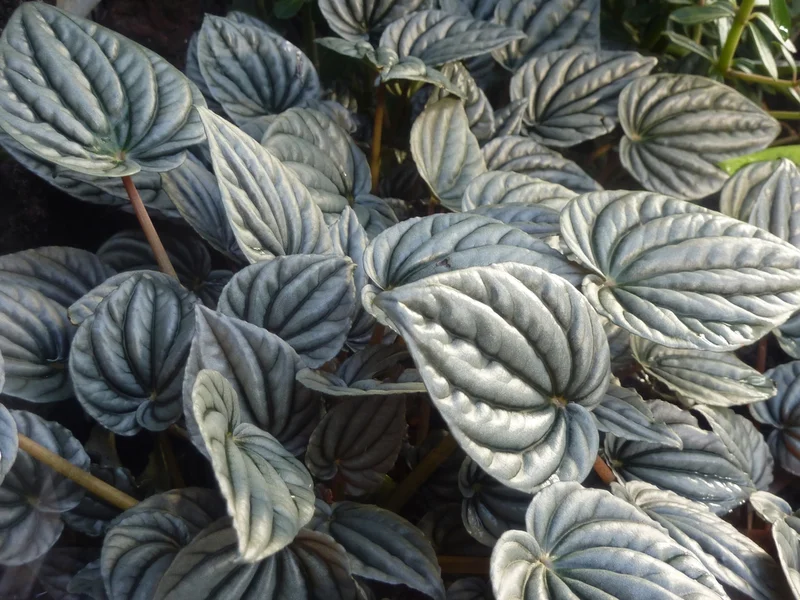
Peperomia griseoargentea — source-identified plant photograph. Photo: James Steakley i Non-toxic to cats Peperomia griseoargentea
Bright indirect light
Peperomia griseoargentea only. Confirm the botanical label; a photograph cannot identify a visitor’s specimen.
Peperomia polybotrya — source-identified plant photograph. Photo: Mokkie i Non-toxic to cats Peperomia polybotrya
Bright indirect light
Peperomia polybotrya only. Confirm the botanical label; a photograph cannot identify a visitor’s specimen.
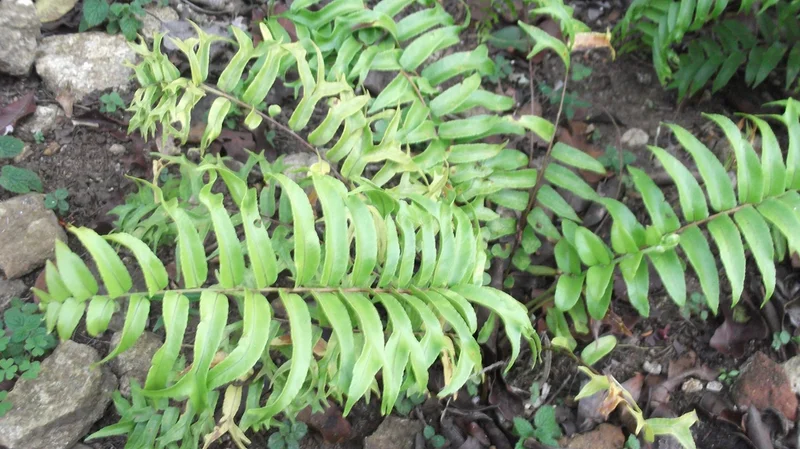
Nephrolepis biserrata — source-identified plant photograph. Photo: Yercaud-elango i Non-toxic to cats Nephrolepis biserrata
Some direct sun or Sunny position
Nephrolepis biserrata only. Confirm the botanical label; a photograph cannot identify a visitor’s specimen.
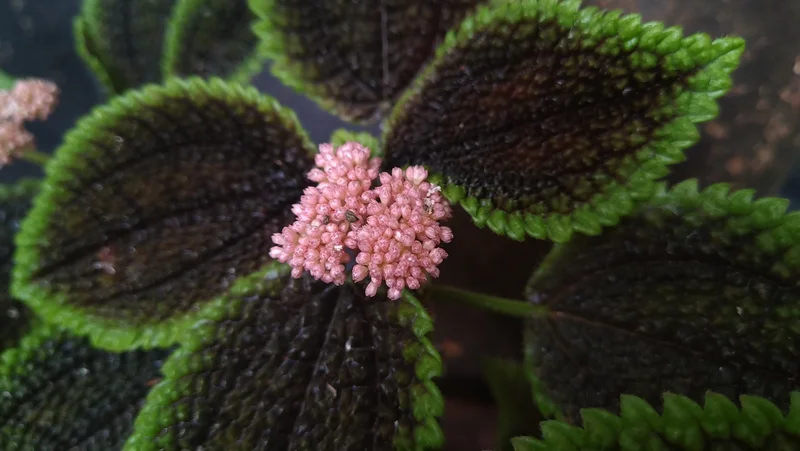
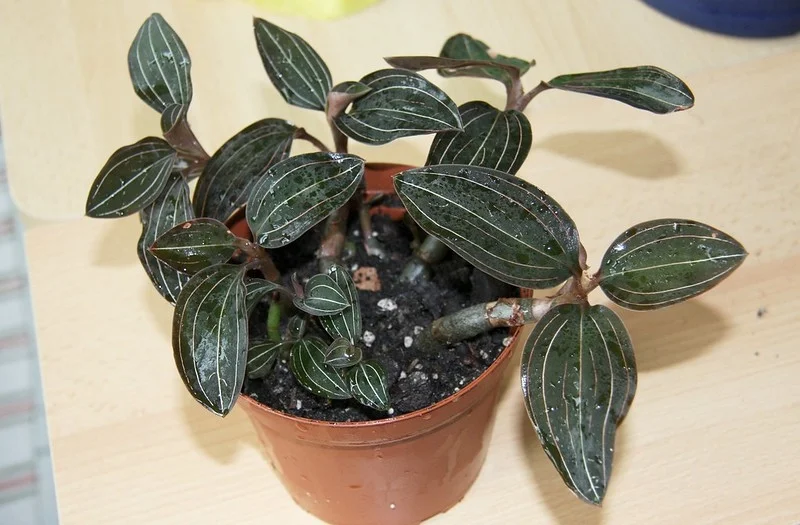
Ludisia discolor — source-identified plant photograph. Photo: Maja Dumat i Non-toxic to cats Ludisia discolor
Medium indirect light
Ludisia discolor only. Confirm the botanical label; a photograph cannot identify a visitor’s specimen.
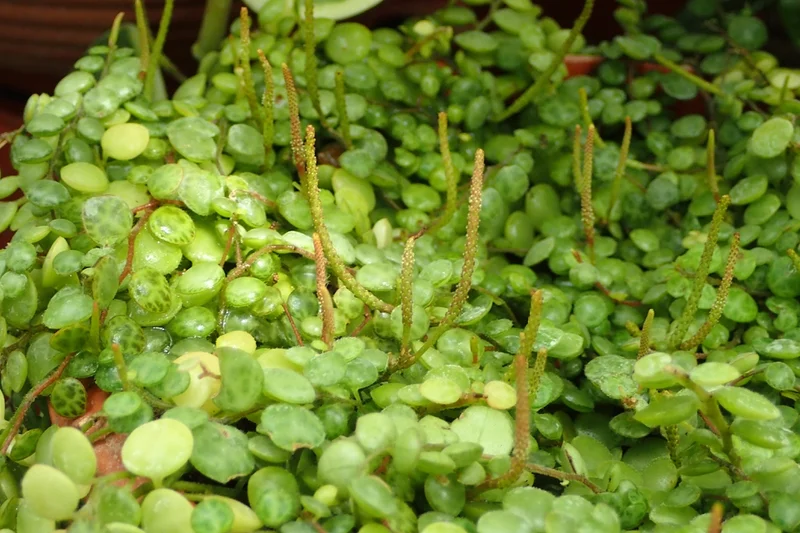
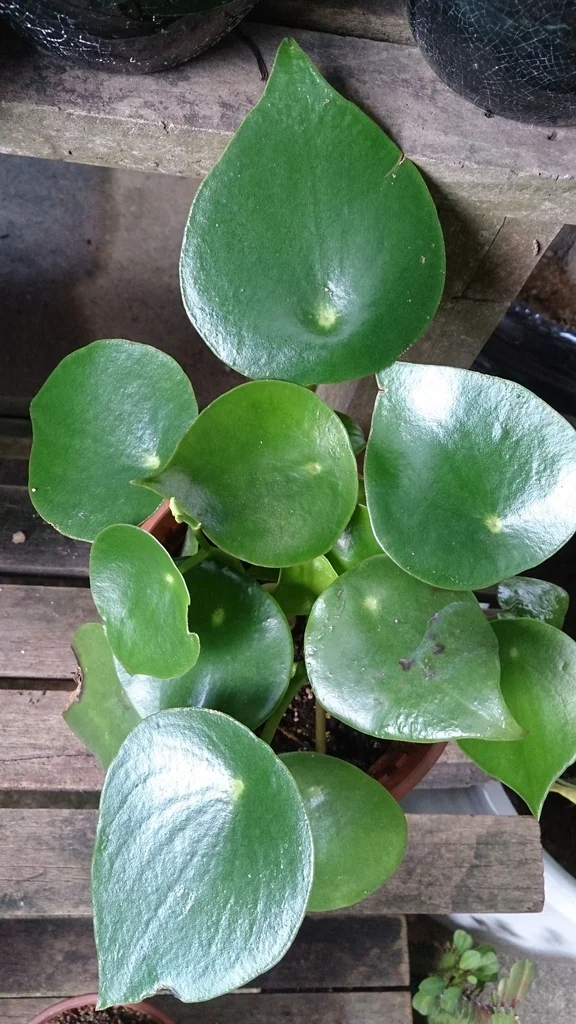
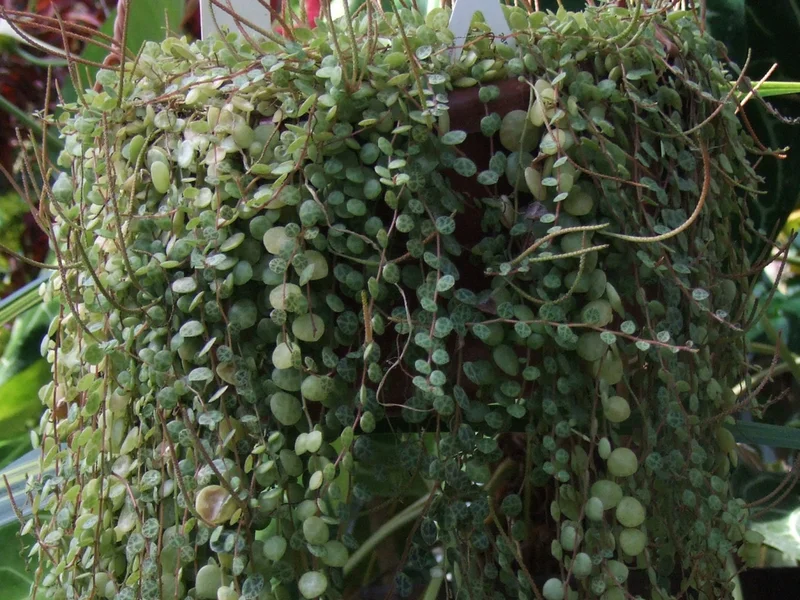
Peperomia prostrata — source-identified plant photograph. Photo: Jerzy Opiola i Non-toxic to cats Peperomia prostrata
Bright indirect light
Peperomia prostrata only. Confirm the botanical label; a photograph cannot identify a visitor’s specimen.
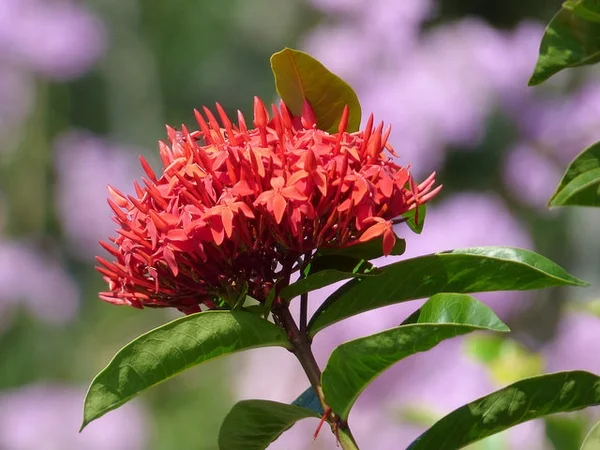
Ixora coccinea — source-identified plant photograph. Photo: Alejandro Bayer Tamayo i Photo details
NC State Extension — Ixora coccinea
License: CC BY-SA 2.0
Original photograph unchanged; proportionally resized for review and display.
This displayed image is shared under the same CC BY-SA 2.0 license.
Non-toxic to cats Ixora coccinea
Sunny position or Some direct sun
Ixora coccinea only. Confirm the botanical label; a photograph cannot identify a visitor’s specimen.
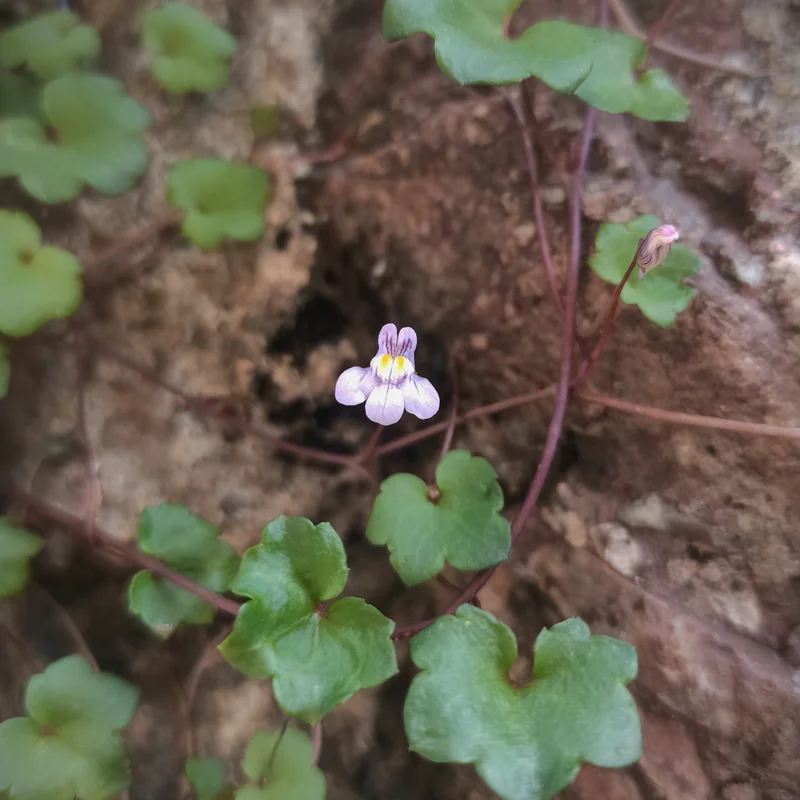
Cymbalaria muralis — source-identified plant photograph. Photo: Juan Carlos Fonseca Mata i Non-toxic to cats Cymbalaria muralis
Light varies by type
Cymbalaria muralis only. Confirm the botanical label; a photograph cannot identify a visitor’s specimen.
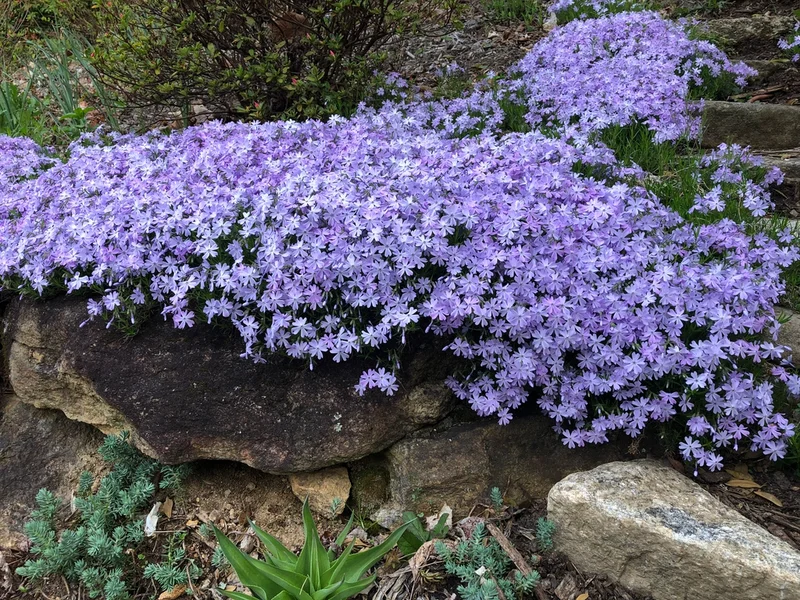
Phlox subulata — source-identified plant photograph. Photo: Patty Felder i Non-toxic to cats Phlox subulata
Sunny position
Phlox subulata only. Confirm the botanical label; a photograph cannot identify a visitor’s specimen.
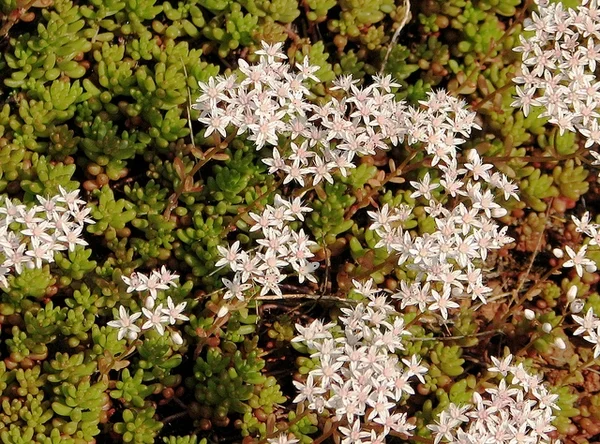
Sedum album — source-identified plant photograph. Photo: Oona Raisanen i Photo details
NC State Extension — Sedum album
License: CC BY-SA 2.0
Original photograph unchanged; proportionally resized for review and display.
This displayed image is shared under the same CC BY-SA 2.0 license.
Non-toxic to cats Sedum album
Sunny position
Sedum album only. Confirm the botanical label; a photograph cannot identify a visitor’s specimen.
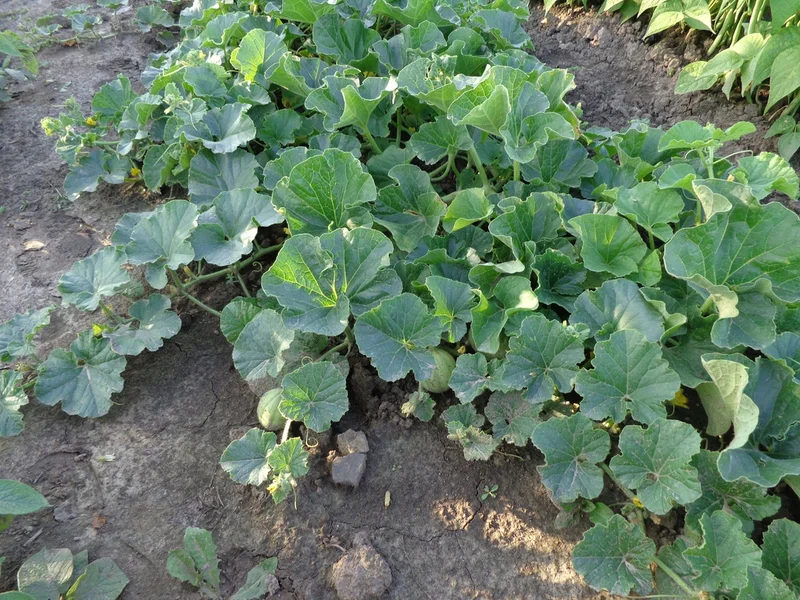
Cucumis melo — source-identified plant photograph. Photo: Aleksandrs Balodis i Photo details
NC State Extension — Cucumis melo
License: CC BY-SA 3.0
Original photograph unchanged; proportionally resized for review and display.
This displayed image is shared under the same CC BY-SA 3.0 license.
Non-toxic to cats Cucumis melo
Sunny position
Cucumis melo only. Confirm the botanical label; a photograph cannot identify a visitor’s specimen.
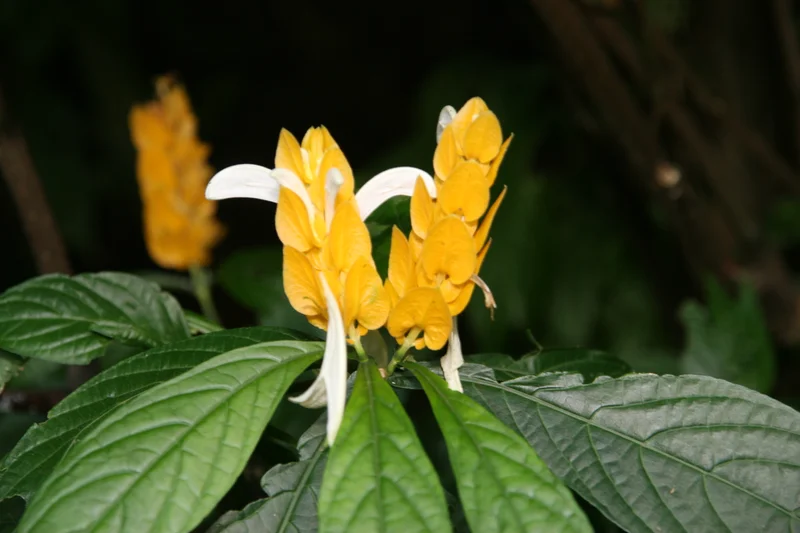
Pachystachys lutea — source-identified plant photograph. Photo: Photo by David J. Stang i Non-toxic to cats Pachystachys lutea
Sunny position or Some direct sun
Pachystachys lutea only. Confirm the botanical label; a photograph cannot identify a visitor’s specimen.
Dendrobium nobile — source-identified plant photograph. Photo: Gió Đông (thảo luận) i Non-toxic to cats Dendrobium nobile
Medium indirect light or Bright indirect light
Dendrobium nobile only. Confirm the botanical label; a photograph cannot identify a visitor’s specimen.