Plant guide
Hosta
Hosta spp.
Hostas can upset a cat’s stomach if eaten, with vomiting, diarrhea or unusual tiredness. Keep them out of chewing reach even though veterinary references differ on their safety classification.
What this guide covers: Hosta spp. only. Confirm the botanical identity; a photograph alone cannot establish plant identity.
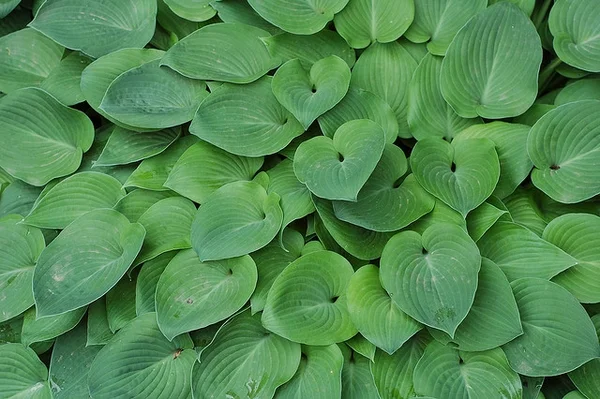
Photo:
Photo details
Hosta spp. — Hosta spp.
By Dave Herholtz
License: CC BY-SA 2.0
Resized and converted to WebP for display; botanical details unchanged.
This displayed image is shared under the same CC BY-SA 2.0 license.
Plant shopping
Explore this plant
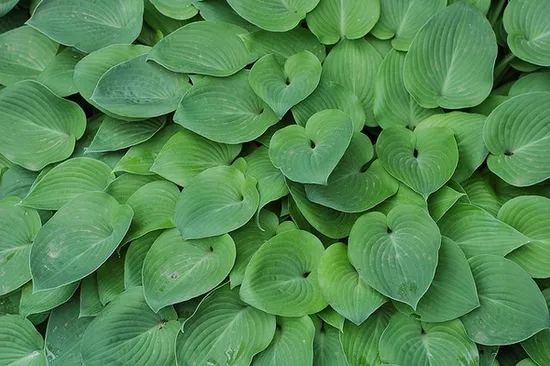
Photo:
Photo details
Hosta spp. — Hosta spp.
By Dave Herholtz
License: CC BY-SA 2.0
Resized and converted to WebP for display; botanical details unchanged.
This displayed image is shared under the same CC BY-SA 2.0 license.
Patriot hosta plants
View on Amazon — Patriot hosta plants; paid link; opens in a new tabPaid link · Opens in a new tab
Cat safety is unresolved. This purchase link is not a cat-safe recommendation. Prevent your cat from accessing this plant.
Read the evidence in this guide ↓Explore non-toxic plants →A little paw-note: We may earn a commission when you buy through these links. This helps us keep building and helps Nico & Larry sustain their lavish kitty lifestyle.
As an Amazon Associate I earn from qualifying purchases.
Look for Hosta spp. and check the selected variety. Listings and availability can change.
Plant identity
- Scientific name
- Hosta spp.
- Scope
- Genus-level group
- Family
- Not recorded
- Also known as
- No reviewed aliases available
Our practical recommendation
Your cat comes first.
Hostas can upset a cat’s stomach if eaten, with vomiting, diarrhea or unusual tiredness. Keep them out of chewing reach even though veterinary references differ on their safety classification.
Explore reviewed non-toxic plants ↗Why the guidance differs
Pet Poison Helpline identifies Hosta at genus level and reports digestive and lethargy effects. VPIS lists Hosta species as pet-safe. ASPCA instead prints Hosta plataginea; do not silently expand that species entry to the genus.
A disagreement between references does not cancel a toxicity warning. We keep those warnings visible while the assessment remains unresolved.
Sources & review
Pet Poison Helpline identifies Hosta at genus level and reports digestive and lethargy effects. VPIS lists Hosta species as pet-safe. ASPCA instead prints Hosta plataginea; do not silently expand that species entry to the genus.
Source scope and date
Pet Poison Helpline · Source name: Hosta. Hosta spp. only. Confirm the botanical identity; a photograph alone cannot establish plant identity.
Accessed .
Pet Poison Helpline identifies Hosta at genus level and reports digestive and lethargy effects. VPIS lists Hosta species as pet-safe. ASPCA instead prints Hosta plataginea; do not silently expand that species entry to the genus.
Source scope and date
ASPCA · Source name: Hosta plataginea. Hosta spp. only. Confirm the botanical identity; a photograph alone cannot establish plant identity.
Accessed .
Includes Hosta species in its pet-safe plant list.
Source scope and date
Veterinary Poisons Information Service · Source name: Hosta species. Hosta spp. only. Confirm the botanical identity; a photograph alone cannot establish plant identity.
Accessed .
Evidence checked . The cat-safety classification remains unresolved.
Find the right spot
How to grow this plant
Hosta spp. only. Confirm the botanical identity; a photograph alone cannot establish plant identity.
- Light
- Varies by type
Dappled or morning light; protect shade-loving forms from hot sun.
- Watering
Keep soil moist without leaving roots waterlogged.
- Temperature
- Temperature range not yet established
Outdoor perennials need seasonal dormancy; no indoor temperature interval assigned.
- Humidity
No specific humidity target established.
- Potting
- Organic, well-drained soil.
- Through the year
- Divide crowded clumps in early spring. Light tolerance differs among cultivars.
Growing-guide sources
- Hosta spp. ↗NC State Extension · Accessed 2026-10-16
Hosta spp. only. Confirm the botanical identity; a photograph alone cannot establish plant identity.
Growing advice reviewed 2026-10-16. Plant safety is assessed separately.
Safe alternatives
No verified alternative recommendations are available for this guide.