Plant guide
Crimson cattleya
Cattleya labiata
Crimson cattleya is non-toxic to cats. Keep flowers and leaves away from cats that like to chew.
Non-toxic does not mean edible. Eating plant material can still upset your cat’s stomach.
What this guide covers: Cattleya labiata only. This assessment does not identify or classify every orchid or intergeneric cattleya hybrid.
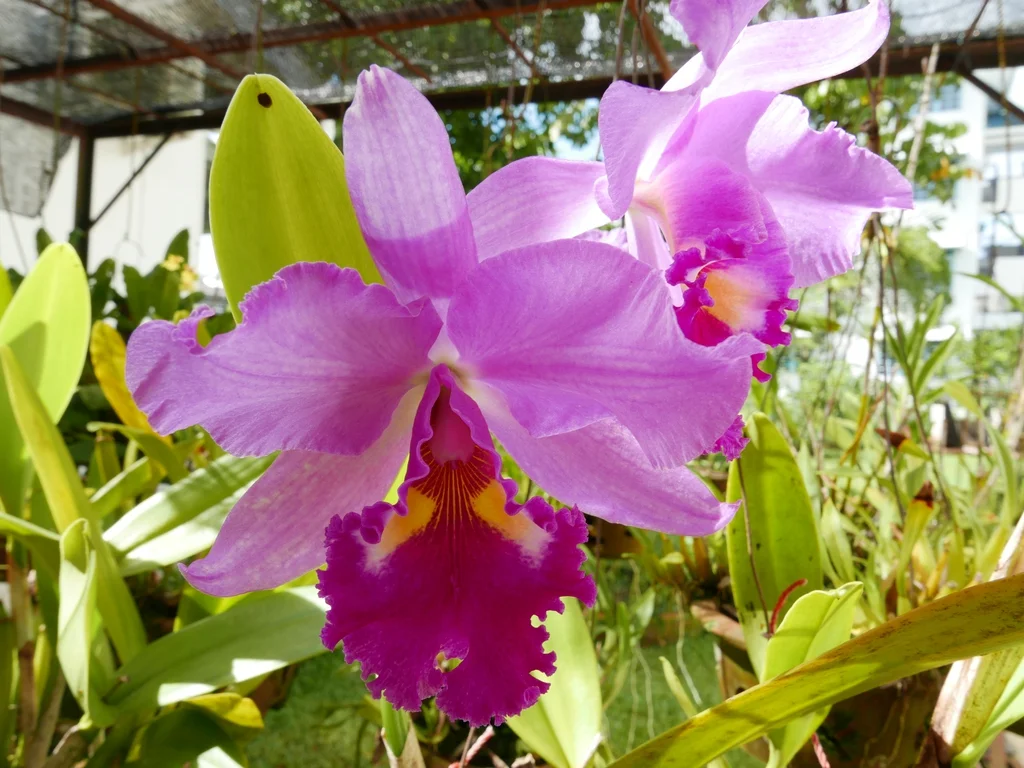
Photo:
Photo details
Cattleya labiata — Flower
By chipmunk_1
License: CC BY-SA 2.0
Resized and converted to WebP for display; botanical details unchanged.
This displayed image is shared under the same CC BY-SA 2.0 license.
Plant identity
- Scientific name
- Cattleya labiata
- Scope
- Species
- Family
- Not recorded
- Also known as
- No reviewed aliases available
Find the right spot
How to grow this plant
Cattleya labiata only. This assessment does not identify or classify every orchid or intergeneric cattleya hybrid.
- Light
- Bright indirect light
Bright window light, protected from leaf-scorching direct sun.
- Watering
- Let the mix dry
Let the potting medium dry between thorough waterings, then drain well.
- Temperature
- Temperature range not yet established
70-85 F by day and 55-60 F at night; do not merge these into one all-day range.
- Humidity
Humidity above 50%, with good air circulation.
- Potting
- Coarse orchid bark or another freely draining orchid medium.
- Through the year
- Repot as the medium deteriorates, usually about every two years, near new root growth.
Growing-guide sources
- Cattleya labiata ↗NC State Extension · Accessed 2026-10-16
Cattleya labiata only. This assessment does not identify or classify every orchid or intergeneric cattleya hybrid.
- Cattleya growing guide ↗NC State Extension · Accessed 2026-10-16
The Cattleya labiata page explicitly directs care to this genus guide.
Growing advice reviewed 2026-10-16. Plant safety is assessed separately.
Reviewed safety information
- Toxic principle
- Not recorded in the reviewed evidence
- Reported signs
- Not recorded in the reviewed evidence
Missing information is unknown. It should not be interpreted as an absence of risk.
Safe alternatives
No verified alternative recommendations are available for this guide.
Sources & review
- Crimson cattleya: toxic and non-toxic plants ↗ASPCA · Accessed
Safety last reviewed .