Plant guide
Daffodil
Narcissus spp.
Daffodils are considered toxic to cats. Eating them can cause vomiting or diarrhea, and larger ingestions may affect the heart or cause tremors and seizures. The bulbs are especially dangerous. Contact your veterinarian promptly after a suspected ingestion.
What this guide covers: This guide covers the Narcissus genus, including daffodils. It does not cover unrelated plants with similar flower names.
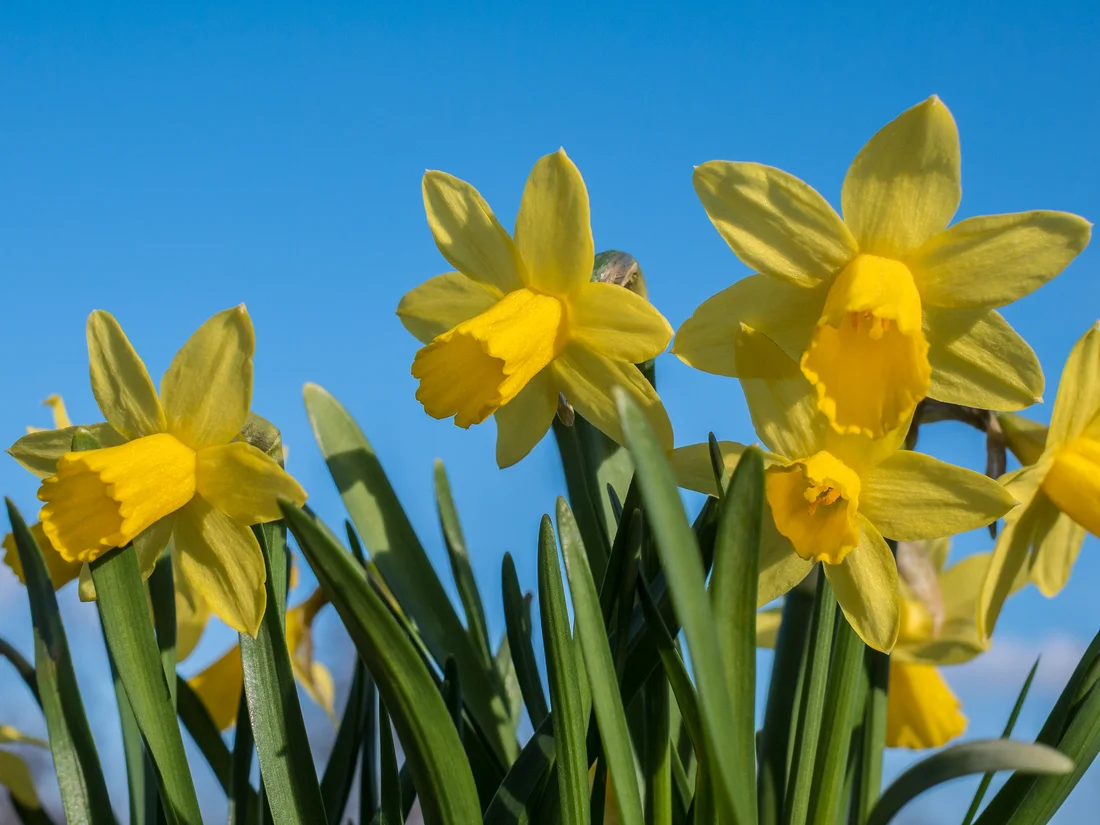
Photo:
Photo details
Narcissus flowers.jpg
By Uberprutser

License: CC BY-SA 3.0
Resized and converted to WebP for display; botanical details unchanged.
This displayed image is shared under the same CC BY-SA 3.0 license.
Plant shopping
Explore this plant
Photo:
Photo details
Narcissus flowers.jpg
By Uberprutser
License: CC BY-SA 3.0
Resized and converted to WebP for display; botanical details unchanged.
This displayed image is shared under the same CC BY-SA 3.0 license.
Replete daffodil bulbs
View on Amazon — Replete daffodil bulbs; paid link; opens in a new tabPaid link · Opens in a new tab
Keep away from cats. We do not recommend this plant for a home where cats could reach it.
Explore non-toxic plants →A little paw-note: We may earn a commission when you buy through these links. This helps us keep building and helps Nico & Larry sustain their lavish kitty lifestyle.
As an Amazon Associate I earn from qualifying purchases.
Look for Narcissus spp. and check the selected variety. Listings and availability can change.
Plant identity
- Scientific name
- Narcissus spp.
- Scope
- Genus-level group
- Family
- Amaryllidaceae
- Also known as
- No reviewed aliases available
Find the right spot
How to grow this plant
General Narcissus growing guidance. The genus includes bulbs with different indoor forcing requirements, so a single indoor temperature range is not assigned.
- Light
- Sunny position or Some direct sun
Grow outdoors in sun to partial shade. Indoor displays need guidance for the particular daffodil type.
- Watering
- Keep evenly moist
Maintain moisture during active growth, with free drainage.
- Temperature
- Temperature range not yet established
A normal indoor growing range has not been established in this review.
- Potting
- Use well-drained soil or a draining container.
- Through the year
- Let foliage yellow naturally after flowering. Do not assume all Narcissus, including paperwhites, share the same forcing or chilling schedule.
Growing-guide sources
- narcissus - Extension Gardener Plant Toolbox ↗NC State Extension · Accessed 2026-10-13
Care guidance for the named taxon; indoor recommendations take precedence over outdoor hardiness information.
Growing advice reviewed 2026-10-14. Plant safety is assessed separately.
Reviewed safety information
- Toxic principle
- Lycorine and other alkaloids
- Reported signs
- Vomiting; Diarrhea; Tremors; Seizures; Low blood pressure; Abnormal heart rhythm
- Severity
- Severity not established
Missing information is unknown. It should not be interpreted as an absence of risk.
Safe alternatives
No verified alternative recommendations are available for this guide.
Sources & review
- Daffodil ↗ASPCA Poison Control · Accessed
Listed by the source as Narcissus spp. The source uses Narcissus spp without a final period. The punctuation difference does not change the assessed genus group.
- Daffodil ↗ASPCA Poison Control · Accessed 2026-10-12
Safety last reviewed .