Plant guide
Dutch spring crocus
Crocus vernus
Keep spring crocus away from cats that nibble plants. It may cause drooling or digestive upset. It is different from highly poisonous autumn crocus, so ask a veterinarian for help if the plant identity is uncertain.
What this guide covers: Crocus vernus only. Check the botanical name; a photo cannot establish the identity of your plant.
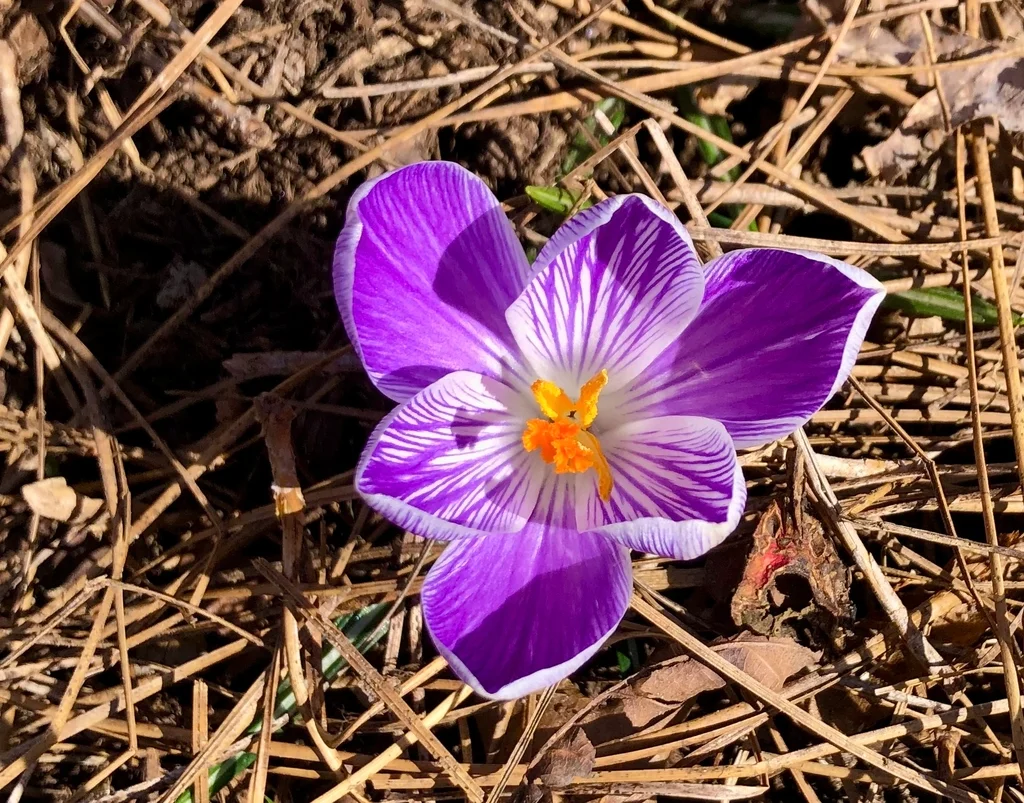
Photo:
Photo details
Crocus vernus — Flower (Warren County, NC)-Early Spring
By Cathy Dewitt
License: CC BY 4.0
Resized and converted to WebP for display; botanical details unchanged.
Plant identity
- Scientific name
- Crocus vernus
- Scope
- Species
- Family
- Not recorded
- Also known as
- No reviewed aliases available
Our practical recommendation
Your cat comes first.
Keep spring crocus away from cats that nibble plants. It may cause drooling or digestive upset. It is different from highly poisonous autumn crocus, so ask a veterinarian for help if the plant identity is uncertain.
Explore reviewed non-toxic plants ↗Why the guidance differs
Pet Poison Helpline describes digestive effects in dogs and cats for spring-blooming Crocus; VPIS lists Crocus species as pet-safe. Preserve this disagreement as a caution guide. NC State identifies C. vernus in the photo evidence; the general Crocus care guidance is narrowed to this spring-blooming species. Colchicum autumnale is excluded.
A disagreement between references does not cancel a toxicity warning. We keep those warnings visible while the assessment remains unresolved.
Sources & review
Includes Crocus species in its pet-safe plant list.
Source scope and date
Veterinary Poisons Information Service · Source name: Crocus species. Crocus vernus only. Check the botanical name; a photo cannot establish the identity of your plant.
Accessed .
Pet Poison Helpline describes digestive effects in dogs and cats for spring-blooming Crocus; VPIS lists Crocus species as pet-safe. Preserve this disagreement as a caution guide. NC State identifies C. vernus in the photo evidence; the general Crocus care guidance is narrowed to this spring-blooming species. Colchicum autumnale is excluded.
Source scope and date
Pet Poison Helpline · Source name: Crocus spp.. Crocus vernus only. Check the botanical name; a photo cannot establish the identity of your plant.
Accessed .
Pet Poison Helpline describes digestive effects in dogs and cats for spring-blooming Crocus; VPIS lists Crocus species as pet-safe. Preserve this disagreement as a caution guide. NC State identifies C. vernus in the photo evidence; the general Crocus care guidance is narrowed to this spring-blooming species. Colchicum autumnale is excluded.
Source scope and date
Pet Poison Helpline · Source name: Crocus species. Crocus vernus only. Check the botanical name; a photo cannot establish the identity of your plant.
Accessed .
Evidence checked . The cat-safety classification remains unresolved.
Find the right spot
How to grow this plant
Crocus vernus only. Check the botanical name; a photo cannot establish the identity of your plant.
- Light
- Sunny position or Some direct sun
Full sun to partial shade.
- Watering
Keep moist during active growth while maintaining drainage.
- Temperature
- Temperature range not yet established
Spring-growing outdoor corm; no indoor temperature range proposed.
- Humidity
No specific humidity target established.
- Potting
- Gritty, well-drained soil; avoid heavy clay.
- Through the year
- Plant in fall. Let foliage remain after flowering to replenish the corm; divide crowded clumps periodically.
Growing-guide sources
- Crocus vernus ↗NC State Extension · Accessed 2026-10-16
Crocus vernus only. Check the botanical name; a photo cannot establish the identity of your plant.
Growing advice reviewed 2026-10-17. Plant safety is assessed separately.
Safe alternatives
No verified alternative recommendations are available for this guide.