Plant guide
Gardenia
Gardenia jasminoides
Keep gardenia away from cats that chew plants. It can cause stomach upset and skin reactions, although veterinary references differ on its overall classification.
What this guide covers: Gardenia jasminoides only. Confirm the botanical identity; a photograph alone cannot establish plant identity.
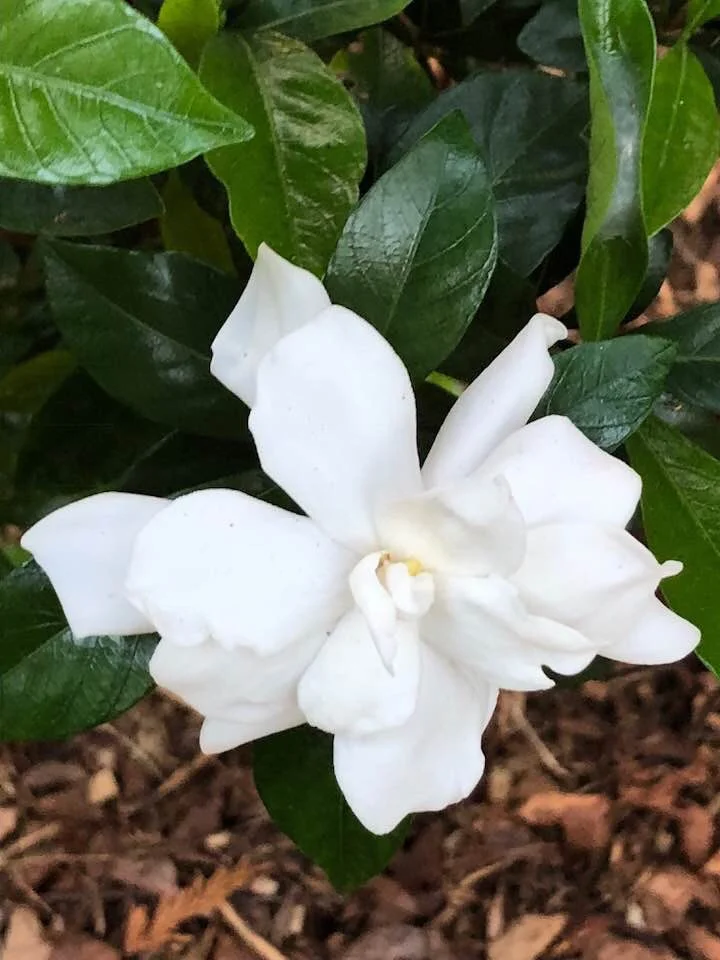
Photo:
Photo details
Gardenia jasminoides — Flower and Leaves (Wake County, NC)-Summer
By Cathy Dewitt
License: CC BY 4.0
Resized and converted to WebP for display; botanical details unchanged.
Plant shopping
Explore this plant
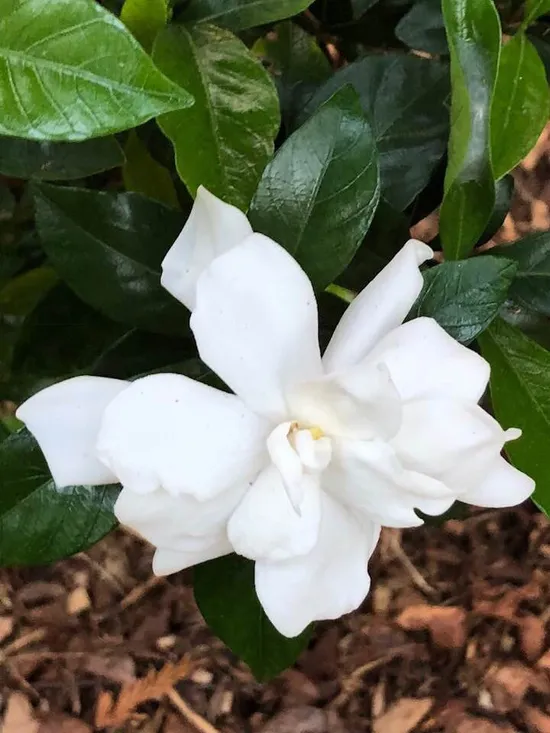
Photo:
Photo details
Gardenia jasminoides — Flower and Leaves (Wake County, NC)-Summer
By Cathy Dewitt
License: CC BY 4.0
Resized and converted to WebP for display; botanical details unchanged.
Veitchii gardenia plant
View on Amazon — Veitchii gardenia plant; paid link; opens in a new tabPaid link · Opens in a new tab
Cat safety is unresolved. This purchase link is not a cat-safe recommendation. Prevent your cat from accessing this plant.
Read the evidence in this guide ↓Explore non-toxic plants →A little paw-note: We may earn a commission when you buy through these links. This helps us keep building and helps Nico & Larry sustain their lavish kitty lifestyle.
As an Amazon Associate I earn from qualifying purchases.
Look for Gardenia jasminoides and check the selected variety. Listings and availability can change.
Plant identity
- Scientific name
- Gardenia jasminoides
- Scope
- Species
- Family
- Not recorded
- Also known as
- No reviewed aliases available
Our practical recommendation
Your cat comes first.
Keep gardenia away from cats that chew plants. It can cause stomach upset and skin reactions, although veterinary references differ on its overall classification.
Explore reviewed non-toxic plants ↗Why the guidance differs
ASPCA names this species and describes digestive upset and hives; VPIS lists Gardenia species as pet-safe. Preserve both positions and do not recommend it as a safe alternative.
A disagreement between references does not cancel a toxicity warning. We keep those warnings visible while the assessment remains unresolved.
Sources & review
ASPCA names this species and describes digestive upset and hives; VPIS lists Gardenia species as pet-safe. Preserve both positions and do not recommend it as a safe alternative.
Source scope and date
ASPCA · Source name: Gardenia jasminoides. Gardenia jasminoides only. Confirm the botanical identity; a photograph alone cannot establish plant identity.
Accessed .
Includes Gardenia species in its pet-safe plant list.
Source scope and date
Veterinary Poisons Information Service · Source name: Gardenia species. Gardenia jasminoides only. Confirm the botanical identity; a photograph alone cannot establish plant identity.
Accessed .
Evidence checked . The cat-safety classification remains unresolved.
Find the right spot
How to grow this plant
Gardenia jasminoides only. Confirm the botanical identity; a photograph alone cannot establish plant identity.
- Light
- Bright indirect light
Bright indirect light or partial shade.
- Watering
Keep soil moist with good drainage; avoid waterlogging.
- Temperature
- Temperature range not yet established
Protect from cold and drying winds; no preferred numerical range established.
- Humidity
No specific humidity target established.
- Potting
- Rich, acidic, well-drained soil.
- Through the year
- Avoid disturbing roots. Prune in spring, remove spent blooms and avoid fall fertilizing.
Growing-guide sources
- Gardenia jasminoides ↗NC State Extension · Accessed 2026-10-16
Gardenia jasminoides only. Confirm the botanical identity; a photograph alone cannot establish plant identity.
Growing advice reviewed 2026-10-16. Plant safety is assessed separately.
Safe alternatives
No verified alternative recommendations are available for this guide.