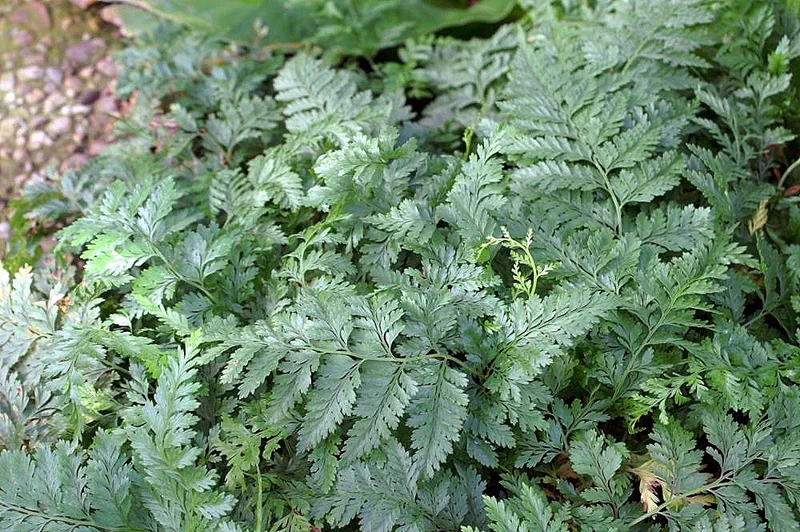
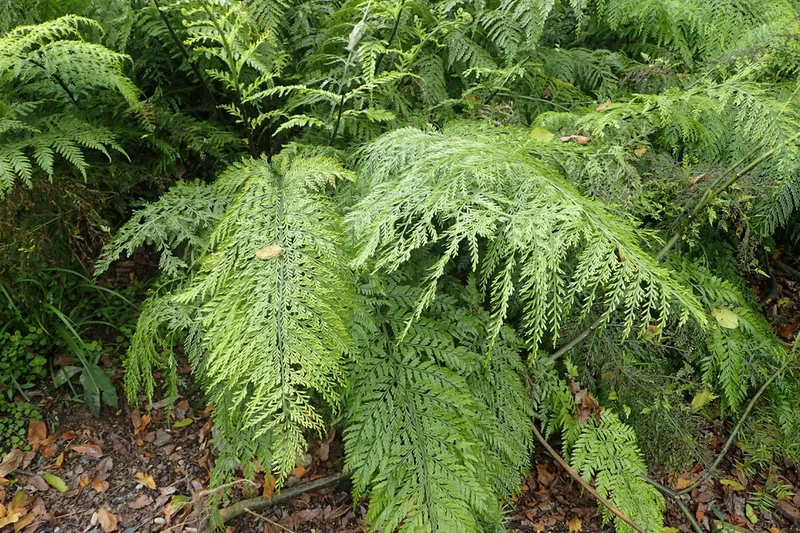
Plant Finder
Check a plantfor your cat. Checking a plant you own or considering one for your home? Start with its common or scientific name.
Common or scientific plant name No matches found. Try another name or check the spelling. No match does not mean a plant is safe.
Plants for your home About the caution guides · Growing advice does not establish cat safety.
Browse plants below, or choose filters to find a match.
Unknown growing conditions do not count as matches. More than one option in a category includes either option; different categories must all match.
The guides below work without JavaScript. Enable JavaScript to filter them.
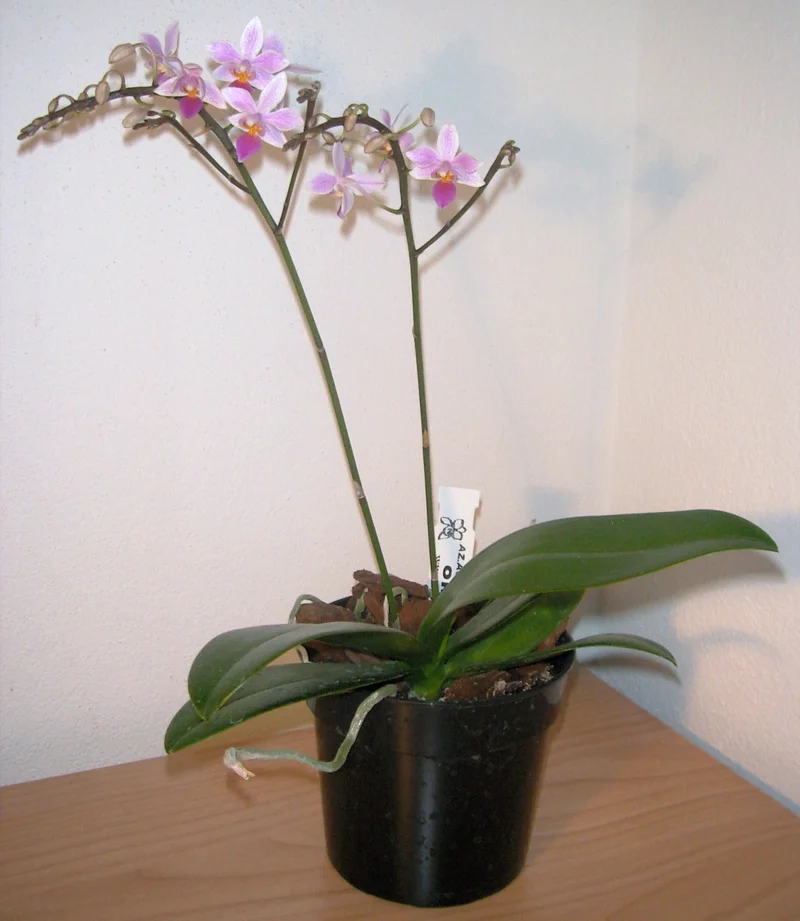
Phalaenopsis equestris, one example within the moth-orchid group. Photo: RobertoMM i Non-toxic to cats Phalaenopsis spp.
Bright indirect light
Moth orchids identified as Phalaenopsis. This guide does not cover every orchid or hybrids involving other genera. A photograph alone cannot establish plant identity.
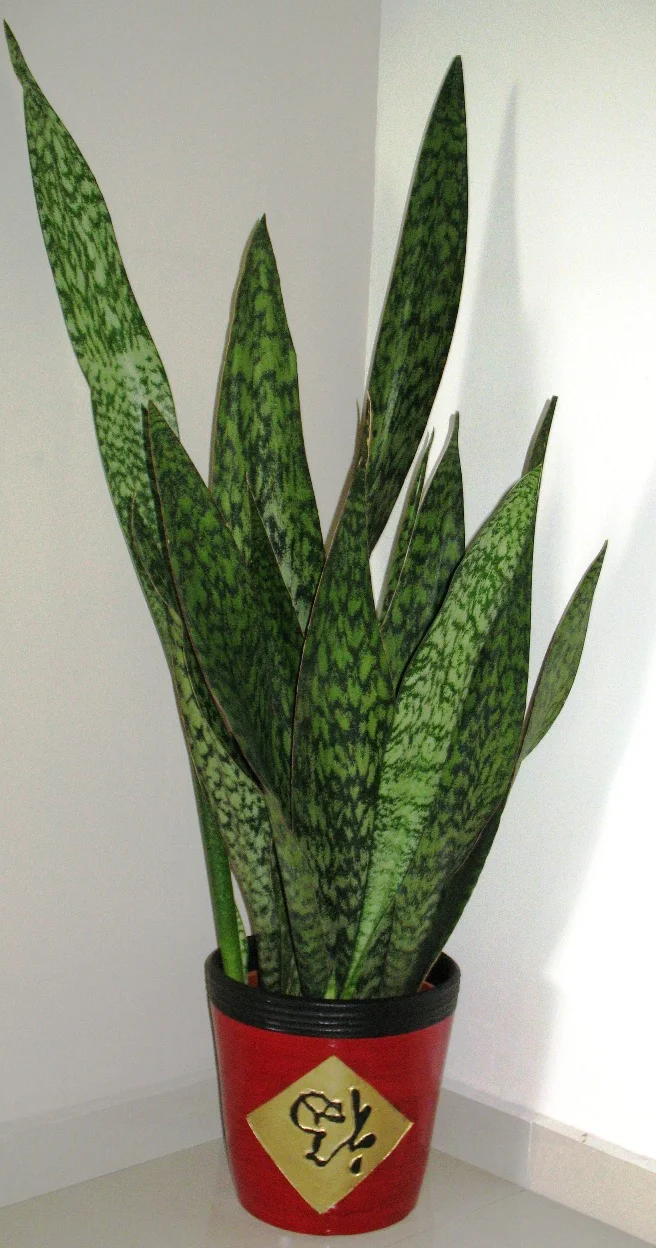
Dracaena trifasciata, also known as Sansevieria trifasciata. Photo: Mokkie i Toxic to cats Dracaena trifasciata
Bright indirect light or Some direct sun
This guide covers Dracaena trifasciata, also known by the scientific name Sansevieria trifasciata. It does not assess every Dracaena species or every plant sold under the name snake plant.
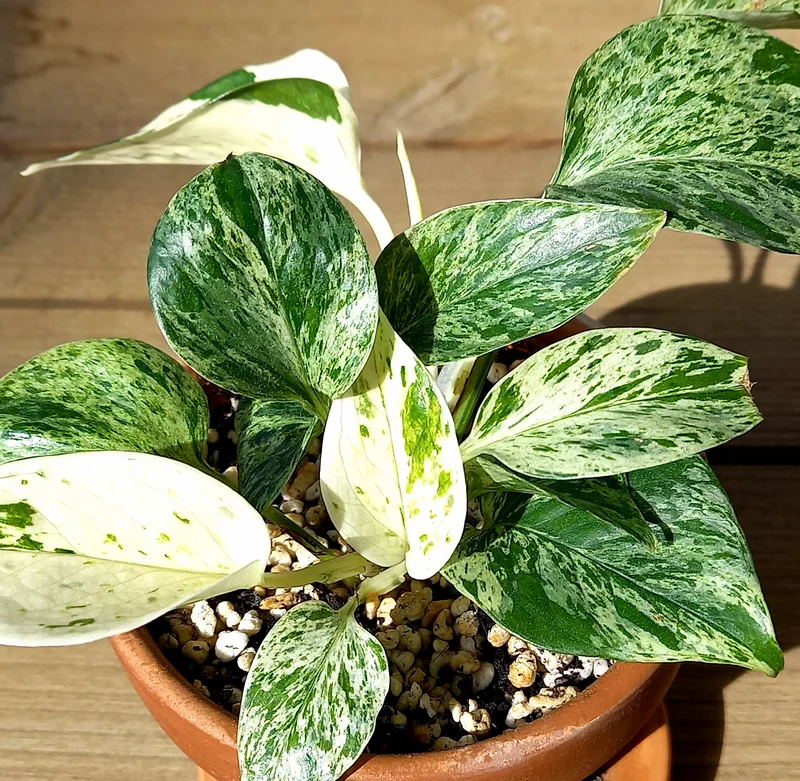
‘Marble Queen’ pothos, a variegated cultivar of Epipremnum aureum. Photo: Spnq i Toxic to cats Epipremnum aureum
Bright indirect light
This guide covers Epipremnum aureum only. A shared common name or similar appearance does not establish that another plant has the same assessment.
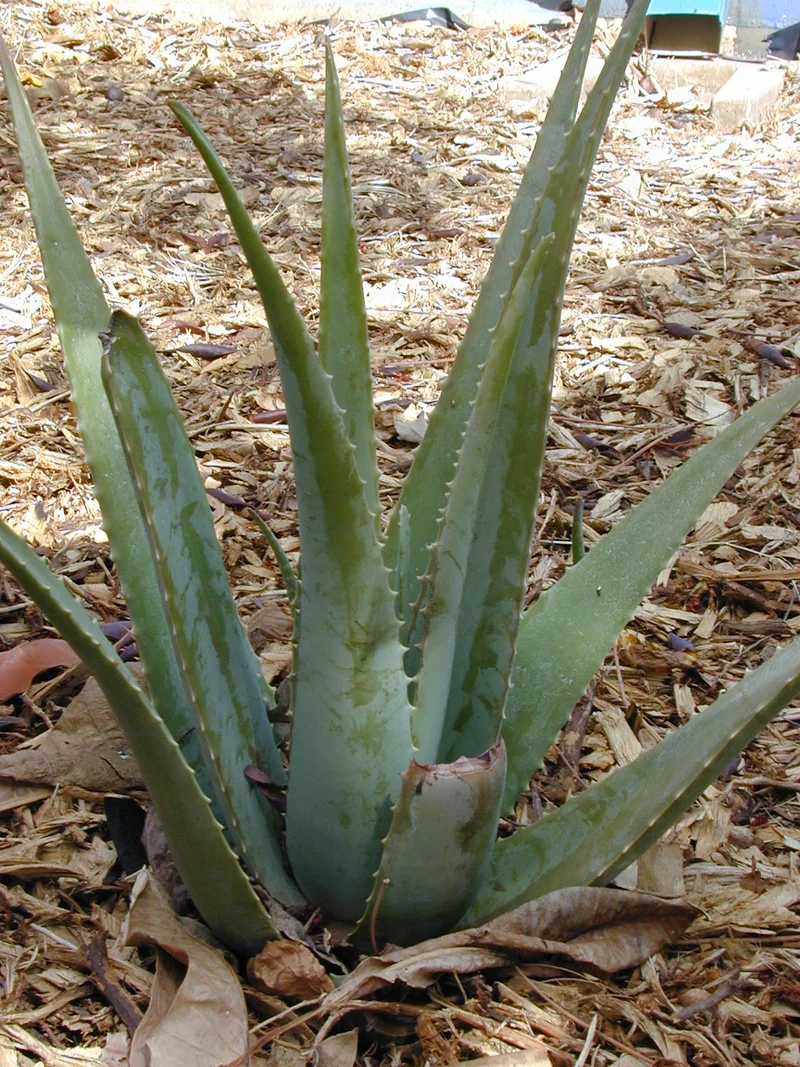
Aloe vera growing outdoors. Photo: Forest & Kim Starr i Toxic to cats Aloe vera
Bright indirect light
This guide covers Aloe vera only. It does not assess every aloe species.
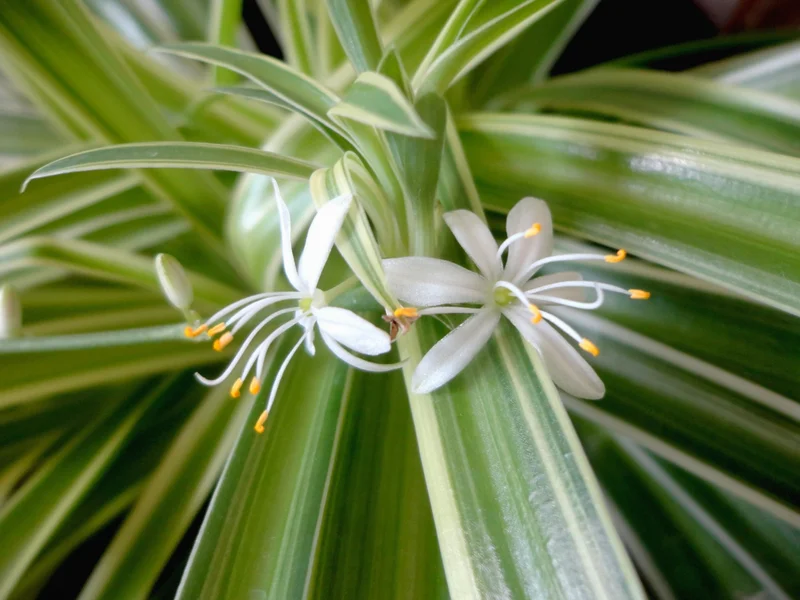
Flower and leaf detail of Chlorophytum comosum. Photo: Juan Carlos Fonseca Mata i Photo details
Malamadre (Chlorophytum comosum).jpg
License: CC BY-SA 4.0
Resized for display. Full photograph retained; no background or botanical edits.
This displayed image is shared under the same CC BY-SA 4.0 license.
Conflicting guidance — use caution Chlorophytum comosum
Medium indirect light or Bright indirect light
This page concerns Chlorophytum comosum. The name ribbon plant also refers to Dracaena sanderiana, which has a different safety assessment.
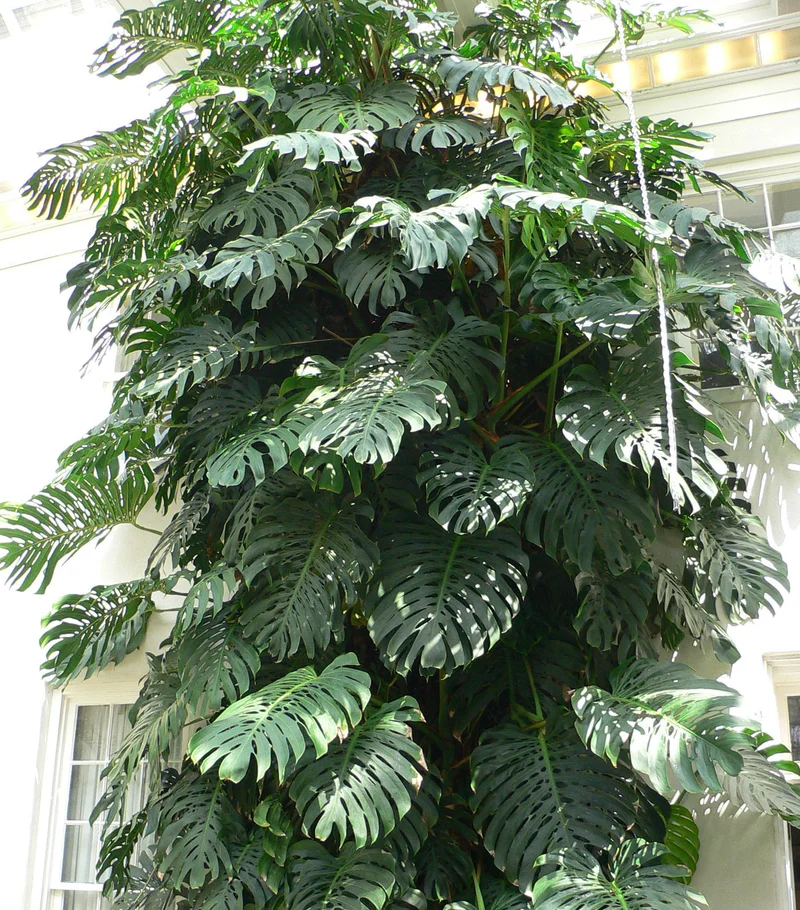
A mature Monstera deliciosa climbing in a conservatory. Photo: Raul654 i Photo details
Monstera deliciosa2.jpg
License: CC BY-SA 3.0
Resized and converted to WebP for display; botanical details unchanged.
This displayed image is shared under the same CC BY-SA 3.0 license.
Toxic to cats Monstera deliciosa
Medium indirect light or Bright indirect light
This guide covers Monstera deliciosa only. A shared common name or similar appearance does not establish that another plant has the same assessment.
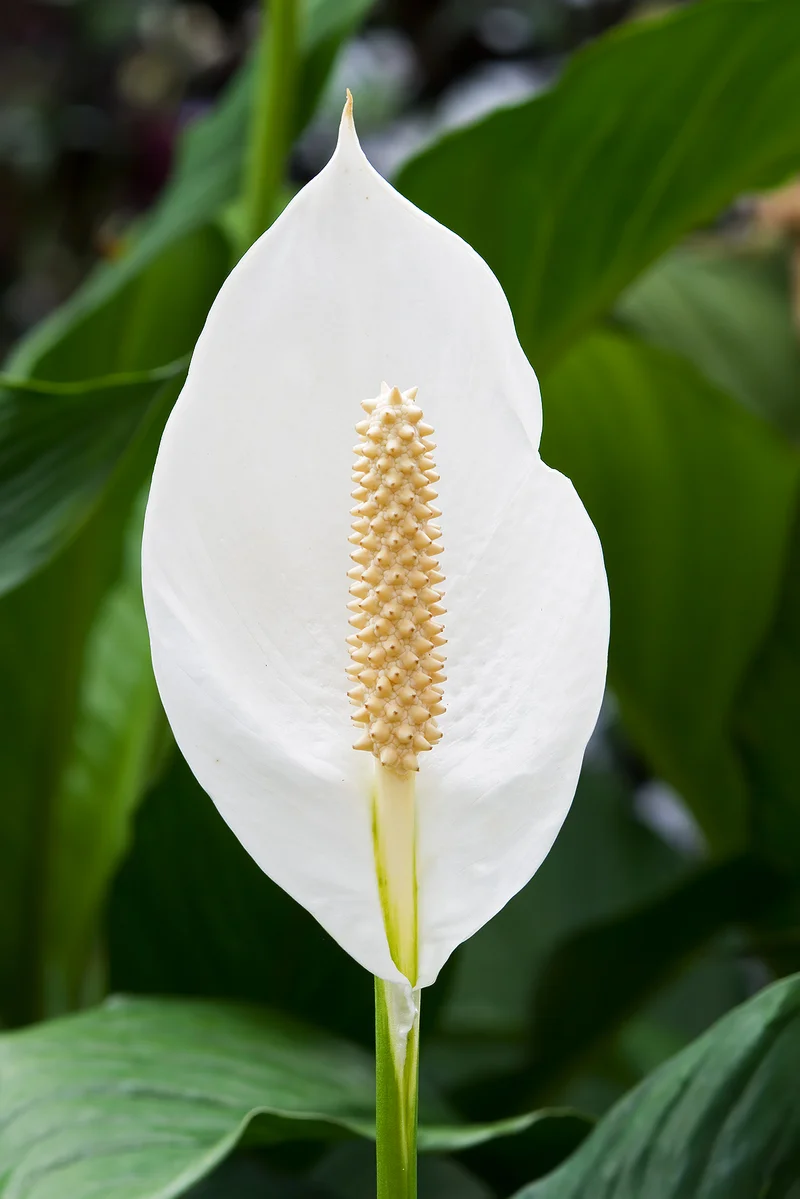
Spathiphyllum cochlearispathum, an example within the Spathiphyllum genus covered by this guide. Photo: JJ Harrison (https://www.jjharrison.com.au/) i Photo details
Spathiphyllum cochlearispathum RTBG.jpg
License: CC BY-SA 3.0
Resized and converted to WebP for display; botanical details unchanged.
This displayed image is shared under the same CC BY-SA 3.0 license.
Toxic to cats Spathiphyllum spp.
Medium indirect light
This guide covers the Spathiphyllum genus. It does not cover true lilies (Lilium) or daylilies (Hemerocallis).
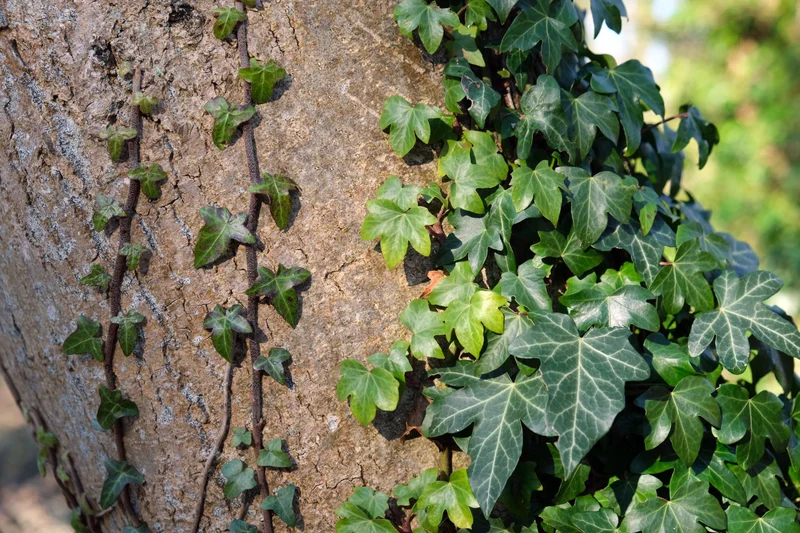
Hedera helix climbing a tree trunk. Photo: kallerna i Photo details
Hedera helix Dover.jpg
License: CC BY-SA 4.0
Resized and converted to WebP for display; botanical details unchanged.
This displayed image is shared under the same CC BY-SA 4.0 license.
Toxic to cats Hedera helix
Bright indirect light
This guide covers English ivy, Hedera helix. Other plants called ivy need their own identification and assessment.
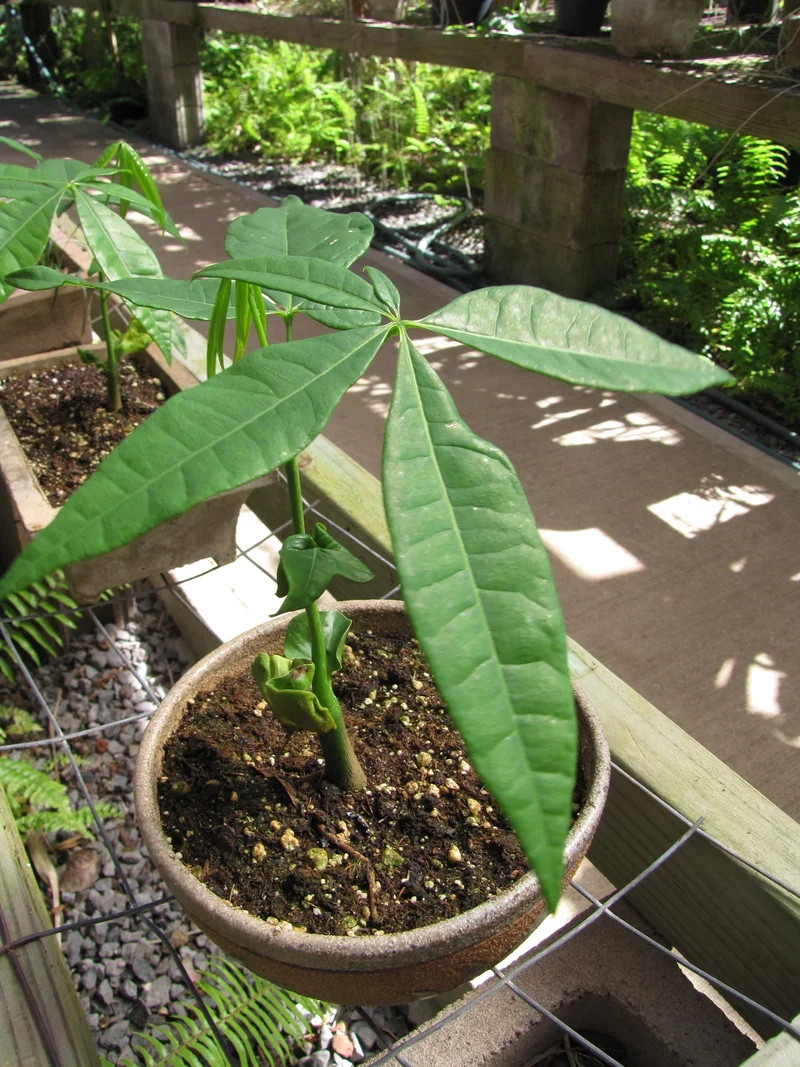
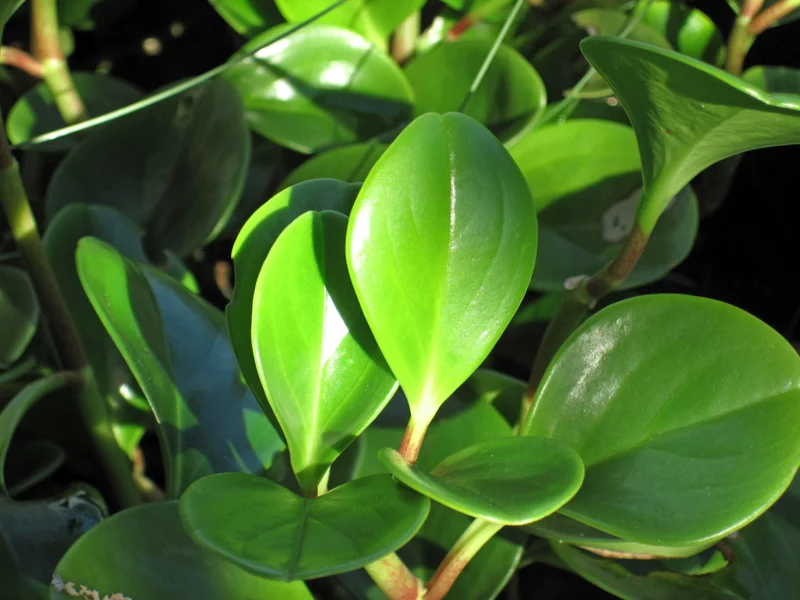
A young potted Pachira aquatica; surrounding plants are not covered by this guide. Photo: Forest & Kim Starr i Non-toxic to cats Pachira aquatica
Bright indirect light
This guide covers Pachira aquatica only. A shared common name or similar appearance does not establish that another plant has the same assessment.
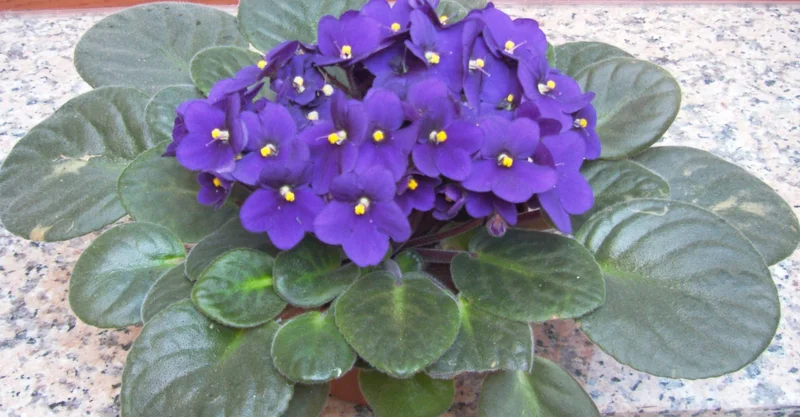
An African violet identified by its source as Saintpaulia ionantha, now Streptocarpus ionanthus. Photo: RobertoMM i Photo details
Saintpaulia ionantha.jpg
License: CC BY-SA 3.0
Resized and converted to WebP for display; botanical details unchanged.
This displayed image is shared under the same CC BY-SA 3.0 license.
Non-toxic to cats Streptocarpus ionanthus
Bright indirect light
This guide covers Streptocarpus ionanthus, formerly Saintpaulia ionantha. The cat assessment uses the ASPCA’s broader Saintpaulia group listing and the documented placement of this species within that group. It does not assess all Streptocarpus species or unidentified interspecific hybrids.
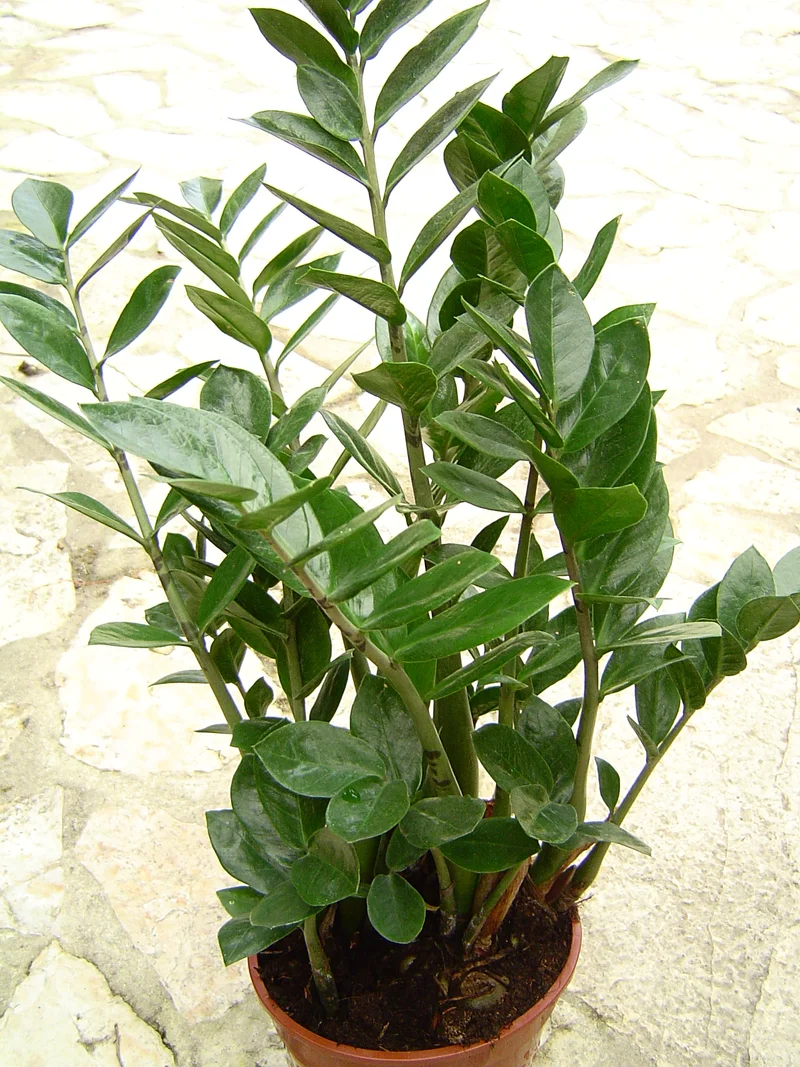
Zamioculcas zamiifolia (ZZ plant). Photo: User:WeFt i Photo details
Zamioculcas zamiifolia 1.jpg
License: CC BY-SA 3.0
Resized and converted to WebP for display; botanical details unchanged.
This displayed image is shared under the same CC BY-SA 3.0 license.
Toxic to cats Zamioculcas zamiifolia
Bright indirect light
This guide covers Zamioculcas zamiifolia.
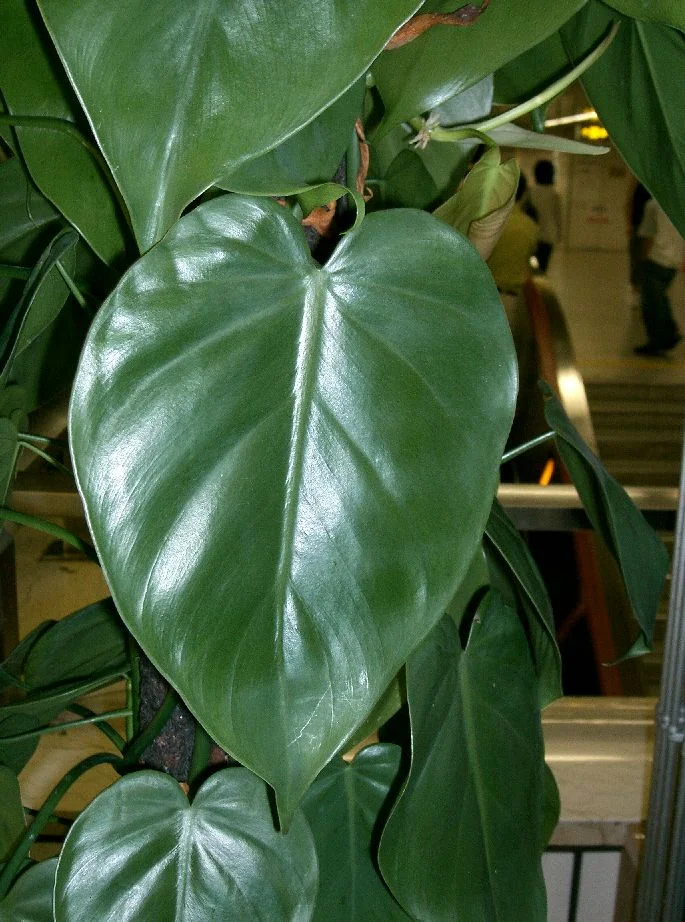
Leaf detail of Philodendron hederaceum var. oxycardium, as identified by the photo source. Photo: KENPEI i Toxic to cats Philodendron hederaceum
Medium indirect light
This guide covers Philodendron hederaceum only. A shared common name or similar appearance does not establish that another plant has the same assessment.
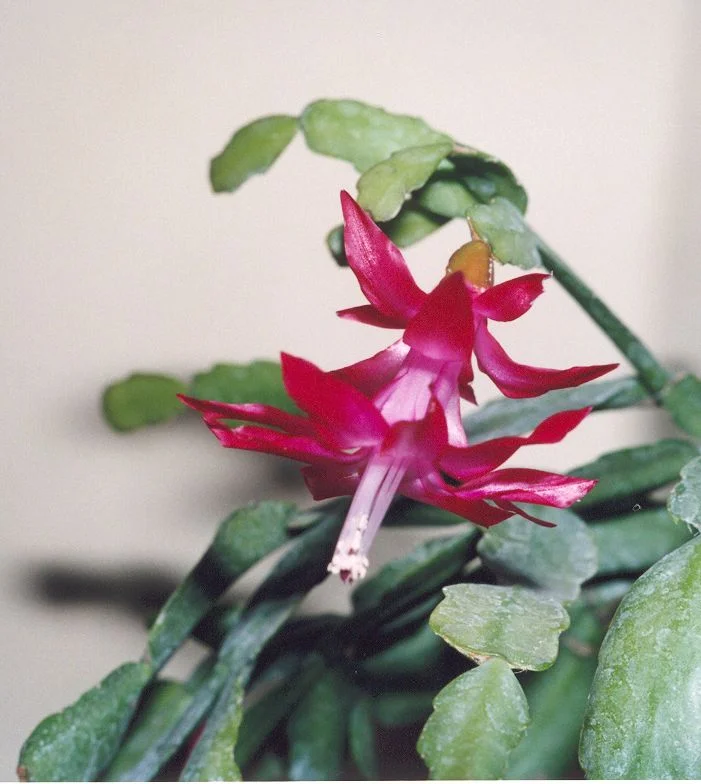
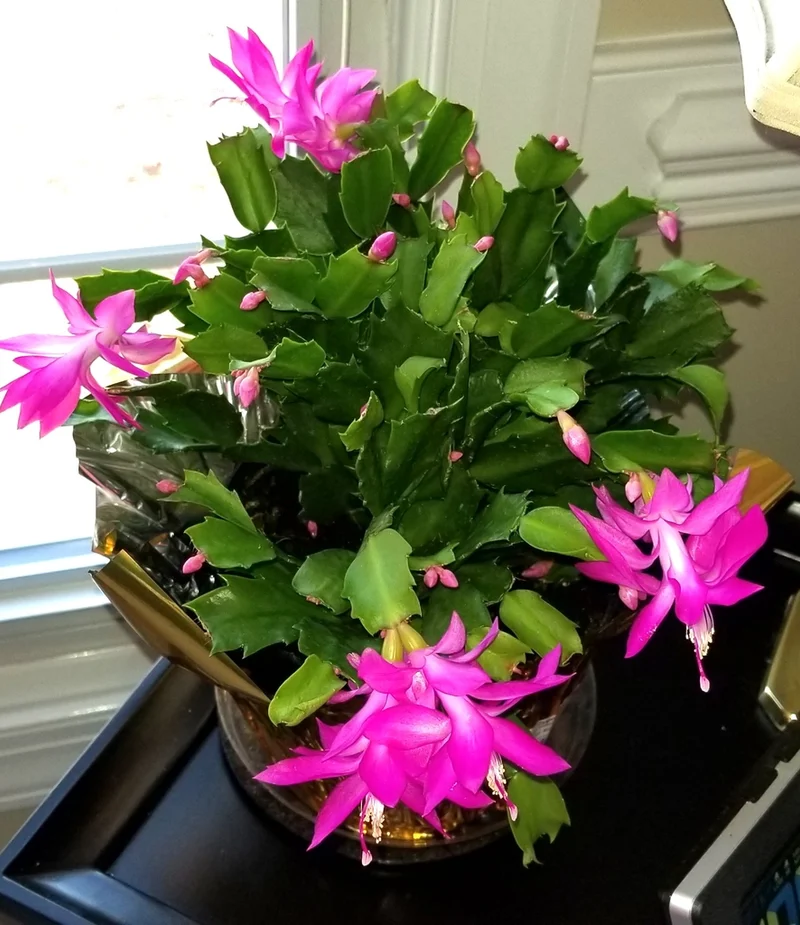
Schlumbergera × buckleyi in flower. Photo: The original uploader was Sadambio at Hungarian Wikipedia. i Photo details
Schlumbergera X buckleyi.jpg
License: CC BY-SA 3.0
Resized and converted to WebP for display; botanical details unchanged.
This displayed image is shared under the same CC BY-SA 3.0 license.
Non-toxic to cats Schlumbergera × buckleyi
Bright indirect light
This guide covers Schlumbergera × buckleyi, the Christmas-cactus hybrid. Other holiday cacti require their own identification.
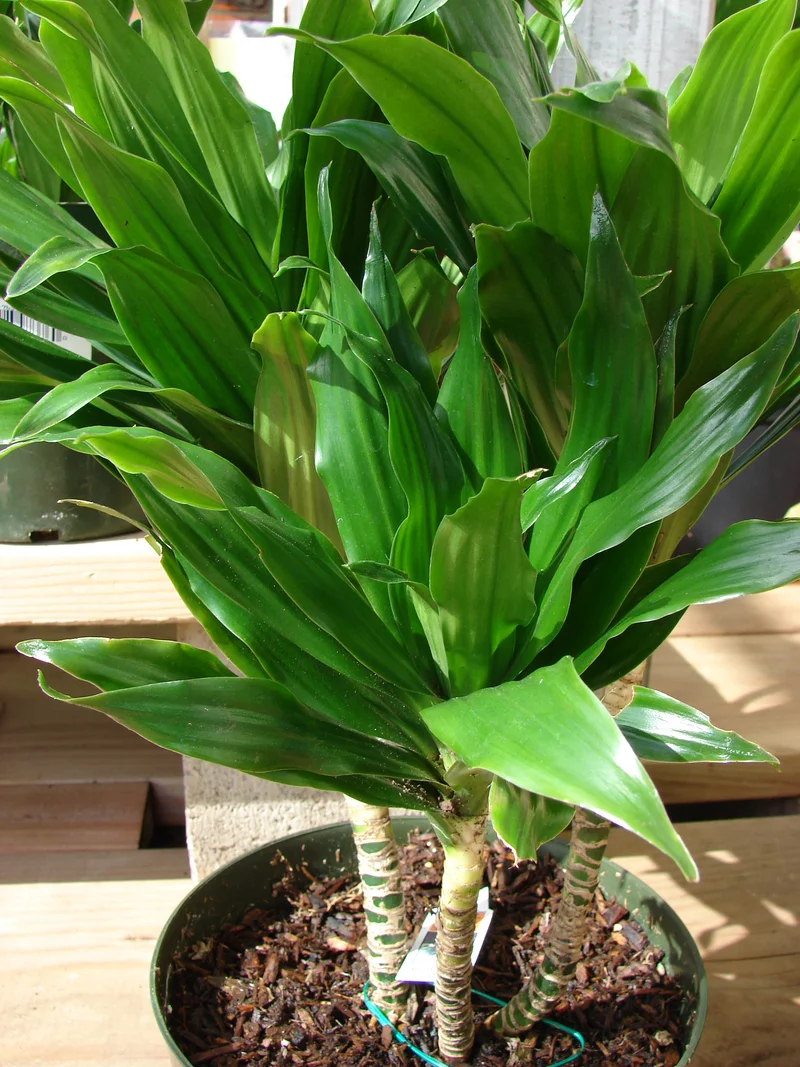
Dracaena fragrans ‘Compacta’, a compact cultivar of corn plant. Photo: Forest & Kim Starr i Toxic to cats Dracaena fragrans
Medium indirect light or Bright indirect light
This guide covers Dracaena fragrans only. A shared common name or similar appearance does not establish that another plant has the same assessment.
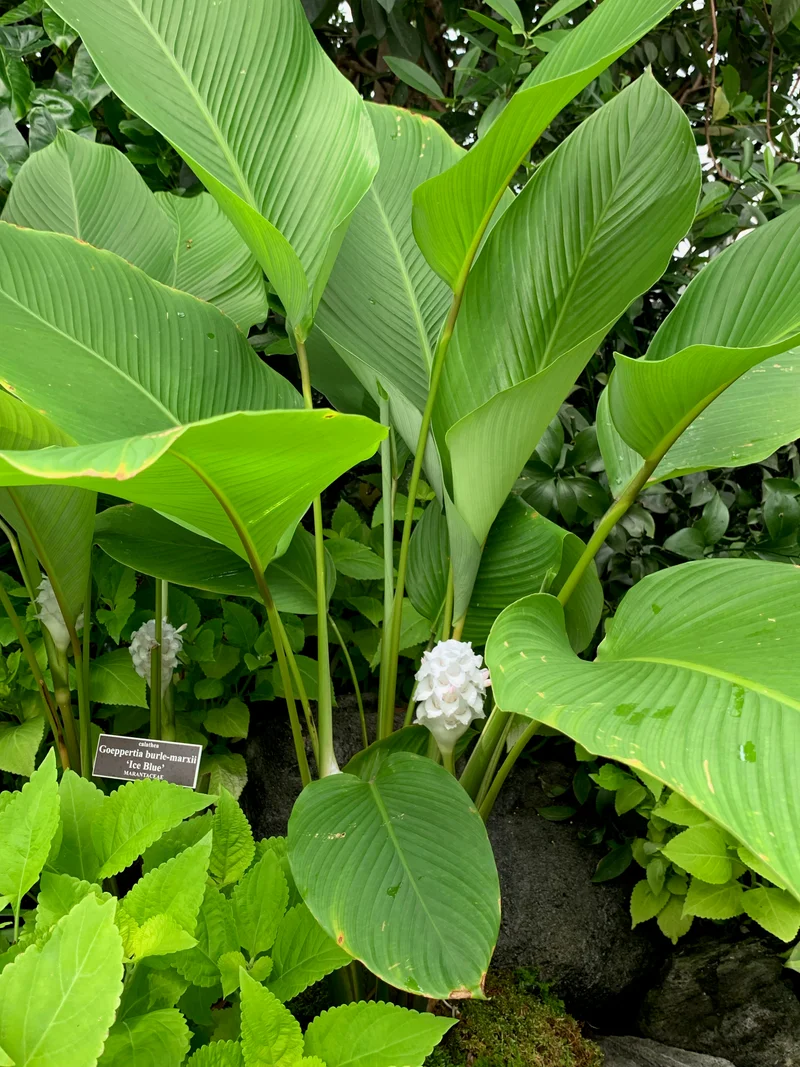
Goeppertia burle-marxii ‘Ice Blue’, illustrating the genus covered by this guide. Photo: KATHERINE WAGNER-REISS i Non-toxic to cats Goeppertia spp.
Medium indirect light
This guide covers Goeppertia species commonly sold as calatheas. It does not cover every plant sold as a prayer plant.
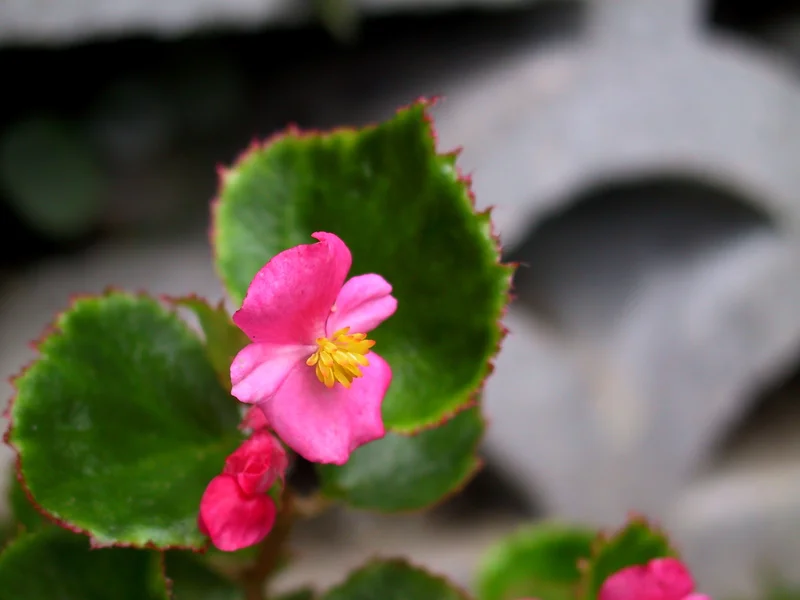
A wax begonia hybrid, one example within the Begonia group. Photo: Juni from Kyoto, Japan i Toxic to cats Begonia spp.
Light varies by type
This is a genus-level guide to Begonia spp., the group named in the cat-safety source. It does not assign a separate risk level to each species or cultivar. The source’s kidney-failure statement about grazing animals is not applied to cats here.
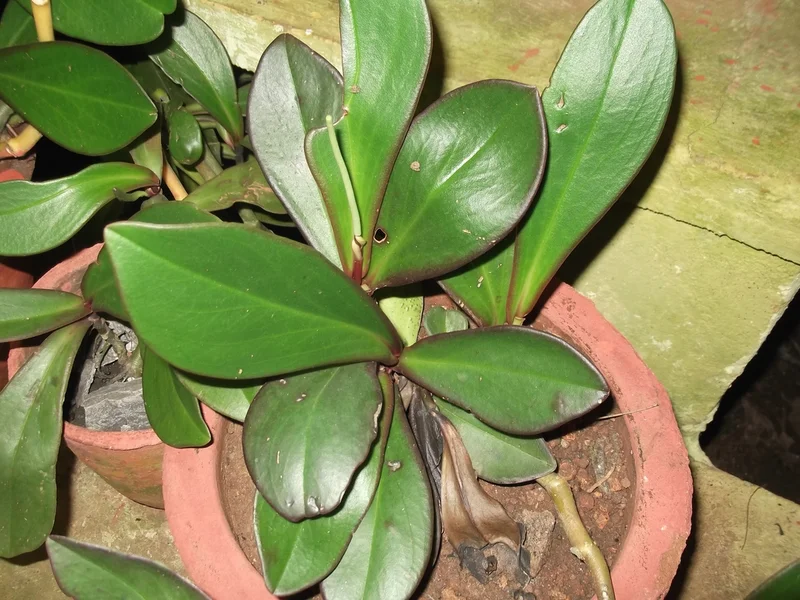
Leaf detail of Peperomia obtusifolia. Photo: James St. John i Non-toxic to cats Peperomia obtusifolia
Bright indirect light
Peperomia obtusifolia only. A plant labelled just rubber plant is not enough to confirm this identity; Ficus plants are outside this guide.
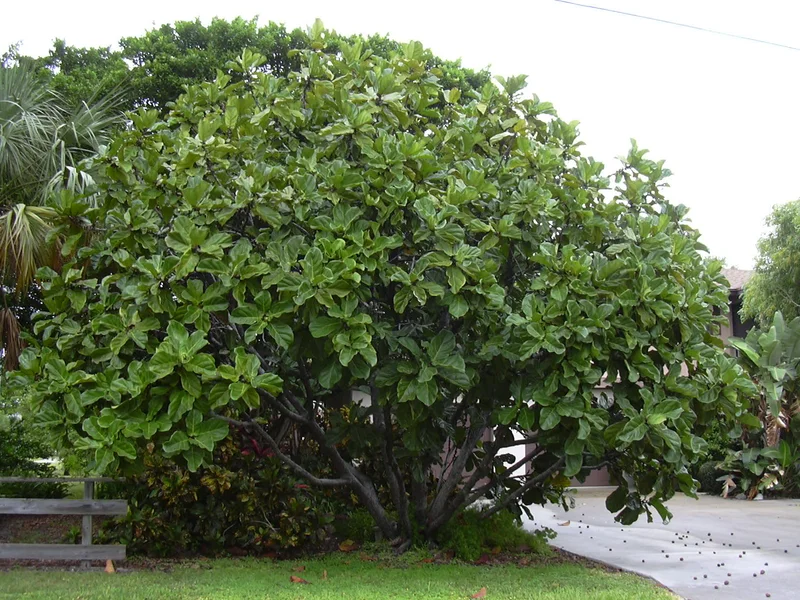
A mature Ficus lyrata growing outdoors. Indoor plants are usually much smaller. Photo: Forest & Kim Starr i Toxic to cats Ficus lyrata
Bright indirect light
This guide covers Ficus lyrata. It does not cover Philodendron bipennifolium, which is also called fiddle leaf.
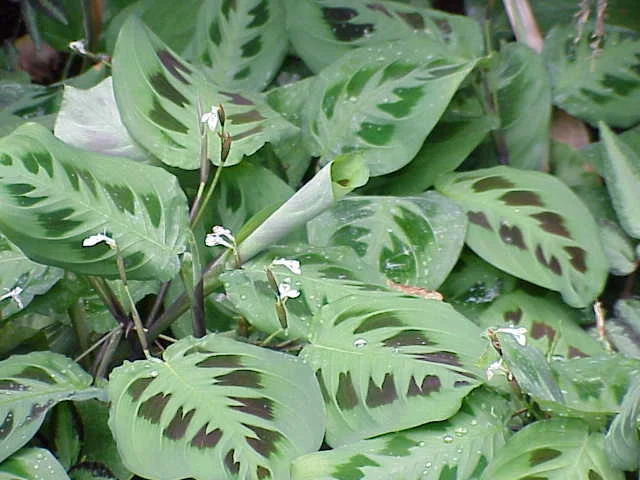
Maranta leuconeura (prayer plant). Photo: Kurt Stüber [1] i Photo details
Maranta leuconeura3.jpg
License: CC BY-SA 3.0
Resized and converted to WebP for display; botanical details unchanged.
This displayed image is shared under the same CC BY-SA 3.0 license.
Non-toxic to cats Maranta leuconeura
Bright indirect light
This guide covers Maranta leuconeura only. The common name prayer plant is also used for other plants.
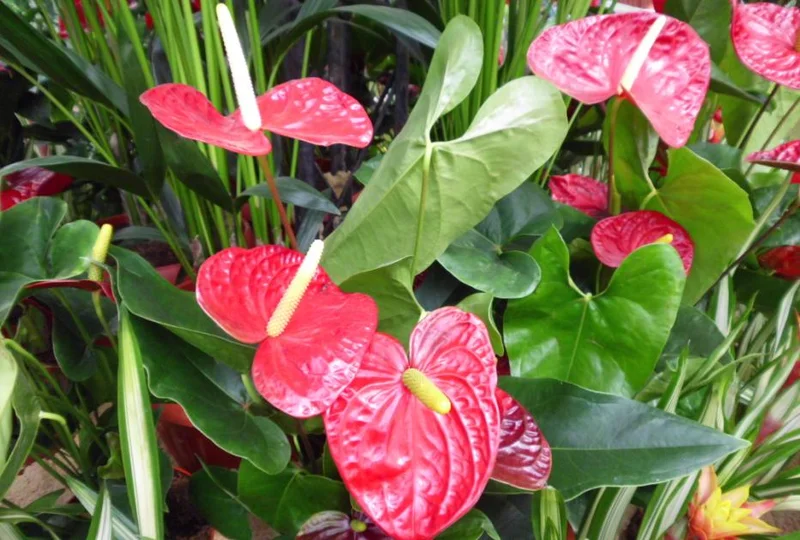
Anthurium andraeanum, as identified by the source photographer. Photo: Hatem Moushir i Toxic to cats Anthurium andraeanum
Bright indirect light
This guide covers Anthurium andraeanum. It does not treat the separate species Anthurium scherzeranum as the same plant.
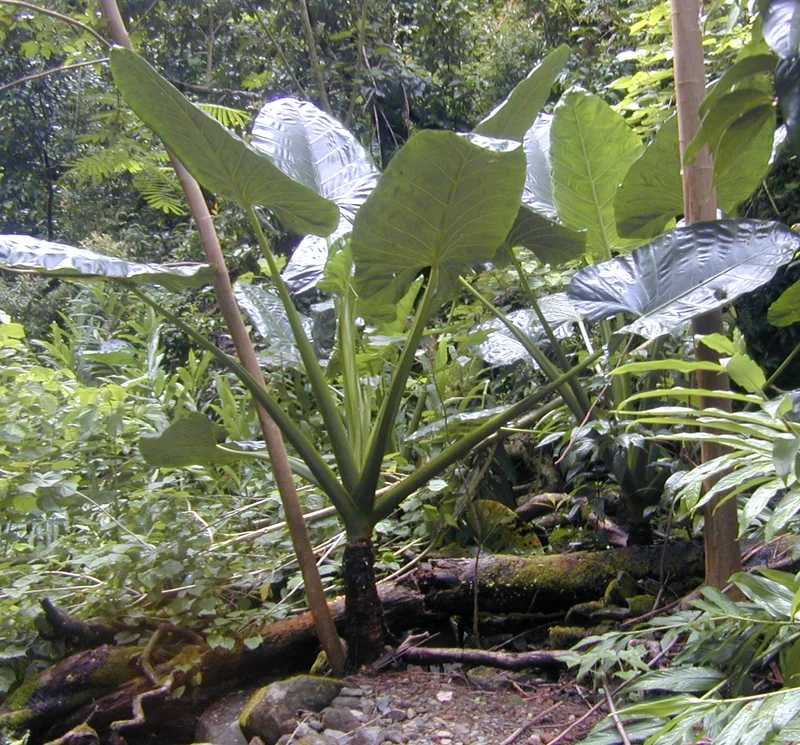
Alocasia macrorrhizos in the wild, one example within the Alocasia group. Surrounding plants are not covered by this guide. Photo: Eric Guinther (Marshman) i Photo details
P Alom D9903.jpg
License: CC BY-SA 3.0
Resized and converted to WebP for display; botanical details unchanged.
This displayed image is shared under the same CC BY-SA 3.0 license.
Toxic to cats Alocasia spp.
Bright indirect light
This is a genus-level guide to Alocasia spp., the group named in the cat-safety source. It does not identify an individual species or cultivar. The common name elephant ear can refer to other plants and is not enough to establish identity.
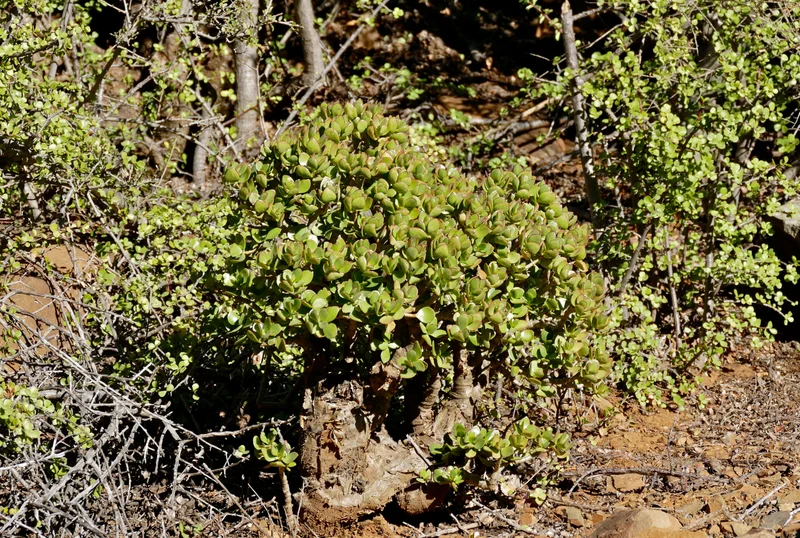
Crassula ovata growing outdoors in South Africa. Photo: Bernard DUPONT from FRANCE i Conflicting guidance — use caution Crassula ovata
Sunny position
This page concerns Crassula ovata. Money plant and money tree are ambiguous names and do not identify this species by themselves.
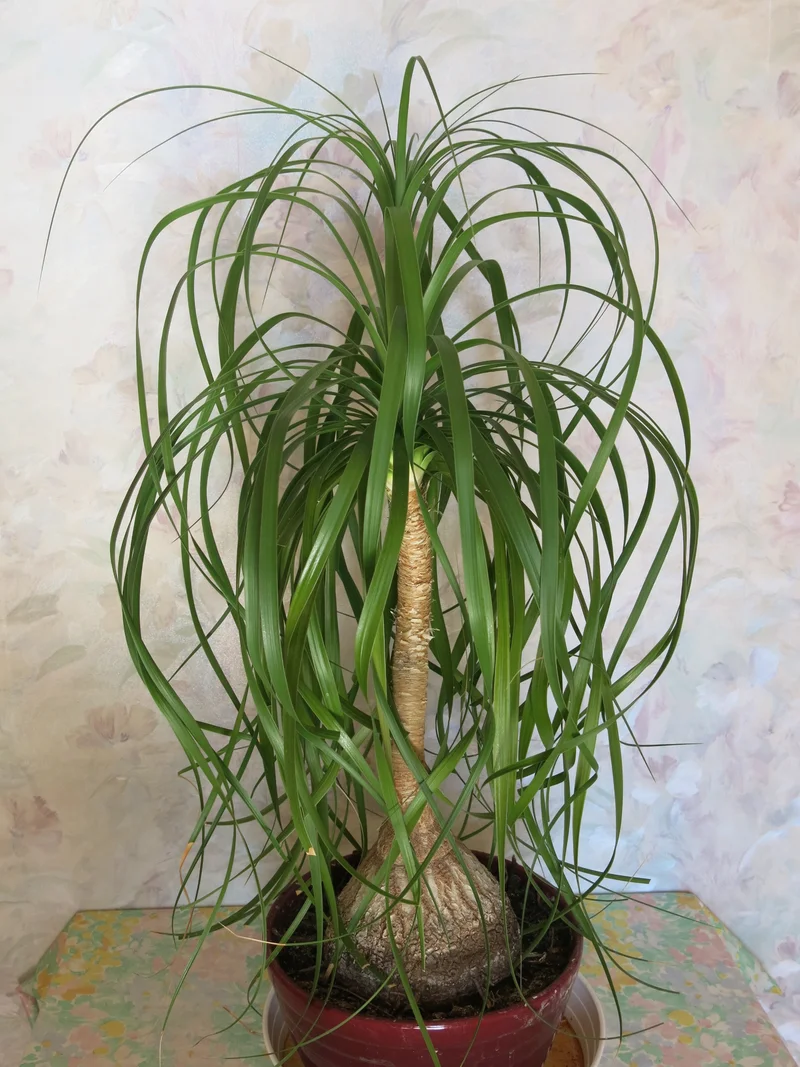
A potted Beaucarnea recurvata. Photo: Tangopaso i Non-toxic to cats Beaucarnea recurvata
Sunny position
This guide covers Beaucarnea recurvata only. A shared common name or similar appearance does not establish that another plant has the same assessment.
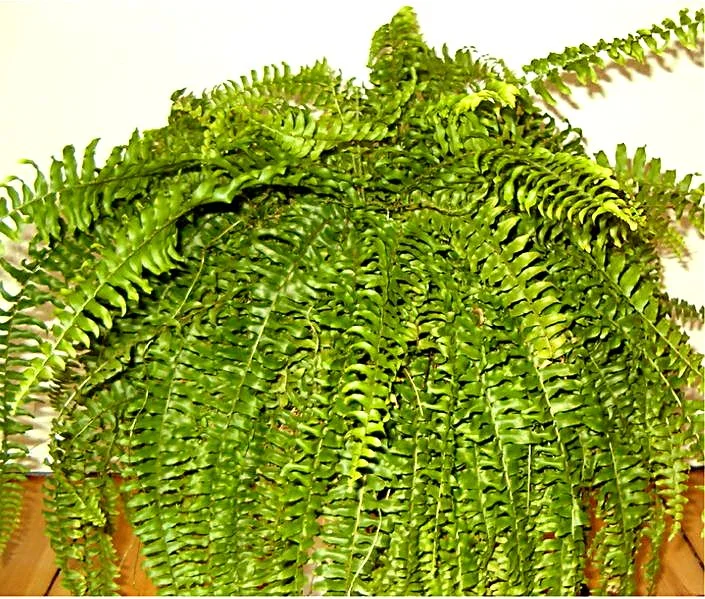
Nephrolepis exaltata (Boston fern). Photo: BotBln i Non-toxic to cats Nephrolepis exaltata
Bright indirect light
This guide covers Nephrolepis exaltata. Its source uses the common name Feather Palm but gives this exact fern species. It does not cover every plant sold as a fern.
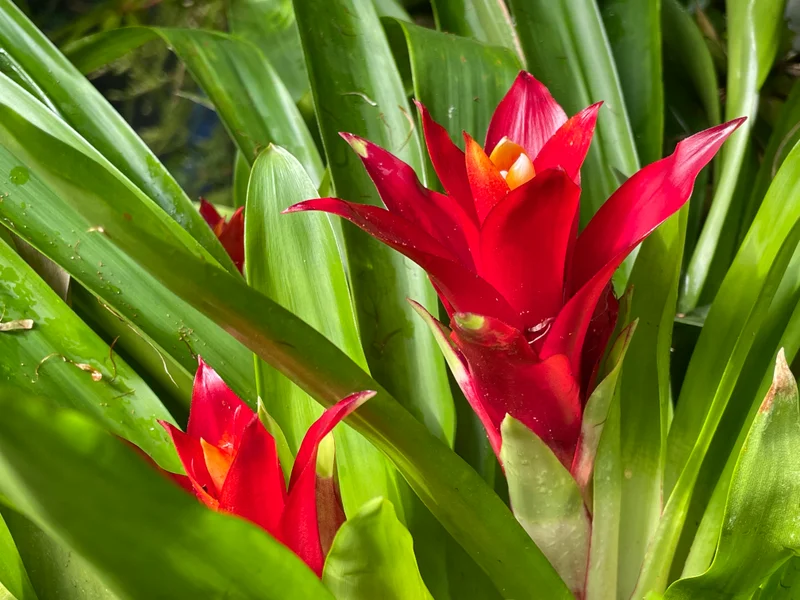
Guzmania lingulata at the University of Zurich botanical garden. Photo: Amada44 i Photo details
Guzmania lingulata 5730.jpg
License: CC BY-SA 3.0
Resized and converted to WebP for display; botanical details unchanged.
This displayed image is shared under the same CC BY-SA 3.0 license.
Non-toxic to cats Guzmania lingulata
Bright indirect light
This guide covers Guzmania lingulata (scarlet star), not the entire bromeliad family or unidentified bromeliad hybrids.
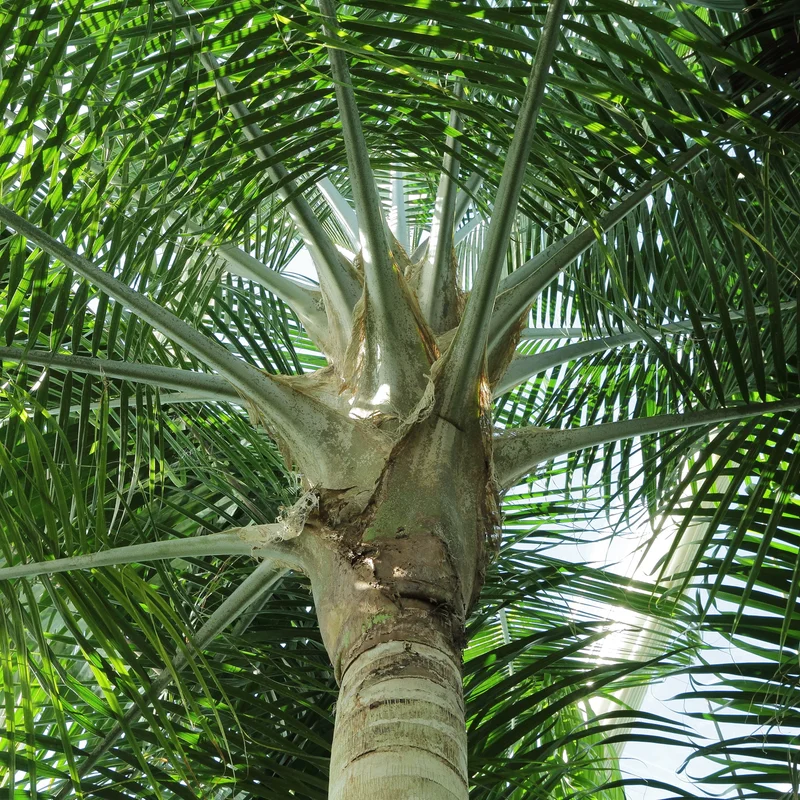
Trunk and crown detail of a mature Ravenea rivularis. Photo: C T Johansson i Photo details
Ravenea rivularis-IMG 0468.jpg
License: CC BY-SA 3.0
Resized and converted to WebP for display; botanical details unchanged.
This displayed image is shared under the same CC BY-SA 3.0 license.
Non-toxic to cats Ravenea rivularis
Bright indirect light
This guide covers Ravenea rivularis only. A shared common name or similar appearance does not establish that another plant has the same assessment.
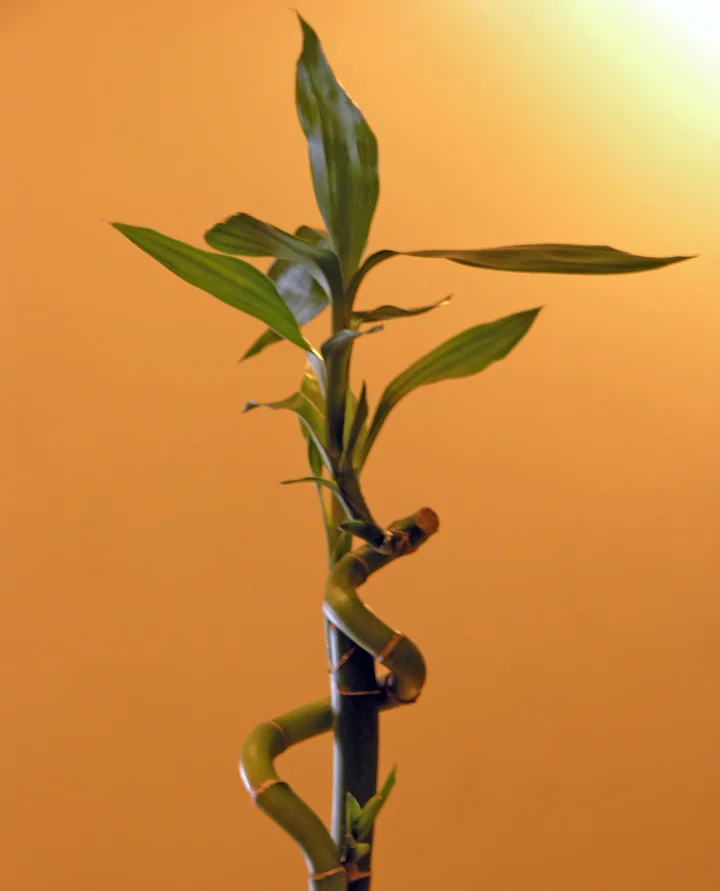
Dracaena sanderiana (lucky bamboo). Photo: User SeanMack on en.wikipedia i Photo details
LuckyBamboo 2005 SeanMcClean.jpg
License: CC BY-SA 3.0
Resized and converted to WebP for display; botanical details unchanged.
This displayed image is shared under the same CC BY-SA 3.0 license.
Toxic to cats Dracaena sanderiana
Bright indirect light
This guide covers Dracaena sanderiana within the assessed Dracaena genus. It does not cover true bamboo. Current Kew taxonomy accepts this species; older alternate taxonomies must not silently change its identity.
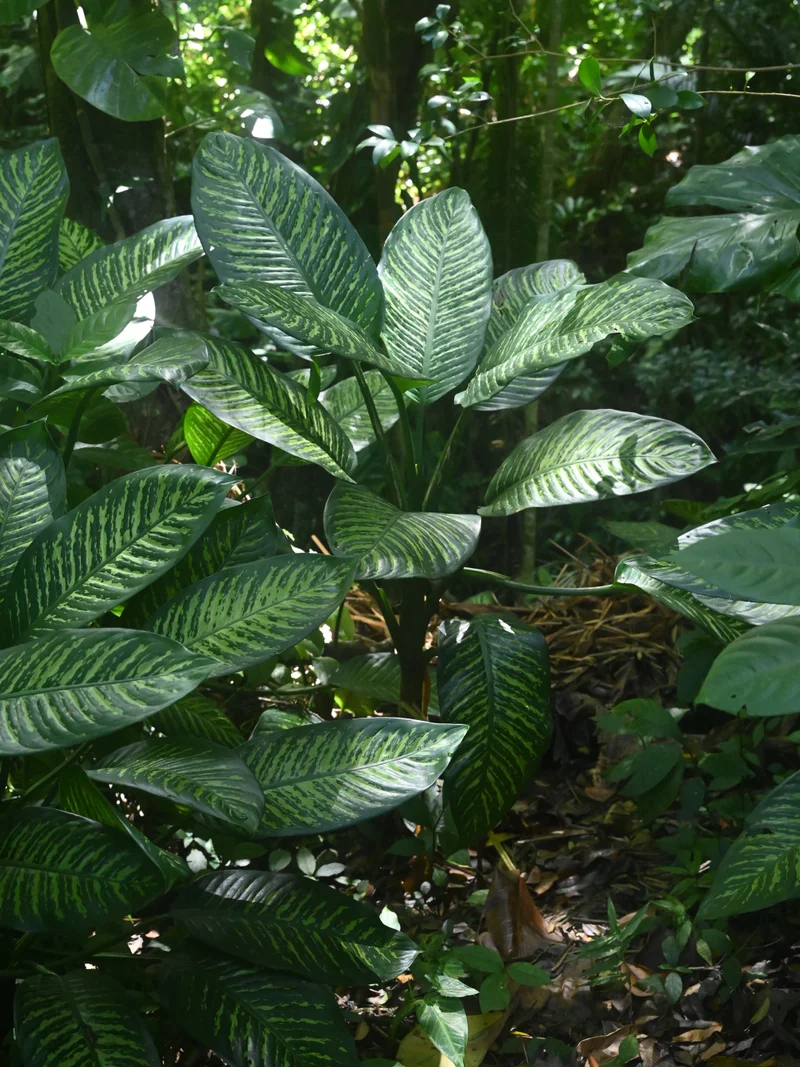
Dieffenbachia seguine, photographed in Guadeloupe. Photo: Krzysztof Ziarnek, Kenraiz i Photo details
Dieffenbachia seguine kz13.jpg
License: CC BY-SA 4.0
Resized and converted to WebP for display; botanical details unchanged.
This displayed image is shared under the same CC BY-SA 4.0 license.
Toxic to cats Dieffenbachia seguine
Medium indirect light
This guide covers Dieffenbachia seguine using the assessed Dieffenbachia genus and documented species membership. Unidentified plants with a similar common name need their own identification.
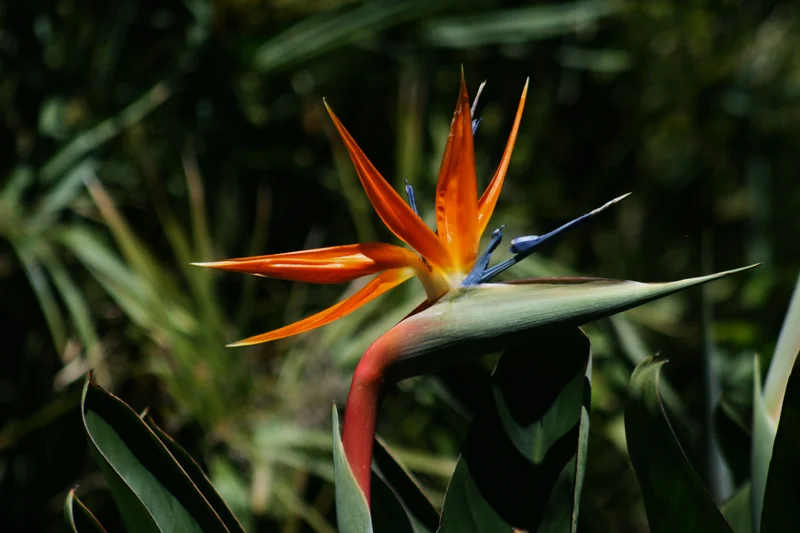
Flower detail of Strelitzia reginae. Photo: Brocken Inaglory i Photo details
Bird of Paradise flower.JPG
License: CC BY-SA 3.0
Resized for display. Full photograph retained; no background or botanical edits.
This displayed image is shared under the same CC BY-SA 3.0 license.
Conflicting guidance — use caution Strelitzia reginae
Sunny position
This page concerns Strelitzia reginae, not Strelitzia nicolai or the unrelated Caesalpinia plants also sold under the name bird of paradise.
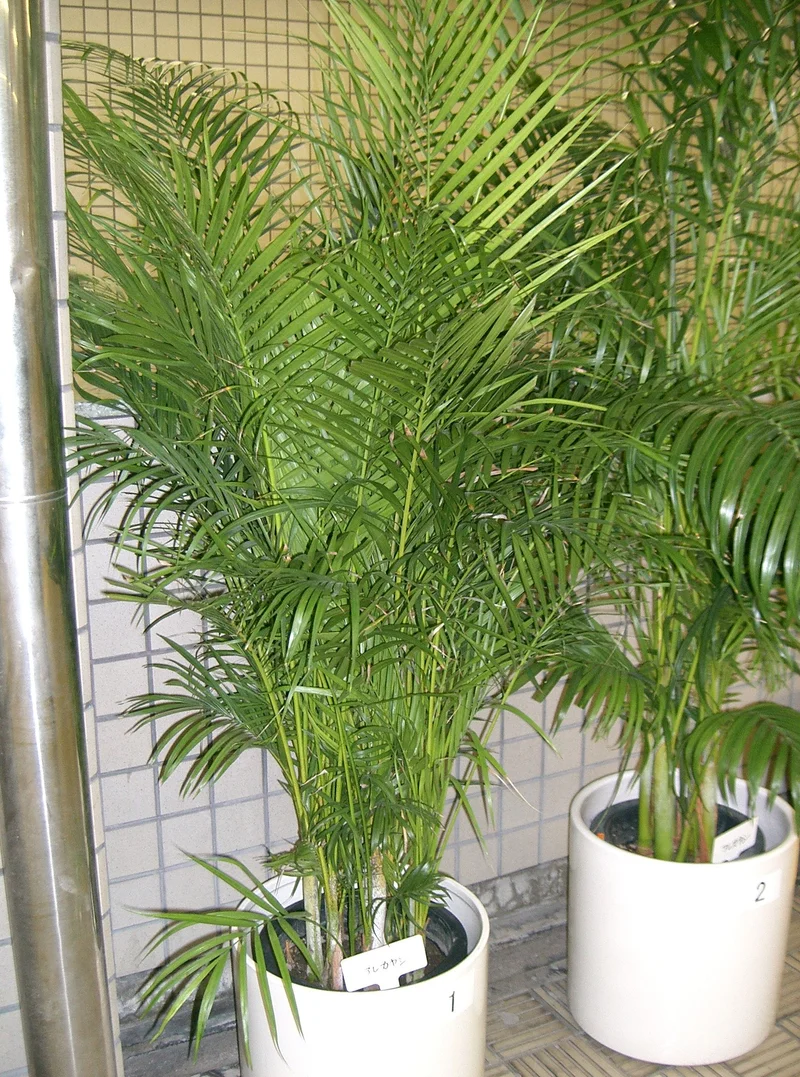
Potted Dypsis lutescens. Photo: KENPEI i Photo details
Dypsis lutescens1.jpg
License: CC BY-SA 3.0
Resized and converted to WebP for display; botanical details unchanged.
This displayed image is shared under the same CC BY-SA 3.0 license.
Non-toxic to cats Dypsis lutescens
Bright indirect light
This guide covers the species recorded as Dypsis lutescens in the safety source. It does not cover other plants sold as palms.
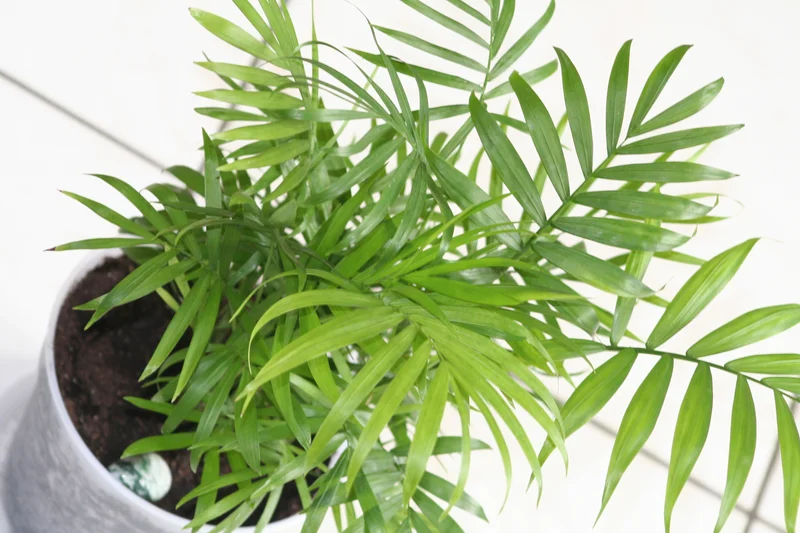
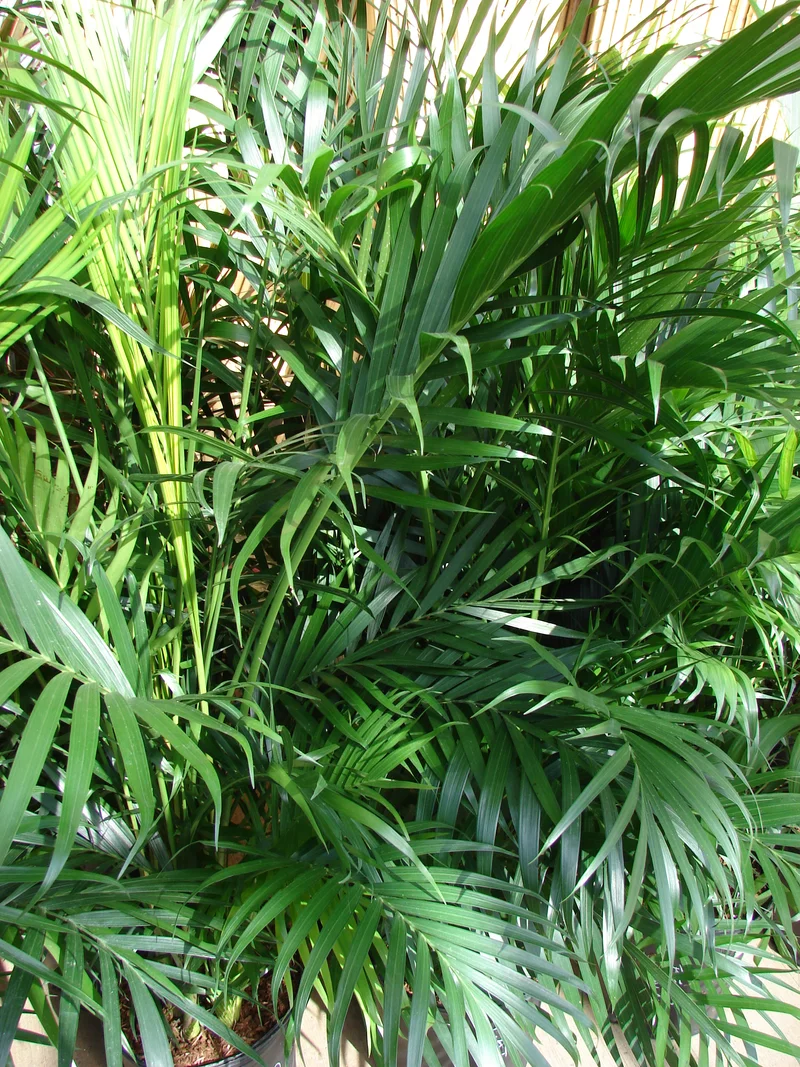
A potted Chamaedorea elegans. Photo: Pluume321 i Photo details
Chamaedorea elegans 01.jpg
License: CC BY-SA 3.0
Resized and converted to WebP for display; botanical details unchanged.
This displayed image is shared under the same CC BY-SA 3.0 license.
Non-toxic to cats Chamaedorea elegans
Bright indirect light
This guide covers Chamaedorea elegans only. A shared common name or similar appearance does not establish that another plant has the same assessment.
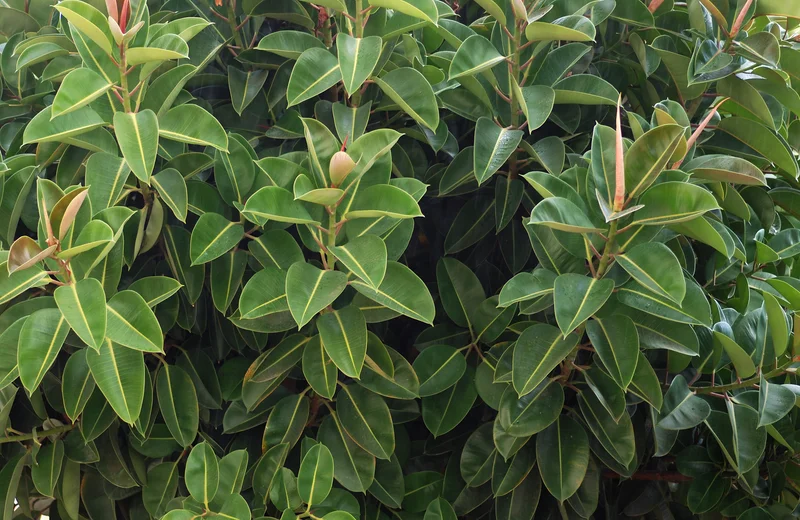
Ficus elastica (rubber plant). Photo: Alvesgaspar (talk) i Photo details
Ficus November 2008-1.jpg
License: CC BY-SA 4.0
Resized and converted to WebP for display; botanical details unchanged.
This displayed image is shared under the same CC BY-SA 4.0 license.
Toxic to cats Ficus elastica
Bright indirect light
This guide covers Ficus elastica. Baby rubber plant (Peperomia obtusifolia) is a different species with a separate guide.
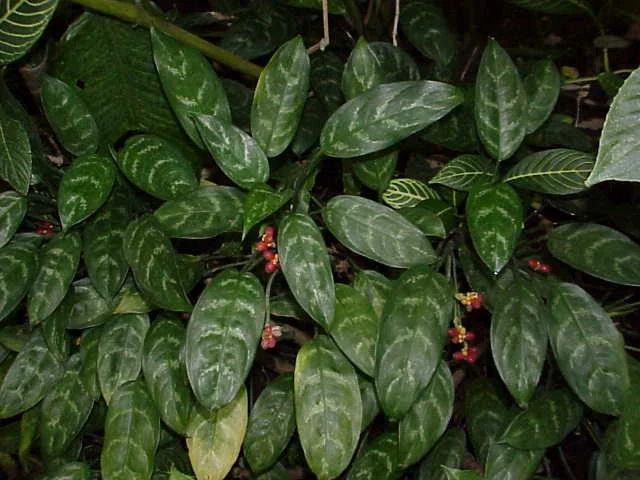
Aglaonema commutatum (Chinese evergreen). Photo: Kurt Stüber [1] i Photo details
Aglaonema commutatum2.jpg
License: CC BY-SA 3.0
Resized and converted to WebP for display; botanical details unchanged.
This displayed image is shared under the same CC BY-SA 3.0 license.
Toxic to cats Aglaonema commutatum
Medium indirect light
This guide covers Aglaonema commutatum using the assessed Aglaonema genus and documented species membership. It does not equate this species with Aglaonema modestum or unidentified hybrids.
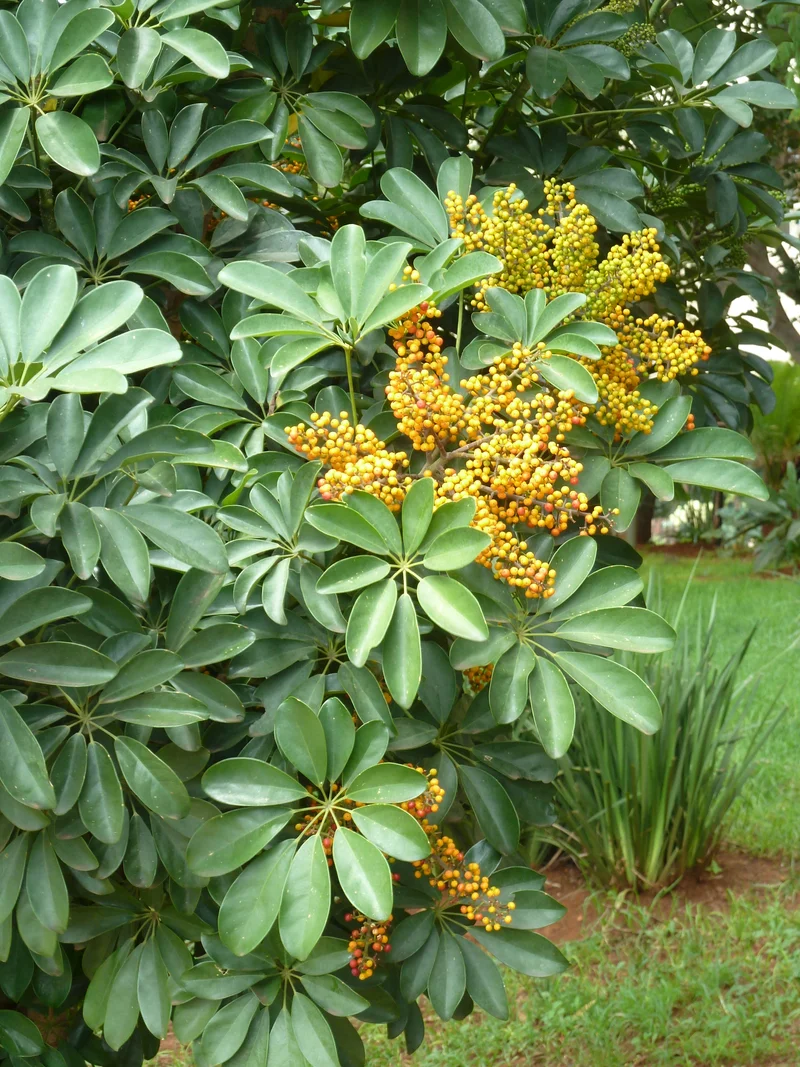
Heptapleurum arboricola, photographed under its synonym Schefflera arboricola. Photo: JMK i Toxic to cats Heptapleurum arboricola
Bright indirect light
This guide covers Heptapleurum arboricola, also known scientifically as Schefflera arboricola. It does not cover every umbrella plant.
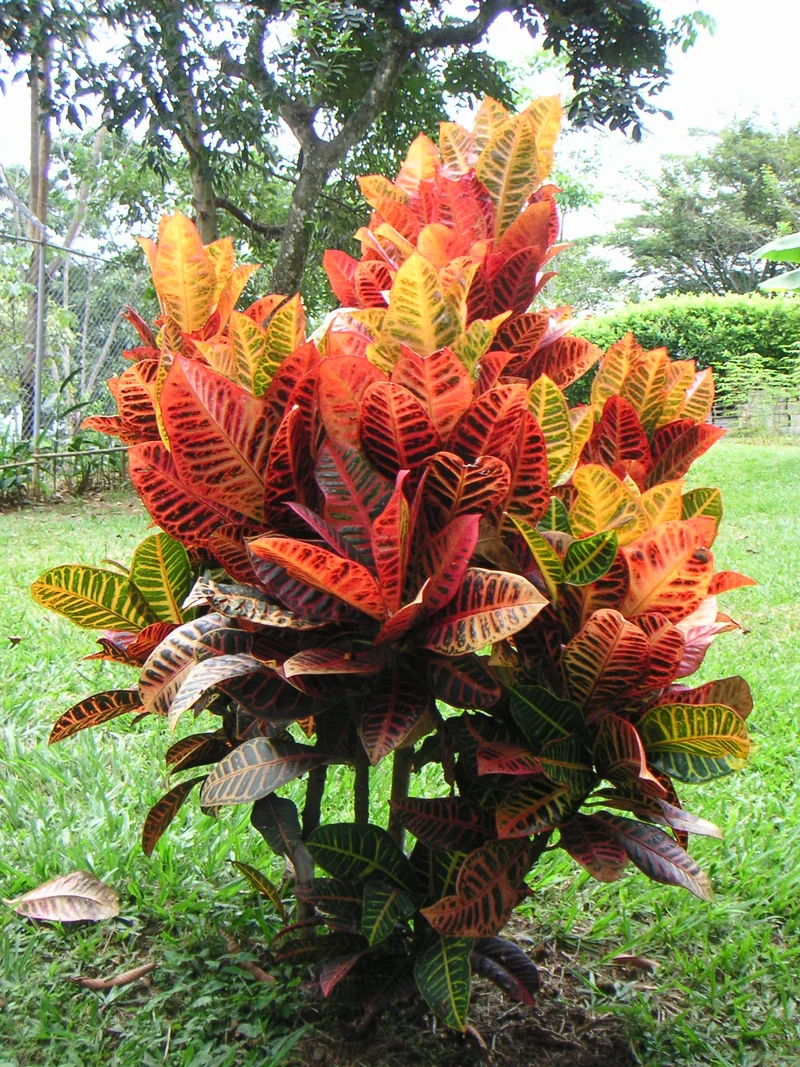
Codiaeum variegatum (garden croton). Photo: Louise Wolff --darina 23:22, 6 May 2005 (UTC) i Photo details
Colpfl05.jpg
License: CC BY-SA 3.0
Resized and converted to WebP for display; botanical details unchanged.
This displayed image is shared under the same CC BY-SA 3.0 license.
Toxic to cats Codiaeum variegatum
Bright indirect light or Some direct sun
This guide covers Codiaeum variegatum (garden croton), not every plant in the separate Croton genus. The poison-centre pet assessment is applied to cats; no species-specific severity tier is inferred.
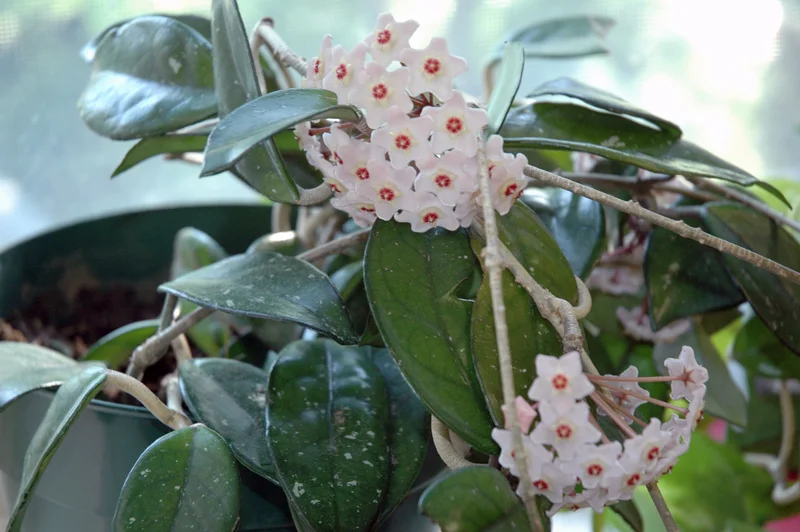
Hoya carnosa in flower. Photo: Yvan leduc i Non-toxic to cats Hoya carnosa
Bright indirect light
This guide covers Hoya carnosa. The source explicitly names the species, without restricting its assessment to a named cultivar. Other Hoya species and unidentified hybrids are outside this guide.
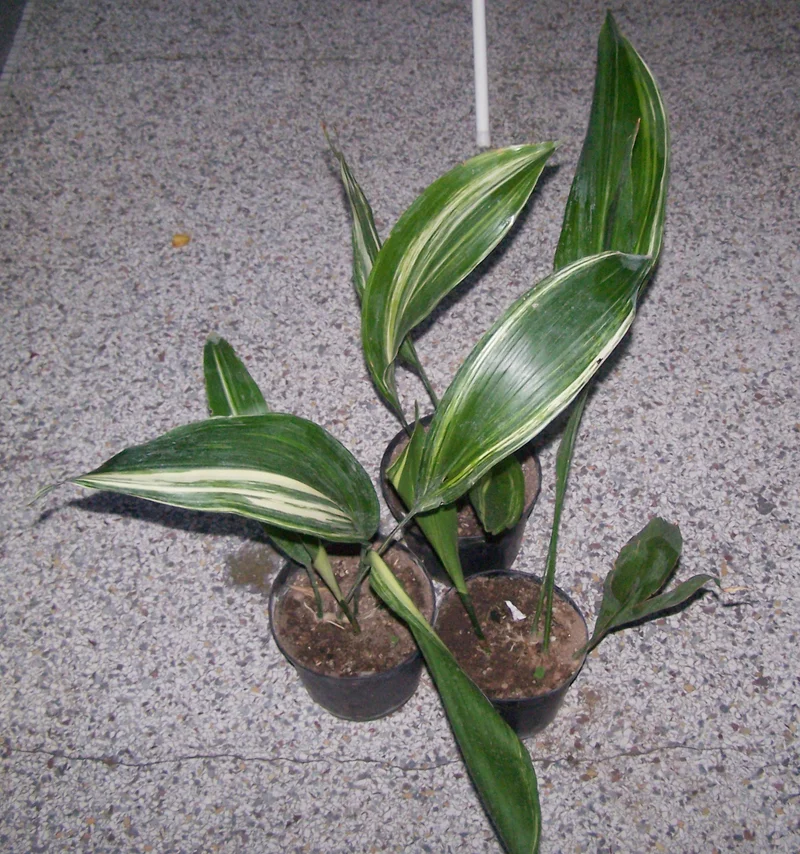
A variegated form of Aspidistra elatior. Photo: frau-doktor i Non-toxic to cats Aspidistra elatior
Medium indirect light
This guide covers Aspidistra elatior only. A shared common name or similar appearance does not establish that another plant has the same assessment.
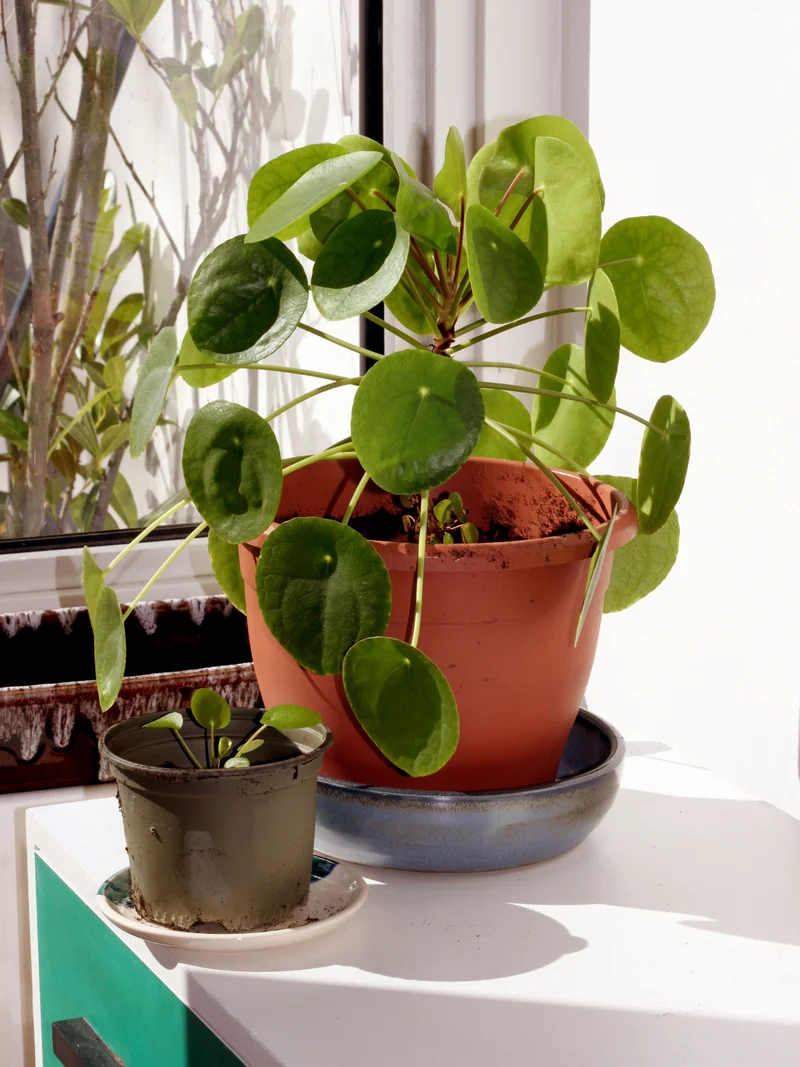
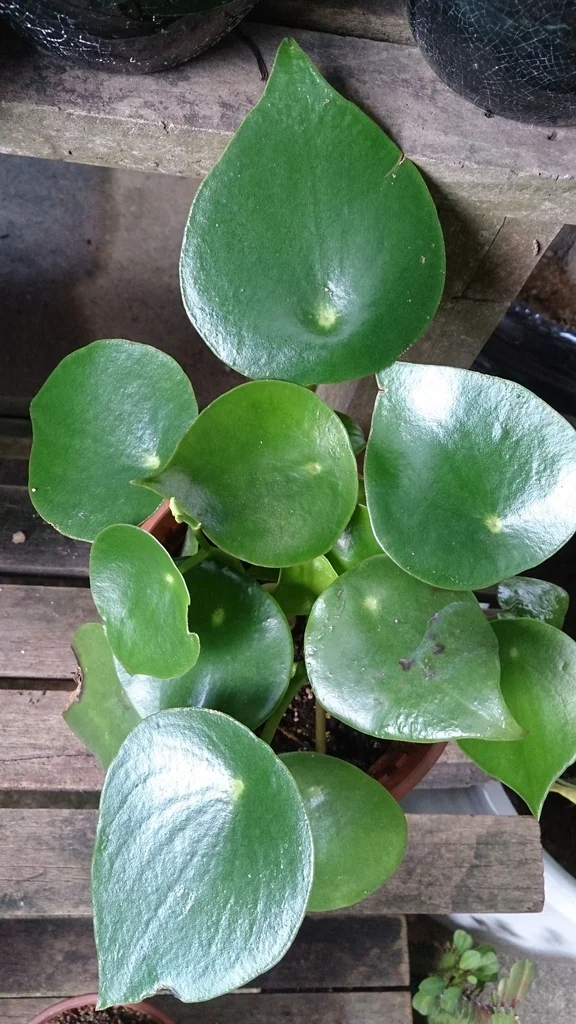
Pilea peperomioides (Chinese money plant). Photo: Husky i Non-toxic to cats Pilea peperomioides
Bright indirect light
This guide covers Pilea peperomioides only. Money plant and money tree are ambiguous common names.
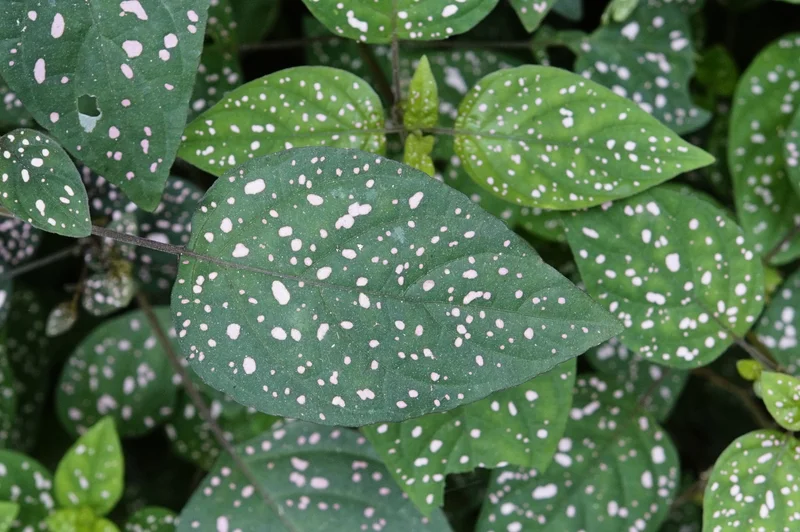
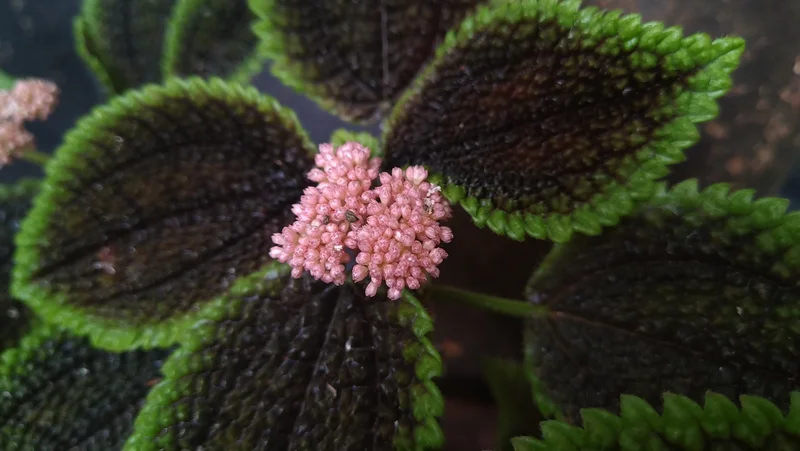
Pink-spotted foliage of Hypoestes phyllostachya. Photo: Vengolis i Non-toxic to cats Hypoestes phyllostachya
Bright indirect light
This guide covers Hypoestes phyllostachya only. A shared common name or similar appearance does not establish that another plant has the same assessment.
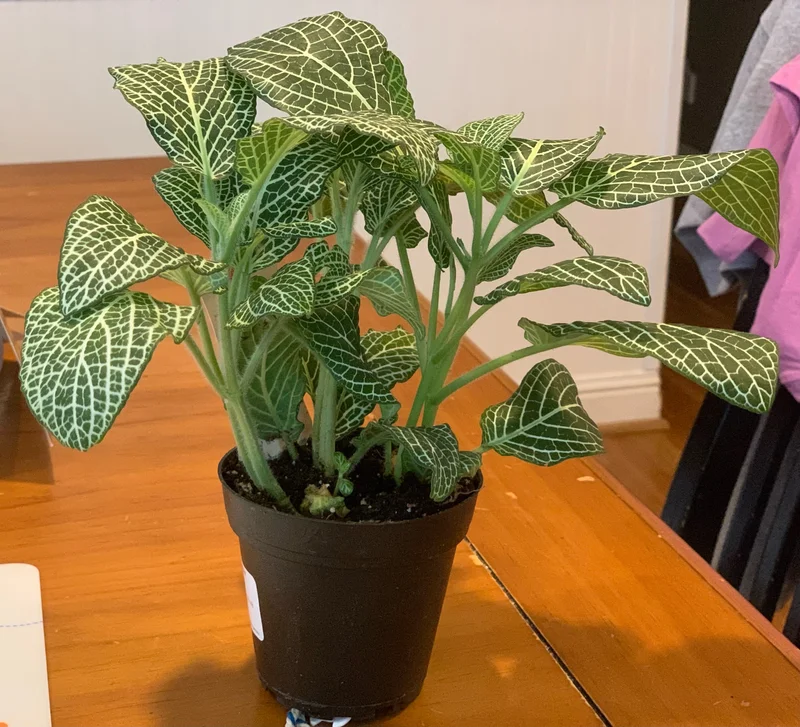
Fittonia albivenis in a pot. Photo: Why can't i get a cow i Photo details
Potted Fittonia albivenis.jpg
License: CC BY-SA 4.0
Resized and converted to WebP for display; botanical details unchanged.
This displayed image is shared under the same CC BY-SA 4.0 license.
Non-toxic to cats Fittonia albivenis
Medium indirect light or Bright indirect light
This guide covers Fittonia albivenis, including the scientific synonym Fittonia verschaffeltii used in the cat-safety reference. Other plants sold as nerve plants or mosaic plants need their own identification.
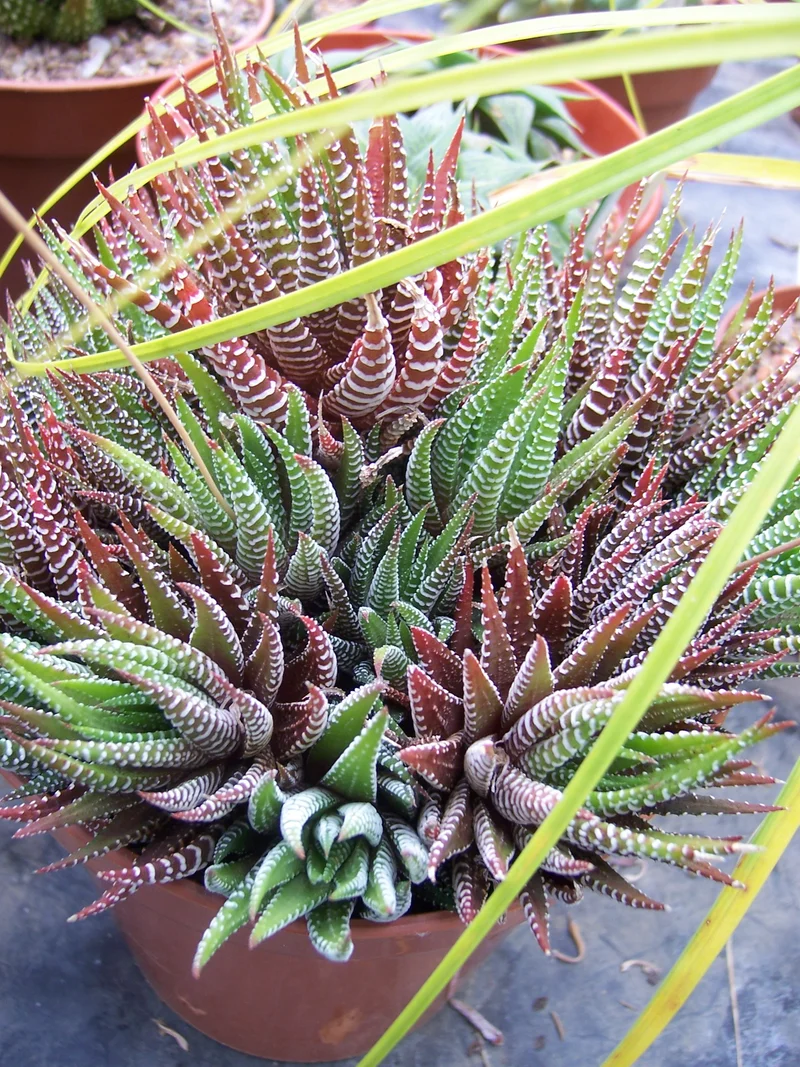
Haworthiopsis attenuata, also recorded under the older name Haworthia attenuata. Photo: stephen boisvert from Chicago, United States i Non-toxic to cats Haworthiopsis attenuata
Bright indirect light
This guide covers Haworthiopsis attenuata, formerly named Haworthia attenuata. The safety evidence is a genus-level assessment applied to this documented member, not a cat-specific experiment on this species. It does not identify Haworthiopsis fasciata, unrelated zebra plants or unidentified hybrids.
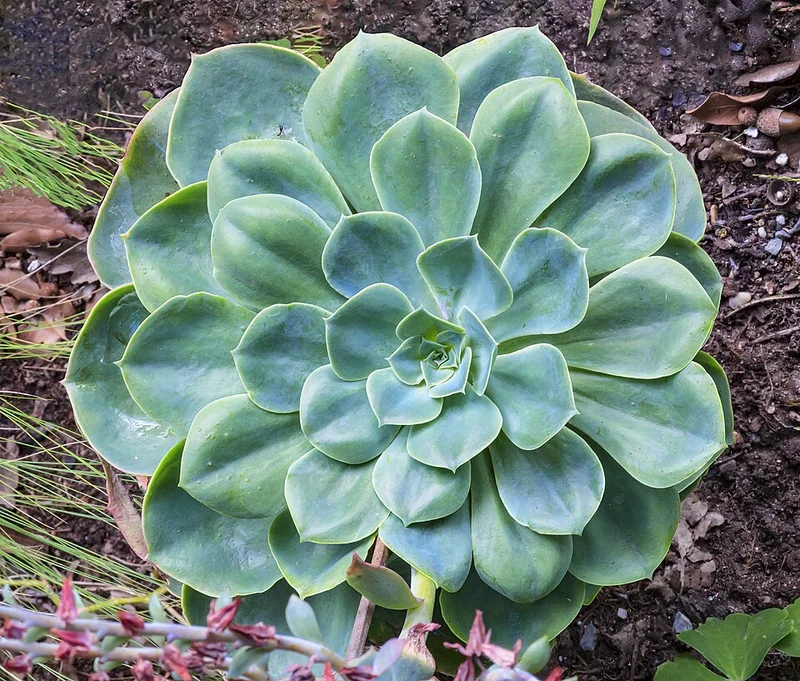
Echeveria secunda, illustrating the genus covered by this guide. Photo: Didier Descouens i Photo details
(MHNT) Echeveria secunda.jpg
License: CC BY-SA 4.0
Resized and converted to WebP for display; botanical details unchanged.
This displayed image is shared under the same CC BY-SA 4.0 license.
Non-toxic to cats Echeveria spp.
Bright indirect light
This guide covers the Echeveria genus. It does not cover all succulents or plants identified only by their rosette shape.
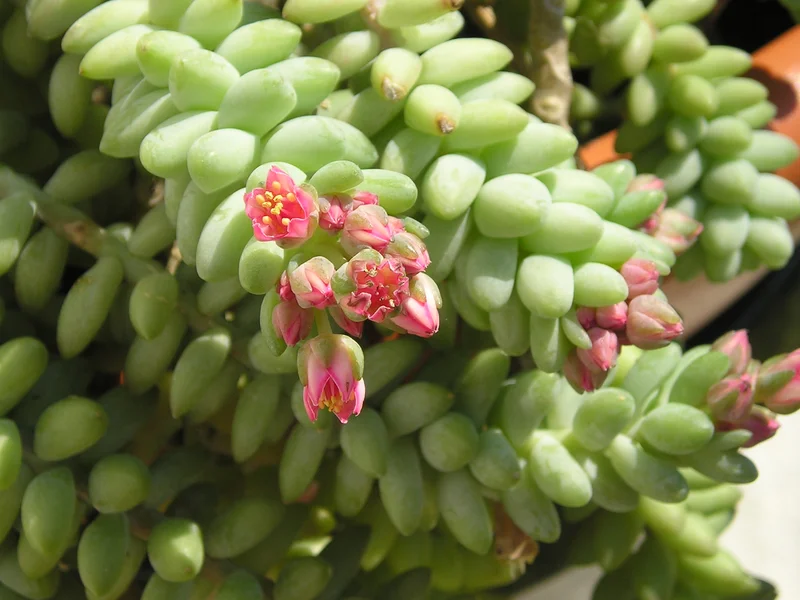
Sedum morganianum in flower. Photo: Morningdew51 at English Wikipedia i Photo details
Donkey's tail in bloom March 06.jpg
License: CC BY-SA 3.0
Resized and converted to WebP for display; botanical details unchanged.
This displayed image is shared under the same CC BY-SA 3.0 license.
Non-toxic to cats Sedum morganianum
Some direct sun
This guide covers Sedum morganianum only. A shared common name or similar appearance does not establish that another plant has the same assessment.
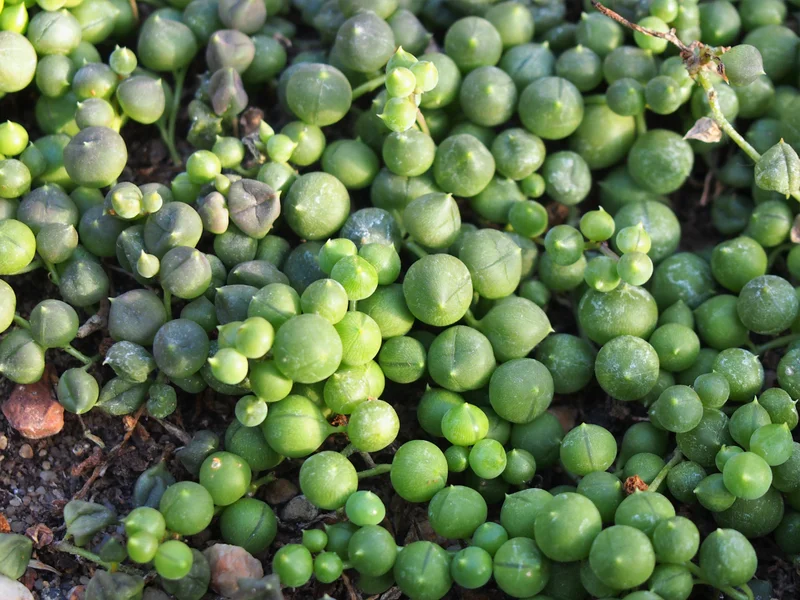
Curio rowleyanus (string of pearls). Photo: Agnieszka Kwiecień, Nova i Toxic to cats Curio rowleyanus
Bright indirect light
This guide covers Curio rowleyanus, also known scientifically as Senecio rowleyanus. Other trailing succulents require their own identification.
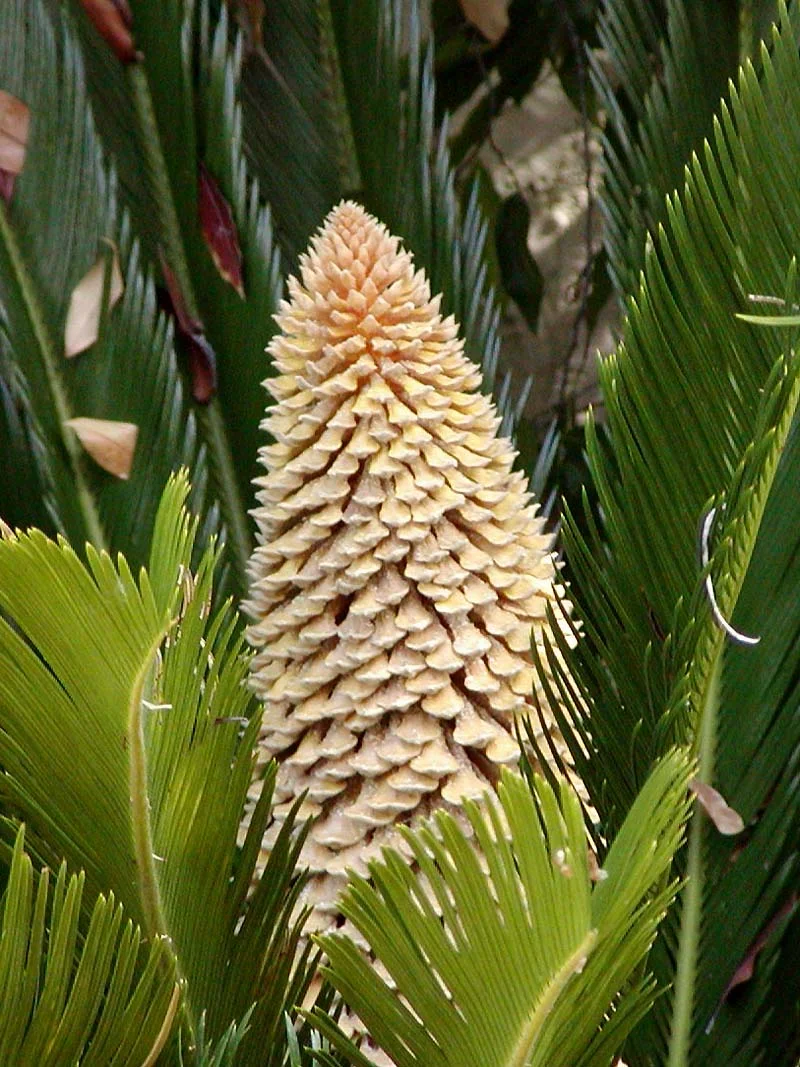
Cycas revoluta showing a male cone. This is not a photograph of its seeds. Photo: Stan Shebs i Photo details
Cycas inflorescence.jpg
License: CC BY-SA 3.0
Resized and converted to WebP for display; botanical details unchanged.
This displayed image is shared under the same CC BY-SA 3.0 license.
Highly toxic to cats Cycas revoluta
Bright indirect light
This guide covers Cycas revoluta. It does not assess all plants called palms. The high-toxicity classification is supported by poison-control warnings of potentially fatal effects; no numerical risk or survival estimate is assigned.
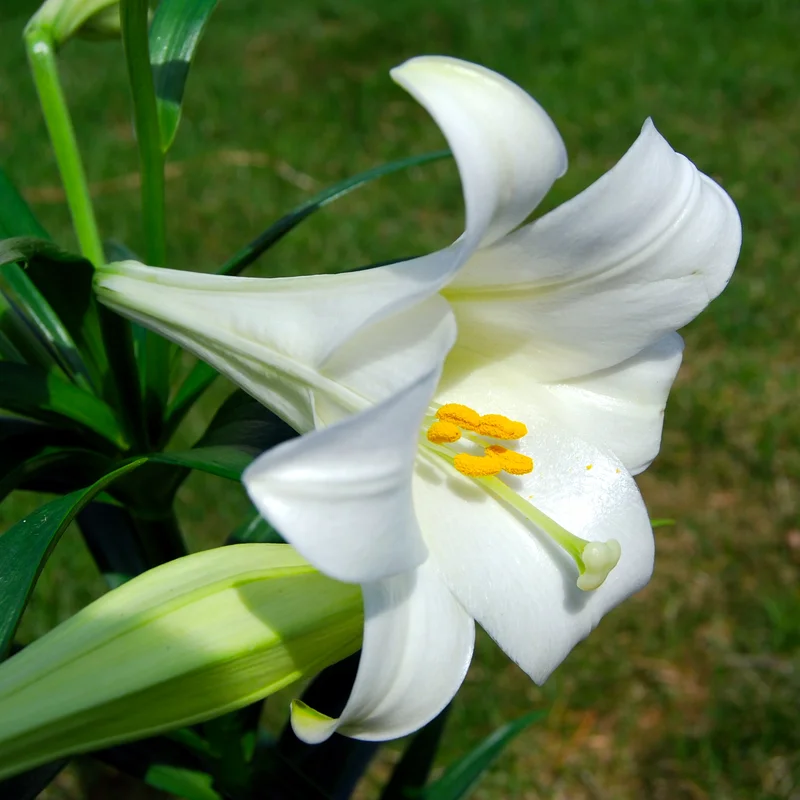
Flower detail of Lilium longiflorum, the Easter lily. Photo: Matt H. Wade (UpstateNYer) i Photo details
Lilium longiflorum (Easter Lily).JPG
License: CC BY-SA 3.0
Source white-balance adjustment by IdLoveOne. Resized and converted to WebP for display; botanical details unchanged.
This displayed image is shared under the same CC BY-SA 3.0 license.
Highly toxic to cats Lilium longiflorum
Bright indirect light
This guide covers Lilium longiflorum, the Easter lily explicitly named in FDA guidance about dangerous lilies and cats. The name lily is shared by different plants and does not establish that they have the same effects.
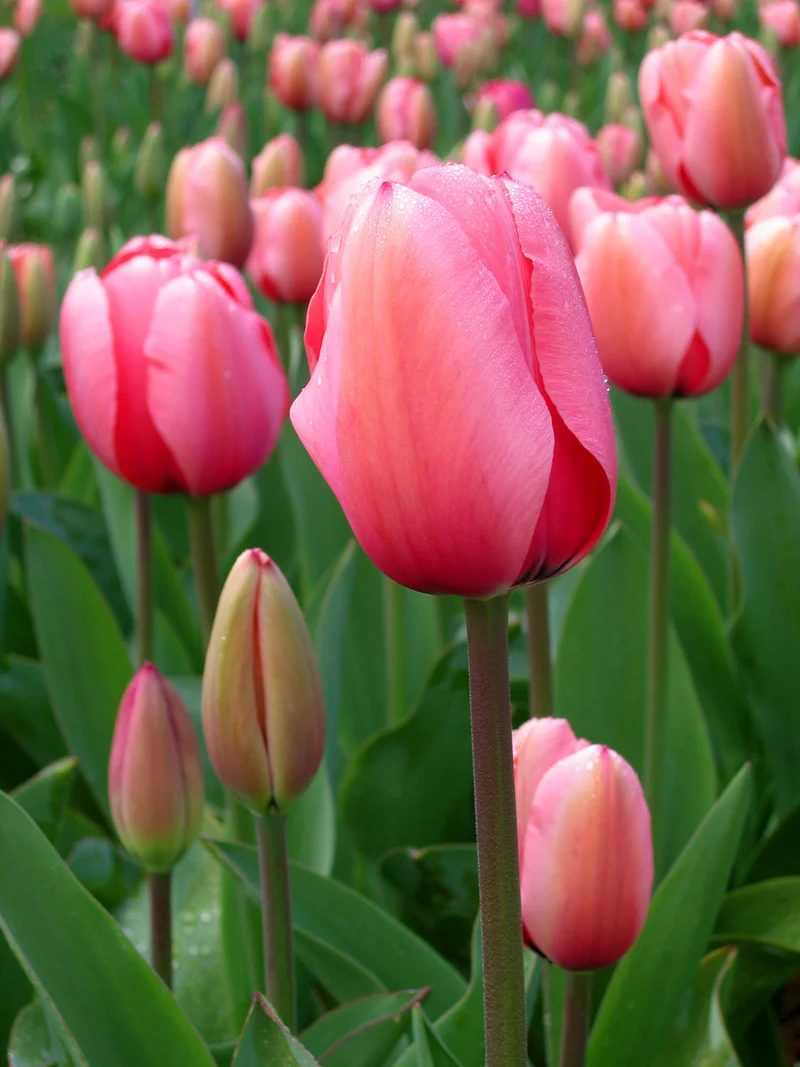
A pink garden tulip cultivar; the particular cultivar is not identified. Photo: John O'Neill i Photo details
Tulipa suaveolens floriade to Canberra.jpg
License: CC BY-SA 3.0
Source edited by Fir0002 for John O’Neill. Resized and converted to WebP for display; botanical details unchanged.
This displayed image is shared under the same CC BY-SA 3.0 license.
Toxic to cats Tulipa spp.
Sunny position
This is a genus-level guide to Tulipa spp., the group named in the cat-safety source. The assessment concerns the whole plant, including the bulbs, and does not provide a separate rating for individual species or cultivars.
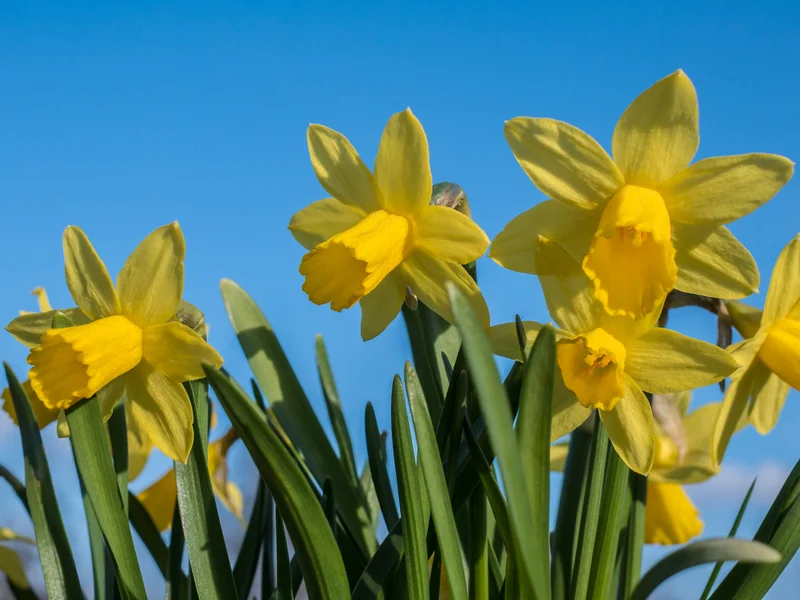
Daffodils (Narcissus), illustrating the genus covered by this guide. Photo: Uberprutser i Photo details
Narcissus flowers.jpg
License: CC BY-SA 3.0
Resized and converted to WebP for display; botanical details unchanged.
This displayed image is shared under the same CC BY-SA 3.0 license.
Toxic to cats Narcissus spp.
Sunny position or Some direct sun
This guide covers the Narcissus genus, including daffodils. It does not cover unrelated plants with similar flower names.
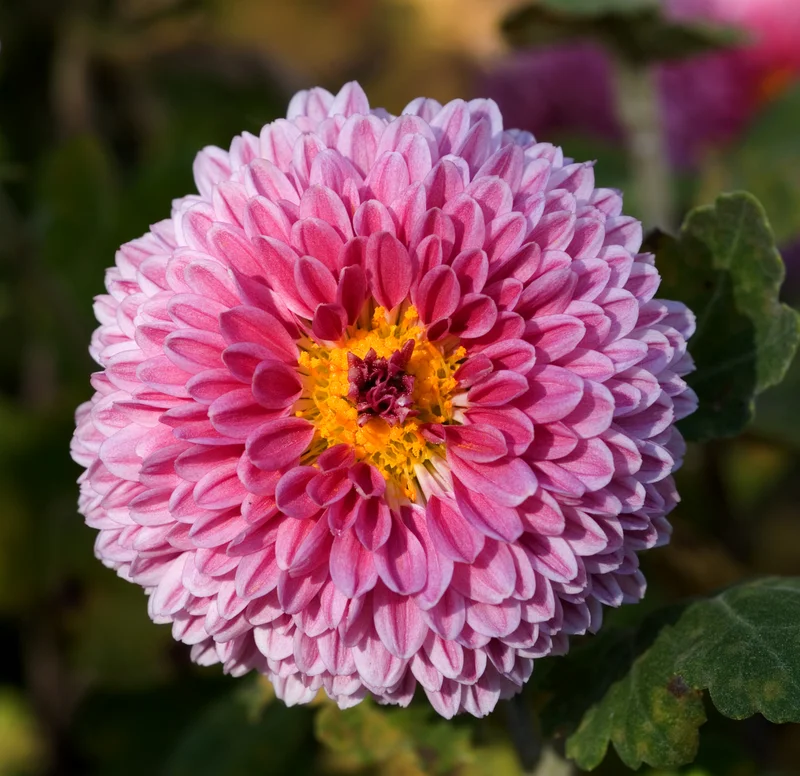
A flowering example of Chrysanthemum × morifolium. Photo: masaki ikeda i Conflicting guidance — use caution Chrysanthemum × morifolium
Sunny position
This page concerns the cultivated florist's chrysanthemum, Chrysanthemum × morifolium. Sources use historical hybrid names; those literal names and their scope must remain visible. It does not cover all chrysanthemums.
Chamaedorea cataractarum foliage in a nursery. Photo: Forest & Kim Starr i Safety not confirmed — use caution Chamaedorea cataractarum
Light varies by type
This page concerns Chamaedorea cataractarum. It does not inherit a safety classification from the common word palm or from Chamaedorea elegans.
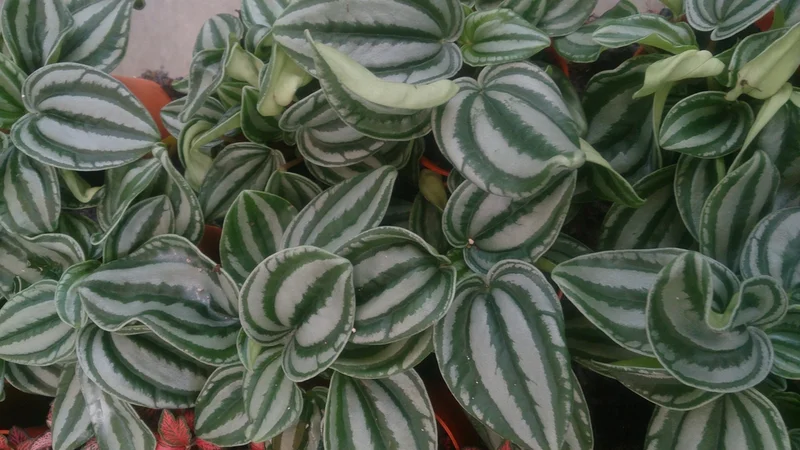
Source-identified Peperomia argyraea. Background plants, if present, are not covered by this guide. Photo: Mokkie i Non-toxic to cats Peperomia argyraea
Bright indirect light
Peperomia argyraea, also known as Peperomia argyreia. This guide does not cover Begonia species or other plants sold as watermelon plant.
Source-identified Pilea involucrata. Background plants, if present, are not covered by this guide. Photo: Abdullhaleems i Non-toxic to cats Pilea involucrata
Bright indirect light
Pilea involucrata only. Other Pilea species and plants sold under the same common name are not covered.
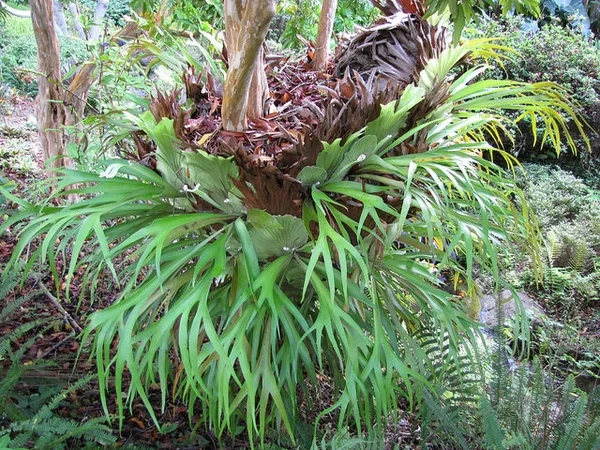
Source-identified Platycerium bifurcatum. Background plants, if present, are not covered by this guide. Photo: Forest and Kim Starr i Non-toxic to cats Platycerium bifurcatum
Bright indirect light
Platycerium bifurcatum only; other staghorn species and hybrids are outside this guide.
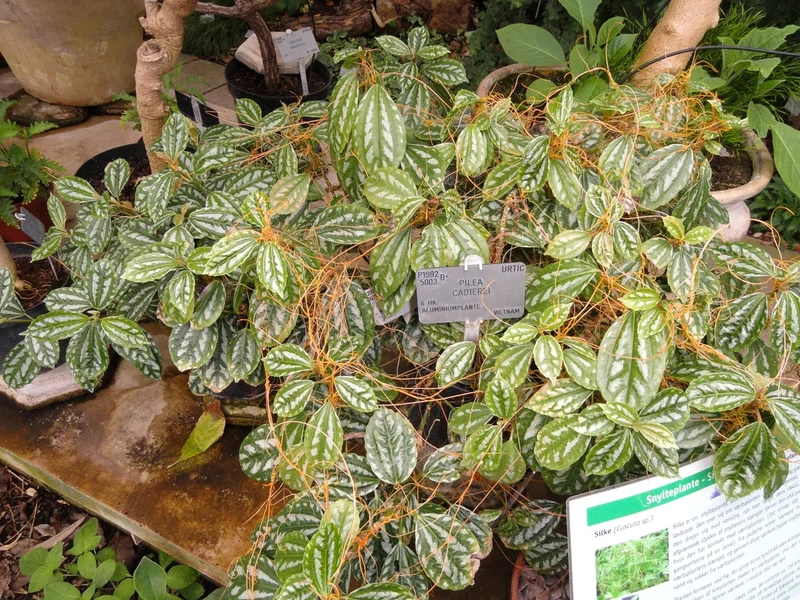
Source-identified Pilea cadierei. Background plants, if present, are not covered by this guide. Photo: Daderot i Non-toxic to cats Pilea cadierei
Bright indirect light
Pilea cadierei only. This guide does not cover watermelon peperomia or other plants with similar common names.
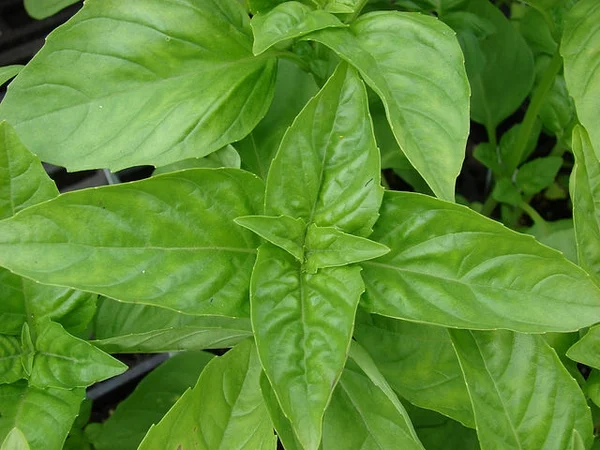
Source-identified Ocimum basilicum. Background plants, if present, are not covered by this guide. Photo: Forest and Kim Starr i Non-toxic to cats Ocimum basilicum
Sunny position
Ocimum basilicum only. Other species called basil, concentrated extracts and prepared foods are outside this guide.
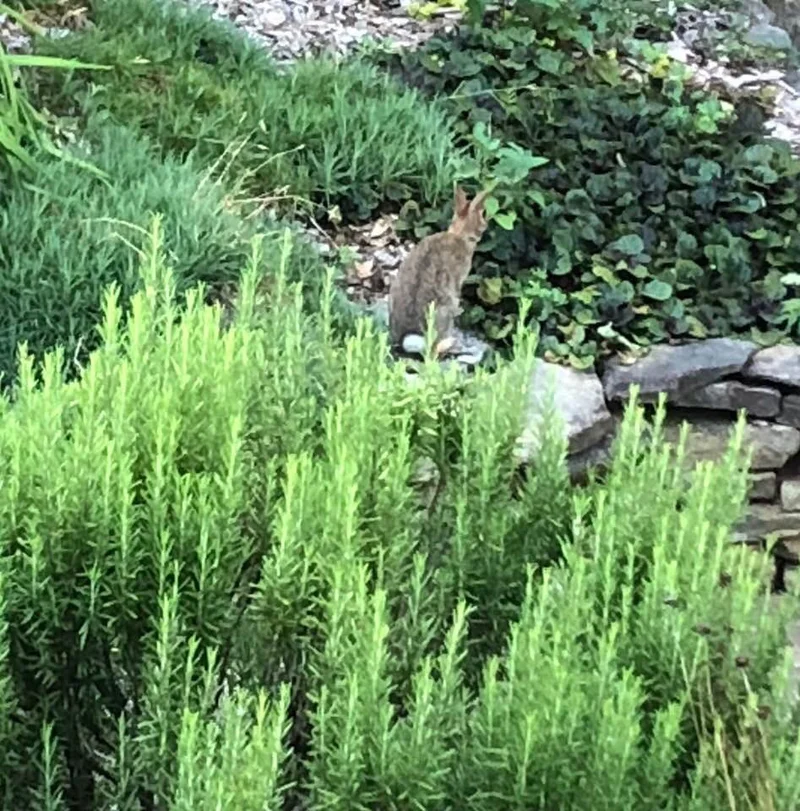
Source-identified Salvia rosmarinus. Background plants, if present, are not covered by this guide. Photo: Cathy Dewitt i Conflicting guidance — use caution Salvia rosmarinus
Sunny position
Salvia rosmarinus, formerly Rosmarinus officinalis. This guide excludes bog rosemary, essential oils, extracts and prepared foods.
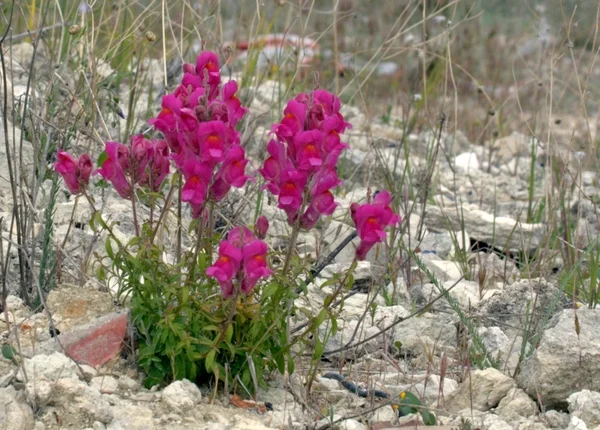
Source-identified Antirrhinum majus. Background plants, if present, are not covered by this guide. Photo: Manual i Non-toxic to cats Antirrhinum majus
Sunny position or Some direct sun
Antirrhinum majus only. Other plants called snapdragon are outside this guide.
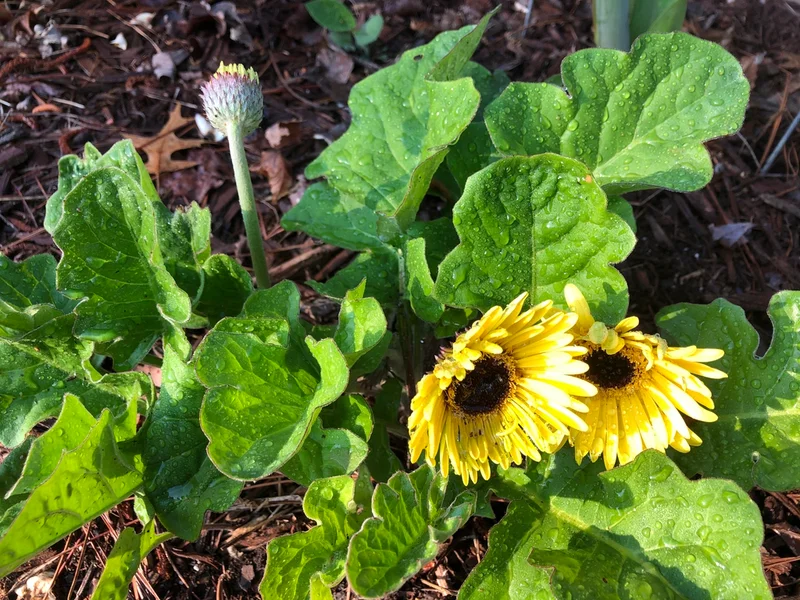
Source-identified Gerbera jamesonii. Background plants, if present, are not covered by this guide. Photo: Jeannette Debs i Non-toxic to cats Gerbera jamesonii
Sunny position
Gerbera jamesonii only. Commercial interspecific Gerbera hybrids and other plants called African daisy are not automatically covered.
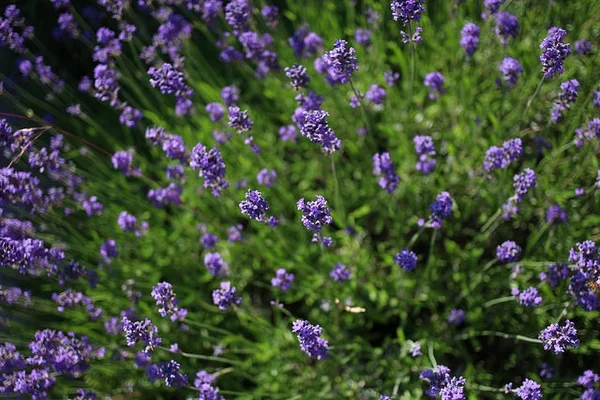
Flowers Photo: Mats Hagwell i Toxic to cats Lavandula angustifolia
Sunny position
This guide covers English lavender, not every plant sold as lavender or concentrated lavender products.
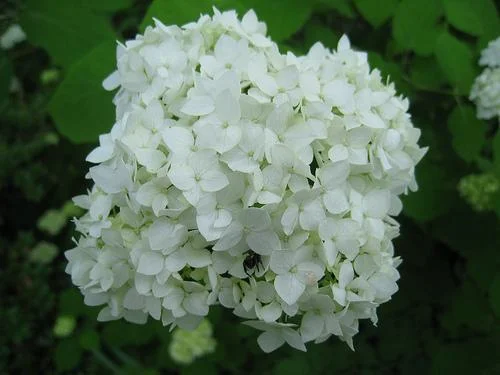
Hydrangea arborescens 'Annabelle' bloom Photo: Elsa Spezio i Toxic to cats Hydrangea arborescens
Some direct sun
This guide covers Hydrangea arborescens. It does not apply its pruning advice to every hydrangea.
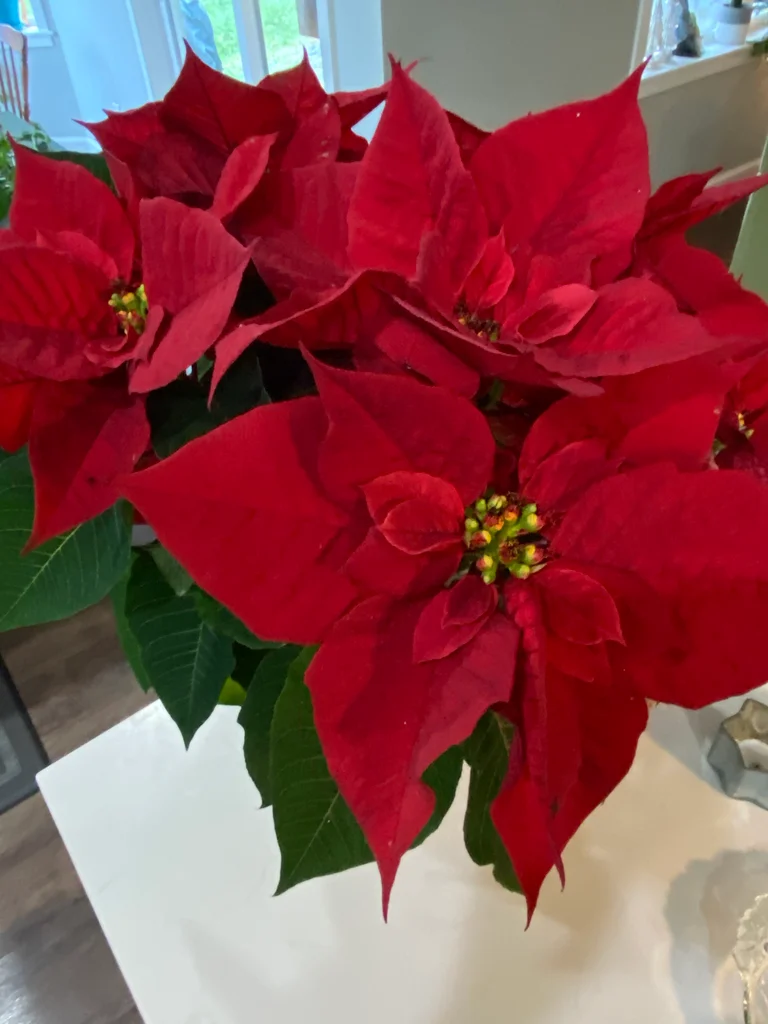
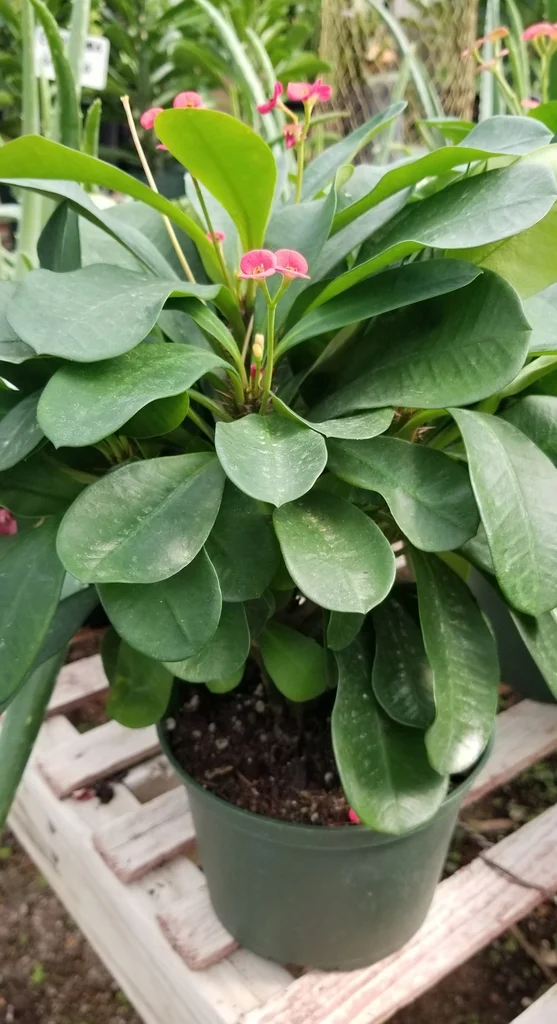
Colorful red bracts Photo: Kathleen Moore i Toxic to cats Euphorbia pulcherrima
Some direct sun
This guide covers Euphorbia pulcherrima, including the pictured red-bracted plant.
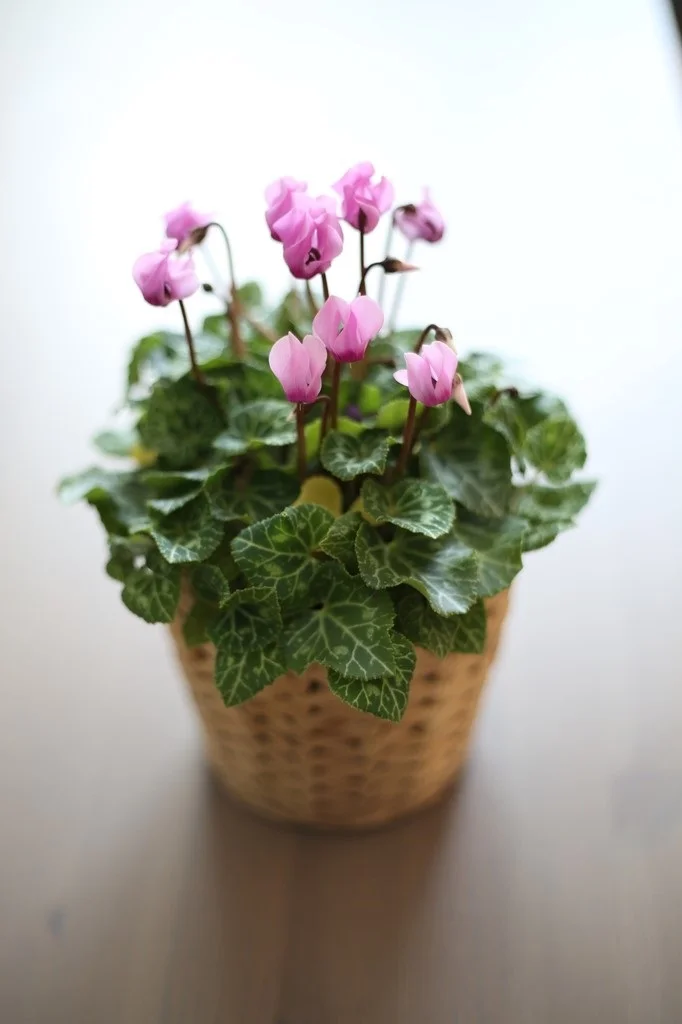
Plant in Pot (Cabarrus County,NC) Photo: Hope Duckworth i Toxic to cats Cyclamen persicum
Bright indirect light
This guide covers Cyclamen persicum. Its growing instructions are for florist's cyclamen, not every hardy garden cyclamen.
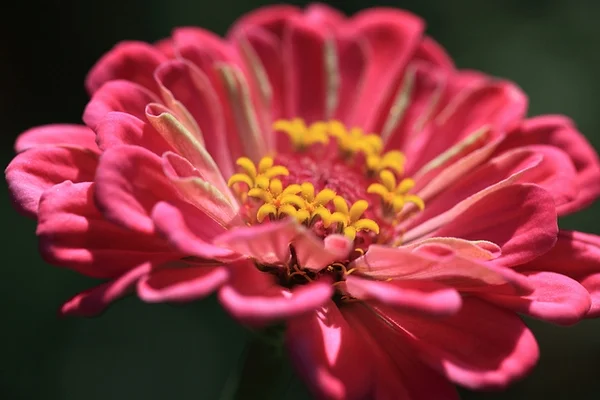
Zinnia elegans Photo: TANAKA Juuyoh i Non-toxic to cats Zinnia elegans
Sunny position
This guide covers Zinnia elegans, not a blanket assessment of mixed bouquets or plants with similar common names.
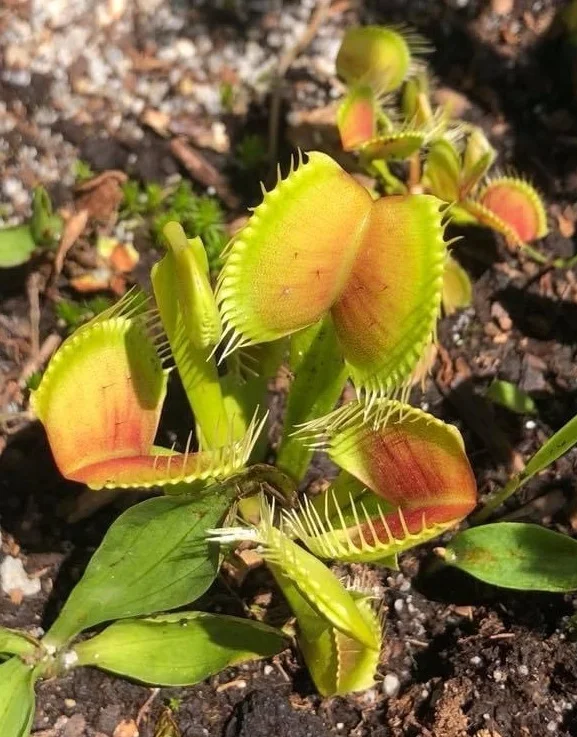
Dionaea muscipula (Wake County, NC) Photo: Cathy Dewitt i Non-toxic to cats Dionaea muscipula
Sunny position or Some direct sun
This guide covers Dionaea muscipula. It is not a safety assessment of all carnivorous plants.
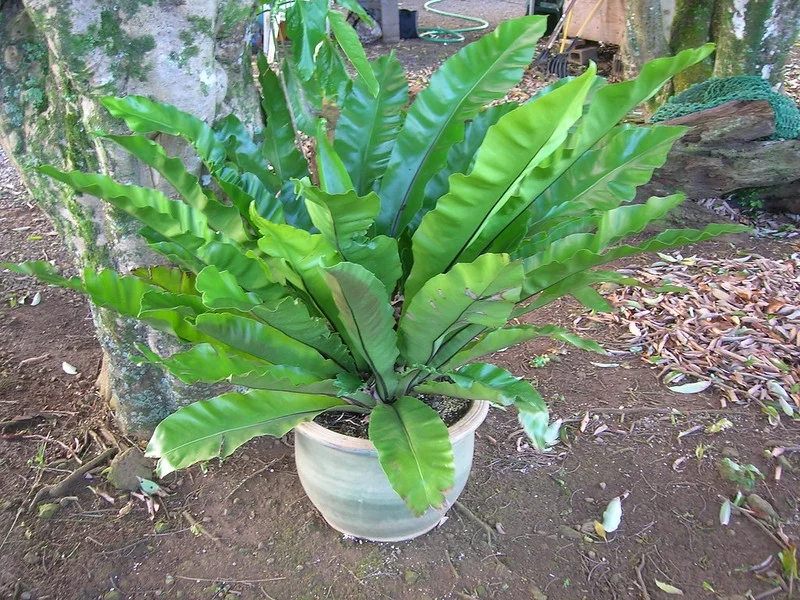
Potted plant. Photo: Forest and Kim Starr i Non-toxic to cats Asplenium nidus
Bright indirect light
Only Asplenium nidus; other ferns sold under this common name need their own identity check.
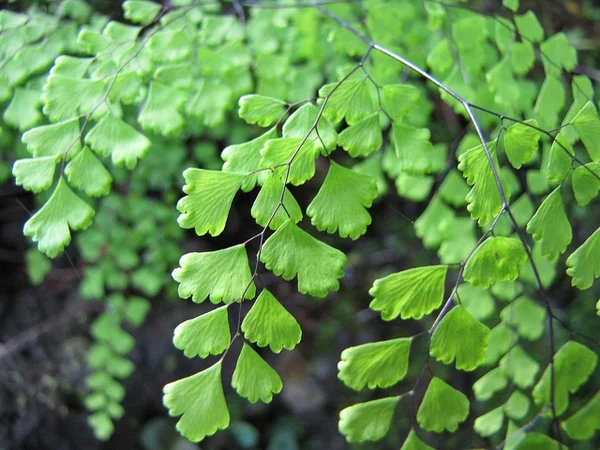
Fronds Photo: Forest and Kim Starr i Non-toxic to cats Adiantum raddianum
Medium indirect light
Adiantum raddianum only; the name maidenhair alone is not enough to identify a plant.
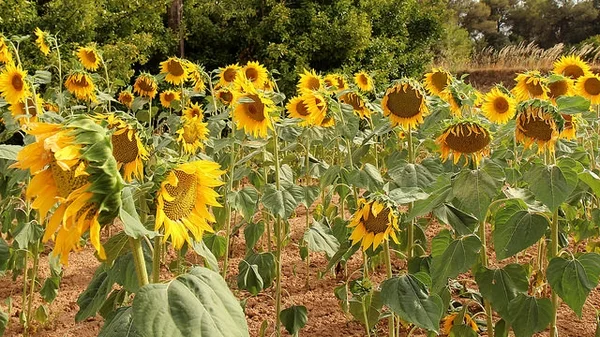
Common sunflower Photo: Albert Torello i Non-toxic to cats Helianthus annuus
Sunny position
Helianthus annuus only; this assessment is not automatically extended to other sunflowers or treated bouquets.
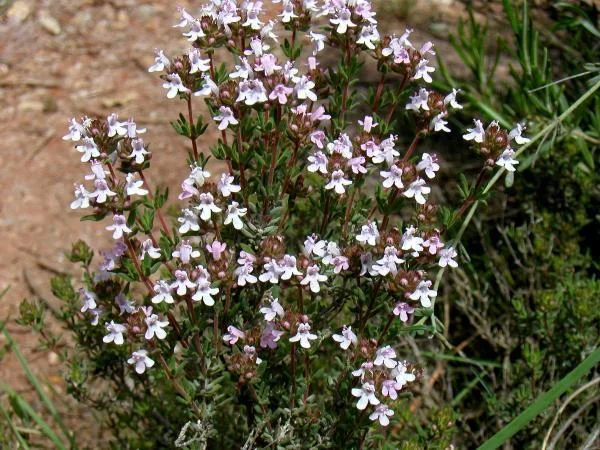
Leaves and flowers Photo: Ferran Turmo Gort i Non-toxic to cats Thymus vulgaris
Sunny position
Thymus vulgaris only; do not treat every plant called thyme as the same species.
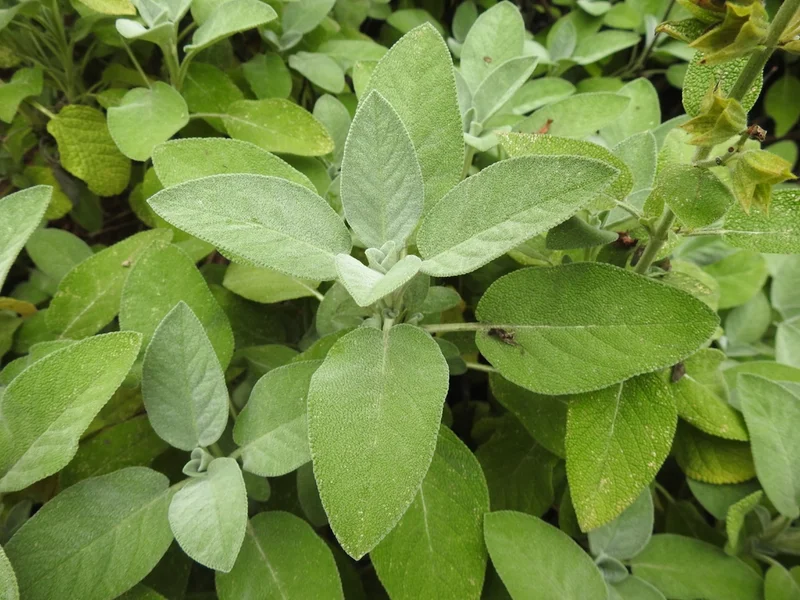
Salvia officinalis Leaves Photo: Kathleen Moore i Non-toxic to cats Salvia officinalis
Sunny position
Salvia officinalis only; Greek sage and unrelated plants with sage in their name are outside scope.
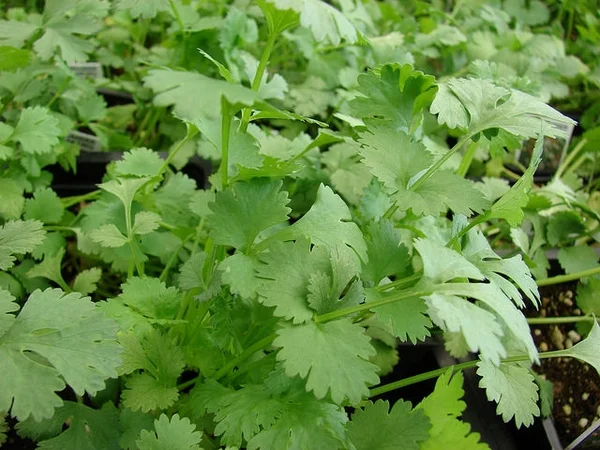
Coriandrum sativum Photo: Forest and Kim Starr i Non-toxic to cats Coriandrum sativum
Sunny position or Some direct sun
Coriandrum sativum, also called coriander; no assessment of seasonings or mixed foods.
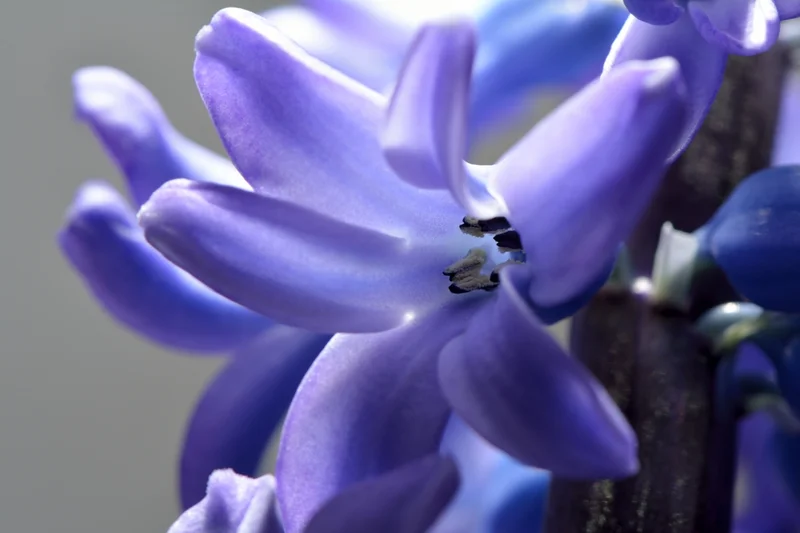
Flower Photo: Uoasi1 i Toxic to cats Hyacinthus orientalis
Sunny position or Some direct sun
Hyacinthus orientalis only; grape hyacinths are a different genus.
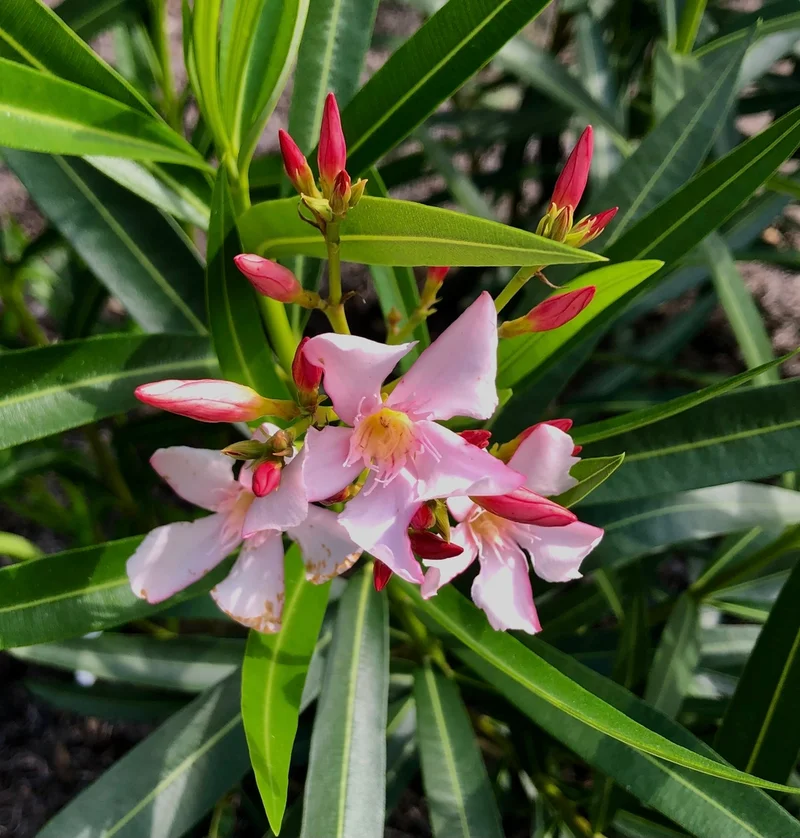
Nerium oleander 'Hardy Pink' Flowers. Sept. 15. Wake Co., NC Photo: Cathy DeWitt i Toxic to cats Nerium oleander
Sunny position or Some direct sun
Nerium oleander; the photograph shows the Hardy Pink cultivar within this species.
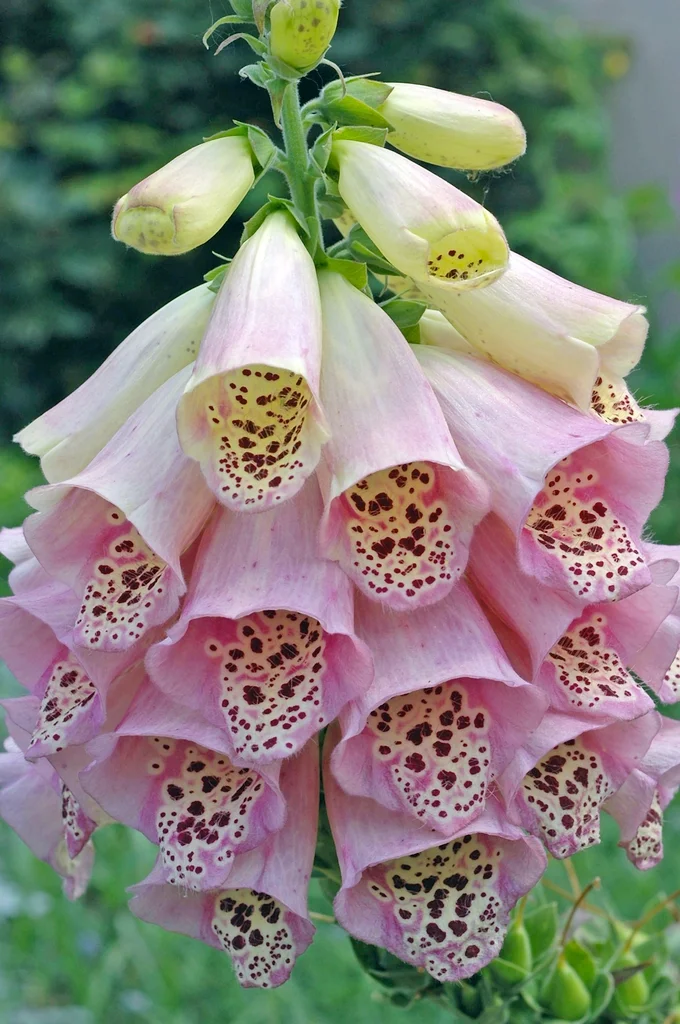
Digitalis purpurea Photo: Parent Gery i Toxic to cats Digitalis purpurea
Some direct sun
Digitalis purpurea only; do not assume every plant with foxglove in its name has this identity.
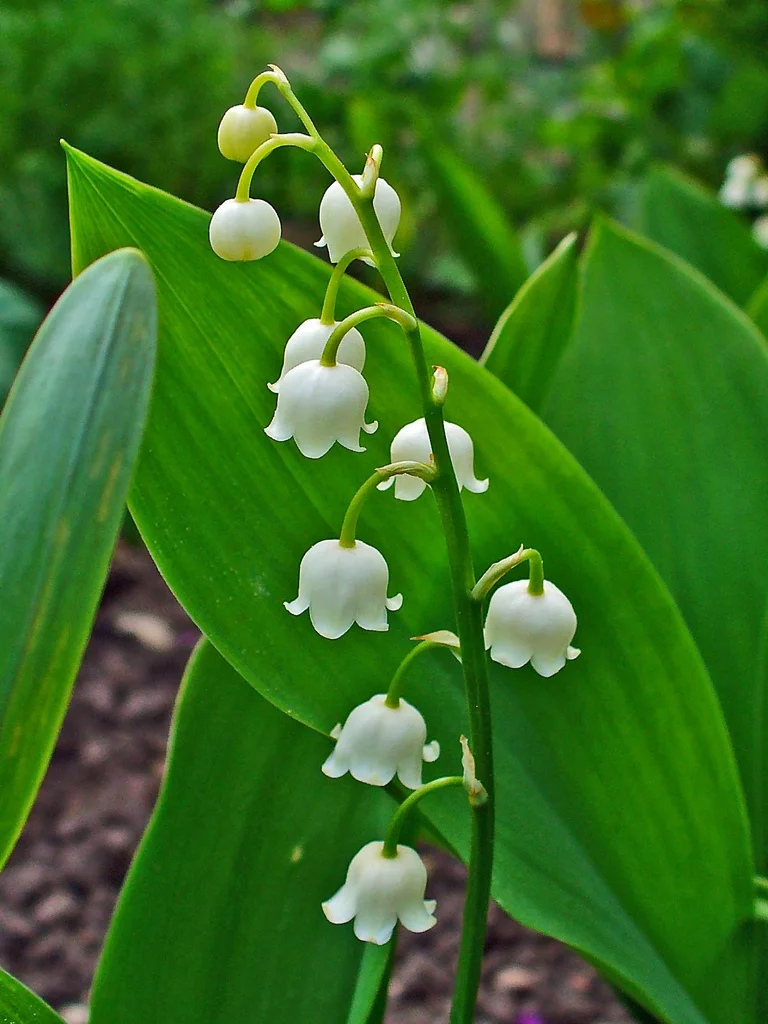
White bell-shaped flowers Photo: H Zell i Toxic to cats Convallaria majalis
Medium indirect light
Convallaria majalis, not a true Lilium lily. A shared common name does not imply the same poisoning mechanism.
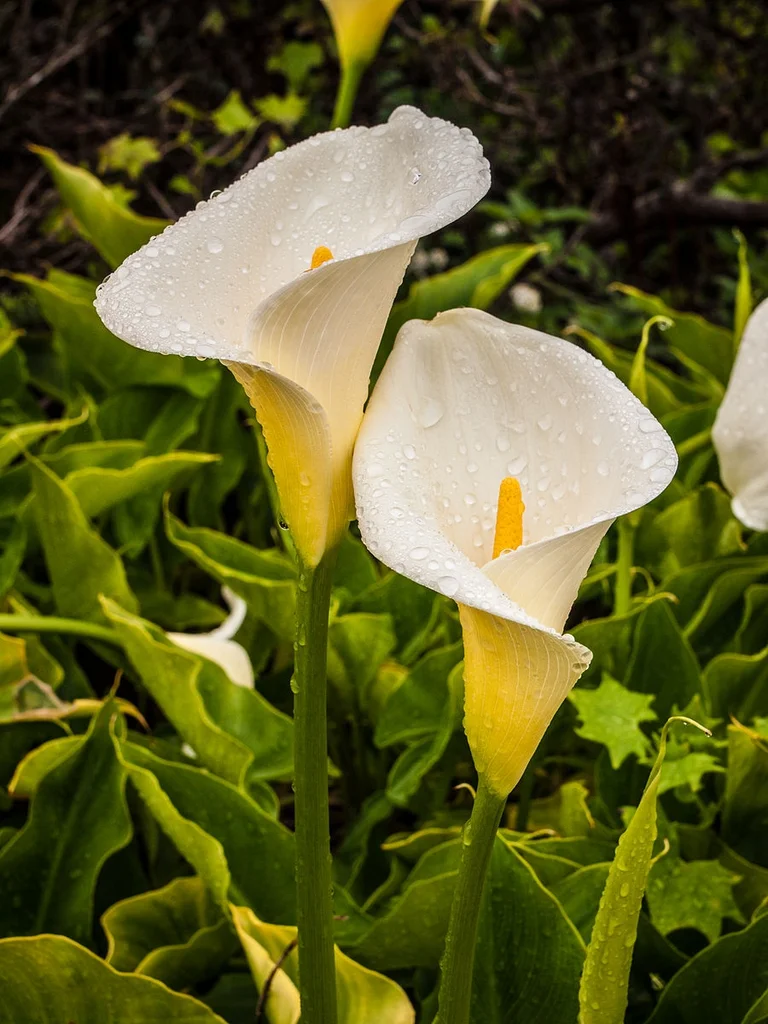
Zantedeschia aethiopica Photo: Franco Folini i Toxic to cats Zantedeschia aethiopica
Sunny position or Some direct sun
Zantedeschia aethiopica only. Calla lilies differ from true Lilium lilies; the mouth-irritation assessment must not be substituted for true-lily kidney-risk advice.
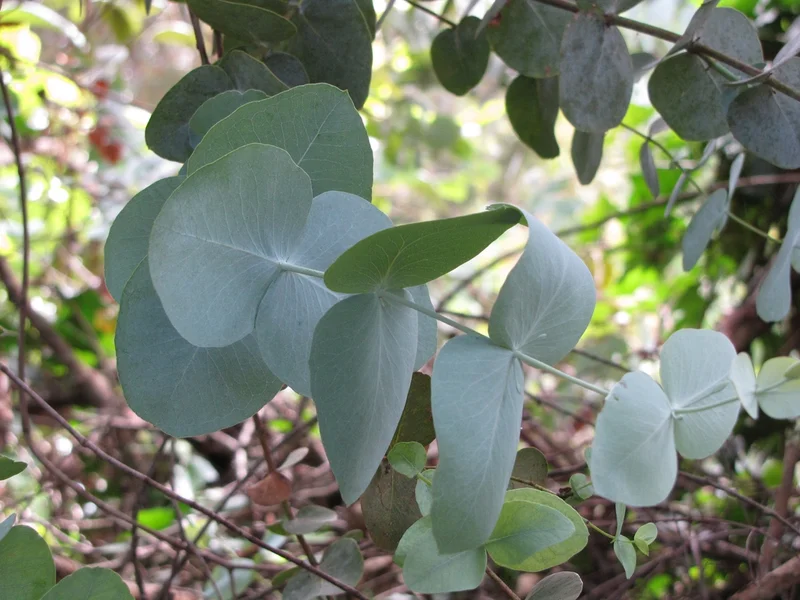
Leaves have opposite arrangement on the stem. Photo: Forest and Kim Starr i Toxic to cats Eucalyptus cinerea
Sunny position
Eucalyptus cinerea only; other plants called silver dollar and concentrated eucalyptus products are outside this plant guide.
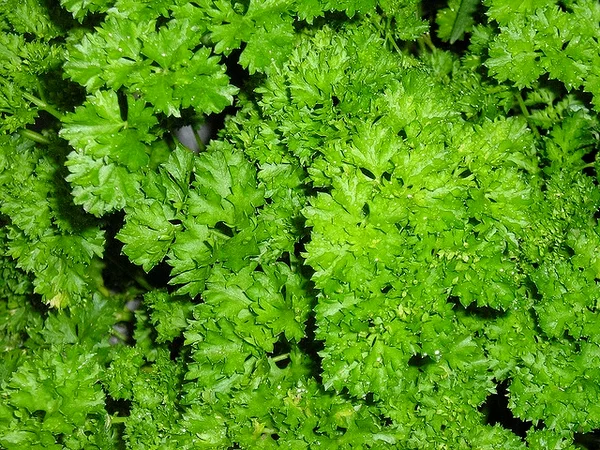
Petroselinum crispum Photo: Anna i Toxic to cats Petroselinum crispum
Sunny position or Some direct sun
Petroselinum crispum; this is plant-safety information, not a feeding recommendation.
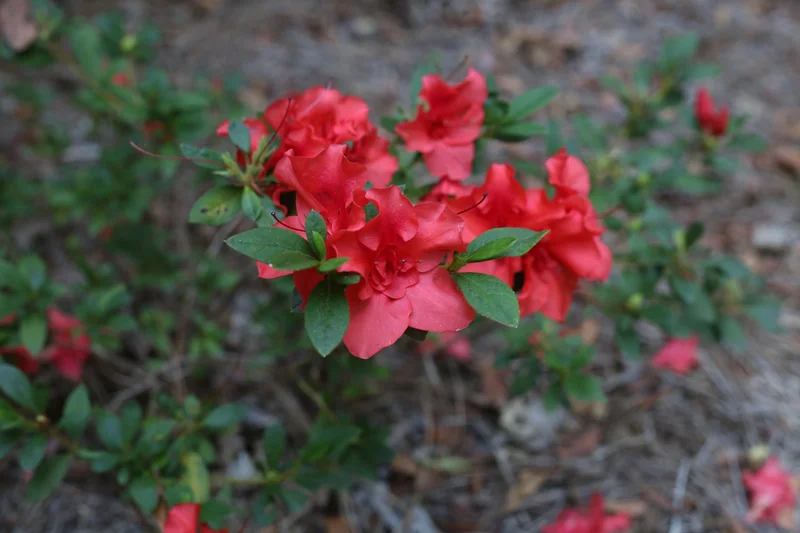
Rhododendron. Cabarrus County, NC Photo: Hope Duckworth i Toxic to cats Rhododendron spp
Medium indirect light
A genus-level guide, not a species or cultivar identification. Growing requirements vary; the photograph is one example from the genus.
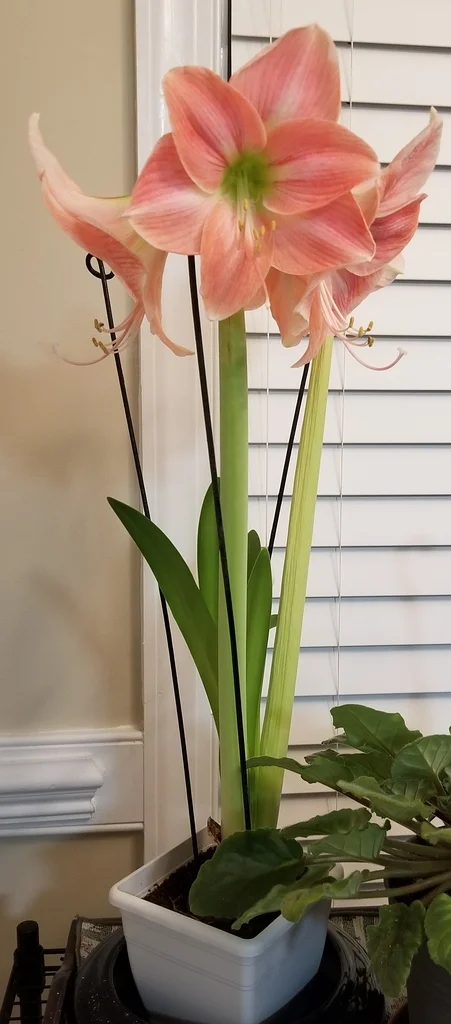
Hippeastrum 'Vera,' Amaryllis, houseplant view Photo: Cindy Christian i Toxic to cats Hippeastrum spp.
Sunny position or Some direct sun
Hippeastrum species and garden hybrids, including the pictured Vera cultivar. This is not an Amaryllis belladonna or true-lily guide.
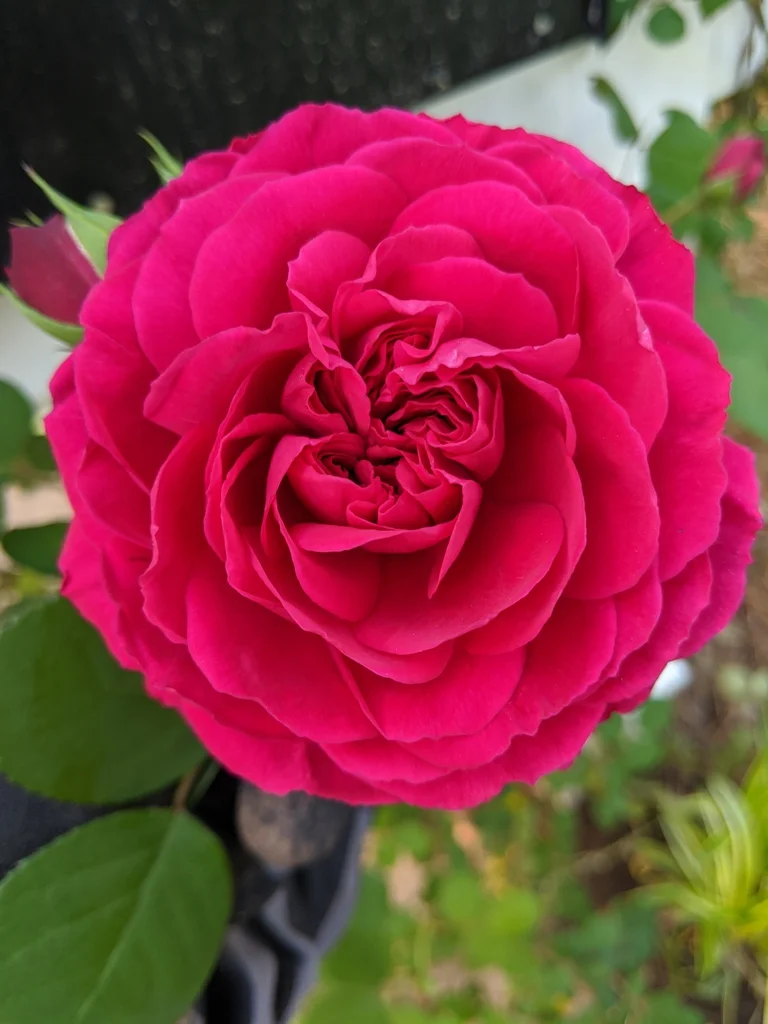
Rosa Tess of the d'Urbervilles. Flower. Cabarrus County, NC. Photo: Hope Duckworth i Non-toxic to cats Rosa spp.
Sunny position
Rosa species and garden roses only. Desert rose, Christmas rose and rose of Sharon are different plants. Mixed bouquets need every ingredient identified.
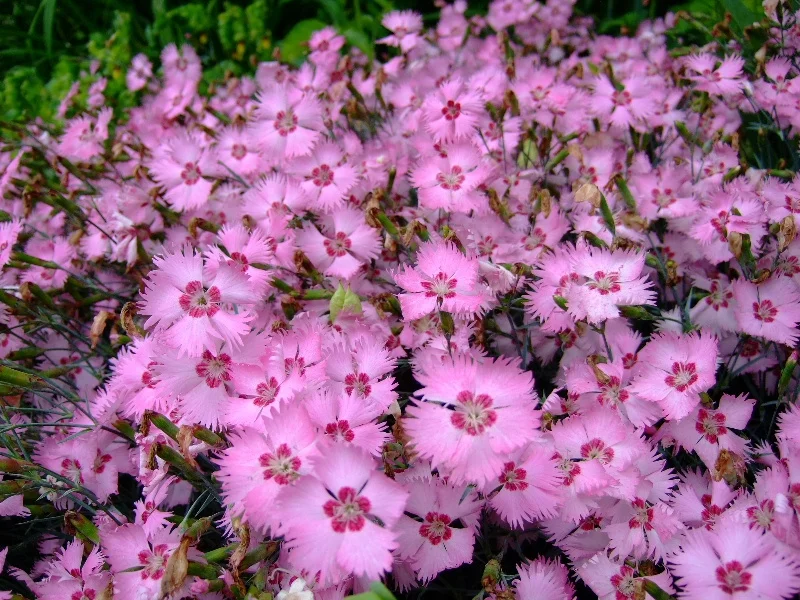
Mature plants in bloom Photo: Yewchan i Toxic to cats Dianthus caryophyllus
Sunny position or Some direct sun
Dianthus caryophyllus only; do not extend this assessment to every plant sold as pinks or sweet William.
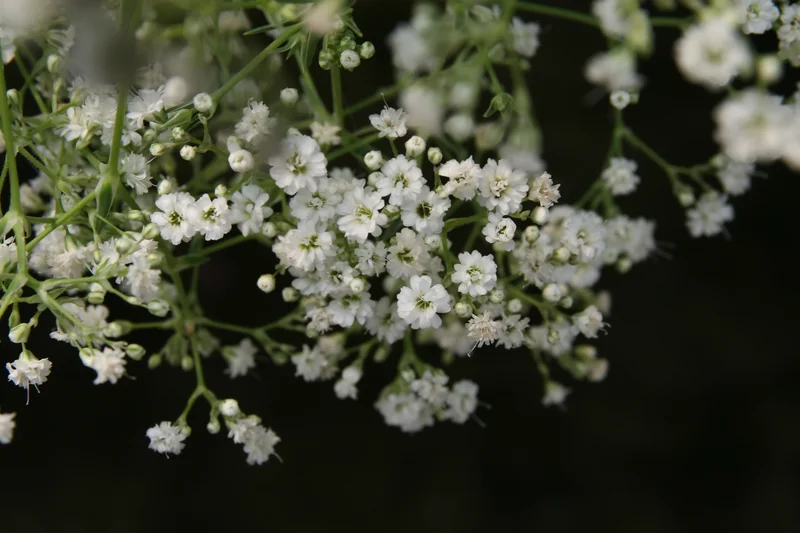
Gypsophila paniculata 'Festival Star' Photo: Photo by David J. Stang i Toxic to cats Gypsophila paniculata
Sunny position
Gypsophila paniculata, including the pictured Festival Star cultivar. Annual baby's breath, Gypsophila elegans, is a different species.
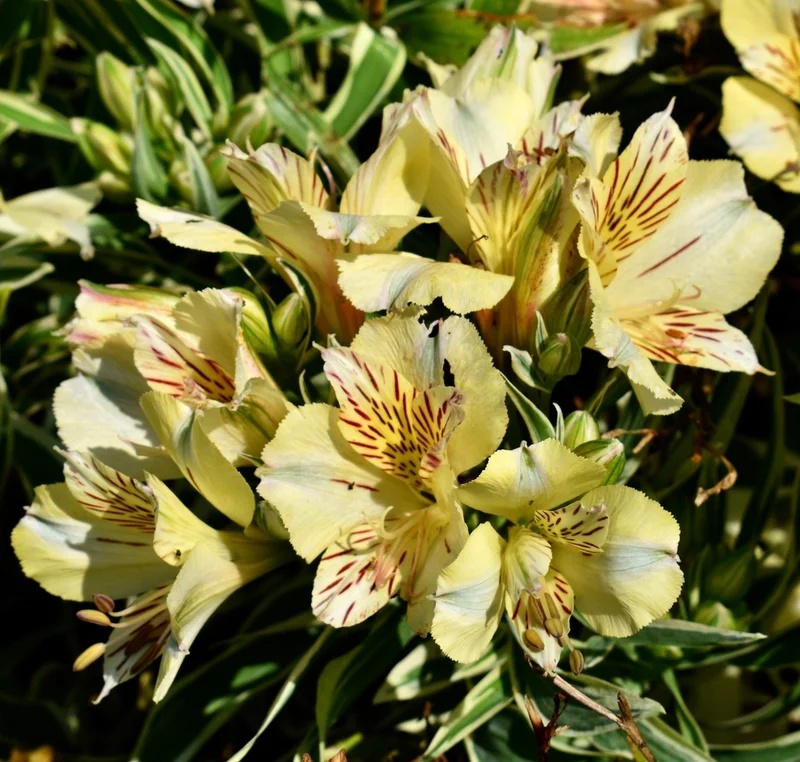
'Princess Fabiana' - Flowers, Buds & Leaves- Aug. 11 - Wake Co., NC Photo: Cathy DeWitt i Conflicting guidance — use caution Alstroemeria spp.
Sunny position or Some direct sun
Alstroemeria species and garden cultivars only. These are different from true lilies and daylilies; an unidentified lily exposure needs prompt veterinary advice.
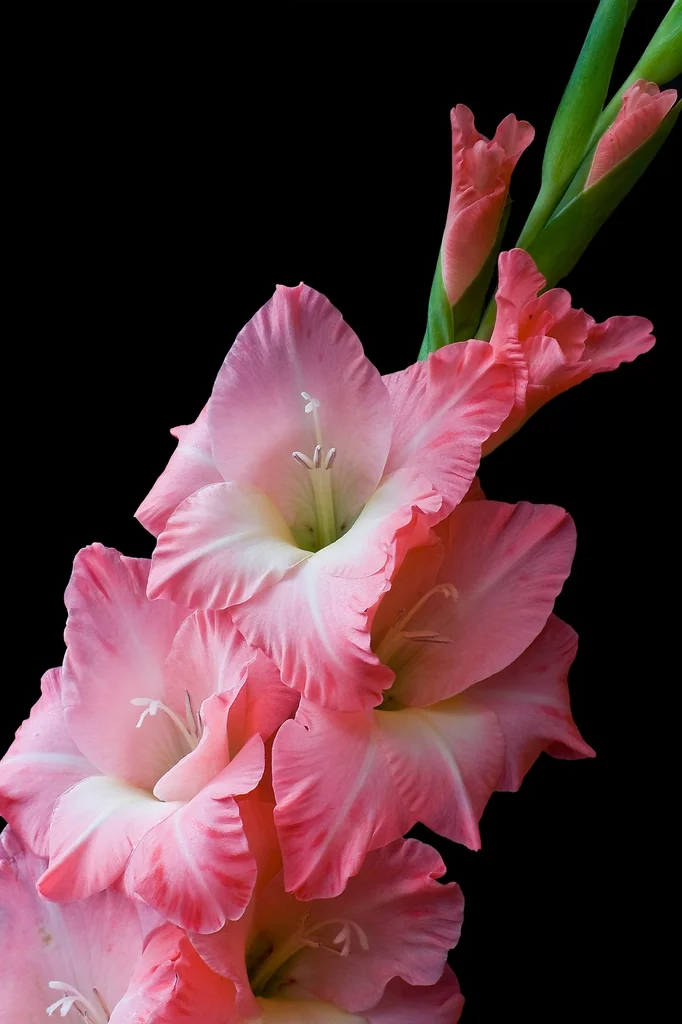
Flower Photo: Twdragon i Toxic to cats Gladiolus spp.
Sunny position
Gladiolus species and garden forms; the name sword lily does not make this a true Lilium lily.
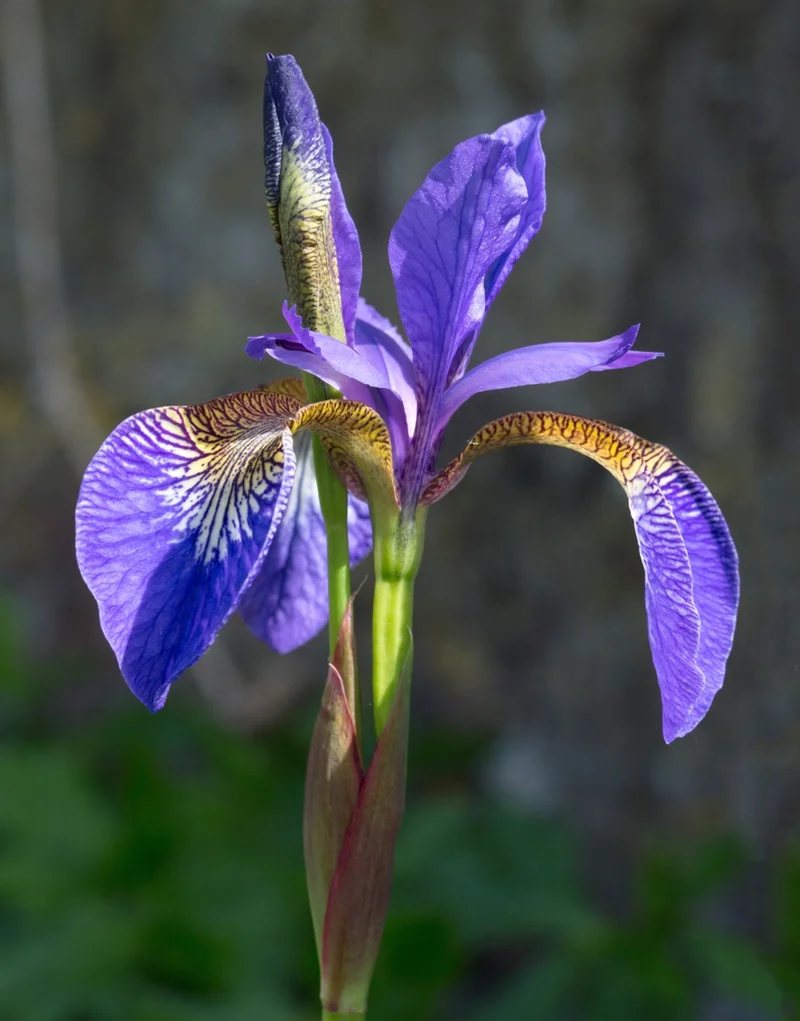
Iris sibirica flower Photo: DAVID ILIFF i Toxic to cats Iris spp.
Light varies by type
Iris species; the photograph illustrates Siberian iris within the genus. Unrelated plants with iris in their common name are outside scope.
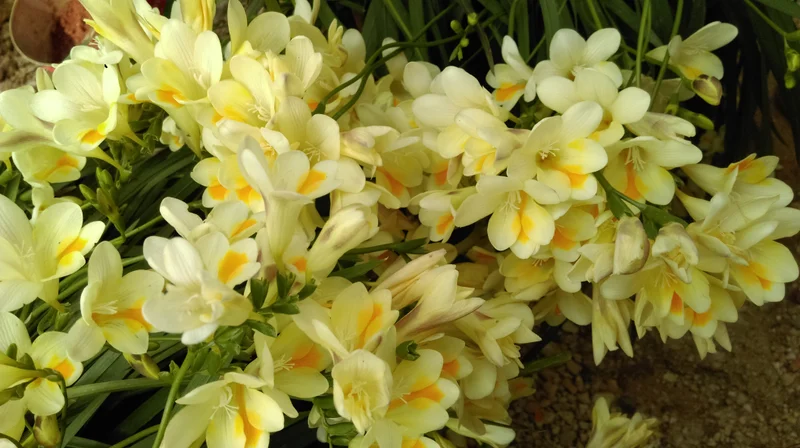
Freesia flowers.jpg Photo: Zaher.Kadour i Non-toxic to cats Freesia spp.
Sunny position or Some direct sun
Freesia species and cultivated freesias; the photo is identified to genus only and does not establish a particular species or cultivar.
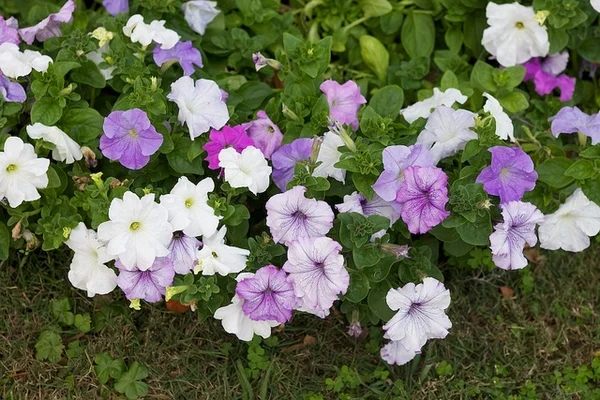
Petunia Aladdin Nautical Hybrid Mix Photo: Malcolm Manners i Non-toxic to cats Petunia spp.
Sunny position or Some direct sun
Petunia species; the pictured garden hybrid is within that genus. Mexican petunia (Ruellia) and Calibrachoa are outside this guide.
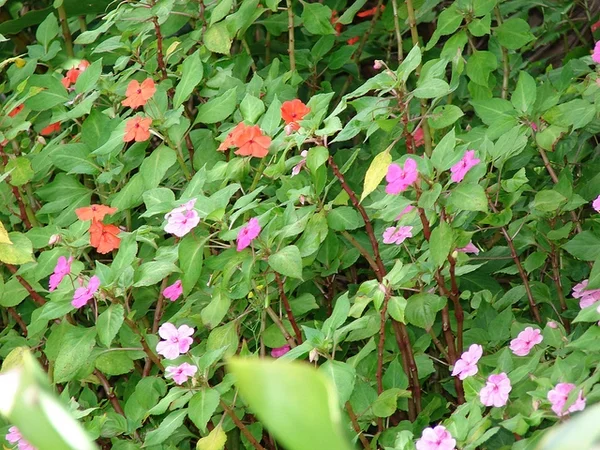
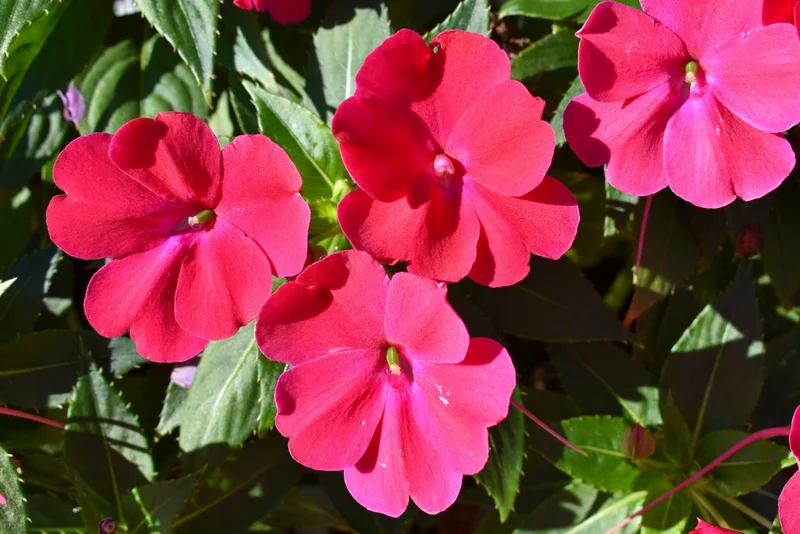
Impatiens mixed planting Photo: Forest and Kim Starr i Non-toxic to cats Impatiens walleriana
Medium indirect light
Impatiens walleriana only. Do not identify an orchid from the safety source common name Lady Slipper.
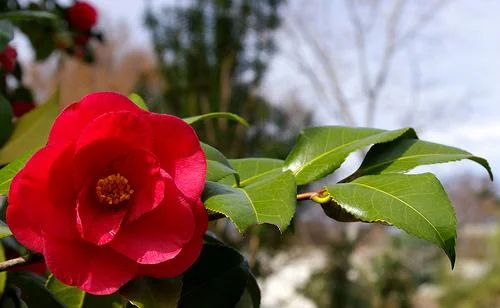
Leaves and flower Photo: Scott Ackerman i Non-toxic to cats Camellia japonica
Medium indirect light
Camellia japonica only; the pictured flowers illustrate this species, not all plants called camellia.
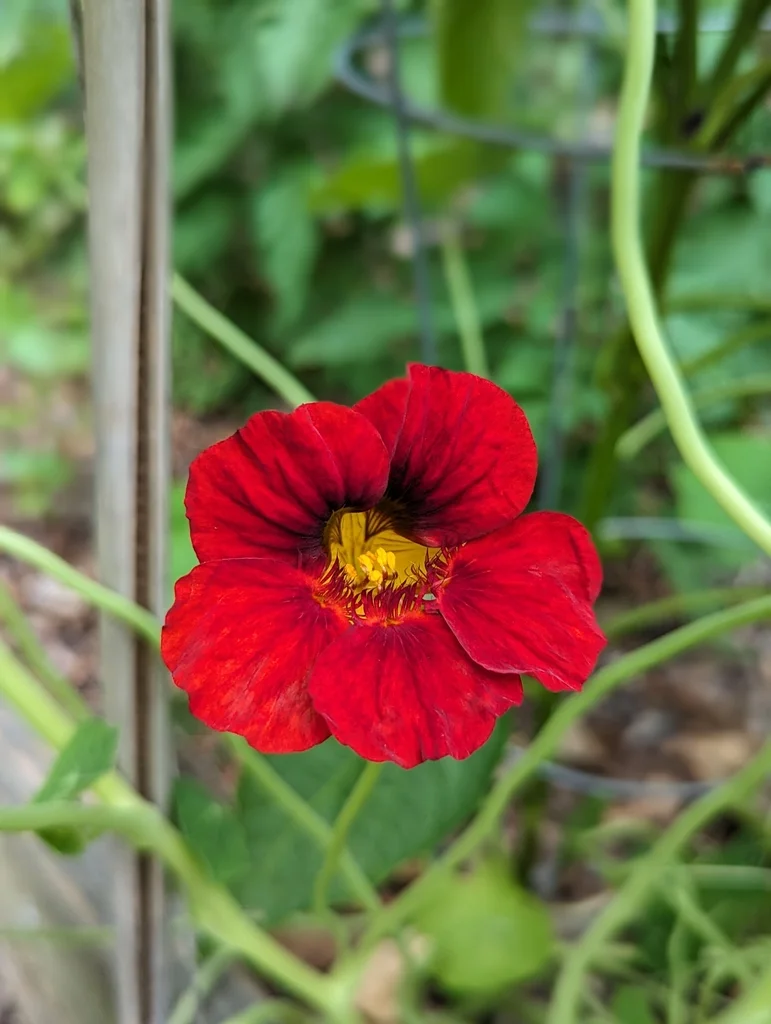
Flower close up Photo: Hope Duckworth i Non-toxic to cats Tropaeolum majus
Sunny position
Tropaeolum majus only, not Nasturtium officinale (watercress). This is not advice to feed flowers or seeds to cats.
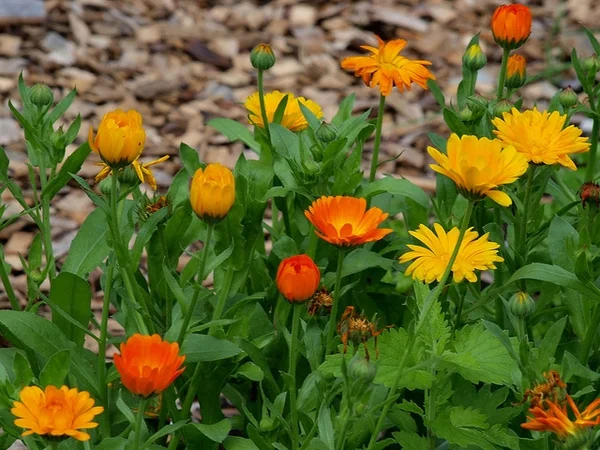
Orange and yellow pot-marigold flowers. Photo: Roberto Verozo i Non-toxic to cats Calendula officinalis
Sunny position
Calendula officinalis only; Tagetes marigolds require their own assessment. No assessment of extracts, remedies or prepared products.
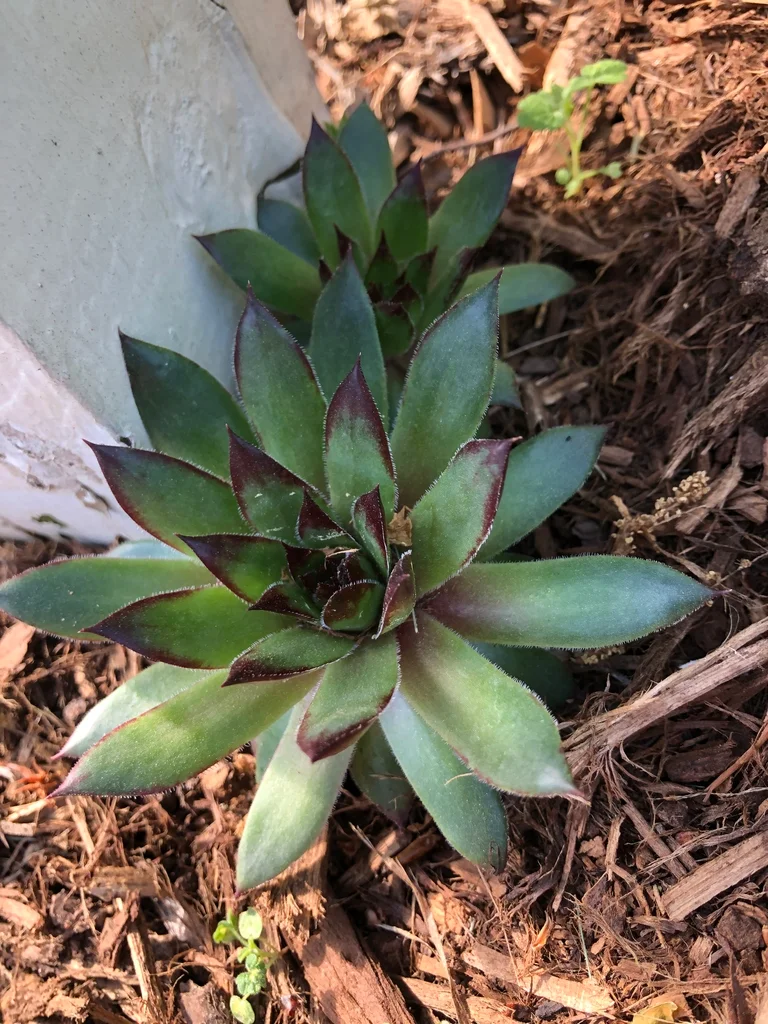
Form (Wake County,NC) Photo: Cathy Dewitt i Non-toxic to cats Sempervivum tectorum
Sunny position
Sempervivum tectorum only; the common name is also applied to other rosette succulents.
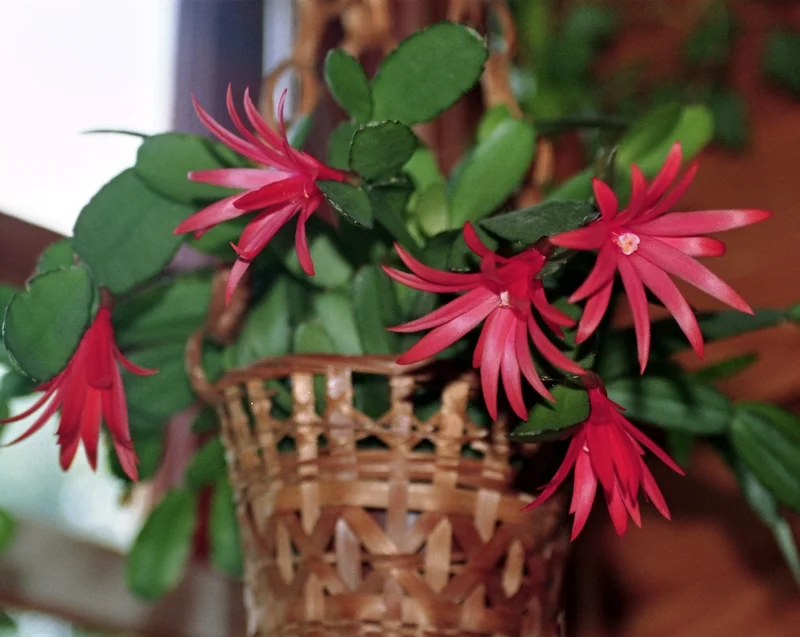
Flowers and leaves Photo: Kor!An (Корзун Андрей) i Non-toxic to cats Rhipsalidopsis gaertneri
Bright indirect light
Rhipsalidopsis gaertneri only; distinguish it from Thanksgiving cactus, Christmas cactus and other Easter-cactus hybrids.
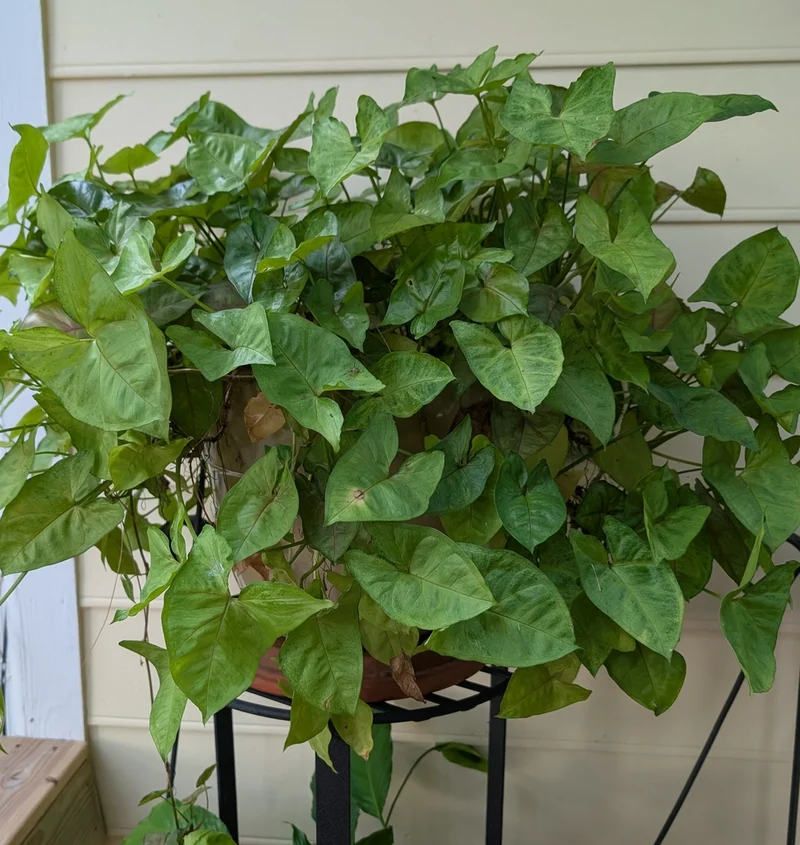
Syngonium podophyllum (Arrowhead Vine) houseplant view Photo: Dell Enecks (Pitt County) i Toxic to cats Syngonium podophyllum
Bright indirect light
Syngonium podophyllum only; juvenile arrowhead leaves change shape as the plant matures.
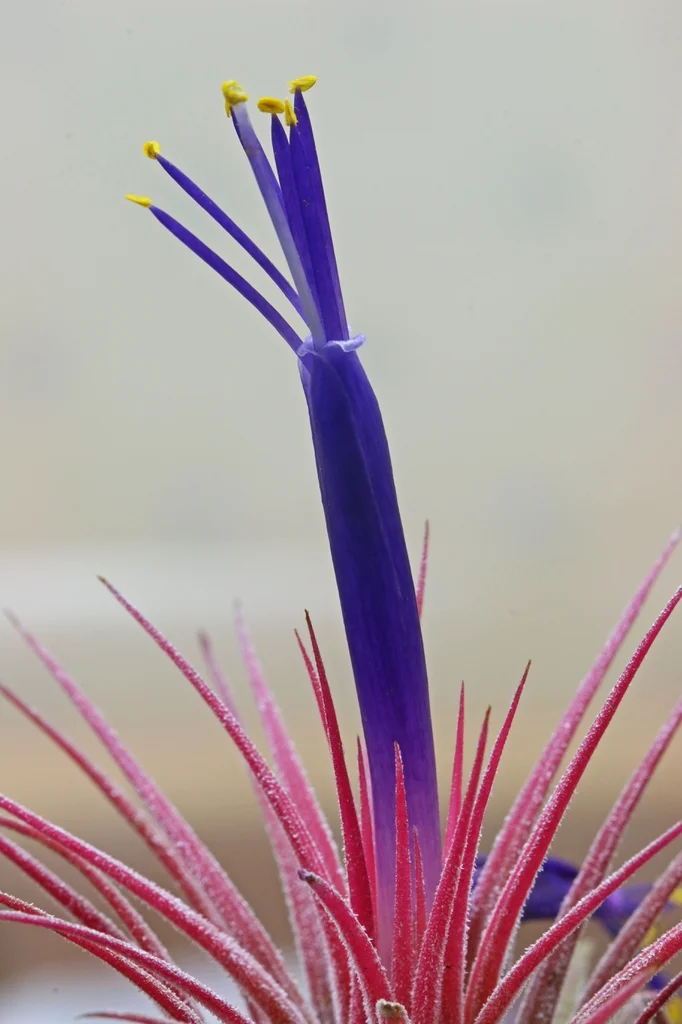
Flowers Photo: Andrey Zharkikh i Non-toxic to cats Tillandsia ionantha
Bright indirect light
Tillandsia ionantha only. Air plant is a shared common name; identify the botanical name before applying this guide.
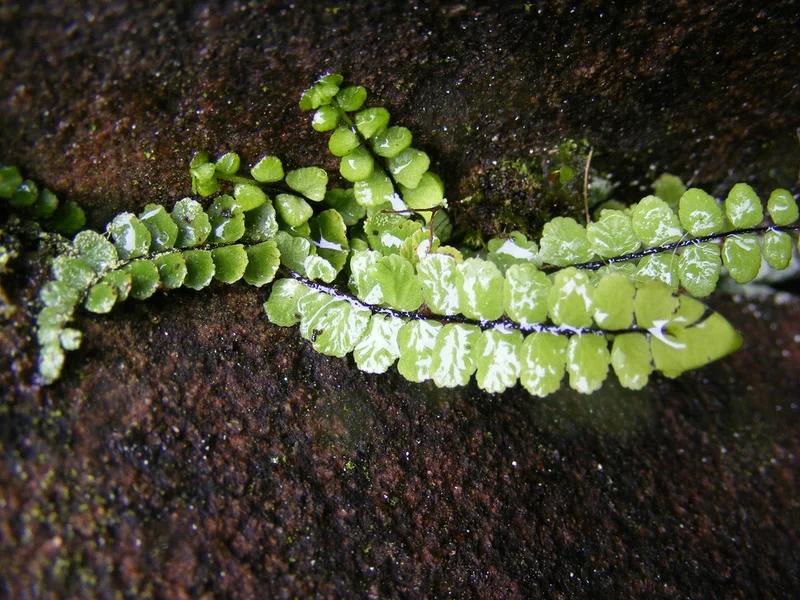
Fronds Photo: Max Blacks i Non-toxic to cats Hemionitis rotundifolia
Medium indirect light
Hemionitis rotundifolia, also known as Pellaea rotundifolia. Lemon button fern and asparagus fern are different plants.
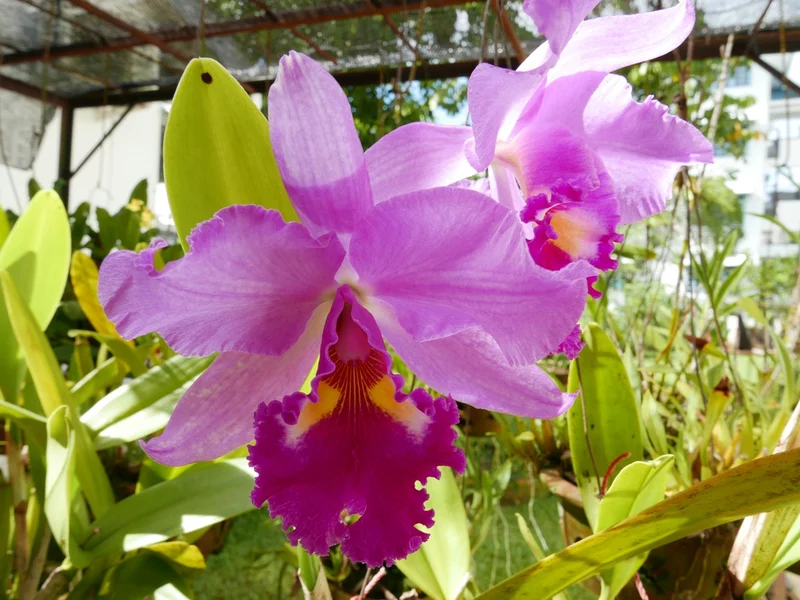
Flower Photo: chipmunk_1 i Photo details
Cattleya labiata — Flower
License: CC BY-SA 2.0
Resized and converted to WebP for display; botanical details unchanged.
This displayed image is shared under the same CC BY-SA 2.0 license.
Non-toxic to cats Cattleya labiata
Bright indirect light
Cattleya labiata only. This assessment does not identify or classify every orchid or intergeneric cattleya hybrid.
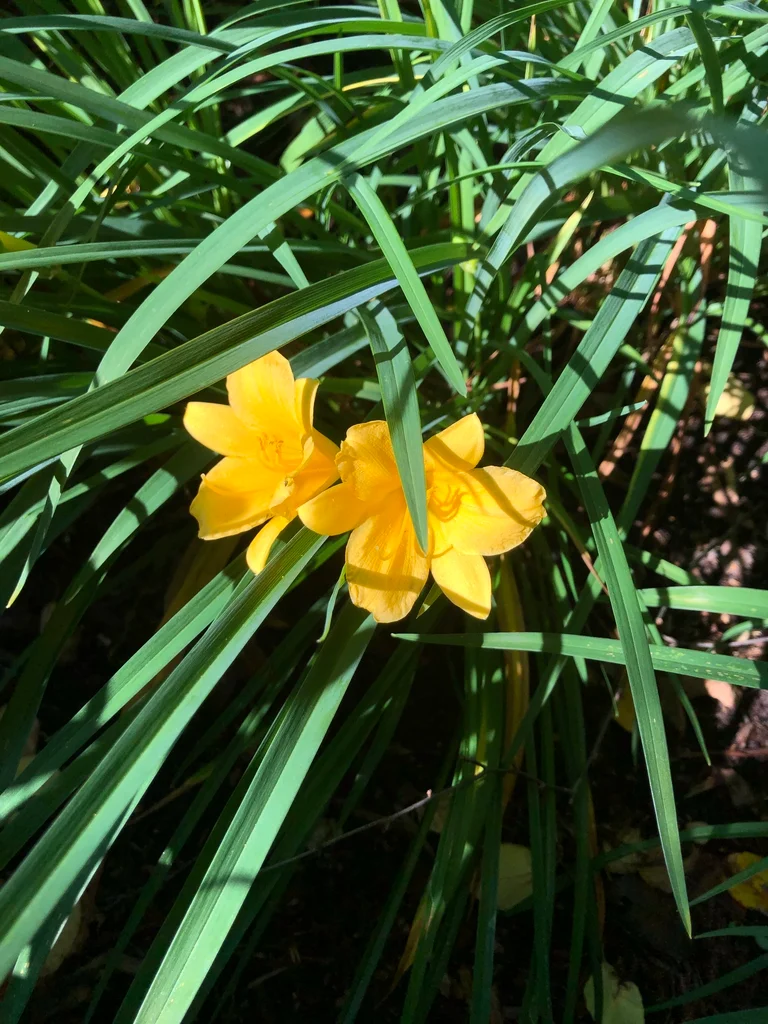
Flower and Leaves (Wake County, NC) Photo: Cathy Dewitt i Toxic to cats Hemerocallis spp.
Sunny position or Some direct sun
Hemerocallis species and garden daylilies. They are botanically different from Lilium but also pose a serious kidney risk. Peace, calla and Peruvian lilies need their own guides.
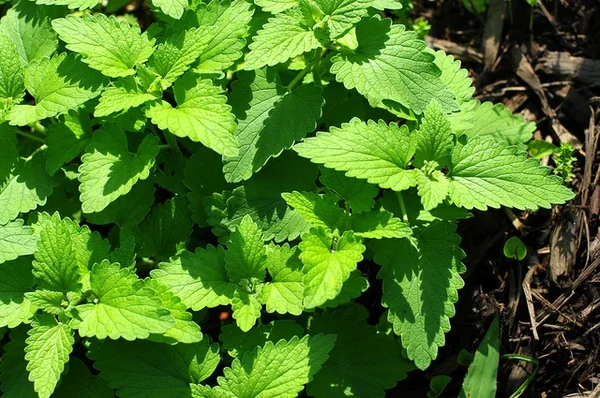
Nepta cataria Photo: Isaac Wedin i Conflicting guidance — use caution Nepeta cataria
Sunny position or Some direct sun
Nepeta cataria only. Garden mints in Mentha, ornamental catmint hybrids, extracts and concentrated oils are outside this guide. No dosing or feeding advice is proposed.
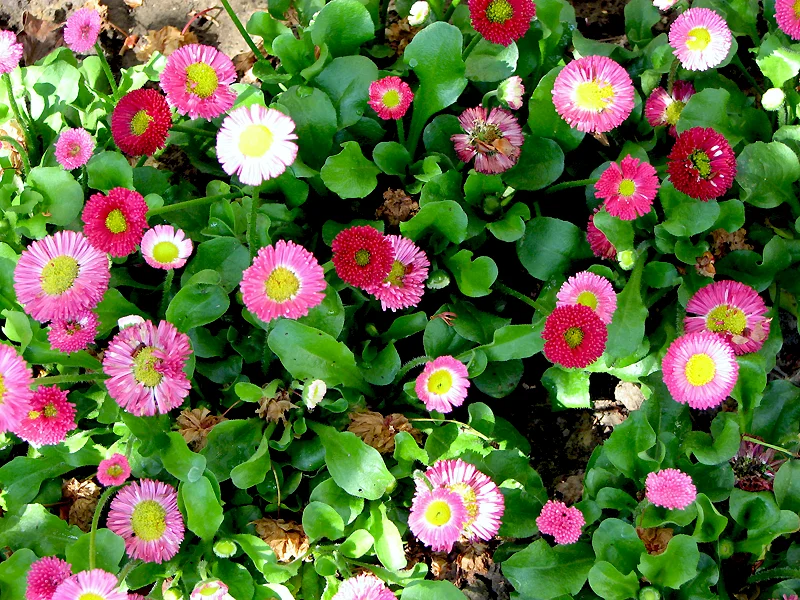
Leaves and pink and red flowers Photo: Morgaine i Non-toxic to cats Bellis perennis
Sunny position or Some direct sun
Bellis perennis only, not Chrysanthemum, Gerbera or ox-eye daisy. This is not advice to feed the plant to cats or use herbal products.
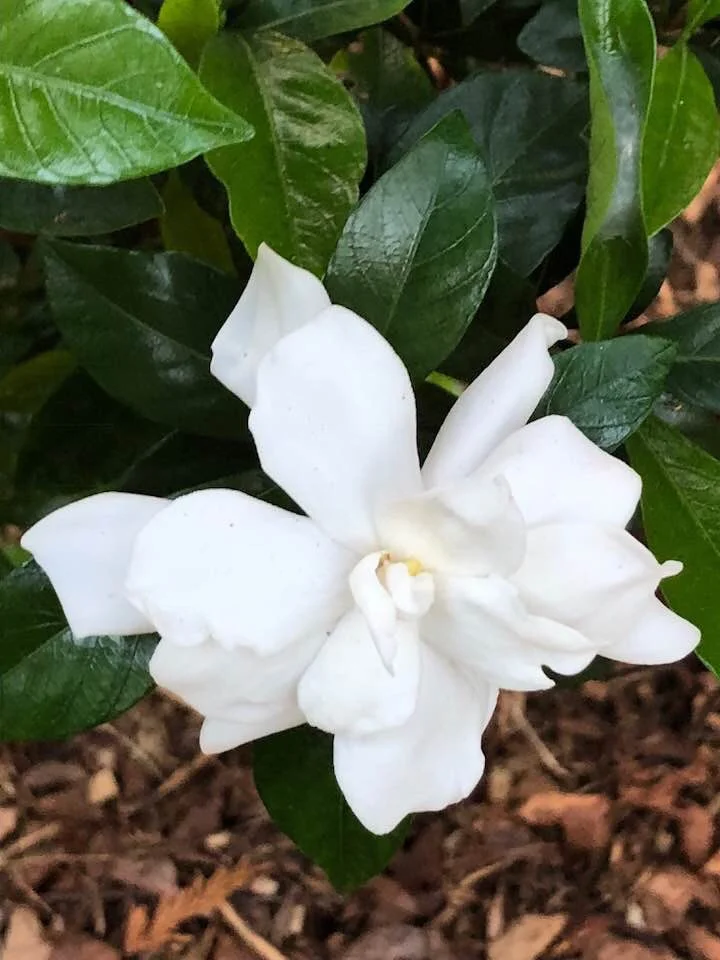
Flower and Leaves (Wake County, NC)-Summer Photo: Cathy Dewitt i Conflicting guidance — use caution Gardenia jasminoides
Bright indirect light
Gardenia jasminoides only. Confirm the botanical identity; a photograph alone cannot establish plant identity.
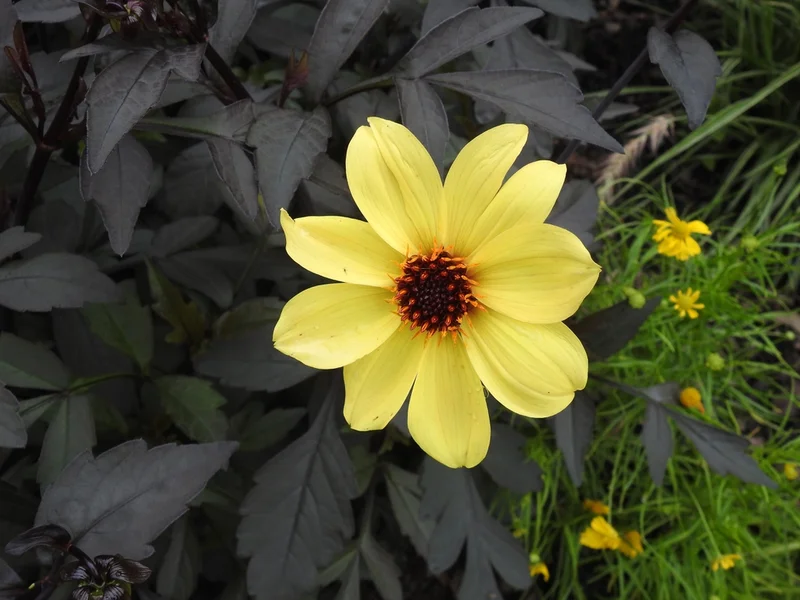
Dahlia Mystic Illusion 'Knockout' flower Photo: Kathleen Moore i Conflicting guidance — use caution Dahlia spp.
Sunny position or Some direct sun
Dahlia spp. only. Confirm the botanical identity; a photograph alone cannot establish plant identity.
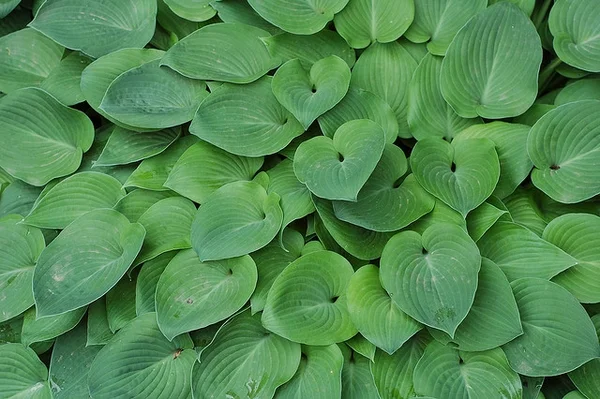
Hosta spp. Photo: Dave Herholtz i Photo details
Hosta spp. — Hosta spp.
License: CC BY-SA 2.0
Resized and converted to WebP for display; botanical details unchanged.
This displayed image is shared under the same CC BY-SA 2.0 license.
Conflicting guidance — use caution Hosta spp.
Light varies by type
Hosta spp. only. Confirm the botanical identity; a photograph alone cannot establish plant identity.
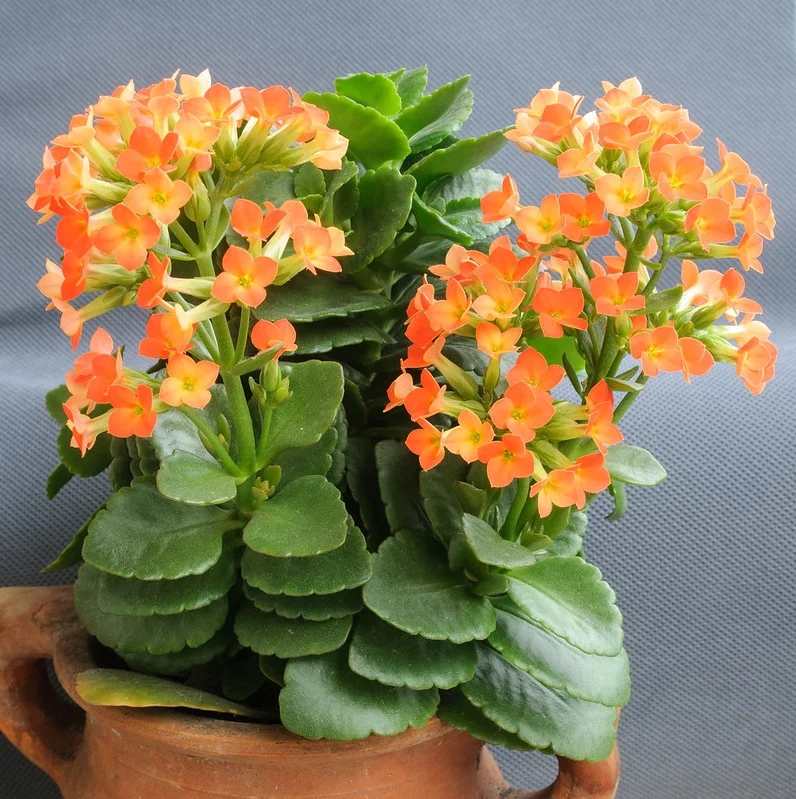
Kalanchoe blossfeldiana. Potted. Photo: Lyubo Gadzhev i Conflicting guidance — use caution Kalanchoe blossfeldiana
Bright indirect light
Kalanchoe blossfeldiana only. Confirm the botanical identity; a photograph alone cannot establish plant identity.
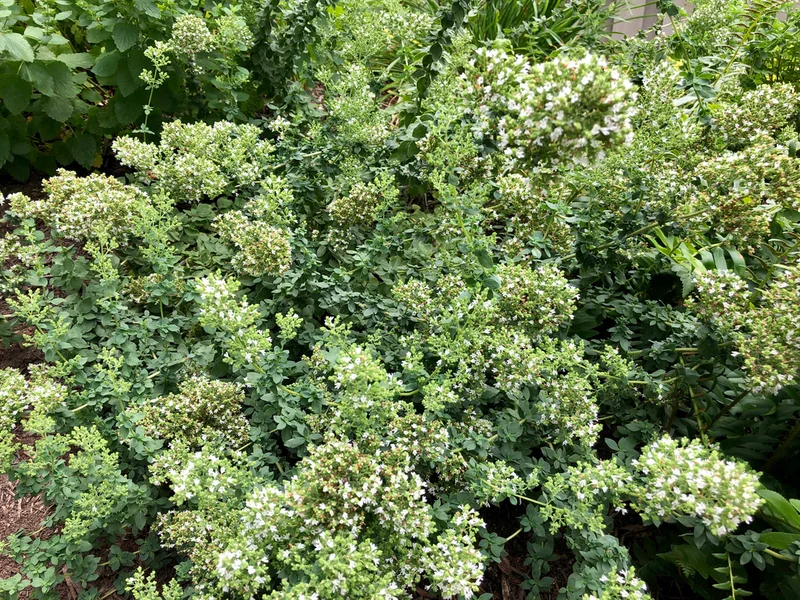
Full Form (Haywood County,NC)-Mid Summer Photo: Marcia Boyle i Toxic to cats Origanum vulgare subsp. hirtum
Sunny position or Some direct sun
Origanum vulgare subsp. hirtum only. Confirm the botanical identity; a photograph alone cannot establish plant identity.
Foliage Photo: Magnus Brath i Safety not confirmed — use caution Anethum graveolens
Sunny position
Anethum graveolens only. Confirm the botanical identity; a photograph alone cannot establish plant identity.
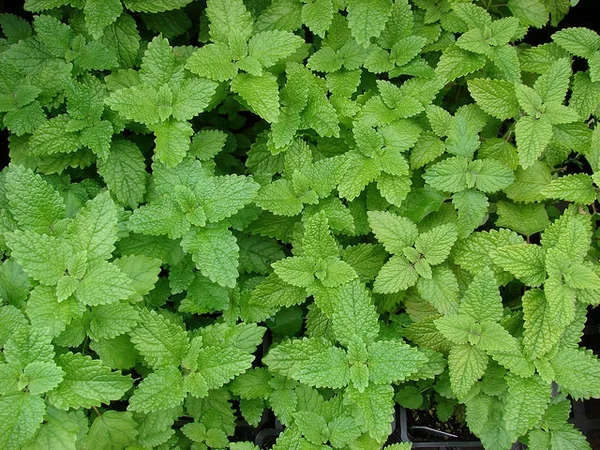
Melissa officinalis Photo: Forest and Kim Starr i Non-toxic to cats Melissa officinalis
Sunny position or Some direct sun
Melissa officinalis only. Confirm the botanical identity; a photograph alone cannot establish plant identity.
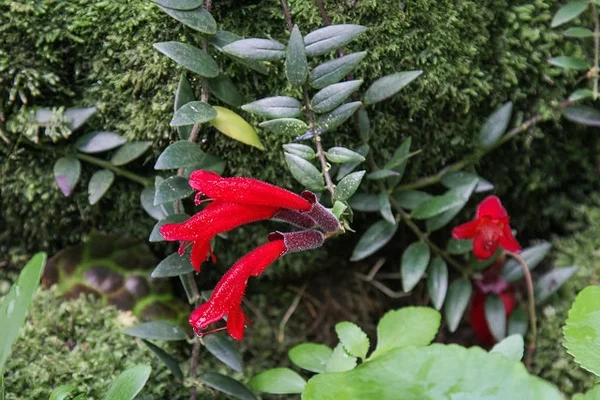
Lipstick plant (Aeschynanthus radicans) Photo: Maja Dumat i Safety not confirmed — use caution Aeschynanthus radicans
Bright indirect light
Aeschynanthus radicans only. Confirm the botanical identity; a photograph alone cannot establish plant identity.
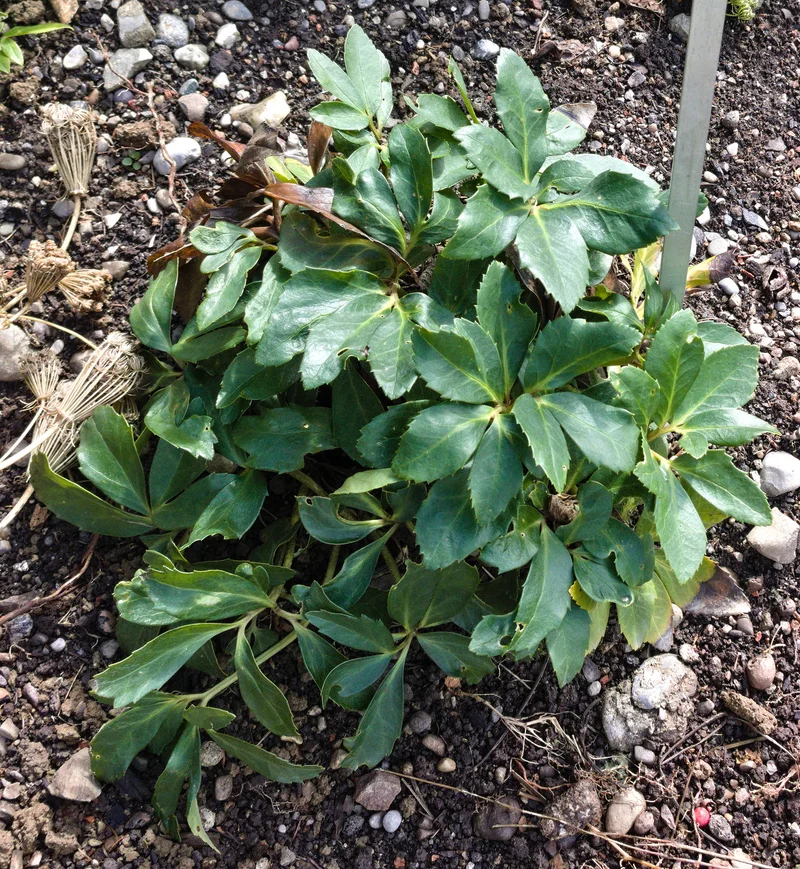
Helleborus niger Photo: Tiia Monto i Toxic to cats Helleborus niger
Light varies by type
Helleborus niger only. Confirm the botanical identity; a photograph alone cannot establish plant identity.
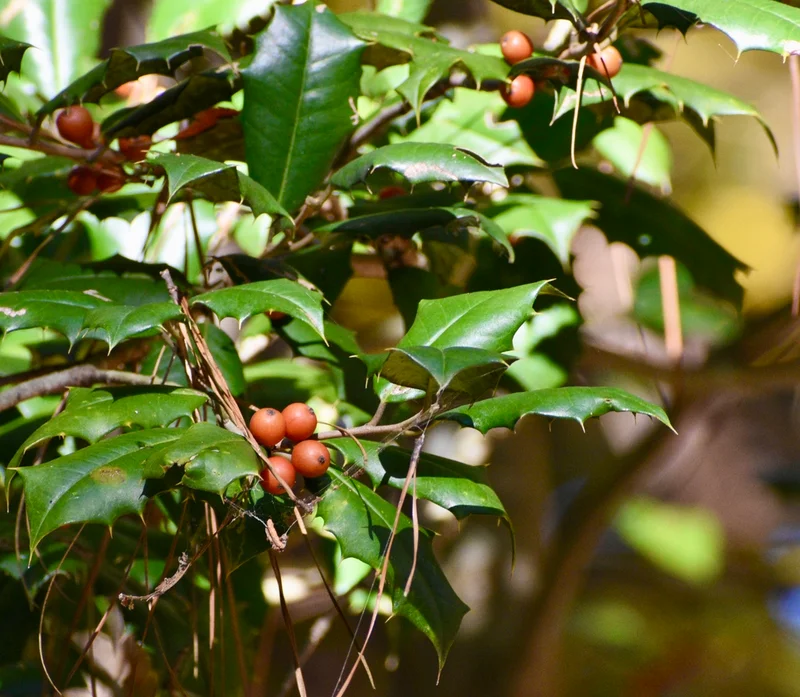
Leaves & Berries - November - Warren Co., NC Photo: Cathy DeWitt i Toxic to cats Ilex opaca
Sunny position or Some direct sun
Ilex opaca only. Confirm the botanical identity; a photograph alone cannot establish plant identity.
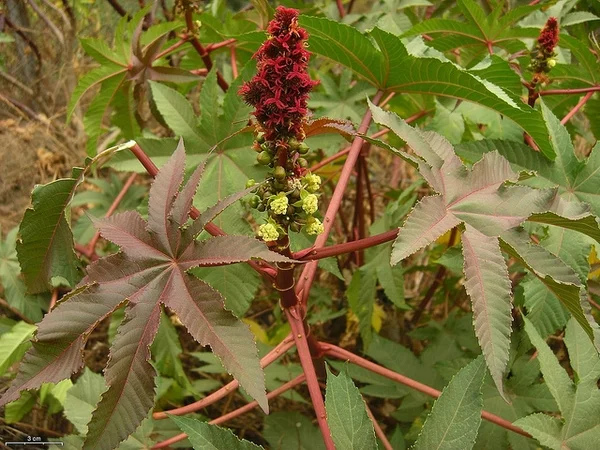
Ricinus communis Photo: Jason Hollinger i Toxic to cats Ricinus communis
Sunny position
Ricinus communis only. Confirm the botanical identity; a photograph alone cannot establish plant identity.
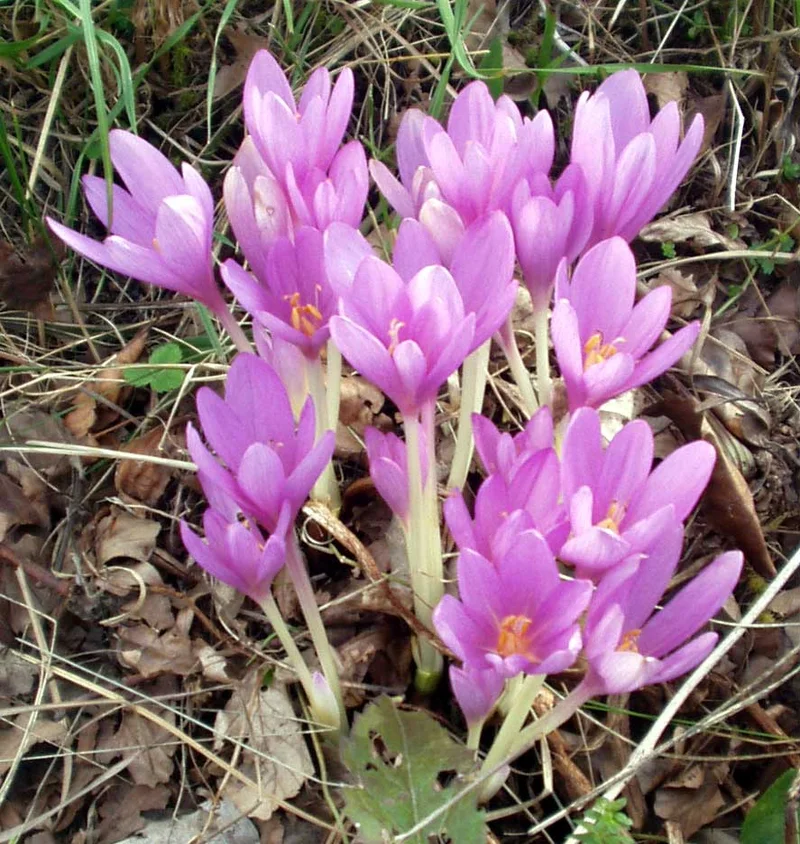
Colchicum autumnale Photo: Chris Dixon (Stemonitis) i Toxic to cats Colchicum autumnale
Sunny position or Some direct sun
Colchicum autumnale only. Confirm the botanical identity; a photograph alone cannot establish plant identity.
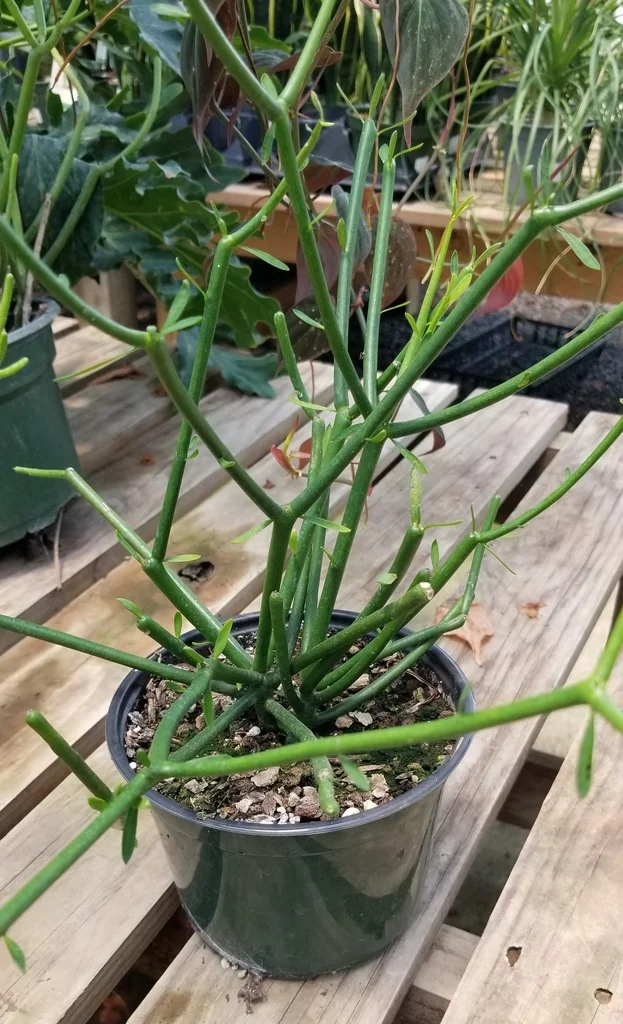
Euphorbia tirucalli or pencil tree, houseplant Photo: Cindy Christian i Toxic to cats Euphorbia tirucalli
Sunny position
Euphorbia tirucalli only. Confirm the botanical identity; a photograph alone cannot establish plant identity.
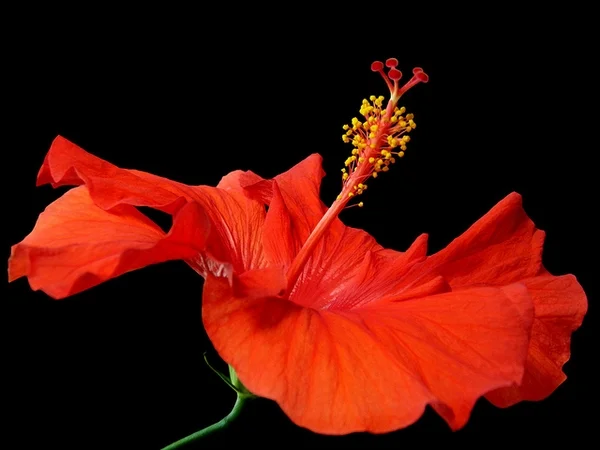
Hibiscus rosa-sinensis Photo: Jack Wolf i Non-toxic to cats Hibiscus rosa-sinensis
Sunny position or Some direct sun
Hibiscus rosa-sinensis only. Confirm the botanical identity; a photograph alone cannot establish plant identity.
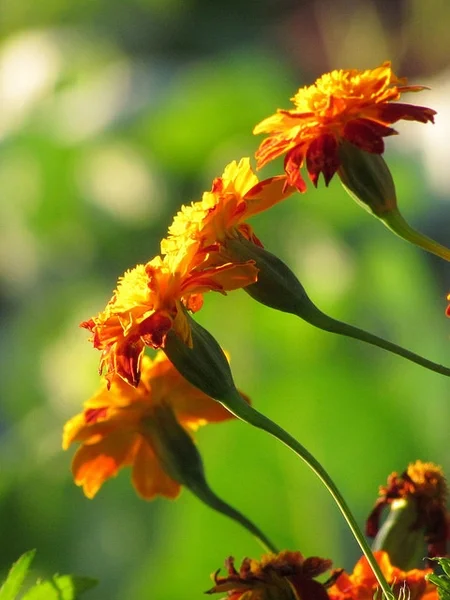
Tagetes patula Photo: Danlela i Conflicting guidance — use caution Tagetes patula
Sunny position or Some direct sun
Tagetes patula only. Confirm the botanical identity; a photograph alone cannot establish plant identity.
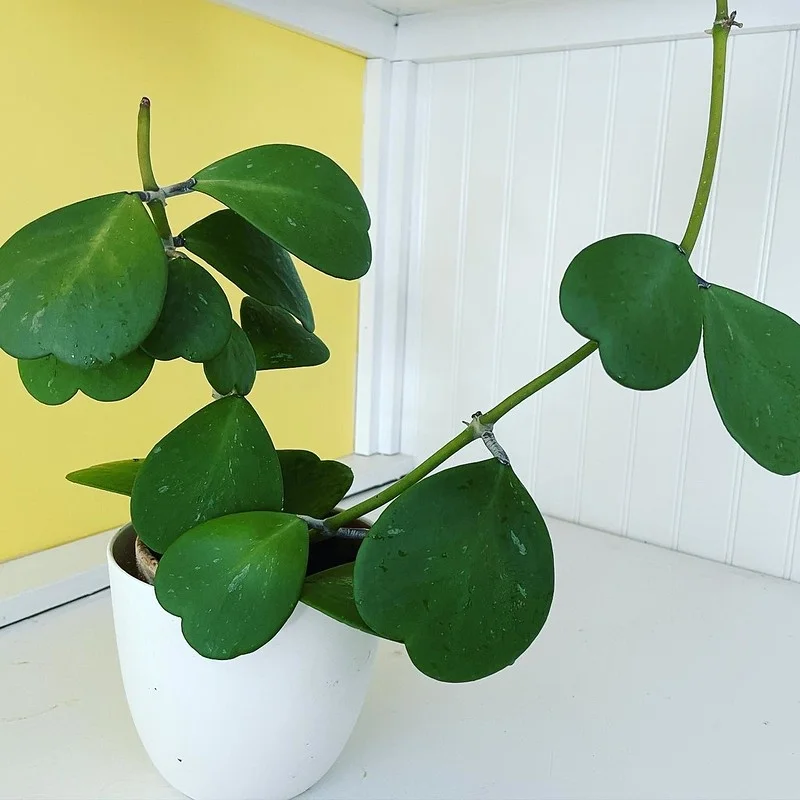
Potted plant. Photo: Kate Ter Haar i Non-toxic to cats Hoya kerrii
Light varies by type
Hoya kerrii only. Check the botanical name; a photograph alone cannot establish identity.
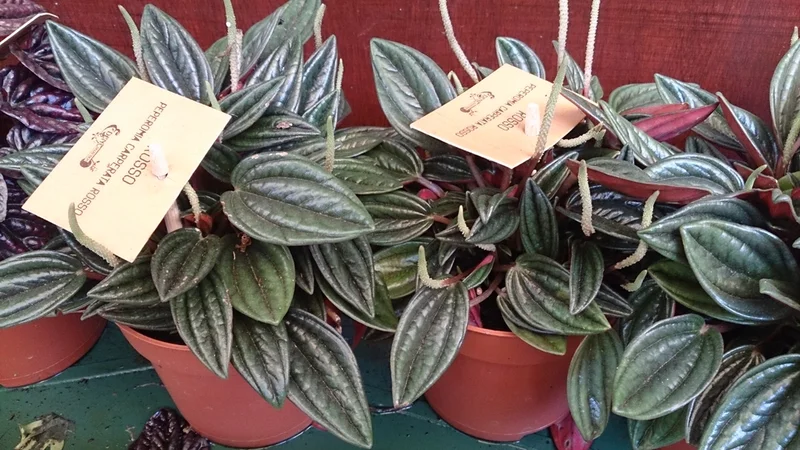
Form Photo: Mokkie i Photo details
Peperomia caperata — Form
License: CC BY-SA 3.0
Resized and converted to WebP for display; botanical details unchanged.
This displayed image is shared under the same CC BY-SA 3.0 license.
Non-toxic to cats Peperomia caperata
Medium indirect light
Peperomia caperata only. Check the botanical name; a photograph alone cannot establish identity.
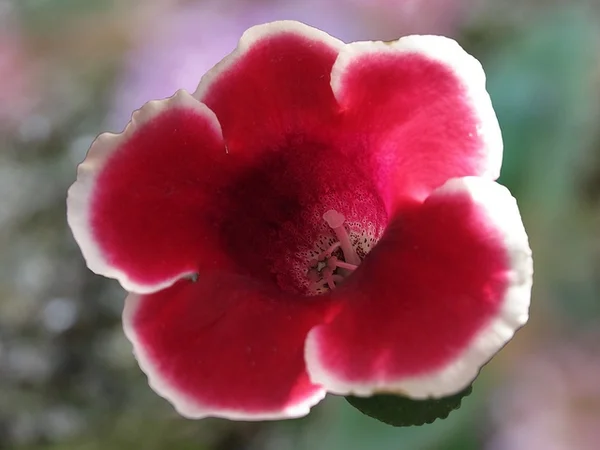
Pink Photo: Jacinta Valero i Photo details
Sinningia speciosa — Pink
License: CC BY-SA 2.0
Resized and converted to WebP for display; botanical details unchanged.
This displayed image is shared under the same CC BY-SA 2.0 license.
Non-toxic to cats Sinningia speciosa
Bright indirect light
Sinningia speciosa only. Check the botanical name; a photograph alone cannot establish identity.
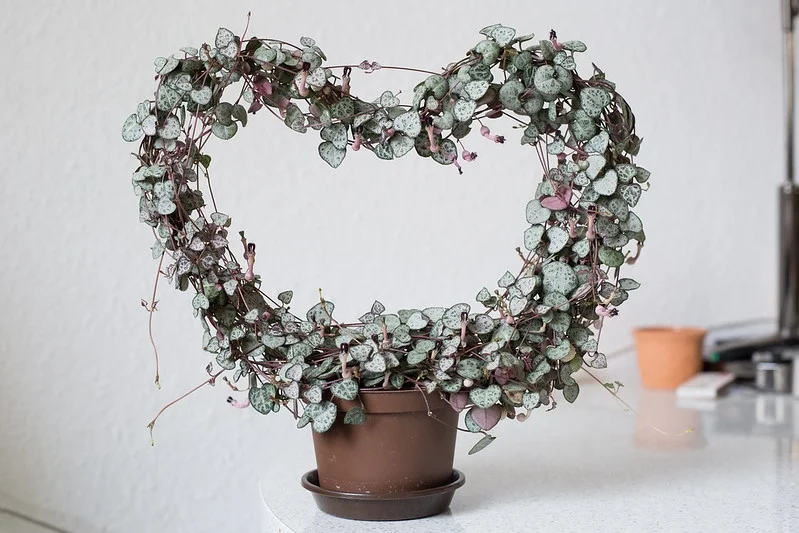
Potted plant. Photo: Maja Dumat i Non-toxic to cats Ceropegia woodii
Bright indirect light
Ceropegia woodii only. Check the botanical name; a photograph alone cannot establish identity.
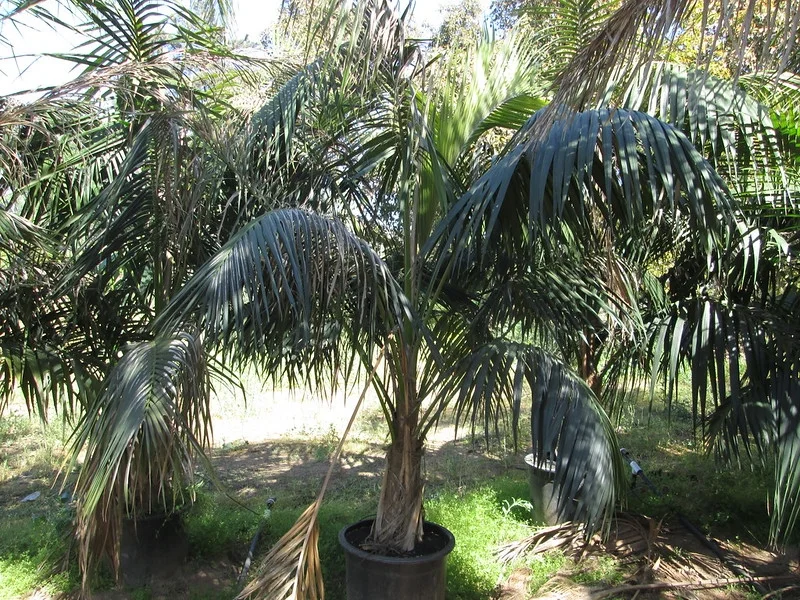
Howea forsteriana. Nursery stock. Photo: East West Trees i Non-toxic to cats Howea forsteriana
Medium indirect light
Howea forsteriana only. Check the botanical name; a photograph alone cannot establish identity.
Fronds Photo: Stan Sheb i Photo details
Cyrtomium falcatum — Fronds
License: CC BY-SA 3.0
Resized and converted to WebP for display; botanical details unchanged.
This displayed image is shared under the same CC BY-SA 3.0 license.
Non-toxic to cats Cyrtomium falcatum
Light varies by type
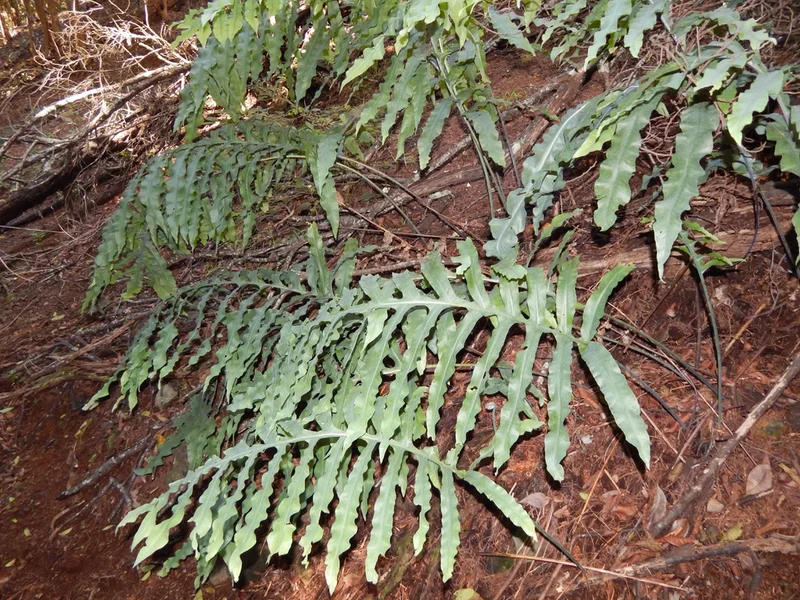
Cyrtomium falcatum only. Check the botanical name; a photograph alone cannot establish identity.
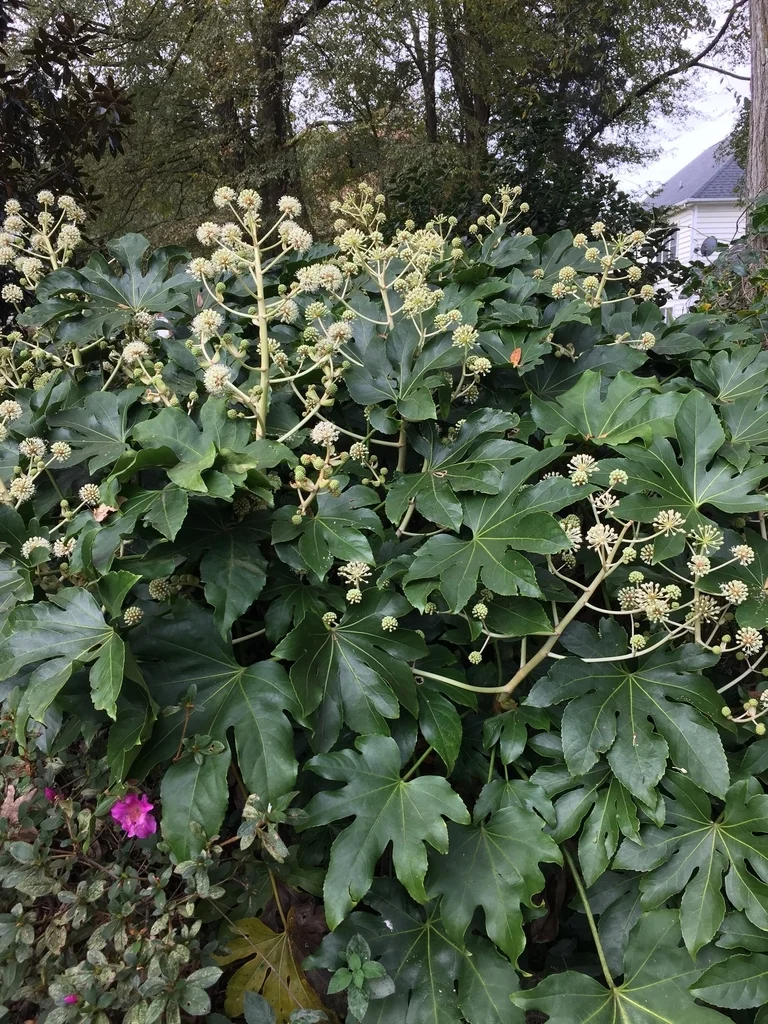
Fatsia japonica (Mecklenburg County, NC)-Fall Photo: Stacy Hodes i Non-toxic to cats Fatsia japonica
Light varies by type
Fatsia japonica only. Check the botanical name; a photograph alone cannot establish identity.
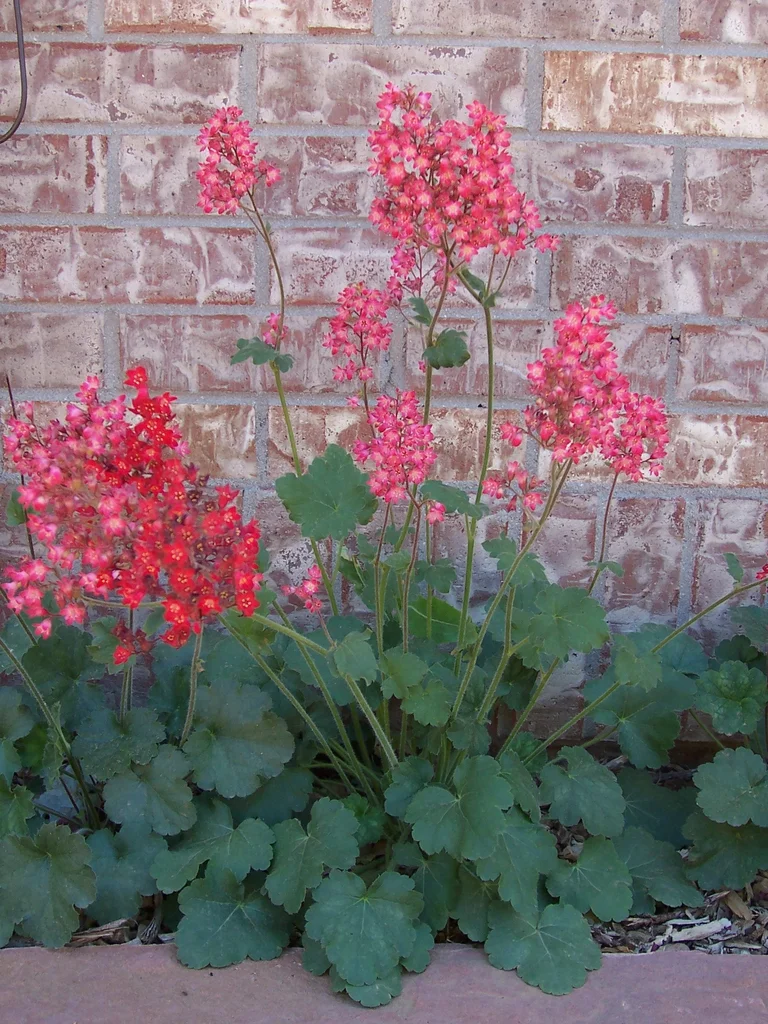
Heuchera sanguinea Photo: Patrick Standish i Non-toxic to cats Heuchera sanguinea
Sunny position or Some direct sun
Heuchera sanguinea only. Check the botanical name; a photograph alone cannot establish identity.
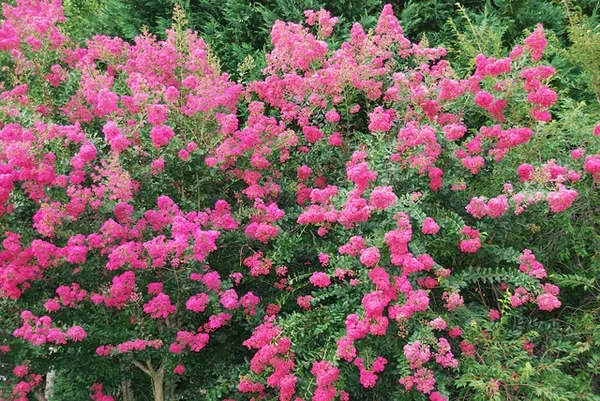
Whole shrub in bloom Photo: Hans Enderle i Non-toxic to cats Lagerstroemia indica
Sunny position
Lagerstroemia indica only. Check the botanical name; a photograph alone cannot establish identity.
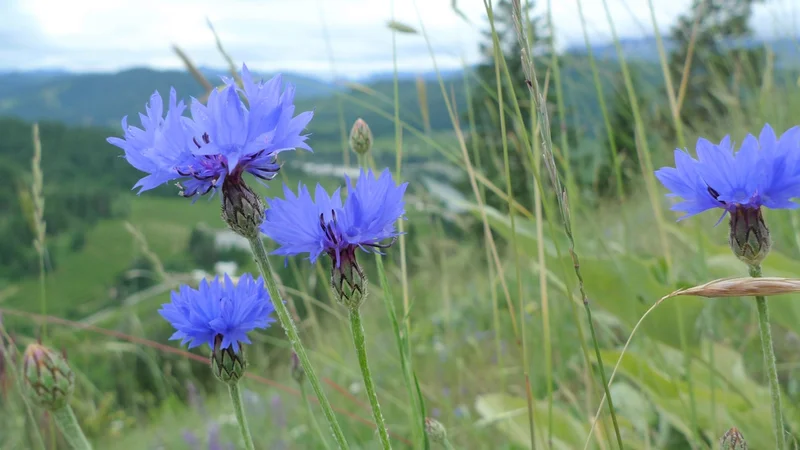
flowers and stems Photo: Thayne Tuason i Non-toxic to cats Centaurea cyanus
Sunny position or Some direct sun
Centaurea cyanus only. Check the botanical name; a photograph alone cannot establish identity.
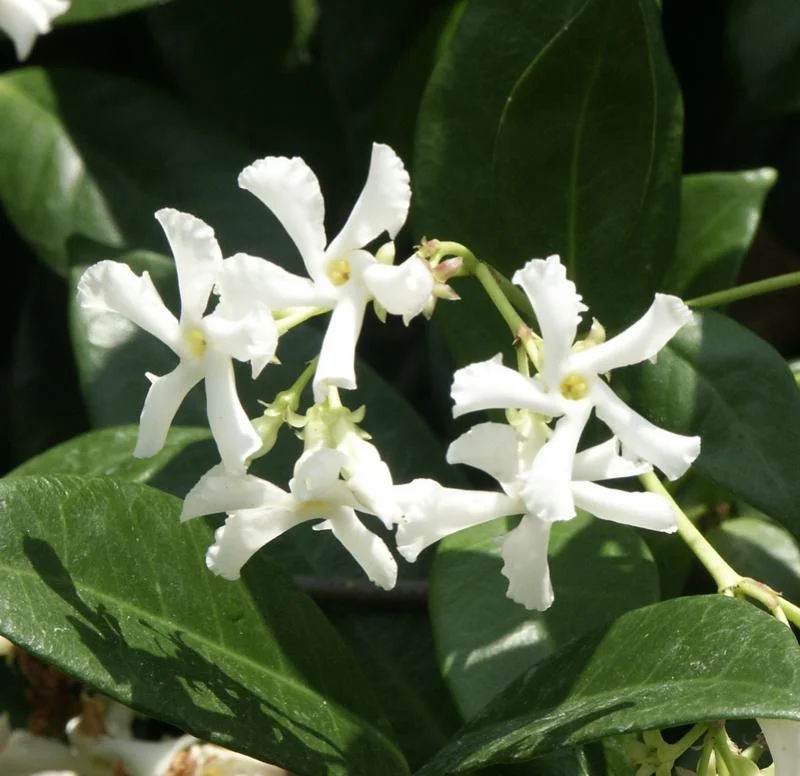
Flower close-up Photo: Scott Zona i Non-toxic to cats Trachelospermum jasminoides
Sunny position or Some direct sun
Trachelospermum jasminoides only. Check the botanical name; a photograph alone cannot establish identity.
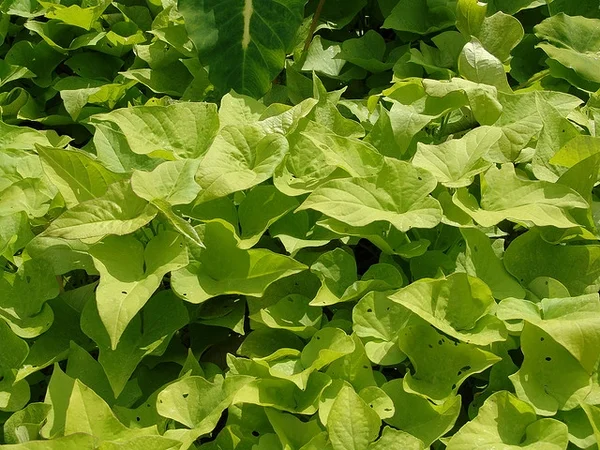
Ipomoea batatas 'Margarita' Photo: Drew Avery i Non-toxic to cats Ipomoea batatas
Sunny position or Some direct sun
Ipomoea batatas only. Check the botanical name; a photograph alone cannot establish identity.
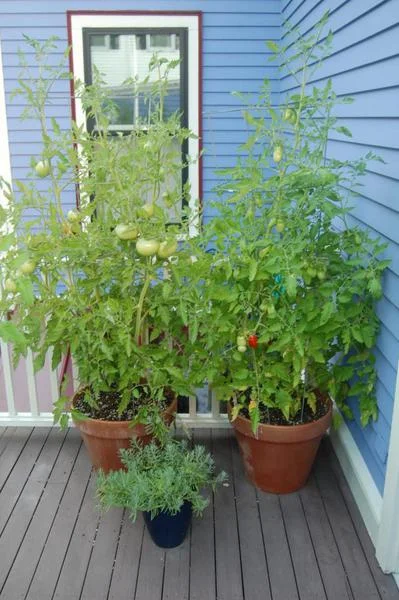
Solanum lycopersicum grown in porous terracotta pots on a porch. Photo: Sharon_K i Toxic to cats Solanum lycopersicum
Sunny position
Solanum lycopersicum only. Check the botanical name; a photograph alone cannot establish identity.
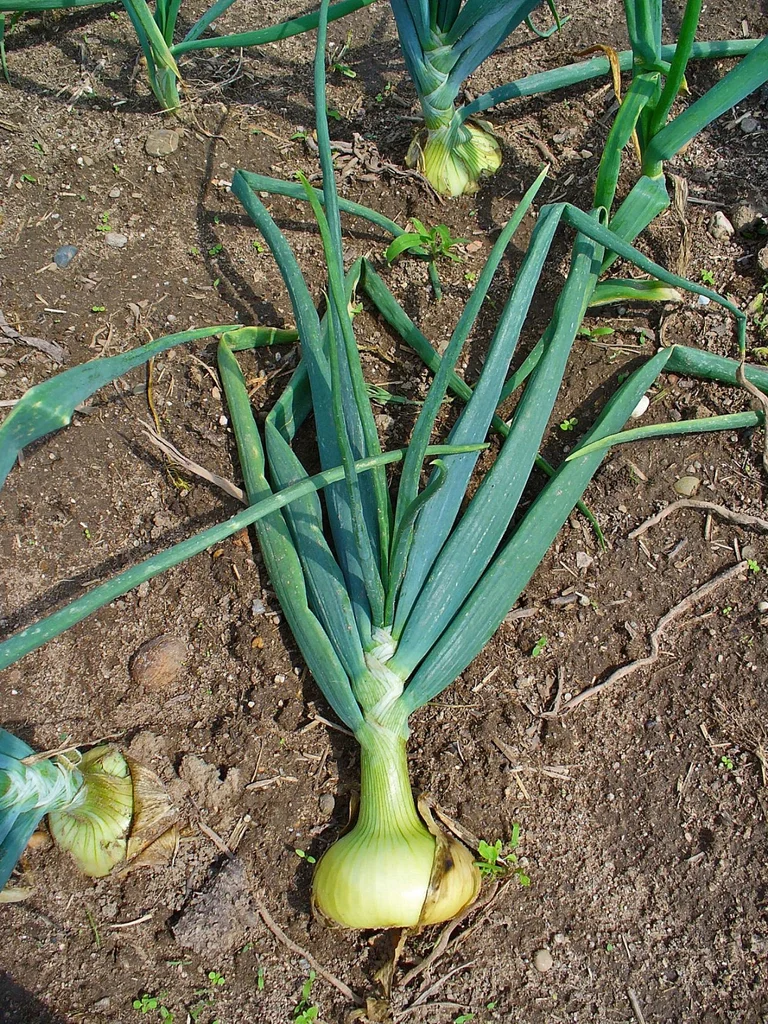
form Photo: H. Zell i Photo details
Allium cepa — form
License: CC BY-SA 3.0
Resized and converted to WebP for display; botanical details unchanged.
This displayed image is shared under the same CC BY-SA 3.0 license.
Toxic to cats Allium cepa
Sunny position
Allium cepa only. Check the botanical name; a photograph alone cannot establish identity.
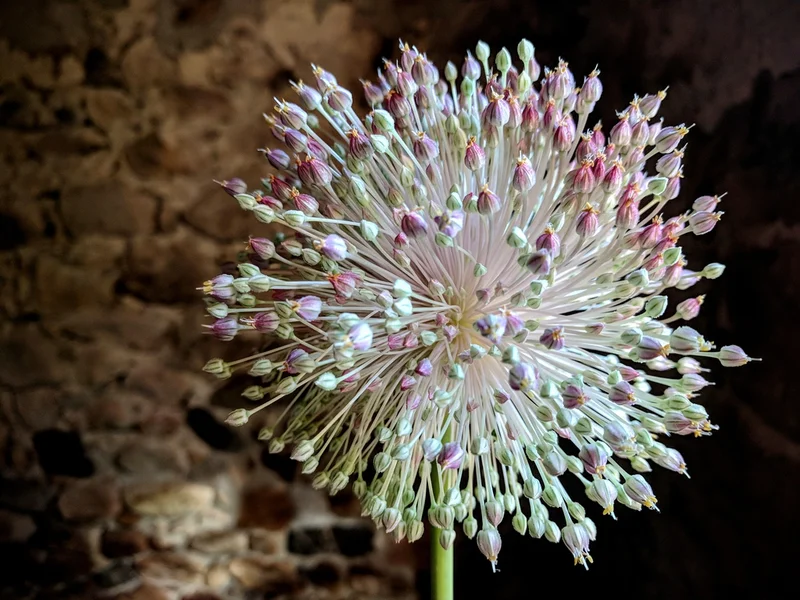
flowering garlic Photo: Neil Cummings i Toxic to cats Allium sativum
Sunny position
Allium sativum only. Check the botanical name; a photograph alone cannot establish identity.
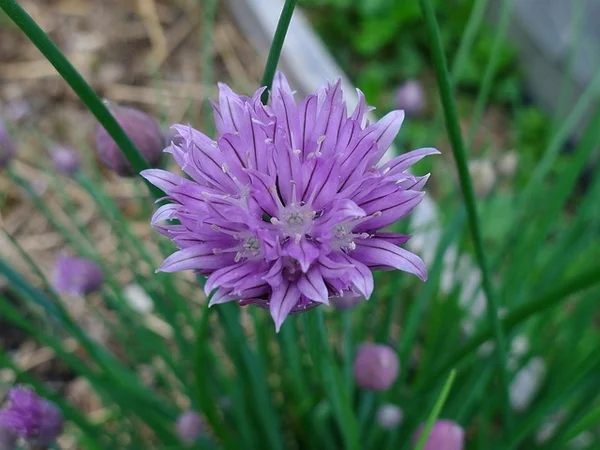
Flowers Photo: Chipmunk_1 i Photo details
Allium schoenoprasum — Flowers
License: CC BY-SA 2.0
Resized and converted to WebP for display; botanical details unchanged.
This displayed image is shared under the same CC BY-SA 2.0 license.
Toxic to cats Allium schoenoprasum
Sunny position or Some direct sun
Allium schoenoprasum only. Check the botanical name; a photograph alone cannot establish identity.
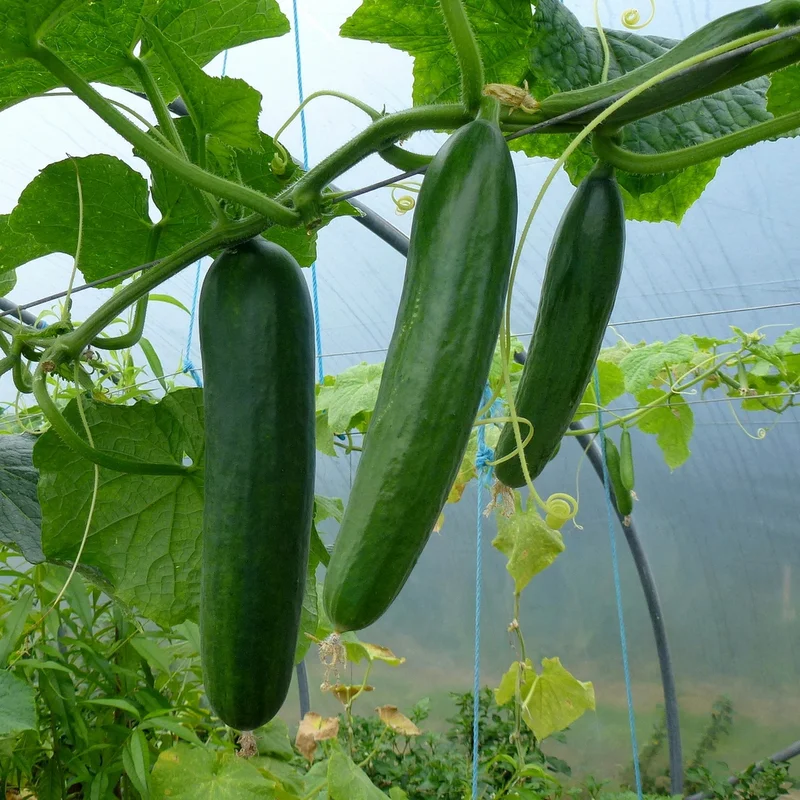
Cucumber fruits on the vine Photo: Jonathan Billinger i Non-toxic to cats Cucumis sativus
Sunny position
Cucumis sativus only. Check the botanical name; a photograph alone cannot establish identity.
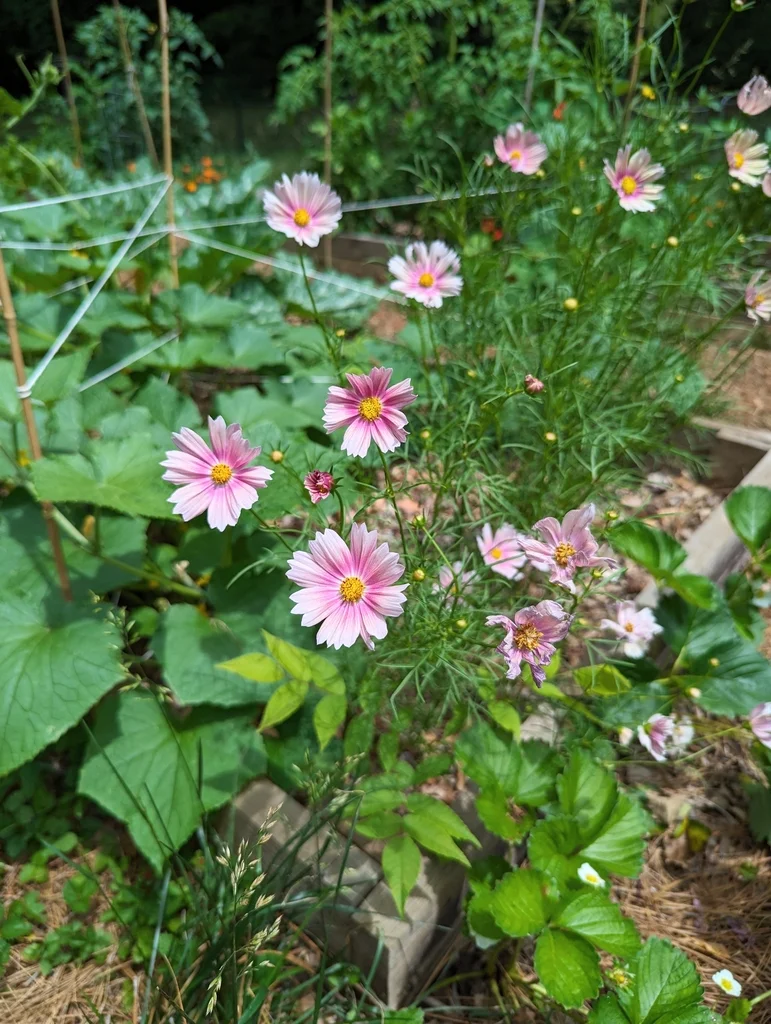
Form in garden Photo: Hope Duckworth i Non-toxic to cats Cosmos bipinnatus
Sunny position
Cosmos bipinnatus only. Check the botanical name; a photograph alone cannot establish identity.
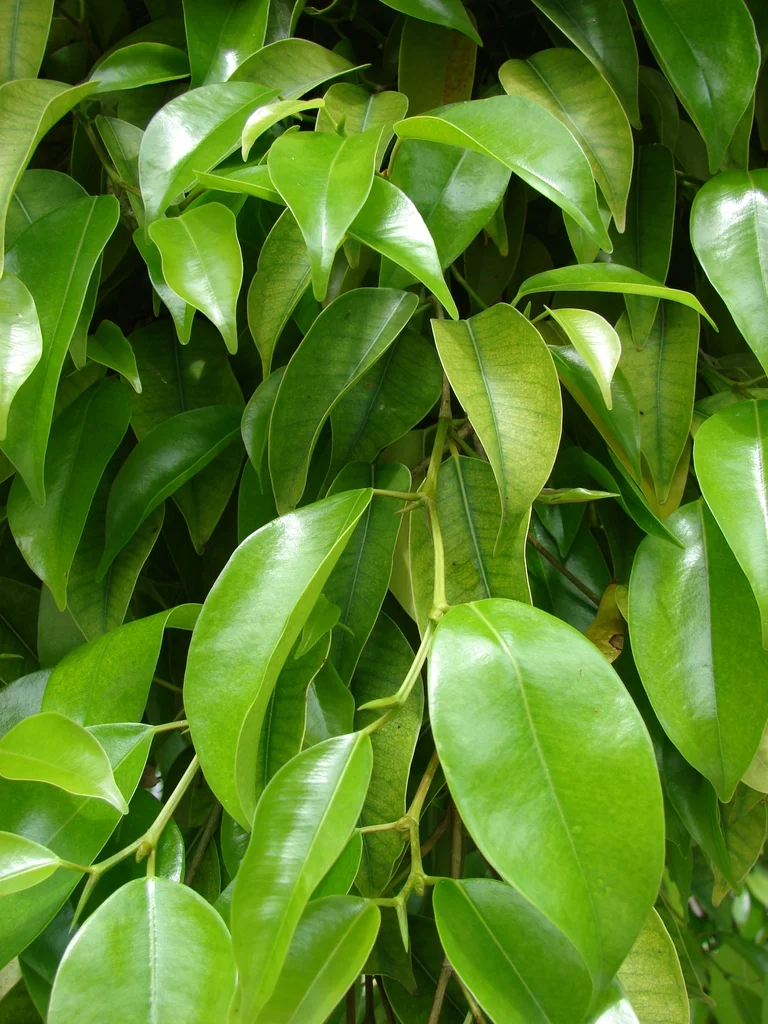
Leaves Photo: Forest and Kim Starr i Toxic to cats Ficus benjamina
Bright indirect light
Ficus benjamina only. Check the botanical name; a photograph alone cannot establish identity.
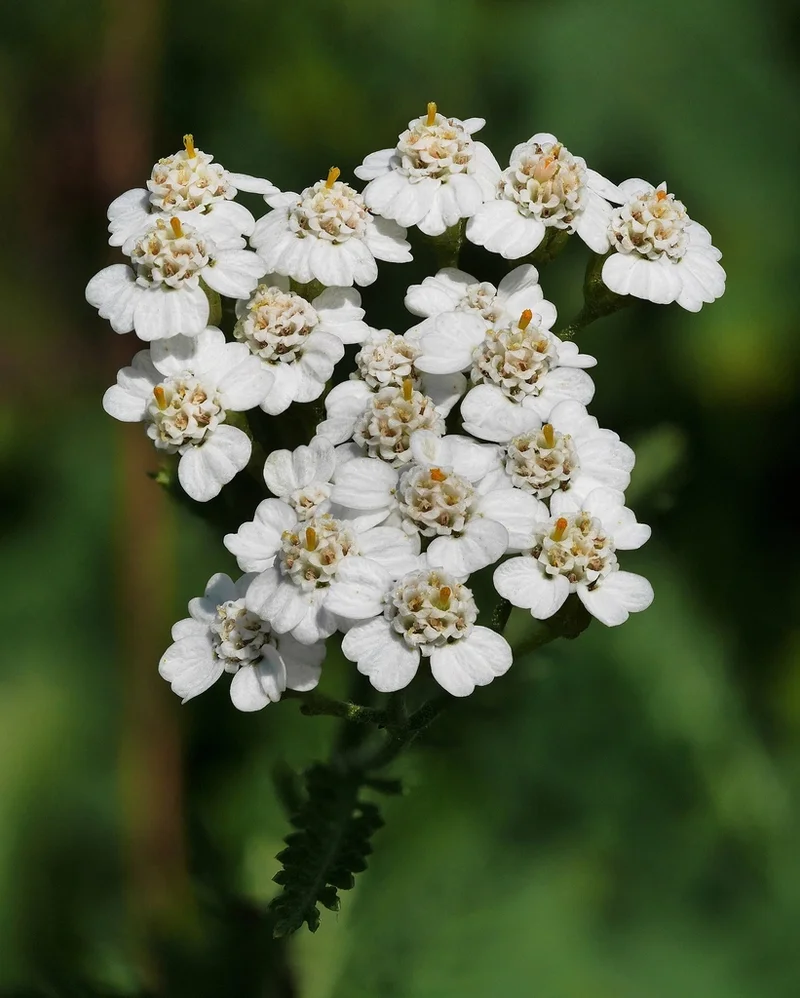
Flowers of the species Photo: Petar Milošević i Toxic to cats Achillea millefolium
Sunny position
Achillea millefolium only. Check the botanical name; a photograph alone cannot establish identity.
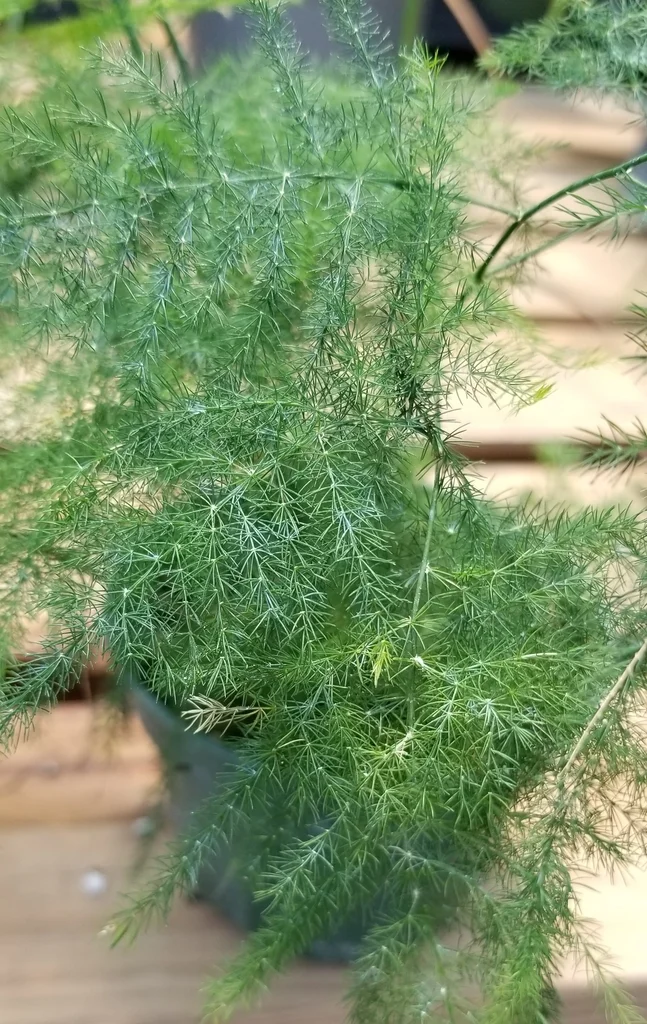
Asparagus setaceus houseplant view Photo: Cindy Christian i Conflicting guidance — use caution Asparagus setaceus
Bright indirect light
Asparagus setaceus only. Check the botanical name; a photograph alone cannot establish identity.
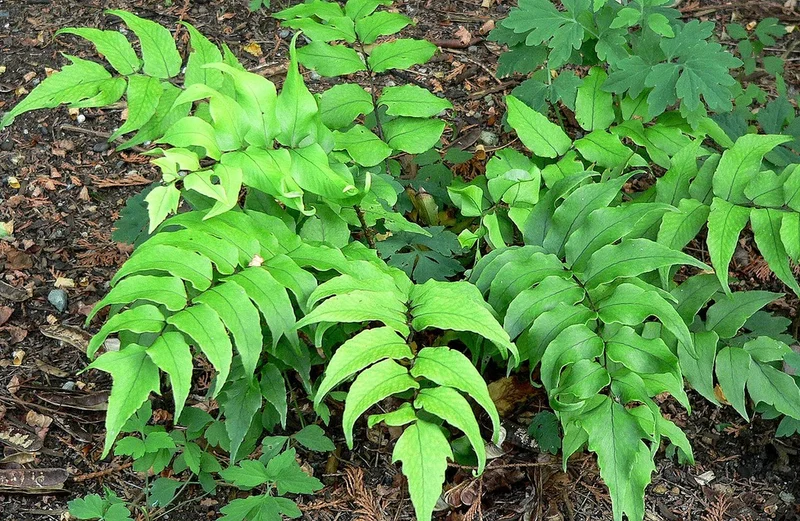
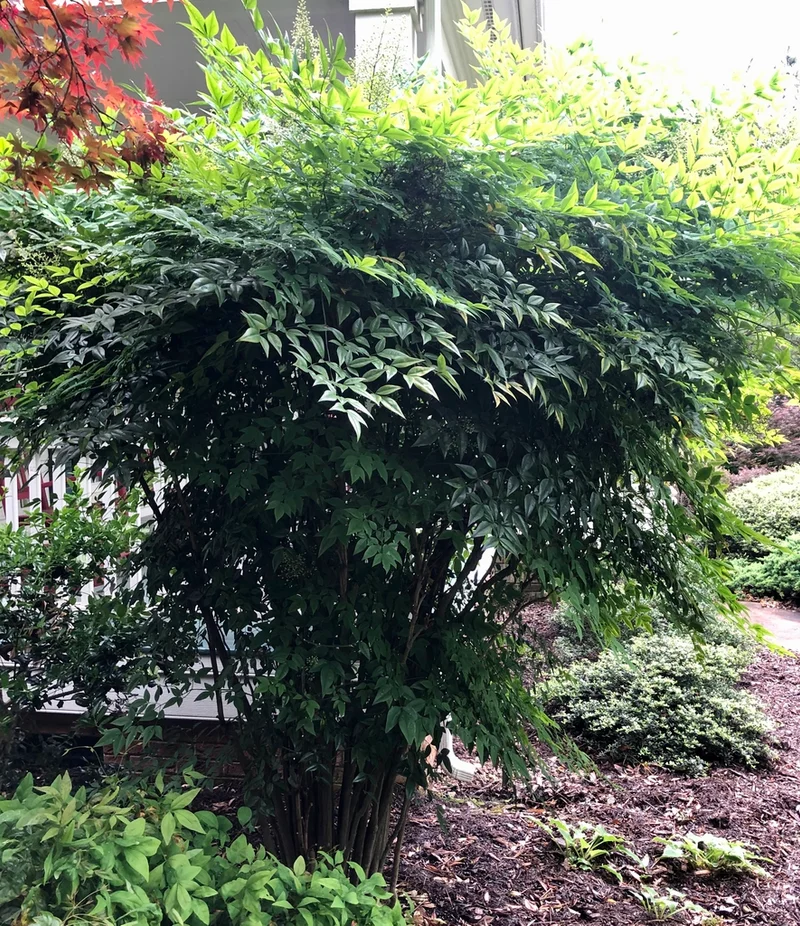
Full Form (Wake County,NC) Photo: Cathy Dewitt i Toxic to cats Nandina domestica
Sunny position or Some direct sun
Nandina domestica only. Check the botanical name; a photograph alone cannot establish identity.
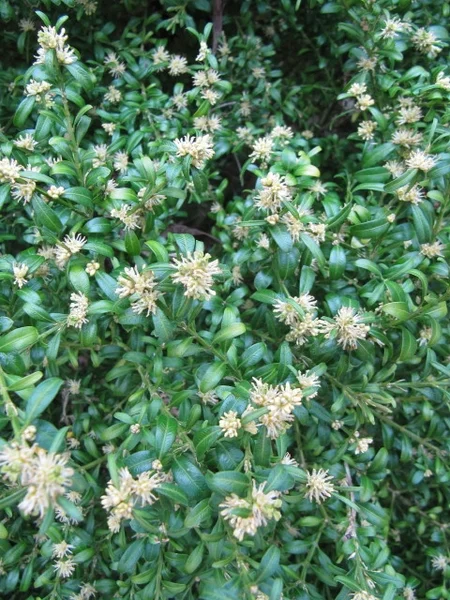
Whole plant Photo: Leonora_Enking i Photo details
Buxus sempervirens — Whole plant
License: CC BY-SA 2.0
Resized and converted to WebP for display; botanical details unchanged.
This displayed image is shared under the same CC BY-SA 2.0 license.
Toxic to cats Buxus sempervirens
Sunny position or Some direct sun
Buxus sempervirens only. Check the botanical name; a photograph alone cannot establish identity.
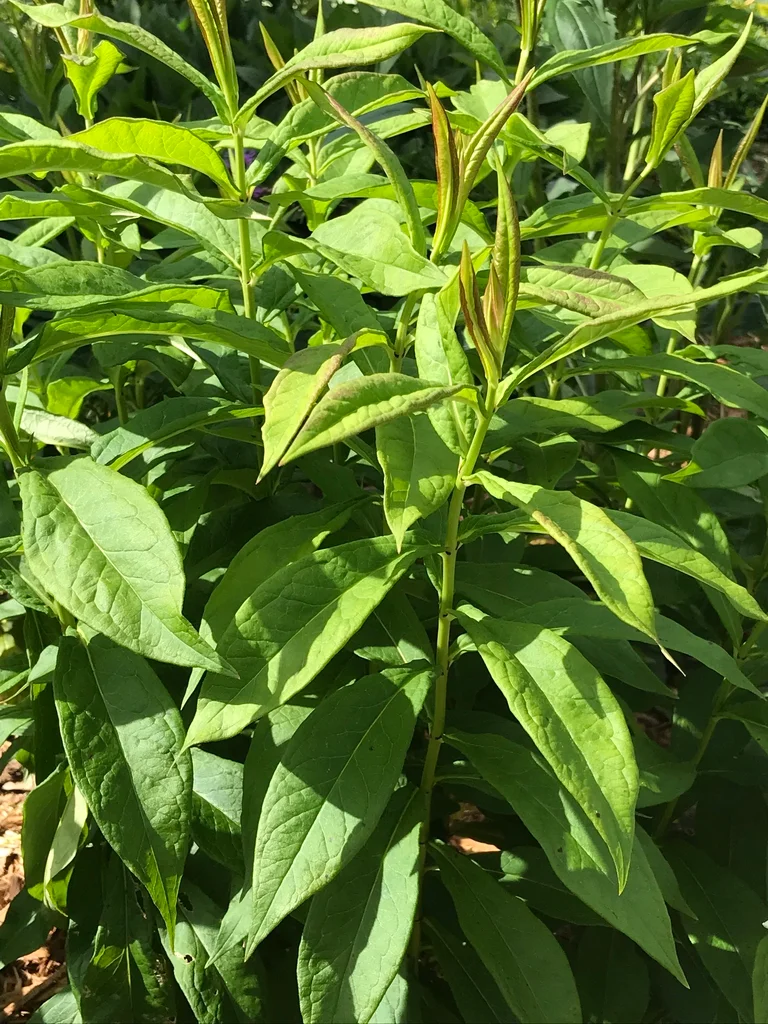
Form Photo: K. Andre i Non-toxic to cats Phlox paniculata
Sunny position or Some direct sun
Phlox paniculata only. Check the botanical name; a photograph alone cannot establish identity.
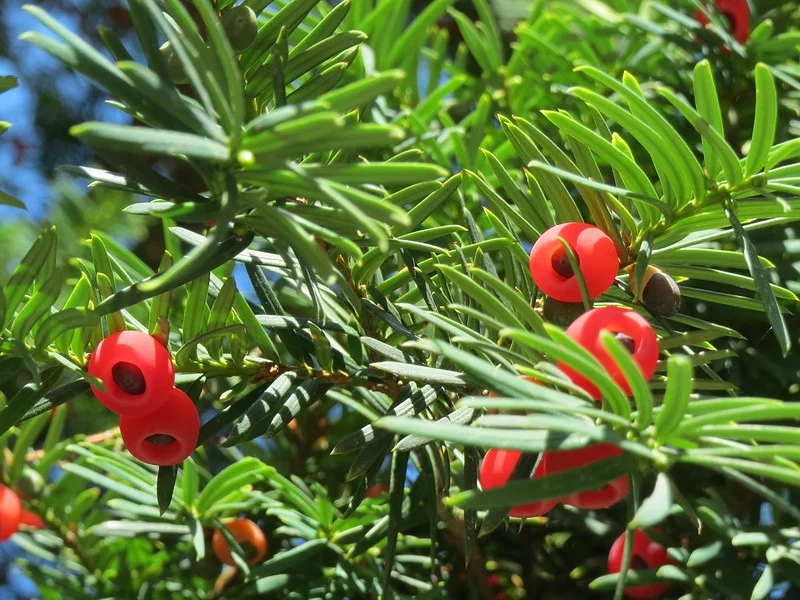
Taxus baccata female cones Photo: Andreas Rockstein i Toxic to cats Taxus baccata
Sunny position or Some direct sun
Taxus baccata only. Check the botanical name; a photograph alone cannot establish identity.
Form Photo: David J. Stang i Photo details
Davallia fejeensis — Form
License: CC BY-SA 4.0
Resized and converted to WebP for display; botanical details unchanged.
This displayed image is shared under the same CC BY-SA 4.0 license.
Non-toxic to cats Davallia fejeensis
Bright indirect light
Davallia fejeensis only. Check the botanical name; a photo cannot establish the identity of your plant.
Form Photo: Krzysztof Ziarnek, Kenraiz i Photo details
Asplenium bulbiferum — Form
License: CC BY-SA 4.0
Resized and converted to WebP for display; botanical details unchanged.
This displayed image is shared under the same CC BY-SA 4.0 license.
Non-toxic to cats Asplenium bulbiferum
Light varies by type
Asplenium bulbiferum only. Check the botanical name; a photo cannot establish the identity of your plant.
Cissus rhombifolia Photo: Halava i Non-toxic to cats Cissus alata
Bright indirect light
Cissus alata only. Check the botanical name; a photo cannot establish the identity of your plant.
Schlumbergera truncata, Thanksgiving Cactus, houseplant view Photo: Cindy Christian i Non-toxic to cats Schlumbergera truncata
Bright indirect light
Schlumbergera truncata only. Check the botanical name; a photo cannot establish the identity of your plant.
Fronds/Form Photo: Forest Kim Starr i Non-toxic to cats Phlebodium aureum
Some direct sun
Phlebodium aureum only. Check the botanical name; a photo cannot establish the identity of your plant.
Form Photo: Eric in SF i Photo details
Rhapis excelsa — Form
License: CC BY-SA 4.0
Resized and converted to WebP for display; botanical details unchanged.
This displayed image is shared under the same CC BY-SA 4.0 license.
Non-toxic to cats Rhapis excelsa
Medium indirect light
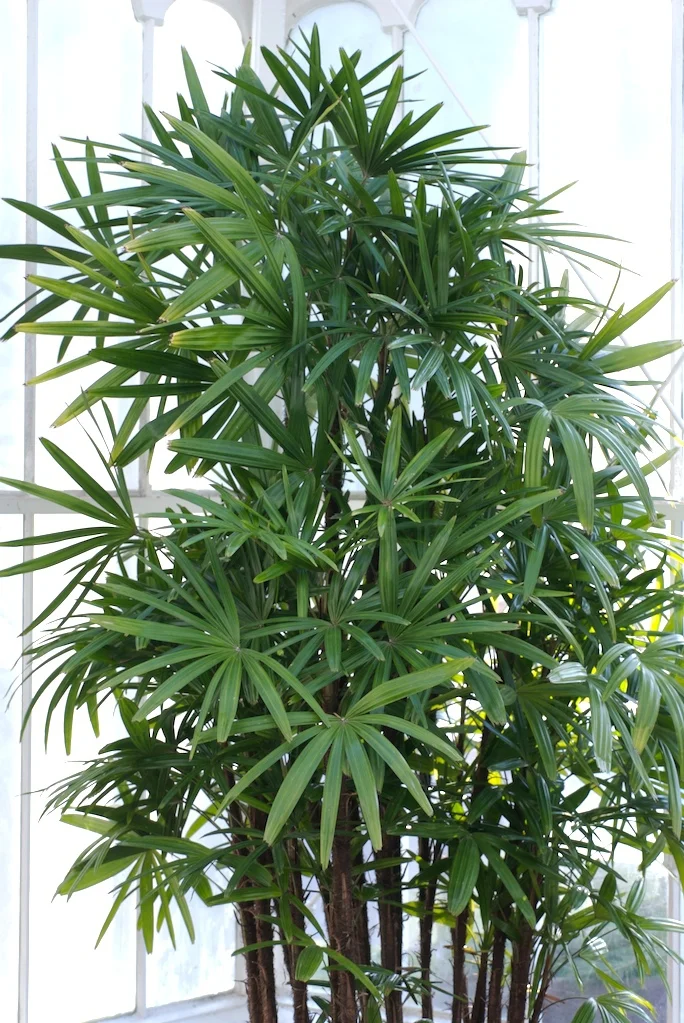
Rhapis excelsa only. Check the botanical name; a photo cannot establish the identity of your plant.
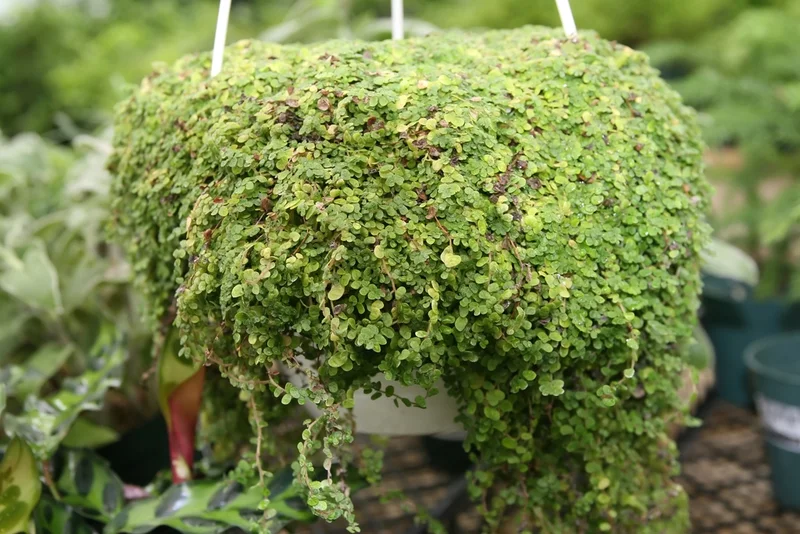
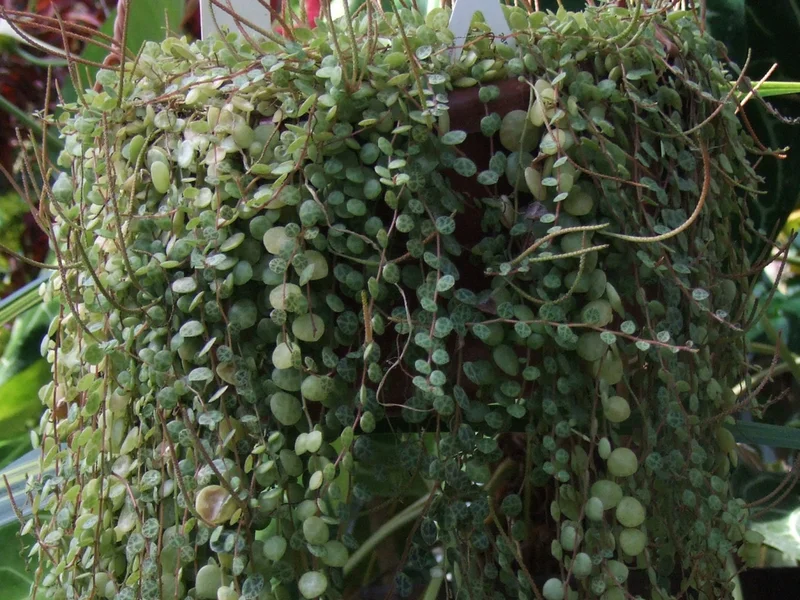
Hanging basket Photo: David J. Stang i Non-toxic to cats Soleirolia soleirolii
Bright indirect light
Soleirolia soleirolii only. Check the botanical name; a photo cannot establish the identity of your plant.
Flowers Photo: Mokkie i Photo details
Aphelandra squarrosa — Flowers
License: CC BY-SA 3.0
Resized and converted to WebP for display; botanical details unchanged.
This displayed image is shared under the same CC BY-SA 3.0 license.
Non-toxic to cats Aphelandra squarrosa
Bright indirect light
Aphelandra squarrosa only. Check the botanical name; a photo cannot establish the identity of your plant.
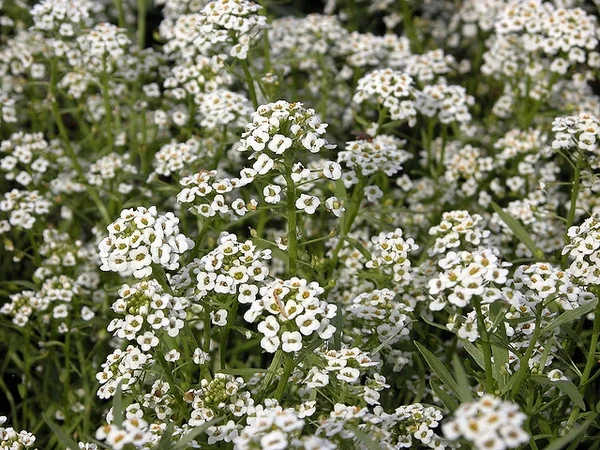
Sweet alyssum (Lobularia maritima), illustrated by the credited source photograph. Photo: Carl Lewis i Non-toxic to cats Lobularia maritima
Sunny position or Some direct sun
Lobularia maritima only. Check the botanical name; a photo cannot establish the identity of your plant.
Flowers Photo: k!roman i Photo details
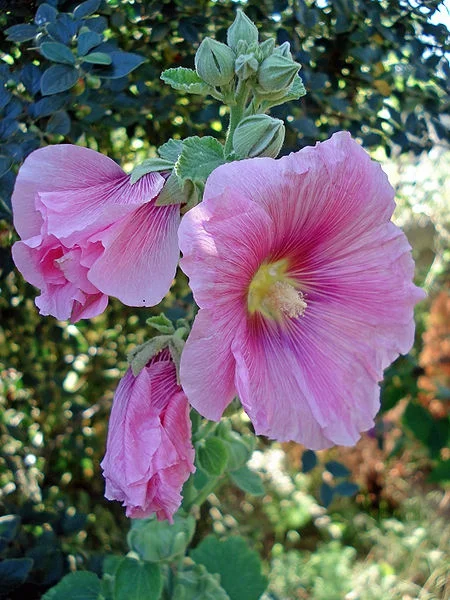
Alcea rosea — Flowers
License: CC BY-SA 3.0
Resized and converted to WebP for display; botanical details unchanged.
This displayed image is shared under the same CC BY-SA 3.0 license.
Non-toxic to cats Alcea rosea
Sunny position or Some direct sun
Alcea rosea only. Check the botanical name; a photo cannot establish the identity of your plant.
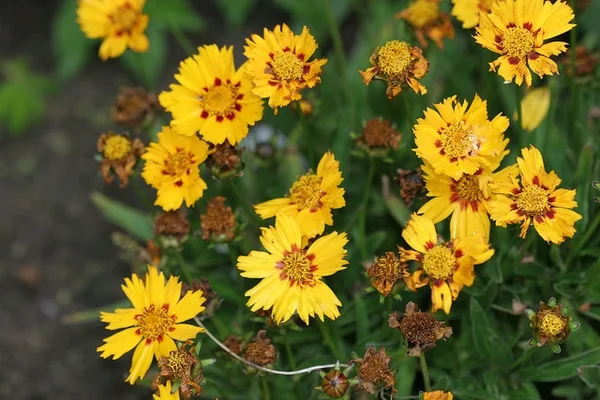
flowers and leaves Photo: Andrey Zharkikh i Non-toxic to cats Coreopsis lanceolata
Sunny position
Coreopsis lanceolata only. Check the botanical name; a photo cannot establish the identity of your plant.
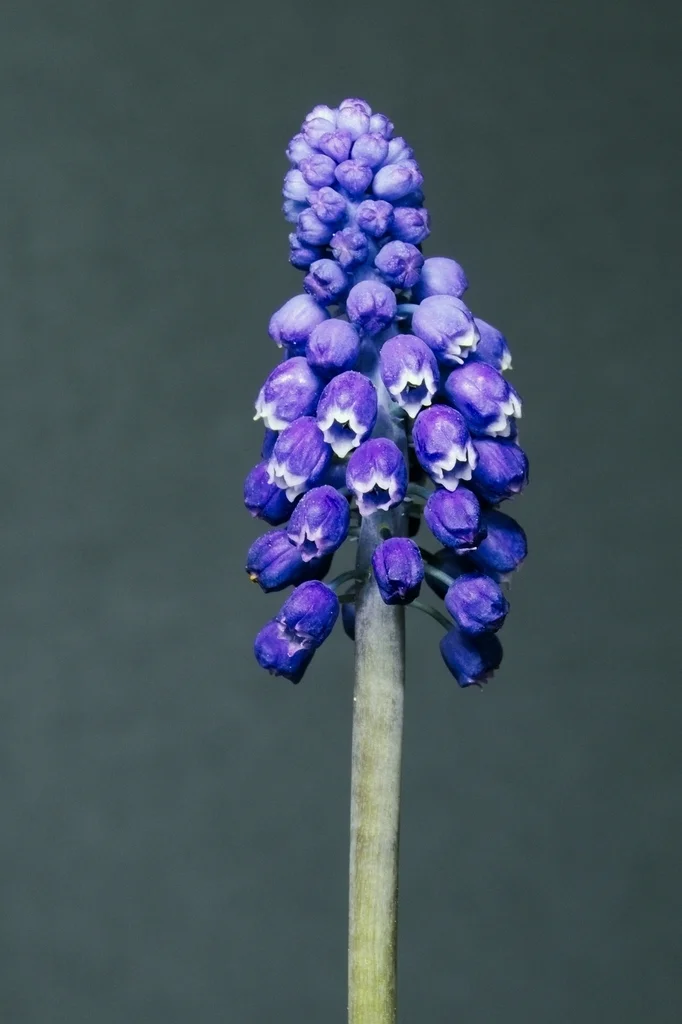
Blue-purple flowers appear in a dense raceme. Photo: Bff i Non-toxic to cats Muscari armeniacum
Sunny position or Some direct sun
Muscari armeniacum only. Check the botanical name; a photo cannot establish the identity of your plant.
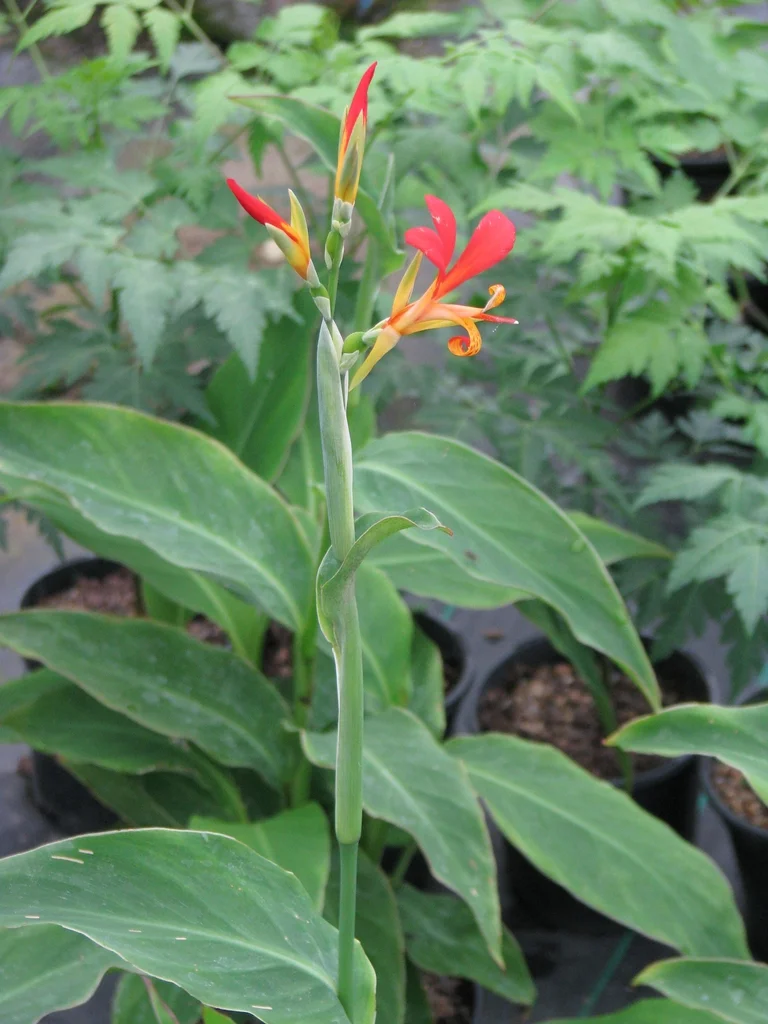
Form Photo: peganum i Photo details
Canna indica — Form
License: CC BY-SA 2.0
Resized and converted to WebP for display; botanical details unchanged.
This displayed image is shared under the same CC BY-SA 2.0 license.
Non-toxic to cats Canna indica
Sunny position
Canna indica only. Check the botanical name; a photo cannot establish the identity of your plant.
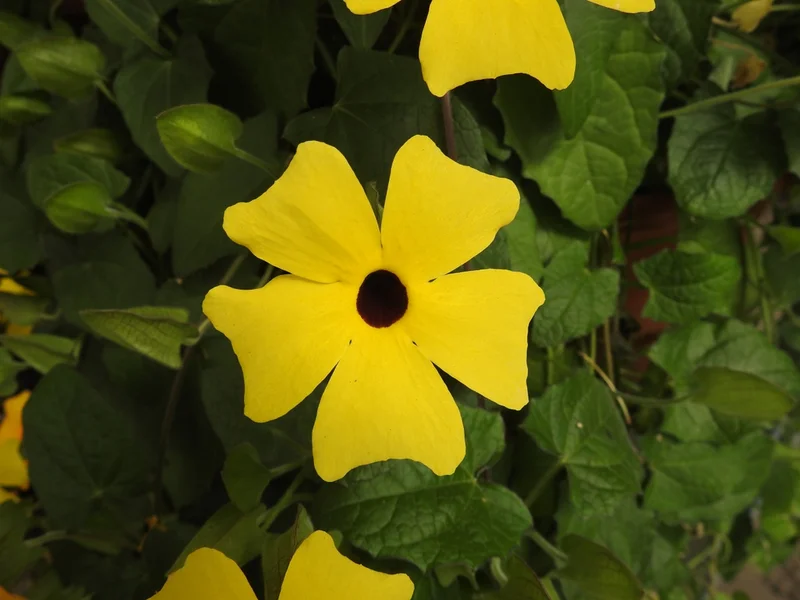
Flower from an unknown yellow cultivar 5 petals dark brown throat. Photo: Kathleen Moore i Non-toxic to cats Thunbergia alata
Sunny position or Some direct sun
Thunbergia alata only. Check the botanical name; a photo cannot establish the identity of your plant.
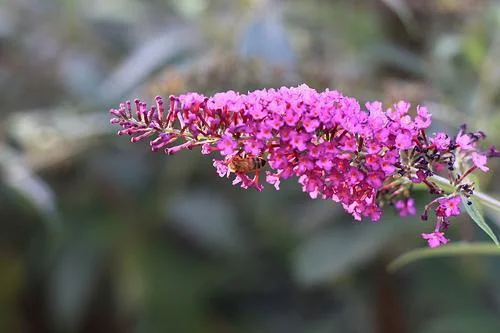
Flower panicle detail Photo: Jim, the Photographer i Non-toxic to cats Buddleja davidii
Sunny position
Buddleja davidii only. Check the botanical name; a photo cannot establish the identity of your plant.
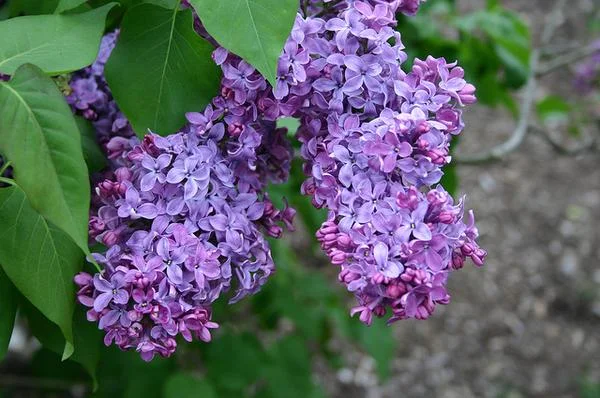
Flowers Photo: Ryan Somma i Non-toxic to cats Syringa vulgaris
Sunny position or Some direct sun
Syringa vulgaris only. Check the botanical name; a photo cannot establish the identity of your plant.
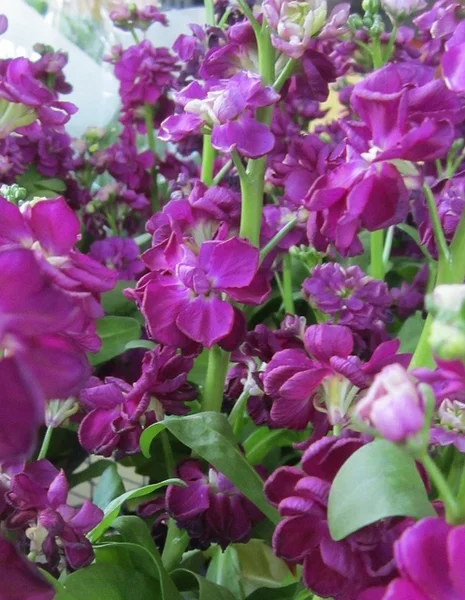
Stock (Matthiola incana), illustrated by the credited source photograph. Photo: Upupa4me i Photo details
Matthiola incana —
License: CC BY-SA 4.0
Resized and converted to WebP for display; botanical details unchanged.
This displayed image is shared under the same CC BY-SA 4.0 license.
Non-toxic to cats Matthiola incana
Sunny position or Some direct sun
Matthiola incana only. Check the botanical name; a photo cannot establish the identity of your plant.
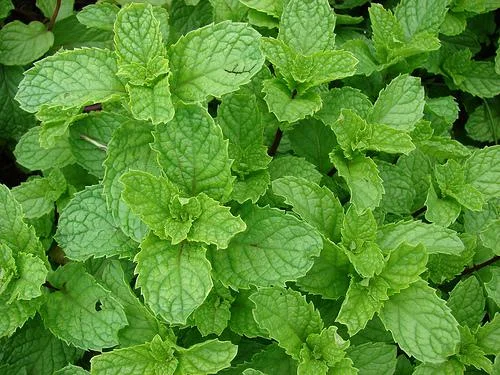
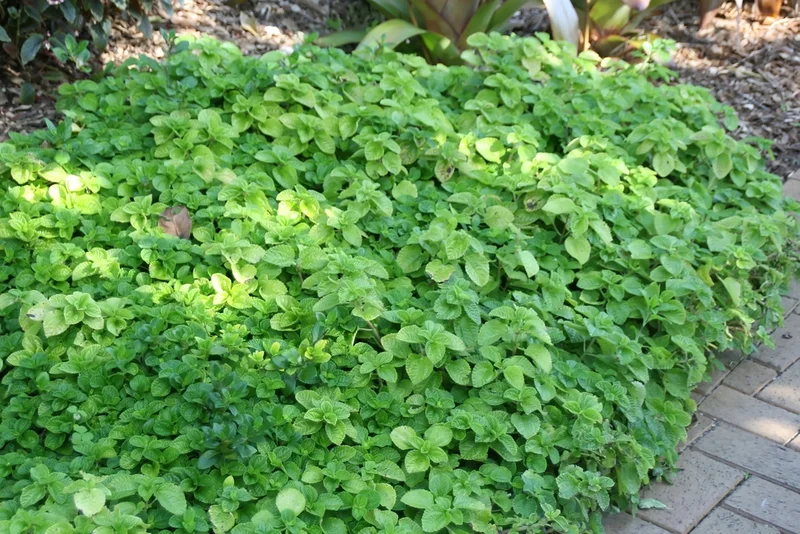
Spearmint (Mentha spicata) Photo: Forest-and-Kim-Starr i Conflicting guidance — use caution Mentha spicata
Sunny position or Some direct sun
Mentha spicata only. Check the botanical name; a photo cannot establish the identity of your plant.
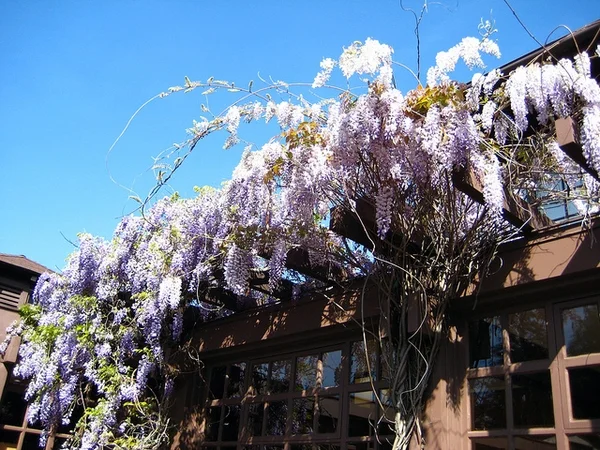
Flowers Photo: Photo by Bri Weldon i Toxic to cats Wisteria sinensis
Sunny position or Some direct sun
Wisteria sinensis only. Check the botanical name; a photo cannot establish the identity of your plant.
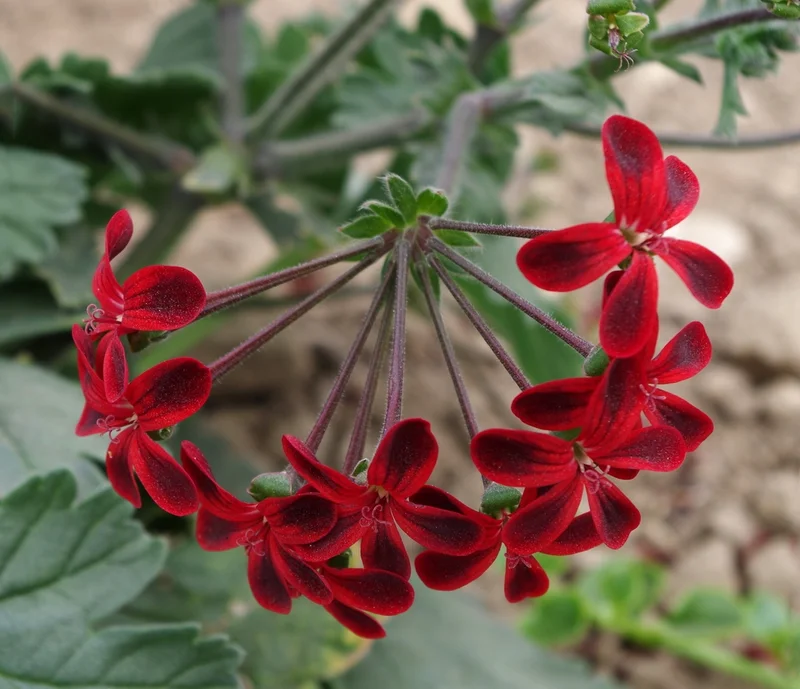
Pelargonium Photo: Dinkum i Photo details
Pelargonium spp. — Pelargonium
License: CC BY-SA 3.0
Resized and converted to WebP for display; botanical details unchanged.
This displayed image is shared under the same CC BY-SA 3.0 license.
Conflicting guidance — use caution Pelargonium spp.
Sunny position
Pelargonium spp. only. Check the botanical name; a photo cannot establish the identity of your plant.
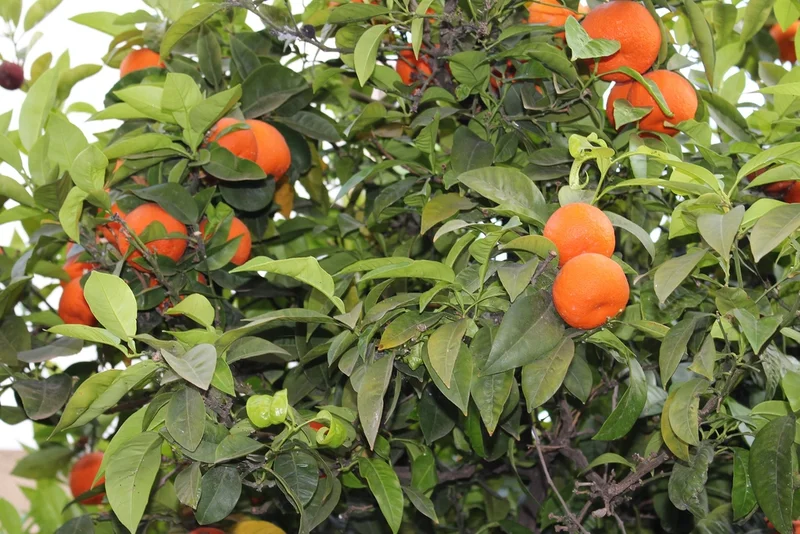
Leaves and fruits Photo: Emőke Dénes i Toxic to cats Citrus × sinensis
Sunny position
Citrus × sinensis only. Check the botanical name; a photo cannot establish the identity of your plant.
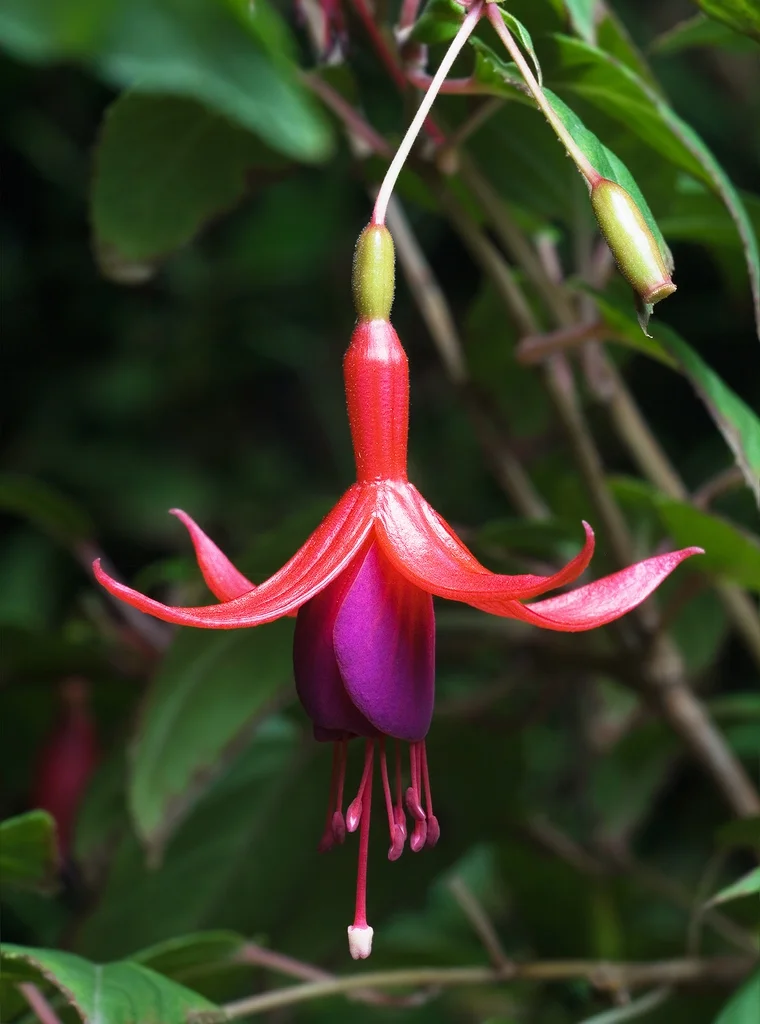
Flowers Photo: JJ Harrison i Photo details
Fuchsia magellanica — Flowers
License: CC BY-SA 3.0
Resized and converted to WebP for display; botanical details unchanged.
This displayed image is shared under the same CC BY-SA 3.0 license.
Non-toxic to cats Fuchsia magellanica
Some direct sun
Fuchsia magellanica only. Check the botanical name; a photo cannot establish the identity of your plant.
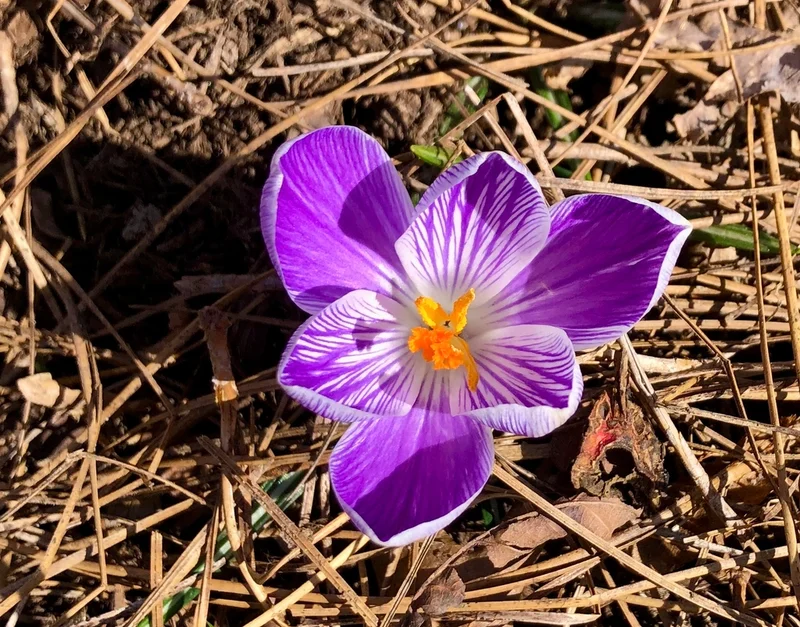
Flower (Warren County, NC)-Early Spring Photo: Cathy Dewitt i Conflicting guidance — use caution Crocus vernus
Sunny position or Some direct sun
Crocus vernus only. Check the botanical name; a photo cannot establish the identity of your plant.
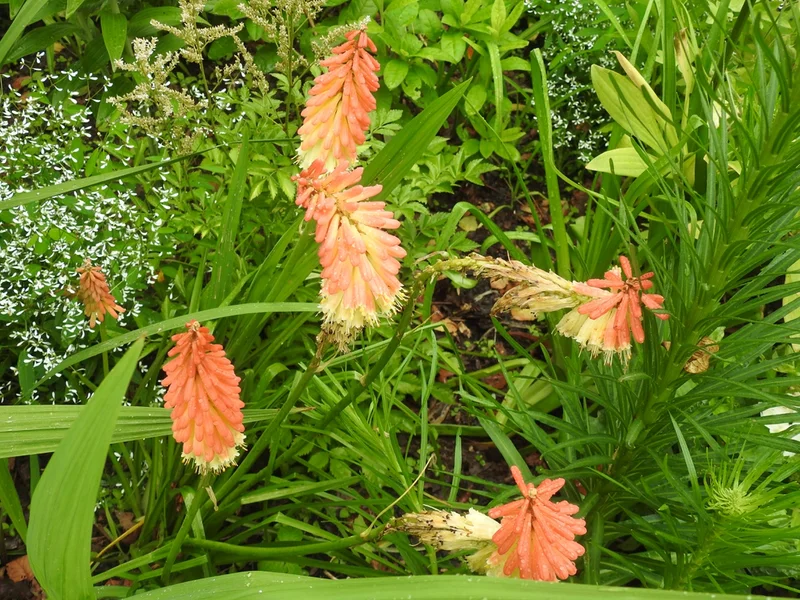
Kniphofia uvaria flowers Photo: Kathleen Moore i Non-toxic to cats Kniphofia uvaria
Sunny position
Kniphofia uvaria only. Check the botanical name; a photo cannot establish the identity of your plant.
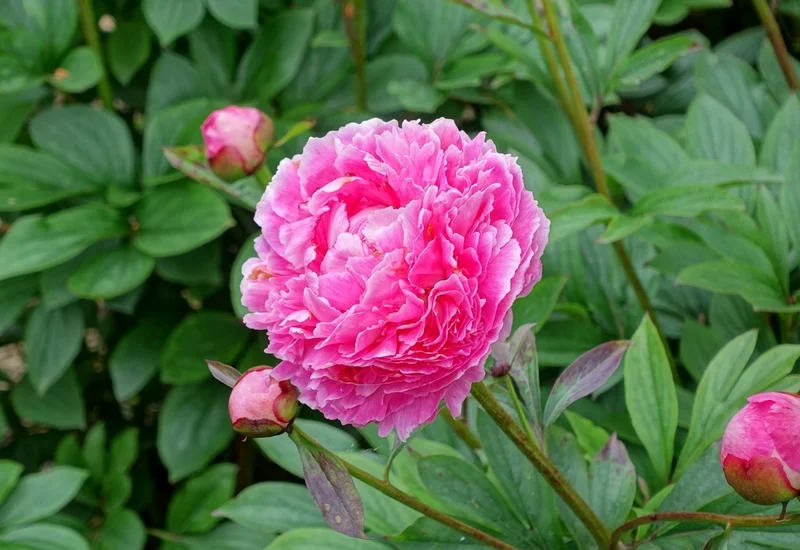
Paeonia 'Auguste Dessert' (Lactiflora) Photo: Daderot i Conflicting guidance — use caution Paeonia lactiflora
Sunny position or Some direct sun
Paeonia lactiflora only. Check the botanical name; a photo cannot establish the identity of your plant.
Form Photo: Obsidian Soul i Non-toxic to cats Pilea microphylla
Bright indirect light
Pilea microphylla only. Confirm the botanical label; a photograph cannot identify a visitor’s specimen.
Form Photo: David J.Stang i Non-toxic to cats Pilea nummulariifolia
Medium indirect light
Pilea nummulariifolia only. Confirm the botanical label; a photograph cannot identify a visitor’s specimen.
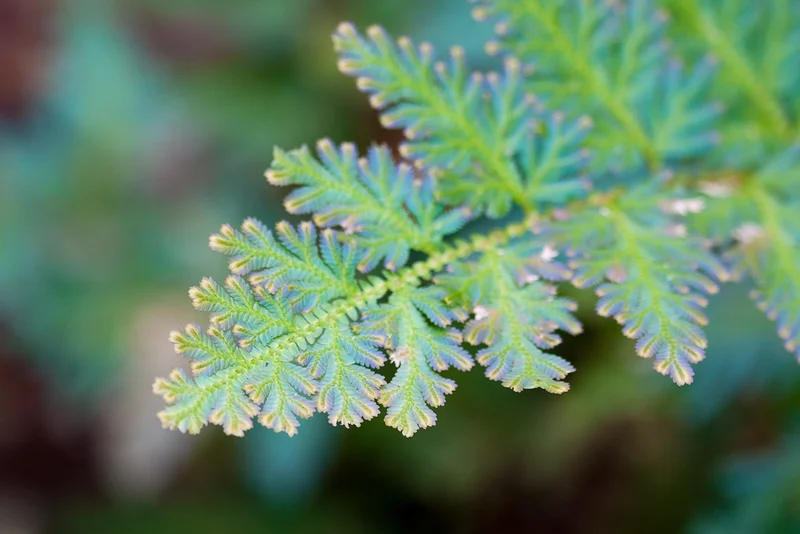
Foliage Photo: Davidyeotb i Non-toxic to cats Selaginella kraussiana
Medium indirect light
Selaginella kraussiana only. Confirm the botanical label; a photograph cannot identify a visitor’s specimen.
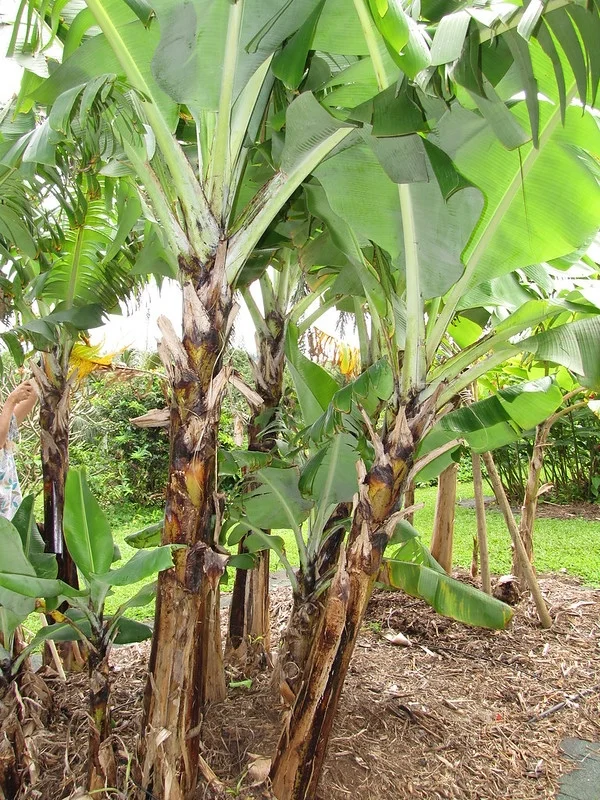
Musa acuminata 'Grand Naine' habit Photo: Forest and Kim Starr i Non-toxic to cats Musa acuminata
Sunny position
Musa acuminata only. Confirm the botanical label; a photograph cannot identify a visitor’s specimen.
Form Photo: Yercaud-elango i Non-toxic to cats Peperomia clusiifolia
Bright indirect light
Peperomia clusiifolia only. Confirm the botanical label; a photograph cannot identify a visitor’s specimen.
Form Photo: Krzysztof Ziarnek, Kenraiz i Non-toxic to cats Peperomia rotundifolia
Bright indirect light
Peperomia rotundifolia only. Confirm the botanical label; a photograph cannot identify a visitor’s specimen.
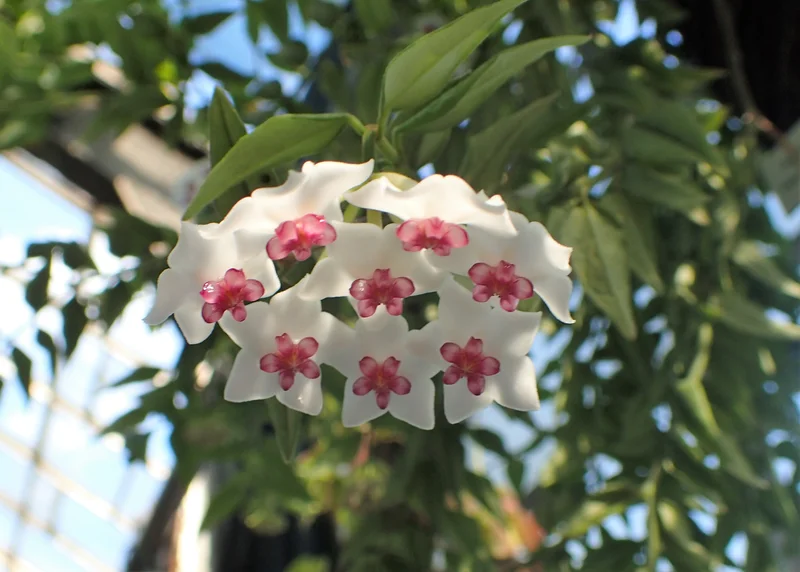
Hoya bella in botanical garden in Kraków Photo: Krzysztof Ziarnek, Kenraiz i Photo details
Wikimedia Commons — Hoya bella
License: CC BY-SA 4.0
Original photograph unchanged; proportionally resized for review and display.
This displayed image is shared under the same CC BY-SA 4.0 license.
Non-toxic to cats Hoya bella
Bright indirect light
Hoya bella only. Confirm the botanical label; a photograph cannot identify a visitor’s specimen.
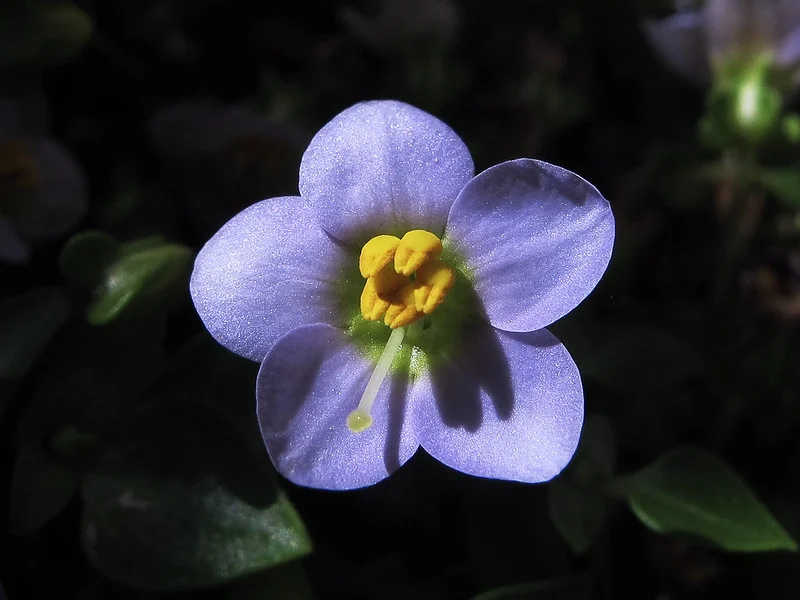
Flower. Photo: Jacinta Lluch Valero i Photo details
NC State Extension — Exacum affine
License: CC BY-SA 2.0
Original photograph unchanged; proportionally resized for review and display.
This displayed image is shared under the same CC BY-SA 2.0 license.
Non-toxic to cats Exacum affine
Medium indirect light
Exacum affine only. Confirm the botanical label; a photograph cannot identify a visitor’s specimen.
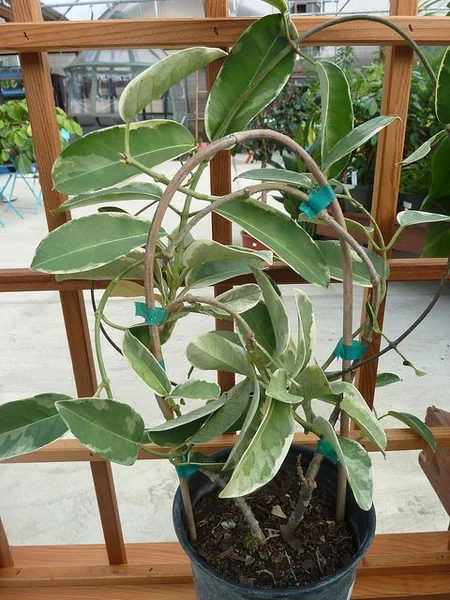
Madagascar jasmine (Stephanotis floribunda), illustrated by the credited photograph. Photo: Kathleen Moore i Non-toxic to cats Stephanotis floribunda
Sunny position
Stephanotis floribunda only. Confirm the botanical label; a photograph cannot identify a visitor’s specimen.
Flowers - Sept. 24 - Moore Co., NC Photo: Cathy DeWitt i Non-toxic to cats Impatiens hawkeri
Some direct sun
Impatiens hawkeri only. Confirm the botanical label; a photograph cannot identify a visitor’s specimen.
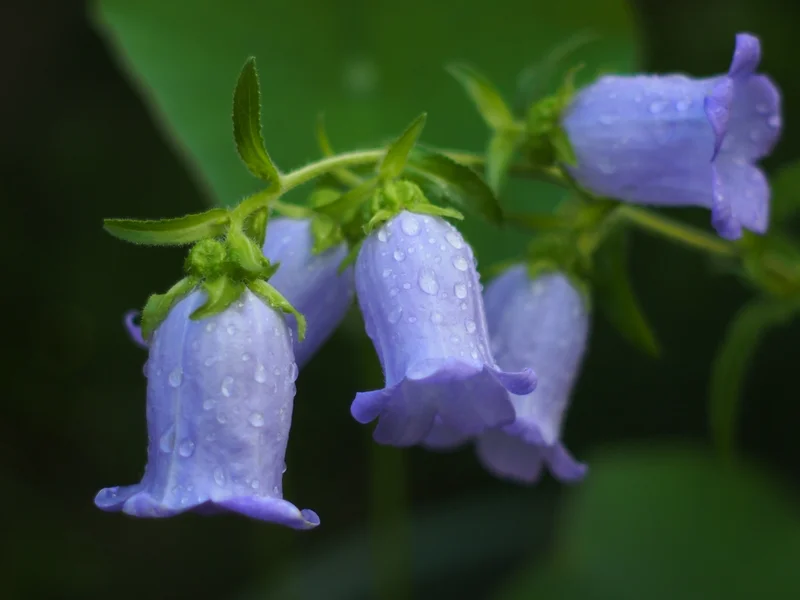
Flowers Photo: M's photography i Non-toxic to cats Campanula medium
Sunny position or Some direct sun
Campanula medium only. Confirm the botanical label; a photograph cannot identify a visitor’s specimen.
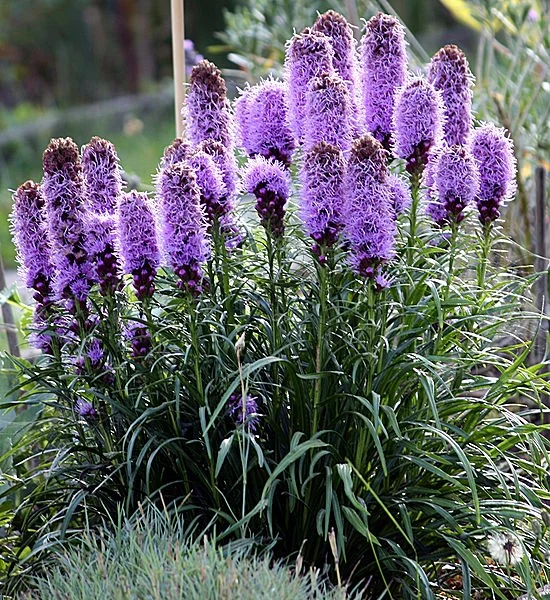
Form Photo: Hedwig Storch i Non-toxic to cats Liatris spicata
Sunny position or Some direct sun
Liatris spicata only. Confirm the botanical label; a photograph cannot identify a visitor’s specimen.
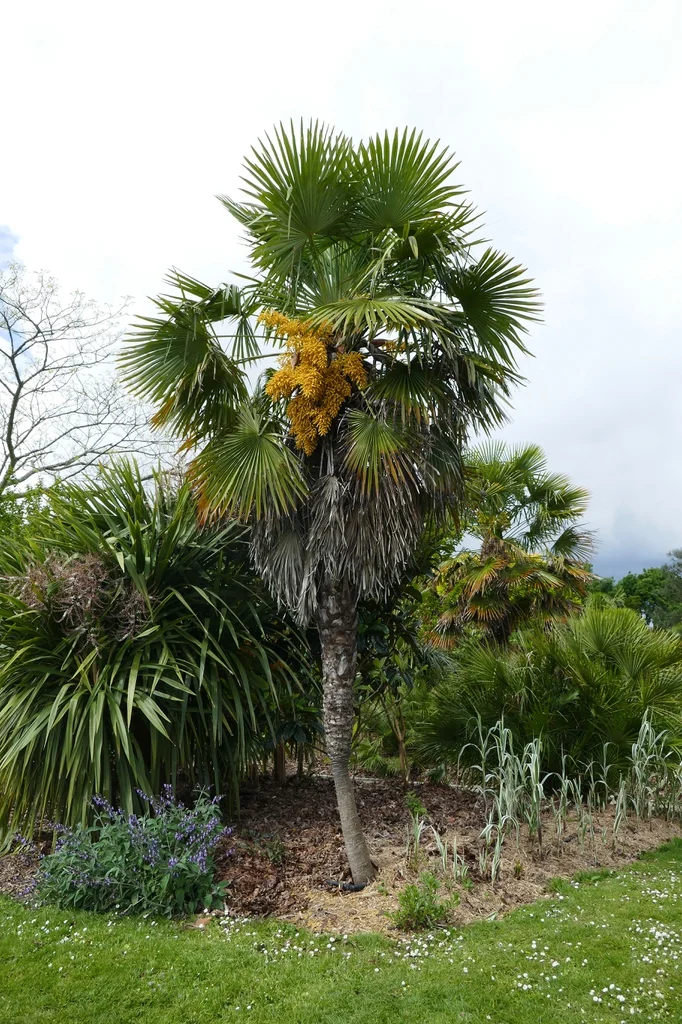
Full form Photo: Ji-Elle i Non-toxic to cats Trachycarpus fortunei
Sunny position or Some direct sun
Trachycarpus fortunei only. Confirm the botanical label; a photograph cannot identify a visitor’s specimen.
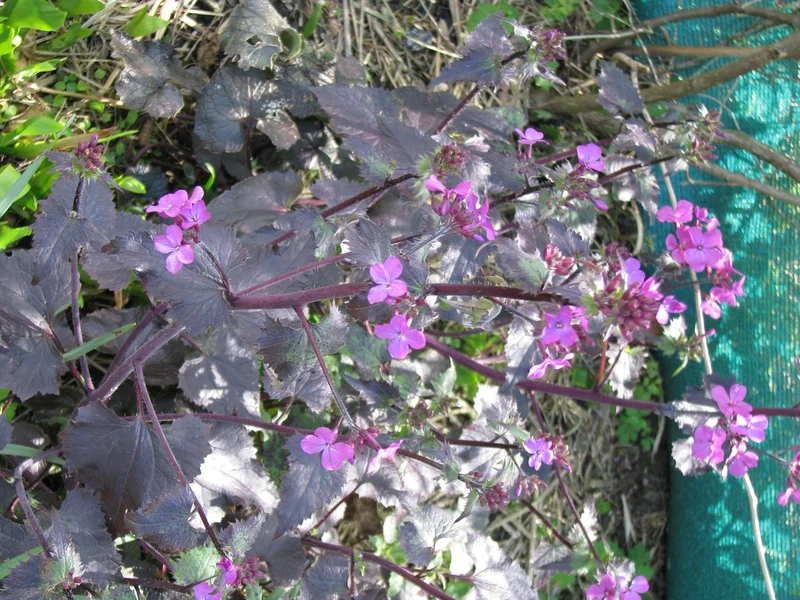
Form Photo: peganum i Non-toxic to cats Lunaria annua
Some direct sun
Lunaria annua only. Confirm the botanical label; a photograph cannot identify a visitor’s specimen.
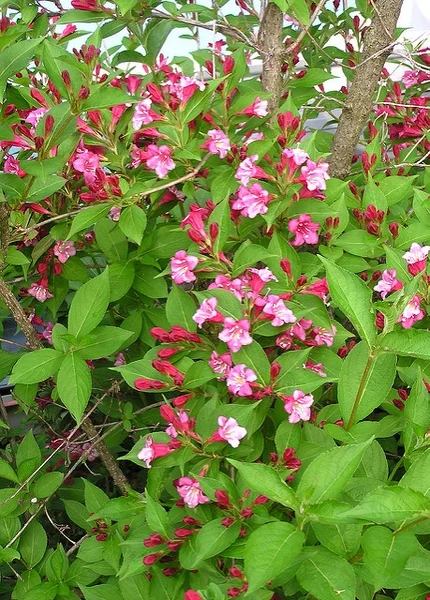
Flower and leaf detail Photo: Normanack i Non-toxic to cats Weigela florida
Sunny position
Weigela florida only. Confirm the botanical label; a photograph cannot identify a visitor’s specimen.
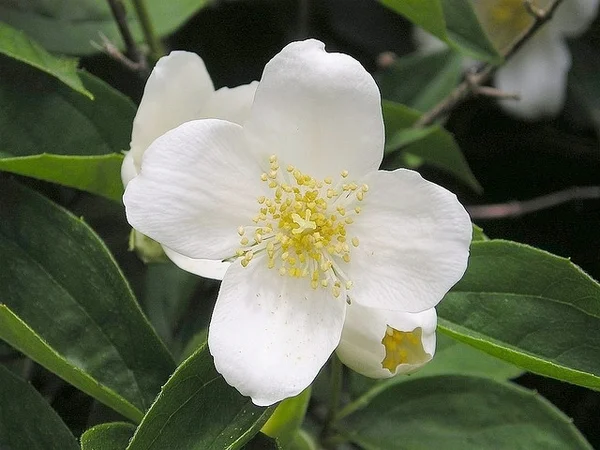
Philadelphus coronarius Photo: Maja Dumat i Non-toxic to cats Philadelphus coronarius
Sunny position or Some direct sun
Philadelphus coronarius only. Confirm the botanical label; a photograph cannot identify a visitor’s specimen.
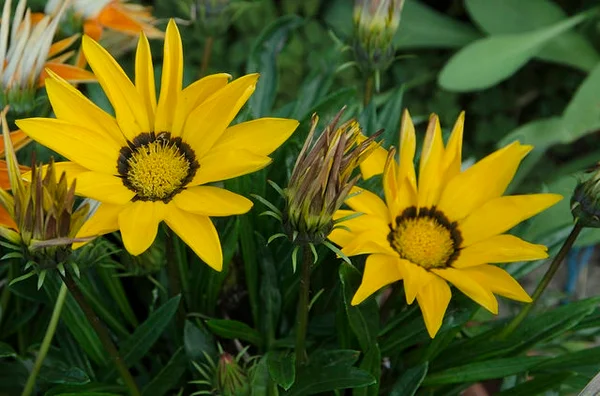
Flowers Photo: Waldemar Jan i Non-toxic to cats Gazania rigens
Sunny position
Gazania rigens only. Confirm the botanical label; a photograph cannot identify a visitor’s specimen.
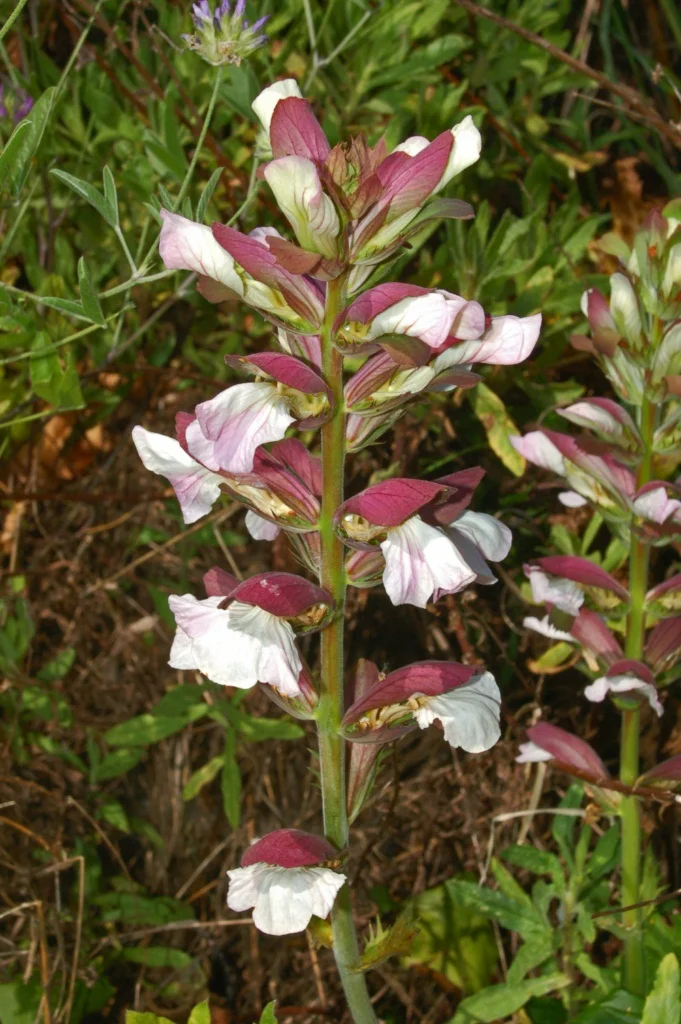
Acanthus mollis Photo: Hectonichus i Non-toxic to cats Acanthus mollis
Sunny position or Some direct sun
Acanthus mollis only. Confirm the botanical label; a photograph cannot identify a visitor’s specimen.
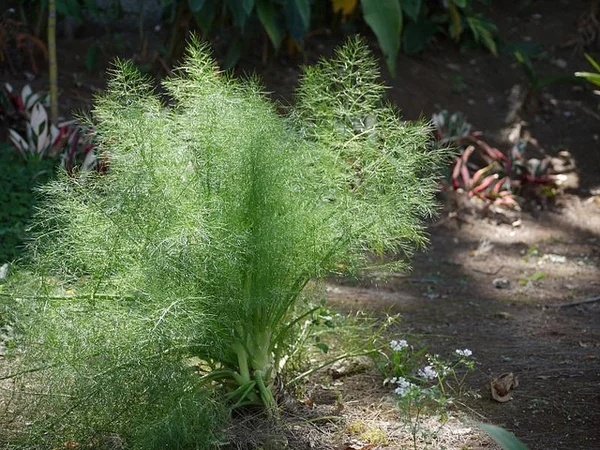
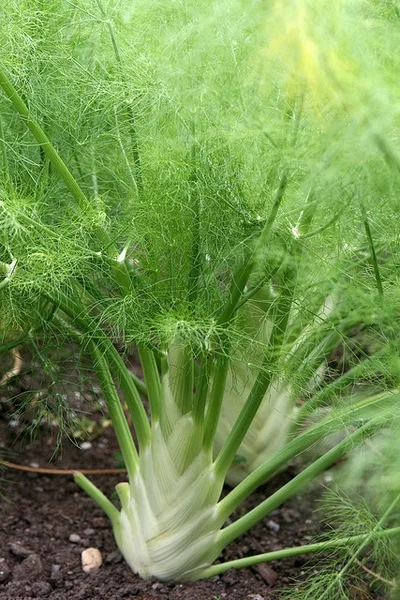
Foeniculum vulgare Photo: Quinn Dombrowski i Non-toxic to cats Foeniculum vulgare
Sunny position
Foeniculum vulgare only. Confirm the botanical label; a photograph cannot identify a visitor’s specimen.
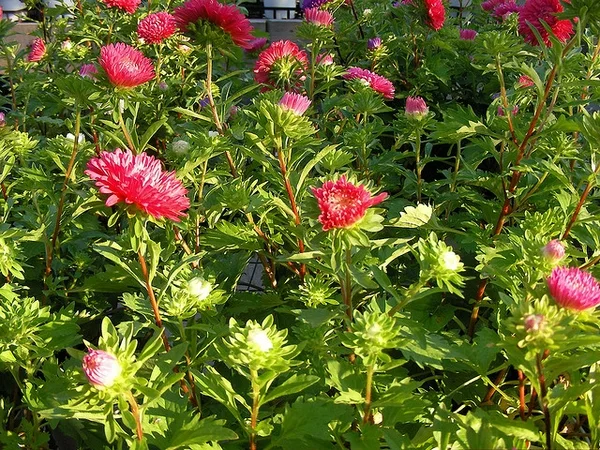
China aster (Callistephus chinensis), illustrated by the credited photograph. Photo: Carl Lewis i Non-toxic to cats Callistephus chinensis
Sunny position or Some direct sun
Callistephus chinensis only. Confirm the botanical label; a photograph cannot identify a visitor’s specimen.
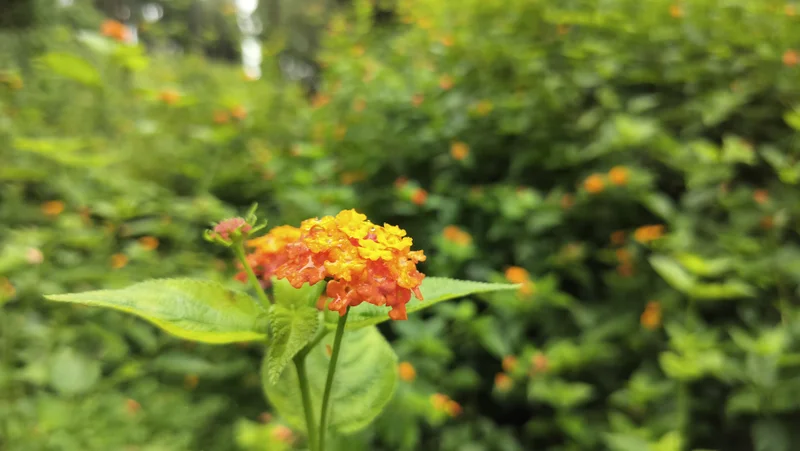
Lantana camara flowers Photo: Srinivasan Kasinathan i Toxic to cats Lantana camara
Sunny position
Lantana camara only. Confirm the botanical label; a photograph cannot identify a visitor’s specimen.
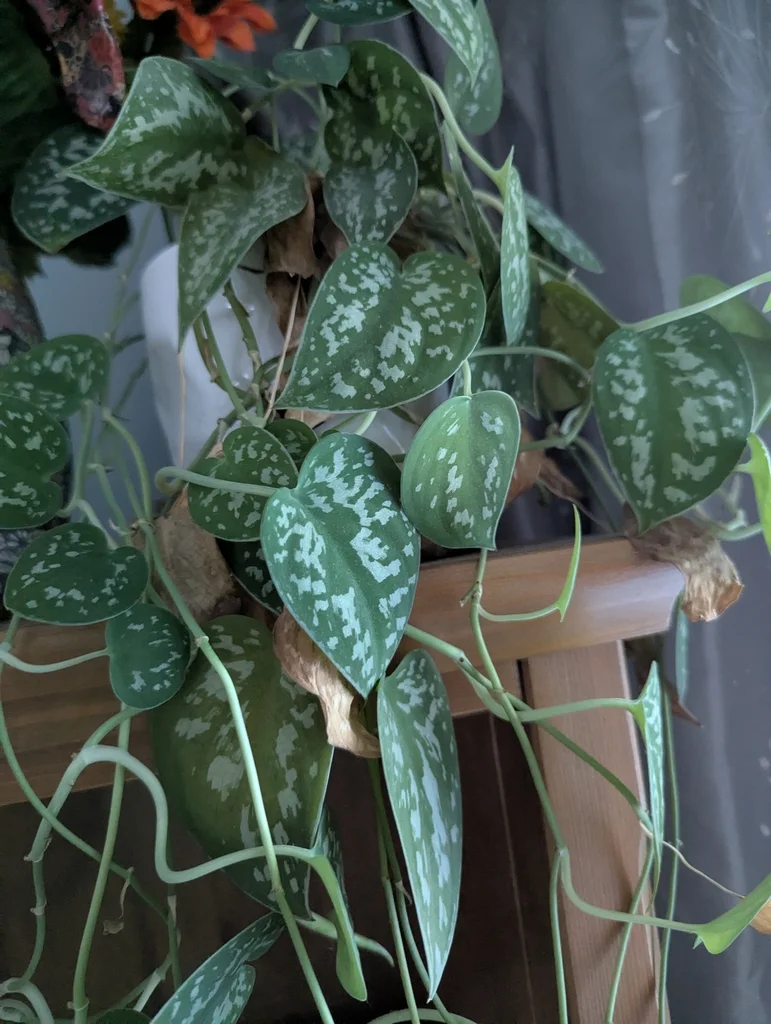
Mature plant form grown as trailing houseplant Photo: Hope Duckworth i Toxic to cats Scindapsus pictus
Bright indirect light
Scindapsus pictus only. Confirm the botanical label; a photograph cannot identify a visitor’s specimen.
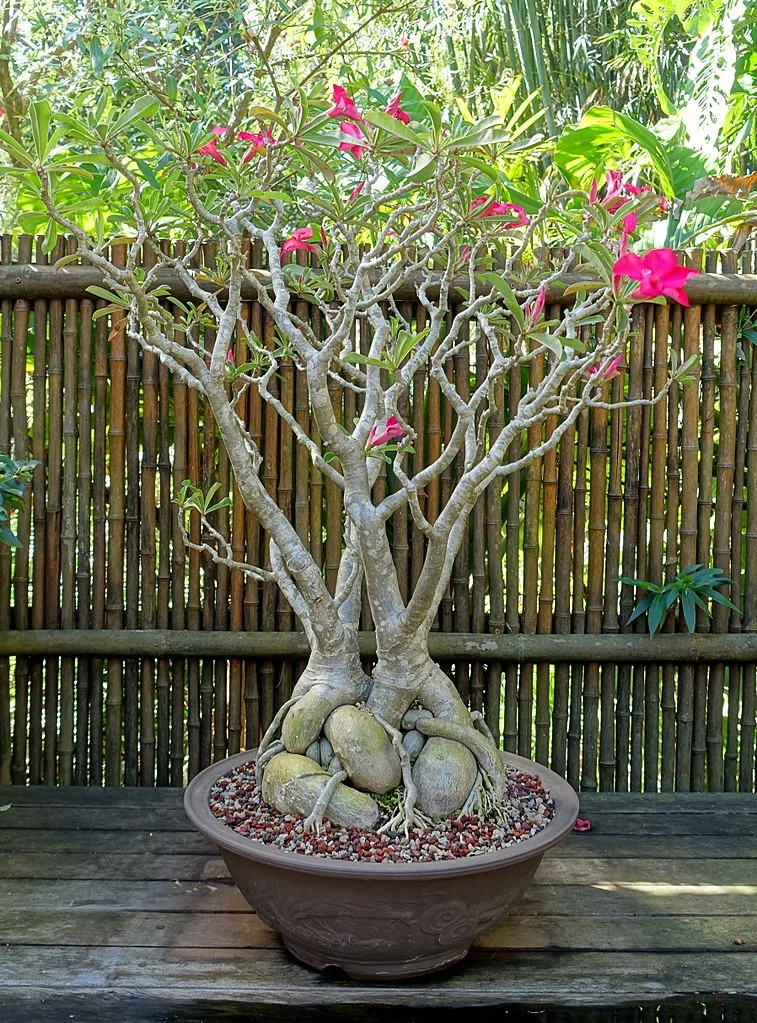
Form in a pot Photo: Daderot i Toxic to cats Adenium obesum
Sunny position
Adenium obesum only. Confirm the botanical label; a photograph cannot identify a visitor’s specimen.
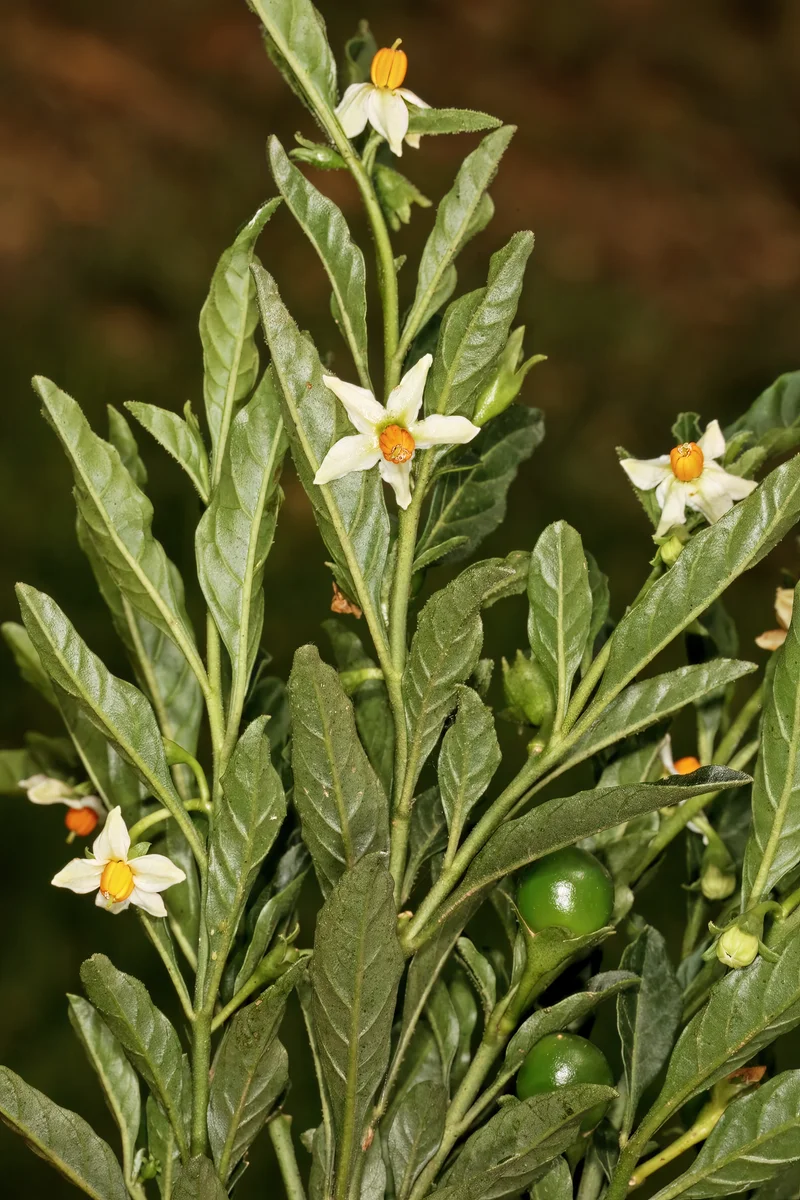
Solanum pseudocapsicum, flowers and developing fruit; naturalised alien, vicinity of Nottingham Road, KwaZulu-Natal, South Africa Photo: SAplants i Toxic to cats Solanum pseudocapsicum
Sunny position
Solanum pseudocapsicum only. Confirm the botanical label; a photograph cannot identify a visitor’s specimen.
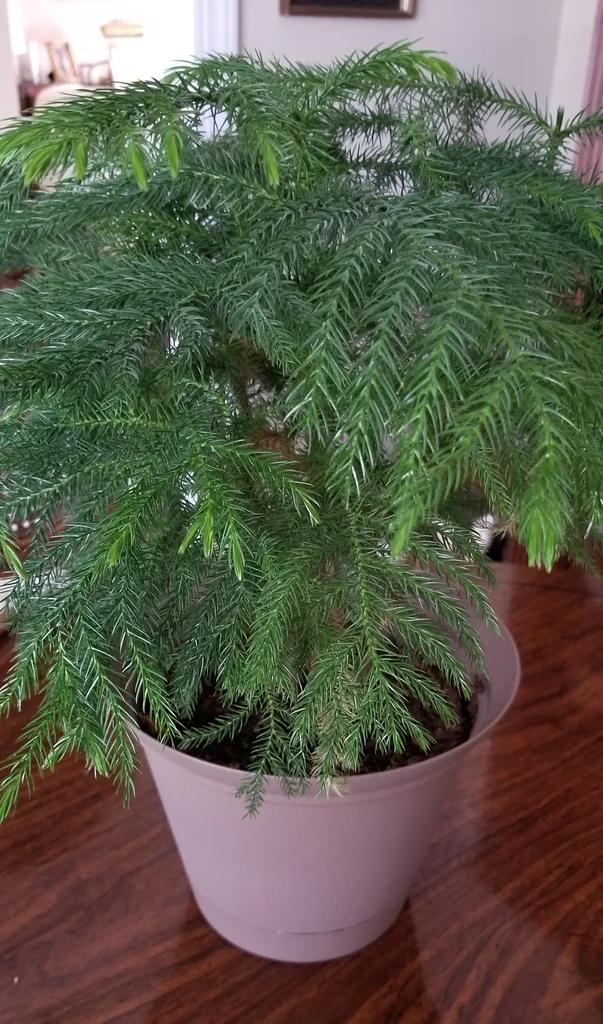
Araucaria heterophylla, Norfolk Island Pine, houseplant view Photo: Cindy Christian i Non-toxic to cats Araucaria heterophylla
Sunny position
Araucaria heterophylla only. Confirm the botanical label; a photograph cannot identify a visitor’s specimen.
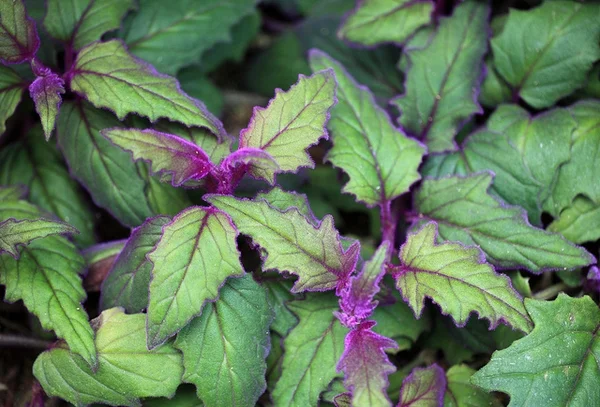
Gynura aurantiaca — source-identified plant photograph. Photo: Tanaka Juuyoh i Non-toxic to cats Gynura aurantiaca
Bright indirect light
Gynura aurantiaca only. Confirm the botanical label; a photograph cannot identify a visitor’s specimen.
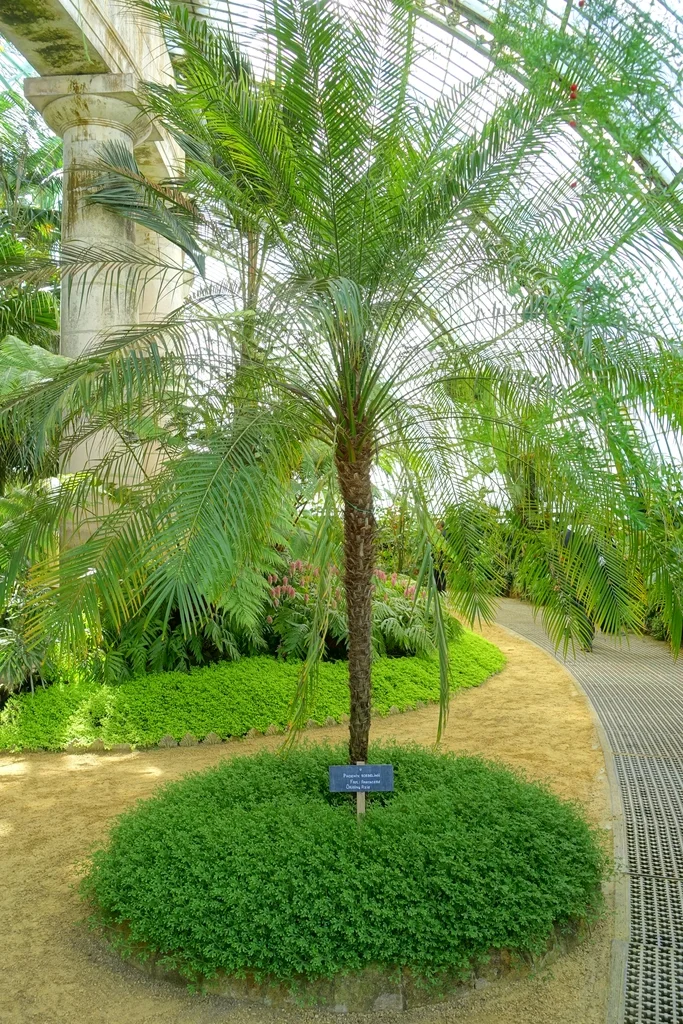
Phoenix roebelenii — source-identified plant photograph. Photo: Daderot i Non-toxic to cats Phoenix roebelenii
Medium indirect light or Bright indirect light
Phoenix roebelenii only. Confirm the botanical label; a photograph cannot identify a visitor’s specimen.
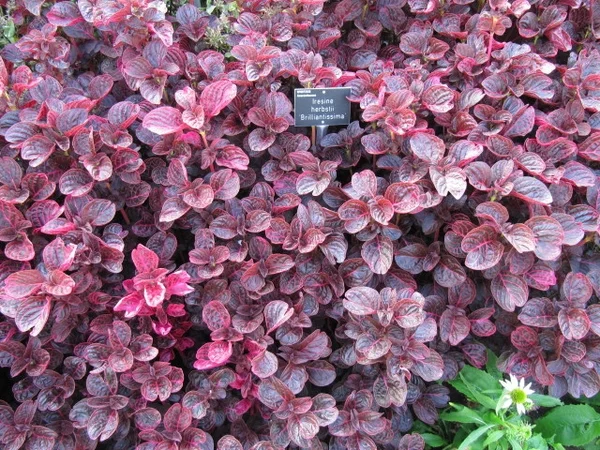
Iresine herbstii — source-identified plant photograph. Photo: Leonora (Ellie) Enking i Non-toxic to cats Iresine herbstii
Sunny position
Iresine herbstii only. Confirm the botanical label; a photograph cannot identify a visitor’s specimen.
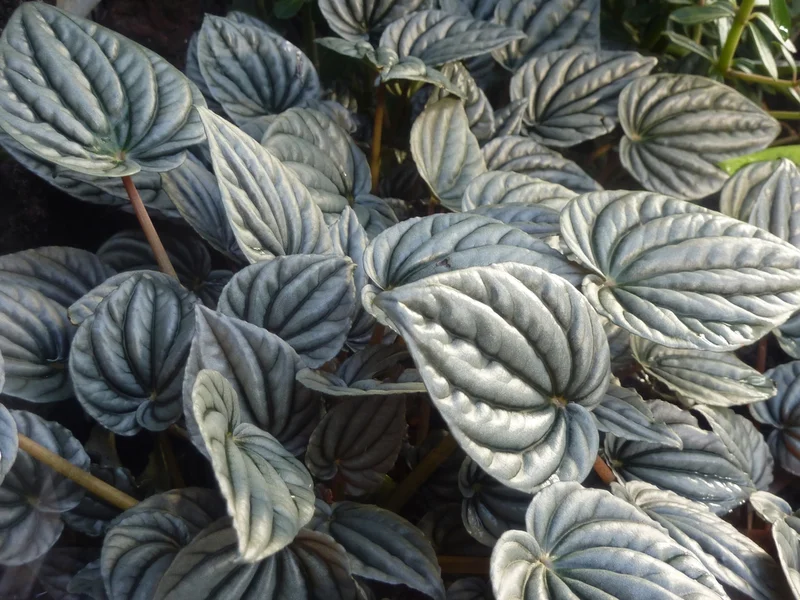
Peperomia griseoargentea — source-identified plant photograph. Photo: James Steakley i Non-toxic to cats Peperomia griseoargentea
Bright indirect light
Peperomia griseoargentea only. Confirm the botanical label; a photograph cannot identify a visitor’s specimen.
Peperomia polybotrya — source-identified plant photograph. Photo: Mokkie i Non-toxic to cats Peperomia polybotrya
Bright indirect light
Peperomia polybotrya only. Confirm the botanical label; a photograph cannot identify a visitor’s specimen.
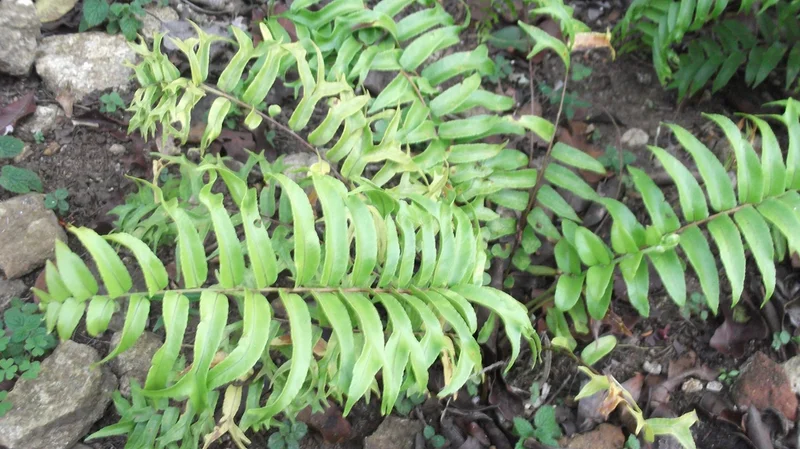
Nephrolepis biserrata — source-identified plant photograph. Photo: Yercaud-elango i Non-toxic to cats Nephrolepis biserrata
Some direct sun or Sunny position
Nephrolepis biserrata only. Confirm the botanical label; a photograph cannot identify a visitor’s specimen.
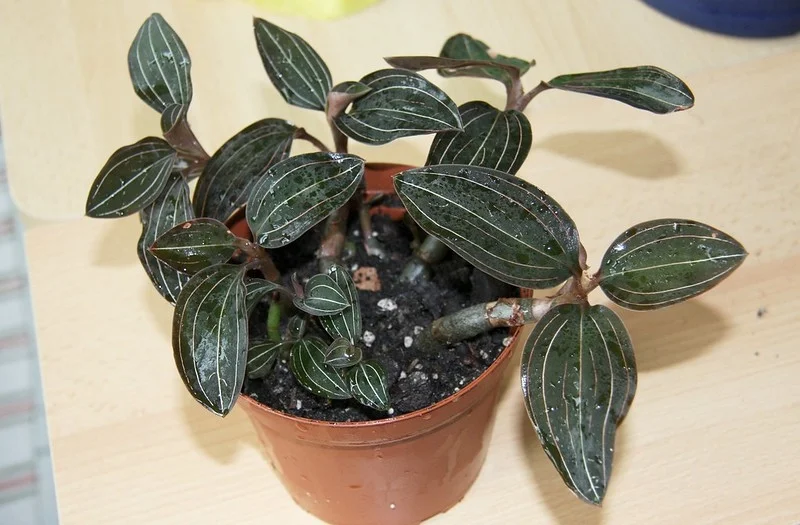
Ludisia discolor — source-identified plant photograph. Photo: Maja Dumat i Non-toxic to cats Ludisia discolor
Medium indirect light
Ludisia discolor only. Confirm the botanical label; a photograph cannot identify a visitor’s specimen.
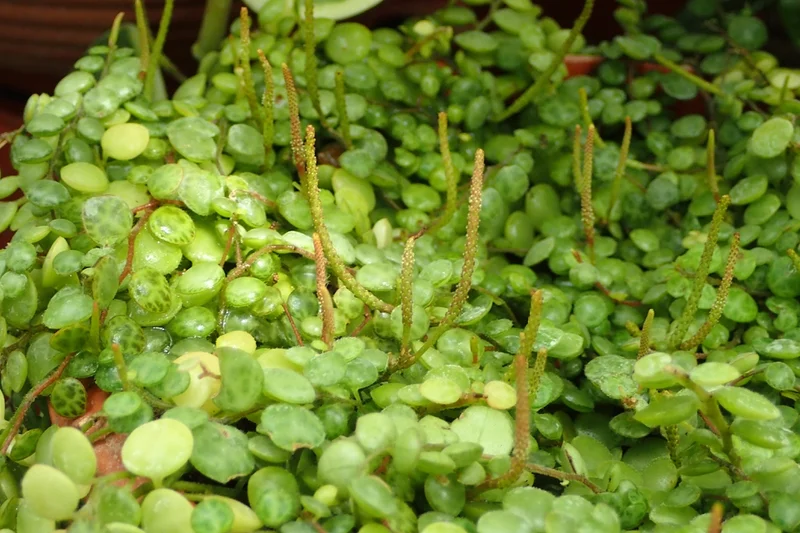
Peperomia prostrata — source-identified plant photograph. Photo: Jerzy Opiola i Non-toxic to cats Peperomia prostrata
Bright indirect light
Peperomia prostrata only. Confirm the botanical label; a photograph cannot identify a visitor’s specimen.
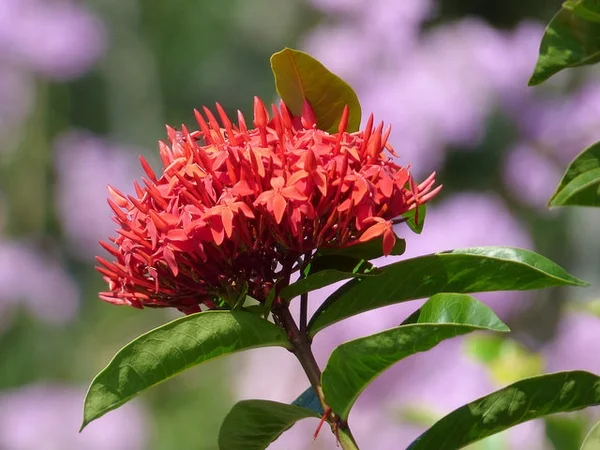
Ixora coccinea — source-identified plant photograph. Photo: Alejandro Bayer Tamayo i Photo details
NC State Extension — Ixora coccinea
License: CC BY-SA 2.0
Original photograph unchanged; proportionally resized for review and display.
This displayed image is shared under the same CC BY-SA 2.0 license.
Non-toxic to cats Ixora coccinea
Sunny position or Some direct sun
Ixora coccinea only. Confirm the botanical label; a photograph cannot identify a visitor’s specimen.
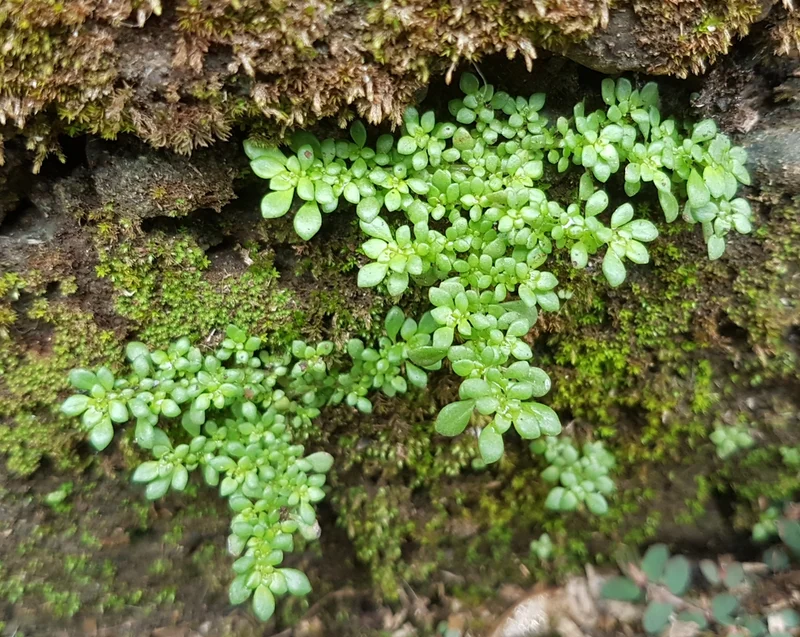
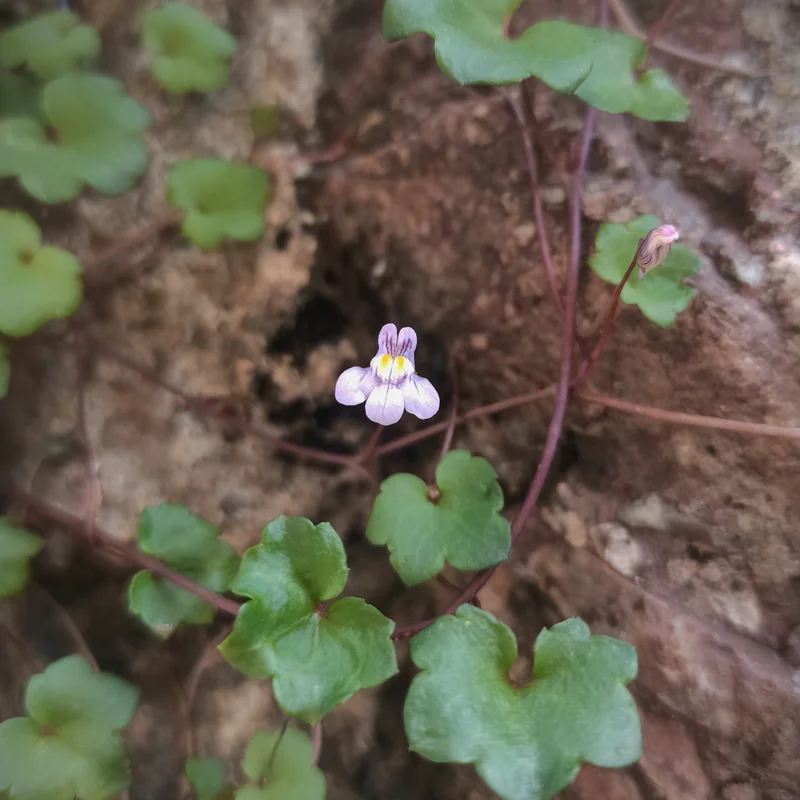
Cymbalaria muralis — source-identified plant photograph. Photo: Juan Carlos Fonseca Mata i Non-toxic to cats Cymbalaria muralis
Light varies by type
Cymbalaria muralis only. Confirm the botanical label; a photograph cannot identify a visitor’s specimen.
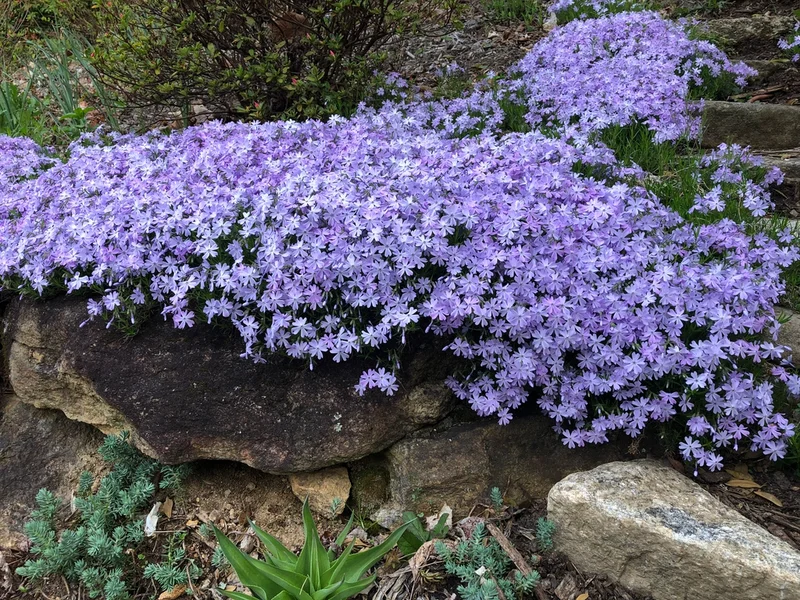
Phlox subulata — source-identified plant photograph. Photo: Patty Felder i Non-toxic to cats Phlox subulata
Sunny position
Phlox subulata only. Confirm the botanical label; a photograph cannot identify a visitor’s specimen.
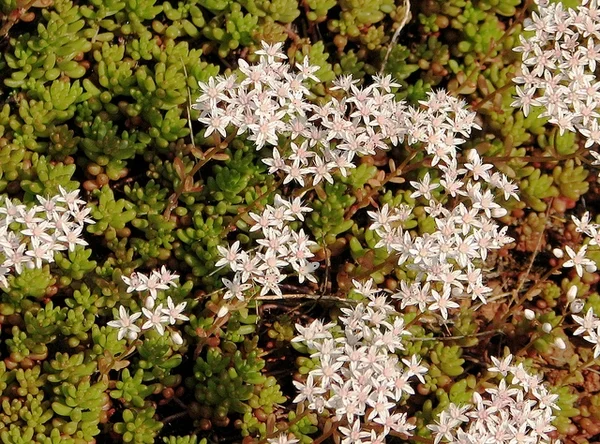
Sedum album — source-identified plant photograph. Photo: Oona Raisanen i Photo details
NC State Extension — Sedum album
License: CC BY-SA 2.0
Original photograph unchanged; proportionally resized for review and display.
This displayed image is shared under the same CC BY-SA 2.0 license.
Non-toxic to cats Sedum album
Sunny position
Sedum album only. Confirm the botanical label; a photograph cannot identify a visitor’s specimen.
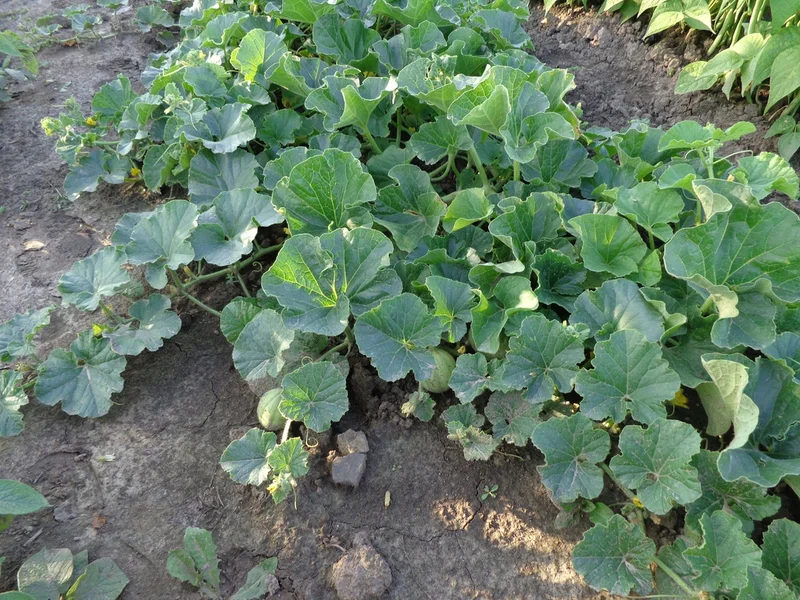
Cucumis melo — source-identified plant photograph. Photo: Aleksandrs Balodis i Photo details
NC State Extension — Cucumis melo
License: CC BY-SA 3.0
Original photograph unchanged; proportionally resized for review and display.
This displayed image is shared under the same CC BY-SA 3.0 license.
Non-toxic to cats Cucumis melo
Sunny position
Cucumis melo only. Confirm the botanical label; a photograph cannot identify a visitor’s specimen.
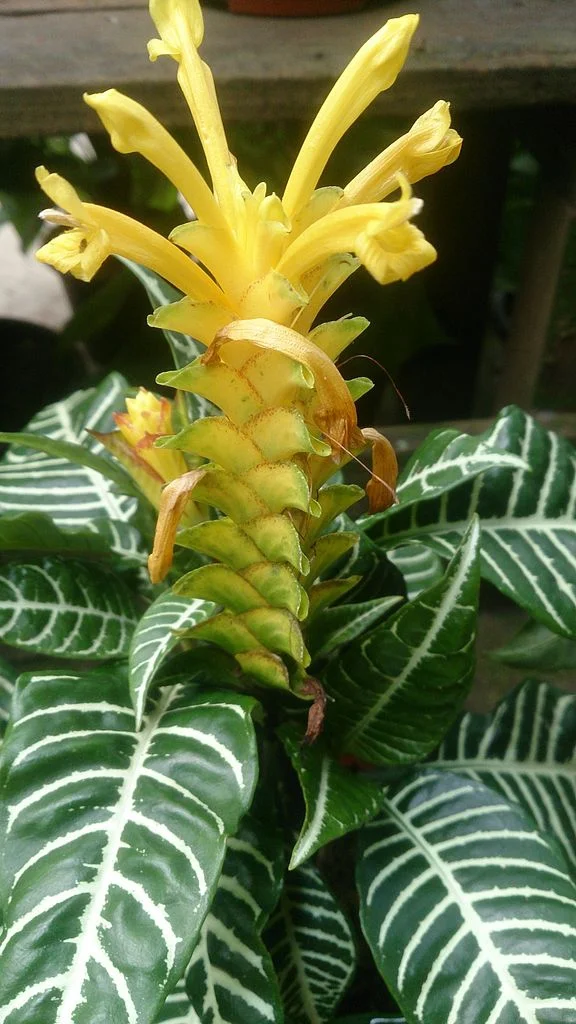
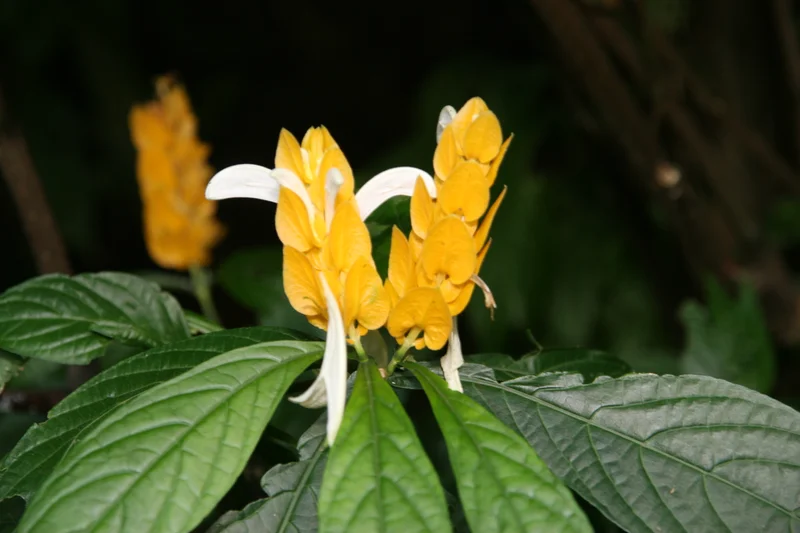
Pachystachys lutea — source-identified plant photograph. Photo: Photo by David J. Stang i Non-toxic to cats Pachystachys lutea
Sunny position or Some direct sun
Pachystachys lutea only. Confirm the botanical label; a photograph cannot identify a visitor’s specimen.
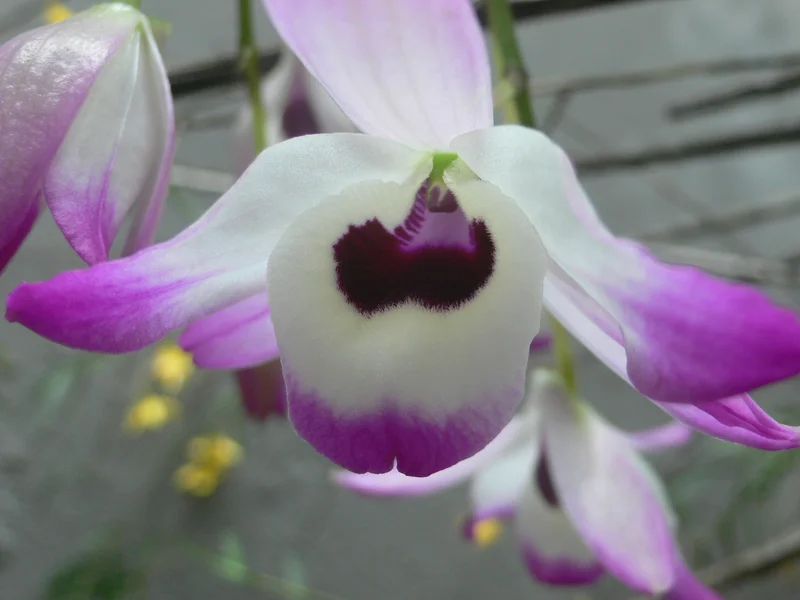
Dendrobium nobile — source-identified plant photograph. Photo: Gió Đông (thảo luận) i Non-toxic to cats Dendrobium nobile
Medium indirect light or Bright indirect light
Dendrobium nobile only. Confirm the botanical label; a photograph cannot identify a visitor’s specimen.
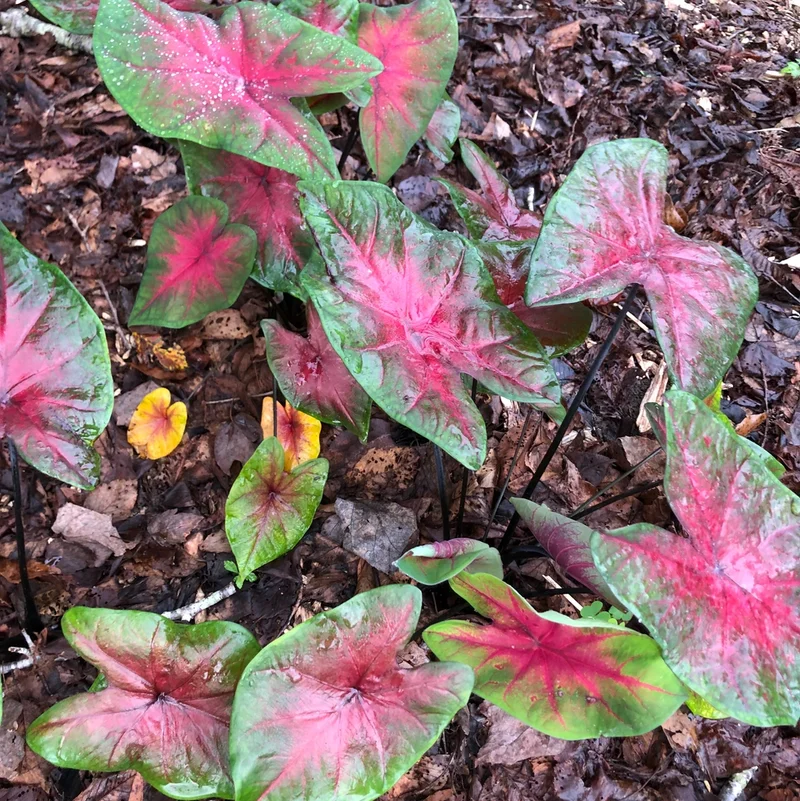
Caladium bicolor — source-identified plant photograph. Photo: Cathy Dewitt i Toxic to cats Caladium bicolor
Light varies by type
Caladium bicolor only. Confirm the botanical label; a photograph cannot identify a visitor’s specimen.
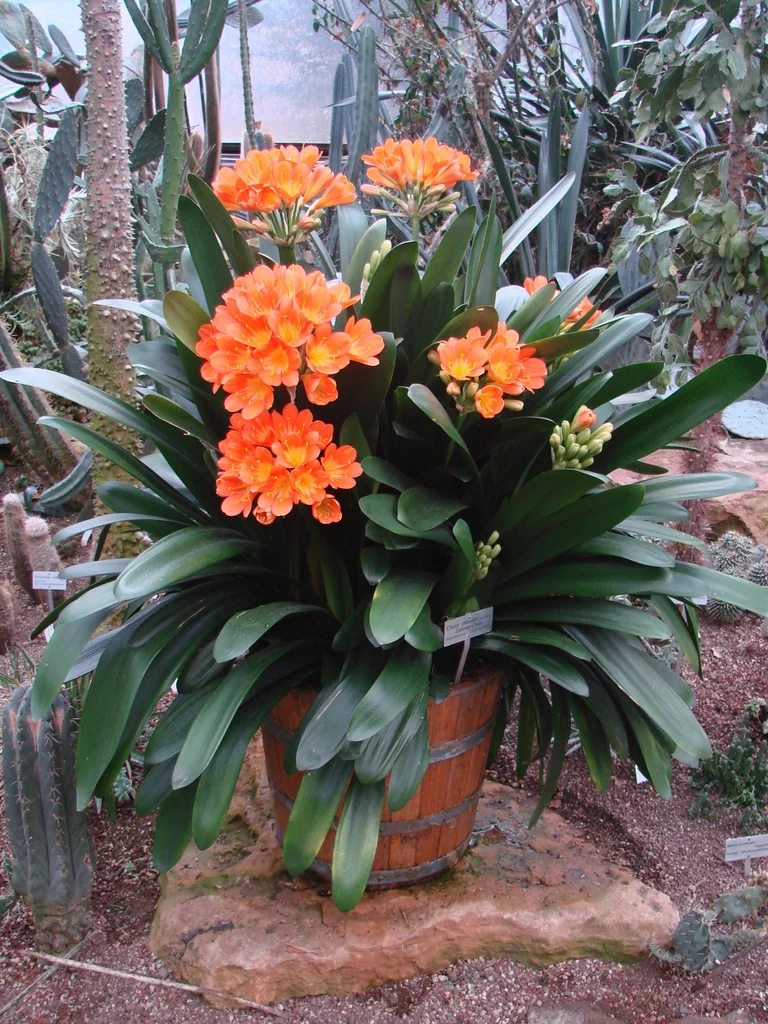
Clivia miniata — source-identified plant photograph. Photo: Guérin Nicolas i Toxic to cats Clivia miniata
Bright indirect light
Clivia miniata only. Confirm the botanical label; a photograph cannot identify a visitor’s specimen.
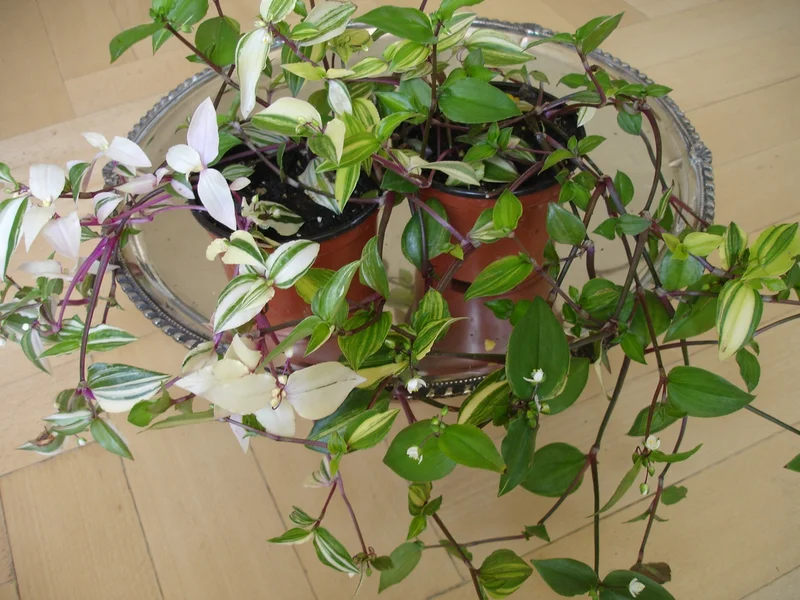
Tradescantia fluminensis — source-identified plant photograph. Photo: LucaLuca i Toxic to cats Tradescantia fluminensis
Bright indirect light
Tradescantia fluminensis only. Confirm the botanical label; a photograph cannot identify a visitor’s specimen.
Euphorbia milii — source-identified plant photograph. Photo: Cindy Christian i Toxic to cats Euphorbia milii
Sunny position
Euphorbia milii only. Confirm the botanical label; a photograph cannot identify a visitor’s specimen.
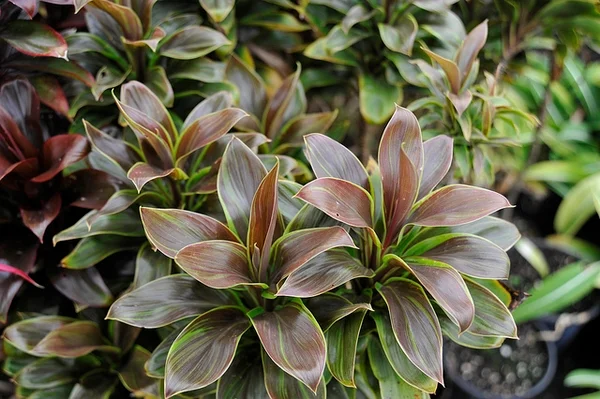
Cordyline fruticosa — source-identified plant photograph. Photo: Megan Hansen i Toxic to cats Cordyline fruticosa
Bright indirect light
Cordyline fruticosa only. Confirm the botanical label; a photograph cannot identify a visitor’s specimen.
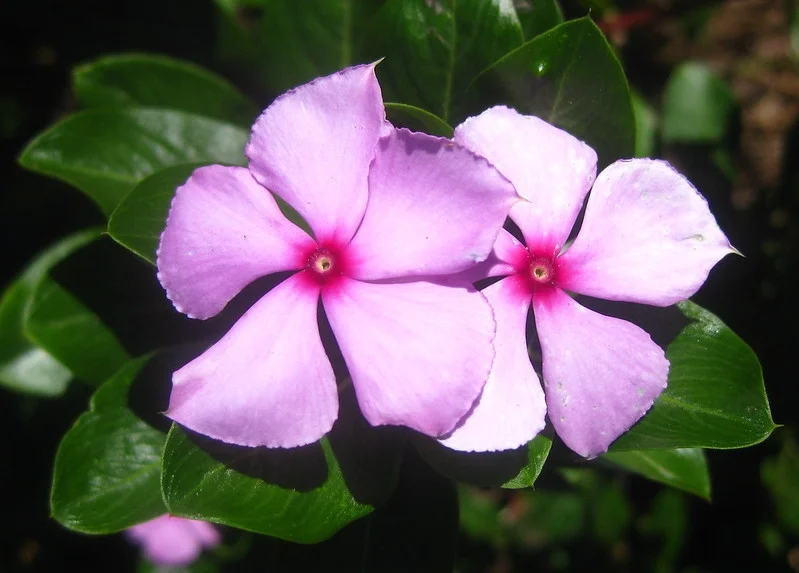
Catharanthus roseus — source-identified plant photograph. Photo: Ton Rulkens i Toxic to cats Catharanthus roseus
Sunny position or Some direct sun
Catharanthus roseus only. Confirm the botanical label; a photograph cannot identify a visitor’s specimen.
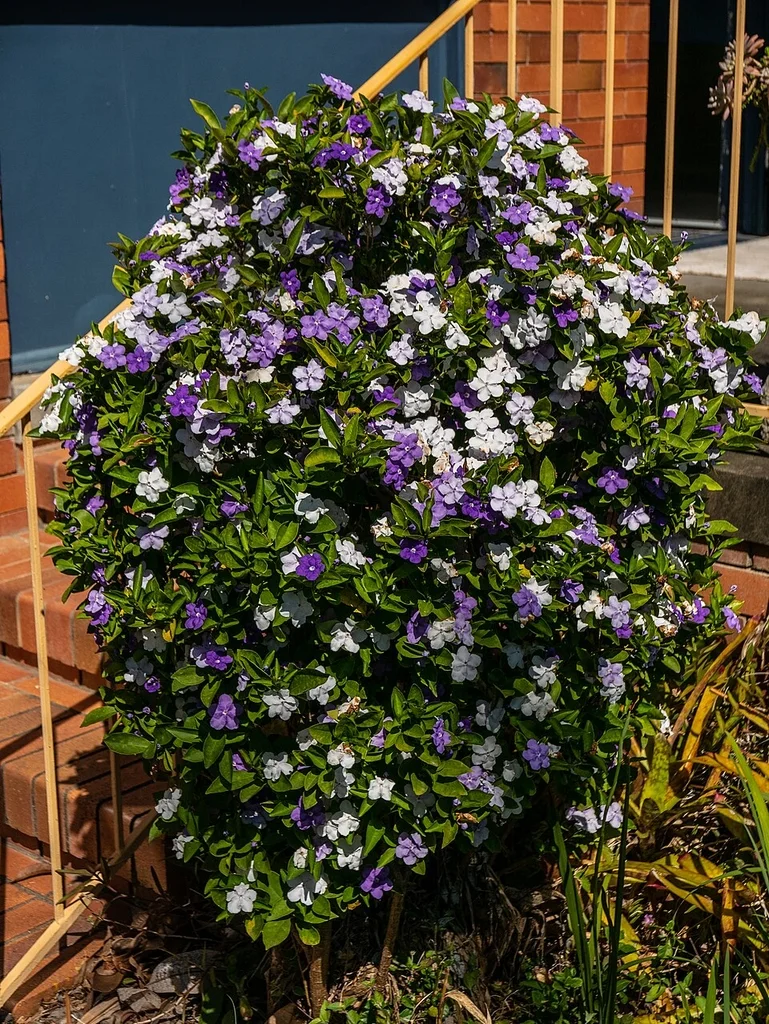
Brunfelsia pauciflora — source-identified plant photograph. Photo: John Robert McPherson i Toxic to cats Brunfelsia pauciflora
Sunny position or Some direct sun
Brunfelsia pauciflora only. Confirm the botanical label; a photograph cannot identify a visitor’s specimen.
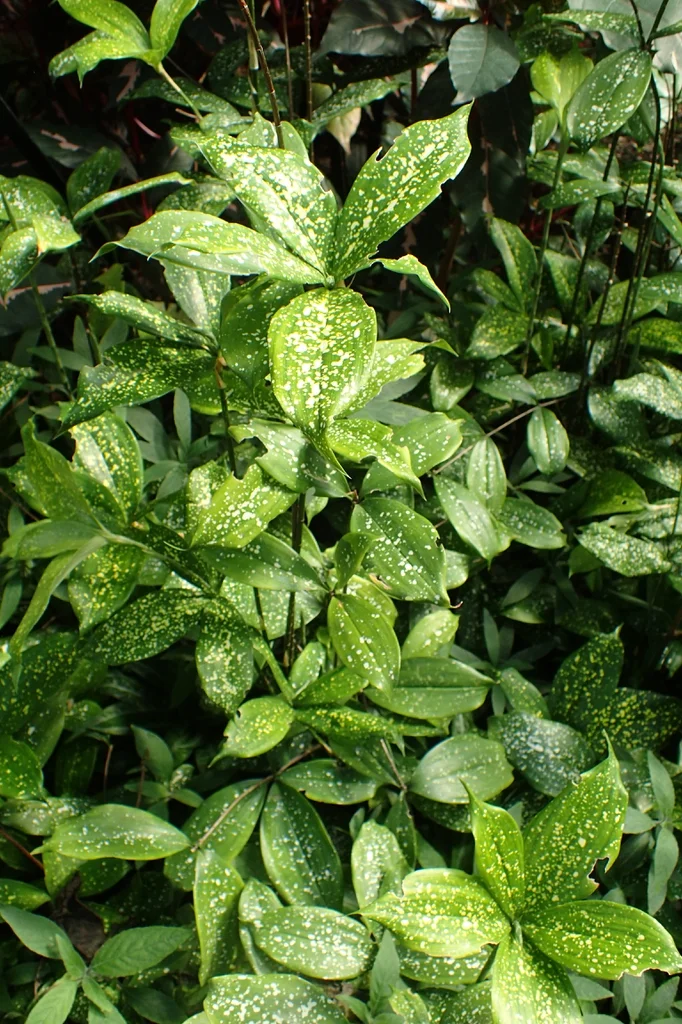
Dracaena surculosa — source-identified plant photograph. Photo: Krzysztof Ziarnek i Toxic to cats Dracaena surculosa
Bright indirect light
Dracaena surculosa only. Confirm the botanical label; a photograph cannot identify a visitor’s specimen.
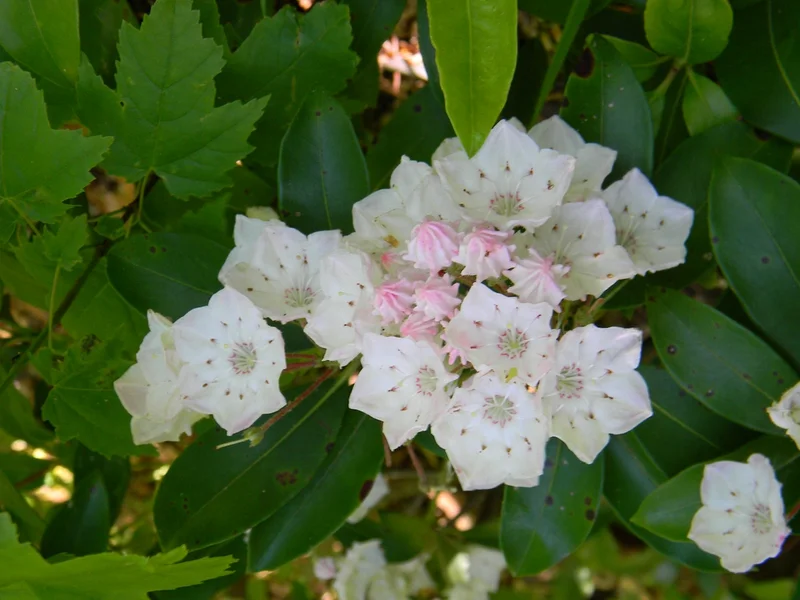
Kalmia latifolia — source-identified plant photograph. Photo: Randy Harter i Toxic to cats Kalmia latifolia
Some direct sun
Kalmia latifolia only. Confirm the botanical label; a photograph cannot identify a visitor’s specimen.
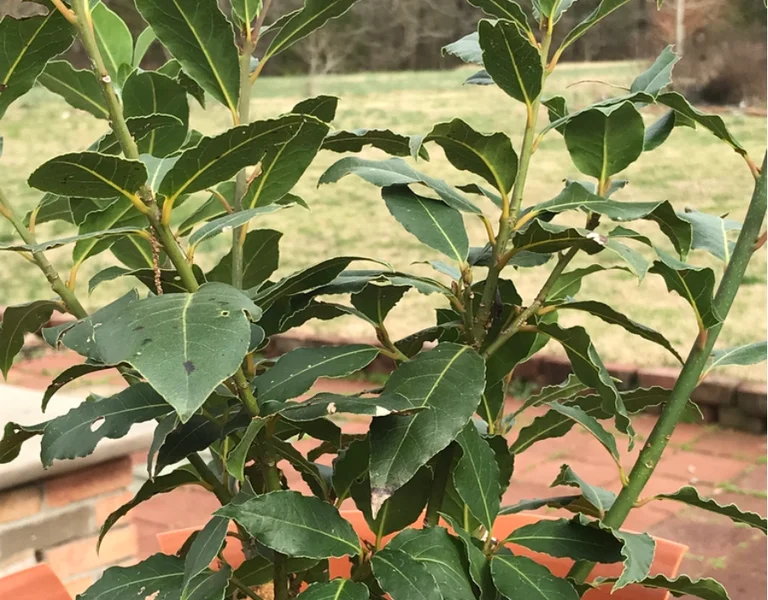
Laurus nobilis — source-identified plant photograph. Photo: K. Andre i Toxic to cats Laurus nobilis
Sunny position or Some direct sun
Laurus nobilis only. Confirm the botanical label; a photograph cannot identify a visitor’s specimen.
No guides match all these conditions. Try fewer filters. No match does not mean a plant is safe for cats.