Plant guide
Rosemary
Salvia rosmarinus
Rosemary has conflicting safety guidance. Keep it out of chewing reach and choose a plant with a clearer safety assessment if your cat nibbles plants.
What this guide covers: Salvia rosmarinus, formerly Rosmarinus officinalis. This guide excludes bog rosemary, essential oils, extracts and prepared foods.
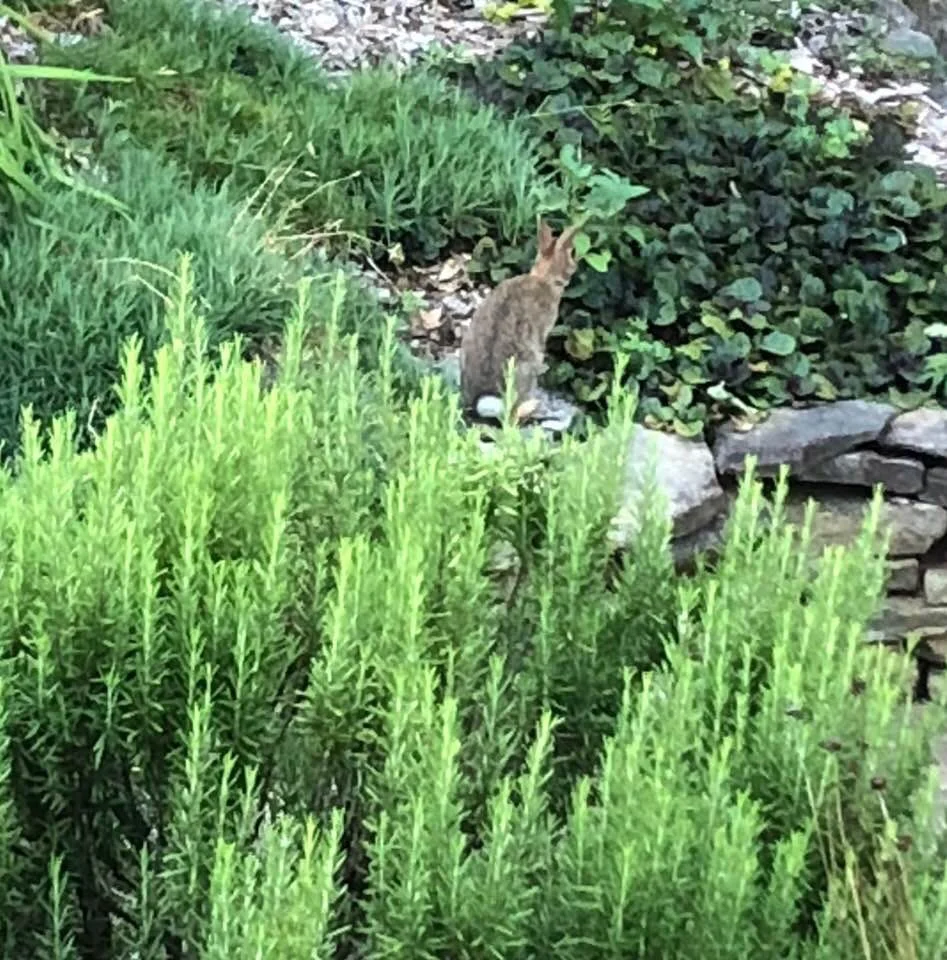
Photo:
Photo details
NC State Extension Plant Toolbox — Salvia rosmarinus (image 24407)
By Cathy Dewitt
License: CC BY 4.0
Original downloaded image retained without botanical edits. Display resizing only.
Plant shopping
Explore this plant
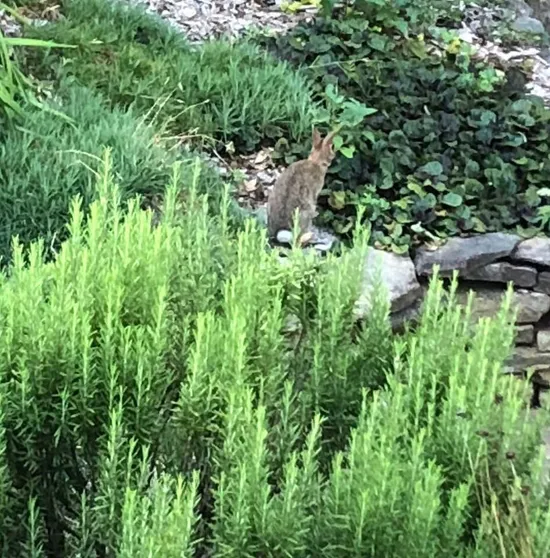
Photo:
Photo details
NC State Extension Plant Toolbox — Salvia rosmarinus (image 24407)
By Cathy Dewitt
License: CC BY 4.0
Original downloaded image retained without botanical edits. Display resizing only.
Rosemary plant
View on Amazon — rosemary plant; paid link; opens in a new tabPaid link · Opens in a new tab
Cat safety is unresolved. This purchase link is not a cat-safe recommendation. Prevent your cat from accessing this plant.
Read the evidence in this guide ↓Explore non-toxic plants →A little paw-note: We may earn a commission when you buy through these links. This helps us keep building and helps Nico & Larry sustain their lavish kitty lifestyle.
As an Amazon Associate I earn from qualifying purchases.
Look for Salvia rosmarinus and check the selected variety. Listings and availability can change.
Plant identity
- Scientific name
- Salvia rosmarinus
- Scope
- Species
- Family
- Lamiaceae
- Also known as
- No reviewed aliases available
Our practical recommendation
Your cat comes first.
Prevent chewing and choose a plant with a clearer reviewed assessment if your cat regularly eats plants. Do not treat the whole-plant entry as permission to use rosemary oil on a cat.
Explore reviewed non-toxic plants ↗Why the guidance differs
The available guidance does not give a consistent answer for rosemary. One assessment identifies this species as non-toxic to cats; another warns about rosemary without identifying the species, preparation or cat-specific risk. We cannot confirm whether both refer to the same plant and use. This uncertainty does not establish that culinary rosemary is poisonous, but it prevents a clear non-toxic recommendation.
A disagreement between references does not cancel a toxicity warning. We keep those warnings visible while the assessment remains unresolved.
Sources & review
Explicit non-toxic cat listing.
Source scope and date
ASPCA Animal Poison Control · Source name: Rosmarinus officinalis. Exact species via Kew synonym; whole-plant scope.
Accessed .
General warning without species or preparation.
Source scope and date
Pet Poison Helpline · Source name: rosemary (common name only). Ambiguous warning; does not establish exact-species feline toxicity.
Accessed .
Kew explicitly links Rosmarinus officinalis to Salvia rosmarinus.
Source scope and date
Royal Botanic Gardens, Kew · Source name: Rosmarinus officinalis. Identity only; no clinical evidence.
Accessed .
Evidence checked . The cat-safety classification remains unresolved.
Find the right spot
How to grow this plant
Salvia rosmarinus, formerly Rosmarinus officinalis. This guide excludes bog rosemary, essential oils, extracts and prepared foods.
- Light
- Sunny position
Use full sun.
- Watering
- Let the mix dry
Let the well-drained soil dry between waterings; avoid persistent wetness.
- Temperature
- Temperature range not yet established
No numeric growing range is proposed. Indoor overwintering can be difficult.
- Humidity
Avoid a persistently wet, humid growing position and maintain air circulation.
- Potting
- Use a light, freely draining mix; avoid heavy clay or a waterlogged container.
- Through the year
- Prune after flowering to encourage denser growth.
Growing-guide sources
- Salvia rosmarinus - Plant Toolbox ↗NC State Extension · Accessed 2026-10-15
Species care entry; descriptive growing advice, not numeric indoor temperature evidence.
Growing advice reviewed 2026-10-15. Plant safety is assessed separately.
Safe alternatives
No verified alternative recommendations are available for this guide.