Plant guide
Ti plant
Cordyline fruticosa
Ti plant is toxic to cats. Chewing can cause digestive upset and other signs of poisoning. Contact a veterinarian if your cat may have eaten any of it.
What this guide covers: Cordyline fruticosa only. Confirm the botanical label; a photograph cannot identify a visitor’s specimen.
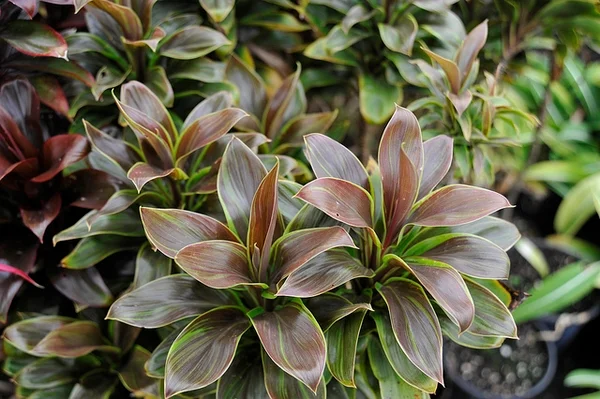
Photo:
Photo details
NC State Extension — Cordyline fruticosa
By Megan Hansen
License: CC BY-SA 4.0
Original photograph unchanged; proportionally resized for review and display.
This displayed image is shared under the same CC BY-SA 4.0 license.
Plant shopping
Explore this plant
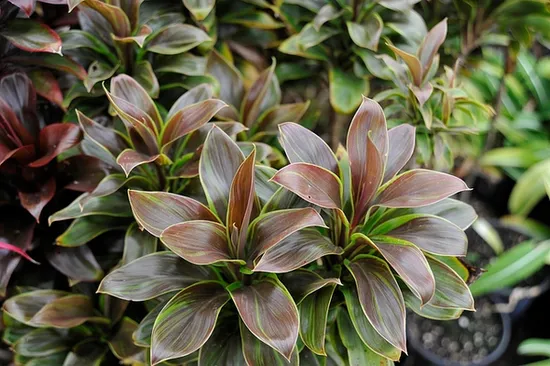
Photo:
Photo details
NC State Extension — Cordyline fruticosa
By Megan Hansen
License: CC BY-SA 4.0
Original photograph unchanged; proportionally resized for review and display.
This displayed image is shared under the same CC BY-SA 4.0 license.
Ti plant in an 8-inch pot
View on Amazon — Ti plant in an 8-inch pot; paid link; opens in a new tabPaid link · Opens in a new tab
Keep away from cats. We do not recommend this plant for a home where cats could reach it.
Explore non-toxic plants →A little paw-note: We may earn a commission when you buy through these links. This helps us keep building and helps Nico & Larry sustain their lavish kitty lifestyle.
As an Amazon Associate I earn from qualifying purchases.
Look for Cordyline fruticosa and check the selected variety. Listings and availability can change.
Plant identity
- Scientific name
- Cordyline fruticosa
- Scope
- Species
- Family
- Not recorded
- Also known as
- No reviewed aliases available
Find the right spot
How to grow this plant
Cordyline fruticosa only; the care categories summarize the cited growing guidance.
- Light
- Bright indirect light
Bright, indirect light helps maintain the foliage color.
- Watering
- Let the mix partly dry
Let the mix dry a little between waterings; reduce water from late fall through winter.
- Temperature
- Growing range: 65–95°F / 18–35°C
The reviewed growing range is 65–95°F; protect it from temperatures below 50°F.
- Humidity
- Higher humidity
Higher humidity helps prevent dry leaf tips.
- Potting
- Use fertile, loamy potting soil with good drainage.
- Through the year
- Feed during growth and divide or root stem sections when propagating.
Growing-guide sources
- Cordyline fruticosa identity and growing guidance ↗NC State Extension · Accessed 2026-10-17
Exact named plant; outdoor and seasonal conditions retain their original context.
Growing advice reviewed 2026-10-17. Plant safety is assessed separately.
Reviewed safety information
- Toxic principle
- Not recorded in the reviewed evidence
- Reported signs
- Not recorded in the reviewed evidence
- Severity
- Severity not established
Missing information is unknown. It should not be interpreted as an absence of risk.
Safe alternatives
No verified alternative recommendations are available for this guide.
Sources & review
- Ti plant cat/pet safety reference ↗ASPCA · Accessed
Listed by the source as Cordyline terminalis. ASPCA names Cordyline terminalis as toxic to cats. NC State explicitly lists that name as a synonym of Cordyline fruticosa and also identifies cat toxicity. Human uses and common names do not change the assessment.
- Ti plant cat/pet safety reference ↗ASPCA · Accessed 2026-10-17
- Cordyline fruticosa botanical identity ↗NC State Extension · Accessed 2026-10-17
ASPCA names Cordyline terminalis as toxic to cats. NC State explicitly lists that name as a synonym of Cordyline fruticosa and also identifies cat toxicity. Human uses and common names do not change the assessment.
- Ti plant: supporting reference ↗NC State Extension · Accessed 2026-10-17
Safety last reviewed .