Plant guide
Jerusalem cherry
Solanum pseudocapsicum
Jerusalem cherry is toxic to cats. The colorful fruits are not edible cherries. Contact a veterinarian promptly after suspected ingestion of any part.
What this guide covers: Solanum pseudocapsicum only. Confirm the botanical label; a photograph cannot identify a visitor’s specimen.
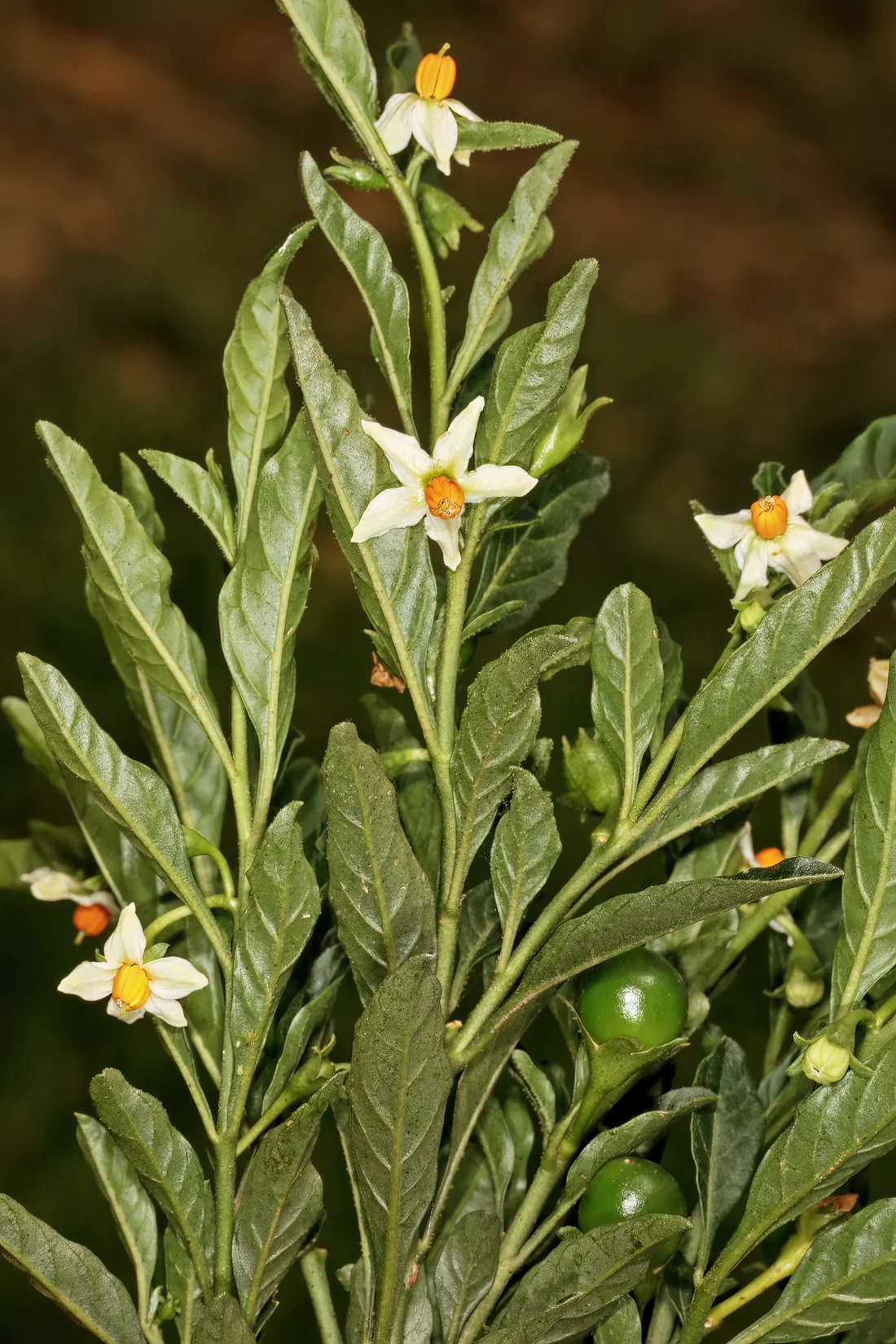
Photo:
Photo details
Wikimedia Commons — Solanum pseudocapsicum
By SAplants

License: CC BY-SA 4.0
Original photograph unchanged; proportionally resized for review and display.
This displayed image is shared under the same CC BY-SA 4.0 license.
Plant shopping
Explore this plant
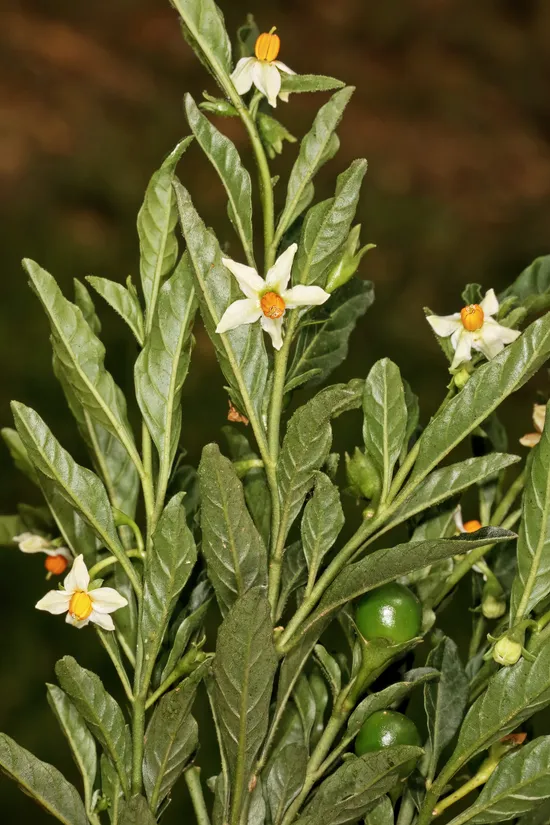
Photo:
Photo details
Wikimedia Commons — Solanum pseudocapsicum
By SAplants
License: CC BY-SA 4.0
Original photograph unchanged; proportionally resized for review and display.
This displayed image is shared under the same CC BY-SA 4.0 license.
Jerusalem cherry seeds
View on Amazon — Jerusalem cherry seeds; paid link; opens in a new tabPaid link · Opens in a new tab
Keep away from cats. We do not recommend this plant for a home where cats could reach it.
Explore non-toxic plants →A little paw-note: We may earn a commission when you buy through these links. This helps us keep building and helps Nico & Larry sustain their lavish kitty lifestyle.
As an Amazon Associate I earn from qualifying purchases.
Look for Solanum pseudocapsicum and check the selected variety. Listings and availability can change.
Plant identity
- Scientific name
- Solanum pseudocapsicum
- Scope
- Species
- Family
- Not recorded
- Also known as
- No reviewed aliases available
Find the right spot
How to grow this plant
Solanum pseudocapsicum only; the light and water categories summarize the cited growing guidance.
- Light
- Sunny position
Give it a sunny, sheltered position.
- Watering
- Keep evenly moist
Maintain moist, well-drained soil.
- Temperature
- Temperature range not yet established
Bring outdoor containers inside before frost. A preferred numerical growing range was not established in the reviewed source.
- Potting
- Use a loamy, freely drained mix.
- Through the year
- Flowers appear in summer and ornamental fruits can remain through winter.
Growing-guide sources
- Solanum pseudocapsicum - Extension Gardener Plant Toolbox ↗NC State Extension · Accessed 2026-10-17
Exact named species; garden conditions are not relabeled as indoor requirements.
Growing advice reviewed 2026-10-17. Plant safety is assessed separately.
Reviewed safety information
- Toxic principle
- Not recorded in the reviewed evidence
- Reported signs
- Not recorded in the reviewed evidence
- Severity
- Severity not established
Missing information is unknown. It should not be interpreted as an absence of risk.
Safe alternatives
No verified alternative recommendations are available for this guide.
Sources & review
- Jerusalem cherry: plant safety reference ↗ASPCA Poison Control · Accessed
ASPCA explicitly identifies S. pseudocapsicum as toxic to cats. Pet Poison Helpline covers solanine throughout the plant. Do not confuse ornamental fruit with edible cherries or peppers.
- Jerusalem cherry: supporting reference ↗Pet Poison Helpline · Accessed 2026-10-17
- Jerusalem cherry: supporting reference ↗NC State Extension · Accessed 2026-10-17
Safety last reviewed .