Plant guide
Begonia
Begonia spp.
Begonias are considered toxic to cats. Eating them can cause vomiting and drooling; the underground parts present the greatest toxicity.
What this guide covers: This is a genus-level guide to Begonia spp., the group named in the cat-safety source. It does not assign a separate risk level to each species or cultivar. The source’s kidney-failure statement about grazing animals is not applied to cats here.
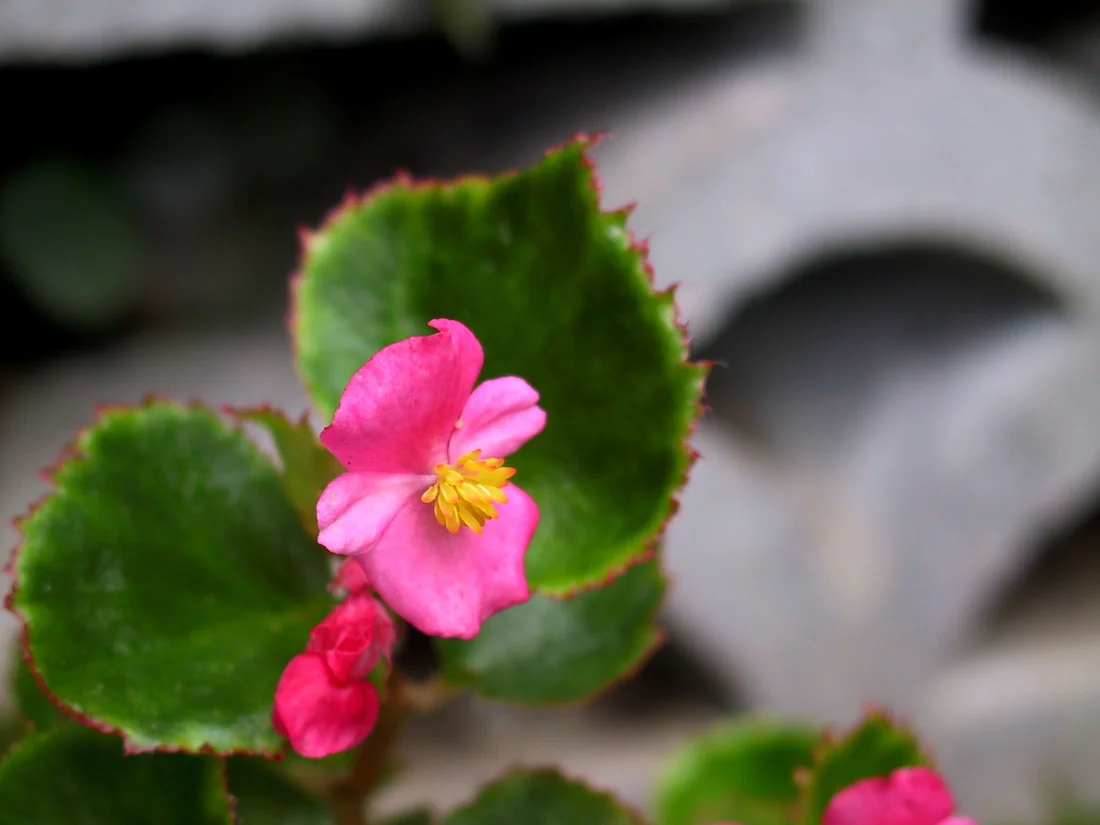
Photo:
Photo details
Begonia semperflorens.jpg
By Juni from Kyoto, Japan

License: CC BY 2.0
Resized and converted to WebP for display; botanical details unchanged.
Plant shopping
Explore this plant
Photo:
Photo details
Begonia semperflorens.jpg
By Juni from Kyoto, Japan
License: CC BY 2.0
Resized and converted to WebP for display; botanical details unchanged.
Polka dot begonia
View on Amazon — polka dot begonia; paid link; opens in a new tabPaid link · Opens in a new tab
Keep away from cats. We do not recommend this plant for a home where cats could reach it.
Explore non-toxic plants →A little paw-note: We may earn a commission when you buy through these links. This helps us keep building and helps Nico & Larry sustain their lavish kitty lifestyle.
As an Amazon Associate I earn from qualifying purchases.
Look for Begonia spp. and check the selected variety. Listings and availability can change.
Plant identity
- Scientific name
- Begonia spp.
- Scope
- Genus-level group
- Family
- Not recorded
- Also known as
- No reviewed aliases available
Find the right spot
How to grow this plant
Begonia is a large, diverse genus. This overview deliberately avoids one temperature, humidity or watering prescription for all members.
- Light
- Varies by type
Many cultivated begonias prefer partial shade, but the best indoor position depends on the type. Identify the cultivar before choosing a light filter.
- Watering
Many begonias need moist, well-drained conditions. Tuberous, cane and rhizomatous types require different seasonal treatment, so no single watering category is assigned.
- Temperature
- Temperature range not yet established
A normal indoor growing range has not been established in this review.
- Potting
- An organic mix with good drainage is a common starting point; adjust it to the begonia type.
Growing-guide sources
- begonia - Extension Gardener Plant Toolbox ↗NC State Extension · Accessed 2026-10-13
Care guidance for the named taxon; indoor recommendations take precedence over outdoor hardiness information.
Growing advice reviewed 2026-10-14. Plant safety is assessed separately.
Reviewed safety information
- Toxic principle
- Soluble calcium oxalates
- Reported signs
- Vomiting; Drooling
- Severity
- Severity not established
Missing information is unknown. It should not be interpreted as an absence of risk.
Safe alternatives
No verified alternative recommendations are available for this guide.