Plant guide
English lavender
Lavandula angustifolia
English lavender is toxic to cats. Eating it can cause nausea, vomiting and loss of appetite.
What this guide covers: This guide covers English lavender, not every plant sold as lavender or concentrated lavender products.
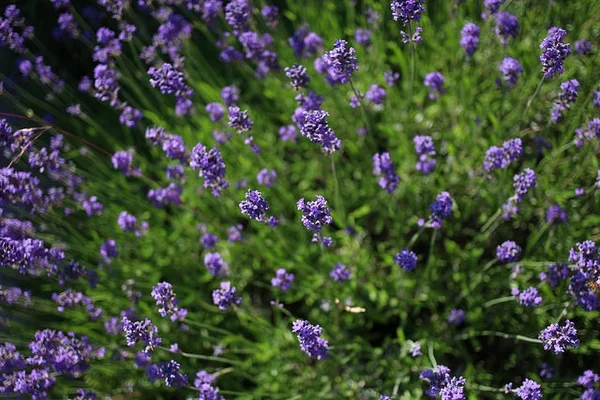
Photo:
Photo details
Lavandula angustifolia — NC State Extension image 7057
By Mats Hagwell
License: CC BY 2.0
Resized and converted to WebP for display; botanical details unchanged.
Plant shopping
Explore this plant
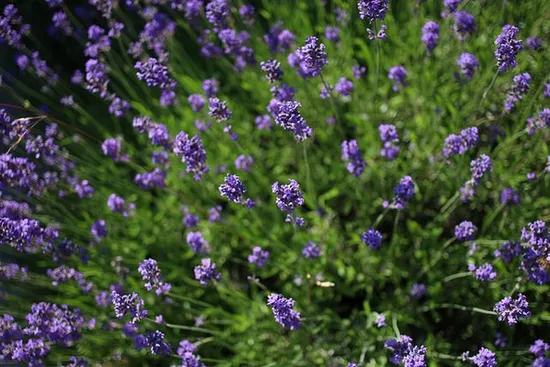
Photo:
Photo details
Lavandula angustifolia — NC State Extension image 7057
By Mats Hagwell
License: CC BY 2.0
Resized and converted to WebP for display; botanical details unchanged.
Lavender seeds
View on Amazon — lavender seeds; paid link; opens in a new tabPaid link · Opens in a new tab
Keep away from cats. We do not recommend this plant for a home where cats could reach it.
Explore non-toxic plants →A little paw-note: We may earn a commission when you buy through these links. This helps us keep building and helps Nico & Larry sustain their lavish kitty lifestyle.
As an Amazon Associate I earn from qualifying purchases.
Look for Lavandula angustifolia and check the selected variety. Listings and availability can change.
Plant identity
- Scientific name
- Lavandula angustifolia
- Scope
- Species
- Family
- Lamiaceae
- Also known as
- No reviewed aliases available
Find the right spot
How to grow this plant
This guide covers English lavender, not every plant sold as lavender or concentrated lavender products.
- Light
- Sunny position
Full sun.
- Watering
Use very well-drained soil; avoid waterlogged roots.
- Temperature
- Temperature range not yet established
No preferred temperature range established in this review.
- Humidity
Good air circulation helps reduce leaf disease. No numeric humidity target established.
- Potting
- A well-drained loam or sandy mix is preferable to heavy clay.
- Through the year
- Remove spent flower spikes and prune yearly.
Growing-guide sources
- Lavandula angustifolia ↗NC State Extension · Accessed 2026-10-15
This guide covers English lavender, not every plant sold as lavender or concentrated lavender products.
Growing advice reviewed 2026-10-15. Plant safety is assessed separately.
Reviewed safety information
- Toxic principle
- Not recorded in the reviewed evidence
- Reported signs
- Not recorded in the reviewed evidence
- Severity
- Severity not established
Missing information is unknown. It should not be interpreted as an absence of risk.
Safe alternatives
No verified alternative recommendations are available for this guide.
Sources & review
- English lavender: toxic and non-toxic plants ↗ASPCA · Accessed
Listed by the source as Lavendula angustifolia. ASPCA names English/common lavender and prints Lavendula angustifolia. NC State identifies English lavender as Lavandula angustifolia. The proposal explicitly reconciles that spelling; it does not silently change the source name.
- Lavandula angustifolia ↗NC State Extension · Accessed 2026-10-15
- English lavender: source assessment ↗ASPCA · Accessed 2026-10-15
Safety last reviewed .