Plant guide
Common staghorn fern
Platycerium bifurcatum
Common staghorn fern (Platycerium bifurcatum) is non-toxic to cats. Other plants called ferns need their own safety check.
Non-toxic does not mean edible. Eating plant material can still upset your cat’s stomach.
What this guide covers: Platycerium bifurcatum only; other staghorn species and hybrids are outside this guide.
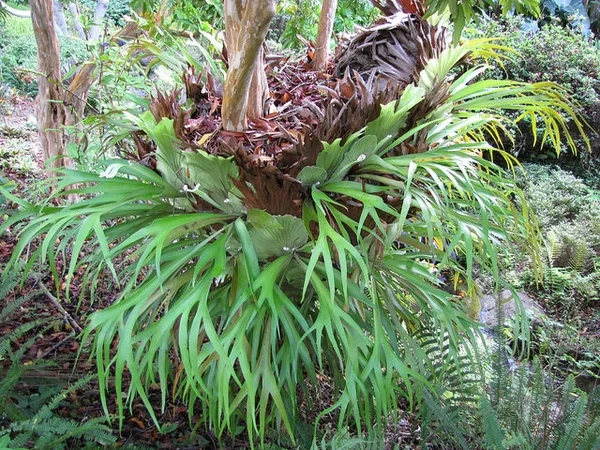
Photo:
Photo details
NC State Extension Plant Toolbox — Platycerium bifurcatum (image 8271)
By Forest and Kim Starr
License: CC BY 2.0
Original downloaded image retained without botanical edits. Display resizing only.
Plant shopping
Explore this plant
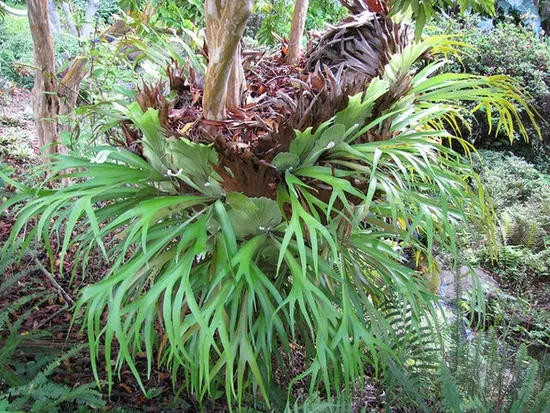
Photo:
Photo details
NC State Extension Plant Toolbox — Platycerium bifurcatum (image 8271)
By Forest and Kim Starr
License: CC BY 2.0
Original downloaded image retained without botanical edits. Display resizing only.
Staghorn fern plants
View on Amazon — staghorn fern plants; paid link; opens in a new tabPaid link · Opens in a new tab
Non-toxic does not mean edible. Chewing plants can still upset your cat’s stomach.
A little paw-note: We may earn a commission when you buy through these links. This helps us keep building and helps Nico & Larry sustain their lavish kitty lifestyle.
As an Amazon Associate I earn from qualifying purchases.
Look for Platycerium bifurcatum and check the selected variety. Listings and availability can change.
Plant identity
- Scientific name
- Platycerium bifurcatum
- Scope
- Species
- Family
- Polypodiaceae
- Also known as
- No reviewed aliases available
Find the right spot
How to grow this plant
Platycerium bifurcatum only; other staghorn species and hybrids are outside this guide.
- Light
- Bright indirect light
Choose filtered or dappled light rather than an exposed, sunny position.
- Watering
- Special watering method
Water the crown and root support, allowing slight drying between waterings without letting the roots dry completely.
- Temperature
- Temperature range not yet established
The source describes outdoor growing in Zone 10; this is not an indoor temperature range.
- Potting
- Use an airy orchid or sphagnum medium, or a suitable wood or bark mount, with free drainage.
- Through the year
- Shield fronds naturally turn brown as they mature; this alone does not mean the plant is dead.
Growing-guide sources
- Platycerium bifurcatum - Plant Toolbox ↗NC State Extension · Accessed 2026-10-15
Species care entry; descriptive growing advice, not numeric indoor temperature evidence.
Growing advice reviewed 2026-10-15. Plant safety is assessed separately.
Reviewed safety information
- Toxic principle
- Not recorded in the reviewed evidence
- Reported signs
- Not recorded in the reviewed evidence
Missing information is unknown. It should not be interpreted as an absence of risk.
Safe alternatives
No verified alternative recommendations are available for this guide.