Plant guide
Parlor Palm
Chamaedorea elegans
Parlor palm is considered non-toxic to cats. Choose a plant labelled Chamaedorea elegans so you can match it to this guide.
Non-toxic does not mean edible. Eating plant material can still upset your cat’s stomach.
What this guide covers: This guide covers Chamaedorea elegans only. A shared common name or similar appearance does not establish that another plant has the same assessment.
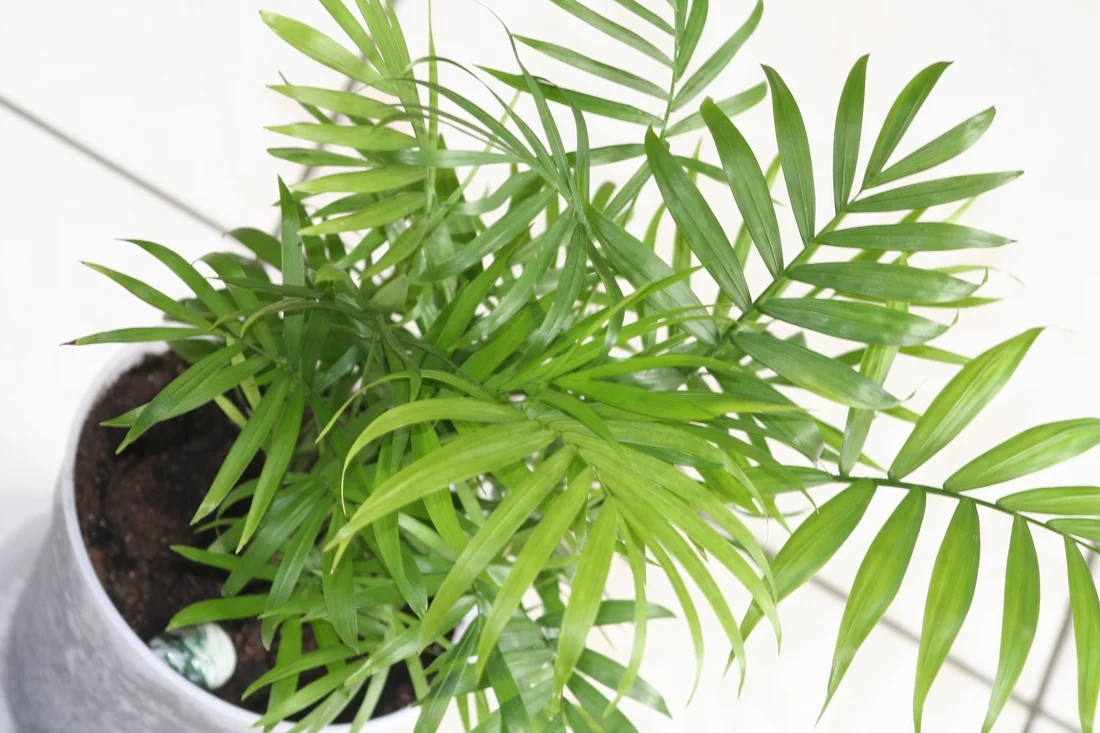
Photo:
Photo details
Chamaedorea elegans 01.jpg
By Pluume321

License: CC BY-SA 3.0
Resized and converted to WebP for display; botanical details unchanged.
This displayed image is shared under the same CC BY-SA 3.0 license.
Plant shopping
Explore this plant
Photo:
Photo details
Chamaedorea elegans 01.jpg
By Pluume321
License: CC BY-SA 3.0
Resized and converted to WebP for display; botanical details unchanged.
This displayed image is shared under the same CC BY-SA 3.0 license.
Parlor palm
View on Amazon — parlor palm; paid link; opens in a new tabPaid link · Opens in a new tab
Non-toxic does not mean edible. Chewing plants can still upset your cat’s stomach.
A little paw-note: We may earn a commission when you buy through these links. This helps us keep building and helps Nico & Larry sustain their lavish kitty lifestyle.
As an Amazon Associate I earn from qualifying purchases.
Look for Chamaedorea elegans and check the selected variety. Listings and availability can change.
Plant identity
- Scientific name
- Chamaedorea elegans
- Scope
- Species
- Family
- Not recorded
- Also known as
- Neanthe Bella Palm, Parlour Palm
Find the right spot
How to grow this plant
Container growing guidance for Chamaedorea elegans.
- Light
- Bright indirect light
Bright, indirect light is preferred, although lower light is tolerated. A north- or east-facing window can be a useful starting point; adjust for the actual light reaching the leaves.
Tolerates lower light; growth or flowering may be reduced. - Watering
- Let the mix partly dry
Let the mix dry slightly between waterings; avoid standing water.
- Temperature
- Temperature range not yet established
A normal indoor growing range has not been established in this review.
- Humidity
- Typical indoor humidity
Low to moderate humidity is tolerated.
- Potting
- Use a humus-rich, well-drained potting mix.
- Through the year
- Feed during active growth, stop fertilizing in winter, and repot only when necessary. Protect from cold drafts.
Growing-guide sources
- chamaedorea elegans - Extension Gardener Plant Toolbox ↗NC State Extension · Accessed 2026-11-01
Care guidance for the named taxon; indoor recommendations take precedence over outdoor hardiness information.
Growing advice reviewed 2026-11-01. Plant safety is assessed separately.
Reviewed safety information
- Toxic principle
- Not recorded in the reviewed evidence
- Reported signs
- Not recorded in the reviewed evidence
Missing information is unknown. It should not be interpreted as an absence of risk.
Safe alternatives
No verified alternative recommendations are available for this guide.