Plant guide
Peace Lily
Spathiphyllum spp.
Peace lilies are considered toxic to cats. Chewing them can cause a painful mouth, drooling, vomiting and trouble swallowing. They are different from true lilies, which can cause fatal kidney injury in cats. Contact your veterinarian if your cat may have eaten a peace lily.
What this guide covers: This guide covers the Spathiphyllum genus. It does not cover true lilies (Lilium) or daylilies (Hemerocallis).
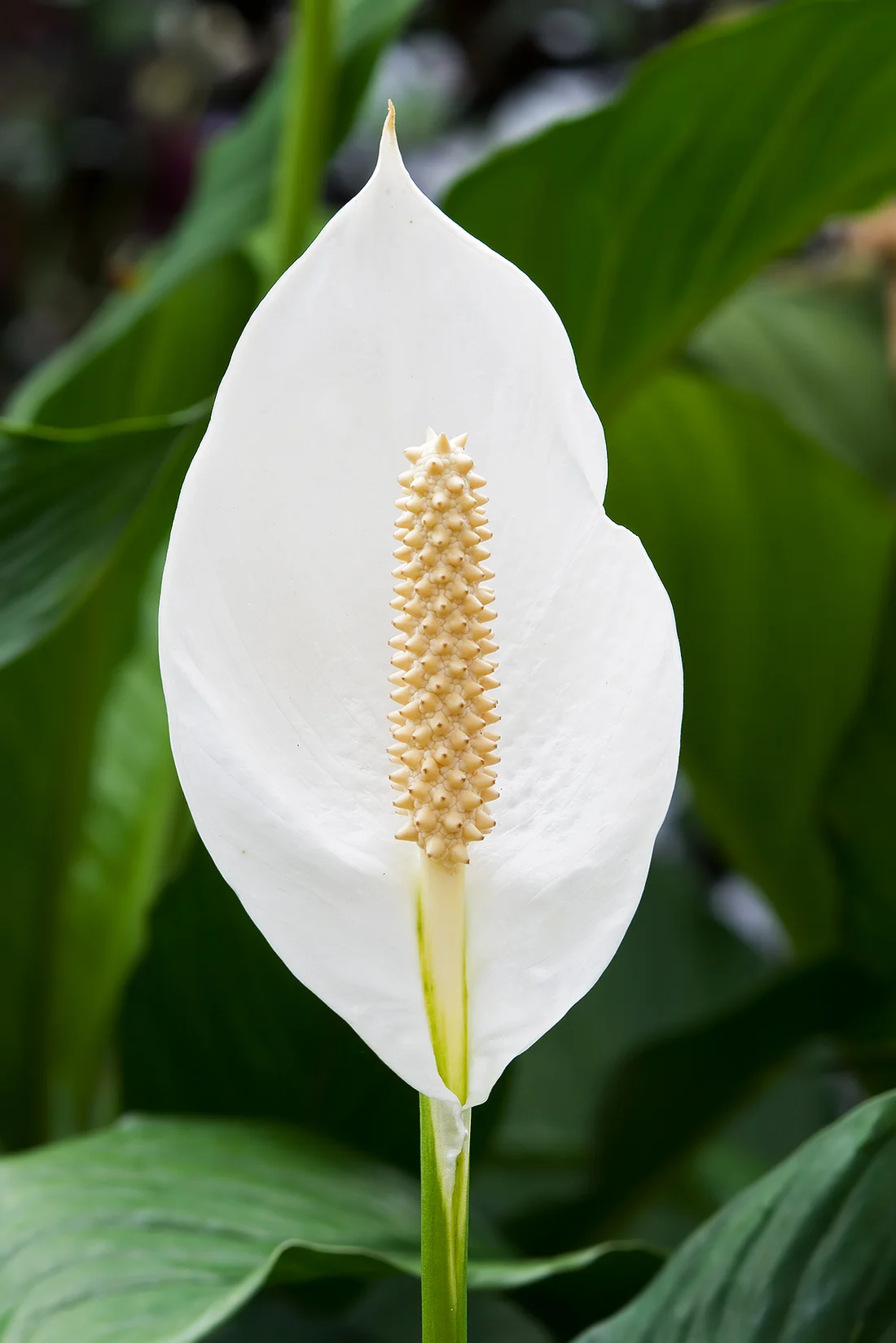
Photo:
Photo details
Spathiphyllum cochlearispathum RTBG.jpg
By JJ Harrison (https://www.jjharrison.com.au/)

License: CC BY-SA 3.0
Resized and converted to WebP for display; botanical details unchanged.
This displayed image is shared under the same CC BY-SA 3.0 license.
Plant shopping
Explore this plant
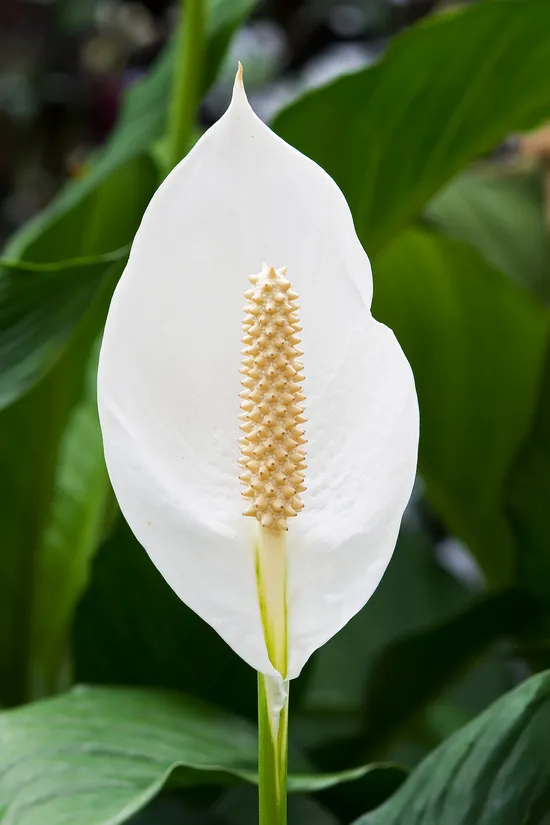
Photo:
Photo details
Spathiphyllum cochlearispathum RTBG.jpg
By JJ Harrison (https://www.jjharrison.com.au/)
License: CC BY-SA 3.0
Resized and converted to WebP for display; botanical details unchanged.
This displayed image is shared under the same CC BY-SA 3.0 license.
Peace lily
View on Amazon — peace lily; paid link; opens in a new tabPaid link · Opens in a new tab
Keep away from cats. We do not recommend this plant for a home where cats could reach it.
Explore non-toxic plants →A little paw-note: We may earn a commission when you buy through these links. This helps us keep building and helps Nico & Larry sustain their lavish kitty lifestyle.
As an Amazon Associate I earn from qualifying purchases.
Look for Spathiphyllum spp. and check the selected variety. Listings and availability can change.
Plant identity
- Scientific name
- Spathiphyllum spp.
- Scope
- Genus-level group
- Family
- Araceae
- Also known as
- No reviewed aliases available
Find the right spot
How to grow this plant
General care for commonly grown Spathiphyllum houseplants; requirements can vary with species and cultivar.
- Light
- Medium indirect light
Choose a shaded indoor position with indirect light; keep out of direct sun.
- Watering
- Let the mix partly dry
Keep the mix moist but not soggy, allowing slight drying before the next watering.
- Temperature
- Daytime: 68–85°F / 20–29°C
Nights can be about 10°F (6°C) cooler than the daytime temperature.
- Humidity
- Higher humidity
Dry air can lead to brown leaf tips.
- Potting
- Use an organic, well-drained potting mix.
- Through the year
- Wipe dusty leaves gently with a damp cloth. Brown leaf tips can have several causes, including excessive fertilizer salts, dry air or watering problems; check the conditions before changing care.
Growing-guide sources
- spathiphyllum - Extension Gardener Plant Toolbox ↗NC State Extension · Accessed 2026-11-01
Care guidance for the named taxon; indoor recommendations take precedence over outdoor hardiness information.
Growing advice reviewed 2026-11-01. Plant safety is assessed separately.
Reviewed safety information
- Toxic principle
- Insoluble calcium oxalates
- Reported signs
- Mouth irritation; Drooling; Vomiting; Difficulty swallowing
- Severity
- Severity not established
Missing information is unknown. It should not be interpreted as an absence of risk.
Safe alternatives
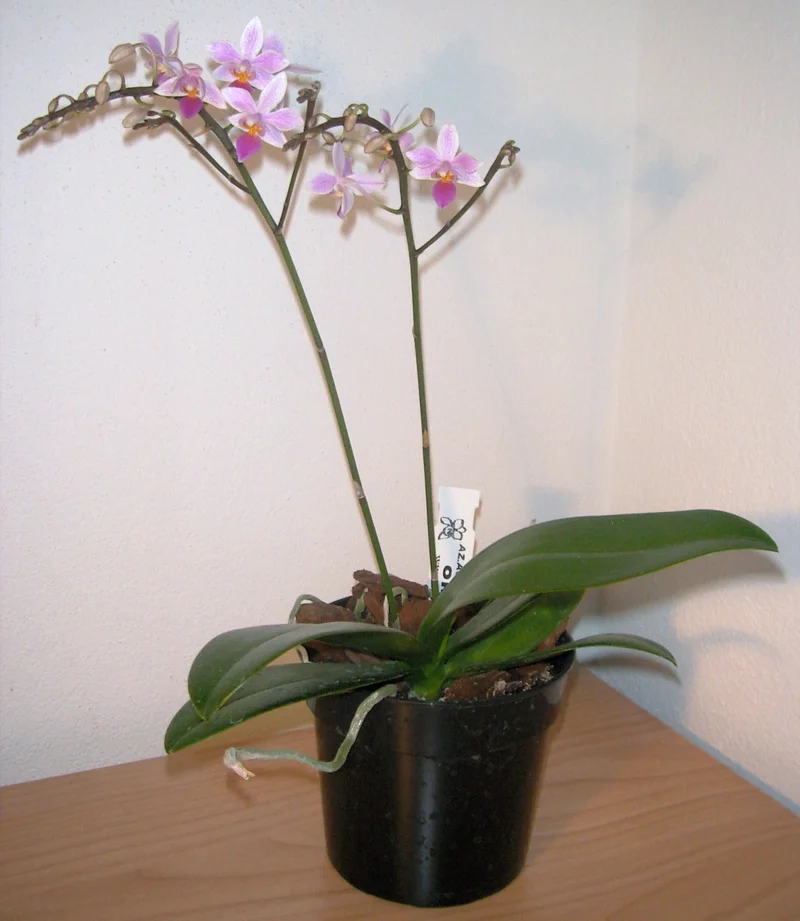
Photo:
Photo details
Phalaenopsis equestris in pot.JPG
By RobertoMM

License: Public domain

Resized and converted to WebP for display; botanical details unchanged.
Orchid (moth orchid)
Phalaenopsis spp.
Bright indirect light
Daytime: 66–86°F
Moth orchids identified as Phalaenopsis. This guide does not cover every orchid or hybrids involving other genera. A photograph alone cannot establish plant identity.
For indoor flowers, consider a Phalaenopsis moth orchid. It needs orchid mix and its own light and watering routine.
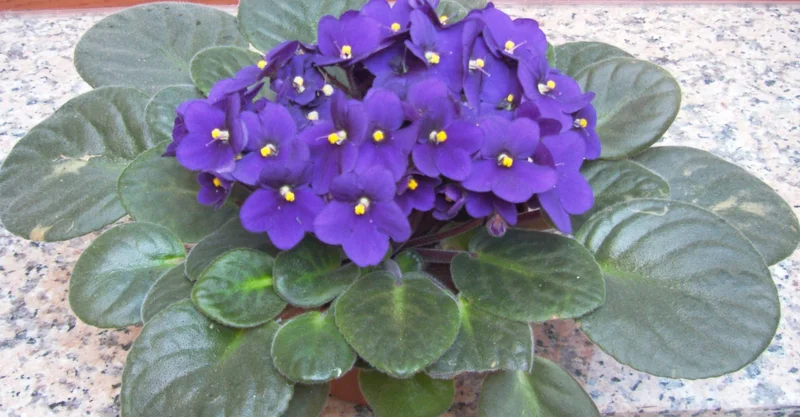
Photo:
Photo details
Saintpaulia ionantha.jpg
By RobertoMM

License: CC BY-SA 3.0
Resized and converted to WebP for display; botanical details unchanged.
This displayed image is shared under the same CC BY-SA 3.0 license.
African Violet
Streptocarpus ionanthus
Bright indirect light
Growing range: 60–80°F
This guide covers Streptocarpus ionanthus, formerly Saintpaulia ionantha. The cat assessment uses the ASPCA’s broader Saintpaulia group listing and the documented placement of this species within that group. It does not assess all Streptocarpus species or unidentified interspecific hybrids.
For a smaller flowering display, consider an African violet. Follow its bright-indirect-light and leaf-dry watering guidance.
Sources & review
- Peace Lily ↗ASPCA Poison Control · Accessed
Listed by the source as Spathiphyllum. The entry labels the genus Spathiphyllum and assesses it for cats; spp. expresses that same group scope. It does not refer to Lilium or Hemerocallis.
- Peace Lily ↗ASPCA Poison Control · Accessed 2026-10-12
- No Lilies for Kitties! — peace lilies and true lilies ↗Pet Poison Helpline · Accessed
Safety last reviewed .