Plant guide
Sago Palm
Cycas revoluta
Sago palm is highly toxic to cats. Every part is dangerous, especially the seeds, and ingestion can cause liver failure and death. If your cat may have eaten any part, seek emergency veterinary help immediately—do not wait for symptoms.
What this guide covers: This guide covers Cycas revoluta. It does not assess all plants called palms. The high-toxicity classification is supported by poison-control warnings of potentially fatal effects; no numerical risk or survival estimate is assigned.
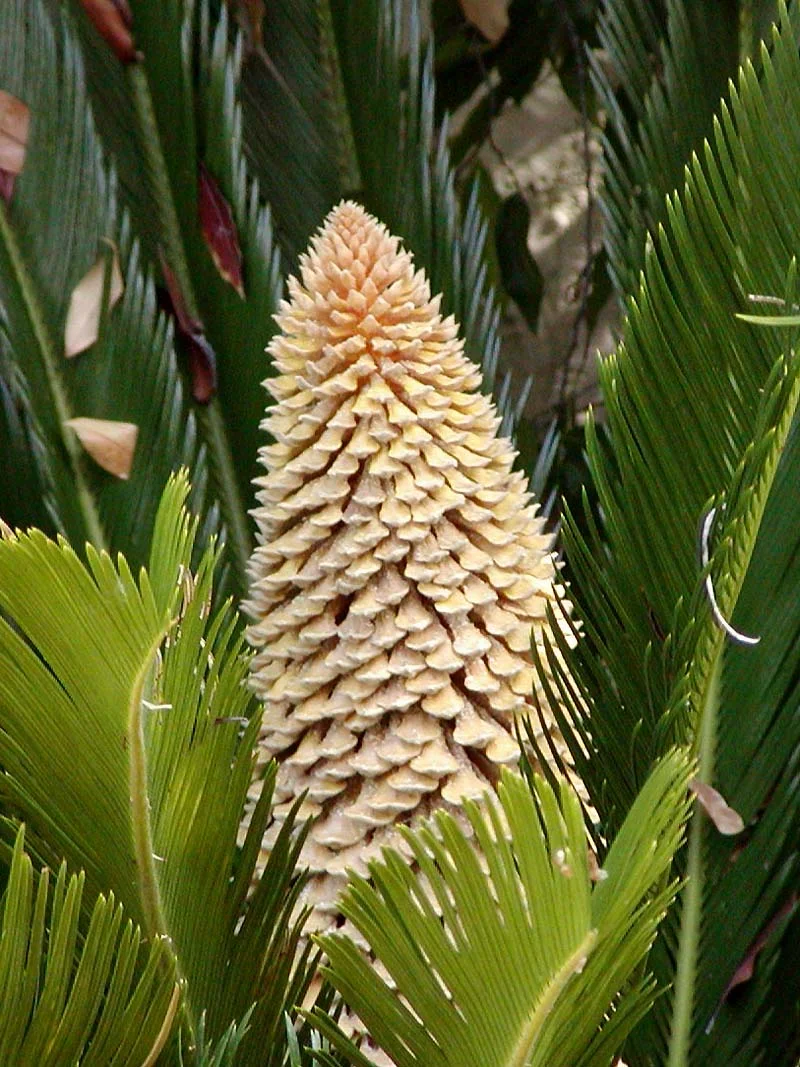
Photo:
Photo details
Cycas inflorescence.jpg
By Stan Shebs

License: CC BY-SA 3.0
Resized and converted to WebP for display; botanical details unchanged.
This displayed image is shared under the same CC BY-SA 3.0 license.
Plant shopping
Explore this plant
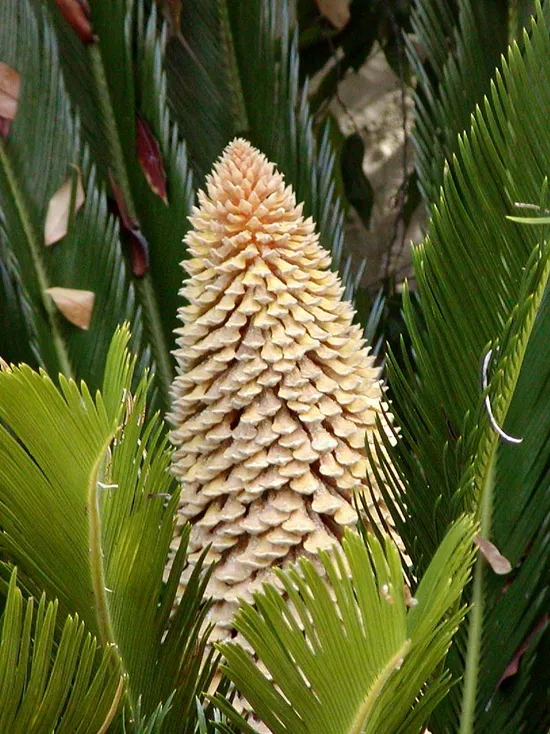
Photo:
Photo details
Cycas inflorescence.jpg
By Stan Shebs
License: CC BY-SA 3.0
Resized and converted to WebP for display; botanical details unchanged.
This displayed image is shared under the same CC BY-SA 3.0 license.
Sago palm
View on Amazon — sago palm; paid link; opens in a new tabPaid link · Opens in a new tab
Keep away from cats. We do not recommend this plant for a home where cats could reach it.
Explore non-toxic plants →A little paw-note: We may earn a commission when you buy through these links. This helps us keep building and helps Nico & Larry sustain their lavish kitty lifestyle.
As an Amazon Associate I earn from qualifying purchases.
Look for Cycas revoluta and check the selected variety. Listings and availability can change.
Plant identity
- Scientific name
- Cycas revoluta
- Scope
- Species
- Family
- Cycadaceae
- Also known as
- No reviewed aliases available
Find the right spot
How to grow this plant
Horticultural information for Cycas revoluta. Growing instructions do not make this highly toxic plant a suitable choice for a home with cats.
- Light
- Bright indirect light
Use bright, indirect light indoors, with protection from intense sun.
- Watering
- Keep evenly moist
Maintain moisture with excellent drainage; overwatering can lead to root rot.
- Temperature
- Temperature range not yet established
A normal indoor growing range has not been established in this review.
- Potting
- Use a well-drained, sandy or loamy container mix.
Growing-guide sources
- cycas revoluta - Extension Gardener Plant Toolbox ↗NC State Extension · Accessed 2026-10-13
Care guidance for the named taxon; indoor recommendations take precedence over outdoor hardiness information.
Growing advice reviewed 2026-10-14. Plant safety is assessed separately.
Reviewed safety information
- Toxic principle
- Cycasin
- Reported signs
- Vomiting; Diarrhea; Bleeding; Liver damage or failure; Seizures
- Severity
- Severity not established
Missing information is unknown. It should not be interpreted as an absence of risk.
Safe alternatives
No verified alternative recommendations are available for this guide.
Sources & review
- Plant toxicity explained — Sago Palm section ↗ASPCA Poison Control · Accessed
- Sago Palm ↗Pet Poison Helpline · Accessed
Safety last reviewed .