Plant guide
Aloe Vera
Aloe vera
Aloe vera is considered toxic to cats. Eating it can lead to vomiting, diarrhea and lethargy. Keep the plant out of your cat’s reach.
What this guide covers: This guide covers Aloe vera only. It does not assess every aloe species.
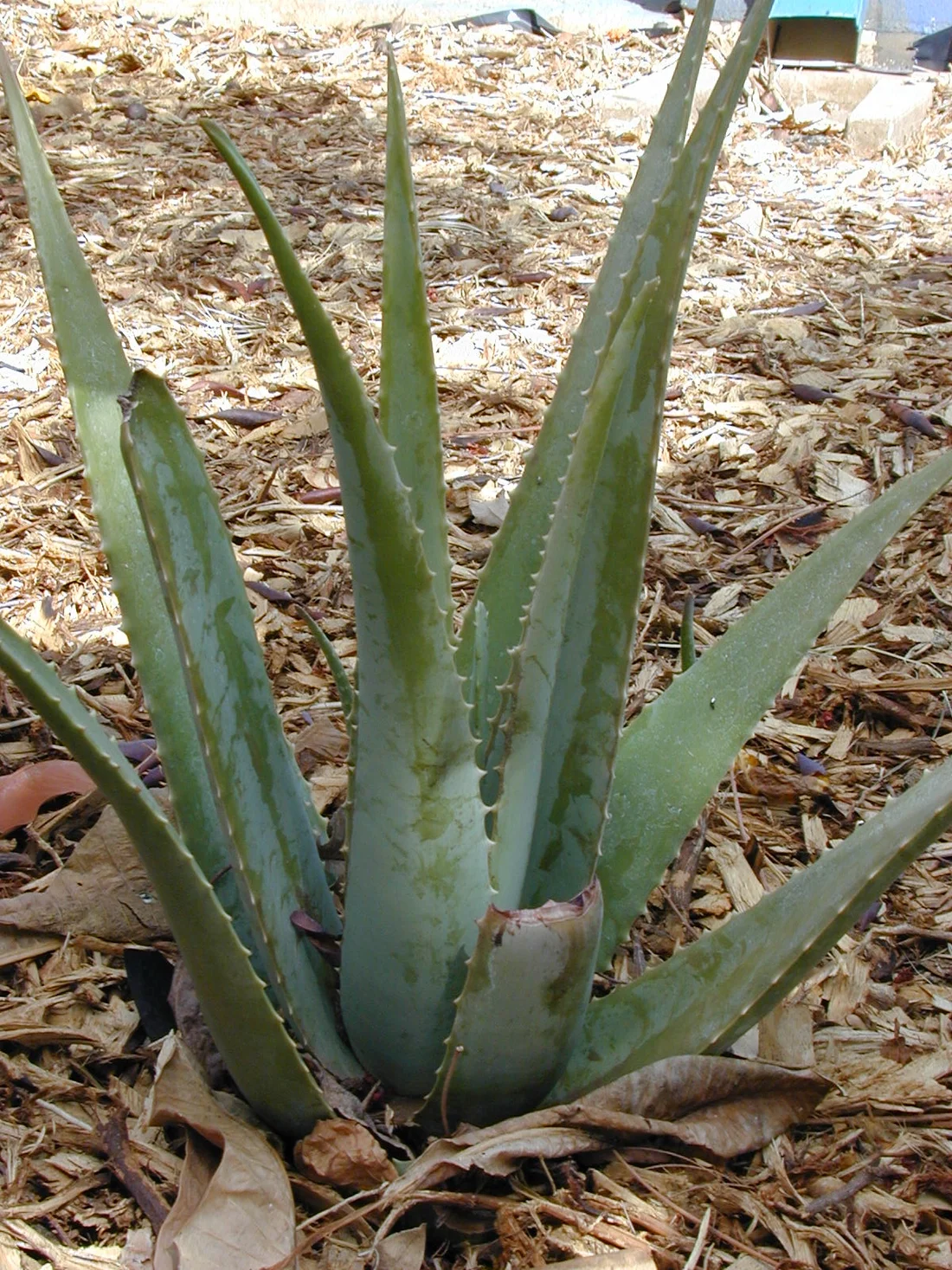
Photo:
Photo details
Starr 011104-0040 Aloe vera.jpg
By Forest & Kim Starr

License: CC BY 3.0
Resized and converted to WebP for display; botanical details unchanged.
Plant shopping
Explore this plant
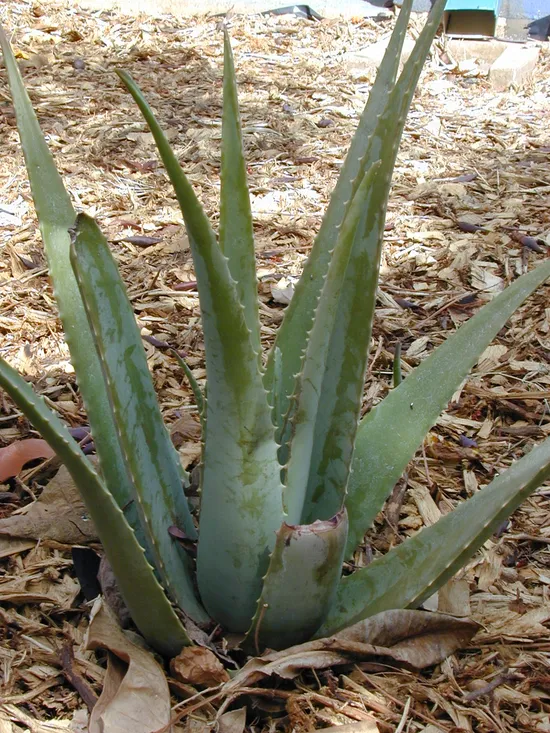
Photo:
Photo details
Starr 011104-0040 Aloe vera.jpg
By Forest & Kim Starr
License: CC BY 3.0
Resized and converted to WebP for display; botanical details unchanged.
Aloe vera
View on Amazon — aloe vera; paid link; opens in a new tabPaid link · Opens in a new tab
Keep away from cats. We do not recommend this plant for a home where cats could reach it.
Explore non-toxic plants →A little paw-note: We may earn a commission when you buy through these links. This helps us keep building and helps Nico & Larry sustain their lavish kitty lifestyle.
As an Amazon Associate I earn from qualifying purchases.
Look for Aloe vera and check the selected variety. Listings and availability can change.
Plant identity
- Scientific name
- Aloe vera
- Scope
- Species
- Family
- Not recorded
- Also known as
- Aloe barbadensis, Barbados Aloe
Find the right spot
How to grow this plant
Container growing guidance for Aloe vera.
- Light
- Bright indirect light
Choose bright light indoors, shielding the leaves from harsh direct sun.
- Watering
- Let the mix dry
Let the mix dry completely before watering; empty excess water from the saucer.
- Temperature
- Growing range: 55–81°F / 13–27°C
Keep away from frost and cold drafts.
- Humidity
- Typical indoor humidity
Ordinary indoor humidity is suitable; misting is unnecessary.
- Potting
- Use a gritty succulent mix and a pot with drainage holes. An unglazed clay pot can help the mix dry between waterings.
- Through the year
- Water less during winter and other periods of slow growth. Offsets can be separated to propagate new plants.
Growing-guide sources
- aloe vera - Extension Gardener Plant Toolbox ↗NC State Extension · Accessed 2026-11-01
Care guidance for the named taxon; indoor recommendations take precedence over outdoor hardiness information.
- Houseplants for sunlight - Aloe vera ↗Royal Horticultural Society · Accessed 2026-10-13
The source covers the named plant and these growing conditions.
Growing advice reviewed 2026-11-01. Plant safety is assessed separately.
Reviewed safety information
- Toxic principle
- Saponins and anthraquinones
- Reported signs
- Vomiting; Diarrhea; Lethargy
- Severity
- Severity not established
Missing information is unknown. It should not be interpreted as an absence of risk.
Safe alternatives
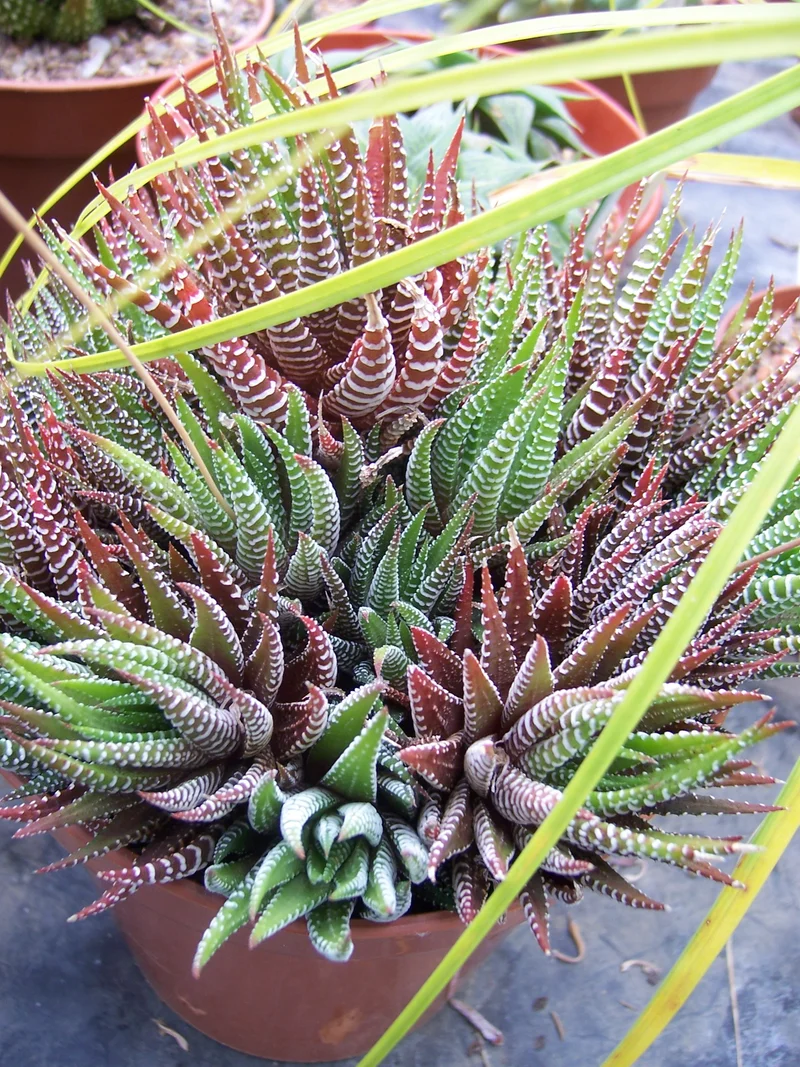
Photo:
Photo details
Winterbourne - Haworthia attenuata (6120983526).jpg
By stephen boisvert from Chicago, United States

License: CC BY 2.0
No botanical or background edits. Standard responsive framing and image format optimization only after acceptance.
Haworthia
Haworthiopsis attenuata
Bright indirect light
Growing range: 60–80°F
This guide covers Haworthiopsis attenuata, formerly named Haworthia attenuata. The safety evidence is a genus-level assessment applied to this documented member, not a cat-specific experiment on this species. It does not identify Haworthiopsis fasciata, unrelated zebra plants or unidentified hybrids.
For a compact succulent rosette, consider Haworthiopsis attenuata. It stays smaller and is a different plant, not a type of aloe.