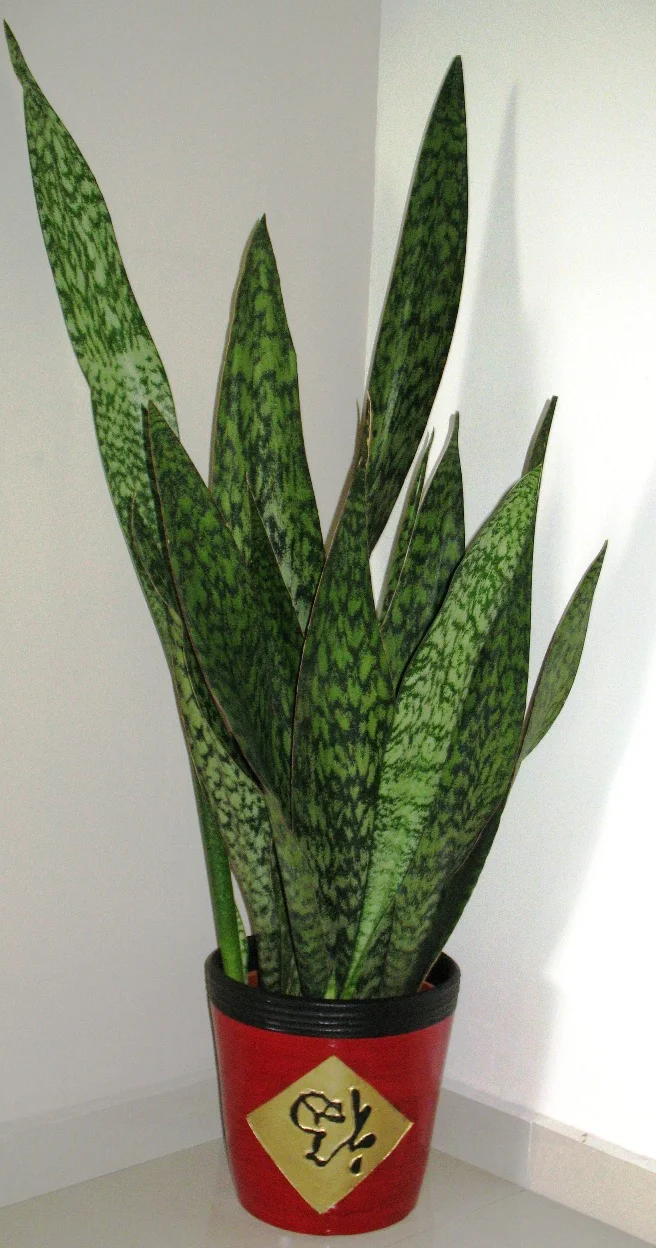
Dracaena trifasciata, also known as Sansevieria trifasciata. Photo: Mokkie i Toxic to cats Dracaena trifasciata
Bright indirect light or Some direct sun
This guide covers Dracaena trifasciata, also known by the scientific name Sansevieria trifasciata. It does not assess every Dracaena species or every plant sold under the name snake plant.
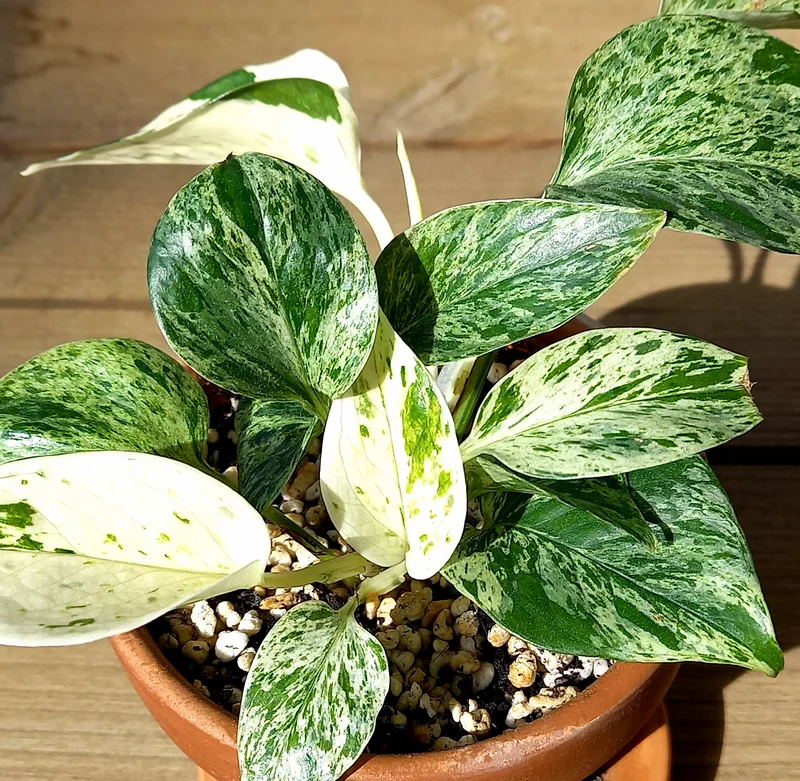
‘Marble Queen’ pothos, a variegated cultivar of Epipremnum aureum. Photo: Spnq i Toxic to cats Epipremnum aureum
Bright indirect light
This guide covers Epipremnum aureum only. A shared common name or similar appearance does not establish that another plant has the same assessment.
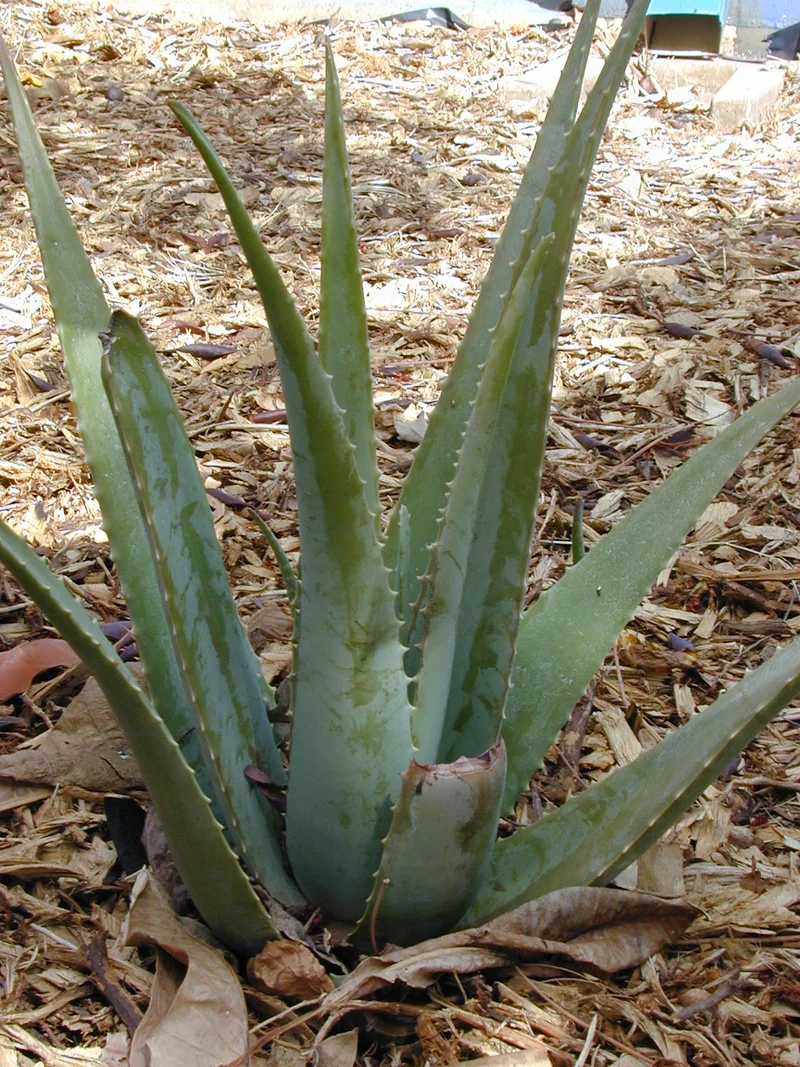
Aloe vera growing outdoors. Photo: Forest & Kim Starr i Toxic to cats Aloe vera
Bright indirect light
This guide covers Aloe vera only. It does not assess every aloe species.
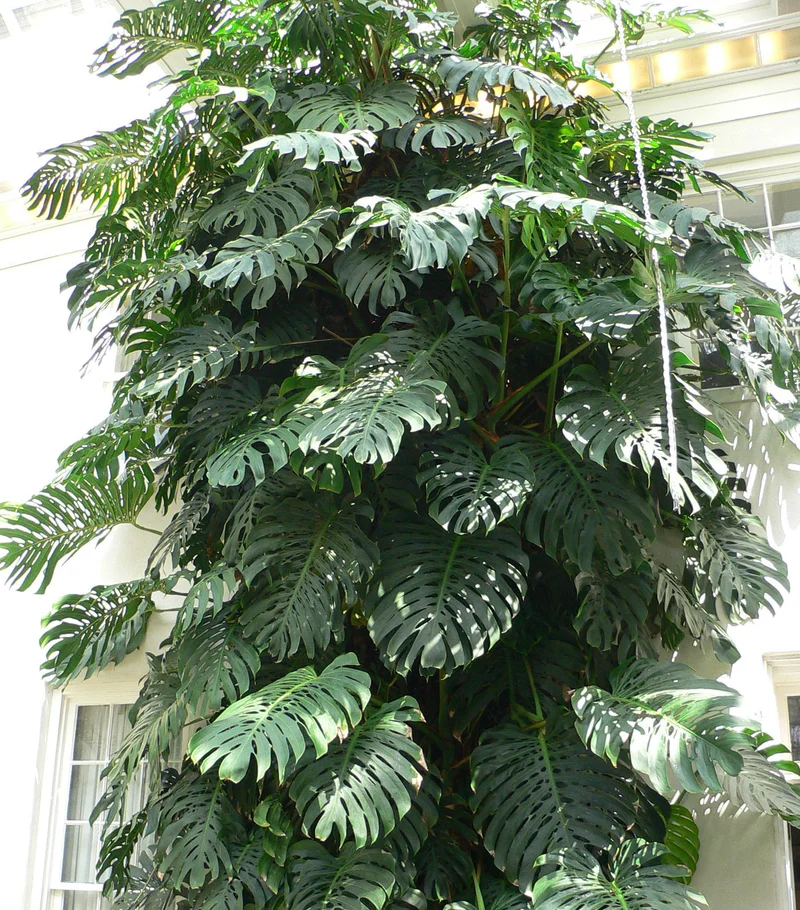
A mature Monstera deliciosa climbing in a conservatory. Photo: Raul654 i Photo details
Monstera deliciosa2.jpg
License: CC BY-SA 3.0
Resized and converted to WebP for display; botanical details unchanged.
This displayed image is shared under the same CC BY-SA 3.0 license.
Toxic to cats Monstera deliciosa
Medium indirect light or Bright indirect light
This guide covers Monstera deliciosa only. A shared common name or similar appearance does not establish that another plant has the same assessment.
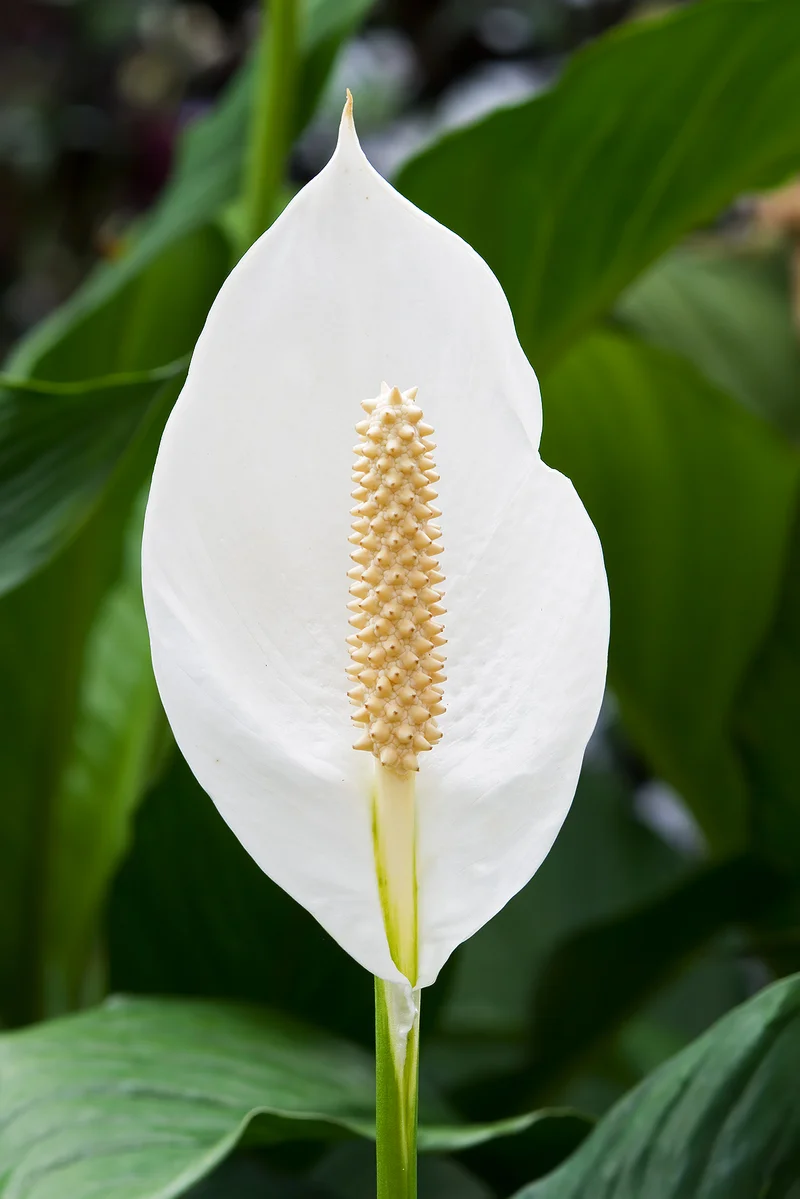
Spathiphyllum cochlearispathum, an example within the Spathiphyllum genus covered by this guide. Photo: JJ Harrison (https://www.jjharrison.com.au/) i Photo details
Spathiphyllum cochlearispathum RTBG.jpg
License: CC BY-SA 3.0
Resized and converted to WebP for display; botanical details unchanged.
This displayed image is shared under the same CC BY-SA 3.0 license.
Toxic to cats Spathiphyllum spp.
Medium indirect light
This guide covers the Spathiphyllum genus. It does not cover true lilies (Lilium) or daylilies (Hemerocallis).
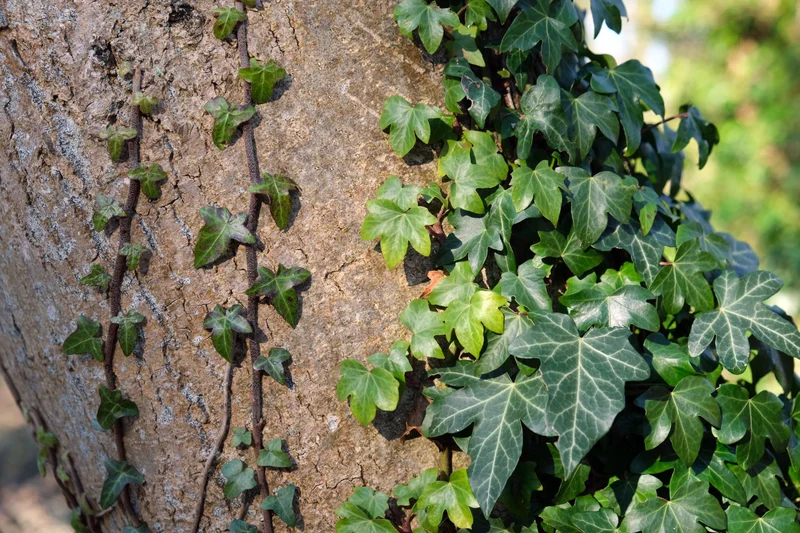
Hedera helix climbing a tree trunk. Photo: kallerna i Photo details
Hedera helix Dover.jpg
License: CC BY-SA 4.0
Resized and converted to WebP for display; botanical details unchanged.
This displayed image is shared under the same CC BY-SA 4.0 license.
Toxic to cats Hedera helix
Bright indirect light
This guide covers English ivy, Hedera helix. Other plants called ivy need their own identification and assessment.
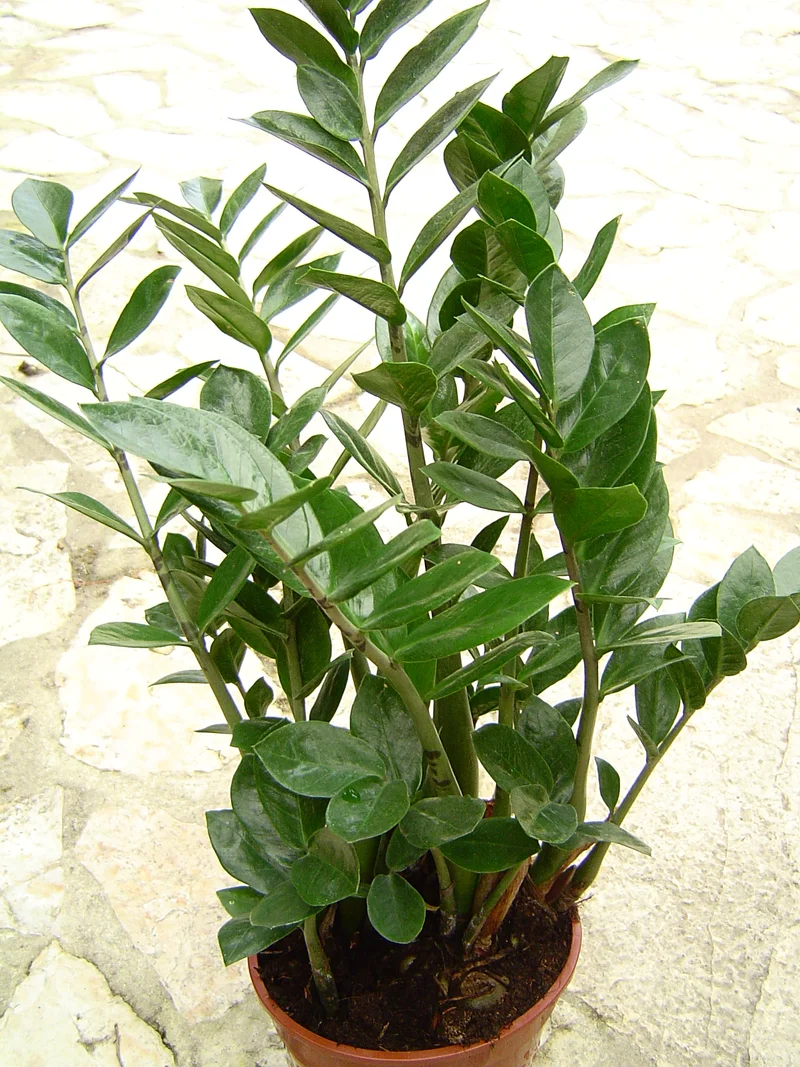
Zamioculcas zamiifolia (ZZ plant). Photo: User:WeFt i Photo details
Zamioculcas zamiifolia 1.jpg
License: CC BY-SA 3.0
Resized and converted to WebP for display; botanical details unchanged.
This displayed image is shared under the same CC BY-SA 3.0 license.
Toxic to cats Zamioculcas zamiifolia
Bright indirect light
This guide covers Zamioculcas zamiifolia.
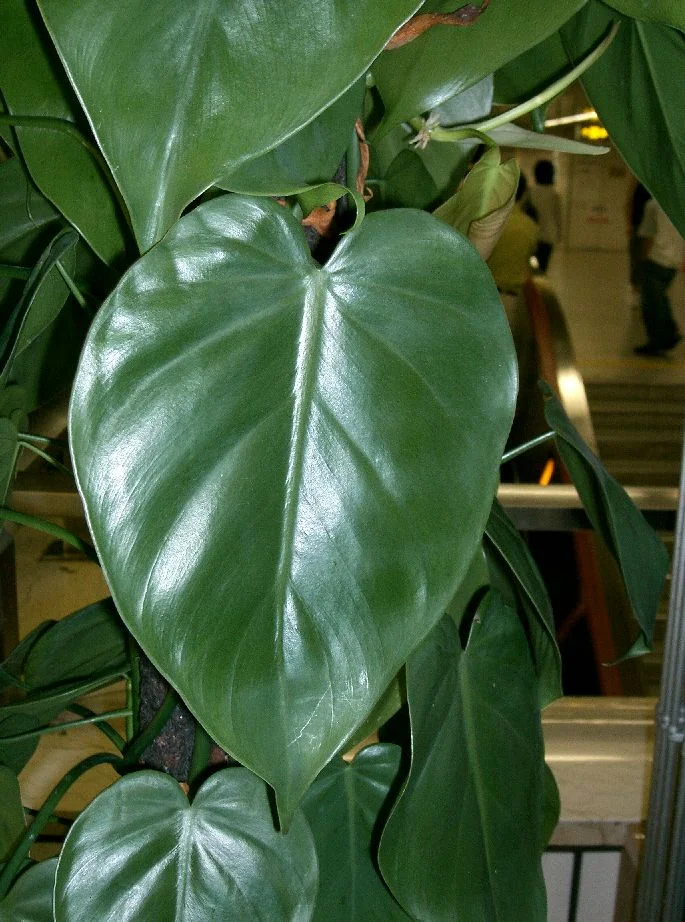
Leaf detail of Philodendron hederaceum var. oxycardium, as identified by the photo source. Photo: KENPEI i Toxic to cats Philodendron hederaceum
Medium indirect light
This guide covers Philodendron hederaceum only. A shared common name or similar appearance does not establish that another plant has the same assessment.
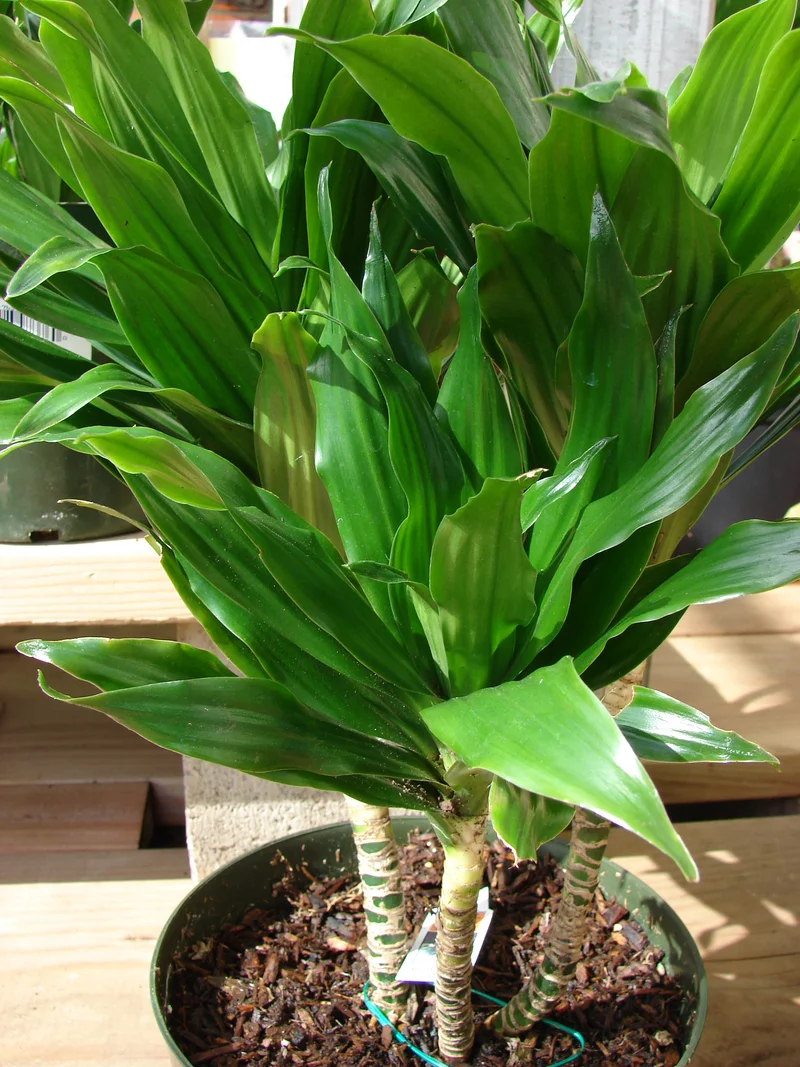
Dracaena fragrans ‘Compacta’, a compact cultivar of corn plant. Photo: Forest & Kim Starr i Toxic to cats Dracaena fragrans
Medium indirect light or Bright indirect light
This guide covers Dracaena fragrans only. A shared common name or similar appearance does not establish that another plant has the same assessment.
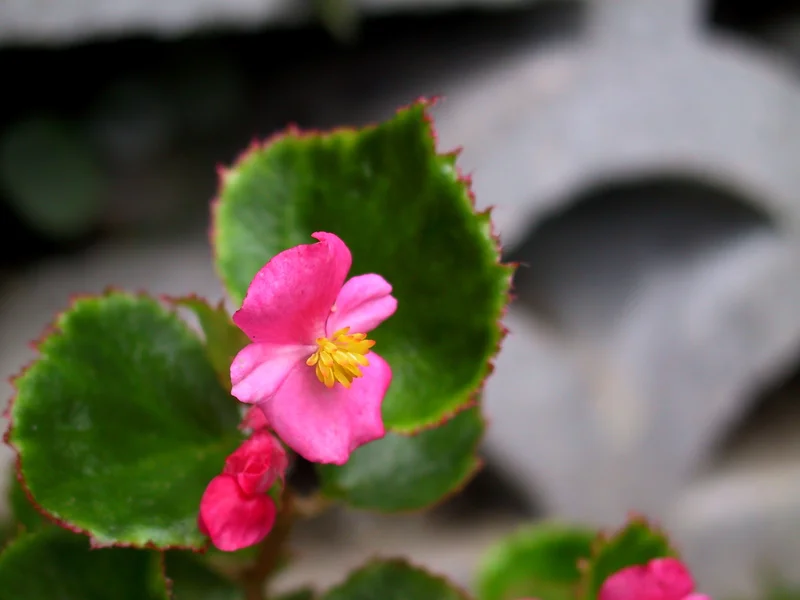
A wax begonia hybrid, one example within the Begonia group. Photo: Juni from Kyoto, Japan i Toxic to cats Begonia spp.
Light varies by type
This is a genus-level guide to Begonia spp., the group named in the cat-safety source. It does not assign a separate risk level to each species or cultivar. The source’s kidney-failure statement about grazing animals is not applied to cats here.
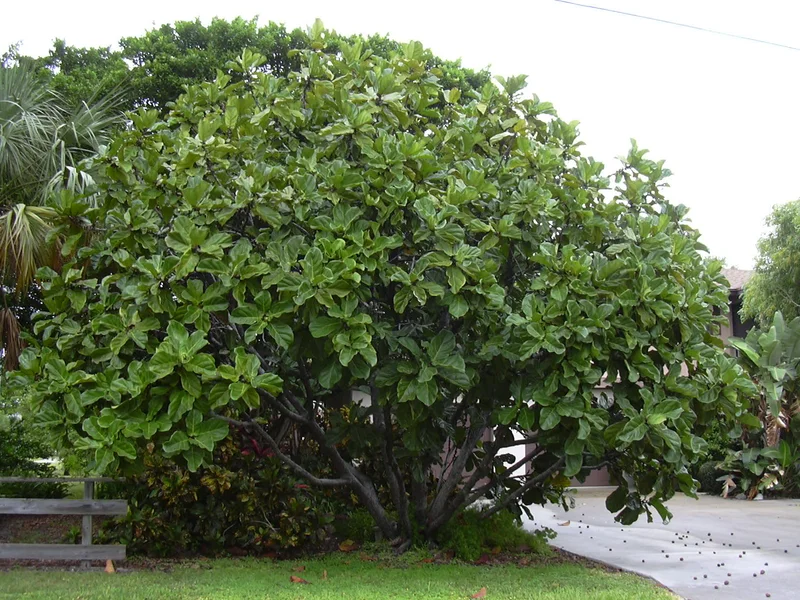
A mature Ficus lyrata growing outdoors. Indoor plants are usually much smaller. Photo: Forest & Kim Starr i Toxic to cats Ficus lyrata
Bright indirect light
This guide covers Ficus lyrata. It does not cover Philodendron bipennifolium, which is also called fiddle leaf.
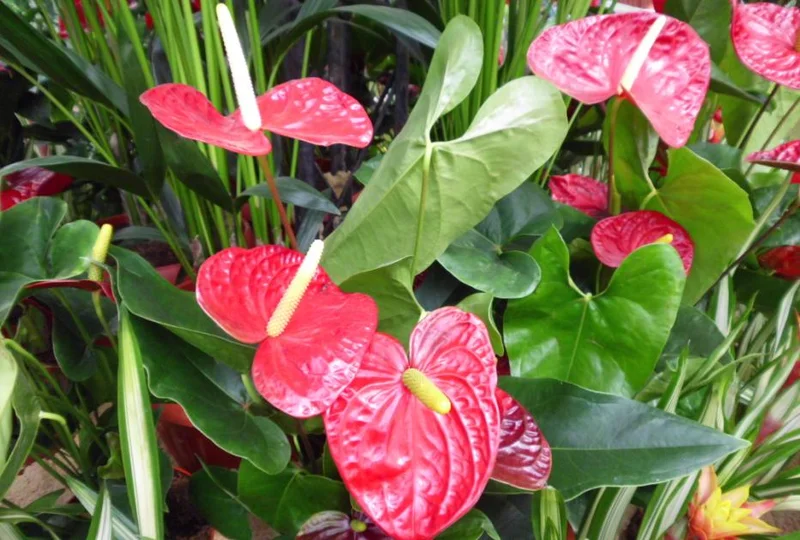
Anthurium andraeanum, as identified by the source photographer. Photo: Hatem Moushir i Toxic to cats Anthurium andraeanum
Bright indirect light
This guide covers Anthurium andraeanum. It does not treat the separate species Anthurium scherzeranum as the same plant.
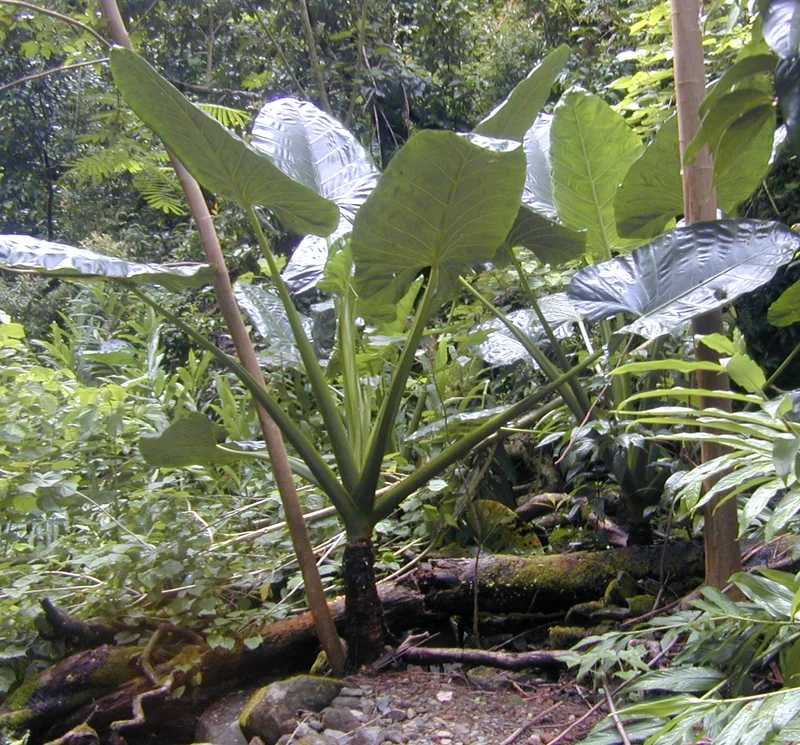
Alocasia macrorrhizos in the wild, one example within the Alocasia group. Surrounding plants are not covered by this guide. Photo: Eric Guinther (Marshman) i Photo details
P Alom D9903.jpg
License: CC BY-SA 3.0
Resized and converted to WebP for display; botanical details unchanged.
This displayed image is shared under the same CC BY-SA 3.0 license.
Toxic to cats Alocasia spp.
Bright indirect light
This is a genus-level guide to Alocasia spp., the group named in the cat-safety source. It does not identify an individual species or cultivar. The common name elephant ear can refer to other plants and is not enough to establish identity.
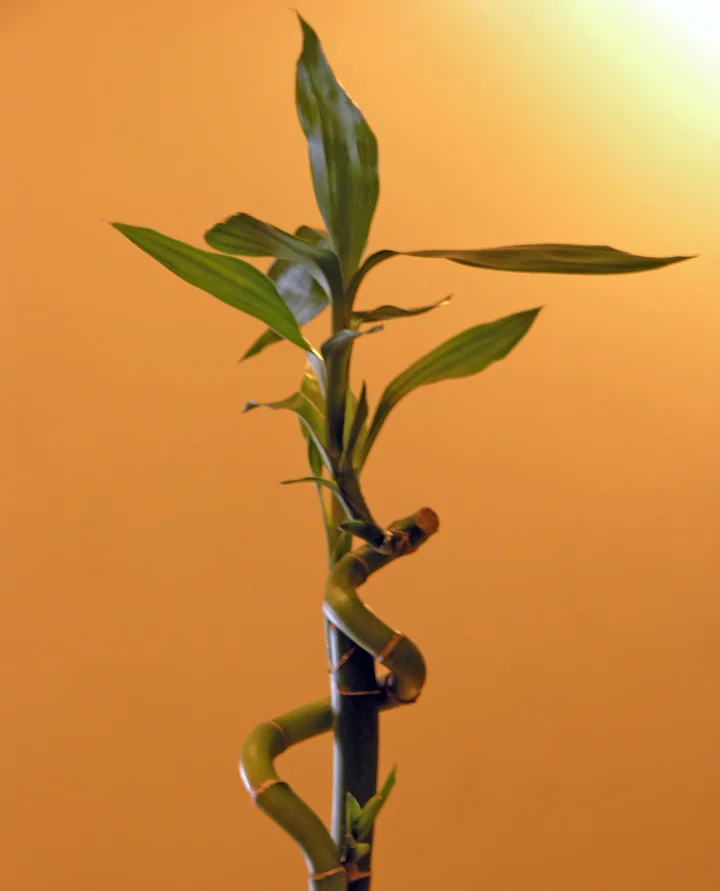
Dracaena sanderiana (lucky bamboo). Photo: User SeanMack on en.wikipedia i Photo details
LuckyBamboo 2005 SeanMcClean.jpg
License: CC BY-SA 3.0
Resized and converted to WebP for display; botanical details unchanged.
This displayed image is shared under the same CC BY-SA 3.0 license.
Toxic to cats Dracaena sanderiana
Bright indirect light
This guide covers Dracaena sanderiana within the assessed Dracaena genus. It does not cover true bamboo. Current Kew taxonomy accepts this species; older alternate taxonomies must not silently change its identity.
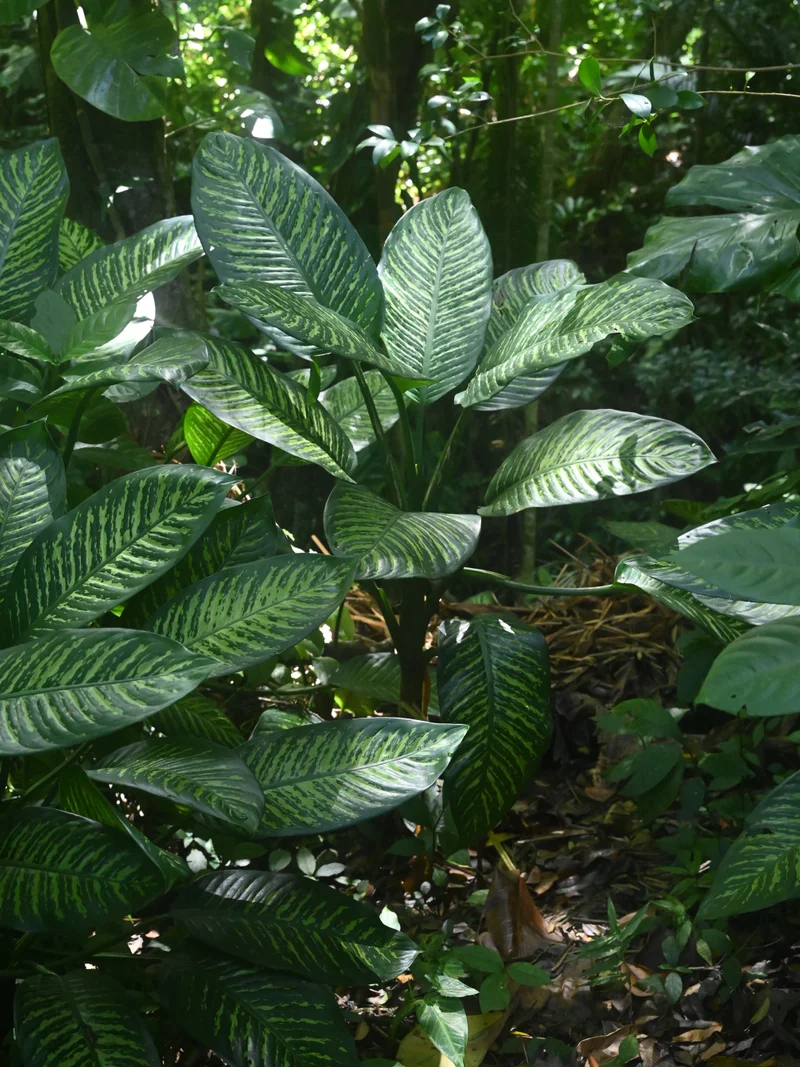
Dieffenbachia seguine, photographed in Guadeloupe. Photo: Krzysztof Ziarnek, Kenraiz i Photo details
Dieffenbachia seguine kz13.jpg
License: CC BY-SA 4.0
Resized and converted to WebP for display; botanical details unchanged.
This displayed image is shared under the same CC BY-SA 4.0 license.
Toxic to cats Dieffenbachia seguine
Medium indirect light
This guide covers Dieffenbachia seguine using the assessed Dieffenbachia genus and documented species membership. Unidentified plants with a similar common name need their own identification.
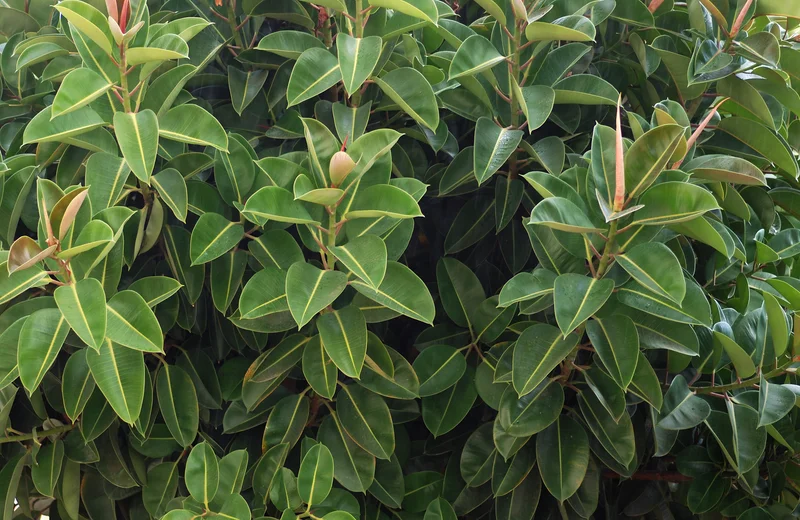
Ficus elastica (rubber plant). Photo: Alvesgaspar (talk) i Photo details
Ficus November 2008-1.jpg
License: CC BY-SA 4.0
Resized and converted to WebP for display; botanical details unchanged.
This displayed image is shared under the same CC BY-SA 4.0 license.
Toxic to cats Ficus elastica
Bright indirect light
This guide covers Ficus elastica. Baby rubber plant (Peperomia obtusifolia) is a different species with a separate guide.
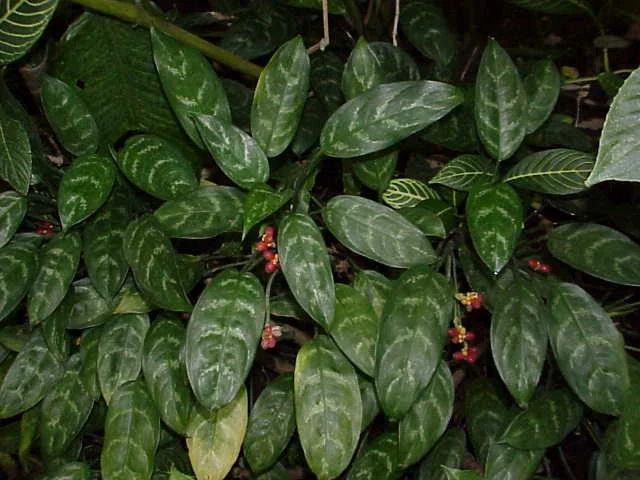
Aglaonema commutatum (Chinese evergreen). Photo: Kurt Stüber [1] i Photo details
Aglaonema commutatum2.jpg
License: CC BY-SA 3.0
Resized and converted to WebP for display; botanical details unchanged.
This displayed image is shared under the same CC BY-SA 3.0 license.
Toxic to cats Aglaonema commutatum
Medium indirect light
This guide covers Aglaonema commutatum using the assessed Aglaonema genus and documented species membership. It does not equate this species with Aglaonema modestum or unidentified hybrids.
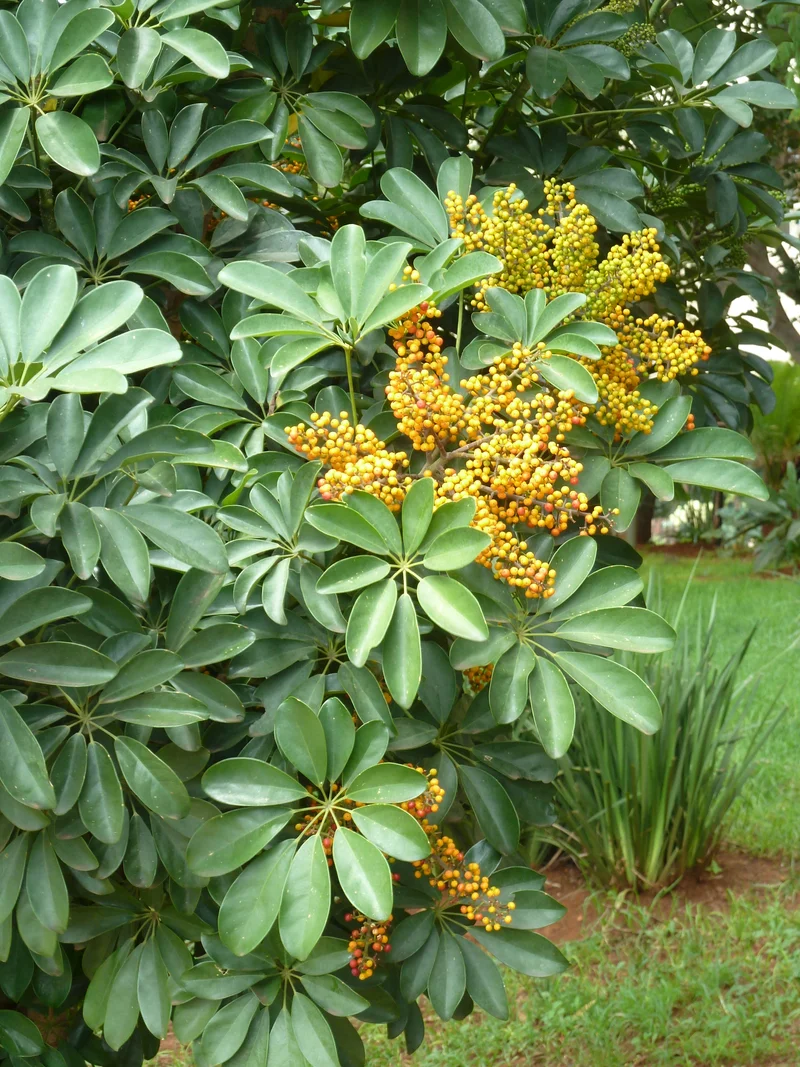
Heptapleurum arboricola, photographed under its synonym Schefflera arboricola. Photo: JMK i Toxic to cats Heptapleurum arboricola
Bright indirect light
This guide covers Heptapleurum arboricola, also known scientifically as Schefflera arboricola. It does not cover every umbrella plant.
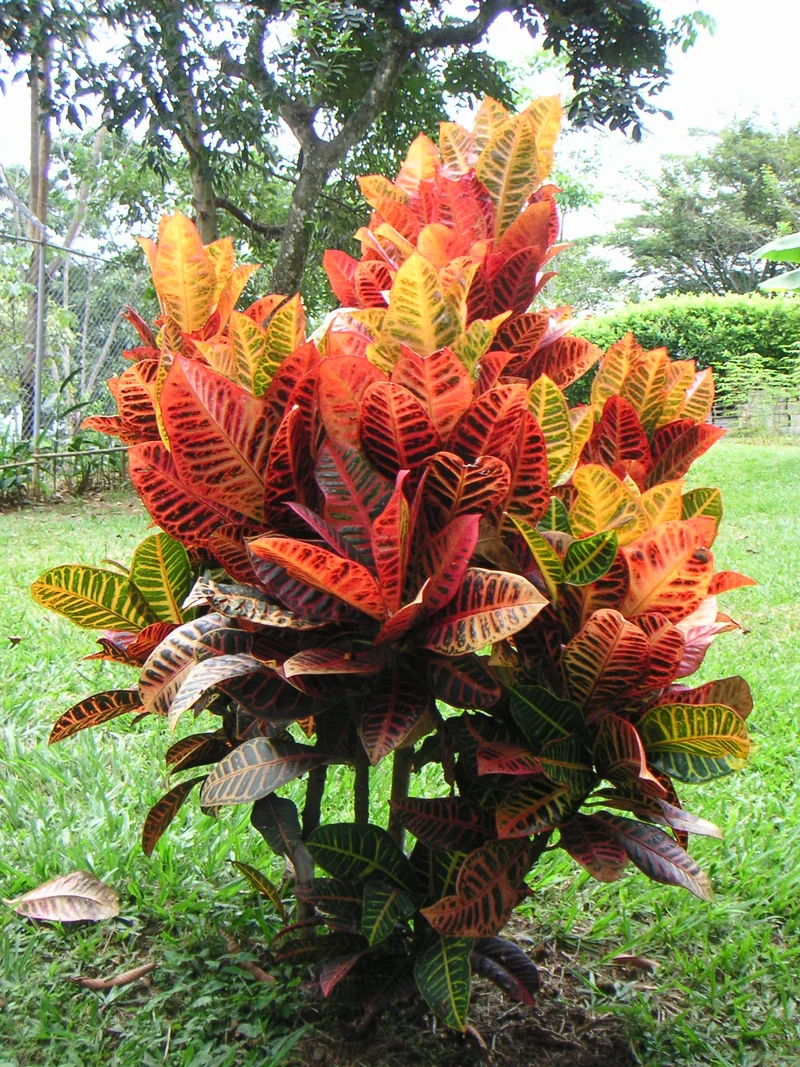
Codiaeum variegatum (garden croton). Photo: Louise Wolff --darina 23:22, 6 May 2005 (UTC) i Photo details
Colpfl05.jpg
License: CC BY-SA 3.0
Resized and converted to WebP for display; botanical details unchanged.
This displayed image is shared under the same CC BY-SA 3.0 license.
Toxic to cats Codiaeum variegatum
Bright indirect light or Some direct sun
This guide covers Codiaeum variegatum (garden croton), not every plant in the separate Croton genus. The poison-centre pet assessment is applied to cats; no species-specific severity tier is inferred.
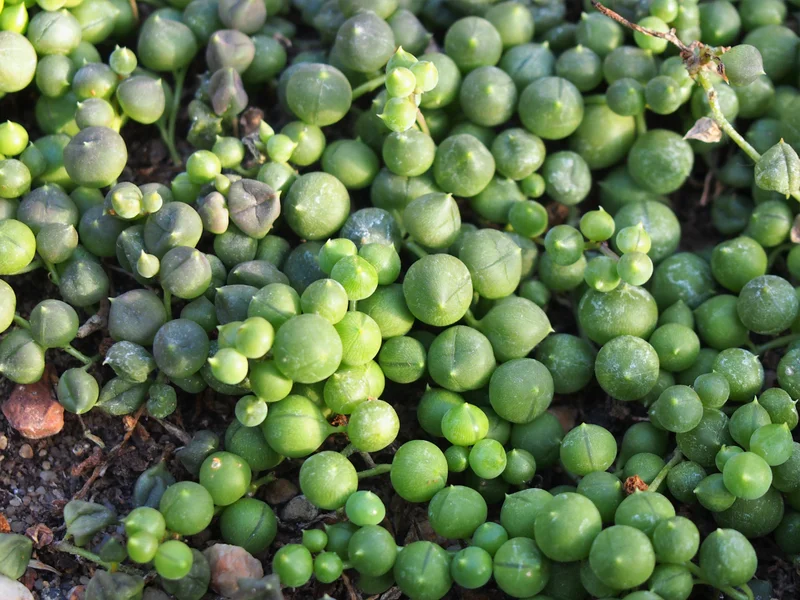
Curio rowleyanus (string of pearls). Photo: Agnieszka Kwiecień, Nova i Toxic to cats Curio rowleyanus
Bright indirect light
This guide covers Curio rowleyanus, also known scientifically as Senecio rowleyanus. Other trailing succulents require their own identification.
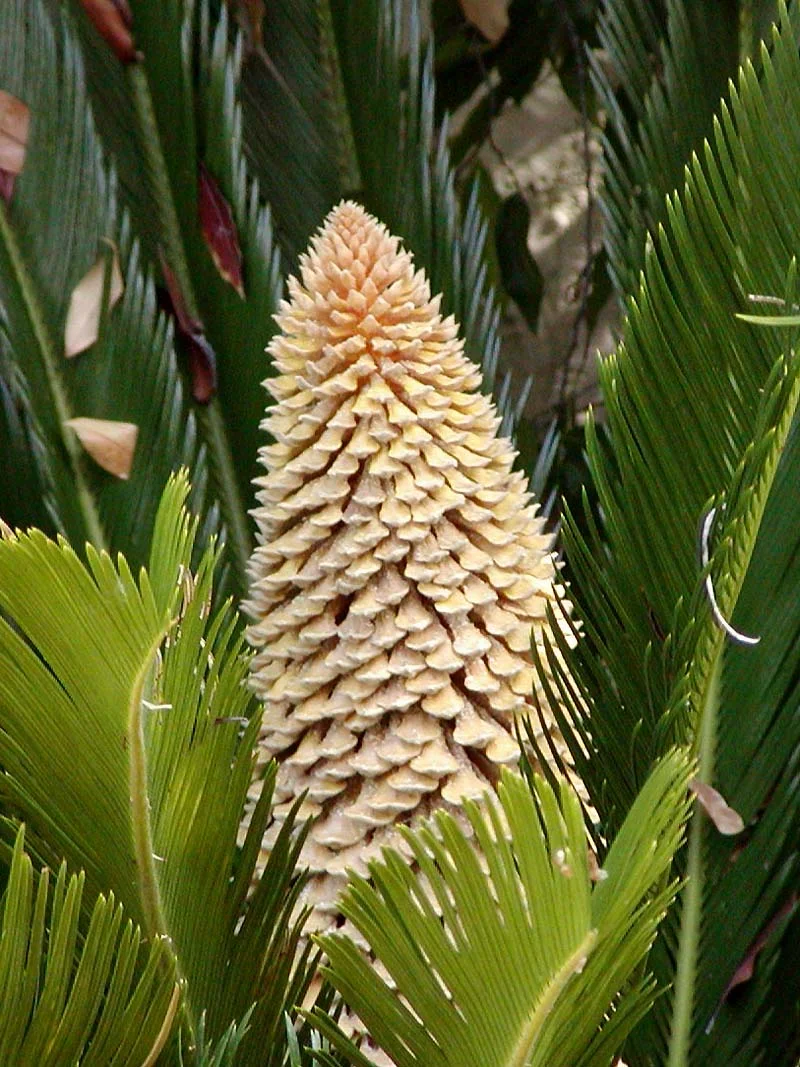
Cycas revoluta showing a male cone. This is not a photograph of its seeds. Photo: Stan Shebs i Photo details
Cycas inflorescence.jpg
License: CC BY-SA 3.0
Resized and converted to WebP for display; botanical details unchanged.
This displayed image is shared under the same CC BY-SA 3.0 license.
Highly toxic to cats Cycas revoluta
Bright indirect light
This guide covers Cycas revoluta. It does not assess all plants called palms. The high-toxicity classification is supported by poison-control warnings of potentially fatal effects; no numerical risk or survival estimate is assigned.
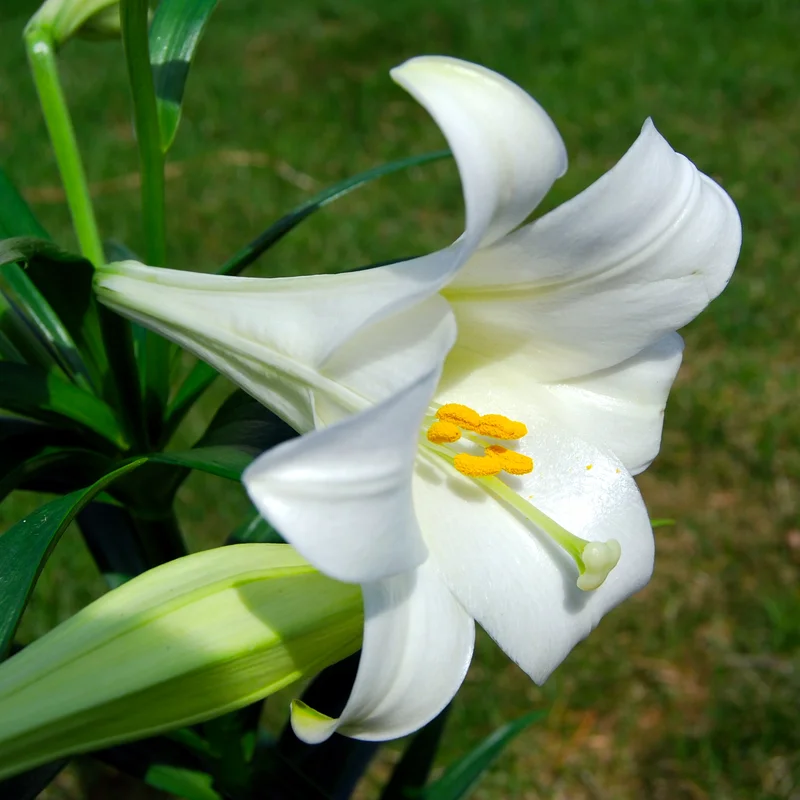
Flower detail of Lilium longiflorum, the Easter lily. Photo: Matt H. Wade (UpstateNYer) i Photo details
Lilium longiflorum (Easter Lily).JPG
License: CC BY-SA 3.0
Source white-balance adjustment by IdLoveOne. Resized and converted to WebP for display; botanical details unchanged.
This displayed image is shared under the same CC BY-SA 3.0 license.
Highly toxic to cats Lilium longiflorum
Bright indirect light
This guide covers Lilium longiflorum, the Easter lily explicitly named in FDA guidance about dangerous lilies and cats. The name lily is shared by different plants and does not establish that they have the same effects.
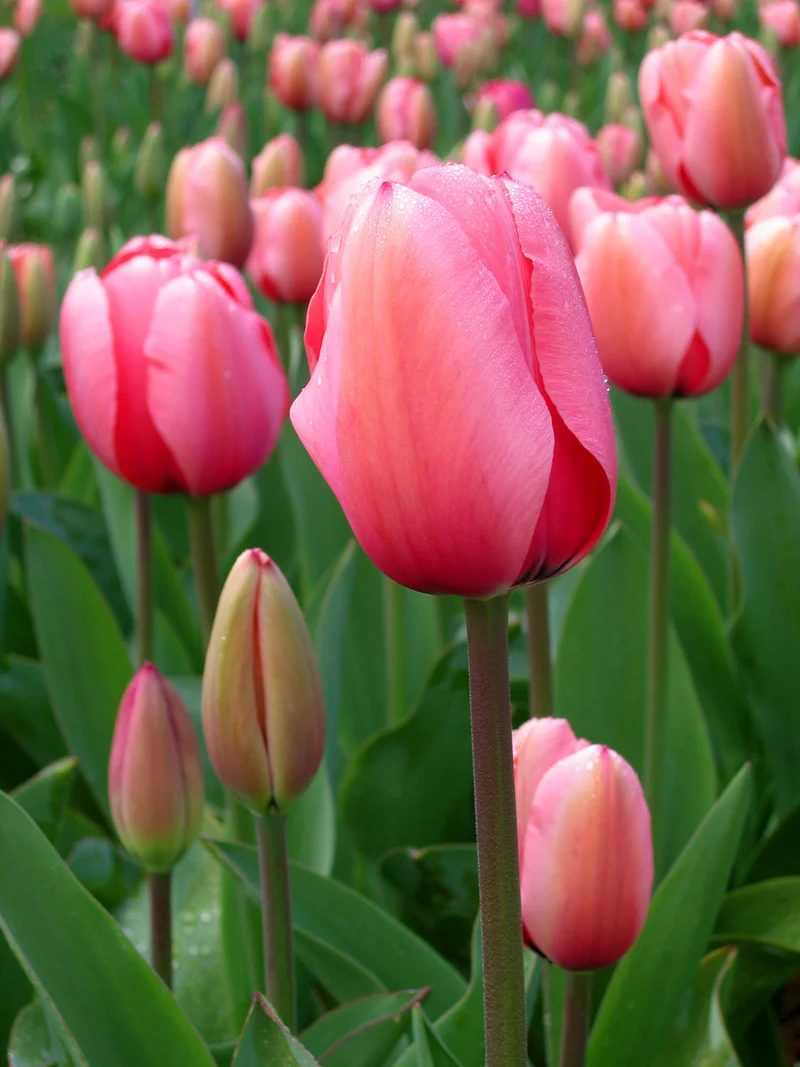
A pink garden tulip cultivar; the particular cultivar is not identified. Photo: John O'Neill i Photo details
Tulipa suaveolens floriade to Canberra.jpg
License: CC BY-SA 3.0
Source edited by Fir0002 for John O’Neill. Resized and converted to WebP for display; botanical details unchanged.
This displayed image is shared under the same CC BY-SA 3.0 license.
Toxic to cats Tulipa spp.
Sunny position
This is a genus-level guide to Tulipa spp., the group named in the cat-safety source. The assessment concerns the whole plant, including the bulbs, and does not provide a separate rating for individual species or cultivars.
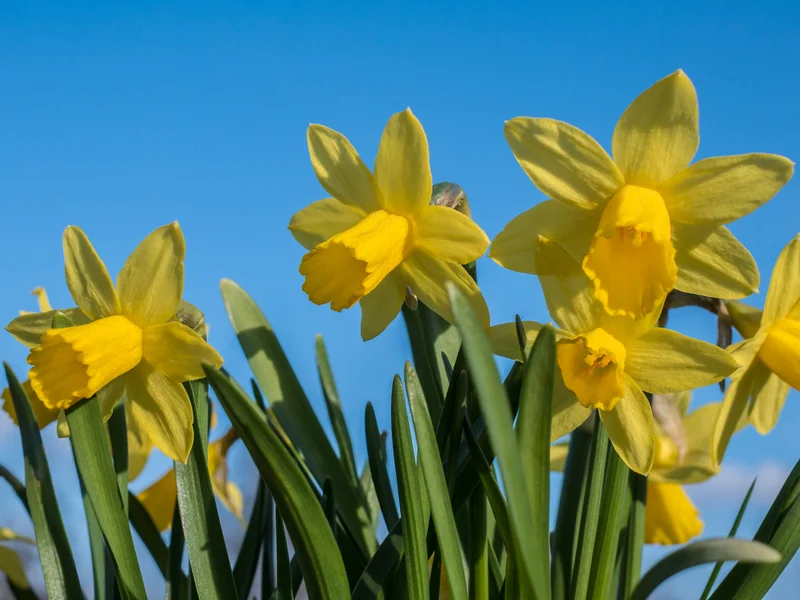
Daffodils (Narcissus), illustrating the genus covered by this guide. Photo: Uberprutser i Photo details
Narcissus flowers.jpg
License: CC BY-SA 3.0
Resized and converted to WebP for display; botanical details unchanged.
This displayed image is shared under the same CC BY-SA 3.0 license.
Toxic to cats Narcissus spp.
Sunny position or Some direct sun
This guide covers the Narcissus genus, including daffodils. It does not cover unrelated plants with similar flower names.
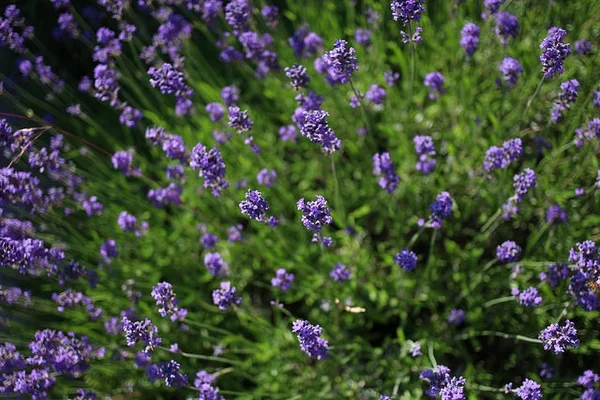
Flowers Photo: Mats Hagwell i Toxic to cats Lavandula angustifolia
Sunny position
This guide covers English lavender, not every plant sold as lavender or concentrated lavender products.
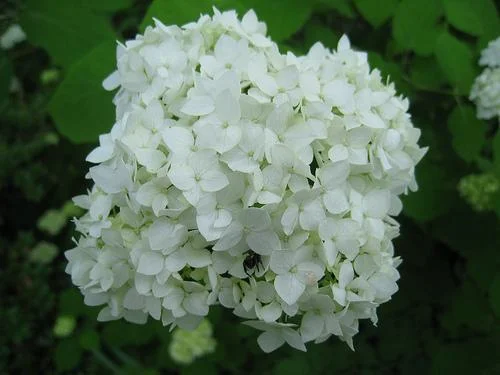
Hydrangea arborescens 'Annabelle' bloom Photo: Elsa Spezio i Toxic to cats Hydrangea arborescens
Some direct sun
This guide covers Hydrangea arborescens. It does not apply its pruning advice to every hydrangea.
Colorful red bracts Photo: Kathleen Moore i Toxic to cats Euphorbia pulcherrima
Some direct sun
This guide covers Euphorbia pulcherrima, including the pictured red-bracted plant.
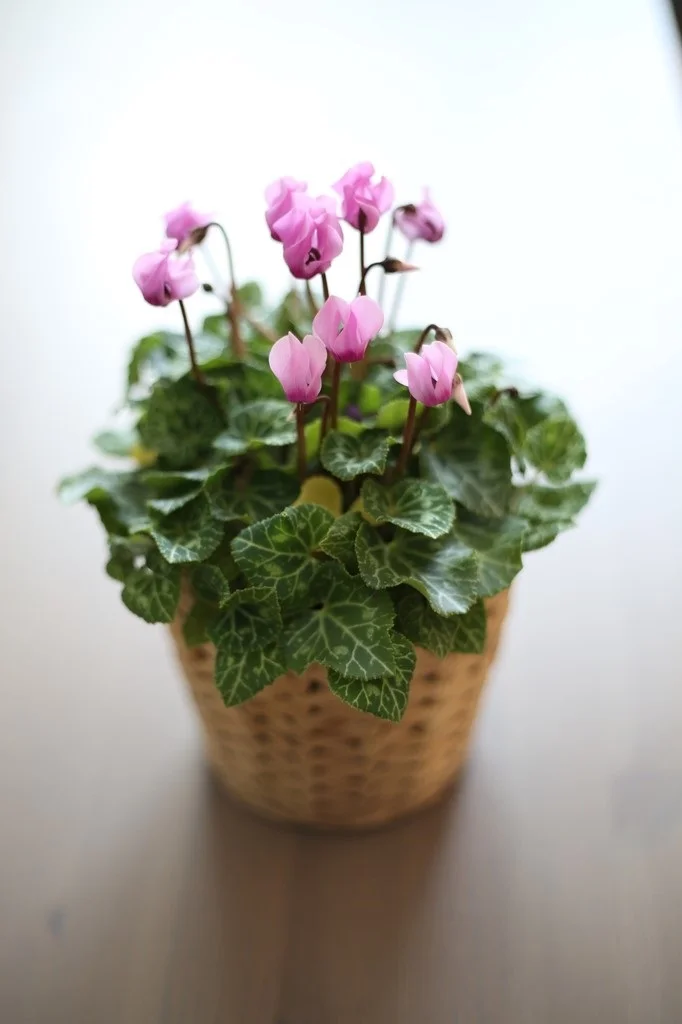
Plant in Pot (Cabarrus County,NC) Photo: Hope Duckworth i Toxic to cats Cyclamen persicum
Bright indirect light
This guide covers Cyclamen persicum. Its growing instructions are for florist's cyclamen, not every hardy garden cyclamen.
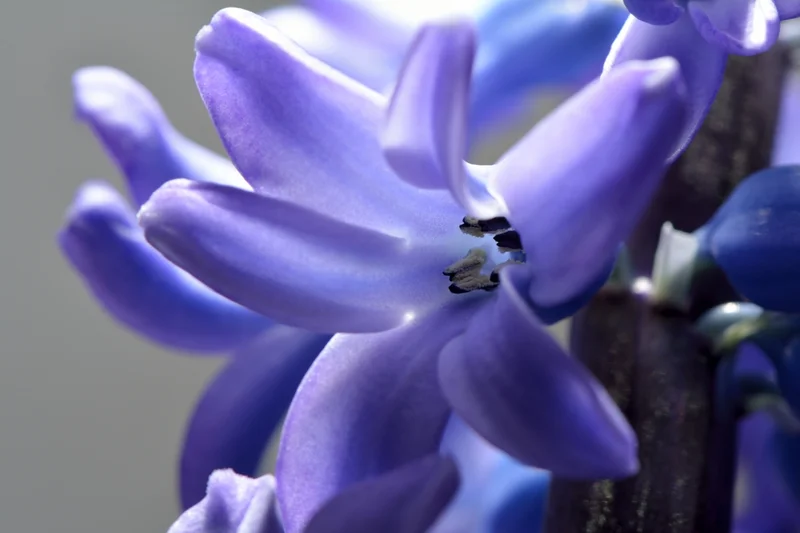
Flower Photo: Uoasi1 i Toxic to cats Hyacinthus orientalis
Sunny position or Some direct sun
Hyacinthus orientalis only; grape hyacinths are a different genus.
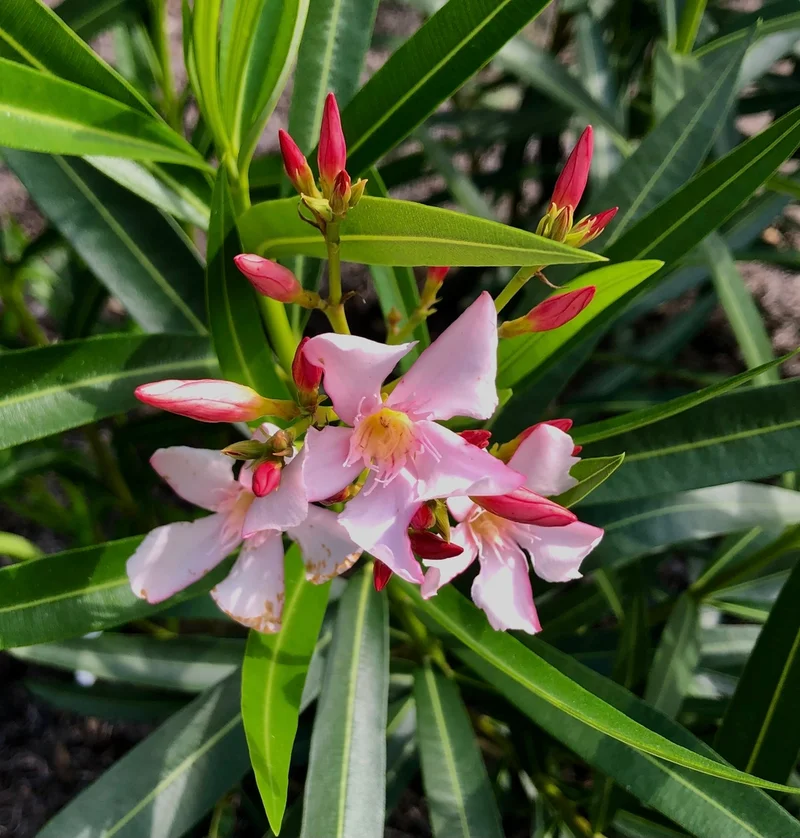
Nerium oleander 'Hardy Pink' Flowers. Sept. 15. Wake Co., NC Photo: Cathy DeWitt i Toxic to cats Nerium oleander
Sunny position or Some direct sun
Nerium oleander; the photograph shows the Hardy Pink cultivar within this species.
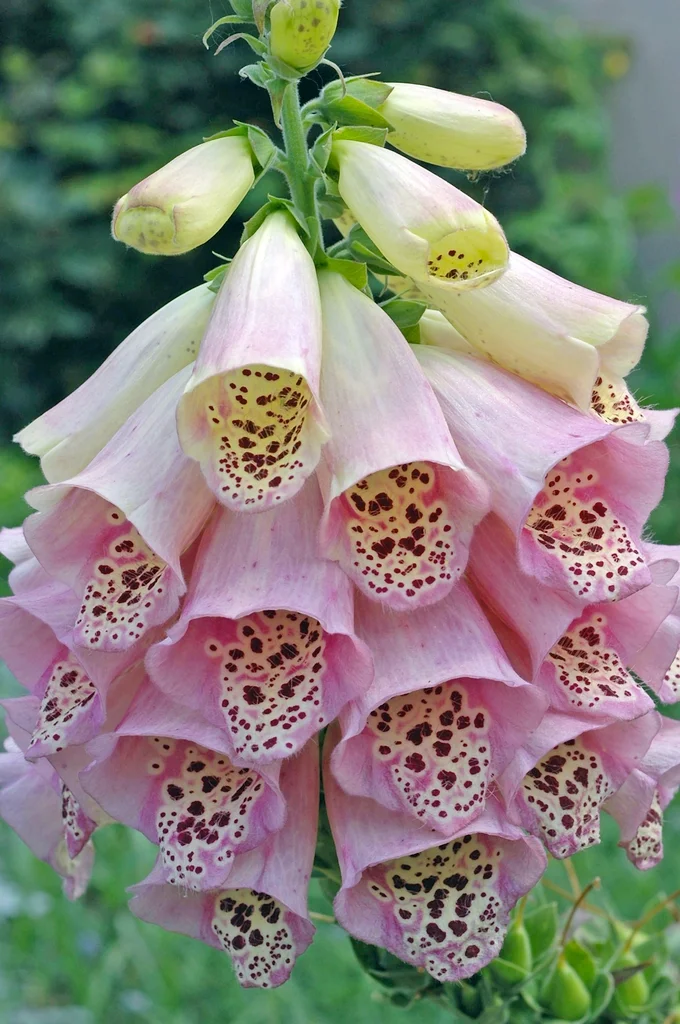
Digitalis purpurea Photo: Parent Gery i Toxic to cats Digitalis purpurea
Some direct sun
Digitalis purpurea only; do not assume every plant with foxglove in its name has this identity.
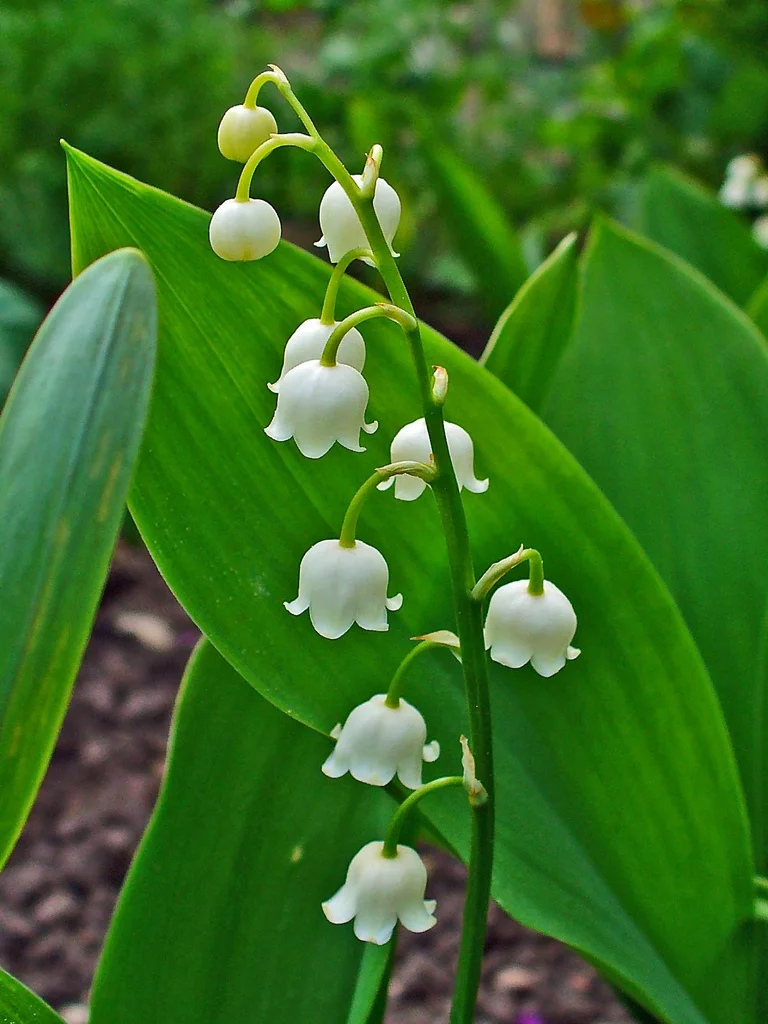
White bell-shaped flowers Photo: H Zell i Toxic to cats Convallaria majalis
Medium indirect light
Convallaria majalis, not a true Lilium lily. A shared common name does not imply the same poisoning mechanism.
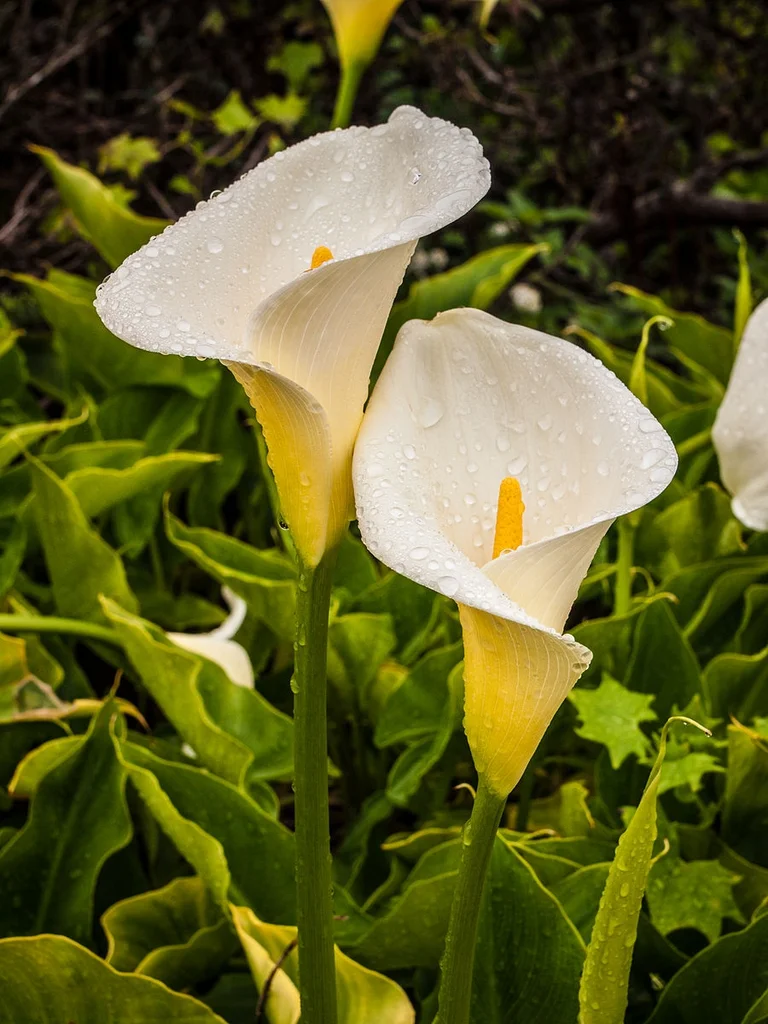
Zantedeschia aethiopica Photo: Franco Folini i Toxic to cats Zantedeschia aethiopica
Sunny position or Some direct sun
Zantedeschia aethiopica only. Calla lilies differ from true Lilium lilies; the mouth-irritation assessment must not be substituted for true-lily kidney-risk advice.
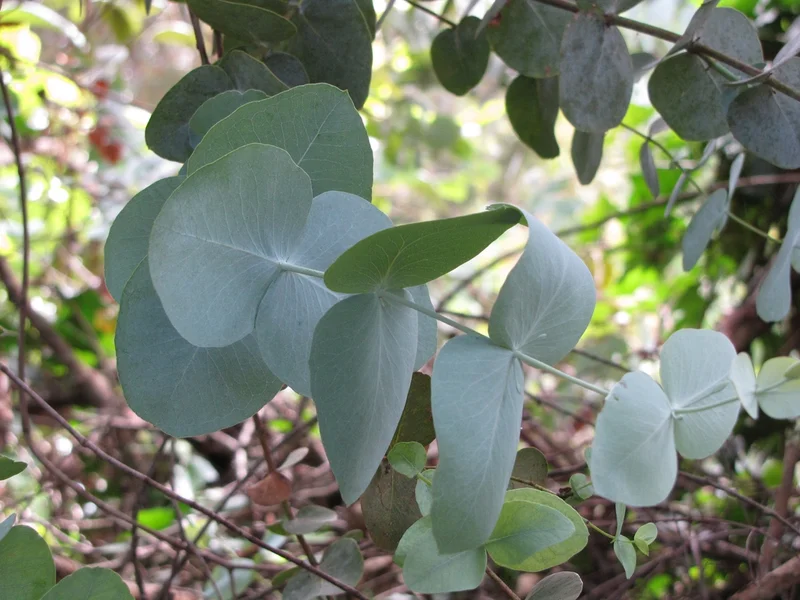
Leaves have opposite arrangement on the stem. Photo: Forest and Kim Starr i Toxic to cats Eucalyptus cinerea
Sunny position
Eucalyptus cinerea only; other plants called silver dollar and concentrated eucalyptus products are outside this plant guide.
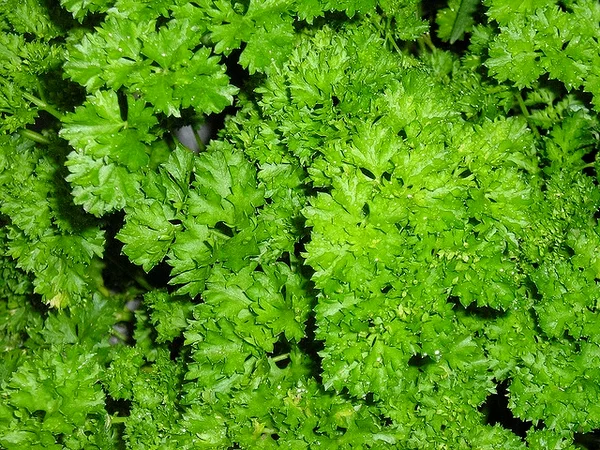
Petroselinum crispum Photo: Anna i Toxic to cats Petroselinum crispum
Sunny position or Some direct sun
Petroselinum crispum; this is plant-safety information, not a feeding recommendation.
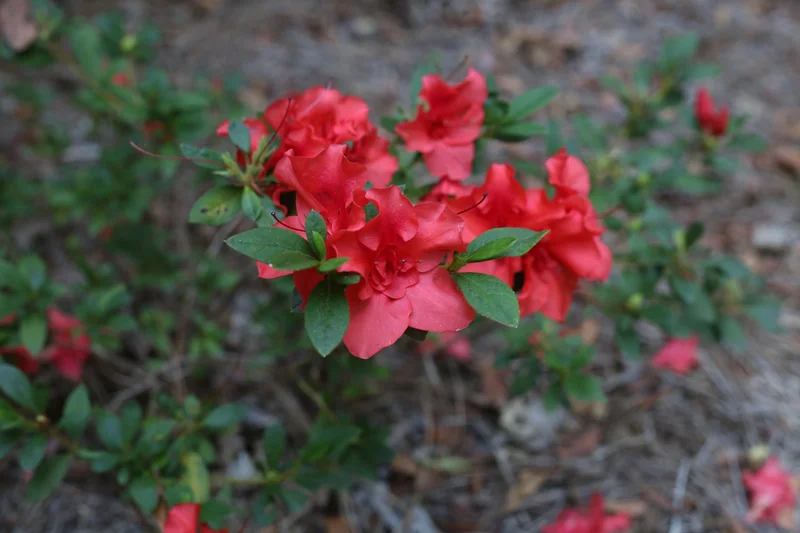
Rhododendron. Cabarrus County, NC Photo: Hope Duckworth i Toxic to cats Rhododendron spp
Medium indirect light
A genus-level guide, not a species or cultivar identification. Growing requirements vary; the photograph is one example from the genus.
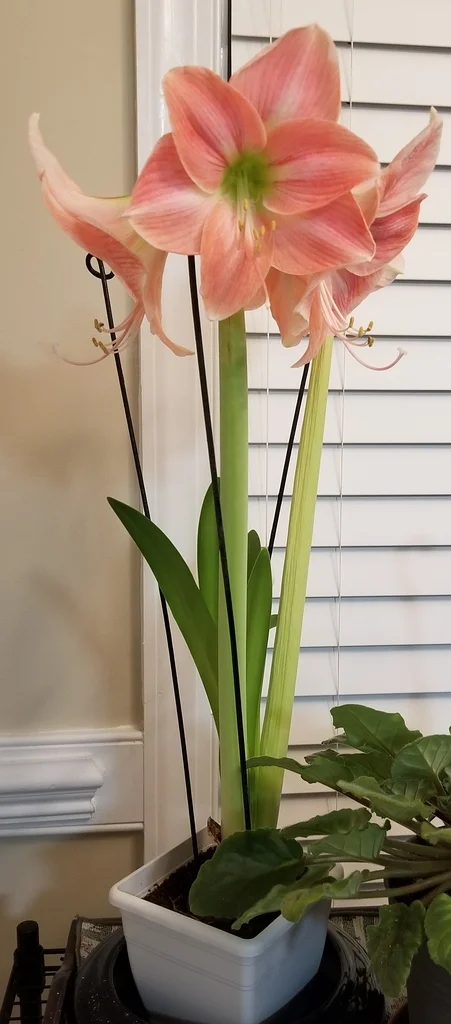
Hippeastrum 'Vera,' Amaryllis, houseplant view Photo: Cindy Christian i Toxic to cats Hippeastrum spp.
Sunny position or Some direct sun
Hippeastrum species and garden hybrids, including the pictured Vera cultivar. This is not an Amaryllis belladonna or true-lily guide.
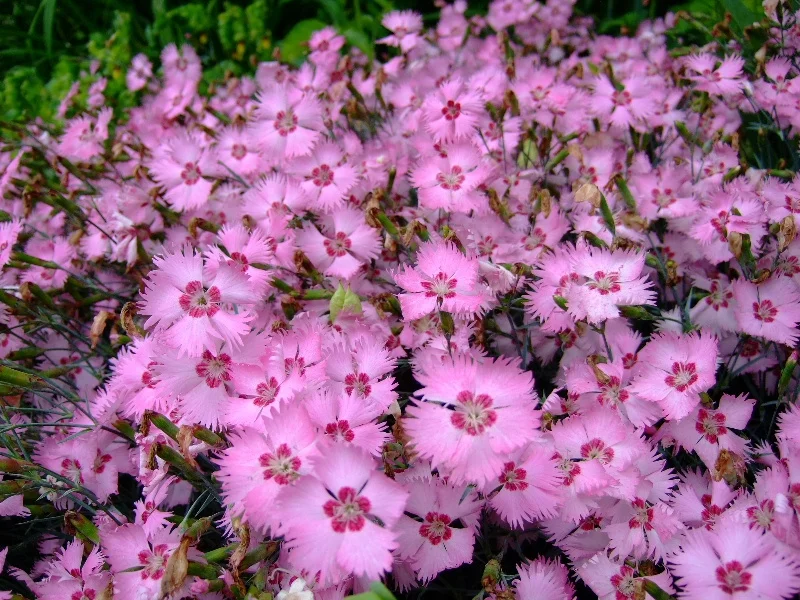
Mature plants in bloom Photo: Yewchan i Toxic to cats Dianthus caryophyllus
Sunny position or Some direct sun
Dianthus caryophyllus only; do not extend this assessment to every plant sold as pinks or sweet William.
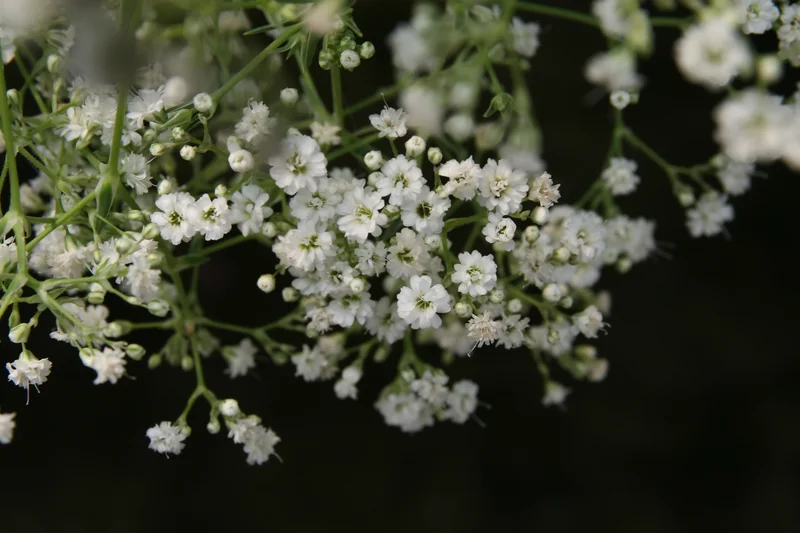
Gypsophila paniculata 'Festival Star' Photo: Photo by David J. Stang i Toxic to cats Gypsophila paniculata
Sunny position
Gypsophila paniculata, including the pictured Festival Star cultivar. Annual baby's breath, Gypsophila elegans, is a different species.
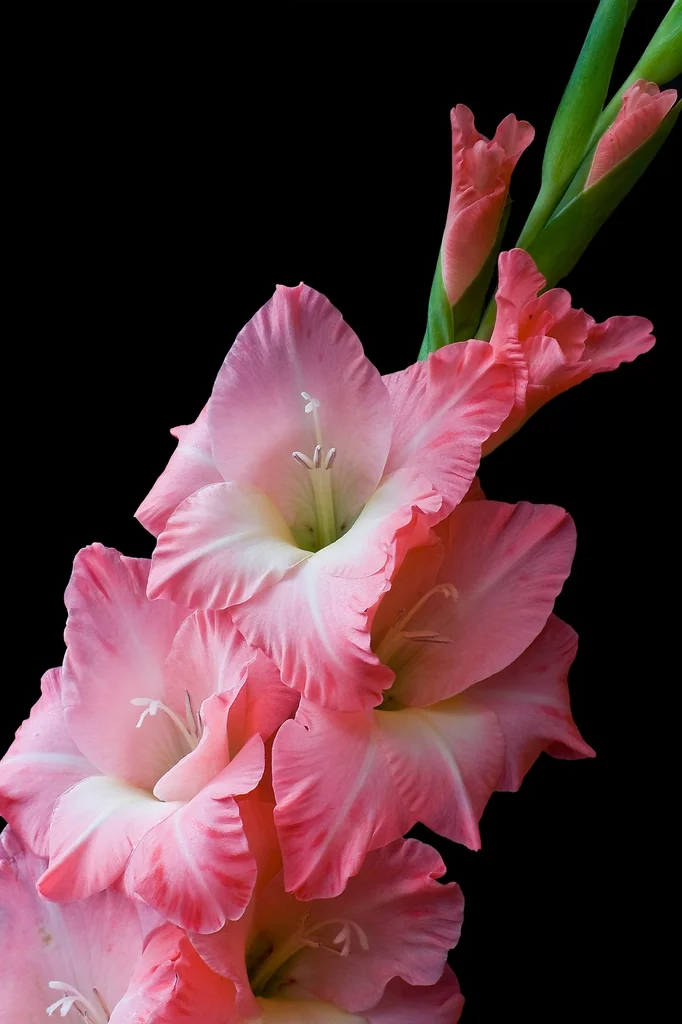
Flower Photo: Twdragon i Toxic to cats Gladiolus spp.
Sunny position
Gladiolus species and garden forms; the name sword lily does not make this a true Lilium lily.
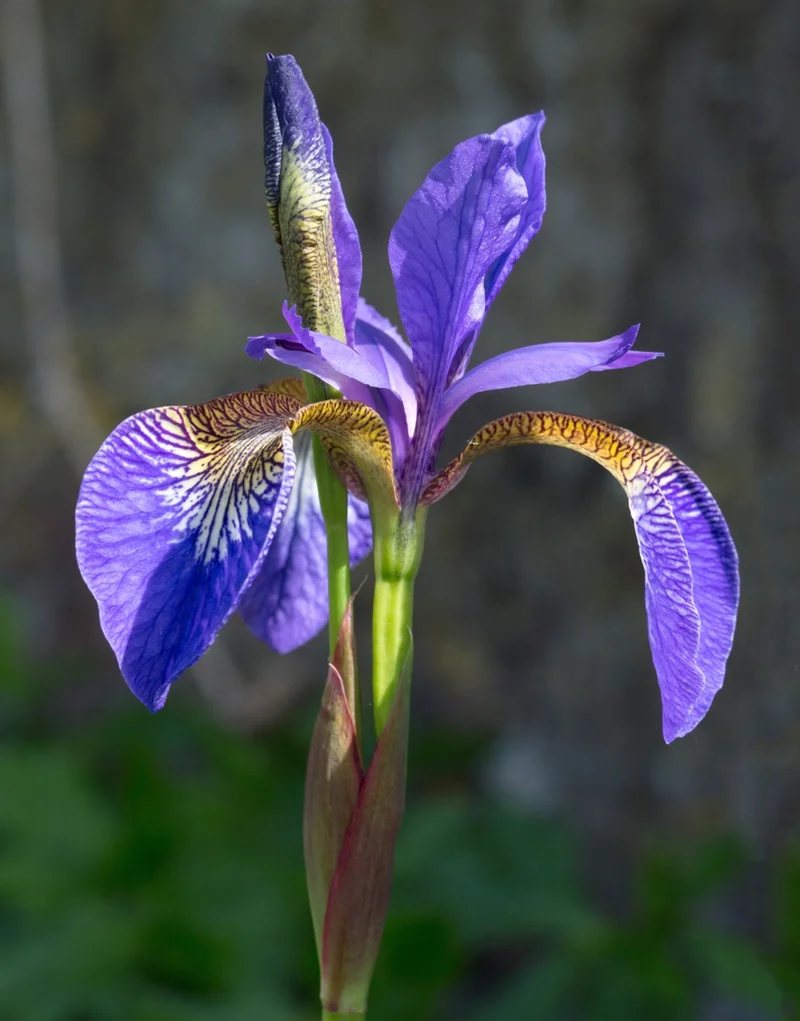
Iris sibirica flower Photo: DAVID ILIFF i Toxic to cats Iris spp.
Light varies by type
Iris species; the photograph illustrates Siberian iris within the genus. Unrelated plants with iris in their common name are outside scope.
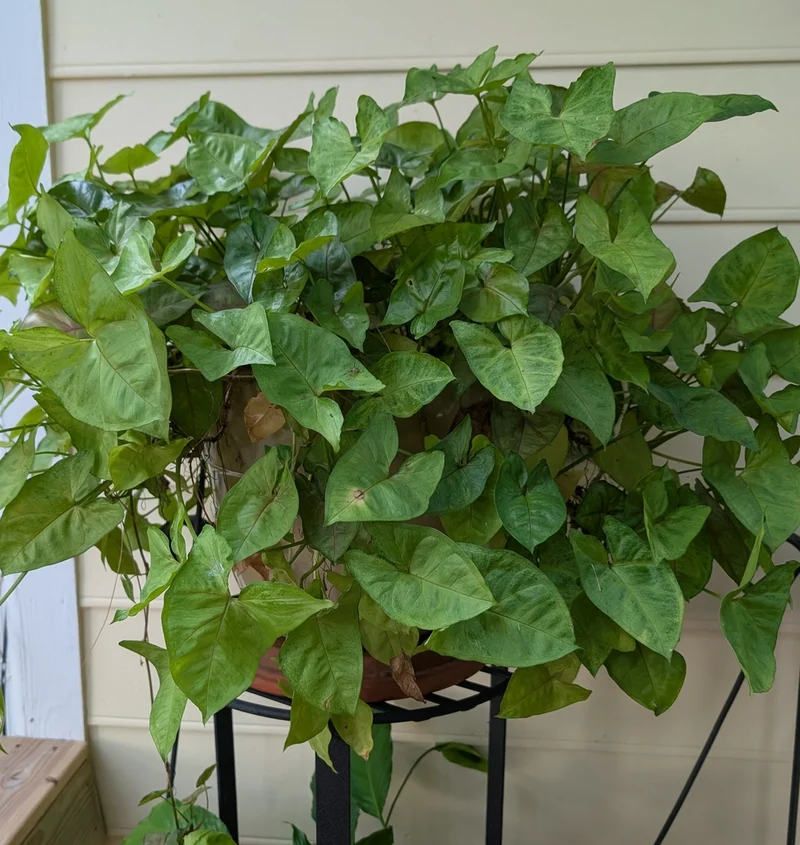
Syngonium podophyllum (Arrowhead Vine) houseplant view Photo: Dell Enecks (Pitt County) i Toxic to cats Syngonium podophyllum
Bright indirect light
Syngonium podophyllum only; juvenile arrowhead leaves change shape as the plant matures.
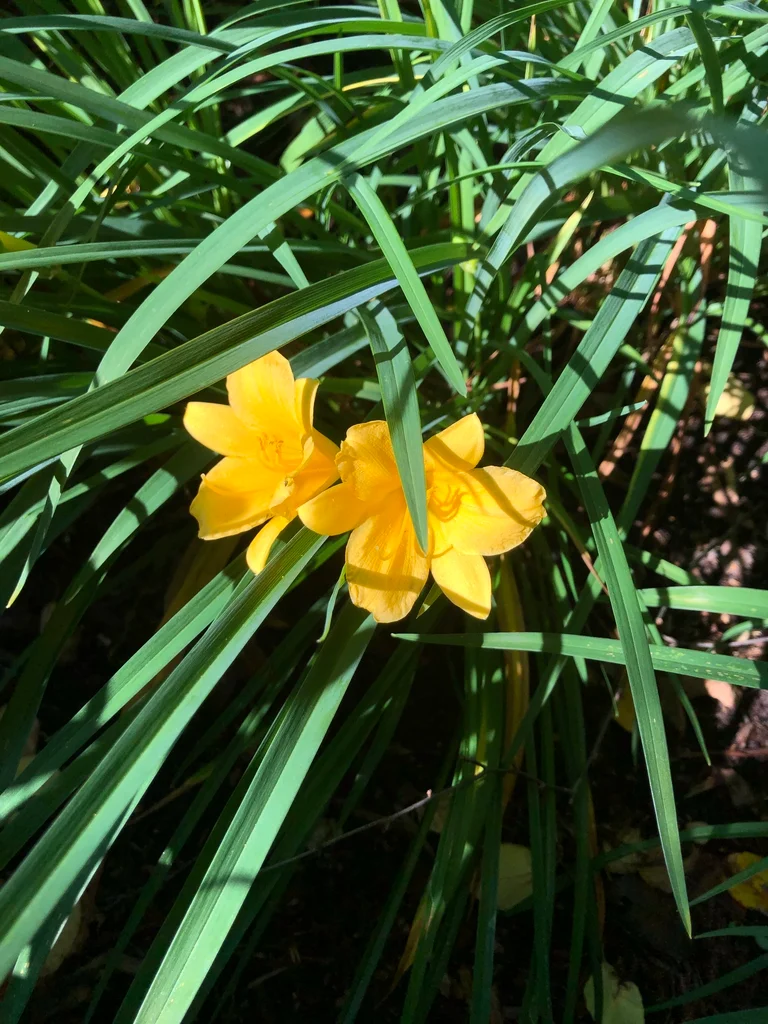
Flower and Leaves (Wake County, NC) Photo: Cathy Dewitt i Toxic to cats Hemerocallis spp.
Sunny position or Some direct sun
Hemerocallis species and garden daylilies. They are botanically different from Lilium but also pose a serious kidney risk. Peace, calla and Peruvian lilies need their own guides.
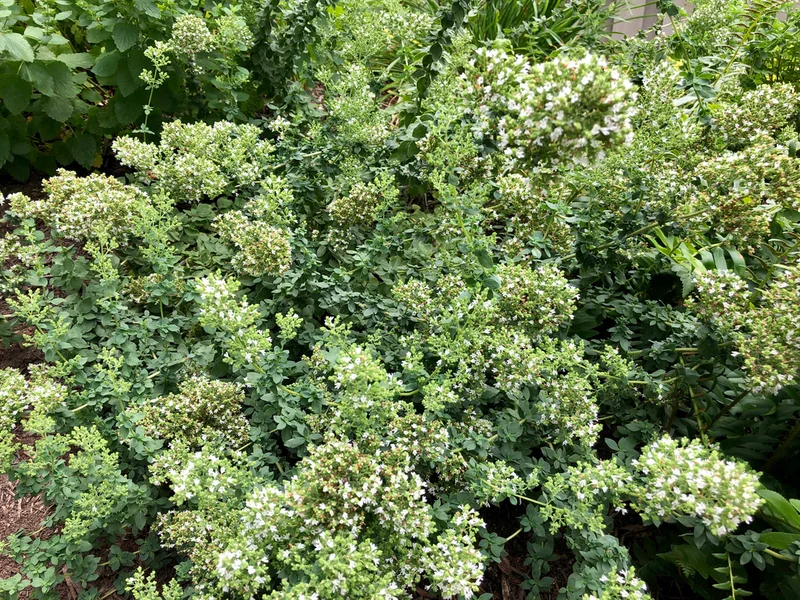
Full Form (Haywood County,NC)-Mid Summer Photo: Marcia Boyle i Toxic to cats Origanum vulgare subsp. hirtum
Sunny position or Some direct sun
Origanum vulgare subsp. hirtum only. Confirm the botanical identity; a photograph alone cannot establish plant identity.
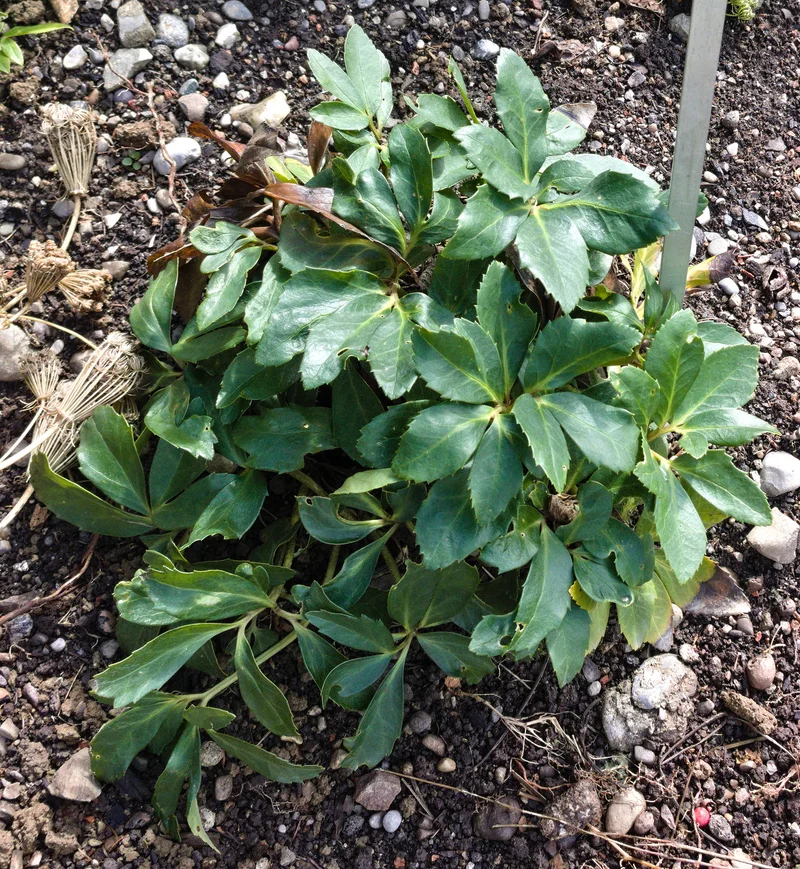
Helleborus niger Photo: Tiia Monto i Toxic to cats Helleborus niger
Light varies by type
Helleborus niger only. Confirm the botanical identity; a photograph alone cannot establish plant identity.
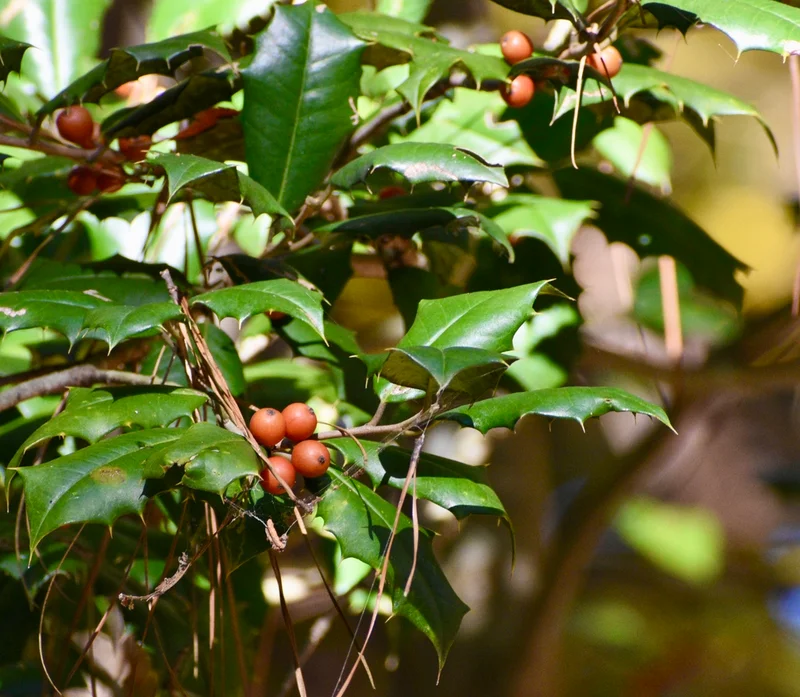
Leaves & Berries - November - Warren Co., NC Photo: Cathy DeWitt i Toxic to cats Ilex opaca
Sunny position or Some direct sun
Ilex opaca only. Confirm the botanical identity; a photograph alone cannot establish plant identity.
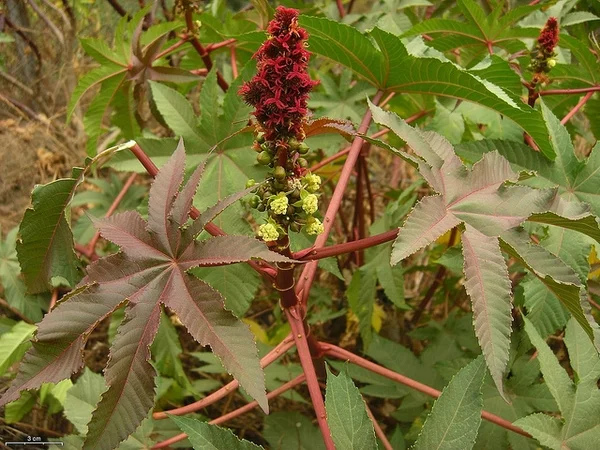
Ricinus communis Photo: Jason Hollinger i Toxic to cats Ricinus communis
Sunny position
Ricinus communis only. Confirm the botanical identity; a photograph alone cannot establish plant identity.
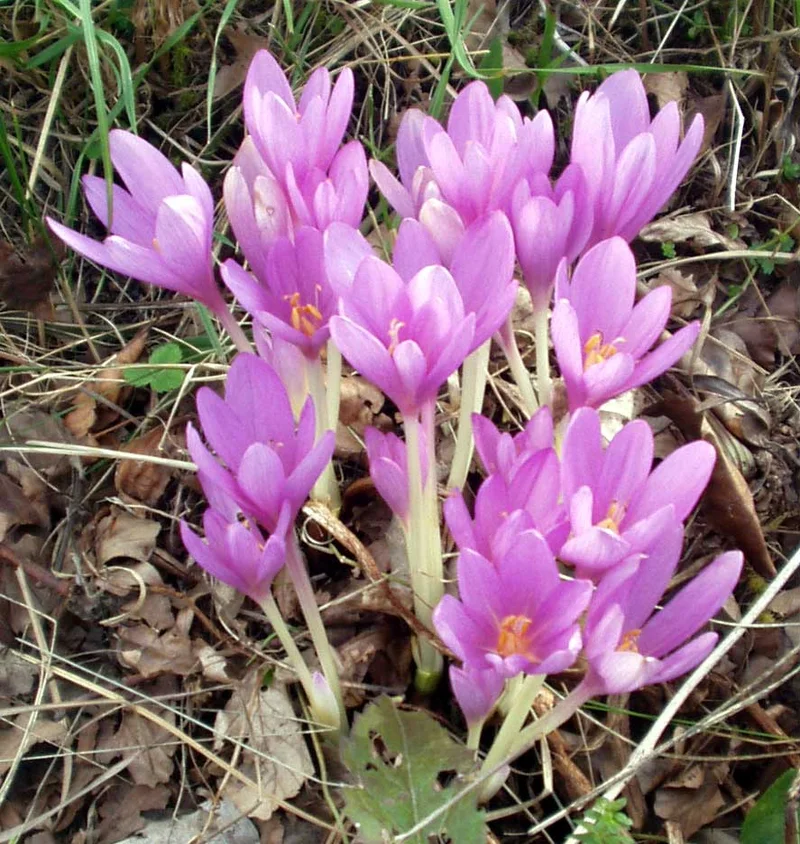
Colchicum autumnale Photo: Chris Dixon (Stemonitis) i Toxic to cats Colchicum autumnale
Sunny position or Some direct sun
Colchicum autumnale only. Confirm the botanical identity; a photograph alone cannot establish plant identity.
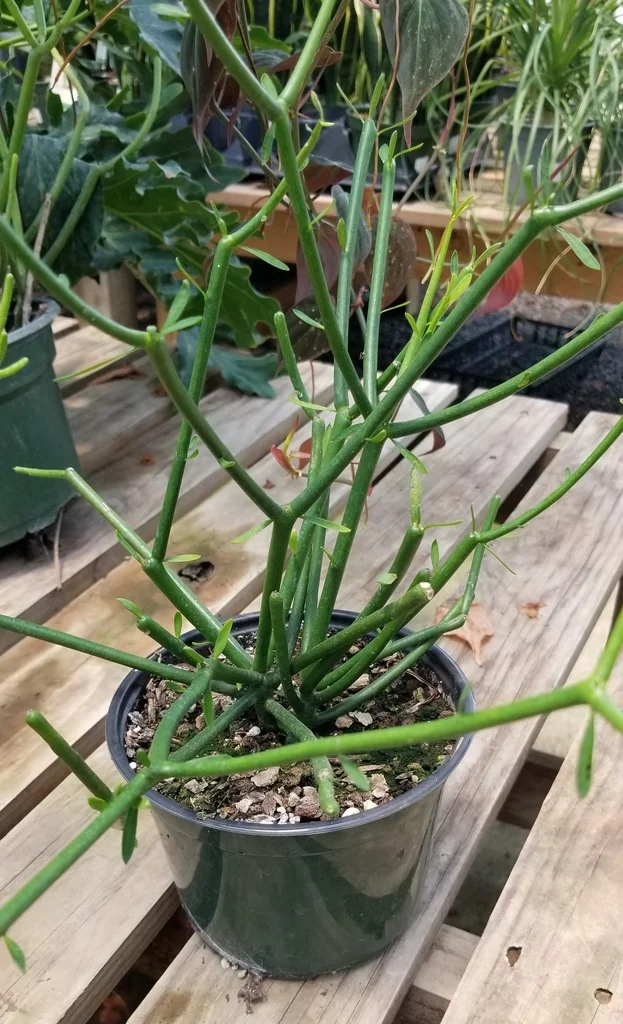
Euphorbia tirucalli or pencil tree, houseplant Photo: Cindy Christian i Toxic to cats Euphorbia tirucalli
Sunny position
Euphorbia tirucalli only. Confirm the botanical identity; a photograph alone cannot establish plant identity.
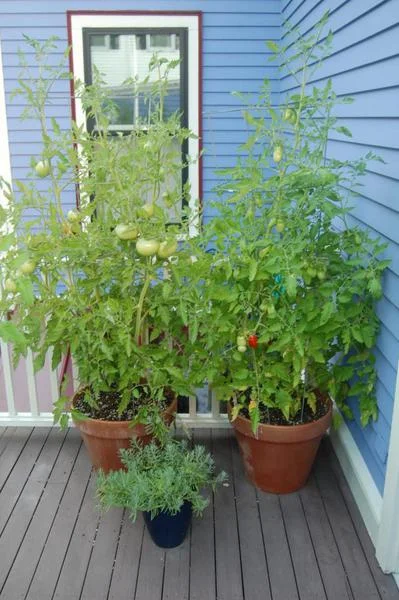
Solanum lycopersicum grown in porous terracotta pots on a porch. Photo: Sharon_K i Toxic to cats Solanum lycopersicum
Sunny position
Solanum lycopersicum only. Check the botanical name; a photograph alone cannot establish identity.
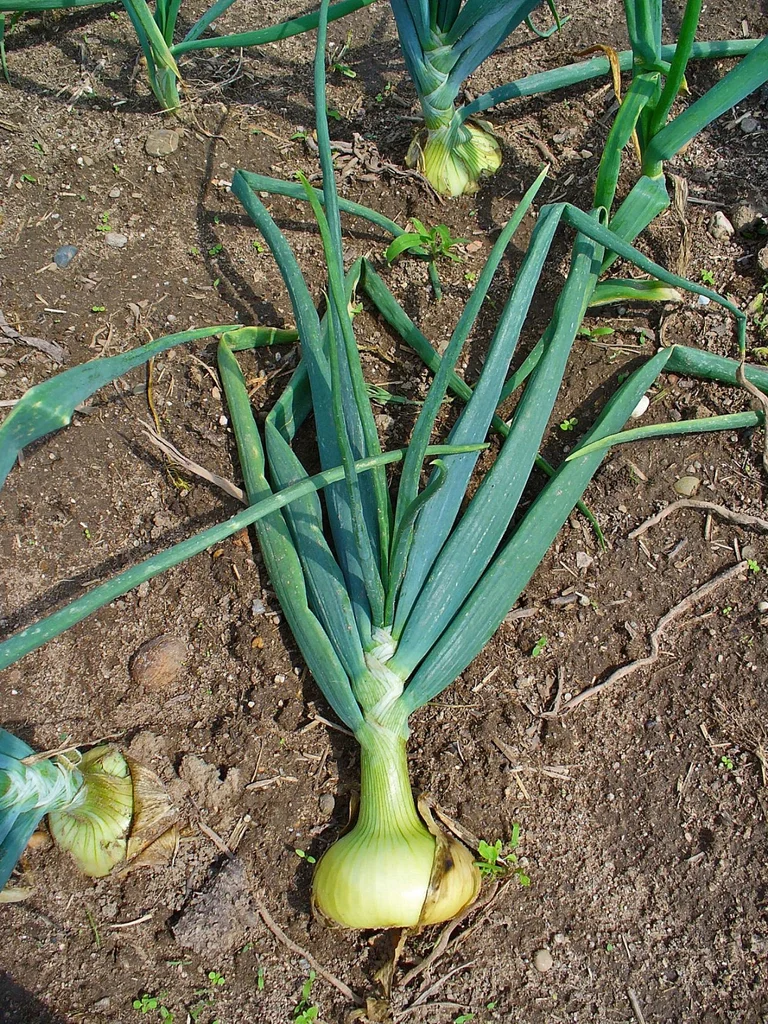
form Photo: H. Zell i Photo details
Allium cepa — form
License: CC BY-SA 3.0
Resized and converted to WebP for display; botanical details unchanged.
This displayed image is shared under the same CC BY-SA 3.0 license.
Toxic to cats Allium cepa
Sunny position
Allium cepa only. Check the botanical name; a photograph alone cannot establish identity.
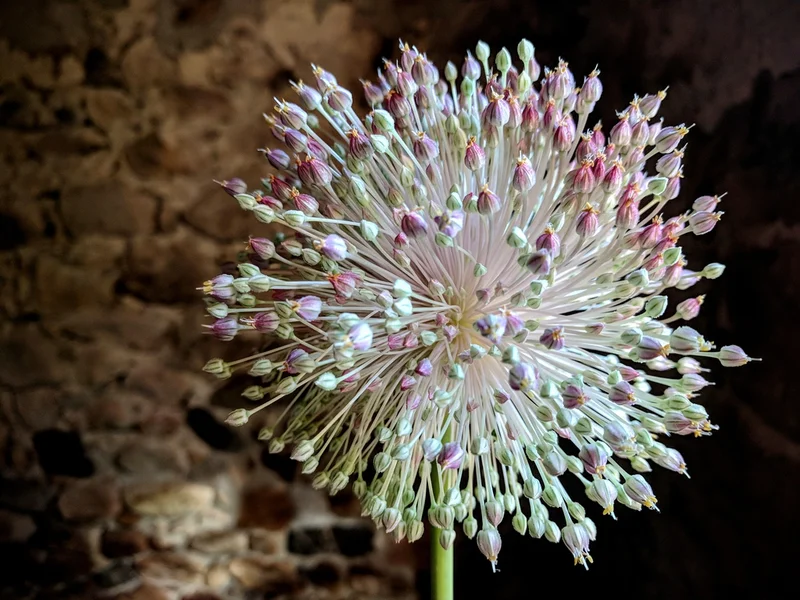
flowering garlic Photo: Neil Cummings i Toxic to cats Allium sativum
Sunny position
Allium sativum only. Check the botanical name; a photograph alone cannot establish identity.
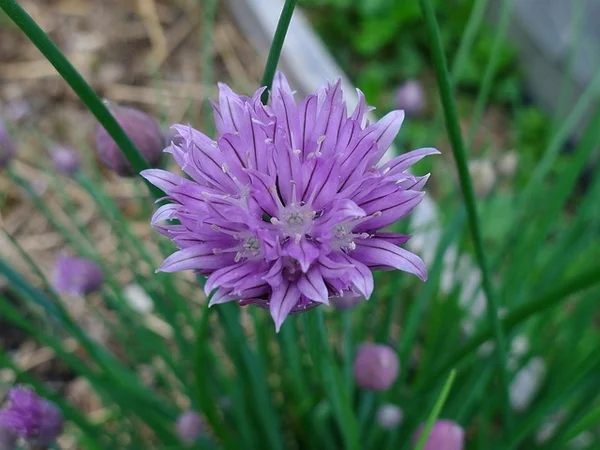
Flowers Photo: Chipmunk_1 i Photo details
Allium schoenoprasum — Flowers
License: CC BY-SA 2.0
Resized and converted to WebP for display; botanical details unchanged.
This displayed image is shared under the same CC BY-SA 2.0 license.
Toxic to cats Allium schoenoprasum
Sunny position or Some direct sun
Allium schoenoprasum only. Check the botanical name; a photograph alone cannot establish identity.
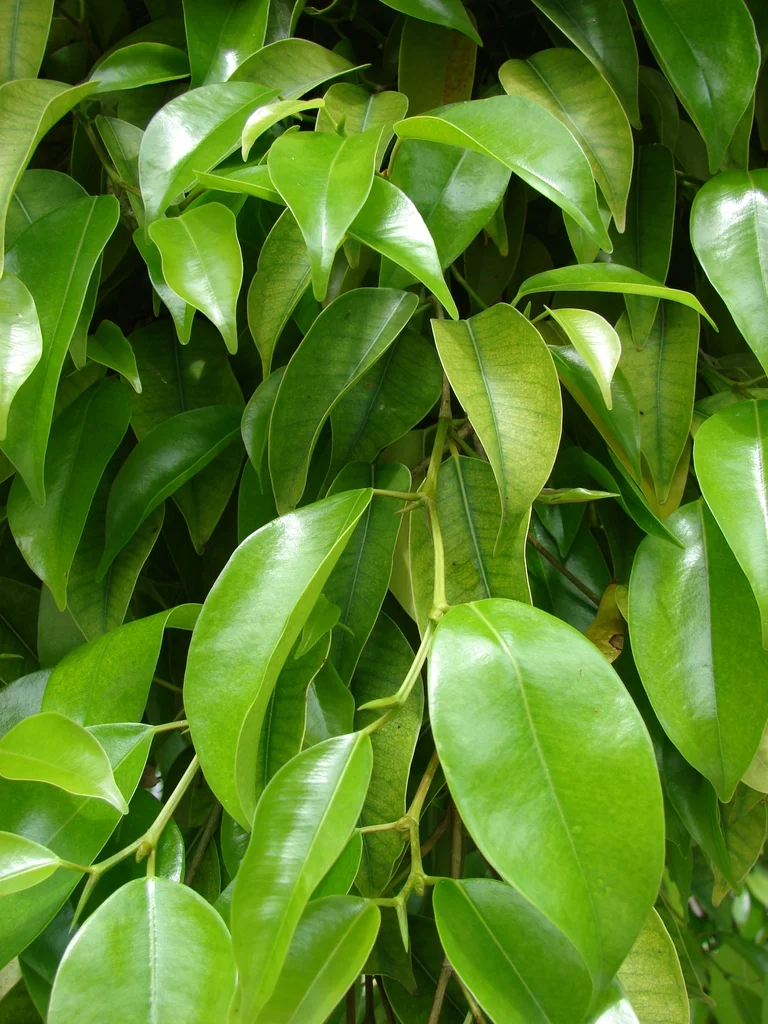
Leaves Photo: Forest and Kim Starr i Toxic to cats Ficus benjamina
Bright indirect light
Ficus benjamina only. Check the botanical name; a photograph alone cannot establish identity.
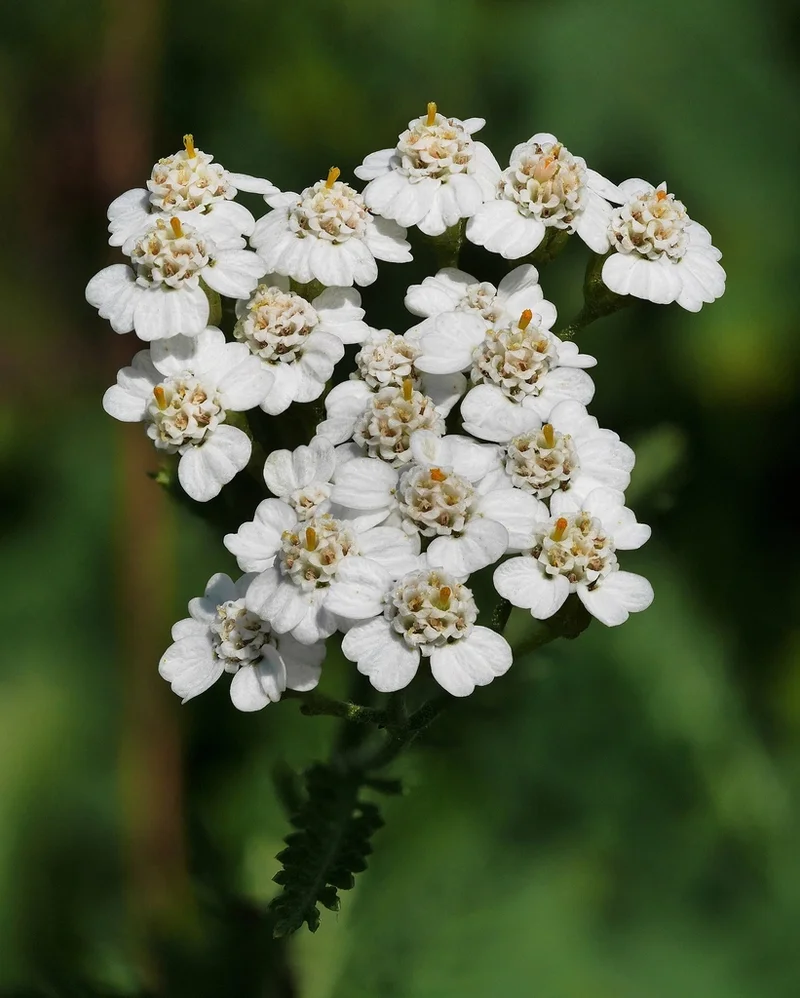
Flowers of the species Photo: Petar Milošević i Toxic to cats Achillea millefolium
Sunny position
Achillea millefolium only. Check the botanical name; a photograph alone cannot establish identity.
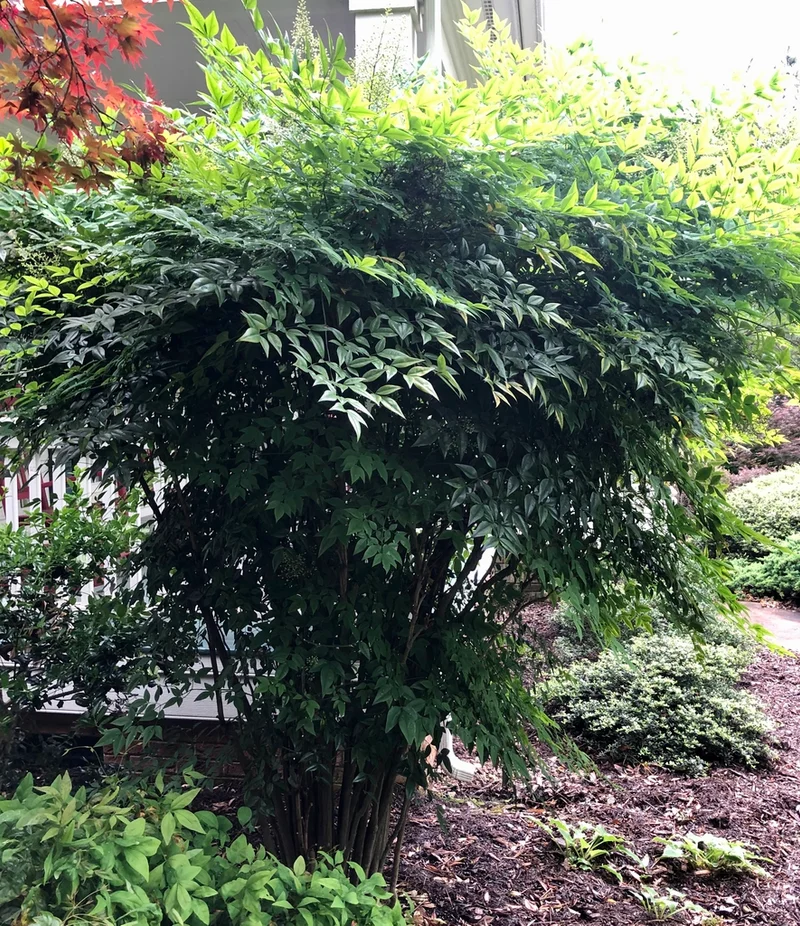
Full Form (Wake County,NC) Photo: Cathy Dewitt i Toxic to cats Nandina domestica
Sunny position or Some direct sun
Nandina domestica only. Check the botanical name; a photograph alone cannot establish identity.
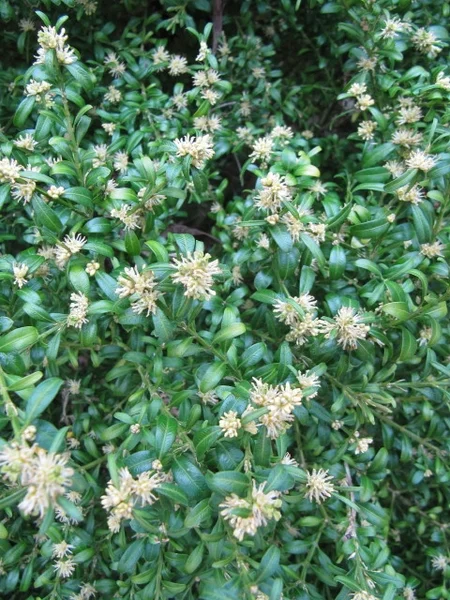
Whole plant Photo: Leonora_Enking i Photo details
Buxus sempervirens — Whole plant
License: CC BY-SA 2.0
Resized and converted to WebP for display; botanical details unchanged.
This displayed image is shared under the same CC BY-SA 2.0 license.
Toxic to cats Buxus sempervirens
Sunny position or Some direct sun
Buxus sempervirens only. Check the botanical name; a photograph alone cannot establish identity.
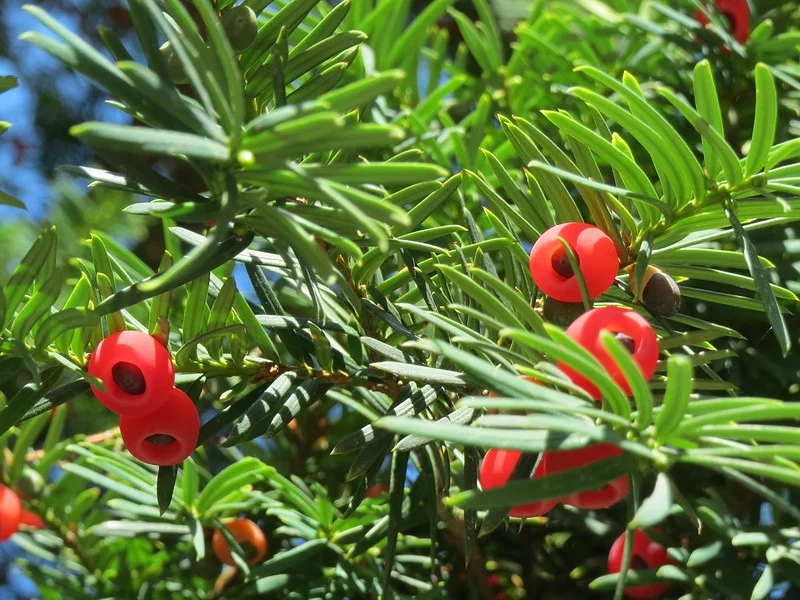
Taxus baccata female cones Photo: Andreas Rockstein i Toxic to cats Taxus baccata
Sunny position or Some direct sun
Taxus baccata only. Check the botanical name; a photograph alone cannot establish identity.
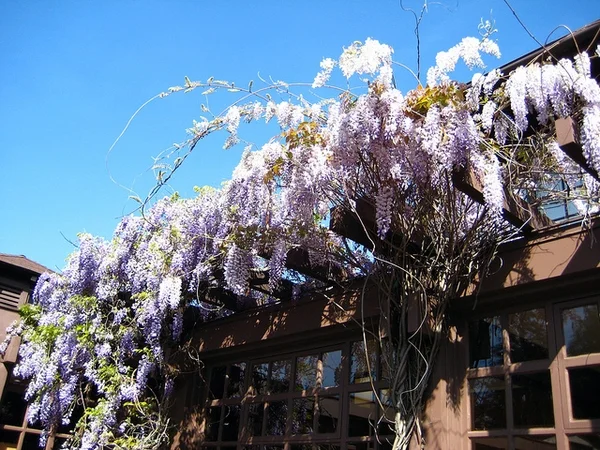
Flowers Photo: Photo by Bri Weldon i Toxic to cats Wisteria sinensis
Sunny position or Some direct sun
Wisteria sinensis only. Check the botanical name; a photo cannot establish the identity of your plant.
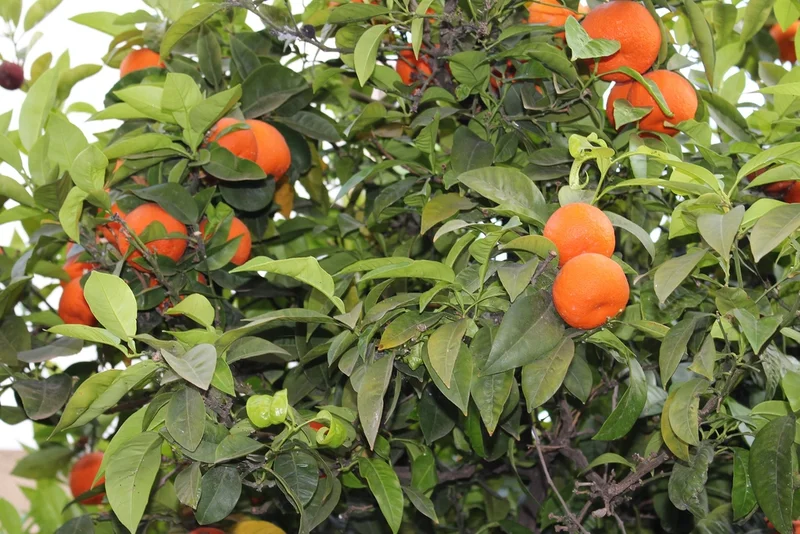
Leaves and fruits Photo: Emőke Dénes i Toxic to cats Citrus × sinensis
Sunny position
Citrus × sinensis only. Check the botanical name; a photo cannot establish the identity of your plant.
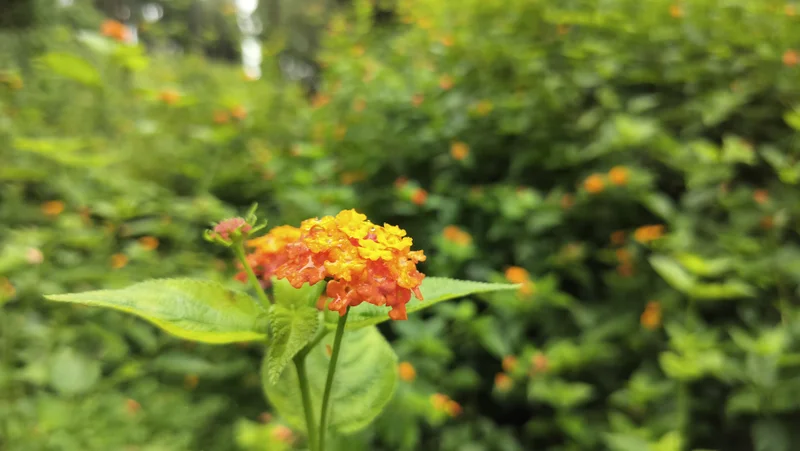
Lantana camara flowers Photo: Srinivasan Kasinathan i Toxic to cats Lantana camara
Sunny position
Lantana camara only. Confirm the botanical label; a photograph cannot identify a visitor’s specimen.
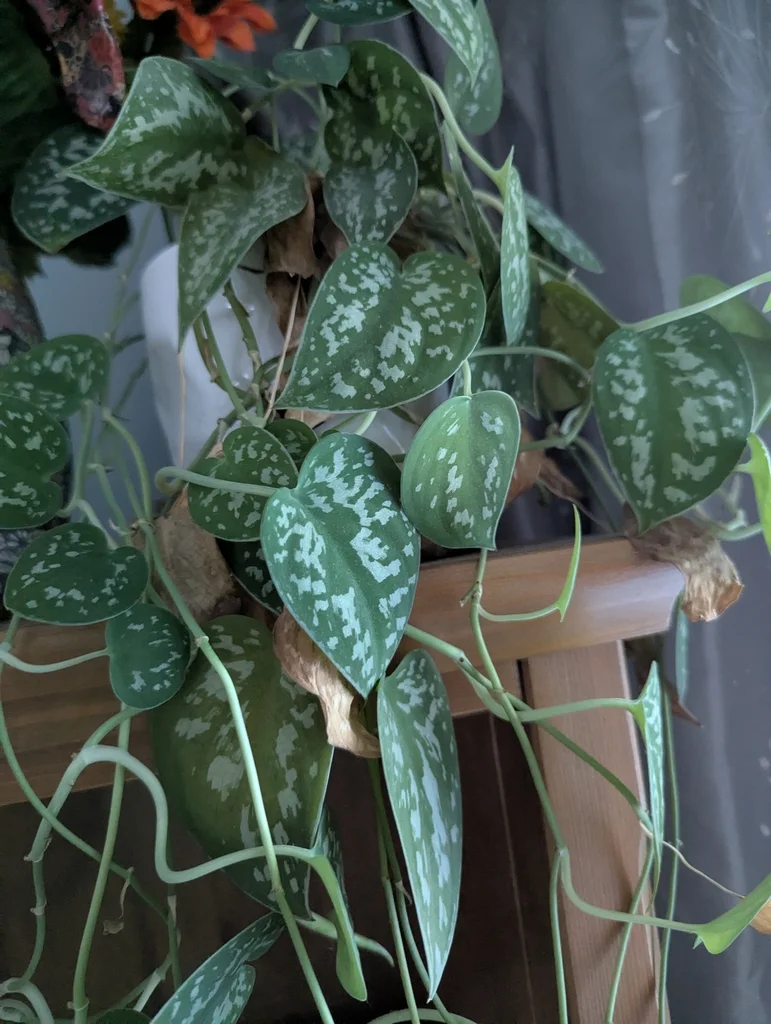
Mature plant form grown as trailing houseplant Photo: Hope Duckworth i Toxic to cats Scindapsus pictus
Bright indirect light
Scindapsus pictus only. Confirm the botanical label; a photograph cannot identify a visitor’s specimen.
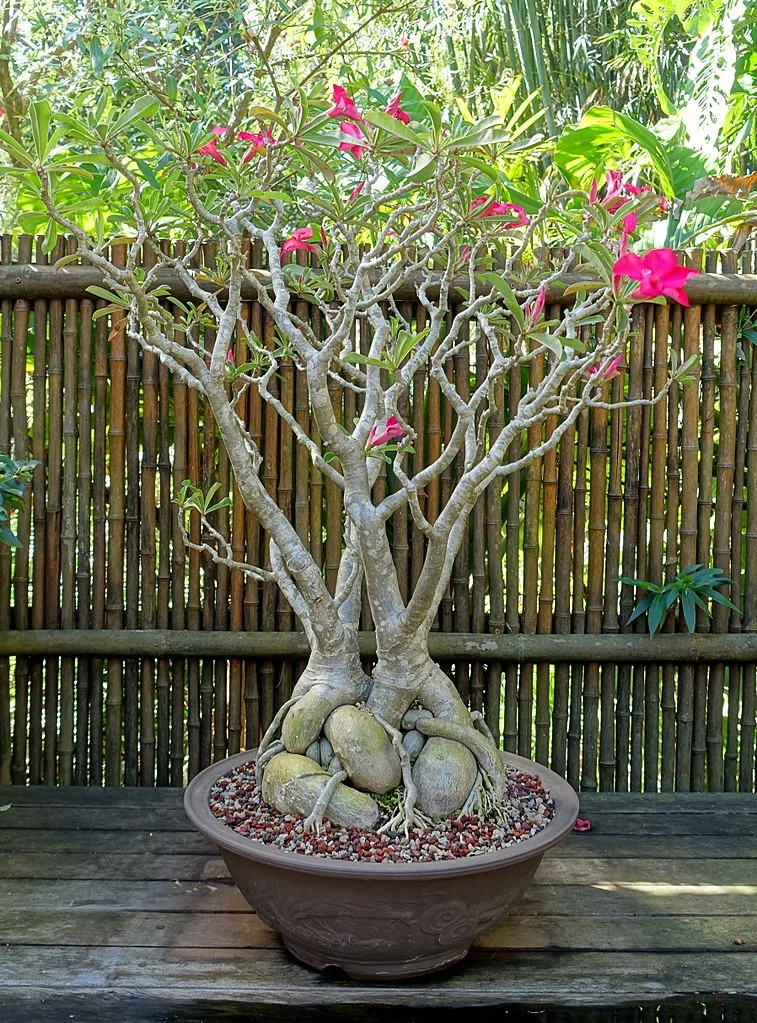
Form in a pot Photo: Daderot i Toxic to cats Adenium obesum
Sunny position
Adenium obesum only. Confirm the botanical label; a photograph cannot identify a visitor’s specimen.
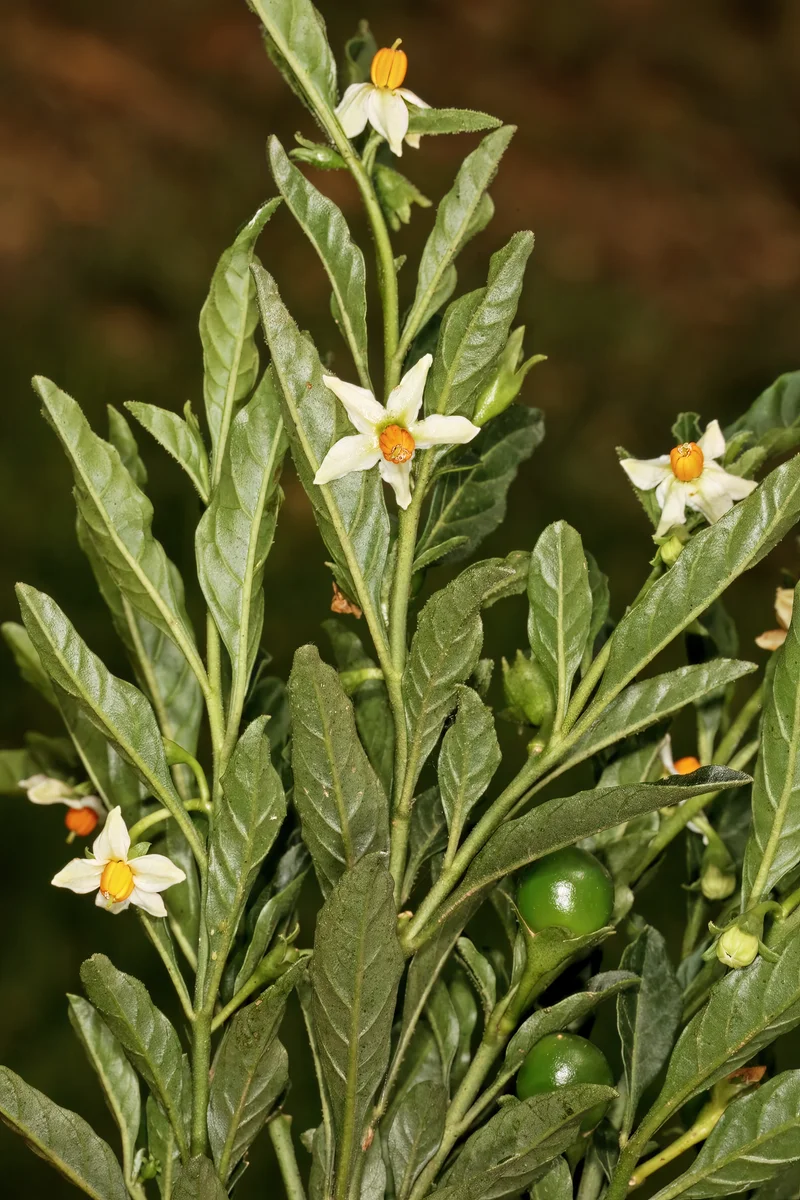
Solanum pseudocapsicum, flowers and developing fruit; naturalised alien, vicinity of Nottingham Road, KwaZulu-Natal, South Africa Photo: SAplants i Toxic to cats Solanum pseudocapsicum
Sunny position
Solanum pseudocapsicum only. Confirm the botanical label; a photograph cannot identify a visitor’s specimen.
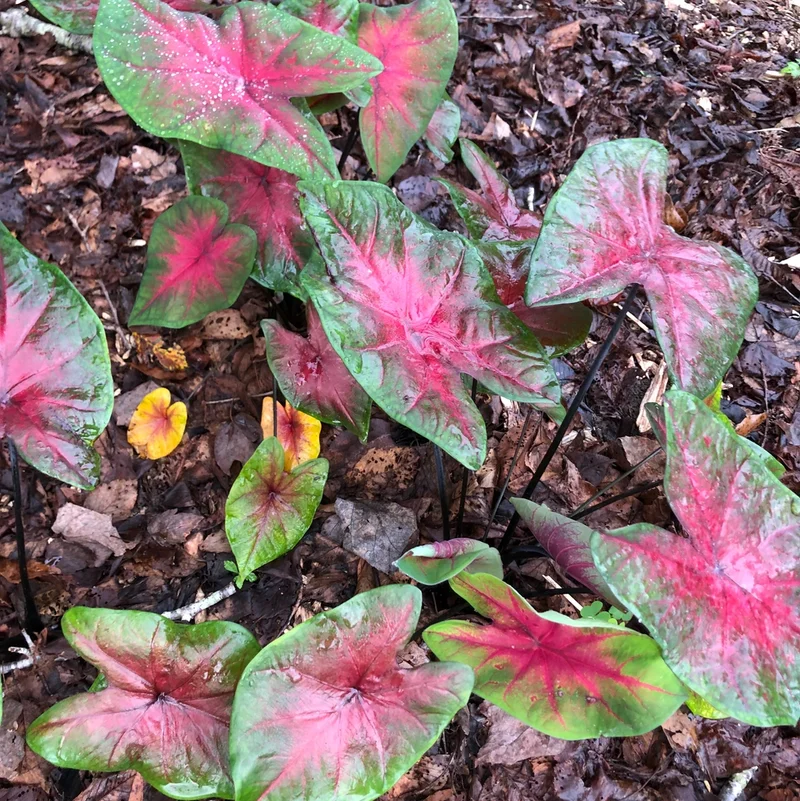
Caladium bicolor — source-identified plant photograph. Photo: Cathy Dewitt i Toxic to cats Caladium bicolor
Light varies by type
Caladium bicolor only. Confirm the botanical label; a photograph cannot identify a visitor’s specimen.
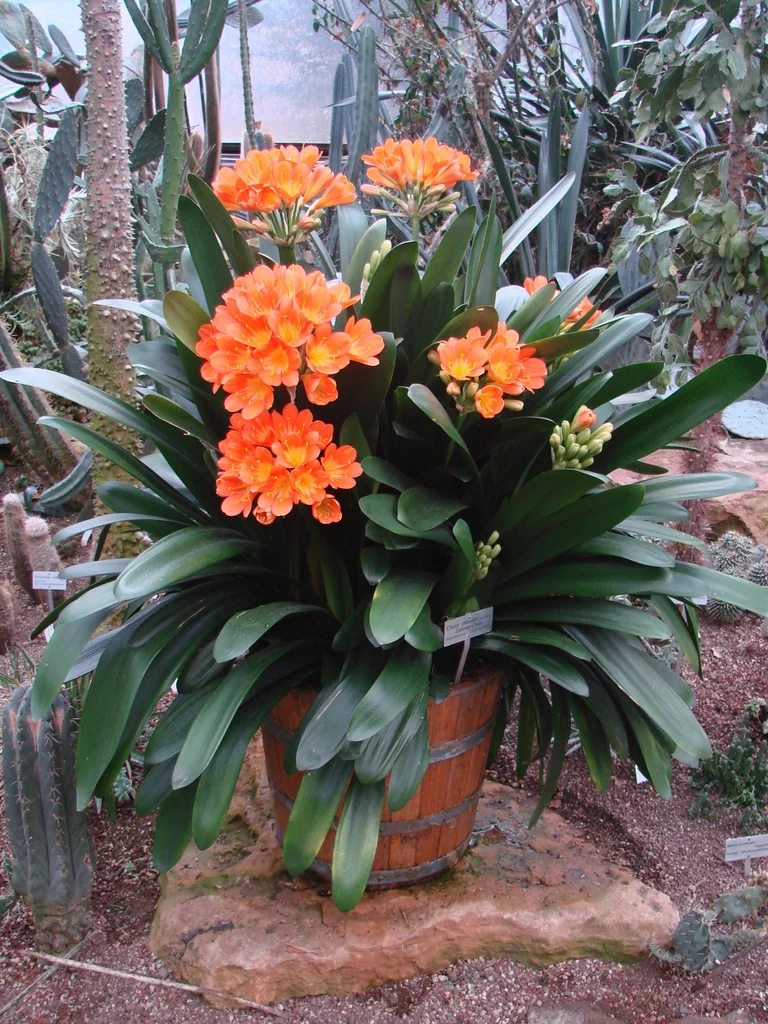
Clivia miniata — source-identified plant photograph. Photo: Guérin Nicolas i Toxic to cats Clivia miniata
Bright indirect light
Clivia miniata only. Confirm the botanical label; a photograph cannot identify a visitor’s specimen.
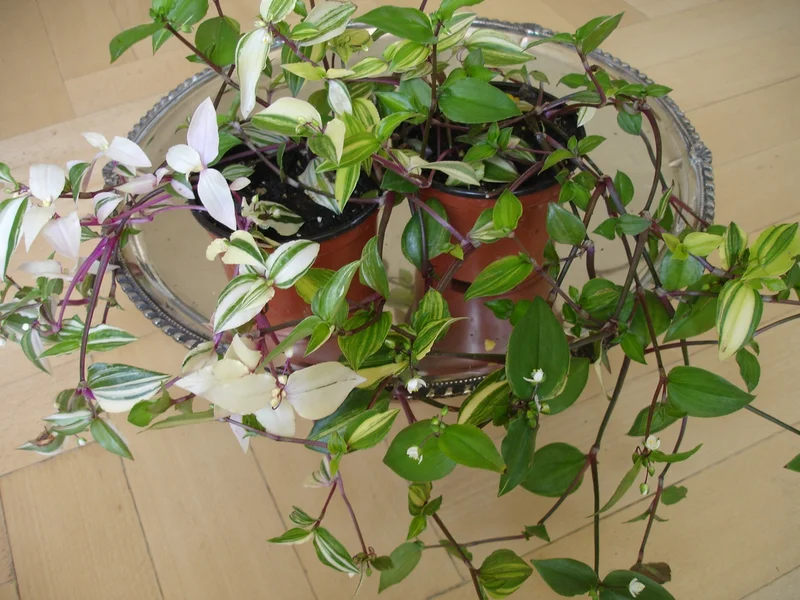
Tradescantia fluminensis — source-identified plant photograph. Photo: LucaLuca i Toxic to cats Tradescantia fluminensis
Bright indirect light
Tradescantia fluminensis only. Confirm the botanical label; a photograph cannot identify a visitor’s specimen.
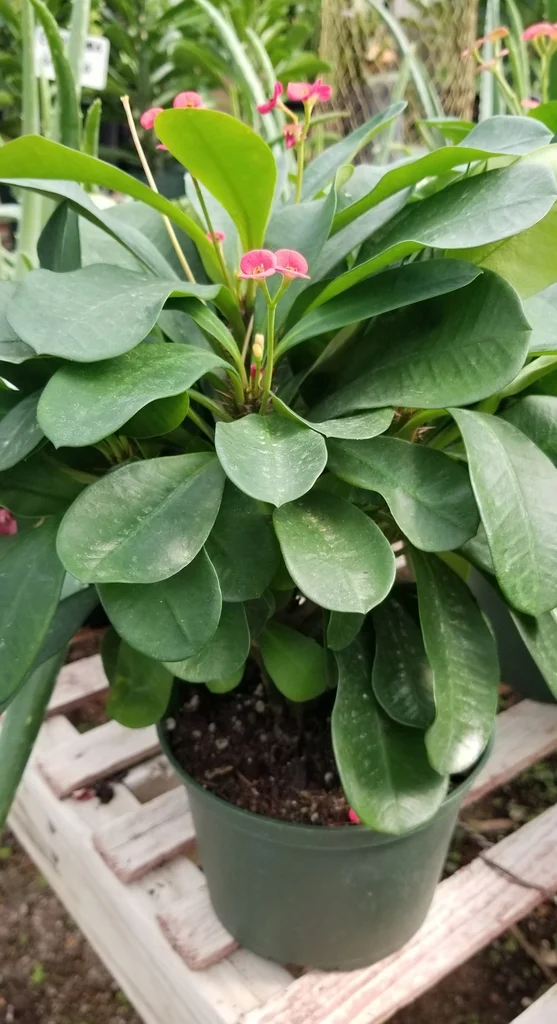
Euphorbia milii — source-identified plant photograph. Photo: Cindy Christian i Toxic to cats Euphorbia milii
Sunny position
Euphorbia milii only. Confirm the botanical label; a photograph cannot identify a visitor’s specimen.
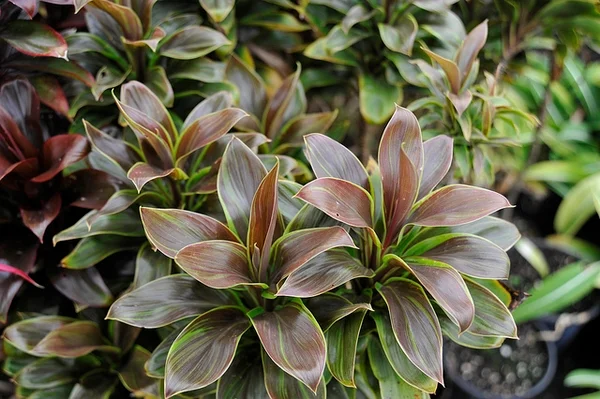
Cordyline fruticosa — source-identified plant photograph. Photo: Megan Hansen i Toxic to cats Cordyline fruticosa
Bright indirect light
Cordyline fruticosa only. Confirm the botanical label; a photograph cannot identify a visitor’s specimen.
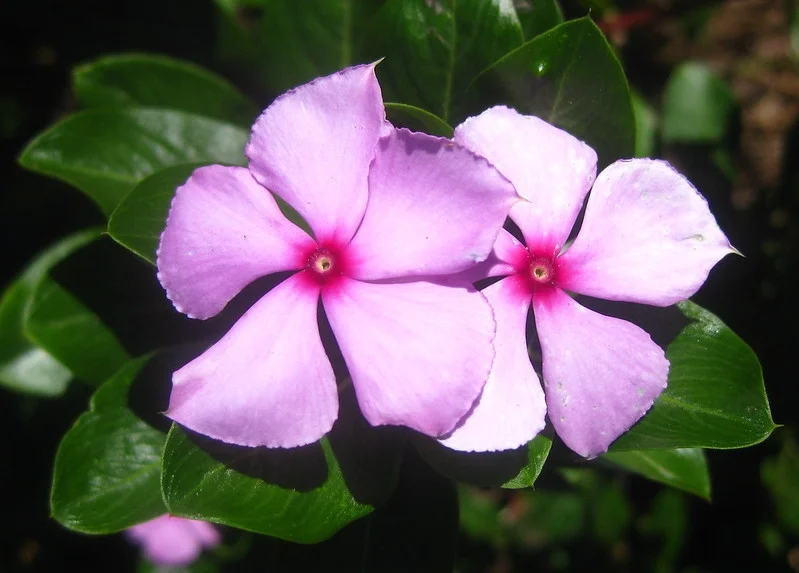
Catharanthus roseus — source-identified plant photograph. Photo: Ton Rulkens i Toxic to cats Catharanthus roseus
Sunny position or Some direct sun
Catharanthus roseus only. Confirm the botanical label; a photograph cannot identify a visitor’s specimen.
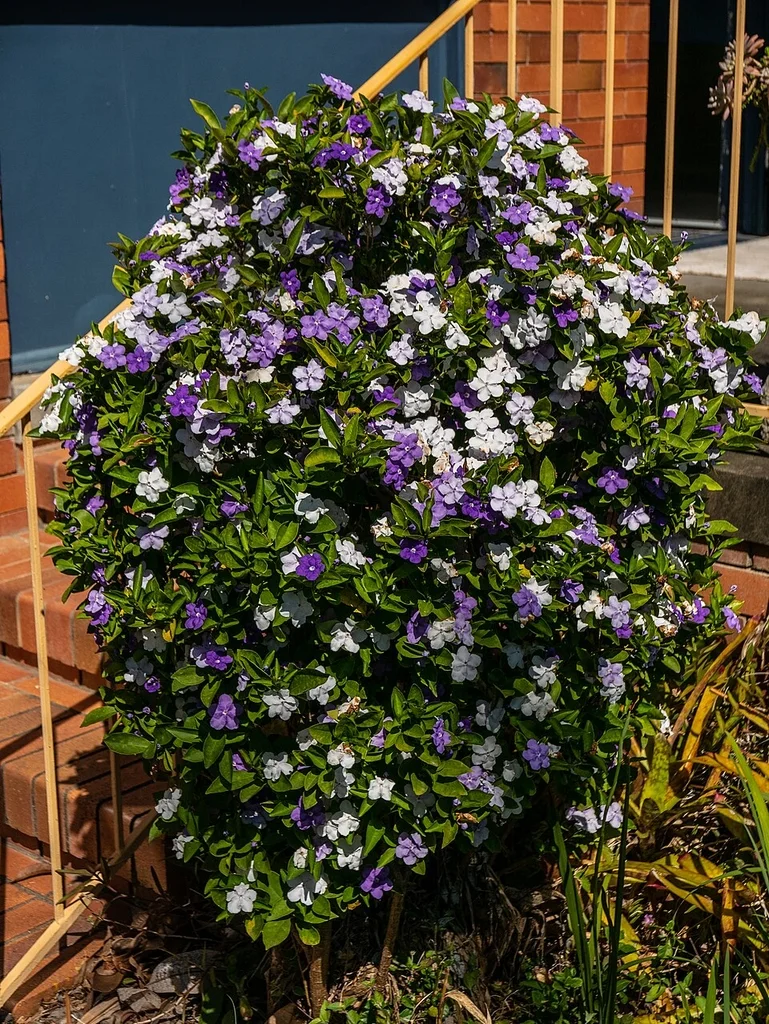
Brunfelsia pauciflora — source-identified plant photograph. Photo: John Robert McPherson i Toxic to cats Brunfelsia pauciflora
Sunny position or Some direct sun
Brunfelsia pauciflora only. Confirm the botanical label; a photograph cannot identify a visitor’s specimen.
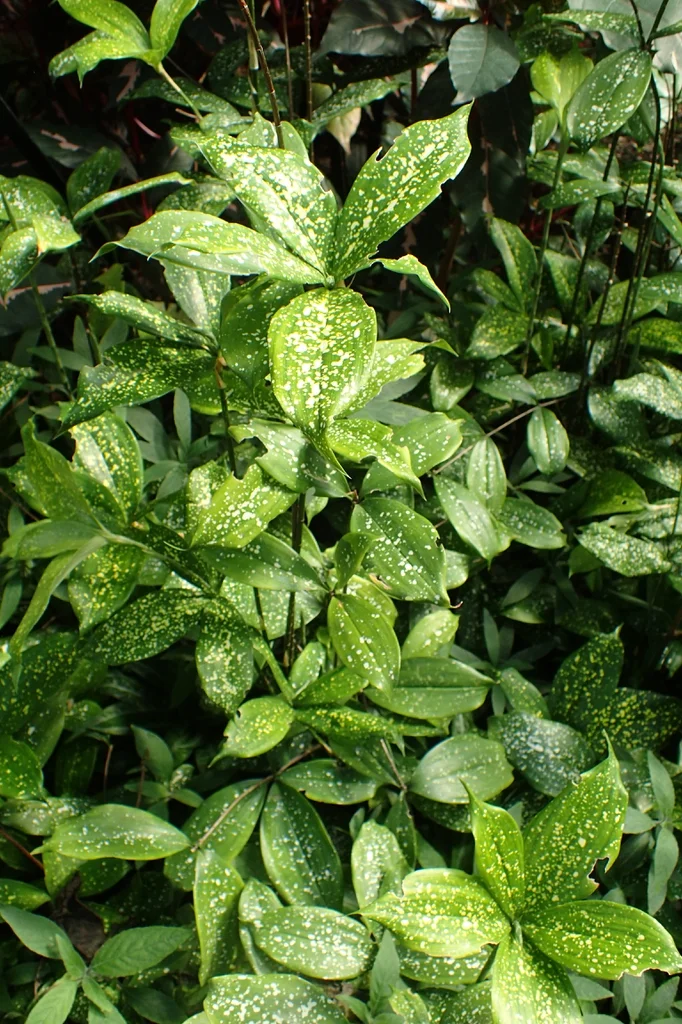
Dracaena surculosa — source-identified plant photograph. Photo: Krzysztof Ziarnek i Toxic to cats Dracaena surculosa
Bright indirect light
Dracaena surculosa only. Confirm the botanical label; a photograph cannot identify a visitor’s specimen.
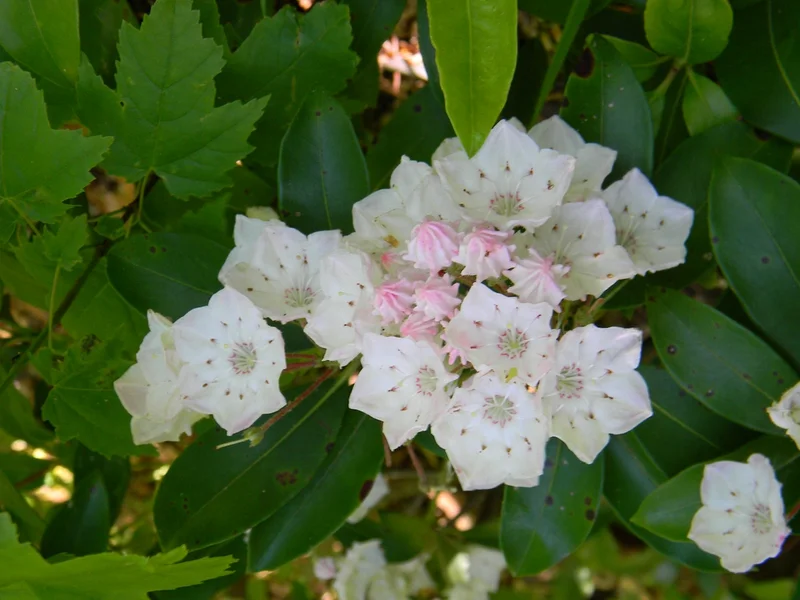
Kalmia latifolia — source-identified plant photograph. Photo: Randy Harter i Toxic to cats Kalmia latifolia
Some direct sun
Kalmia latifolia only. Confirm the botanical label; a photograph cannot identify a visitor’s specimen.
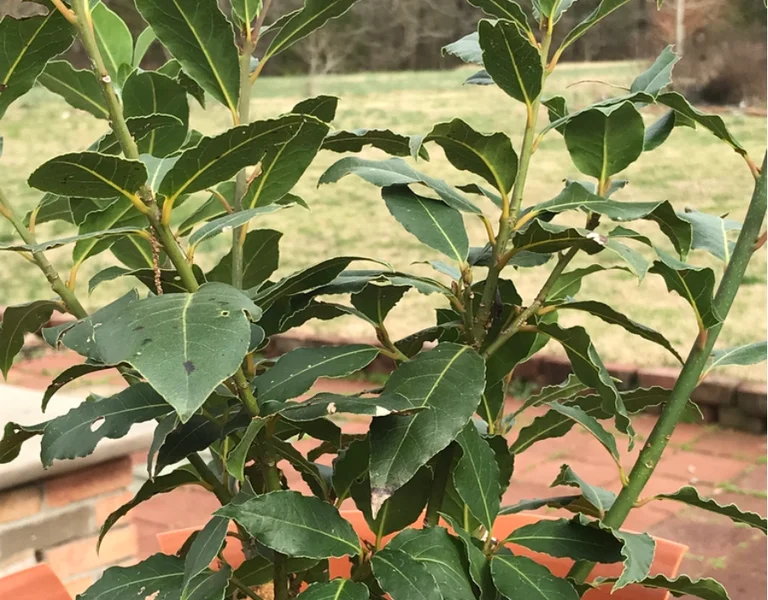
Laurus nobilis — source-identified plant photograph. Photo: K. Andre i Toxic to cats Laurus nobilis
Sunny position or Some direct sun
Laurus nobilis only. Confirm the botanical label; a photograph cannot identify a visitor’s specimen.