Plant guide
Echeveria
Echeveria spp.
Echeveria species are considered non-toxic to cats. Choose a plant with a clear botanical label, because a similar-looking succulent may belong to a different genus.
Non-toxic does not mean edible. Eating plant material can still upset your cat’s stomach.
What this guide covers: This guide covers the Echeveria genus. It does not cover all succulents or plants identified only by their rosette shape.
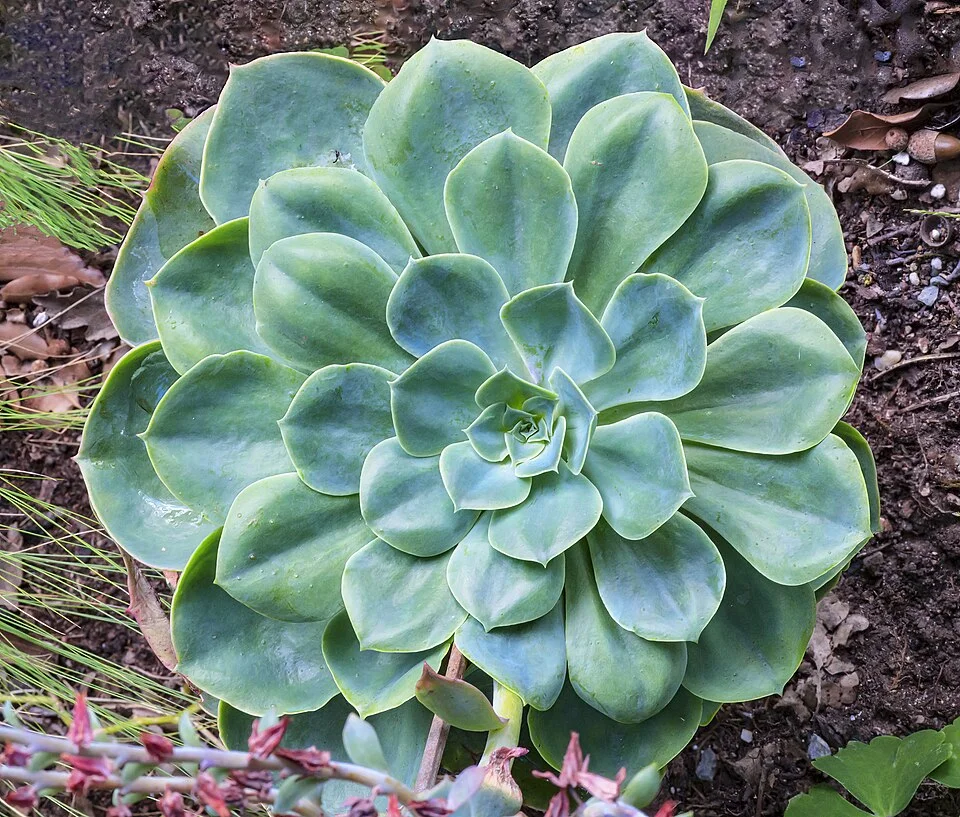
Photo:
Photo details
(MHNT) Echeveria secunda.jpg
By Didier Descouens

License: CC BY-SA 4.0
Resized and converted to WebP for display; botanical details unchanged.
This displayed image is shared under the same CC BY-SA 4.0 license.
Plant shopping
Explore this plant
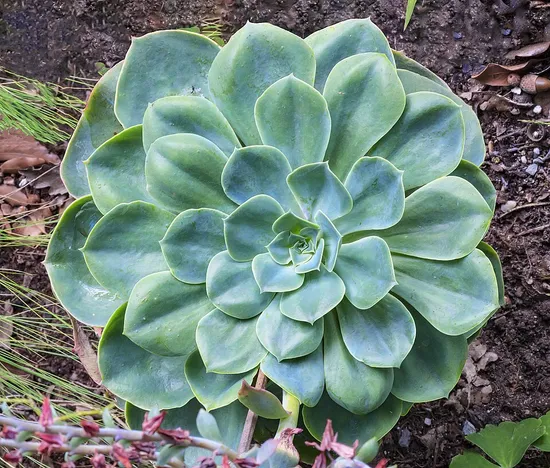
Photo:
Photo details
(MHNT) Echeveria secunda.jpg
By Didier Descouens
License: CC BY-SA 4.0
Resized and converted to WebP for display; botanical details unchanged.
This displayed image is shared under the same CC BY-SA 4.0 license.
Echeveria Lola
View on Amazon — Echeveria Lola; paid link; opens in a new tabPaid link · Opens in a new tab
Non-toxic does not mean edible. Chewing plants can still upset your cat’s stomach.
A little paw-note: We may earn a commission when you buy through these links. This helps us keep building and helps Nico & Larry sustain their lavish kitty lifestyle.
As an Amazon Associate I earn from qualifying purchases.
Look for Echeveria spp. and check the selected variety. Listings and availability can change.
Plant identity
- Scientific name
- Echeveria spp.
- Scope
- Genus-level group
- Family
- Crassulaceae
- Also known as
- No reviewed aliases available
Find the right spot
How to grow this plant
General indoor guidance for Echeveria. Species, leaf colour and growing location can affect light needs.
- Light
- Bright indirect light
Use bright, indirect light indoors. Outdoor sun exposure needs gradual adjustment.
- Watering
- Let the mix partly dry
Water when the mix approaches dryness; never leave the container standing in water.
- Temperature
- Temperature range not yet established
A normal indoor growing range has not been established in this review.
- Potting
- Use gritty, sharply draining cactus compost in a pot with drainage holes.
- Through the year
- Provide a cooler, drier winter rest, watering only enough to avoid serious shrivelling.
Growing-guide sources
- Echeveria plant guide ↗Royal Horticultural Society · Accessed 2026-10-13
The source covers the named plant and these growing conditions.
Growing advice reviewed 2026-10-14. Plant safety is assessed separately.
Reviewed safety information
- Toxic principle
- Not recorded in the reviewed evidence
- Reported signs
- Not recorded in the reviewed evidence
Missing information is unknown. It should not be interpreted as an absence of risk.
Safe alternatives
No verified alternative recommendations are available for this guide.
Sources & review
- Pet ‘safe’ plants — Version 1, August 2023 ↗Veterinary Poisons Information Service · Accessed
Listed by the source as Echeveria species. VPIS explicitly assesses Echeveria species as a group; spp. denotes the same plural group. The proposal does not expand an ASPCA entry for one Echeveria species.
- Pet ‘safe’ plants — explicit scientific names ↗Veterinary Poisons Information Service · Accessed 2026-10-12
Safety last reviewed .