Plant guide
Carnation
Dianthus caryophyllus
Carnations are toxic to cats. Chewing or contact can cause stomach upset and skin irritation. Keep cut stems and garden plants out of reach.
What this guide covers: Dianthus caryophyllus only; do not extend this assessment to every plant sold as pinks or sweet William.
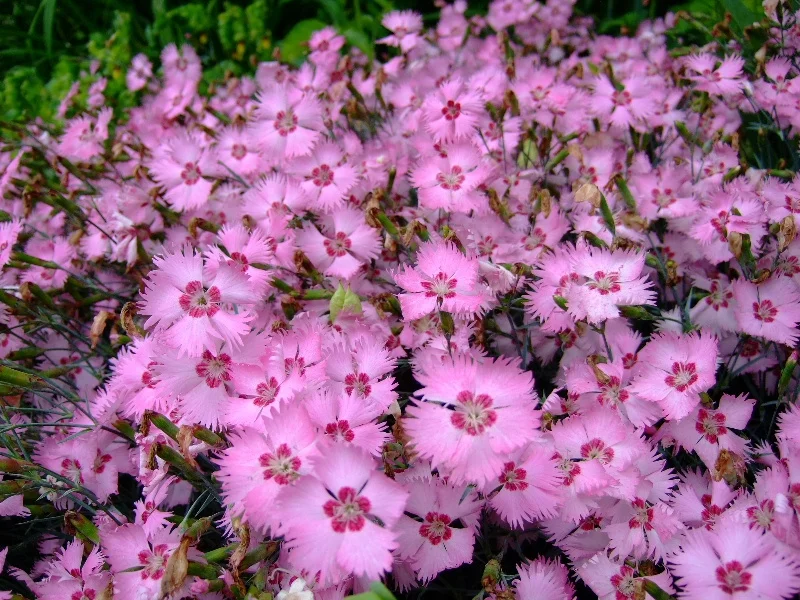
Photo:
Photo details
Dianthus caryophyllus — Mature plants in bloom
By Yewchan
License: CC BY-SA 4.0
Resized and converted to WebP for display; botanical details unchanged.
This displayed image is shared under the same CC BY-SA 4.0 license.
Plant shopping
Explore this plant
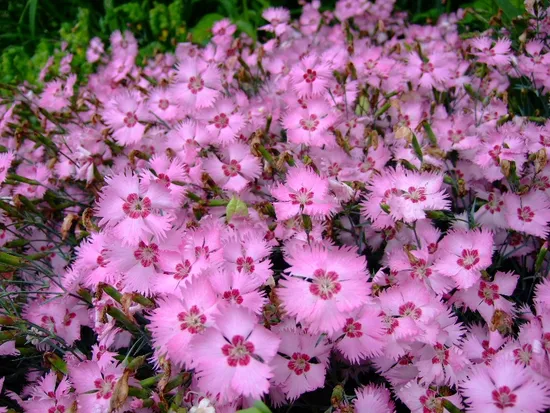
Photo:
Photo details
Dianthus caryophyllus — Mature plants in bloom
By Yewchan
License: CC BY-SA 4.0
Resized and converted to WebP for display; botanical details unchanged.
This displayed image is shared under the same CC BY-SA 4.0 license.
Carnation seeds
View on Amazon — carnation seeds; paid link; opens in a new tabPaid link · Opens in a new tab
Keep away from cats. We do not recommend this plant for a home where cats could reach it.
Explore non-toxic plants →A little paw-note: We may earn a commission when you buy through these links. This helps us keep building and helps Nico & Larry sustain their lavish kitty lifestyle.
As an Amazon Associate I earn from qualifying purchases.
Look for Dianthus caryophyllus and check the selected variety. Listings and availability can change.
Plant identity
- Scientific name
- Dianthus caryophyllus
- Scope
- Species
- Family
- Not recorded
- Also known as
- No reviewed aliases available
Find the right spot
How to grow this plant
Dianthus caryophyllus only; do not extend this assessment to every plant sold as pinks or sweet William.
- Light
- Sunny position or Some direct sun
Sun to partial shade.
- Watering
- Keep evenly moist
Maintain moisture without leaving roots waterlogged.
- Temperature
- Temperature range not yet established
Cool summers suit carnations; high heat is poorly tolerated.
- Humidity
No specific humidity target established.
- Potting
- Gritty, well-drained soil with organic matter; neutral to slightly alkaline.
- Through the year
- Remove spent flowers to extend bloom and pinch growth to encourage branching.
Growing-guide sources
- Dianthus caryophyllus ↗NC State Extension · Accessed 2026-10-16
Dianthus caryophyllus only; do not extend this assessment to every plant sold as pinks or sweet William.
Growing advice reviewed 2026-10-16. Plant safety is assessed separately.
Reviewed safety information
- Toxic principle
- Not recorded in the reviewed evidence
- Reported signs
- Not recorded in the reviewed evidence
- Severity
- Severity not established
Missing information is unknown. It should not be interpreted as an absence of risk.
Safe alternatives
No verified alternative recommendations are available for this guide.